Shop Chemicals

211 products

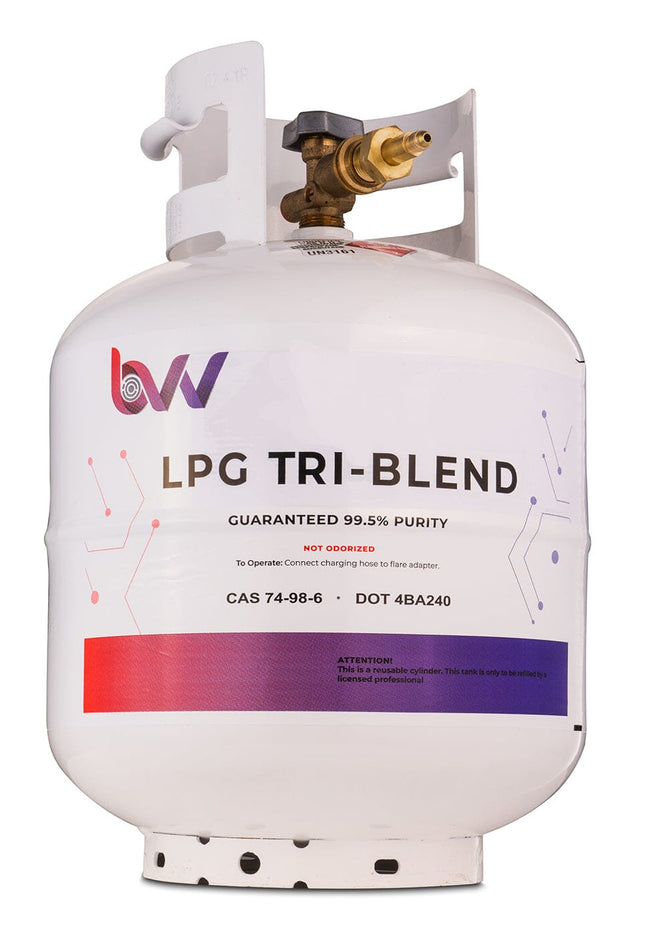
  • 20LB High Purity USA 50/25/25% N-Butane/Iso-Butane/Propane TRI-Blend - 99.5% Guaranteed - Buy 2 Get 1 Free (Add 3 To Cart) 20LB High Purity USA 50/25/25% N-Butane/Iso-Butane/Propane TRI-Blend - 99.5% Guaranteed - Buy 2 Get 1 Free (Add 3 To Cart)

    20LB High Purity USA 50/25/25% N-Butane/Iso-Butane/Propane TRI-Blend - 99.5% Guaranteed - Buy 2 Get 1 Free (Add 3 To Cart)

    20LB High Purity USA 50/25/25% N-Butane/Iso-Butane/Propane TRI-Blend - 99.5% Guaranteed - Buy 2 Get 1 Free (Add 3 To Cart) High purity 50/25/25% N-Butane/Iso-Butane/Propane TRI-Blend is USA sourced, and guaranteed to be 99.5% pure. This instrument grade solvent helps to produce a higher quality extract by reducing mystery oils and contaminants. Solvent comes in a DOT refillable LP tank. This product is clean, colorless and odorless. KEY BENEFITS: Free of any hydrogen Sulphide based Ethyl Mercaptan Odorants. This product is clean, colorless, and odorless. Tank contains no diptube. Sourced and Refined in USA.   Actual Tri-Blend liquid weight is 20LB DISCLAIMER(S): This unit is intended for LEGAL purposes only, to be used in accordance with local laws and ordinances. Use only in WELL VENTILATED AREAS! Notice: This item will ship via Ground ONLY. BVV™ always recommends distillation of every solvent before use. Tank does not include CGA 510 fitting. Must be added through dropdown or bought separately. Actual liquid weight is 20LB California now prohibits the retail sale of any Non-Odorized butane in quantities larger than 150ml. If you are not a retail purchaser, you can call in to place an order. Permitted Sales Include the Following:  Persons licensed to perform volatile solvent extraction activity under CA Bus & Prof Code Division 10 Manufacturers, wholesalers, resellers, or retailers solely for resale  How To Buy 2 Get 1 Free Simply add 3X of 20LB Tanks to your cart and you will automatically be discounted the third tank. Need one with a CGA fitting two without? Simply add one tank with your desired CGA fitting and add two of the same item selecting "None" for the "CGA fitting" and "Connection Size" options. Want 2 Butane Tanks and 1 Propane Tank? No problem, just add 3 of ANY of our 20LB LPG tanks to your cart and enjoy the third tank free! Due to FAA regulations, solvent tanks cannot be safely transported via means other than ground. Any order that has solvent will not be shipped in an expedited fashion. If an order with solvent is combined with any other items and chosen to be expedited, that entire order will ship via UPS Ground/Freight. We will not split up any orders and ship them separately. If a customer is wanting to expedite specific items and order solvent, 2 separate orders (1 for the solvent and 1 for the expedited items) will need to be placed in order to do so. Solvents do not ship to Hawaii, Puerto Rico, or any other US Territory outside of the contiguous 48 States. Shipping Solvent to Alaska may ONLY ship via freight and will be required to travel through Canada. We have this policy in place to ensure safety when transporting solvents, and to prevent any issue with shipping times for our customers. Chemical Formula: C₄H₁₀ + C3H8 Molecular Weight: 58.12 g/mol & 44.10 g/mol CAS Registry Number: 106-97-8 & 74-98-6 & 75-28-5 Appearance Colorless Odor: Faint Petroleum Density N/A Boiling Point: N/A Solubility in water: Low Solubility  GHS Pictograms: GHS Signal Word: Danger GHS Hazard Statements: H220, H280 GHS Precautionary Statements P210, P377, P381, P403, P410+P403 UN Identification Number: 1965 Proper Shipping Name: Hydrocarbon Gas Mixture, liquefied, n.o.s. Transport Hazard Class: 2.1 Packing Group: None DOT Placard:   Tri-Blend Certificate of Conformance (COC) and Certificates of Analysis (COA's)  Tri-Blend Safety Data Sheet (SDS)  

    $265.00 - $280.00

  • Hydrochloric Acid 37% ACS Reagent Grade (HCL) Hydrochloric Acid 37% ACS Reagent Grade (HCL)

    Hydrochloric Acid 37% ACS Reagent Grade (HCL)

    Hydrochloric Acid 37% ACS Reagent Grade HCL pH: 1.1 Hydrochloric acid, solution is a colorless watery liquid with a sharp, irritating odor. Consists of hydrogen chloride, a gas, dissolved in water. Sinks and mixes with water.  HCL vapors are heavier than air.  It is classified as a Strong Acid and is used in many types of laboratory preparations.   Cruelty-free: Our Hydrochloric Acid is not tested on animals. Chemical Formula: HCl Molecular Weight: 36.46 CAS Registry Number:  7647-01-0 Appearance Colorless, transparent liquid, fumes in air if concentrated Odor: Pungent characteristic Density 0.81 g/cm3 Boiling Point: 61C @ 36% Concentration GHS Pictograms: GHS Signal Word: Danger GHS Hazard Statements: H290, H314, H335 GHS Precautionary Statements P210, P233, P240, P305+P351+P338, P403+P23 P260, P280, P303+P361+P353, P305+P351+P338 UN Identification Number: 1789 Proper Shipping Name: Hydrochloric acid solution Transport Hazard Class: 8 Packing Group: II DOT Placard:    What Is Hydrochloric Acid? Hydrochloric acid (HCl) is a strong, highly corrosive acid that is widely used in various industrial, commercial, and laboratory applications. It is a solution of hydrogen chloride gas dissolved in water, forming a clear, colorless liquid with a sharp, pungent odor. Chemically, hydrochloric acid is composed of hydrogen (H) and chlorine (Cl) atoms, with a chemical formula of HCl. In aqueous solution, hydrochloric acid dissociates into hydrogen ions (H⁺) and chloride ions (Cl⁻), making it a strong acid. How Is Hydrochloric Acid Produced? Hydrochloric acid (HCl) is typically produced on an industrial scale through the chemical reaction between hydrogen gas (H2) and chlorine gas (Cl2). This reaction is exothermic and requires the presence of a suitable catalyst to proceed efficiently. The primary method for producing hydrochloric acid involves the following steps: Preparation of Hydrogen: Hydrogen gas (H2) is produced through various methods, such as steam reforming of natural gas (methane), electrolysis of water, or as a byproduct of certain chemical processes. Steam reforming is the most common method for large-scale hydrogen production, where methane is reacted with steam in the presence of a nickel-based catalyst to produce hydrogen gas and carbon monoxide: CH4 + H2O → CO + 3H2 The produced hydrogen gas is then purified to remove impurities before use in the hydrochloric acid production process. Preparation of Chlorine: Chlorine gas (Cl2) is typically produced by the electrolysis of sodium chloride (table salt) solution, known as the chlor-alkali process. In this process, an electric current is passed through a brine solution (sodium chloride dissolved in water), resulting in the decomposition of water and the formation of chlorine gas at the anode: 2Cl⁻ → Cl2 + 2e⁻ The chlorine gas is then purified and dried to remove any water vapor before use in the hydrochloric acid production process. Hydrogen-Chlorine Reaction: Once hydrogen and chlorine gases are prepared, they are combined and reacted in a controlled manner. The reaction typically occurs in a reactor vessel equipped with a suitable catalyst, such as platinum or rhodium, to facilitate the reaction: H2 + Cl2 → 2HCl This reaction produces hydrochloric acid gas (HCl), which is then cooled and condensed to form a liquid solution of hydrochloric acid. Dissolution in Water: The hydrochloric acid gas is dissolved in water to produce a concentrated solution of hydrochloric acid. This solution can be further diluted to the desired concentration for various industrial, commercial, or laboratory applications. Overall, the production of hydrochloric acid involves the controlled reaction of hydrogen and chlorine gases in the presence of a catalyst, followed by the dissolution of the resulting hydrochloric acid gas in water. The process is typically carried out in specialized chemical plants equipped with the necessary infrastructure and safety measures to handle corrosive and hazardous materials. What Is Hydrochloric Acid Used for? Hydrochloric acid (HCl) is a versatile and widely used chemical with numerous industrial, commercial, and laboratory applications. Some common uses of hydrochloric acid include: Chemical Manufacturing: Hydrochloric acid is used in the production of a wide range of chemicals, including chlorine, vinyl chloride (used to make PVC), and various pharmaceuticals, dyes, and pigments. Steel Pickling: Hydrochloric acid is commonly used for pickling or cleaning steel surfaces to remove rust, scale, and other impurities before further processing, such as galvanizing or coating. pH Control: Hydrochloric acid is used as a pH adjuster or neutralizer in various industrial processes, wastewater treatment, and swimming pool maintenance. Food Processing: Hydrochloric acid is used in the food industry for various purposes, including adjusting acidity, flavor enhancement, and food preservation (in accordance with regulatory guidelines). Laboratory Applications: Hydrochloric acid is commonly used in laboratories for chemical analysis, titrations, and as a reagent in various chemical reactions. Household Cleaning Products: Dilute hydrochloric acid solutions are used in household cleaning products, such as toilet bowl cleaners and descaling agents. Oil and Gas Production: Hydrochloric acid is used in the oil and gas industry for various applications, including well acidization to enhance the productivity of oil and gas wells. Water Treatment: Hydrochloric acid is used in water treatment processes to control pH, remove mineral scale deposits, and neutralize alkaline substances. Textile and Leather Processing: Hydrochloric acid is used in textile and leather processing industries for desizing, bleaching, and pH adjustment. Metal Cleaning and Etching: Hydrochloric acid is used for cleaning and etching metals, such as aluminum, copper, and brass, in various manufacturing processes. Chemical Synthesis: Hydrochloric acid is used as a reactant or catalyst in various chemical synthesis processes, including the production of pharmaceuticals, plastics, and synthetic rubber. These are just a few examples of the diverse range of applications for hydrochloric acid. Its versatility, corrosive properties, and ability to adjust pH make it an essential chemical in many industries and processes. However, it's important to handle hydrochloric acid with care due to its corrosive nature and potential health hazards. Proper safety precautions, such as wearing protective equipment and following appropriate handling and storage procedures, should be observed when working with hydrochloric acid. What Are The Hazards of Hydrochloric Acid? Hydrochloric acid (HCl) is a highly corrosive and hazardous chemical that can pose several risks to human health, safety, and the environment. Some of the main hazards associated with hydrochloric acid include: Corrosive Properties: Hydrochloric acid is highly corrosive to skin, eyes, respiratory tract, and mucous membranes. Contact with concentrated hydrochloric acid can cause severe chemical burns, irritation, and tissue damage. Inhalation of hydrochloric acid vapors or mists can also cause irritation and damage to the respiratory system. Acute Toxicity: Exposure to high concentrations of hydrochloric acid vapor or mist can cause acute toxicity, leading to symptoms such as coughing, difficulty breathing, chest pain, and throat irritation. Severe exposure may result in pulmonary edema (fluid buildup in the lungs) and respiratory distress. Environmental Hazards: Spills or releases of hydrochloric acid can have adverse effects on the environment, including contamination of soil, water bodies, and aquatic ecosystems. Hydrochloric acid can be corrosive to metals and may cause damage to infrastructure and equipment if not properly contained and managed. Reactivity: Hydrochloric acid is reactive with a wide range of substances, including metals, alkalis, and organic materials. It can release hazardous gases (such as hydrogen gas) when reacting with certain metals, posing fire and explosion hazards in confined spaces. Storage and Handling Risks: Hydrochloric acid must be stored and handled with care due to its corrosive and reactive nature. Improper storage, handling, or mixing with incompatible substances can lead to accidents, spills, and exposure incidents. Health Effects: Prolonged or repeated exposure to hydrochloric acid vapor or mist may cause chronic respiratory effects, such as bronchitis, asthma, or chronic obstructive pulmonary disease (COPD). Individuals with pre-existing respiratory conditions or sensitivities may be more susceptible to the effects of hydrochloric acid exposure. Skin and Eye Damage: Contact with hydrochloric acid can cause severe chemical burns and damage to the skin and eyes. Eye contact may result in irritation, redness, and blurred vision, while skin contact may cause pain, redness, and blistering. Ingestion Hazards: Ingestion of hydrochloric acid can cause severe burns to the mouth, throat, esophagus, and stomach, leading to tissue damage, perforation, and internal bleeding. Ingestion of even small amounts of concentrated hydrochloric acid can be life-threatening and requires immediate medical attention. Overall, the hazards associated with hydrochloric acid underscore the importance of proper handling, storage, and use of this chemical in industrial, commercial, and laboratory settings. Employers and workers should be trained on the safe handling procedures, use of personal protective equipment, and emergency response protocols to minimize the risks associated with hydrochloric acid exposure. Additionally, regulatory guidelines and safety standards should be followed to ensure compliance and protect human health and the environment. Hydrochloric Acid Safety Data Sheet (SDS)

    $20.00 - $1,550.00

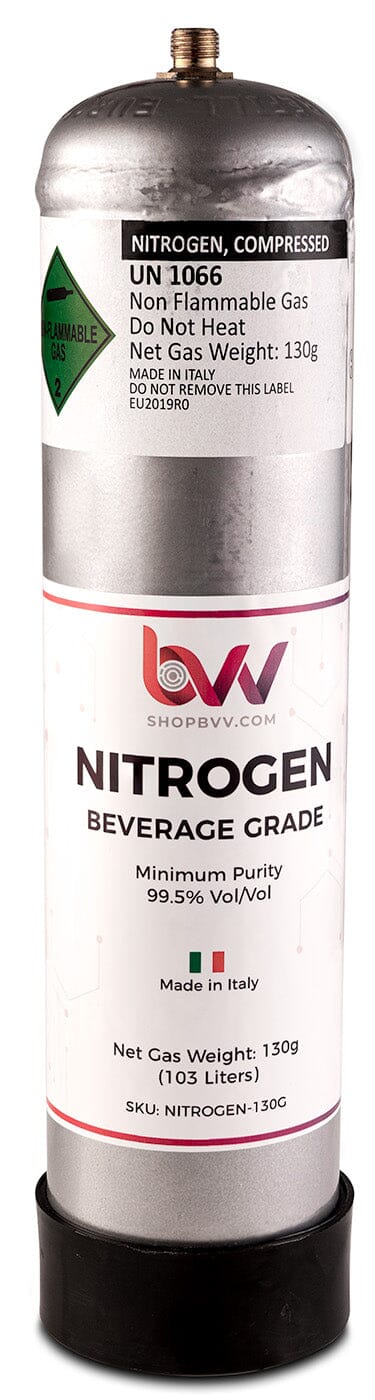
  • Nitrogen Tank for Extraction 99.5% Pure Nitrogen Tank for Extraction 99.5% Pure

    Nitrogen Tank for Extraction 99.5% Pure

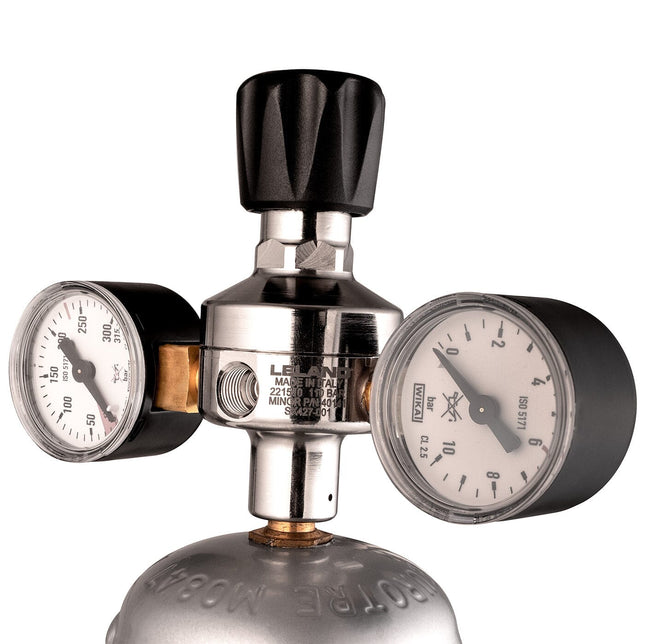
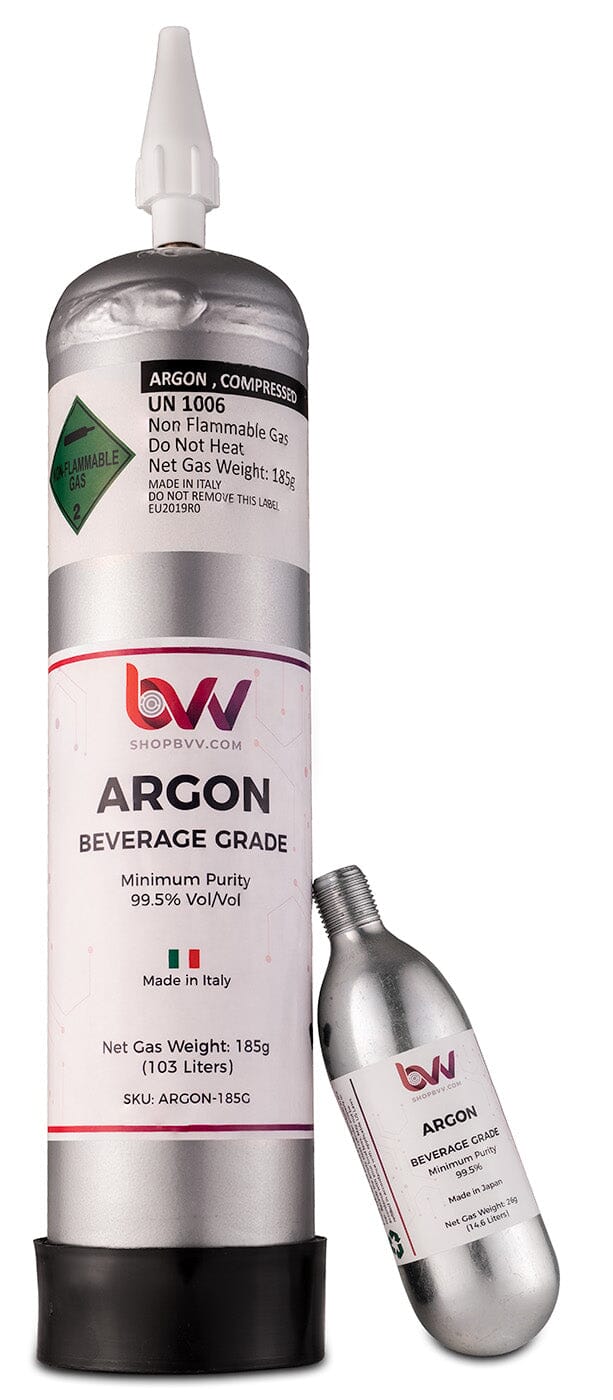
    Nitrogen Beverage Grade 99.5% Pure Made in Italy This modest but mighty nitrogen tank is a great to pair with any 2lb or smaller extraction system.  For those customers that need nitrogen to push their solvent through color remediation columns (CRC) or for those super cold dewax extractions that need the extra push to get the remaining solvent out of the cold columns.  This tank will produce a continuous ~66.5 Seconds of Nitrogen @ 80PSI.  Directions:  (*Hose not Included with regulator) Connect a stainless steel braided 1/4" JIC hose (or vacuum hose BVV-HVAC) to your extractor, placed at the valve where you need your extra pressure push.  Using the needle valve you can open the regulator and the nitrogen will flow. Pressurize 15-30PSI. *Note Nitrogen Tank Pressure is 1580 PSI  *At end of use, completely empty the tank for recycling. Tank Volume of Nitrogen Coverage Product Sku: 130g / 103 Liters / 3.67 Cubic Feet See Use Chart Below... NITROGEN-130G   Regulator/Dispenser Details (not included with tank only purchase) Nitrogen Regulator - Adjustable via. needle valve, regulated to 80 PSI. Made in Italy. Thread: M11x1 (tank connection).  Output: 1/4" JIC to connect to any of our 1/4" extractor hoses or vacuum hoses.  Gauges read in BAR.   M11 Valve Dispenser Kit - Includes adjustable pushpin style valve dispenser. Output: 1/4" JIC Flare, NO GAUGE.  Connects to any 1/4" JIC Hose. How long will it last?: A 1lb column of biomass (3"x24") is equal to ~2.7 liters empty.  That's about 38 column volumes.  Assuming you only used 4 column volumes per extraction you would get ~10 extractions from one tank.   Column Size Column Volume # Runs/Tank 1.5x12 (70g biomass column) 0.34 Liters ~75 2x12 (120g biomass column) 0.6 Liters ~54 3x24 (1lb biomass column) 2.7 Liters ~12 4x24 (2lb biomass column) 4.9 Liters ~6 *Use calculated @ 4 column volumes per run    What Is Nitrogen Gas? Nitrogen gas is a chemical element and a diatomic molecule with the chemical formula N2. It is a colorless, odorless, and tasteless gas that makes up about 78% of Earth's atmosphere by volume. Nitrogen gas is an essential component of the air we breathe and plays a crucial role in various natural processes and industrial applications. In its gaseous form, nitrogen is composed of two nitrogen atoms tightly bonded together by a strong triple bond. Due to its stable molecular structure, nitrogen gas is relatively inert and does not readily react with other substances under normal conditions. What Is Nitrogen Gas Used For? Nitrogen gas has a wide range of applications across various industries and scientific fields due to its inert nature, abundance, and unique properties. Some of the key uses of nitrogen gas include: Food Preservation: Nitrogen gas is used to create controlled atmospheres in food packaging to extend the shelf life of perishable products. It helps prevent the growth of spoilage microorganisms and maintains the freshness of packaged foods. Laboratory Applications: Nitrogen gas is used in laboratories as a carrier gas for chromatography, as a purge gas to remove oxygen and moisture from sensitive reactions, and for preserving and storing samples. Welding and Metalworking: Nitrogen gas is employed as a shield gas during welding and metalworking processes to prevent oxidation and maintain the integrity of metal surfaces. Electronics Manufacturing: In electronics manufacturing, nitrogen gas is used to create inert environments that prevent oxidation and improve the quality of soldering and component assembly. Cryogenic Applications: Nitrogen gas, when cooled to extremely low temperatures, becomes liquid nitrogen. It is used in cryopreservation of biological samples, freezing and storing biological materials, and in various cryogenic cooling applications. Fire Suppression: Nitrogen gas is utilized as a fire suppressant in certain situations to reduce the concentration of oxygen, effectively suppressing fires and preventing explosions. Oil and Gas Industry: In the oil and gas industry, nitrogen gas is used for pressure testing pipelines, purging equipment, and enhancing oil recovery. Medical and Healthcare: Nitrogen gas is used in medical applications, such as cryotherapy for skin treatments, freezing of warts and lesions, and providing a dry environment for sensitive medical instruments. tAerospace and Aviation: Nitrogen gas is used to pressurize aircraft tires and hydraulic systems, preventing moisture and oxidation-related issues. Fertilizer Production: Nitrogen gas is a key component in the production of ammonia-based fertilizers, which are essential for promoting plant growth in agriculture. Diving Industry: In underwater diving, nitrogen gas is used in breathing gases such as air and nitrox. Pneumatic Systems: Nitrogen gas is used in pneumatic systems for inflating tires, powering tools, and operating machinery. Food and Beverage Industry: Nitrogen gas is used to dispense draft beer, wine, coffee, and other beverages, creating a foamy head and enhancing the presentation. How Can I Pressure Test My Extractor With Nitrogen? Pressure testing your extractor with nitrogen involves using nitrogen gas to check for leaks, verify the integrity of the equipment, and ensure its safety before performing actual extraction processes. Here's a step-by-step guide on how to pressure test your extractor using nitrogen gas: Materials Needed: Nitrogen gas cylinder with appropriate regulator Pressure gauge PTFE tape (thread seal tape) Bubble solution or soapy water Safety goggles and gloves Wrench or spanner Steps: Preparation: Ensure that the extractor is clean and free from any residual materials. Check all fittings, connections, valves, and joints for signs of damage, wear, or corrosion. Replace any damaged components. Make sure the extractor is properly assembled and closed, including any access ports or lids. Safety Precautions: Wear appropriate safety goggles and gloves to protect your eyes and hands. Work in a well-ventilated area to prevent the buildup of nitrogen gas. Regulator Setup: Attach the nitrogen gas cylinder to the regulator and secure it tightly using a wrench. Set the desired pressure on the regulator according to the recommended pressure for your extractor and testing requirements. Sealing Threads: Apply PTFE tape to the threads of the fittings and connections. This helps create a better seal and prevents leaks. Connect Nitrogen Gas: Connect the regulator outlet to the appropriate inlet or access port on the extractor using a compatible hose or tubing. Pressure Testing: Slowly open the nitrogen gas cylinder valve to allow gas to flow into the extractor. Monitor the pressure gauge and allow the pressure to build up to the desired test pressure. Once the desired pressure is reached, close the cylinder valve to stop the flow of nitrogen gas. Leak Detection: If pressure is not maintained apply a bubble solution or soapy water to all the fittings, joints, and connections. Inspect the extractor for any bubbles forming, indicating potential leaks. Pay close attention to areas where bubbles appear, and tighten or adjust fittings after depressurizing the system as needed to eliminate leaks. Release Pressure: Slowly release the pressure from the extractor by gradually opening the cylinder valve. Once the pressure is completely released, disconnect the nitrogen gas source. Final Inspection: Reapply the bubble solution or soapy water to the connections that were adjusted. Verify that no bubbles form, indicating that leaks have been successfully resolved. Documentation: Keep a record of the pressure test results, including the test pressure and any adjustments made. Repeat if Necessary: If any leaks were detected and resolved, repeat the pressure test to ensure all leaks have been eliminated. Pressure testing your extractor with nitrogen gas helps ensure the safety and integrity of the equipment, minimizing the risk of leaks during actual extraction processes. Always follow proper safety guidelines and manufacturer recommendations when working with nitrogen gas and pressure testing equipment. How Do I Perform A Nitrogen Assisted Extraction? Using nitrogen to inject butane into a closed-loop extraction system requires careful consideration and adherence to safety protocols. Nitrogen gas can be used to pressure test the extraction system, assist in transferring butane throughout the system, and assist in the process of adsorbent filtration/color remediation. Here's a step-by-step guide on how to use nitrogen to inject butane into your closed-loop extraction setup: Materials Needed: Closed-loop extraction system with Pressure Relief Valve Nitrogen gas cylinder with appropriate regulator Pressure gauge Nitrogen-compatible hose or tubing Butane tank Butane-compatible hose or tubing Safety goggles and gloves Wrench or spanner Steps: Safety Precautions: Wear appropriate safety goggles and gloves to protect your eyes and hands. Work in a C1D1 environment to prevent the buildup of flammable gases. Preparation: Ensure that the closed-loop extraction system is clean, properly assembled, and free from any residual materials. Regulator Setup: Attach the nitrogen gas cylinder to the regulator and secure it tightly using a wrench. Set the desired pressure on the regulator based on the recommended pressure for your closed-loop system and extraction process We recommend utilizing 25-50 PSI to perform solvent transfer throughout the system. Nitrogen Line Connection: Connect the regulator outlet to the nitrogen-compatible hose or tubing. Connect the other end of the hose to the vapor port or accessory port to the recovery cylinder of your closed-loop system. Butane Line Connection: Connect the recovery cylinder to the closed-loop system using a butane-compatible hose or tubing. Ensure that the recovery cylinder is securely connected to the system, properly sealed, and grounded. Pressurizing the System: Slowly open the nitrogen gas cylinder valve to allow nitrogen gas to flow into pressurize the recovery cylinder. Monitor the pressure gauge and pressurize the recovery cylinder to the desired pressure for injecting butane. Nitrogen gas is used to create pressure that forces the butane into the system. Injecting Butane: Open the valve on the recovery tank to allow the butane to flow into the material column of the closed-loop system. The pressurized nitrogen gas assists in transferring the butane through the system and into the collection base of the system. Monitoring and Safety: Carefully monitor the pressure levels on both the nitrogen gas cylinder and the recovery cylinder. Venting: Once the injection and extraction processes are complete, close the valves on both the nitrogen gas cylinder and the recovery tank. Prior to applying heat to your collection base and starting your solvent recovery procedure first slowly vent the nitrogen from the collection base directly into the ventilation system of your C1D1 Booth.  Monitor the pressure gauge and sight glass of the collection base closely. Slowly and incrementally vent the nitrogen from the system until the solution begins to boil this is an indication that the nitrogen filling the headspace of the collection base has been removed and the butane is filling the remaining headspace. Additionally,  if the pressure starts to increase after an incremental venting procedure that is a good indication that the nitrogen has been released from the system and the butane is building pressure within the system. If the tank PSI remains the same after a venting procedure then nitrogen is most likely still within the system. Recovery: Once the nitrogen has been successfully removed from the collection base proceed to vent the nitrogen from the empty recovery cylinder and pull the recovery cylinder and the associated lines under vacuum. With the nitrogen now removed from both the collection base and recovery cylinder you can now proceed with your recovery procedure  Disconnect the nitrogen gas line and the butane line from the closed-loop system. Properly store the nitrogen gas cylinder and the recovery tank according to safety guidelines. Using nitrogen to inject butane into a closed-loop extraction system requires a solid understanding of the equipment, processes, and safety procedures involved. Always refer to your closed-loop system's manufacturer guidelines and follow best practices for safe operation. How Much Nitrogen Pressure Do I Need For Adsorbent Filtration/ Color Remediation? The nitrogen pressure required for adsorbent filtration and color remediation can vary depending on the specific equipment, setup, and the type of media you are using. It's essential to follow the manufacturer's recommendations for your particular closed-loop extraction system and adsorbent filtration equipment. In general, nitrogen gas can be used to apply pressure to assist in pushing the solvent through the adsorbent media, enhancing the filtration and color remediation process. The pressure you need may vary based on factors such as the viscosity of the solvent, the flow rate, the type of adsorbent media, and the desired results. It's recommended to start with a moderate nitrogen pressure and gradually increase it while monitoring the flow rate and effectiveness of the process. Generally, pressures in the range of 20 to 50 psi (pounds per square inch) are commonly used for adsorbent filtration and color remediation. However, this pressure range can be adjusted based on your specific equipment and requirements. Keep in mind that using too high of a pressure can potentially cause channeling, uneven flow, and limited retention through the adsorbent media, affecting the quality of the filtration process. It's essential to strike a balance between achieving effective filtration and avoiding excessive pressure that could lead to inefficient results or potential safety risks. It's best to perform small-scale tests before scaling up to ensure optimal results and start off slowly when using nitrogen pressure for adsorbent filtration and color remediation. Chemical Formula: N2 Molecular Weight: 28.014 g/mol CAS Registry Number: 7727-37-9 Appearance Colorless Odor: Odorless Density 0.072 lb/ft3 Boiling Point: -196C (-320.8F) Solubility in water: N/A GHS Pictograms: GHS Signal Word: Warning GHS Hazard Statements: H280, H281 GHS Precautionary Statements P282, P336+P317, P403, and P410+P403 UN Identification Number: 1066 Proper Shipping Name: Nitrogen, Compressed Transport Hazard Class: 2.2 Packing Group: None DOT Placard: Nitrogen Safety Data Sheet (SDS)

    $41.00 - $158.00

  • Sale -3% Isopropyl Alcohol 99% Tech Grade Isopropyl Alcohol 99% Tech Grade

    Isopropyl Alcohol 99% Tech Grade

    Isopropyl Alcohol IPA 99% Isopropyl alcohol, also known as 2-propanol or rubbing alcohol, is one of the most common alcohol solutions.  The exact mechanism behind isopropanol’s disinfectant is not certain, however, it’s believed to kill cells through the process of denaturing cell proteins and DNA, dissolving cell lipoprotein membranes, and obstructing cellular metabolism. Isopropanol has a range of applications and uses across multiple industries, from medicine to cosmetics, and we explore this below.  Cleaning Agent for Extraction, Laboratory, and Medical Industries  In addition, 99% pure isopropyl alcohol serves as a cleaning agent for the laboratory, medical, and extraction industries. Mixed with water, this solution can be used as a rubbing-alcohol antiseptic. Quality solvents are vital for cleaning delicate electronics, extraction equipment, and other sensitive items. It also makes a perfect solution for surface disinfectant. 99% IPA evaporates cleanly and minimizes residual substances. Cleaning Agent for Home Care A truly versatile solution used in a variety of applications, isopropyl can also serve as a home cleaning remedy. For example, many window and toilet bowl cleaners contain isopropyl alcohol.  rubbing alcohol can dissolve icky residues such as chewing gum, sap, hairspray, and other difficult compounds from hands, surfaces, and more. Other ways isopropyl can be used:  Cleaning makeup brushes Cleaning blinds Cleaning sinks and chrome Deodorizing shoes Disinfecting computer mouse and keyboard  Disinfecting mobile phone Dissolving windshield frost Getting rid of fruit flies  Cleaning jewelry  Creating homemade sanitizer  Preventing ring around the collar  Cleaning stainless steel  Other Things to Note Spigots/Faucets are only compatible with 5 Gallon Jugs and must be purchased separately Isopropyl alcohol is a fast-evaporating solvent and industrial cleaning agent, intended for industrial or professional use only. It can be used as a solvent for gums, shellac, and essential oils. Can be used as a fuel additive.   Isopropyl Alcohol (liquid) - 99.8% Purity Shelf Life - 5 years Specific Gravity - 0.79 Vapor Pressure - 1psi @ 20°C Flash Point - 12°C *Disclaimer: 1 Quart Bottles are exempt from additional Hazmat shipping charges and can ship immediately, Less paperwork for shipping is required for shipping only 1 single bottle per order. Chemical Formula: C3H8O Molecular Weight: 60.096 g/mol CAS Registry Number: 67-63-0 Appearance Colorless Liquid Odor: Pungent Alcoholic odor Density 0.786 g/cm3 (20 °C) Boiling Point: 82.6 °C /180.7 °F Solubility in water: miscible GHS Pictograms: GHS Signal Word: Danger GHS Hazard Statements: H225, H302, H319, H336 GHS Precautionary Statements P210, P261, P305+P351+P338 UN Identification Number: 1219 Proper Shipping Name: Isopropanol Transport Hazard Class: 3 Packing Group: II DOT Placard: Isopropyl Alcohol Safety Data Sheet (SDS) Isopropyl Alcohol Certificate of Analysis (COA)

    $17.50 - $4,600.00

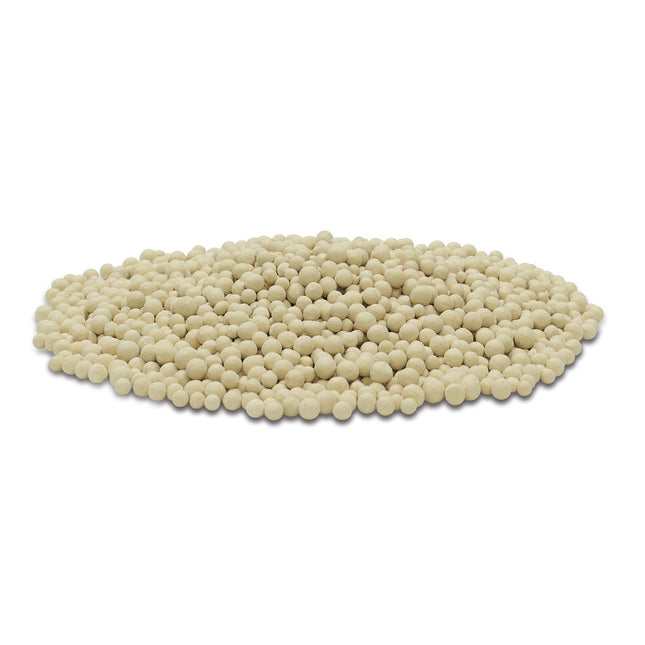
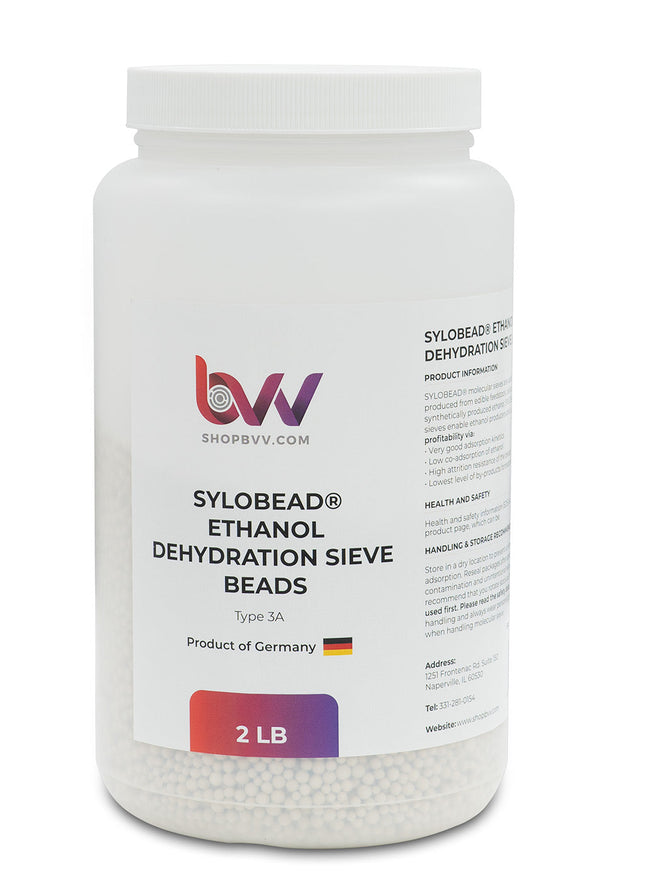
  • Ethanol Dehydration Sieve Beads Type 3A Ethanol Dehydration Sieve Beads Type 3A

    Ethanol Dehydration Sieve Beads Type 3A

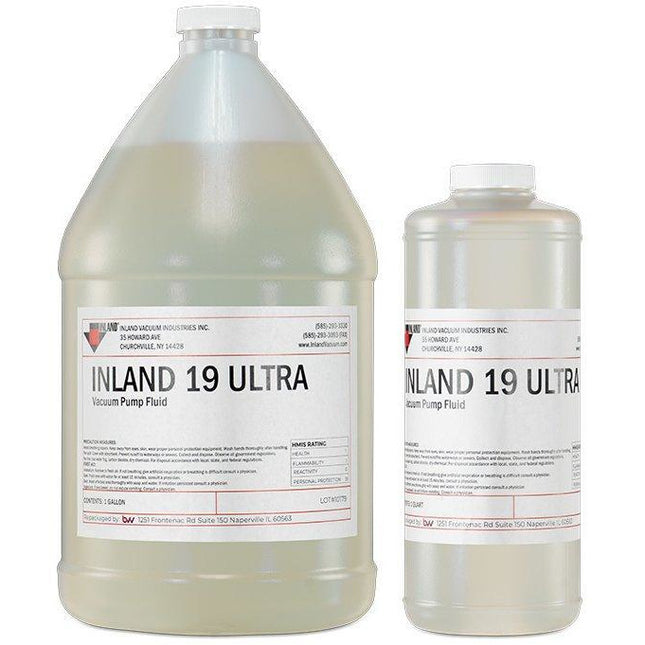
    Ethanol Dehydration Sieve Beads Type 3A Ethanol Dehydration Beads Type 3A is specifically designed for the dehydration of fuel grade ethanol. Ethanol can only be dried to an azeotropic point of 95.6% purity by traditional distillation. After that point, 3A selectively adsorbs the water from the solution to produce anhydrous ethanol with less than 0.5% water. This is the drying method of choice for fuel ethanol producers.  With these beads you can remove water to achieve a metered proof of 200 or 99.999%.  Chemical Formula: K12[(AlO2)12(SiO2)12] · nH2O. Typical Applications: Ethanol Dehydration Grade Molecular Sieve products (sieve beads) are typically used for the dehydration of fuel grade ethanol PSA and VSA systems. Available Products Ethanol Dehydration Grade Molecular Sieve: Product Adsorbent Type Size Form 3A EDG Molecular Sieve 3A 4 x 8 Mesh Beads Handling & Storage Recommendations: Store in a dry location to prevent unintentional water adsorption. Reseal packages after opening to prevent contamination and unintentional water adsorption. We recommend that you rotate stock so the oldest material is used first. Please read the safety data sheet to ensure proper handling and always wear personal protection equipment when handling molecular sieve. Product Data and Safety Information: Molecular Sieve 3A Technical Data Sheet Molecular Sieve 3A Safety Data Sheet Note: 20lb size comes as set of 2x 10lb containers.  Size Recommendations: 2LB - Will fit our Molecular Sieve Filter Drier 4LB - Will fit our XL Molecular Sieve Filter Drier 6LB - Will fit our 30LB Extractor
    $25.00 - $1,100.00

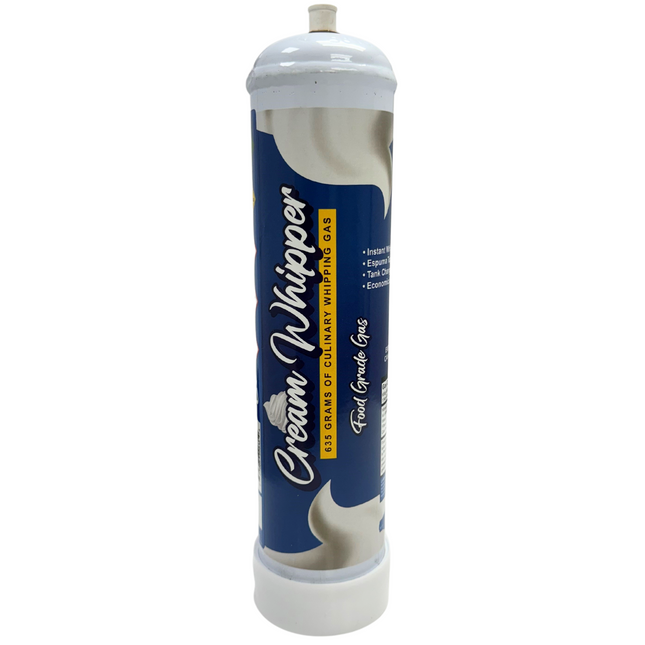
  • 635G Ms. Cream Food-Grade Nitrous Oxide Tank 99.5% (635g / 321 liters) Made in Italy 635G Ms. Cream Food-Grade Nitrous Oxide Tank 99.5% (635g / 321 liters) Made in Italy

    635G Ms. Cream Food-Grade Nitrous Oxide Tank 99.5% (635g / 321 liters) Made in Italy

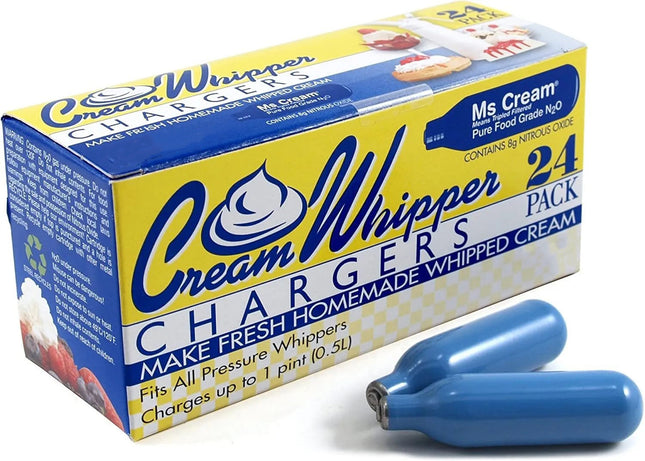
    Ms. Cream 635g Nitrous Oxide Tank 99.5% Food Grade Made in Italy, Triple Filtered Mr. Cream® is a true culinary gas.  Trusted for it high purity and known for not adding any strange or unknown flavors to your cream that other lesser quality import gasses my leave behind.  The original brand since the 1930's.  At BVV we have tried many and this is the highest purity tank we have carried. This innovative cylinder is the fastest and easiest way to replenish your cream. It is not only a good assistant for making dessert at home but also a new solution for the industrial catering industry! Before using our whipped cream-making equipment you must first read the manufacturer's instructions. This will show you how to safely charge your cream using the cream 635g tank. 635g Charger - 1.14lbs Liquid N2O - 321 Gas Liters of N2O. Cylinder Fitting: M11x1 Thread (compatible with the Best Whip Nitrous Oxide Regulator.) Tank Pressure: 755 PSI Includes 1 nozzle per tank. *At end of use use this nozzle to completely empty the tank for recycling. Do not heat over 120F SUPERIOR GAS QUALITY - Each tank is filled with the purest, and highest quality E942 food grade gas. That is why you will not have a hard time making chocolate or vanilla, mint, or Bailey's flavored cream whipper. Cocktail foams, airy sauce, mousse, and hot or cold foam can be made easily, too. FOOD-GRADE & LONG SHELF LIFE - Ms Cream whipped tanks are made with food-grade compliance and production standards. Each tank has a long shelf life of 5 years so you can use them over a period of time.  ANTI-LEAKAGE DESIGN - Ms Cream tanks conform with Manufacturing International Standards such as ISO 9001, and ISO 9002. Any cream dispenser can be used with this cylinder. UNIVERSAL COMPATIBILITY - Compatible with all professional whipped cream makers in the market. From now on, you can easily finish making whipped cream in a few seconds and without leaving odors or contaminants in the dispenser. RECYCLEABLE CONTAINER - Recycle empty tank with other metal recycling. The tank is considered empty if you hear a clicking noise coming form the valve when you shake it. What Is Nitrous Oxide? Nitrous Oxide is a chemical compound with the formula N2O. It is a colorless, non-flammable gas with a slightly sweet odor and taste. Nitrous oxide is often used for various purposes due to its unique properties and effects. What is Nitrous Oxide Used For? Nitrous oxide (N2O) is most commonly used in the culinary world for various purposes, primarily for creating foams, whipped creams, and infusions. Outside the culinary world nitrous oxide is also commonly utilized as a propellant, a cryogenic refrigerant, and as a performance-enhancing additive for internal combustion engines. Here's how nitrous oxide is most commonly used in culinary applications: Whipped Cream: Nitrous oxide is perhaps most well-known in the culinary field for its use in making whipped cream. In this application, heavy cream and sweeteners are combined in a whipped cream dispenser or siphon, and nitrous oxide cartridges are used to pressurize the dispenser. When the cream is released from the dispenser, the sudden release of pressure causes the nitrous oxide to expand and whip the cream into a light and fluffy texture. This method allows for the creation of stable whipped cream that retains its texture for an extended period. Foams: Chefs use nitrous oxide to create foams from various liquids, such as fruit juices, sauces, and purees. To make a foam, the desired liquid is mixed with a gelling agent, strained, and loaded into a whipped cream dispenser along with nitrous oxide. When dispensed, the nitrous oxide aerates the liquid, resulting in a light and airy foam that can be used as a garnish or flavor enhancer. Infusions: Nitrous oxide can be used to infuse liquids with the flavors of herbs, spices, fruits, or other aromatic ingredients. For example, herbs like basil or spices like cinnamon can be placed in a whipped cream dispenser along with a liquid (e.g., oil or alcohol) and nitrous oxide. The pressurized nitrous oxide infuses the liquid with the flavors and aromas of the added ingredients quickly. Cocktails: Some bartenders use nitrous oxide to create foam or froth on cocktails, adding a unique visual and textural element to drinks. This technique is especially popular in molecular mixology. Sauces and Dressings: Nitrous oxide can be used to create light and airy sauces or dressings. By adding nitrous oxide to a mixture of liquids and ingredients, chefs can achieve a desired texture and consistency. Desserts: Nitrous oxide can be used to create innovative desserts, such as foamy fruit purees, mousse-like textures, and light, airy soufflés. It's essential to use food-grade nitrous oxide and follow proper safety precautions when using it in culinary applications. The use of nitrous oxide cartridges and whipped cream dispensers is common in professional kitchens and home cooking to achieve these culinary effects. What Are The Hazards Of Nitrous Oxide? Nitrous oxide (N2O), while commonly used in various applications can pose certain hazards if not used properly. Here are some potential hazards associated with nitrous oxide: Asphyxiation: The most significant hazard of nitrous oxide in culinary use is the risk of asphyxiation. Nitrous oxide can displace oxygen in an enclosed space, leading to oxygen deprivation if inhaled in high concentrations. This can result in dizziness, loss of consciousness, and even death. Frostbite: Nitrous oxide is stored as a compressed liquid and is extremely cold when released. Contact with liquid nitrous oxide can cause frostbite or cold burns to the skin. Care should be taken when handling nitrous oxide cartridges or dispensers. Is Nitrous Oxide Flammable? Nitrous oxide (N2O) is not flammable in the typical sense because it does not support combustion. However, it can contribute to the combustion of other substances. Here's a more detailed explanation: Non-Flammable: Nitrous oxide itself does not burn or catch fire. It is an oxidizer, meaning it can support the combustion of other substances by providing oxygen. When nitrous oxide is used in applications like rocket propulsion or automotive nitrous systems, it does not ignite by itself. Enhancing Combustion: Nitrous oxide is sometimes used in combination with fuel in internal combustion engines to increase power output. In this context, it is often referred to as "nitrous" or "NOS." When nitrous oxide is injected into the engine's intake, it provides additional oxygen, allowing more fuel to burn, resulting in increased engine power. However, it's important to note that this process is controlled and safe when used as intended in automotive applications. Safety Precautions: While nitrous oxide is generally considered safe when used according to manufacturer guidelines, improper handling or misuse can be hazardous. Nitrous oxide should not be exposed to open flames, sparks, or high temperatures, as it can decompose at elevated temperatures and pressure, potentially leading to the release of oxygen and nitrogen gases. In summary, nitrous oxide is not flammable by itself, but it can enhance the combustion of other materials when used in controlled and purposeful applications. When using nitrous oxide, it's essential to follow safety guidelines and avoid exposing it to conditions that could lead to its decomposition or unintended ignition. How Do I Use Nitrous Oxide Safely? Using nitrous oxide (N2O) safely is crucial to prevent accidents and health risks.  Here are some general guidelines for using nitrous oxide safely: Follow Manufacturer's Instructions: Always follow the manufacturer's instructions for any equipment or cartridges containing nitrous oxide. Different devices or cartridges may have specific usage guidelines. Ventilation: Ensure that you use nitrous oxide in a well-ventilated area. Adequate ventilation helps disperse any gas leaks and prevents the buildup of nitrous oxide in confined spaces, reducing the risk of asphyxiation. Avoid Direct Inhalation: Never inhale nitrous oxide directly from cartridges, whipped cream dispensers, or any other source. Inhaling nitrous oxide for recreational purposes can be dangerous and is not recommended. Protective Gear: When handling nitrous oxide cartridges or equipment, especially if they contain liquid nitrous oxide, wear appropriate protective gear, such as gloves and safety glasses, to prevent frostbite or cold burns. Store Safely: Store nitrous oxide cartridges and equipment in a cool, dry place away from direct sunlight and heat sources. Keep them out of the reach of children and unauthorized individuals. No Smoking: Avoid smoking or open flames near nitrous oxide, while nitrous oxide is not flammable, it will support combustion to the same extent as oxygen. Training and Education: Ensure that individuals using nitrous oxide equipment are trained in its safe handling and usage.  Leak Detection: Regularly check for leaks in nitrous oxide equipment and connections. Use a leak detection solution (soapy water) to identify leaks by observing bubbles at the connections. Proper Disposal: Dispose of used nitrous oxide cartridges and equipment according to local regulations and guidelines. Do not puncture or incinerate cartridges. Emergency Preparedness: Be prepared for emergencies by having safety equipment, such as fire extinguishers and first-aid kits, readily available in areas where nitrous oxide is used or stored. Follow Legal Regulations: Abide by local laws and regulations regarding the sale, purchase, and use of nitrous oxide. In some areas, nitrous oxide may be subject to restrictions due to its potential for misuse. Always exercise caution and prioritize safety when using nitrous oxide, whether it's for culinary, automotive, medical, or other legitimate purposes. If you have specific concerns or questions about the safe use of nitrous oxide in a particular context, consult with experts or regulatory authorities in your area. Chemical Formula: N2O Molecular Weight: 44.013 g/mol CAS Registry Number: 10024-97-2 Appearance Colorless Odor: Characteristic  Density 0.115 lb/ft3 Boiling Point: -88.5C (-127.3F) Solubility in water: Completely Soluble GHS Pictograms: GHS Signal Word: Danger GHS Hazard Statements: H270, H280, H281, H336 GHS Precautionary Statements P220, P244, P261, P271, P282, P304+P340, P319, P336+P317, P370+P376, P403, P403+P233, P405, P410+P403, P501 UN Identification Number: 1070 Proper Shipping Name: Nitrous Oxide Transport Hazard Class: 2.2, 5.1 Packing Group: None DOT Placard: Nitrous Oxide Safety Data Sheet (SDS)  

    $45.00 - $190.00

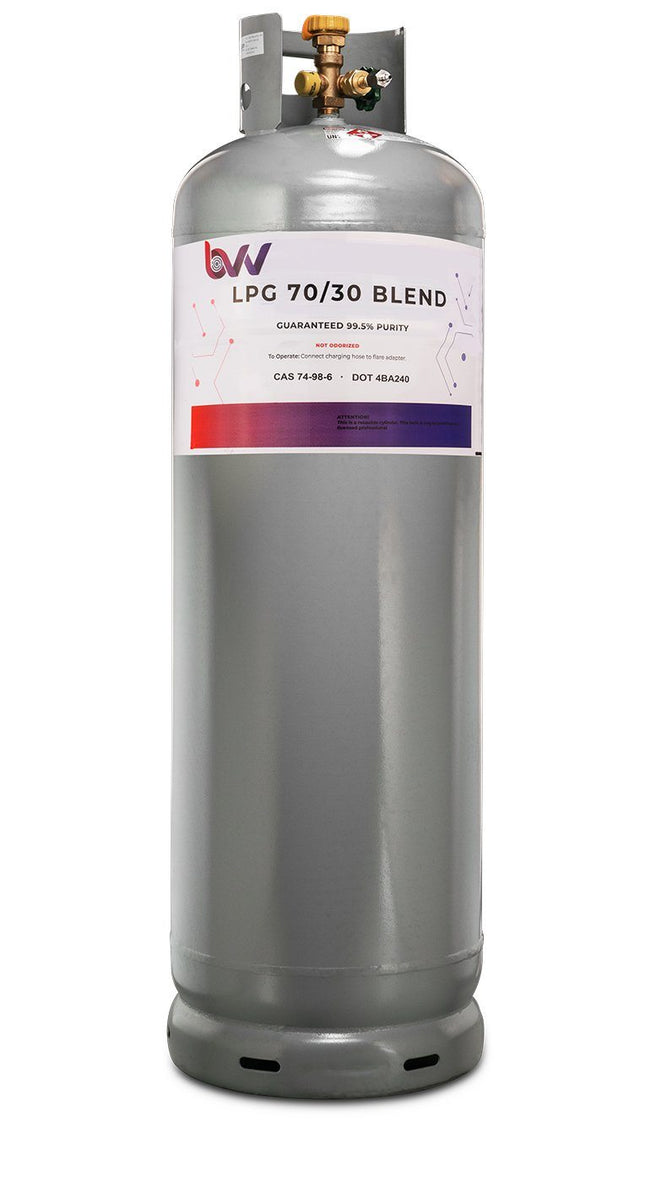
  • Sale -11% 120LB DIPTUBE Tank High Purity USA 70/30% N-Butane/Propane Blend - 99.5% Guaranteed 120LB DIPTUBE Tank High Purity USA 70/30% N-Butane/Propane Blend - 99.5% Guaranteed

    120LB DIPTUBE Tank High Purity USA 70/30% N-Butane/Propane Blend - 99.5% Guaranteed

    120LB High Purity USA 70/30% N-Butane/Propane Blend DIPTUBE- 99.5% Guaranteed Ultra high purity 70/30% N-Butane/Propane is USA sourced, and guaranteed to be 99.5% pure. This instrument grade solvent helps to produce a higher quality extract by reducing mystery oils and contaminants. Solvent comes in a DOT refillable LP tank. KEY BENEFITS: Free of any hydrogen Sulphide based Ethyl Mercaptan Odorants. This product is clean, colorless, and odorless. Tank has a diptube liquid withdraw. Sourced and Refined in USA.  Actual Isobutane liquid weight is 115LB DISCLAIMER(S): This unit is intended for LEGAL purposes only, to be used in accordance with local laws and ordinances. Use only in WELL VENTILATED AREAS! Notice: This item will ship via Ground Freight ONLY. BVV™ always recommends distillation of every solvent before use. Tank does not include CGA 555 fitting. Must be added through dropdown or bought separately. Actual liquid weight is 115LB California now prohibits the retail sale of any Non-Odorized butane in quantities larger than 150ml. If you are not a retail purchaser, you can call in to place an order. Permitted Sales Include the Following:  Persons licensed to perform volatile solvent extraction activity under CA Bus & Prof Code Division 10 Manufacturers, wholesalers, resellers, or retailers solely for resale. ***Shipping Notes:  Due to FAA regulations, solvent tanks cannot be safely transported via means other than ground freight. Any order that has solvent will not be shipped in an expedited fashion. If an order with solvent is combined with any other items and chosen to be expedited, that entire order will ship via UPS Ground Freight. We will not split up any orders and ship them separately. If a customer is wanting to expedite specific items and order solvent, 2 separate orders (1 for the solvent and 1 for the expedited items) will need to be placed in order to do so. Solvents do not ship to Hawaii, Puerto Rico, or any other US Territory outside of the contiguous 48 States. Shipping Solvent to Alaska may ONLY ship via freight and will be required to travel through Canada. We have this policy in place to ensure safety when transporting solvents, and to prevent any issue with shipping times for our customers.   Chemical Formula: C₄H₁₀ + C3H8 Molecular Weight: 58.12 g/mol & 44.10 g/mol CAS Registry Number: 106-97-8 & 74-98-6 Appearance Colorless Odor: Faint Petroleum Density N/A Boiling Point: N/A Solubility in water: Low Solubility  GHS Pictograms: GHS Signal Word: Danger GHS Hazard Statements: H220, H280 GHS Precautionary Statements P210, P377, P381, P403, P410+P403 UN Identification Number: 1965 Proper Shipping Name: Hydrocarbon Gas Mixture, (Butane/Propane) liquefied, n.o.s. Transport Hazard Class: 2.1 Packing Group: None DOT Placard:   Dual Blend Certificate of Analysis (COA) Dual Blend Safety Data Sheet (SDS)
    $710.00 - $720.00

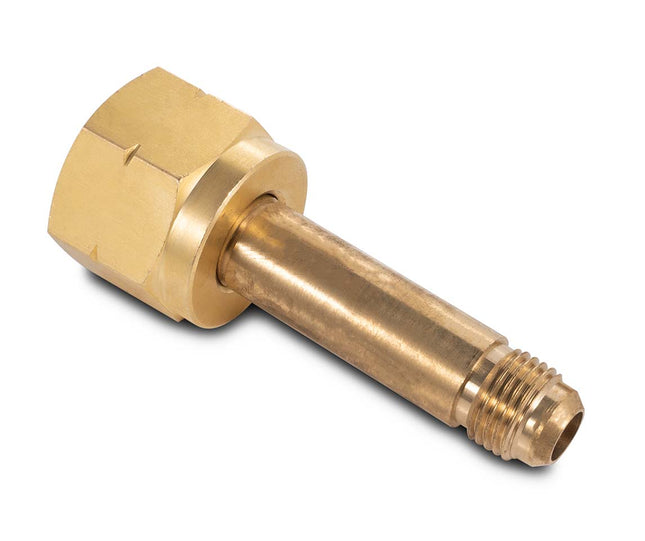
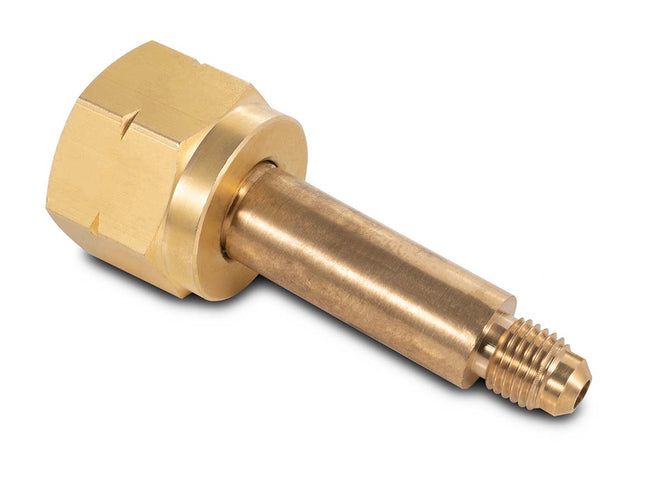
  • CGA 555 Gas Fitting CGA 555 Gas Fitting

    CGA 555 Gas Fitting

    This brass CGA 555 fitting allows the user to adapter to a LPG cylinder with CGA 555 thread type and convert it to either 1/4" or 3/8" MJIC.  This item includes: Nut Nipple Cap

  • 120LB DIPTUBE Tank High Purity USA N-BUTANE R600 - 99.5% Guaranteed 120LB DIPTUBE Tank High Purity USA N-BUTANE R600 - 99.5% Guaranteed

    120LB DIPTUBE Tank High Purity USA N-BUTANE R600 - 99.5% Guaranteed

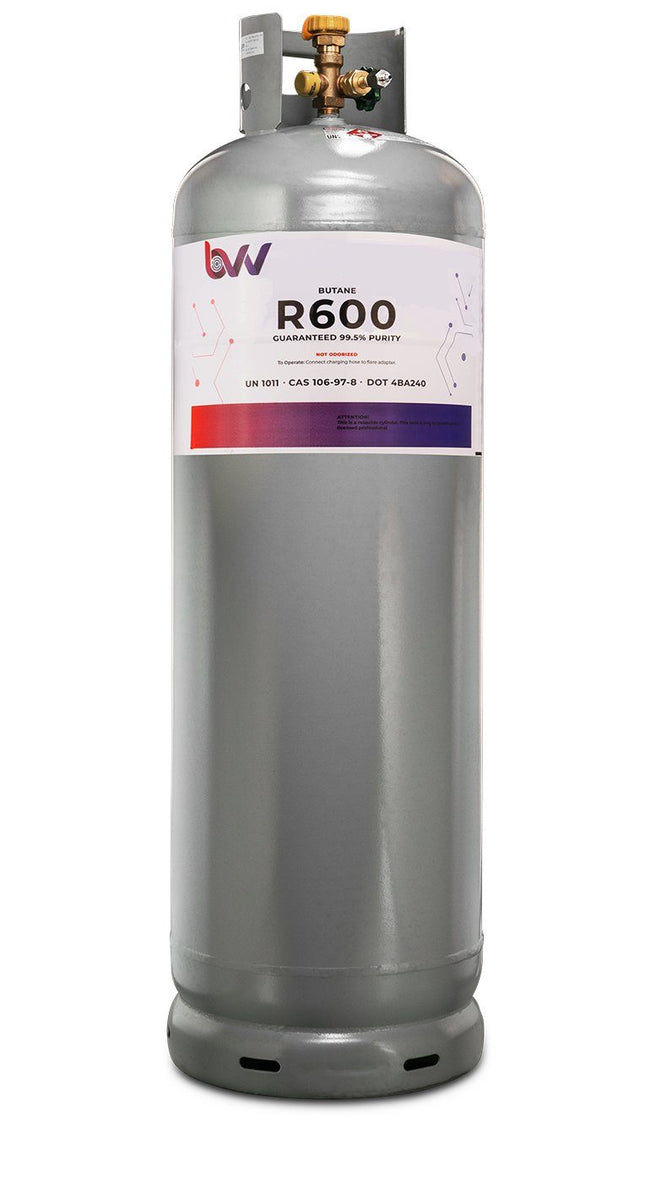
    120LB DIPTUBE Tank High Purity USA N-BUTANE R600 - 99.5% Guaranteed This solvent is instrument-grade and helps produce a higher quality extract through the reduction of mystery oils and contaminants. This N-Butane is colorless, odorless, and clean. Butane is commonly used for butane extractions which occurs in a closed-loop extraction system. Given that butane has a boiling point of 30.2F, it can easily be re-condensed without the use of extreme temperatures. This makes butane the solvent of choice for passive recovery.  Butane tends to yield a more stable extract, as polar terpenes are left behind.  Another benefit to butane for extraction is that Hydrocarbon extraction is often used in large production.  Large amounts of material can be extracted at once, and because these solvents have such low boiling points, they can be distilled from the extract quickly, and without using high temperatures can degrade the product.  These solvents are used for full plant extracts, and post-processing can yield various consistencies.  This makes butane extraction a preferable method. KEY BENEFITS: Free of any hydrogen Sulphide based Ethyl Mercaptan Odorants. This product is clean, colorless, and odorless. Tank has a diptube liquid withdraw. Sourced and Refined in USA.  Actual Butane liquid weight is 120LB DISCLAIMER(S): This unit is intended for LEGAL purposes only, to be used in accordance with local laws and ordinances. Use only in WELL VENTILATED AREAS! Notice: This item will ship via Ground Freight ONLY. BVV™ always recommends distillation of every solvent before use. Tank does not include CGA 555 fitting. Must be added through dropdown or bought separately. Actual liquid weight is 120LB California now prohibits the retail sale of any Non-Odorized butane in quantities larger than 150ml. If you are not a retail purchaser, you can call in to place an order. Permitted Sales Include the Following:  Persons licensed to perform volatile solvent extraction activity under CA Bus & Prof Code Division 10 Manufacturers, wholesalers, resellers, or retailers solely for resale Sourced right here in the USA, this high-quality butane is guaranteed to be 99.5% pure. This is a solvent that is instrument-grade and helps produce a higher quality extract through the reduction of mystery oils and contaminants. This butane is clean, colorless, odorless, and free of any hydrogen sulfide-based ethyl mercaptan odorants. Because of this, a finer, higher quality extract is consistently available to our customers. ***Shipping Notes:  Due to FAA regulations, solvent tanks cannot be safely transported via means other than ground. Any order that has solvent will not be shipped in an expedited fashion. If an order with solvent is combined with any other items and chosen to be expedited, that entire order will ship via UPS Ground Freight. We will not split up any orders and ship them separately. If a customer is wanting to expedite specific items and order solvent, 2 separate orders (1 for the solvent and 1 for the expedited items) will need to be placed in order to do so. Solvents do not ship to Hawaii, Puerto Rico, or any other US Territory outside of the contiguous 48 States. Shipping Solvent to Alaska may ONLY ship via freight and will be required to travel through Canada. We have this policy in place to ensure safety when transporting solvents, and to prevent any issue with shipping times for our customers. Chemical Formula: C₄H₁₀ Molecular Weight: 58.12 g/mol CAS Registry Number: 106-97-8 Appearance Colorless Odor: Faint Petroleum Density 2.6 kg/m³ (or 2.6 g/L) Boiling Point: 30.2 F (-1C) Solubility in water: Low Solubility  GHS Pictograms: GHS Signal Word: Danger GHS Hazard Statements: H220 GHS Precautionary Statements P203, P210, P222, P280, P377, P381, and P403 UN Identification Number: 1011 Proper Shipping Name: Butane, liquefied Transport Hazard Class: 2.1 Packing Group: None DOT Placard: N-Butane Certificate of Analysis (COA) N-Butane Safety Data Sheet (SDS)  

    $710.00 - $720.00

  • Glacial Acetic Acid 99.8% Food Grade Glacial Acetic Acid 99.8% Food Grade

    Glacial Acetic Acid 99.8% Food Grade

    Food Grade Glacial Acetic Acid 99.8% pH: 2.4 Looking for a food-grade acid for your acid-base extraction? Our premium Glacial Acetic Acid is precisely what you need! As a leading supplier of high-purity solvents & chemicals, we provide the purest Glacial Acetic Acid available for your acid-base extraction and pH adjustment needs, ensuring exceptional results every time. Acetic acid, also known as ethanoic acid, is a versatile organic compound that plays a significant role in various industries and everyday life. It is a colorless liquid with a pungent, vinegar-like odor. Acetic acid  (CH3COOH) is a weak acid that is highly soluble in water and many organic solvents. Due to its unique properties, acetic acid is widely used as a solvent, preservative, and flavoring agent in the food and beverage industry. It is also a key component in the production of vinyl acetate, which is used in the manufacturing of adhesives, coatings, and textiles. Furthermore, acetic acid is utilized in the synthesis of numerous chemicals, including pharmaceuticals, dyes, and plastics. Its diverse range of applications makes acetic acid an essential compound in many industrial processes, where it contributes to the creation of countless products that we encounter in our daily lives. Glacial Acetic Acid, also known as ethanoic acid, is a highly concentrated and pure form of acetic acid.  Its name, "glacial," refers to its ability to freeze at a relatively low temperature (16.6C/61.9F). This characteristic sets it apart from other forms of acetic acid, making it ideal for various industrial applications, including acid-base extraction. Our Glacial Acetic Acid contains less than 1% water and is also considered water-free anhydrous acetic acid.   In acid-base extraction, Glacial Acetic Acid serves as an essential component due to its unique properties. It acts as a weak acid, enabling the extraction of alkaline compounds from organic mixtures. With our premium Glacial Acetic Acid, you can achieve efficient separation of target compounds by adjusting the pH and facilitating the formation of soluble salts. In addition to its use in acid-base extraction, our Glacial Acetic Acid finds widespread application in various industries, including pharmaceuticals, textiles, and food processing. It is also known for its ability to dissolve and remove mineral deposits, making it an excellent choice for descaling and cleaning applications. At BVV, we take pride in delivering premium solvents, chemicals, and adsorbents that exceed customer expectations. Our team of experts is always available to provide personalized support and guidance, ensuring that you find the right solution for your needs. With our high-purity Glacial Acetic Acid & Sodium Hydroxide, you can optimize your acid-base extraction processes and pH adjustment needs to achieve exceptional results. Ready to elevate your acid-base extraction procedures? Order our High Purity Glacial Acetic Acid & Sodium Hydroxide today and experience its superior quality and performance firsthand. Contact us now to learn more and take advantage of our competitive prices and prompt delivery. Unlock the potential of your acid-base extractions with BVV! Chemical Formula: CH3COOH Molecular Weight: 60.052 g·mol−1 CAS Registry Number: 64-19-7 Appearance Colorless, transparent liquid,  Odor: Heavily vinegar-like Density 1.049 g/cm3 (liquid); 1.27 g/cm3 (solid) Boiling Point: 16 °C / 61°F GHS Pictograms: GHS Signal Word: Danger GHS Hazard Statements: H226, H314 GHS Precautionary Statements P280, P305+P351+P338, P310 UN Identification Number: 2789 Proper Shipping Name: Acetic Acid, Glacial Transport Hazard Class: 8 Packing Group: II DOT Placard: What is Acetic Acid? Acetic acid, also known as ethanoic acid, is a colorless liquid organic compound with a distinct sour taste and pungent smell. It is a member of the carboxylic acid family and is classified as a weak acid due to its partial ionization in aqueous solutions. Acetic acid is a fundamental building block in various chemical reactions and is commonly found in vinegar, giving it its characteristic sour taste. Chemically represented as CH3COOH, acetic acid consists of two main components: a carboxyl group (-COOH) and a methyl group (-CH3). It is produced naturally through fermentation processes, where bacteria convert ethanol into acetic acid. Additionally, acetic acid can be synthesized through various chemical methods for industrial applications. Acetic acid is widely utilized in various industries, including food, pharmaceuticals, textiles, and chemicals. It serves as a crucial ingredient in the production of plastics, solvents, dyes, and synthetic fibers. Its versatile nature makes it an essential component in countless products and processes, contributing to a wide range of applications across different sectors. What Is Acetic Acids Formula? Chemically represented as CH3COOH, acetic acid consists of two main components: a carboxyl group (-COOH) and a methyl group (-CH3). It is produced naturally through fermentation processes, where bacteria convert ethanol into acetic acid. Additionally, acetic acid can be synthesized through various chemical methods for industrial applications. What is Acetic Acids Structure? The structure of acetic acid consists of two carbon atoms (C), four hydrogen atoms (H), and two oxygen atoms (O) arranged in a specific pattern. It forms a molecule with a central carbon atom bonded to two oxygen atoms: one oxygen atom is double-bonded to the carbon (C=O) and the other is bonded via a single bond (C-OH). This arrangement creates a carboxyl group (COOH) at one end of the molecule. The remaining carbon and hydrogen atoms are bonded in a linear chain, resulting in the overall molecular structure of CH3COOH. What Is Acetic Acids Molar Mass? The molar mass of a chemical compound is a measure of the mass of one mole of that substance, expressed in grams per mole (g/mol). For acetic acid (CH3COOH), which is a simple organic compound, the molar mass is calculated by adding up the atomic masses of all the individual atoms in its chemical formula. Let's break down the components of acetic acid: Carbon (C) - Atomic mass: 12.01 g/mol Hydrogen (H) - Atomic mass: 1.01 g/mol (there are 2 hydrogen atoms) Oxygen (O) - Atomic mass: 16.00 g/mol (there are 2 oxygen atoms) Another Oxygen (O) - Atomic mass: 16.00 g/mol Hydrogen (H) - Atomic mass: 1.01 g/mol (there is 1 hydrogen atom) Now, add up the atomic masses: 12.01 g/mol (C) + 1.01 g/mol (H) + 1.01 g/mol (H) + 16.00 g/mol (O) + 16.00 g/mol (O) + 1.01 g/mol (H) = 60.05 g/mol Therefore, the molar mass of acetic acid is approximately 60.05 g/mol. This value is crucial for various chemical calculations and reactions involving acetic acid, including determining quantities in chemical reactions or preparing solutions with specific concentrations. What is the PKA of Acetic Acid? The pKa of acetic acid (CH3COOH) is approximately 4.75. The pKa value represents the acidity of a compound and indicates the strength of its dissociation in aqueous solution. Acetic acid is a weak acid, meaning that it does not completely dissociate into ions in water and has a relatively low tendency to donate protons (H+ ions). Is Acetic Acid A Weak or Strong Acid? Acetic acid (CH3COOH) is considered a weak acid. Weak acids are substances that only partially dissociate into ions when dissolved in water. In the case of acetic acid, it releases a limited number of hydrogen ions (H+) and acetate ions (CH3COO-) in water. This is in contrast to strong acids, which completely dissociate into ions and release a higher concentration of hydrogen ions in solution. What Is The Boiling Point of Acetic Acid? The boiling point of acetic acid is approximately 118.1 degrees Celsius (244.5 degrees Fahrenheit) at standard atmospheric pressure. However, this value can vary slightly depending on factors such as atmospheric pressure and impurities present in the acetic acid. What Is The Density of Acetic Acid? The density of acetic acid is approximately 1.049 grams per cubic centimeter (g/cm³) at 20 degrees Celsius (68 degrees Fahrenheit). Keep in mind that the density of acetic acid can vary slightly with temperature and concentration. What Is Glacial Acetic Acid? Glacial acetic acid, also known as anhydrous acetic acid, is a highly concentrated and pure form of acetic acid. The term "glacial" is used to describe its appearance, as it solidifies into ice-like crystals at room temperature due to its high freezing point. Glacial acetic acid typically has a concentration of around 99-100%, making it one of the purest forms of acetic acid available. This highly concentrated form of acetic acid is commonly used in various industrial, laboratory, and chemical applications. It is often utilized as a solvent, reagent, or catalyst in chemical reactions, as well as in the production of various chemicals, plastics, textiles, and pharmaceuticals. Glacial acetic acid's high purity and reactivity make it a valuable component in many manufacturing processes and scientific experiments. It's important to handle glacial acetic acid with care due to its corrosive and strong acidic properties. Proper safety precautions should be taken when working with this substance, including using appropriate protective equipment and following recommended handling procedures. What Is Acetic Acid Used For? Acetic acid is a versatile chemical compound with a wide range of applications across various industries. Here are some common uses of acetic acid: Food and Beverage Industry: Acetic acid is a key component in the production of vinegar, which is used as a condiment, flavor enhancer, and food preservative. It is also used in the production of pickles, sauces, and dressings. Chemical Industry: Acetic acid is used as a chemical intermediate in the production of various chemicals, including acetate esters, acetic anhydride, and vinyl acetate monomer. These chemicals are used in the manufacturing of plastics, synthetic fibers, dyes, and pharmaceuticals. Cleaning and Disinfecting: Acetic acid is commonly used as an environmentally friendly cleaning agent due to its mild acidity and disinfectant properties. It can effectively remove mineral deposits, stains, and mold from surfaces. Textile Industry: Acetic acid is used in the production of acetate fibers, which are used to make fabrics, textiles, and clothing items. It is also employed in dyeing and finishing processes. Photography: Acetic acid is used in photographic processes, including film development and as a fixing agent for prints. Preservation: Acetic acid is used to preserve and prevent spoilage in various agricultural products, such as fruits and vegetables. Laboratory and Research: Acetic acid is commonly used in laboratories for various purposes, including chemical analysis, pH adjustment, and buffer preparation. Medicine and Pharmaceuticals: Acetic acid is used in the synthesis of pharmaceutical compounds and as a solvent for certain medications and ointments. Wastewater Treatment: Acetic acid is used in wastewater treatment processes to adjust pH levels and promote the growth of beneficial microorganisms. Tanning Industry: Acetic acid is used in leather tanning processes to adjust the pH of the solutions and aid in the removal of unwanted substances. Plastics and Polymers: Acetic acid is a precursor in the production of polyvinyl acetate (PVA) and other polymer materials used in adhesives, coatings, and paints. Oil and Gas Industry: Acetic acid is employed in the oil and gas industry for processes such as well drilling, acidizing, and corrosion inhibition. Electronics Industry: Acetic acid is used for cleaning and etching electronic components and printed circuit boards. These are just a few examples of the diverse applications of acetic acid. Its chemical properties make it a valuable ingredient in numerous industrial and consumer products, contributing to various processes and sectors. What Are The Hazards of Acetic Acid? Acetic acid is generally considered safe when used properly and handled with care. However, like any chemical compound, it can pose certain hazards if not used and managed correctly. Here are some potential hazards associated with acetic acid: Corrosive Nature: Acetic acid is a corrosive substance, and concentrated solutions can cause severe irritation or burns to the skin, eyes, and respiratory tract upon direct contact. Prolonged exposure to the skin or eyes can result in chemical burns and tissue damage. Inhalation Risks: Inhaling acetic acid vapors or mists can irritate the respiratory system, causing symptoms such as coughing, shortness of breath, and throat irritation. Prolonged or intense exposure to vapors can lead to more severe respiratory effects. Fire and Explosion Hazard: Acetic acid is flammable, with a low flashpoint. Concentrated vapors or mists can ignite and potentially cause fires or explosions when exposed to an open flame, spark, or heat source. Incompatibility: Acetic acid may react with certain chemicals and substances, resulting in potentially hazardous reactions or releases of toxic gases. Proper storage and handling procedures are essential to prevent such interactions. Toxicity: Ingesting or consuming concentrated acetic acid can lead to serious health issues, including chemical burns in the digestive tract, internal injuries, and other toxic effects. Ingestion should be avoided. Environmental Impact: Improper disposal or release of acetic acid into the environment can harm aquatic life and ecosystems. It can also contribute to air pollution when released into the atmosphere. Sensitization: Prolonged or repeated exposure to acetic acid can lead to sensitization, where an individual becomes more susceptible to adverse effects upon subsequent exposures. To mitigate these hazards and ensure safe handling of acetic acid, it's important to follow proper safety guidelines and precautions How Do I Use Glacial Acetic Acid Safely? Using glacial acetic acid safely is essential due to its corrosive and strong acidic properties. Follow these guidelines to ensure safe handling and use: Personal Protective Equipment (PPE): Wear appropriate PPE, including chemical-resistant gloves, safety goggles, a lab coat or protective clothing, and closed-toe shoes to prevent contact with the skin, eyes, and clothing. Well-Ventilated Area: Work in a well-ventilated area or use a fume hood to minimize inhalation exposure. Ensure proper ventilation to prevent the buildup of fumes. Avoid Contact: Avoid direct skin contact with glacial acetic acid. In case of accidental skin contact, immediately rinse the affected area with copious amounts of water and seek medical attention if irritation persists. Eye Protection: Wear safety goggles or a face shield to protect your eyes from potential splashes or fumes. In case of eye contact, rinse the eyes thoroughly with water and seek immediate medical assistance. Handling and Pouring: When handling glacial acetic acid, use chemical-resistant containers and utensils. Pour slowly to avoid splashing and minimize the release of fumes. Always use a chemical-resistant funnel for transferring the acid. Dilution: If dilution is required, always add glacial acetic acid to water, never the other way around. Adding water to the acid can cause a violent reaction. Storage: Store glacial acetic acid in a cool, dry, and well-ventilated area, away from direct sunlight and incompatible substances. Ensure proper labeling of containers and keep them tightly sealed to prevent evaporation and fume release. First Aid: Have an eyewash station and safety shower readily accessible in case of accidental exposure. Know the location of emergency exits and procedures. Emergency Response: In case of spills or leaks, contain and absorb the acid using appropriate absorbent materials. Neutralize any spilled acid with a suitable neutralizing agent under proper ventilation. Dispose of contaminated materials as hazardous waste. Training: Ensure that personnel handling glacial acetic acid are trained in its proper handling, storage, and emergency response procedures. Regularly review safety protocols. Medical Attention: If you experience skin contact, eye exposure, or inhalation of fumes, seek medical attention immediately. Provide medical professionals with accurate information about the substance involved. Always refer to the Material Safety Data Sheet (MSDS) or Safety Data Sheet (SDS) provided by the manufacturer for specific safety information and handling guidelines for the glacial acetic acid product you are using. Following proper safety protocols and practices is crucial to prevent accidents and ensure the well-being of individuals working with glacial acetic acid. Acetic Acid Glacial 99.8% Certificate of Analysis (COA) Acetic Acid Glacial 99.8% Safety Data Sheet (SDS)
    $14.00 - $3,675.00

  • 50% Hydrogen Peroxide Food Grade H2O2 50% Hydrogen Peroxide Food Grade H2O2

    50% Hydrogen Peroxide Food Grade H2O2

    50% Food Grade Hydrogen Peroxide Our Food-grade 50% peroxide tests at ~50.4%.  This the strongest peroxide we offer, next to our 35% Food Grade Peroxide, Our Food Grade 50% hydrogen peroxide is formulated with a special stabilizer package (organophosphonate) that replaces transition metals stabilizers typically found in hydrogen peroxide solutions. Our Peroxide is NSF® Certified.  NSF-certified means a product was independently verified for safety, sanitation, and quality by NSF. NSF certification is recognized by health departments, government agencies, and industry associations.  *Certified under ANSI/NSF Standard 60 Drinking Water Additives-Health Effects. Dosage levels shall be in accordance with NSF requirements. 55 Gallon Drum weights 548lbs, 270 Gallon Tote weighs 2500lbs. hydrogen peroxide usually loses less than 1% of its initial concentration in one year (0.5% for a 50% solution). 50% Hydrogen Peroxide NSF Food Grade Certificate of Analysis 50% Hydrogen Peroxide NSF Food Grade Safety Data Sheet Chemical Formula: H2O2 Molecular Weight: 34.015 g/mol CAS Registry Number: 7722-84-1  Appearance Colorless Liquid Odor: None Density 1.196 g/cm3 @ 20 °C (68 °F) Boiling Point: 114 °C (237 °F)  Solubility in water: Completely Soluble GHS Pictograms: GHS Signal Word: Danger GHS Hazard Statements: H272, H302 + H332, H314, H335 GHS Precautionary Statements P210, P220, P260, P261, P264, P270, P271, P280, P283, P301+P317, P301+P330+P331, P302+P361+P354, P304+P340, P305+P354+P338, P306+P360, P316, P317, P321, P330, P363, P370+P378, P371+P380+P375, P405, P420, and P501 UN Identification Number: 2014 Proper Shipping Name: 50% Hydrogen Peroxide, Aqueous Solution Transport Hazard Class: 5.1, 8 Packing Group: II DOT Placard:

    $29.00 - $750.00

  • BVV™ 60A Silica Gel 40-63 Micron High Purity Extraction CRC Grade SiO2

    Silica Gel 60A 40-63 Micron CRC Grade

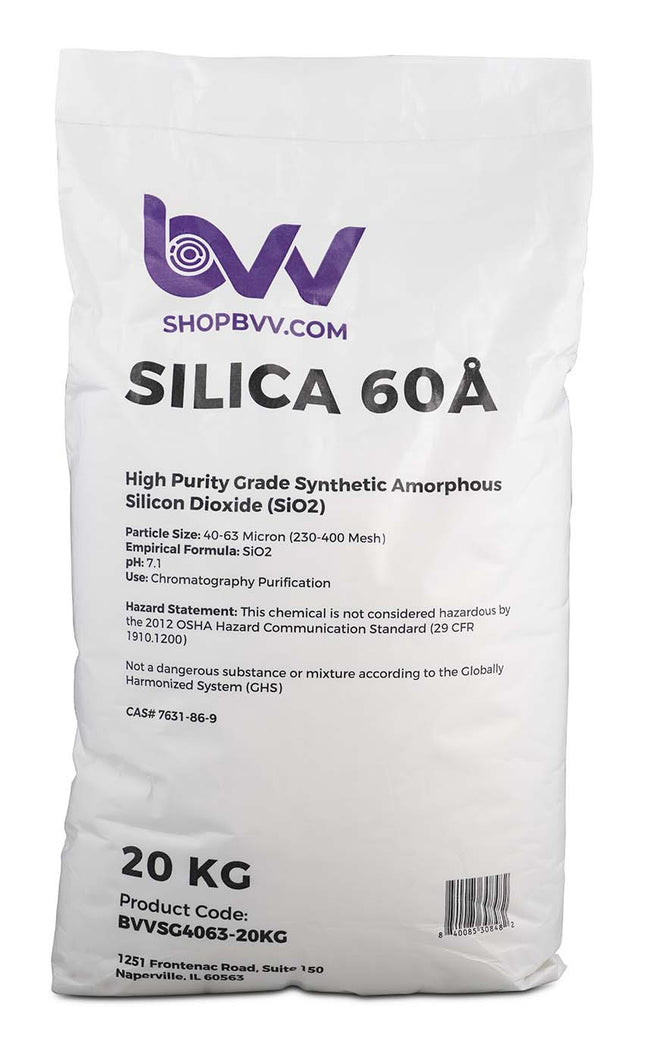
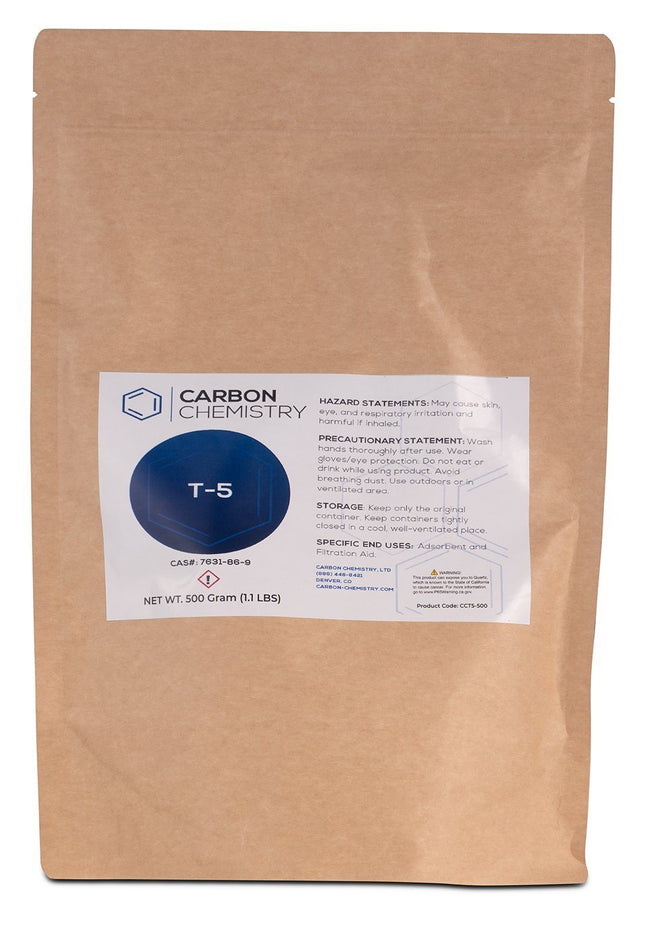
    60A (40-63 Micron) Silica Gel High Purity Extraction CRC Grade The house brand Silica Gel is optimized for Color Remediation extractions.  This powdered silica gel is for use in batch extractions and decolorizations. It can also be used as a general adsorbent for impurities. Optimized particle size, surface area, pH, and purity make it a particularly useful material for the separation of small molecules, peptides, lipids, alkaloids, and a variety of other compounds.  Silica Gel is particularly useful to use layered on top of your bentonite to remove plant gums and waxes.  BVVSG4063 Technical Data Sheet BVVSG4063  Certificate of Analysis BVVSG4063  Safety Data Sheet Key Specs: Particle Size: 40-63 Micron (230-400 Mesh) Pore Volume: 0.72 mL/g Loss on Drying: ≤ 2.0 wt% pH: 7.1 Empirical Formula: SiO2 Use: Decolorization  Hazard Statement: No ingredients are hazardous according to OSHA criteria CAS# 7631-86-9

    $462.00 - $9,662.00

  • Apiezon H High Temperature Vacuum Grease

    Apiezon Apiezon H High Temperature Vacuum Grease

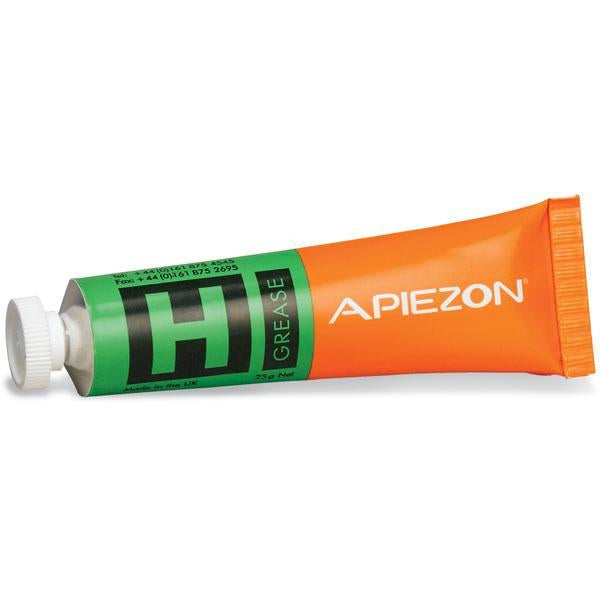
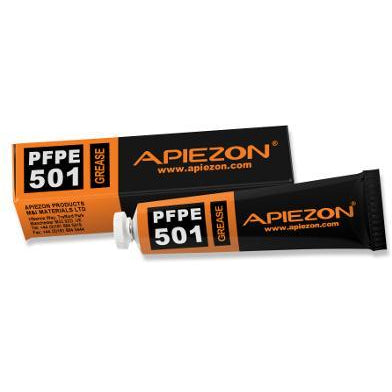
    Apiezon H High Temperature Vacuum Grease 25g Apiezon H Grease is a silicone-free high vacuum grease perfectly suited for use at high temperatures in both scientific and industrial applications. H Grease has exceptional 'stiction' and thermal conduction properties and has gained prestigious approvals from a variety of international organizations, including BAE Systems, the European Space Agency and NASA. Safety Data Sheet Technical Data Sheet Apiezon H Grease: High Temperature Vacuum Grease Properties Apiezon H Grease is a silicone-free high temperature vacuum grease which: performs well under a wide range of temperatures, from -10 to +240°C, and retains its optimum consistency at temperatures between +10 and +110°C rather than melting, actually becomes stiffer as temperature increases and therefore is not recommended for highly stressed bearings has excellent heat transfer properties conducts heat away from the site of operation, reducing the danger of overheating and damaging heat-sensitive components exhibits good 'stiction' or sticking power has powerful 'gettering' action, meaning it absorbs potentially harmful grease and chemical impurities on metal and glass surfaces is easy to clean and remove as it is soluble in hydrocarbon solvents exhibits a vapor pressure of 1.7 x 10⁻⁹ Torr at 20°C Please click the links for typical properties and vapour pressure graphs of Apiezon H Grease. Applications of Apiezon H Grease As a high temperature, low to medium vacuum grease with excellent 'stiction' power and good thermal conduction properties Apiezon H Grease is used for many diverse applications. In particular H Grease is commonly used in scientific and industrial high temperature sealing applications.Thanks to its 'stiction' power Apiezon H Grease is ideal for use with laboratory glassware; it is also favoured by the electronics and space industries where its high thermal conductivity makes it the perfect vacuum grease in situations where heat sink media requires adhesion.Apiezon H grease has been approved by NASA as a material suitable for lubricating the gold-plated threads of small variable capacitors required to operate under high vacuum from -65°C to +125°C to prevent galling.

    $315.00

  • BVV Tri-Clamp Inline Filter Housing Kit with Free Sample Cartridge BVV Tri-Clamp Inline Filter Housing Kit with Free Sample Cartridge

    BVV Tri-Clamp Inline Filter Housing Kit with Free Sample Cartridge

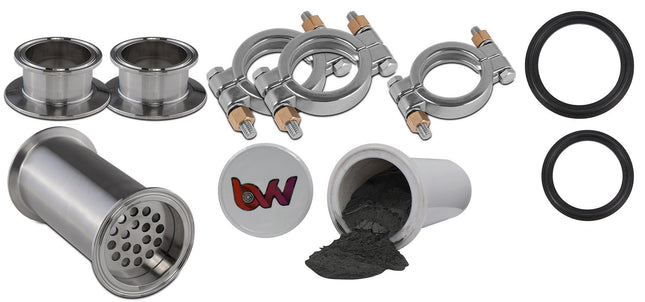
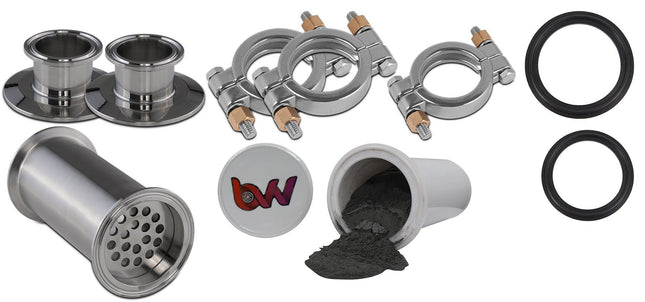
    BVV Tri-Clamp Inline Filter Housing Kit with Free Sample Cartridge Note: Extra Disposable cartridges sold separately. (Click Here for Cartridges) This inline housing allows for implementation of the BVV or AFS filters into many extraction systems.  The BVV filter housing is 2.5" but comes with the adapter flanges for both ends to go inline with a standard 1.5" or 2" tri-clamp system. Kit Includes 1x Free BVV Sample Cartridge (55$ Value!) 2x 2.5" High Pressure Clamps 1x 1.5" or 2" High Pressure Clamp 1x 1.5" or 2" Buna-N Gasket 1x 2.5" Buna-N Gasket 2x Reducers 2.5" to 1.5" or 2" Tri-clamp 1x Cartridge Housing  

    $180.00

  • Propylene Glycol Tech Grade 100% Propylene Glycol Tech Grade 100%

    Propylene Glycol Tech Grade 100%

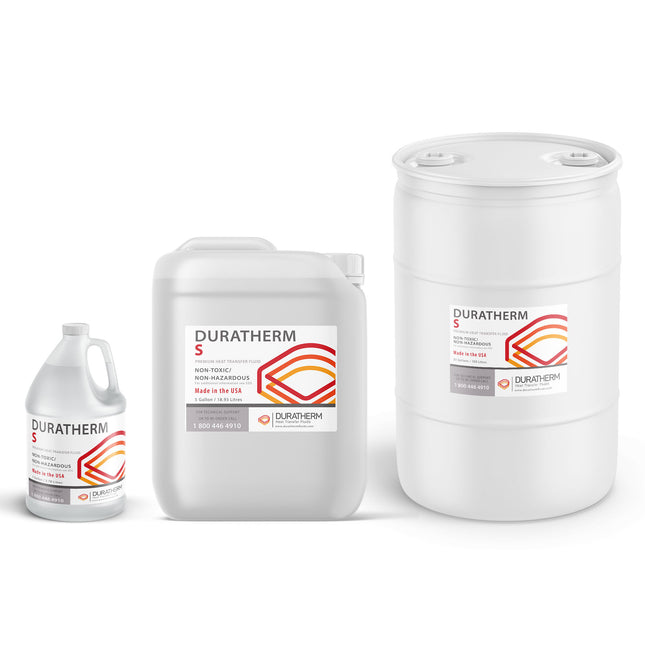
    Propylene Glycol Tech Grade 100% BVV propylene glycol is a high-performance heat transfer fluid engineered for laboratory and industrial processing equipment, including refrigerated and heated circulators, cold traps, and thermal management systems. This tech-grade formulation delivers reliable thermal stability across a wide operating range, with a freezing point of -74°F and boiling point of 370°F, making it suitable for demanding temperature control applications. Manufactured from non-GMO sources, this 100% pure propylene glycol meets stringent quality standards and is backed by comprehensive documentation including Safety Data Sheets and Certificates of Analysis. Storage: Maintain product below 100°F, away from direct sunlight. Shelf life is 2 years from date of manufacture under proper storage conditions. Safety Data Sheet | Certificate of Analysis Note: Spigots and faucets are compatible with 5-gallon jugs only and must be purchased separately.

    $29.00 - $7,600.00

  • Inland 19 ULTRA® Semi-Synthetic Vacuum Pump Oil Inland 19 ULTRA® Semi-Synthetic Vacuum Pump Oil

    Inland Vacuum Inland 19 ULTRA Semi-Synthetic Vacuum Pump Oil

    Inland 19 ULTRA Semi-Synthetic Vacuum Pump Oil Disclaimer: Spigots/Faucets are only compatible with 5 Gallon Jugs and must be purchased separately Inland ULTRA® products are semi-synthetic hydrocarbon fluids designed to endure thermal and chemical stresses much better than standard vacuum pump fluids. The ultra-refined process eliminates nitrogen, sulfur, oxygen, and aromatic hydrocarbons, leaving a clear base stock virtually free of impurities. The additive package will not volatize under thermal stress; the antioxidant will stay in solution and bond up to four times as many radicals as other antioxidants, extending the life of the pump and the fluid. Inland 19 ULTRA® MSDS Properties: Good Thermal Stability Oxidation Resistant Hydrotreated Low Vapor Pressure Long Fluid Life Areas of Application: Mass Spectrometry Electron Microscopy thin Film Sputtering Vacuum Distillation and impregnation UHV Surface Analysis Vacuum Furnaces and Heat Treatment EB Welding Vacuum Tube Evacuation Vacuum Metallization Chemical Pumping Specification Inland 19 ULTRA Vapor Pressure at 25ºC (torr) <1x10⁻⁶ Boiling Point at .01 torr (ºC) 166 Viscosity at 40ºC (cSt) 55 Pour Point (ºC) -10 Flash Point (ºC) 247 Fire Point (ºC) Density at 25ºC (g/ml) 0.86 Color clear  

    $27.00 - $2,150.00

  • Pure-Flo® Perform 5000 Highly Acid Activated Bleaching & Decolorizing Bentonite for Edible Oils *FDA-GRAS Perform 5000 Highly Acid Activated Bleaching & Decolorizing Bentonite

    Pure-Flo Perform 5000 Highly Acid Activated Bleaching & Decolorizing Bentonite

    Pure-Flo® Perform 5000 Highly Activated Bentonite Clay for Bleaching & Decolorizing Edible Oils pH: 2.7 Pure-Flo® Perform 5000 provides superior bleaching activity for demanding oils.  Effective with all types of difficult-to-bleach oil.  Pure-Flo® Perform 5000 Technical Data Sheet.pdf Perform 5000 Safety Data Sheet  Excellent metals adsorption characteristics (P, Ca, Fe, Mg, Ni, etc.) Excellent Chlorophyll removal Excellent Red and Blue color body removal. Removes soaps and phospholipids Outstanding filtration characteristics, including long filtration cycles and less pressure build up at cycle end. ph:2.7 FDA GRAS (Generally Recognized as Safe) -  This product is safe for processing food, as long as its not part of the end product being consumed.  NSF- HACCP *Prior to down packing this product was certified Kosher & Hallal. It does not retain its certifications after down packing, Sorry BVV™ doesn't have an on staff Rabbi or Imam on site to re-establish those certifications. Note:  Bulk Bags and Bulk sizes are non-stocked items and will be ordered as needed and carry a several weeks lead time and require a forklift or pallet jack

    $22.00 - $2,600.00

  • Stainless Steel Butane/Propane Tank Fitting CGA 510 Stainless Steel Butane/Propane Tank Fitting CGA 510

    Stainless Steel Butane/Propane Tank Fitting CGA 510

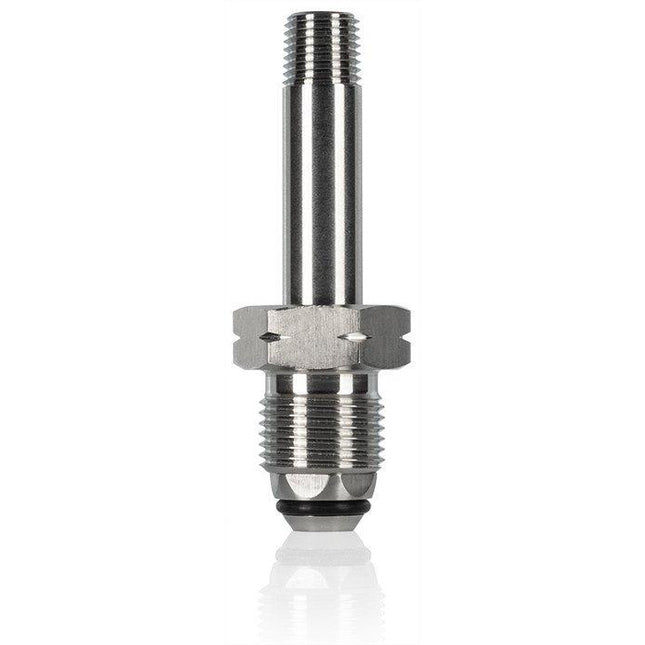
    Stainless Steel Butane/Propane Tank Fitting CGA 510 Custom Stainless Steel CGA 510 Butane and Propane Tank Fitting with Viton O-Ring. Specifications: CGA 510 Thread with Viton O-ring seal and either 1/4" MNPT or 1/4", 3/8", 1/2" Flare Material: Stainless Steel

    $25.00 - $95.00

  • Sodium Hydroxide 99% (Food Safe) BVV™ High Purity Sodium Hydroxide 99% (Food Safe Chemical)

    Sodium Hydroxide 99% (Food Safe)

    High Purity Sodium Hydroxide 99% NSF Certified (Food Safe Chemical) Sodium Hydroxide is a highly versatile compound that finds extensive use in various applications, including acid-base extractions. As a strong base, Sodium Hydroxide is used to adjust the pH of aqueous solutions, making it an ideal choice for separating acidic and basic compounds during extraction. Also known as caustic soda, Sodium Hydroxide is a highly alkaline compound that is used in a wide range of applications beyond extraction including manufacturing, cleaning, and water treatment. At BVV, we pride ourselves on offering only the highest-quality chemicals and compounds, including Sodium Hydroxide. Our Sodium Hydroxide is a premium-grade product that is manufactured to the highest standards, ensuring exceptional quality and performance for your pH adjustment needs.  Our Sodium Hydroxide is NSF certified as a food safe chemical, which means it can be used in a variety of applications including drinking water and is evaluated safe for consumption.Our product is available in a range of sizes and quantities to suit your needs, and our team is always on hand to provide expert advice and support. High Purity Sodium Hydroxide Safety Data Sheet SDS High Purity Sodium Hydroxide Certificate of Analysis COA Chemical Formula: NaOH Molecular Weight: 39.9971 g/mol CAS Registry Number: 1310-73-2 Appearance White, hard (when pure), opaque crystals Odor: Odorless Density 2.13 g/cm3 Boiling Point: 1388°C / 2530°F Solubility in water: 418 g/L (0 °C)1000 g/L (25 °C)3370 g/L (100 °C) GHS Pictograms:   GHS Signal Word: Danger GHS Hazard Statements: H290, H302, H314 GHS Precautionary Statements P280, P305+P351+P338, P310 UN Identification Number: 1823 Proper Shipping Name: Sodium Hydroxide, solid Transport Hazard Class: 8 Packing Group: II DOT Placard: What Is Sodium Hydroxide? Sodium hydroxide, commonly known as lye or caustic soda, is a highly versatile and strong alkaline compound. It is represented by the chemical formula NaOH and consists of one sodium (Na+) ion, one hydrogen (H+) ion, and one hydroxide (OH-) ion. Sodium hydroxide is a white, odorless solid at room temperature and is highly soluble in water, producing a highly alkaline solution. It is widely used in various industries and applications, including manufacturing, chemical processes, cleaning agents, soap production, food processing, and more. What Is Sodium Hydroxide Used For? Sodium hydroxide (NaOH), commonly known as caustic soda or lye, has a wide range of industrial, commercial, and household uses due to its strong alkaline properties. Some of the common uses of sodium hydroxide include: Chemical Manufacturing: Sodium hydroxide is a key component in the production of various chemicals, including detergents, soaps, textiles, paper, and synthetic materials. Soap and Detergent Production: It is used in the saponification process to make soap and is also a crucial ingredient in many household and industrial cleaning products. Food Processing: Sodium hydroxide is used to process and refine certain foods, such as in the preparation of olives, cocoa, and chocolate. It is also used for peeling fruits and vegetables. Water Treatment: In water treatment, sodium hydroxide is used to adjust pH levels, remove acidity, and precipitate metals from wastewater. Petroleum Industry: It is used in refining petroleum products, including the removal of impurities from crude oil. Aluminum Production: Sodium hydroxide is employed in the extraction of alumina from bauxite ore and as an electrolyte in the aluminum extraction process. Pulp and Paper Industry: It is used in the pulping and bleaching processes of paper manufacturing. Textile Industry: Sodium hydroxide is utilized to process and dye textiles and fabrics. Pharmaceuticals: It is used in the manufacture of certain drugs and pharmaceutical products. Biodiesel Production: Sodium hydroxide is used as a catalyst in the transesterification process to produce biodiesel from vegetable oils or animal fats. Hydrogen Production: Sodium hydroxide is used to produce hydrogen gas through the electrolysis of water. Cleaning and Degreasing: It is used as a strong cleaning agent for surfaces, equipment, and industrial machinery due to its ability to dissolve oils, fats, and grease. Drain Cleaning: Sodium hydroxide-based drain cleaners are used to unclog and clean drains. pH Adjustment: In laboratories and industrial processes, sodium hydroxide is used to adjust the pH of solutions. It's important to note that sodium hydroxide is a highly caustic and reactive substance, and its use should be handled with care and appropriate safety measures. Is Sodium Hydroxide Lye? Yes, sodium hydroxide is commonly known as lye. Lye is a strong alkaline substance that is often used in various industrial, commercial, and household applications, as mentioned earlier. It is important to handle sodium hydroxide with caution, as it can cause severe burns and irritation if it comes into contact with skin or eyes. Proper safety measures should be taken when working with sodium hydroxide or lye. Are  Sodium Hydroxide and Caustic Soda The Same Thing? Yes, sodium hydroxide and caustic soda are the same thing. Caustic soda is a common name for sodium hydroxide, which is a strong alkaline chemical compound. Both terms refer to the same chemical substance with the chemical formula NaOH. It is used in various industrial, commercial, and household applications, including cleaning, manufacturing, and chemical processes. What Is Sodium Hydroxide Structure?   Sodium hydroxide (NaOH) has a simple molecular structure consisting of one sodium (Na) atom, one oxygen (O) atom, and one hydrogen (H) atom. The structure of sodium hydroxide can be visualized as follows: In this structure, the sodium atom (Na) is bonded to the oxygen atom (O) through an ionic bond, and the oxygen atom is bonded to the hydrogen atom (H) through a covalent bond. The hydroxide ion (OH-) is formed by the combination of the oxygen and hydrogen atoms, and it is the key component that gives sodium hydroxide its strong alkaline properties. What Is The pH of Sodium Hydroxide? The pH of sodium hydroxide (NaOH) is very high and strongly alkaline. Sodium hydroxide is a strong base and is commonly used to raise the pH of solutions. In its pure form, sodium hydroxide has a pH of approximately 14, which is the highest value on the pH scale. When dissolved in water, it dissociates into hydroxide ions (OH-) and sodium ions (Na+), resulting in a highly alkaline solution with a pH greater than 14. The exact pH of a sodium hydroxide solution will depend on its concentration and the amount dissolved in the solventWhat Are The Hazards of Sodium Hydroxide? Is Sodium Hydroxide A Weak or Strong Base? Sodium hydroxide (NaOH) is considered a strong base. It is highly soluble in water and dissociates completely into sodium ions (Na+) and hydroxide ions (OH-) when dissolved. This complete dissociation results in a high concentration of hydroxide ions in the solution, making sodium hydroxide a strong and effective source of hydroxide ions for chemical reactions. Strong bases like sodium hydroxide have a high tendency to accept protons (H+) from other substances, leading to the characteristic properties of strong bases, such as high alkalinity and the ability to neutralize acids.What Is Sodium Hydroxide? What Are The Hazards of Sodium Hydroxide? Sodium hydroxide (NaOH) is a caustic and highly reactive compound, and its use should be handled with care due to the following hazards: Corrosive to Skin and Tissues: Sodium hydroxide is highly corrosive and can cause severe burns upon contact with the skin, eyes, and mucous membranes. It can damage and destroy living tissue upon contact, leading to chemical burns and tissue damage. Inhalation Hazard: Inhaling sodium hydroxide dust, fumes, or mists can irritate the respiratory tract and cause coughing, shortness of breath, and lung irritation. Prolonged exposure to airborne sodium hydroxide particles can lead to more serious respiratory effects. Eye Irritation: Contact with sodium hydroxide can cause irritation, redness, and damage to the eyes. Severe exposure can lead to permanent eye damage or blindness if not promptly treated. Reactivity: Sodium hydroxide is highly reactive and can react violently with certain substances, especially acids. Mixing sodium hydroxide with acids can result in rapid heat generation, spattering, and potentially explosive reactions. Environmental Impact: Sodium hydroxide is harmful to aquatic life and can lead to water pollution if released into the environment. It is important to properly dispose of sodium hydroxide-containing solutions and prevent their release into water systems. Corrosion of Materials: Sodium hydroxide can corrode metals and other materials, causing structural damage and weakening of containers, pipes, and equipment. Toxicity: Ingesting sodium hydroxide can cause severe internal burns, damage to the digestive system, and even death. Ingestion can lead to life-threatening medical emergencies and requires immediate medical attention. To mitigate these hazards, it is essential to handle sodium hydroxide with proper protective equipment, such as gloves, goggles, and lab coats, in a well-ventilated area. Proper storage, labeling, and disposal procedures should also be followed to prevent accidents and environmental contamination. How Do I Use Sodium Hydroxide Safely? Sodium hydroxide, also known as caustic soda or lye, is a highly caustic and potentially dangerous chemical. It's essential to handle and use it safely to prevent accidents or injuries. Here are guidelines for safely using sodium hydroxide: Protective Equipment: Wear appropriate personal protective equipment (PPE), including chemical-resistant gloves, safety goggles or a full-face shield, a lab coat or chemical-resistant apron, and closed-toe shoes with chemical-resistant soles. Work in a Controlled Environment: Work in a well-ventilated area, such as a fume hood, to minimize exposure to fumes. Adequate ventilation helps disperse any fumes produced during handling. Avoid Skin Contact: In case of skin contact, immediately flush the affected area with plenty of water for at least 15 minutes. Remove contaminated clothing and seek medical attention if irritation or burns occur. Prevent Eye Contact: Wear chemical-resistant safety goggles or a full-face shield to protect your eyes from splashes. If sodium hydroxide comes into contact with your eyes, rinse them immediately with water for at least 15 minutes and seek medical attention. Use Appropriate Containers: Use containers made of materials that are compatible with sodium hydroxide, such as glass or certain types of plastic. Avoid using aluminum or reactive metals. Dilution Procedure: When diluting sodium hydroxide in water, always add the chemical to the water, not the other way around. Stir gently while adding to prevent splashing. Label Containers: Properly label containers holding sodium hydroxide solutions with appropriate hazard warnings and information. Handling Crystals or Pellets: Handle sodium hydroxide crystals or pellets with dry hands or appropriate gloves to avoid skin contact. Always use tools (e.g., scoops or spatulas) to handle solid sodium hydroxide. Do Not Inhale Fumes: Avoid inhaling sodium hydroxide fumes. Work in a well-ventilated area, and if working with large quantities or generating fumes, use a fume hood or wear a chemical-resistant mask with appropriate filters. Emergency Equipment: Have access to emergency equipment, such as eye wash stations and safety showers, in case of accidental exposure. Know the location of fire extinguishers and fire alarm systems. Spill Response: In case of a sodium hydroxide spill, follow your organization's spill response procedures. Typically, this involves containing the spill, neutralizing with an acid if appropriate, and safely cleaning it up. Storage: Store sodium hydroxide in a cool, dry, well-ventilated area, away from incompatible substances (e.g., acids, organic materials). Keep containers tightly closed when not in use. Dispose of Waste Properly: Dispose of sodium hydroxide waste in accordance with local, state, and federal regulations. It is considered hazardous waste and should be handled and disposed of as such. Training and Knowledge: Ensure that personnel working with sodium hydroxide are adequately trained in its safe handling, storage, and disposal. Training should include hazard recognition, first aid procedures, and emergency response protocols. First Aid: Familiarize yourself with the appropriate first aid measures for sodium hydroxide exposure, including how to treat skin contact, eye exposure, and ingestion. Medical Monitoring: If workers are regularly exposed to sodium hydroxide, consider implementing a medical monitoring program to track their health and detect early signs of exposure-related issues. Always follow the safety guidelines and procedures established by your organization or regulatory authorities when working with sodium hydroxide. Remember that sodium hydroxide is a highly caustic substance, and improper handling can result in severe burns or other injuries. Prioritize safety and take appropriate precautions to protect yourself and others from potential hazards associated with sodium hydroxide.

    $16.00 - $1,200.00

  • SDA 3C (100% ABV) Lab Grade SDA 3C (100% ABV) Lab Grade

    SDA 3C (100% ABV) Lab Grade

    Ethanol 200 Proof, SDA 3C Contains: Isopropyl Alcohol ~4.69% 100% AVB (alcohol by volume) HAZMAT ITEMS ARE NON-REFUNDABLE. ALL SALES ARE FINAL Specially Denatured Alcohol, 3C is a mixture of 200 proof grain ethanol mixed with just under 5% isopropyl alcohol.  Its laboratory grade and is used for scientific applications, perfume, reagent/solvent, personal care products, and research and as and as a fuel for certain types of lamps and burners. The term "200 proof" refers to the alcohol's strength, which is equivalent to 100% alcohol by volume (ABV). This means that there is no water or other substances present in the alcohol, making it very pure and highly concentrated. Chemical Formula: C2H5OH Molecular Weight: 46.069 CAS Registry Number: Ethanol 64-17-5 Isopropyl Alcohol 67-63-0 Appearance Colorless Liquid Odor: wine-like, pungent Density 0.78945 g/cm3 @ 20 °C Boiling Point: 78.23C/172.81F Solubility in water: Miscible GHS Pictograms:    GHS Signal Word: Danger GHS Hazard Statements: H225, H319, H360D GHS Precautionary Statements P210, P233, P240, P241, P242, P305+P351+P338 UN Identification Number: 1170 Proper Shipping Name: Ethanol Transport Hazard Class: 3 Packing Group: II DOT Placard:   Ethanol 200 Proof, SDA 3C Certificate of Analysis (COA) Ethanol 200 Proof, SDA 3C Safety Data Sheet (SDS)

    $24.00 - $3,150.00

  • Soya Peptone Powder for Mushrooms Mycology

    Soya Peptone Powder for Mushrooms Mycology

    Soya Peptone Powder Bacteriological GradeBest for Vigorous Mycelia Growth Soya peptone is a protein hydrolysate derived from soybeans, used as a rich nutrient source in microbiological culture media and fermentation media to promote the rapid growth of microorganisms, particularly fastidious ones. It serves as a source of nitrogen and other essential nutrients, is available in powder form STORAGE: Cool dry conditions, sealed original package Mix: Mix: 1 gram per. 500ml pH: 6.41 ODOR: Soy bean protein smell. SOLUBILITY: Soluble in water. TOTAL NITROGEN: 10.45% W/W TOTAL ALPHA AMINO NITROGEN: 3.09% W/W TOTAL PLATE COUNT: 1098 CFU/gm YEAST AND MOLDS:: 200CFU/gm E.COLI: NEGATIVE SALMONELLA: NEGATIVE STA{HYLOCOCCUS AUREUS: NEGATIVE PSEUDOMONAS AERUGINOSA: NEGATIVE SHELFLIFE: 4 years. CAS# 91079-46-8 Directions for Use: 1. Mix 1g of soya peptone powder per 500ml of liquid culture or agar recipe for vigorous mycelia growth. 2. Boil and stir until powder is fully dissolved. Sterilize the mixture for 45min @15psi 250°F (121°C) in a pressure cooker or autoclave.

    $17.00 - $64.00

  • Carbon Chemistry T-5™ Neutral Activated Bentonite Clay Carbon Chemistry T-5™ Neutral Activated Bentonite Clay

    Carbon Chemistry LTD Carbon Chemistry MM Clay (T-5)

    Carbon Chemistry MM Clay (T-5)  A neutral powder media designed for best-in-class depth filtration and heavy metal removal. This thermally activated calcium bentonite clay provides superior support for separatory processes and excellent cation exchange capacity. The hardened clay structure and optimized surface chemistry make it ideal for both fine particulate removal and larger molecule capture. Carbon Chemistry T-5™ Neutral Activated Bentonite Clay - SDS Note:  Bulk Bags and Bulk sizes are non-stocked items and will be ordered as needed and carry a several week lead time and require a forklift or pallet jack

    $125.00 - $2,080.00

  • Argon Gas 99.5% -  Pure gas for preserving terpenes in flowers and concentrates Argon Gas 99.5% -  Pure gas for preserving terpenes in flowers and concentrates

    Argon Gas 99.5% - Pure gas for preserving terpenes in flowers and concentrates

    Argon Gas Beverage Grade 99.5% Pure Made in Italy Our Pure Argon gas is for preserving terpenes and maximizing shelf life, for flowers and concentrates.  The pure argon gas displaces air inside your storage containers, this eliminates oxygen, carbon dioxide and humidity to prevent oxidation of your terpenes and lengthens your shelf life. For the large tank of Argon the gas can be removed using our regulator or valve dispenser that attaches to the top of the tank.     Directions:  Using an empty container. Point nozzle toward the bottom of your container. Apply 2-seconds per every 4oz of container volume. Immediately fill container with desired material and securely close the lid.   *Note Argon is heavier than air, Tank/Cartridge Pressure 1450 PSI Tank Volume of Argon Coverage Product Sku: 26g  / 14.6 Liters / 3.8 Gallons ~6.3 lbs of flower ARGON-26G 185g / 103 Liters / 27 Gallons ~31.7 lbs of flower ARGON-130G Regulator Details 14.6 Liters/ with Duster Kit - Thumb touch control button w/ Lock, regulated to 40 PSI.  Made in Japan.  Thread: 5/8"-18 for use with the 26g Argon Cartridge.  3.5" long nozzle. (Duster Valve can be purchased separately.) 103 Liters/ with Regulator Kit - Adjustable via. needle valve, regulated to 80 PSI. Made in Italy. Thread: M11x1 (tank connection).  Output: 1/4" Brass Barb, Includes 12" Tygon Tubing. Gauges read in BAR.  103 Liters/ with M11 Valve Dispenser Kit - Includes adjustable pushpin style valve dispenser. Output: 1/4" Brass Barb, Includes 12" Tygon Tubing. NO GAUGES *All single 130g argon tanks come with a plastic nozzle for general dispensing.  If the regulator is beyond your budget you can attach a tube of your choice.  Nozzle tip diameter 3/8" - Recommend choosing a 3/8" Inside Diameter tube or larger and cut to your desired length.  *At end of use, completely empty the tank for recycling. What Is Argon? Argon is a chemical element with the symbol "Ar" and atomic number 18. It is a noble gas, which means it belongs to a group of inert and colorless gases that are chemically stable and relatively non-reactive under normal conditions. Argon is the third most abundant gas in the Earth's atmosphere, making up about 0.93% of the air we breathe. Despite its abundance, argon is mostly used in specialized industrial applications due to its inert and non-reactive properties. It is obtained as a byproduct of the production of liquid oxygen and liquid nitrogen through the fractional distillation of air. In its natural state, argon is odorless, tasteless, and colorless. What Is Argon Used For? Argon has a variety of practical and industrial uses due to its inert and non-reactive nature. Some of the key applications of argon include: Welding: Argon is commonly used as a shielding gas in welding processes, such as TIG (Tungsten Inert Gas) and MIG (Metal Inert Gas) welding. It helps prevent oxidation and ensures clean and strong welds. Laboratory Research: Argon is used as a carrier gas in gas chromatography and as an inert atmosphere in scientific laboratories to prevent reactions with sensitive materials. Electronics and Semiconductors: Argon is used in the production of semiconductors and other electronic components, providing a controlled environment for manufacturing processes. Preservation of Perishable Goods: In the food and beverage industry, argon is used to displace oxygen and extend the shelf life of perishable goods, such as wine, by preventing oxidation and spoilage. Medical Applications: Argon is employed in laser surgery and serves as a coolant for superconducting magnets in MRI (Magnetic Resonance Imaging) machines. Deep-Sea Diving: Argon-helium mixtures are used in deep-sea diving to reduce the effects of high pressure on the human body. Lighting: Although less common now, argon was used in incandescent light bulbs to prevent the filament from oxidizing. Metal Manufacturing: Argon is used in the production of metals like titanium and other reactive metals to create a controlled atmosphere. Heat Treating: In heat-treating processes, argon is used as a protective atmosphere to prevent oxidation and maintain the desired material properties. Window Insulation: Argon is sometimes used to fill the space between double or triple-pane windows to improve insulation and energy efficiency. Astronomy: Argon is used in some types of telescopes to create a stable and controlled environment for the detectors. These applications highlight the versatility of argon in various industries, where its inertness and non-reactivity play a crucial role in maintaining controlled and stable conditions for specific processes. How Does Argon Preserve Terpenes? Argon can be used to preserve terpenes through its inert and non-reactive properties. Terpenes are volatile organic compounds responsible for the aroma and flavor of various plants. When exposed to oxygen or other reactive gases, terpenes can degrade or oxidize, leading to a loss of their aromatic and flavor characteristics. By using argon as a protective gas, you can create an oxygen-free environment that prevents terpenes from coming into contact with reactive molecules. This helps to preserve the integrity of terpenes and maintain their original aroma and flavor profiles. When storing or handling terpene-rich products, such as essential oils or botanical extracts, introducing argon gas can help extend the shelf life and ensure that the product retains its desirable sensory attributes. Argon's inert nature means it does not chemically interact with the terpenes, preventing unwanted reactions that could lead to degradation. It forms a barrier between the terpenes and the surrounding air, effectively shielding them from oxygen and moisture, both of which can contribute to terpene degradation. Argon can be a valuable tool for terpene preservation during storage, Helping you preserve the unique terpene profiles of different strains making it crucial for maintaining product quality.  How Does Argon Displace Oxygen? Argon displaces oxygen through a process called inert gas displacement or dilution. This occurs when argon, which is denser than air, is introduced into an enclosed space, pushing the lighter oxygen molecules upward and out of the area. As a result, the concentration of oxygen in the space decreases, creating an atmosphere that is less conducive to combustion and other chemical reactions. Here's how the displacement process works: Density Difference: Argon is significantly denser than air, which means it has a higher mass per unit volume. When argon is released into an enclosed space, it naturally sinks to the bottom, displacing the lighter gases like oxygen and nitrogen that make up the atmosphere. Mixing: As argon is introduced, it starts to mix with the existing air in the space. The heavier argon molecules tend to concentrate near the bottom, while the lighter oxygen molecules rise to the top. Oxygen Reduction: As argon continues to fill the space, the concentration of oxygen molecules decreases. Oxygen is gradually pushed upward and out of the area, leading to a lower oxygen content in the atmosphere. Inert Environment: The increasing presence of argon creates an inert environment where oxygen is less available to support oxidation. This is particularly useful in storing oxidizable compounds. It's important to note that while argon displaces oxygen, it does not chemically react with other gases or substances. Instead, it creates a physical barrier between oxygen and the materials that could ignite or react with it. This property makes argon a valuable tool in fire suppression systems, as well as in applications like food preservation, where a low-oxygen environment helps extend the shelf life of products. When working with argon, especially in confined spaces, proper safety measures should be followed to prevent oxygen depletion and ensure a safe working environment. How Do I Use Argon For Flower and Concentrate Storage? Using argon for flower and concentrate storage is a simple and effective method to help preserve the quality and freshness of your products. Follow these steps to properly use argon gas for storage: Prepare the Container: Start with a clean and empty container that is suitable for storing your flower or concentrate. Ensure that the container has a tight-fitting lid or cap to create a sealed environment. Position the Nozzle: Hold the argon gas canister with the nozzle pointing toward the bottom of the container. This helps ensure that the argon gas displaces any oxygen present in the container. Apply Argon Gas: Press the nozzle to release the argon gas into the container. The recommended dosage is approximately 2 seconds of spraying for every 4 ounces of container volume. This dosage helps create a protective layer of argon gas within the container. Fill the Container: Immediately after applying the argon gas, place your desired flower or concentrate into the container. The argon gas will create a blanket of protection over the material, minimizing its exposure to oxygen. Securely Close the Lid: Once the container is filled with the material, seal it tightly with the lid or cap. Make sure the container is properly closed to maintain the sealed environment. Store in a Cool, Dark Place: Store the sealed container in a cool, dark place to further protect the contents from light and heat. Proper storage conditions are essential for maintaining the quality and potency of your flower or concentrate. Using argon gas in this manner helps create an oxygen-free atmosphere within the container, reducing the risk of oxidation and degradation of your products. By minimizing oxygen exposure, you can extend the shelf life and preserve the flavors, aromas, and potency of your flower and concentrate. Remember to always follow safety precautions when handling argon gas, including proper ventilation and avoiding direct inhalation. Additionally, ensure that the argon gas canister is stored and used in accordance with manufacturer guidelines. How Can I Preserve Wine With Argon? Preserving wine with argon is a popular method to extend the shelf life of opened bottles and maintain the wine's freshness and flavor. Follow these steps to effectively use argon gas for wine preservation: Gather the Necessary Equipment: Argon gas canister with a preservation nozzle or wine preservation system An opened bottle of wine with a cork or closure Position the Nozzle: Insert the dispensing line or nozzel into the neck of the wine bottle. If using an argon gas canister with a preservation nozzle, insert the nozzle into the bottle's neck, ensuring a tight fit. If using a wine preservation system, follow the manufacturer's instructions for attaching the system to the bottle. Apply Argon Gas: Press the nozzle to release a short burst of argon gas into the bottle. The argon gas is heavier than air and will displace the oxygen present in the bottle, creating a protective layer on top of the wine. Recap or Recork: Immediately after applying the argon gas, recap the bottle with its original cork or closure. Make sure the closure is securely in place to maintain a seal. Store the Bottle: Store the wine bottle upright in a cool and dark place, away from direct sunlight and temperature fluctuations. Enjoy Over Time: When you're ready to enjoy the wine again, simply remove the closure and pour a glass. The argon gas layer will have helped protect the wine from oxidation, allowing you to savor the wine's original flavors and aromas. It's important to note that argon gas is denser than air, so it will naturally settle on top of the wine. This layer of argon forms a barrier between the wine and the oxygen, preventing oxidation and preserving the wine's quality. Using argon gas for wine preservation is a convenient and effective method to enjoy opened bottles of wine over an extended period. It's particularly useful for wines that are meant to be enjoyed gradually, as well as for special bottles that you want to savor over time without worrying about deterioration. Always follow the manufacturer's guidelines for using argon gas for wine preservation and handle the gas canister with care. Chemical Formula: Ar Molecular Weight: 39.9 g/mol CAS Registry Number: 7440-37-1 Appearance Colorless Odor: Odorless Density  0.103 lb/ft3 Boiling Point: N/A Solubility in water: N/A GHS Pictograms: GHS Signal Word: Warning GHS Hazard Statements: H280, H281 GHS Precautionary Statements P282, P336+P317, P403, and P410+P403 UN Identification Number: 1006 Proper Shipping Name: Argon, Compressed Transport Hazard Class: 2.2 Packing Group: None DOT Placard: Argon Safety Data Sheet (SDS)

    $16.50 - $167.00

  • MCT Oil Coconut Based USP Food Grade MCT Oil Coconut Based USP Food Grade

    MCT Oil Coconut Based USP Food Grade

    MCT Oil Coconut Based USP Food Grade 60/40 - 60%C8 / 40%C10 Soy Free, Non-GMO, Gluten Free, Dye Free, Dairy Free/Vegan Medium Chain Triglycerides (MCT’s) are fats that are naturally found in coconut and palm kernel oil. MCT’s are more easily and rapidly digested than other types of fats, as they require lower amounts of enzymes and bile acids for intestinal absorption. MCT’s are metabolized very quickly in the liver and are reported to encourage energy expenditure, and not fat storage. Numerous studies suggest that substituting MCT Oil for other fats in a healthy diet may therefore help to support healthy weight and body composition.* Suggested Usage As a dietary supplement, take 1 tablespoon (15 mL) 1 to 3 times daily. MCT Oil can also be used as a substitute for conventional oils in salad dressings, sauces or cooking as a source of beneficial fatty acids. Not recommended for use in frying due to low boiling point Caution: For adults only. MCT Oil may cause GI upset. To reduce these effects, take with food. Consult physician if pregnant/nursing, taking medication, or have a medical condition. Keep out of reach of children. Storage Guidance: Store in a cool, dry and dark environment in a tightly sealed original container. After opening, product can be refrigerated or stored at cool room temperature. Please note*** These statements have not been evaluated by the Food and Drug Administration. This product is not intended to diagnose, treat, cure or prevent any disease. BVV MCT Oil - COA BVV MCT Oil - SDS    

    $30.00 - $2,500.00

  • CHEMTEK W1 Acid Activated Refinement Clay CHEMTEK W1 Acid Activated Refinement Clay

    ChemTek CHEMTEK W1 Acid Activated Refinement Clay

    Chemtek W1  W1 (TM) is an acid activated bentonite clay adsorbent specific for the removal of chlorophyll, heavy metals, and fats. W1 is very effective at bleaching and refining while preserving the terpenes present in the oil. Unlike other clays, the ability to remove soaps and free fatty acids which are produced during the bleaching process reduces the amount of clay needed to bleach. W1 SDS W1 Technical Data Sheet 

    $50.00 - $1,750.00

  • Carbon Chemistry Silica Gel 60A, 200-400 MESH Carbon Chemistry Silica Gel 60A, 200-400 MESH

    Carbon Chemistry LTD Carbon Chemistry SD (Silica 60A)

    Carbon Chemistry SD (Silica Gel 60A) A high-purity silica powder media optimized for precise separation and purification processes. This carefully engineered adsorbent provides exceptional control in chromatographic applications and targeted compound removal. Its optimized surface chemistry makes it particularly effective for polar compound separation and analytical-grade purification needs. This powder is used often in Column Chromatography as the stationary phase. It is mixed together with the solvent in the column making a slurry, then letting the solvent drain leaving the Silica sitting evenly in the column. Silica Gel helps space out or separate the fractions of compounds being passed through the stationary phase. Carbon Chemistry Silica Gel 60A, 200-400 MESH - SDS   Note:  Bulk Bags and Bulk sizes are non-stocked items and will be ordered as needed and carry a several week lead time and require a forklift or pallet jack

    $135.00 - $2,600.00

  • 190 Proof Ethanol - USP Kosher - Excise Tax Included 190 Proof Ethanol - USP Kosher - Excise Tax Included

    190 Proof Ethanol - USP Kosher - Excise Tax Included

    Food Grade Alcohol - 190 Proof 95% AVB | Grain Derived Alcohol EXCISE TAX INCLUDED IN PRICING. HAZMAT ITEMS ARE NON-REFUNDABLE. ALL SALES ARE FINAL BVV™ Food / USP Ethanol 190 Proof, This product is the highest purity possible for extraction grade ethanol on the market, at 95% pure. Provides unmatched purity while performing extractions for crude oil or even cleaning equipment. 190 Proof Ethanol is a great choice when processing oil for short path distillation processes because it can be immediately winterized, filtered, and then rotary evaporated to recover the ethanol for later usage. A copy of your unexpired DRIVERS LICENSE, STATE ID CARD, or US PASSPORT and your completed and signed END-USER STATEMENT must be received before we ship out your order. End Users Agreement Chemical Formula: C2H6O Molecular Weight: 46.069 CAS Registry Number: 64-17-5 Appearance Colorless Liquid Odor: wine-like, pungent Density 0.78945 g/cm3 @ 20 °C Boiling Point: 78.23C/172.81F Solubility in water: Miscible GHS Pictograms:    GHS Signal Word: Danger GHS Hazard Statements: H225, H319, H360D GHS Precautionary Statements P210, P233, P240, P241, P242, P305+P351+P338 UN Identification Number: 1170 Proper Shipping Name: Ethanol Solution Transport Hazard Class: 3 Packing Group: II DOT Placard: Federal & State Law Requirements You must be the age of 21 or over to purchase this ethanol product. All Alcohol and Tobacco Tax Trade Bureau (TTB), federal, state and local laws must be complied with, and you may be required to provide BVV™ with your state or federal license even when purchasing products that require a federal excise tax payment.  (Note: Container style and color may vary) Ethanol 190 Proof USP/Food Grade Certificate of Analysis (COA) Ethanol 190 Proof USP/Food Grade Safety Data Sheet (SDS)  

    $32.00 - $6,500.00

  • Sale -53% 50% Hydrogen Peroxide Tech Grade NSF, H2O2 50% Hydrogen Peroxide Tech Grade NSF, H2O2

    50% Hydrogen Peroxide Tech Grade NSF, H2O2

    50% Technical Grade Hydrogen Peroxide Our Technical-grade 50% peroxide tests at ~50.4%.  Is the strongest proxied we offer, next to our 35% Technical Peroxide, Our Technical Grade 50% hydrogen peroxide is formulated with a special stabilizer (organophosphonate) package that replaces transition metals stabilizers typically found in hydrogen peroxide solutions. Our Peroxide is NSF® Certified.  NSF-certified means a product was independently verified for safety, sanitation, and quality by NSF. NSF certification is recognized by health departments, government agencies, and industry associations.  *Certified under ANSI/NSF Standard 60 Drinking Water Additives-Health Effects. Dosage levels shall be in accordance with NSF requirements. 55 Gallon Drum weights 548lbs, 270 Gallon Tote weighs 2500lbs. hydrogen peroxide usually loses less than 1% of its initial concentration in one year (0.5% for a 50% solution). 50% Hydrogen Peroxide NSF Technical Grade Certificate of Analysis 50% Hydrogen Peroxide NSF Technical Grade Safety Data Sheet Chemical Formula: H2O2 Molecular Weight: 34.015 g/mol CAS Registry Number: 7722-84-1  Appearance Colorless Liquid Odor: None  Density 1.196 g/cm3 @ 20 °C (68 °F) Boiling Point: 114 °C (237 °F)  Solubility in water: Completely Soluble  GHS Pictograms:   GHS Signal Word: Danger GHS Hazard Statements: H272, H302 + H332, H314, H335 GHS Precautionary Statements P210, P220, P260, P261, P264, P270, P271, P280, P283, P301+P317, P301+P330+P331, P302+P361+P354, P304+P340, P305+P354+P338, P306+P360, P316, P317, P321, P330, P363, P370+P378, P371+P380+P375, P405, P420, and P501 UN Identification Number: 2014 Proper Shipping Name: 50% Hydrogen Peroxide, Aqueous Solution Transport Hazard Class: 5.1, 8 Packing Group: II DOT Placard:

    $121.00 - $380.00

  • Ultra Clear S - Granular High Performance Bentonite for Bleaching & Decolorizing Edible Oils Ultra Clear S - Granular High Performance Bentonite for Bleaching & Decolorizing Edible Oils

    Ultra Clear S - Granular High Performance Bentonite for Bleaching & Decolorizing Edible Oils

    Ultra:Clear® S 60/90 Mesh Made in USA, Food Grade Certified Ultra-Clear® S effectively removes color bodies, surfactants, water, free fatty acids, organic oxides, and other polar contaminants from a wide range of oils, liquids, and waxes.  It is the Smallest particle size in the Ultra-Clear product line. UltraClear® S is a unique, naturally occurring attapulgite that has been thermally processed to provide hard, durable granules that won’t swell or breakdown in the presence of water.  All Ultra-Clear products are classified as processing aids andhave Generally Recognized As Safe (GRAS) status from theFood and Drug Administration (FDA). At BVV™ we recommend 100g per lb. of biomass.  We also use this media with layering techniques & can be used with BVV™ Silica Gel and BVV™ Neutral Activated Alumina for a sugar in the oven finish!   Ultra-Clear® is manufactured in 4 granule sizes, 8/16, 16/30, 30/60 & 60/90 mesh sizes.  Ultra-Clear® S is the smallest particle size and will offer the greatest surface area while remaining a High-Flow media for your extraction.   See the technical data sheet for more information from the manufacturer.  Ultra:Clear® S Food Grade Certificate Ultra:Clear® S Technical Data Sheet Ultra:Clear® S Safety Data Sheet    

    $35.00 - $2,750.00

  • N-Hexane 99% Lab Grade N-Hexane 99% Lab Grade

    N-Hexane 99% Lab Grade

    Ultra High Purity Lab Grade N-Hexane (Note: Container style and color may vary) BVV™ Ultra High Purity Lab Grade N-Hexane is a perfect solution for cleaning up and clarifying the extracted material and removing the green colored plant material and some waxes out of the product to produce a cleaner end result when distilling extracts. Chemical Formula: C6H14 Molecular Weight: 86.178 g·mol−1 CAS Registry Number: 110-54-3 Appearance Colorless Liquid Odor: Petrolic Density 0.6606 g mL−1 Boiling Point: 68.5 °C / 155.2 °F Solubility in water: 9.5 mg L−1 GHS Pictograms:     GHS Signal Word: Danger GHS Hazard Statements: H225, H302, H305, H315, H336, H361fd, H373, H411 GHS Precautionary Statements P201, P202, P210, P233, P235, P240, P241, P242, P243, P260, P264, P271, P273, P280, P281, P301+P330+P331, P302+P352, P303+P361+P353, P304+P340, P308+P313, P310, P312, P314, P332+P313, P363, P370+P378, P391, P403+P233, P405, P501 UN Identification Number: 1208 Proper Shipping Name: Hexanes Transport Hazard Class: 3 Packing Group: II DOT Placard:    n-Hexane Safety Data Sheet (SDS)  n-Hexane Certificate of Analysis (COA)

    $29.00 - $1,200.00

  • High Purity Paraffin Lamp Oil - Smokeless, Clean Burning- Kosher - 99.5% Pure High Purity Paraffin Lamp Oil - Smokeless, Clean Burning- Kosher - 99.5% Pure

    High Purity Paraffin Lamp Oil - Smokeless, Clean Burning- Kosher - 99.5% Pure

    Paraffin Lamp Oil 99.5% Pure - Kosher BVV's 99.5% High Purity Lamp oil is great for indoor and outdoor use. It is a clear, water-white, oily liquid with a low viscosity, and will not thicken with age. Our lamp oil has an extremely low sulfur and nitrogen content.  It's a highly refined mineral oil that comes from petroleum and is stripped of its odors.  The shelf-life of paraffin lamp oil will last indefinitely if stored in a sealed container.  Paraffin oil is a fuel source used to power oil lamps, providing light in a situation where electricity is unavailable, making it a valuable item to stockpile for emergency situations due to its ability to provide light without needing batteries or power. If you're a prepper looking for a fuel source that won't sour with age, we recommended our paraffin lamp oil.   BVV® Paraffin Lamp Oil Certificate of Analysis COA BVV® Parafin Lamp Oil Safety Data Sheet

    $18.27 - $4,509.00

  • Media Bros CRX™ *Compares to BVV Ultra Clear Media Bros CRX™ *Compares to BVV Ultra Clear

    Media Bros Media Bros CRX™ *Compares to BVV Ultra Clear

    CRX™ FILTER MEDIA FOR BHO EXTRACTION (NON-REACTIVE) CRX™ Filter Media is a groundbreaking product widely considered the gold standard in filtration media for inline cannabis hydrocarbon extraction. It stands out against the competition as a non-reactive, customizable filter media specifically designed for high-flow extraction applications. This is Media Bros’ best-selling media. Like its high-flow counterparts, CRY™ and CR41™, CRX™ delivers inline hydrocarbon filtration at a flow rate that allows operators to manipulate outflow through a needle valve or flow controller. This enables techs to deliver a fully customizable process that helps maximize efficiency and provides full control over the final product. But where CRX™ really stands out from the rest of Media Bros' premium hydrocarbon extraction line is its “perfect scrub.” CRX™ is designed to preserve the original essence of the biomass, including full terpene and cannabinoid retention profiles, throughout the filtration stage. The blend is perfectly balanced, which is why we recommend it for high-quality biomass; CRX™ preserves the natural chemical compounds of the biomass while delivering a perfect, consistent final extract every time. All of Media Bros’ line of premium products are granular in size for easy handling and do not require baking, which saves time and space in the lab. CRX™ is organically derived and is FDA GRAS-approved, meaning you could eat it if you wanted to (you probably don’t want to). Extraction labs come in all shapes and sizes, and so does our filter media. CRX™ is packaged conveniently in a 1.5 kg pouch, a 10 kg bucket, and a 100 kg drum. Whether you are running a small-scale operation or a large industrial process, there's a packaging option to suit your specific needs. KEY FEATURES High-Flow Rate: Designed to work seamlessly with inline hydrocarbon extraction, its flow rate allows easy manipulation using a needle valve or flow controller. Perfect Scrub: CRX™ is specifically formulated to preserve the full spectrum of terpenes and cannabinoids, ensuring a flawless, consistent final product. User-Friendly: Granular in size for effortless handling, CRX™ is also oven-free, saving both time and lab space. Safety and Compliance: 100% natural, organically derived and FDA GRAS-approved, CRX™ meets the highest safety standards.         TECHNICAL SPECS Solvent Type Hydrocarbon Color Remediation Level Average/Moderate Pesticide Remediation Level Low Selectivity/Polarity Level Moderately Selective/Medium Polarity Heavy Metal Remediation No Moisture Remediation Level Low Fats/Lipids/Waxes Level Medium Crystal Growth Fast Depth Filtration No Flow Rate High Flow pH Level Neutral (pH 7) Best For Fresh Frozen, Nugs, High Quality Suitable for Reruns No Distillation Clean-up Low Scrub   Sizes Available: 1.5KG SAMPLE 10KG 5 Gallon Bucket 100KG 55 Gallon Cardboard Drum 1000KG Super Sack (Requires forklift or Pallet Jack)     Note:  Bulk Bags and Bulk sizes are non-stocked items and will be ordered as needed and carry a several week lead time and require a forklift or pallet jack

    $30.00 - $1,600.00

  • Sale -74% Carbon Chemistry T-41™ Acid Activated Bleaching Clay Carbon Chemistry T-41™ Acid Activated Bleaching Clay

    Carbon Chemistry LTD Carbon Chemistry MM Clay (T-41)

    Carbon Chemistry MM Clay (T-41) A powerful combination powder media that pairs acid-activated bentonite clay with activated carbon for maximum adsorption capability. With an optimized pH (3.0-3.5) and enhanced surface area, this dual-action media excels at removing pigments, heavy metals, oxidizers, and other contaminants. Perfect for increasing filtration capacity and achieving superior removal of natural plant pigments like chlorophyll, carotenoids, and anthocyanin compounds. Carbon Chemistry T-41™ Acid Activated Bleaching Clay - SDS

    $150.00 - $5,300.00

  • Isopropyl Alcohol 70% USP Isopropyl Alcohol 70% USP

    Isopropyl Alcohol 70% USP

    Isopropyl Alcohol 70% USP Isopropyl alcohol is a fast-evaporating solvent and industrial cleaning agent, intended for industrial or professional use only. It can be used as a solvent for gums, shellac, and essential oils. Can be used as a fuel additive.   Isopropyl Alcohol (liquid) - 70% Purity / 30% De-Ionized Water Shelf Life - 5 years *Disclaimer: 1 Quart Bottles are exempt from additional Hazmat shipping charges and can ship immediately, Less paperwork for shipping is required for shipping only 1 single bottle per order.  Chemical Formula: C3H8O Molecular Weight: 60.096 g/mol CAS Registry Number: 67-63-0 Appearance Colorless Liquid Odor: Pungent Alcoholic odor Density 0.786 g/cm3 (20 °C) Boiling Point: 82.6 °C /180.7 °F Solubility in water: miscible GHS Pictograms: GHS Signal Word: Danger GHS Hazard Statements: H225, H302, H319, H336 GHS Precautionary Statements P210, P261, P305+P351+P338 UN Identification Number: 1219 Proper Shipping Name: Isopropanol Transport Hazard Class: 3 Packing Group: II DOT Placard:   Isopropyl Alcohol 70% Safety Data Sheet (SDS) Isopropyl Alcohol 70% Certificate of Analysis (COA)

    $20.00 - $3,000.00

  • Therminol XP Heat Transfer Fluid (600°F) Therminol XP Heat Transfer Fluid (600°F)

    Therminol Therminol XP Heat Transfer Fluid (600°F)

    Therminol XP Heat Transfer Fluid Premium heat transfer solution engineered for industrial excellence. Therminol XP is an exceptionally pure white mineral oil designed to deliver superior thermal performance, extended equipment life, and regulatory compliance across food, chemical, and specialty manufacturing applications. Why Choose Therminol XP Low FoulingPrecisely formulated chemical composition minimizes oxidation and degradation, reducing system fouling and extending maintenance intervals for lower operational costs. Thermal StabilityContinuous operation at bulk temperatures up to 315°C (600°F) with years of reliable, trouble-free performance—no thermal degradation concerns. Food-Grade SafetyMeets U.S. FDA Regulation 21 CFR 172.878 and NSF International registration (HT-1 category). Practically non-toxic formulation suitable for food contact and sensitive processing environments. Environmental ComplianceOutstanding regulatory status with minimal environmental reporting requirements, supporting corporate sustainability and ESG objectives. Applications Adhesives Desalination Dryer heating Fatty acid HTF - bakery HTF - deodorizing HTF - deodorizing oil and fat HTF - edible oil HTF - food production HTF - food/feed/beverage processing HTF - production of bioalcohol HTF - production of biodiesel Industrial Peek (polyether ether ketone) Phthalic anhydride Polyester (PET) Specialty and batch chemical production Specialty chemicals Technical Resources Safety Data Sheet | Technical Data Sheet

    $165.00 - $4,500.00

  • White Mineral Oil - USP, Food Grade, NSF, Kosher White Mineral Oil - USP, Food Grade, NSF, Kosher

    White Mineral Oil - USP, Food Grade, NSF, Kosher

    White Mineral Oil - Grade 7 Food Grade - USP - NSF - Kosher - Halal Made in Canada - High Purity White mineral oil can be used for many applications.  Industrial, cosmetics, and food processing.  Our Mineral Oil can be used in direct skin and food contact.  Our oil is colorless, odorless and tasteless .  This mineral oil can act as a non-conductive coolant, thermal fluid, lubricant, release agent, binder, defoamer, protective coating or float, sealing and polishing agent, dust control agent, and more. It has applications in three main areas: The industrial sector Cosmetics Food processing While those three sectors use this element most widely, it has a variety of other applications. White mineral oil is a standard household item, but has also found uses in some niche markets. The substance is versatile and has many properties making it useful in a range of applications. Food Grade Certified to FDA 21 CFR 172.878  Specific gravity @ 25°C 0.842 Kinematic Viscosity @ 40°C, cSt 12.2 Saybolt Viscosity @ 100°F, SUS 70 Colour, Saybolt +30 Pour Point, °C  -24°C Flash Point, COC, °C 175°C Flash Point, COC, °F 347°F   BVV Mineral Oil 7 White NF - COA   BVV Mineral Oil 7 White NF  - Spec Sheet  BVV Mineral Oil 7 White NF - SDS  What is a food grade mineral oil? To use mineral oil in food preparation, it must be classified as a food-grade mineral oil. This is vital for health and safety as well as legal compliance. The Food and Drug Administration (FDA) has established standards any 'food-grade' substance must meet for both direct additions to foods and uses that may result in incidental contact with food. The requirements for purity, amount used, and processes vary based on how one uses mineral oil. The United States Pharmacopoeia (USP) and the National Formulary (NF) first created guidelines for the use of mineral oil in manufacturing. The FDA requires that food-grade mineral oil meet USP XX test requirements for readily carbonizable substances, which USP released in 1980, and USP XVII test requirements for sulfur compounds. It also needs to meet the specifications in Volume 45 of the Journal of the Association of Official Analytical Chemists. Mineral oil used as a lubricant for food-processing machinery must be registered with NSF International, an independent global food safety organization, as lubricants for incidental food contact to be used in food-processing plants under the jurisdiction of the U.S. Department of Agriculture (USDA).  Other organizations oversee mineral oil use in other industries. For example, the Association of American Feed Control Officials (AAFCO) governs its use as a dust control agent for animal feeds. This classification is different, however, from food-grade mineral oil. Mineral oil used in the production of pharmaceuticals must be considered pharmaceutical-grade. The cosmetics and medical industry use highly refined mineral oil to avoid irritating the skin, eyes, and other body parts. Mineral oil chemical formula Mineral oils coming from crude petroleum oils vary in their make-up and contain complex structures. They include mixtures of straight and branched-chain paraffinic, naphthenic, and aromatic hydrocarbons. Alkanes, which are acyclic saturated hydrocarbons, are a significant component. They are made up of hydrogen and carbon atoms in a tree structure where all the carbon-to-carbon bonds are single. Mineral oil typically contains between 15 and 40 hydrocarbons. Mineral oil attributes Understanding the physical and chemical properties of mineral oil will help you to determine how best to use it in your industrial, food-processing, or other processes. These attributes may differ depending on the type of mineral used, how you use it, and whether any other substances get added to the oil. Mineral oil is a clear, colorless, and odorless liquid. This lack of strong physical qualities helps make it valuable in a variety of applications. Manufacturers can add it to products without changing their color, scent, flavor, or other crucial aspects. Mineral oil is also generally regarded as safe for human consumption, but in limited amounts. These features enable its use in the food processing and pharmaceutical sectors. Refined mineral oil does not clog pores, which allows for its use in cosmetics. Mineral oil has a density of 0.85 grams per milliliter (g/ml), and its specific gravity is 0.845 - 0.905. Its kinematic viscosity is greater than or equal to 38.1 millimeters squared per second (mm2/s). It is insoluble in water. The substance has an initial boiling point of 424.4 degrees Fahrenheit (°F) and a boiling range that extends up to 1189.4 °F. Its flash point is 275.00 °F closed cup and 380.00 °F open cup. It has an auto-ignition temperature of 500 °F, and its heat of combustion is 31.5 kilojoules per gram (kJ/g). As mentioned above, mineral oil has an NFPA flammability rating of one, a health rating of zero, and a reactivity rating of zero, meaning it is not a high fire risk. One of the most beneficial attributes of white mineral oil is its lubrication capabilities. This is the primary reason it has so many industrial, mechanical, food-processing, and medical applications. This property plays a crucial role in many manufacturing and food production processes. Its ability to transfer heat and its non-conductivity enable mineral oil's use as a coolant in a various electronic and mechanical equipment, as well as in industrial processes. Its resistance to water and other liquids, as well as insolubility in water, allow mineral oil to function as a sealant and binder in a variety of products. Safety Mineral oil is not regarded as an especially dangerous substance, but like all chemicals, users should handle it with appropriate care and precautions. A Material Safety Data Sheets (MSDS) for mineral oil may include the following information: Eyes: Mineral oil may cause eye irritation if it comes into contact with them. Flush eyes for several minutes and seek medical attention. Skin: It may cause skin irritation if prolonged contact with skin occurs. Remove contaminated clothing and wash affected areas or shower. Get medical attention if irritation persists. Inhalation: Inhaling mineral oil mist may irritate the respiratory tract and lungs. If this occurs, move to fresh air. Get medical attention if irritation persists. Ingestion: Ingestion can cause gastrointestinal irritation and result in nausea, vomiting, and diarrhea. If conscious, rinse mouth and drink water. Do not induce vomiting. If irritation persists, get medical attention. Mineral oil is combustible but has a low flammability rating. Having a National Fire Protection Association (NFPA) rating of one, means mineral oil must be preheated to ignite. Mineral oil has an instability rating of zero, which means it is stable even under fire conditions, and a health rating of zero, meaning it does not create any additional hazards beyond normal combustibility. You can extinguish a mineral oil fire using water fog, foam, dry chemical powder, or carbon dioxide (CO2) but should not use a water jet as this can spread the fire.If you encounter a spill of mineral oil, keep unnecessary personnel away, wear protective equipment, and absorb the spill with an absorbent material before cleaning the affected surface to remove any residue. Applications for mineral oil Mineral oil is inert, which makes it easy to use. Both consumers and businesses in a range of industries use mineral oil for a variety of applications. The three sectors named above primarily use mineral oil, but it appears across a wide range of industries and applications. Here are some of the most common uses in the industrial, personal care, and food production sectors. Use in cosmetics You can find mineral oil in many different cosmetics products including baby lotions, ointment, make-up remover, sunscreens, hair conditioner, and even tissues. Mineral oil is an ideal base material for many of these products because it is inert, colorless, and odorless. Mineral oils may appear in cosmetics as liquid oils or solid waxes. Some kinds of mineral oils are comedogenic, meaning they clog pores. Because of this, the mineral oil used in skincare and cosmetic products is noncomedogenic and does not clog pores. In fact, cosmetics companies often describe mineral oil as having moisturizing, protective, and cleansing properties for the skin. Additionally, these oils are used to give cosmetic products film-forming and water-repellent features as well as increased firmness. Use in food processing The food processing and preparation industries frequently use mineral oil. Sometimes, manufacturers add mineral oil directly to food. At other times, mineral oil assists in the production process but is not added to food directly. As mentioned earlier, all mineral oil that may come into contact with food must achieve classification as food-grade, and it must be used in accordance with all relevant laws and regulations. Food producers use mineral oil as a: Binder, release agent, or lubricant in bakery products, dehydrated foods, egg white solids, and in tablets or capsules for adding nutrients, flavoring, spices, or for use as a dietary supplement Release agent, sealing agent, and polishing agent in confectioners Protective coating on raw fruits and vegetables Defoamer in vinegar and beet sugar production Dough divider Dust control agent for grains. Binder, release agent, and lubricant in the manufacturing of yeast   Mineral oil plays a role in some of the non-food products used to prepare, serve, and eat food. In these situations, the oil should also be food-grade. When applied to cookware, bakeware, and cooking utensils, mineral oil prevents food from sticking to them. People rub it onto the surface of wooden cutting boards, bowls, and utensils to prevent them from absorbing water, which can damage them. Mineral oil also prevents wood-based cooking tools from absorbing food liquids and odors, which makes cleaning easier. It acts as a lubricant for food processing equipment as well. Industrial, mechanical, and electrical uses Mineral oil serves to assist with various industrial, mechanical, and electrical purposes. It is an effective lubricant for industrial equipment and often functions as a processing aid. It is an element that helps make up various substances used in industrial processes, such as lubricants, greases, dyes, polymers, and surface treatment products. Mineral oil also acts as a thermal fluid or non-conductive coolant in various electric components. In refrigerators and oil-based electric heaters, mineral oil is used as a cooling liquid. In switchgear, it serves as an insulator and a coolant to diffuse switching arcs. In the production of plastics, mineral oil is used to control the melt flow rate of finished polymer and act as a release agent. Automotive equipment frequently uses mineral oil, primarily as a component in hydraulic liquids in automotive suspension, as well as in lubricants in brake fluids and motor oil.

    $20.00 - $3,350.00

  • Fireplace Fuel Clean Burning, Odorless, and Smokeless Grain Ethanol, Fuel for Table Top Fire Pit Fireplace Fuel Clean Burning, Odorless, and Smokeless Grain Ethanol, Fuel for Table Top Fire Pit

    Fireplace Fuel Clean Burning, Odorless, and Smokeless Grain Ethanol, Fuel for Table Top Fire Pit

    Fireplace Fuel Made in USA - From Grain Alcohol Bright Flame fireplace fuel contains two ingredients and were open about sharing our fuel recipe.  The mixture is made from grain derived corn based ethanol and there is about 7.8% Isopropyl Alcohol added for enhanced flame ambiance.  Compare this to a competitor and we have more isopropyl and will out perform other brands brightness.    Ethanol 200 Proof - 87.49% by Wt% (CAS# 64-17-5) Isopropyl Alcohol (IPA) - 7.8% by Wt% (CAS# 67-63-0) Fireplace Fuel Safety Data Sheet (SDS)

    $12.99 - $1,200.00

  • Media Bros CRY™ Media Bros CRY™

    Media Bros Media Bros CRY™

    CRY™ FILTER MEDIA FOR BHO EXTRACTION (NON-REACTIVE) CRY™ is a more aggressive variant of our flagship CRX™, but with the same high flow, controllable process. CRY™ is slightly more selective, with about 1.5X the embedded silica content compared to CRX™. This allows CRY™ to filter a wider range of compounds, targeting heavy metals specifically. It is the perfect scrub for nug run, due to its ability to handle higher moisture content biomass. CRY™ also shines when processing high chlorophyll content material like aged-out biomass. Its increased silica content not only boosts the filtration range but also enhances the overall extraction quality. If you are not quite sure if one would work better for your process, try a blend. Both CRX™ and CRY™ work synergistically, and many extractors blend them together at specific blend ratios, fine-tuning their cannabis remediation processes. Customizing the blend ratio according to your specific needs allows you to exploit the full potential of these filtration powerhouses. Need to know how to do it? We offer support and consulting to help you get the most out of your extract. CRY™ Filter Media is packaged conveniently in a 1.5 kg pouch, a 10 kg bucket, and a 100 kg drum. These varied packaging options cater to operations of different scales, from small businesses to large-scale industrial processes. The best extracts in the world are made with Media Bros.       FDA GRAS Approved 100% Natural TECHNICAL SPECS Solvent Type Hydrocarbon Color Remediation Level Moderately Heavy/High Pesticide Remediation Level Medium Selectivity/Polarity Level Moderately Selective/Medium Polarity Heavy Metal Remediation Yes Moisture Remediation Level Moderate Fats/Lipids/Waxes Level Medium Crystal Growth Fast Depth Filtration No Flow Rate High Flow pH Level Neutral (pH 7) Best For Fresh Frozen, Nugs, High Quality Suitable for Reruns Yes Distillation Clean-up Moderate Scrub Sizes Available: 1.5KG SAMPLE 10KG 5 Gallon Bucket 100KG 55 Gallon Cardboard Drum 1000KG Super Sack (Requires forklift or Pallet Jack)     Note:  Bulk Bags and Bulk sizes are non-stocked items and will be ordered as needed and carry a several week lead time and require a forklift or pallet jack

    $30.00 - $1,600.00

  • Gellan Gum Powder for Mushrooms Mycology

    Gellan Gum Powder for Mushrooms Mycology

    Gellan Gum Powder Low Acyl  |  99.5% Purity Gellan Gum is a high- molecular weight polysaccharide gum that is a product of fermentation of carbohydrates by pseudomonas Elodea which is purified, dried and powdered. Gellan gum is ideal for most microbial and plant tissue culture applications. It’s gelling property makes it a viable ingredient of jellies, beverages, dairy products etc.. This superfine gellan gum dissolves quickly and has a high gel strength making it an excellent choice for a variety of applications an petri dishes.  STORAGE: Cool dry conditions, sealed original package Mix: 10gram per. 500ml GELLANGUM CONTENT: 99.5% PARTICLE SIZE 60MESH: 99.0% TRANSPARENCY: 86.3% GEL STREGNTH: 980gm/cm^2 pH: 6.5 TURBIDITY: 8.0NTU HEAVY METAL: <20 ppm. TOTAL PLATE COUNT: <1000CFU/gm SALMONELLA: NEGATIVE E.COLI: NEGATIVE YEAST AND MOLDS: <200CFU/gm SHELFLIFE: 4 years CAS#71010-52-1 Directions for Use: Mix 10g of powder per 500ml of distilled water. Boil and stir until powder is fully dissolved. Sterilize the mixture for 45min @15psi 250°F (121°C) in a pressure cooker or autoclave. Allow mixture to cool to approximately 140°F (60°C) *To avoid excessive condensation. Fill dishes with 15ml of mixture, approximately ~30-35 dishes.

    $15.00 - $64.00

  • Apiezon PFPE 501 High Temperature Vacuum Grease

    Apiezon Apiezon PFPE 501 High Temperature Vacuum Grease

    Apiezon PFPE 501 High Temperature Vacuum Grease 100g We are pleased to announce that there is a new addition to the Apiezon range of high vacuum greases. Delivering the quality and reliability synonymous with the Apiezon brand, PFPE 501 is the perfect addition to our range. PFPE 501 is a chemically inert, high temperature and extreme pressure lubricant. With an upper operating temperature of 250°C and vapor pressure of 1.3 x 10⁻¹² at 25°C, it is robust, versatile and can be used for sealing and lubricating under the most extreme operating conditions. This includes environments where aggressive chemicals and strong oxidizing agents are regularly used. As most Apiezon users are more familiar with hydrocarbon chemistry we’d like to provide some background on what PFPE is, and how its molecular structure can explain its physical properties. This information can be found in What is PFPE? Safety Data Sheet Technical Data Sheet Why Use Apiezon PFPE 501 Grease? PFPE based High temperature lubricant Used in oxygen-rich environments Ultra high vacuum Chemically inert Extreme pressure Wide temperature range Benefits of Apiezon PFPE 501 Grease? Extended equipment life High temperature lubricant Reduced equipment downtime Lower service costs Life-time lubrication 10 year shelf life Guaranteed Apiezon quality Expert technical support

    $315.00

  • Neutral Activated Alumina Powder Neutral Activated Alumina Chromatographic Grade (50-200um) *Compare to Alumicel™N

    Neutral Activated Alumina Powder

    Neutral Activated Alumina pH: 7.3 | 50-200 Micron *Compare to Alumicel™ N This activated alumina is a neutral pH adsorbent used to remove excess moisture from your extraction and CRC process.  The addition of this media is used as the last layer in the typical BVV™ CRC setups.  This grabs any excess moisture from the previous CRC layers and the Biomass.  The activated alumina will produce a sugary finish almost immediately after you start your purge.  This rapid crystallization is because the process has stripped out additional phospholipoids and fats. This produces an overall extract that is less prone to oxidation and has a longer shelf life.  Chromatographic Grade BVV™ Neutral Activated Alumina Sample Certificate of Analysis (COA) BVV™ Neutral Activated Alumina Safety Data Sheet

    $25.00 - $4,500.00

  • Carbon Chemistry Activated Alumina Carbon Chemistry Activated Alumina

    Carbon Chemistry LTD Carbon Chemistry ALX (Granular)

    Carbon Chemistry ALX (Granular) Industrial-grade activated alumina for moisture removal and polar compound adsorption. 14x28 mesh granular media ideal for desiccant applications, gas drying, and process purification. Activated alumina can mainly be used as a filtration aid to remove fats, color, and polar compounds to produce a cleaner end product. Carbon Chemistry Activated Alumina - SDS  Note:  Bulk Bags and Bulk sizes are non-stocked items and will be ordered as needed and carry a several week lead time and require a forklift or pallet jack

    $160.00 - $1,500.00

  • Duratherm S Thermal Fluid Duratherm S Thermal Fluid

    Duratherm Duratherm S Thermal Fluid

    DURATHERM S A silicone based heat transfer fluid that is ideally suited for high oxidation applications or completely exposed systems. Duratherm S is virtually impervious to oxidation at temperatures under 204°C (400°F) and offers superior protection from fluid degradation. Duratherm S is best suited for applications not prone to contamination or leaking. 316°C (600°F) maximum operating temperature Pumpable down to -50°C (-46°F)  Very strong resistance to oxidation up to 204°C (400°F) Recommended for use in fully exposed systems like open baths Highly resistant to fouling for an extremely long service life Non-corrosive and non-toxic thermal fluid for added workplace safety TEMPERATURE RATINGS Max Bulk/Use Temp 316°C Max Film Temp. 366°C Pour Point ASTM D97 -66°C SAFETY DATA Flash Point ASTM D92 324°C Fire Point ASTM D92 336°C Autoignition ASTM E-659-78 437°C THERMAL PROPERTIES Thermal Expansion Coefficient 0.099 %/°C Thermal Conductivity W/m·K 38°C 0.133 204°C 0.109 204°C 0.109 260°C 0.100 288°C 0.097 316°C 0.093 Heat Capacity kJ/kg·K 38°C 1.717 204°C 2.034 204°C 2.035 260°C 2.144 288°C 2.194 316°C 2.248 PHYSICAL PROPERTIES Viscosity ASTM D445 cSt -18°C 113.08 40°C 36.14 100°C 16.57 260°C 5.19 288°C 4.54 316°C 4.03 Density ASTM D1298 kg/l 38°C 0.95 204°C 0.81 204°C 0.81 260°C 0.77 288°C 0.74 316°C 0.72 Vapor Pressure ASTM D2879 kPa 38°C 0.00 204°C 0.14 204°C 0.14 260°C 1.79 288°C 3.52 316°C 6.83 Distillation Range ASTM D2887 10% 494°C 90% 679°C Note: The values quoted in the table above are typical of normal production.They do not constitute a specification.

    $150.00 - $6,400.00

  • M11x1.0 Valve Dispenser for Compressed Gas M11x1.0 Valve Dispenser for Compressed Gas

    M11x1.0 Valve Dispenser for Compressed Gas

     Valve Dispenser Thread Size M11x1.0 Pushpin Valve Type Our regulators are threaded and designed to fit our compressed gas tanks.  Nitrogen, Argon, Helium, Nitrogen & Hydrogen Blend, and Best Whip Nitrous Oxide cylinders.  This dispenser is simply a valve that will install onto the tank and will allow you to slowly or rapidly dispense the gas.  The valve has a center pin, when the knob is turned clockwise it will depress the pin in the tank slowly to dispense the gas.  You can even remove the valve dispenser when not in use.   Compatible with CO2, Nitrogen, Argon, Nitrogen-Hydrogen mix, Nitrous Oxide and Helium. *The valve dispenser in this listing does not come with hoses, or cylinders.    

    $72.00 - $79.00

  • Dynalene HC-50 Heat Transfer Fluid Dynalene HC-50 Heat Transfer Fluid

    Dynalene HC-50 Heat Transfer Fluid

    Dynalene HC-50 Dynalene HC/Potassium Formate is a water-based, low-temperature heat transfer fluid engineered to deliver the excellent heat transfer performance in applications down to -58°F (-50°C). With the temperature range -50°C to +218°C, Dynalene HC easily exceeds the performance of other water-based chemistries such as glycol /water mixtures, calcium chloride/water as well as hydrocarbon and silicone-based fluids. The fluid comes in five concentrations and is non-toxic, non-hazardous and non-flammable. Effective Calcium Chloride Alternative  Dynalene HC/Potassium Formate heat transfer fluid is an excellent alternative to calcium chloride and other brine solutions because it demonstrates a higher thermal efficiency and lower corrosion rate. This fluid, as compared to other glycols, calcium chloride, and other brine solutions, should lower the leak and spillage rate, and reduce maintenance and repair costs on refrigerated systems. This is due to Dynalene HC's use of "safe" chemistries resulting in a high level of corrosion inhibition. The viscosity of calcium chloride solutions is also noticeably higher than Dynalene HC heat transfer fluid, which in turn makes Dynalene HC a more thermally efficient solution. Key Features: 100% Biodegradable Non-Toxic Non-flammable Aqueous-Based Superior heat transfer characteristics Attractive alternative to glycols and brines Applications: Pharmaceutical process Food and beverage Chemical process Climatic Chamber LPG Processing Low-Temperature Baths Temperature Range: Open systems: HC-50: -51°C (-60°F) to 110°C (230°F)Closed Systems: HC-50: -50°C (-58°F) to 218°C (425°F) Technical Data Sheet MSDS Engineering Guide

    $170.00 - $14,000.00

  • Sulfuric Acid 93% Technical / PC Grade Sulfuric Acid 93% Technical / PC Grade

    Sulfuric Acid 93% Technical / PC Grade

    Our Sulfuric Acid 93% Technical Grade also conforms to PC (Printed Circuit Board) grade, because it conforms to high purity standards that can be verified on the certificate of analysis which makes this higher quality than industrial grades and contains less contaminates like iron and chloride making it suitable for use in manufacturing PC components. Sulfuric Acid is also know as Battery Acid or Oil of Vitriol.  This higher purity sulfuric acid 93% would work for replacing the acid in batteries.  This can be done but sulfuric acid is very dangerous to handle.   To make battery acid solution to revive a battery you would take 4 liters of reverse osmosis deionized water (BVV Ultrapure Water) to 1 liter of sulfuric acid 93%. Mix and let cool.  You will have 1250 gravity battery acid.  This refers to the specific gravity now being 1.250 and this is most commonly used for battery electrolyte for lead-acid batteries.   Sulfuric Acid Tech (Conforms to PC Grade) Safety Data Sheet (SDS) Sulfuric Acid Tech (Conforms to PC Grade) Certificate of Analysis (COA)

    $26.00 - $895.00

  • Sale -11% 120LB DIPTUBE Tank High Purity USA ISO-BUTANE R600A - 99.5% Guaranteed 120LB DIPTUBE Tank High Purity USA ISO-BUTANE R600A - 99.5% Guaranteed

    120LB DIPTUBE Tank High Purity USA ISO-BUTANE R600A - 99.5% Guaranteed

    120LB DIPTUBE Tank High Purity USA ISO-BUTANE R600A DIPTUBE- 99.5% Guaranteed This solvent is instrument-grade and helps produce a higher quality extract through the reduction of mystery oils and contaminants. This solvent is clean, odorless, and colorless, meaning there are zero hydrogen sulfide-based Ethyl Mercaptan odorants. It’ll arrive in a DOT refillable LP tank. KEY BENEFITS: Free of any hydrogen Sulphide based Ethyl Mercaptan Odorants. This product is clean, colorless, and odorless. Tank has a diptube liquid withdraw Sourced and Refined in USA.  Actual Isobutane liquid weight is 116LB DISCLAIMER(S): This unit is intended for LEGAL purposes only, to be used in accordance with local laws and ordinances. Use only in WELL VENTILATED AREAS! Notice: This item will ship via Ground Freight ONLY. BVV™ always recommends distillation of every solvent before use. Tank does not include CGA 555 fitting. Must be added through dropdown or bought separately. Actual liquid weight is 116LB California now prohibits the retail sale of any Non-Odorized butane in quantities larger than 150ml. If you are not a retail purchaser, you can call in to place an order. Permitted Sales Include the Following:  Persons licensed to perform volatile solvent extraction activity under CA Bus & Prof Code Division 10 Manufacturers, wholesalers, resellers, or retailers solely for resale Typical Analysis: ISO-Butane >99.8% Methane <1 ppm Ethane <1ppm N-Butane <2000 ppm Propane <250ppm Isopentane <2 ppm Water <3 ppm CO+CO2 <5ppm Oxygen <5 ppm Nitrogen <10 ppm Sulfur Non-Detected   ***Shipping Notes:  Due to FAA regulations, solvent tanks cannot be safely transported via means other than ground freight. Any order that has solvent will not be shipped in an expedited fashion. If an order with solvent is combined with any other items and chosen to be expedited, that entire order will ship via UPS Ground Freight. We will not split up any orders and ship them separately. If a customer is wanting to expedite specific items and order solvent, 2 separate orders (1 for the solvent and 1 for the expedited items) will need to be placed in order to do so. Solvents do not ship to Hawaii, Puerto Rico, or any other US Territory outside of the contiguous 48 States. Shipping Solvent to Alaska may ONLY ship via freight and will be required to travel through Canada. We have this policy in place to ensure safety when transporting solvents, and to prevent any issue with shipping times for our customers. Chemical Formula: C₄H₁₀ Molecular Weight: 58.12 g/mol CAS Registry Number: 75-28-5 Appearance Colorless Odor: Faint Petroleum Density 563 kg/m³ (or 0.563 g/mL) Boiling Point: 10°F (-12°C) Solubility in water: Low Solubility  GHS Pictograms: GHS Signal Word: Danger GHS Hazard Statements: H220 GHS Precautionary Statements P203, P210, P222, P280, P377, P381, and P403 UN Identification Number: 1969 Proper Shipping Name: Isobutane, liquefied Transport Hazard Class: 2.1 Packing Group: None DOT Placard: Isobutane Certificate of Analysis (COA) Isobutane Safety Data Sheet (SDS)

    $710.00 - $720.00

  • Formaldehyde 37% Lab Grade Formaldehyde 37% Lab Grade

    Formaldehyde 37% Lab Grade

    Formaldehyde 37% Stabilized with 11% Methanol | Laboratory Grade Our Formaldehyde is a clear colorless liquid with a strong odor.  Formaldehyde is used in a variety of industrial applications.  It can be used as a preservative, disinfectant, and as an additive in production of adhesives, plastics, and textiles.  Formaldehyde 37% M 11% Certificate of Analysis (COA) Formaldehyde 37% M 11% Safety Data Sheet (SDS) Chemical Formula: CH2O Molecular Weight: 30.026 g/mol   CAS Registry Number: 50-00-0, 67-56-1  Appearance: Colorless Liquid Odor: Pungent Density 1.08 g/ml Boiling Point:  122.58 °F (50.32 °C) estimated  Solubility in water: Completely Soluble GHS Pictograms:   GHS Signal Word: Danger GHS Hazard Statements: H226, H301 + H311, H314, H317,H330, H335, H341, H350, H370, H401 GHS Precautionary Statements P201, P202, P210, P233, P240, P241, P242, P243, P260, P264, P270, P271, P272, P273, P280, P284, P301 + P310 + P330, P301 + P330 + P331, P303 + P361 + P353, P304 + P340 + P310, P305 + P351 + P338 + P310, P308 + P313, P361 + P364,P370 + P378, P403 + P233, P403 + P235, P405, P501  UN Identification Number: 2209 Proper Shipping Name: Formaldehyde Solution Transport Hazard Class: 8 Packing Group: III DOT Placard:

    $18.00 - $560.00


You have seen 96 out of 211 products

High Purity Solvents, Ultra Refined Gases, Premium Filter Media

Our Chemicals collection features only the highest-grade materials for your processing and extraction needs. Choose from a wide range of high purity solvents formulated specifically for botanical extraction, ensuring clean, repeatable results. Our ultra refined gases, including high-purity butane and propane, meet stringent purity standards for safe, compliant processing.

To refine your extracts further, we offer premium filter media designed to enhance clarity, remove impurities, and fine-tune the final product. We're your trusted source for the essential supplies that keep your lab running clean, efficient, and compliant.

Login

Forgot your password?

Don't have an account yet?
Create account