Polar Aprotic Solvents

6 products

  • Sale -26% Dichloromethane Lab Grade 99.9% Dichloromethane (Methylene Chloride) Lab Grade

    Dichloromethane (Methylene Chloride) Lab Grade

    Dichloromethane (DCM) Lab Grade Tested 99.99% Purity (Aka. Methylene Chloride) Dichloromethane is an organochloride that appears as a colorless volatile liquid having sweet chloroform-like odor. This liquid is widely used as a solvent. Although it is not miscible with water, it is polar, and miscible with most organic solvents.   Commonly used for partitioning alkaloids from aqueous solutions Dichloromethane or DCM for short is commonly used as an extraction solvent across the food & beverage industry and is well known for its use in the decaffeination of coffee. With a density of 1.33g/cm3 it is denser than water partitioning as the bottom layer during liquid-liquid extraction. With a low boiling point of 39.8C/103.3F Dichloromethane allows for fast drying and the preservation of temperature-sensitive compounds. While Dichloromethane is highly volatile it is actually neither flammable nor explosive in air. Produced through the chlorination of methane along with chloromethane, trichloromethane (chloroform), and tetrachloromethane (carbon tetrachloride, Dichloromethane is the least toxic of the three.  While Dichloromethane is less toxic than other chlorinated hydrocarbons it is still known to cause skin and serious eye irritation and may cause drowsiness or dizziness and potentially cancer. During handling always wear appropriate personal protective equipment in the form of tightly fitting safety goggles or face shield, long-sleeved clothing, and an approved respirator if exposure limits are exceeded or if irritation or other symptoms are experienced. Always ensure DCM is handled under adequate ventilation using a chemical fume hood. Avoid getting DCM into the eyes, on skin, or on clothing, and avoid ingestion and inhalation.  Dichloromethane should always be stored in a dry, cool, and well-ventilated place with the container tightly closed. Chemical Formula: CH2Cl2 Molecular Weight: 84.93 g·mol−1 CAS Registry Number: 75-09-2 Appearance Colorless Liquid Odor: Faint, Chloroform-like Density 1.3266 g/cm3 (20 °C) Boiling Point: 39.6 °C / 103.3 °F Solubility in water: 17.5 g/L (25 °C) GHS Pictograms:   GHS Signal Word: Warning GHS Hazard Statements: H315, H319, H335, H336, H351, H373 GHS Precautionary Statements P261, P281, P305+P351+P338 UN Identification Number: 1593 Proper Shipping Name: Dichloromethane Transport Hazard Class: 6.1 Packing Group: III DOT Placard: What Is Dichloromethane? Dichloromethane, also known as methylene chloride, is a colorless, volatile, and sweet-smelling organic compound with the chemical formula CH2Cl2. It is a halogenated hydrocarbon and is commonly used as a solvent in various industrial and laboratory applications.  What is Dichloromethane Used for? Dichloromethane, also known as methylene chloride, is a versatile organic compound with several common uses, including: Solvent: It is widely used as a solvent in various industrial and laboratory applications. Dichloromethane's ability to dissolve a wide range of organic compounds makes it valuable in chemical processes and as a cleaning agent. Extraction: It is used in some extraction processes, such as the decaffeination of coffee and tea. It can selectively dissolve caffeine from coffee beans or tea leaves, leaving behind other flavor compounds. Chemical Reactions: It is used in chemical reactions as a solvent and as a reagent in various synthetic procedures. Pharmaceuticals: In the pharmaceutical industry, dichloromethane can be used for various purposes, including as a solvent for drug formulation. Aerosol Propellant: It has been used as a propellant in aerosol products like paints and coatings. Foaming Agent: In the production of polystyrene foam, dichloromethane can be used as a foaming agent. Lab Applications: In laboratory settings, it is used as a solvent for analytical methods, especially in chromatography. What are the Properties of Dichloromethane? Dichloromethane, also known as methylene chloride, is a colorless, volatile liquid with several notable properties: Physical State: At room temperature (around 25 degrees Celsius or 77 degrees Fahrenheit), dichloromethane exists as a volatile liquid. It has a sweet, ether-like odor. Density: The density of dichloromethane is approximately 1.33 grams per milliliter (g/mL), making it denser than water. Solubility: Dichloromethane is highly miscible with a wide range of organic solvents, including ethers, alcohols, and chlorinated compounds. It exhibits limited solubility in water, forming an azeotrope with a maximum water concentration of around 12.5%. Boiling Point: It has a relatively low boiling point of approximately 39.6 degrees Celsius (103.3 degrees Fahrenheit), which makes it volatile and easy to evaporate. Reactivity: It is relatively chemically stable under normal conditions. However, dichloromethane can react with strong bases, such as sodium hydroxide, producing potentially hazardous compounds. Flammability: Dichloromethane is not highly flammable but can burn under certain conditions, particularly if it forms a vapor-air mixture within its flammable range. Toxicity: It is considered a hazardous chemical due to its potential health risks. Inhalation of dichloromethane vapors can lead to dizziness, headaches, nausea, and, in high concentrations, more severe health effects. Prolonged exposure can be harmful. Environmental Impact: Dichloromethane is known to be an ozone-depleting substance and can contribute to stratospheric ozone depletion. Consequently, its production and use are regulated or restricted in many countries under environmental laws. Industrial Use: Despite its potential hazards, dichloromethane is used in various industrial applications, such as paint stripping, as a solvent, and in the production of some chemicals and pharmaceuticals. What Are The Hazards Of Dichloromethane? Dichloromethane (DCM), also known as methylene chloride, is a volatile organic compound that poses several hazards to human health and the environment. It's important to handle DCM with care and follow safety precautions when working with this chemical. Here are some of the main hazards associated with dichloromethane: Inhalation Hazard: DCM is a volatile chemical, and its vapors can easily be inhaled. Short-term exposure to high concentrations of DCM vapor can lead to symptoms such as dizziness, headache, nausea, and in severe cases, loss of consciousness or death. Prolonged or repeated exposure to lower concentrations may cause respiratory irritation, coughing, and chest discomfort. CNS Depression: Dichloromethane can affect the central nervous system (CNS) when inhaled or absorbed through the skin. It has mild anesthetic properties and can lead to CNS depression, resulting in impaired coordination and reaction time. Skin and Eye Irritation: DCM can irritate the skin and eyes upon contact. It may cause redness, itching, and dermatitis. Eye contact can lead to irritation, tearing, and blurred vision. Carcinogenicity: Long-term exposure to DCM has been associated with an increased risk of cancer, particularly lung cancer. The International Agency for Research on Cancer (IARC) has classified DCM as a Group 1 carcinogen to humans. Environmental Impact: DCM is an ozone-depleting substance and can contribute to the depletion of the ozone layer when released into the atmosphere. It is also harmful to aquatic life, and its disposal into water bodies can have adverse effects on the environment. Flammability: While DCM itself is not highly flammable, its vapors can form flammable mixtures with air. It is important to take precautions to prevent the buildup of flammable vapor concentrations in enclosed spaces. Chemical Reactivity: DCM can react with certain chemicals, and its contact with strong oxidizers or alkalis can result in hazardous reactions. It should be stored and handled away from incompatible substances. To minimize the hazards associated with dichloromethane, it is essential to work with this chemical in a well-ventilated area, wear appropriate personal protective equipment (PPE), including gloves and eye protection, and follow safety guidelines and regulations. Use DCM in a chemical fume hood or a well-ventilated area to reduce inhalation exposure. Proper storage, handling, and disposal procedures should also be followed to protect human health and the environment. Additionally, it is advisable to be aware of local regulations and guidelines related to the use and disposal of DCM. How Do I Use Dichloromethane Safely? Using dichloromethane (DCM), also known as methylene chloride, safely is essential to minimize health and environmental risks associated with this chemical. Here are some guidelines for the safe use of DCM: Personal Protective Equipment (PPE): Wear appropriate PPE, including chemical-resistant gloves, safety goggles or a face shield, and a lab coat or chemical-resistant apron. Consider using a chemical-resistant apron and full-body protective clothing if handling large quantities of DCM. Ventilation: Work in a well-ventilated area, such as a chemical fume hood or a well-ventilated laboratory. Avoid working with DCM in confined spaces without proper ventilation. Respiratory Protection: If working with DCM outside of a fume hood or in a space with inadequate ventilation, use a NIOSH-approved organic vapor respirator to protect against inhalation exposure. Ensure that the respirator is fit-tested and properly maintained. Storage: Store DCM in a cool, well-ventilated area away from direct sunlight, heat, and incompatible materials. Keep containers tightly closed and labeled with hazard information. Handling: Use DCM only for its intended purposes and avoid unnecessary exposure. Handle DCM with care to prevent spills or splashes. Do not eat, drink, or smoke while working with DCM. Avoid Skin and Eye Contact: Wear chemical-resistant gloves to prevent skin contact. Use safety goggles or a face shield to protect your eyes from splashes. In case of skin contact, promptly remove contaminated clothing and wash the affected area thoroughly with soap and water. In case of eye contact, flush the eyes with water for at least 15 minutes and seek immediate medical attention. Work in a Controlled Environment: Perform DCM-related tasks on stable surfaces to prevent accidental spills. Avoid working alone when handling DCM, especially in situations where immediate assistance may be needed in case of an accident. Fire Safety: DCM is not highly flammable but can form flammable vapor-air mixtures. Keep ignition sources away from DCM and store it in a cool area. Ensure that fire extinguishing equipment is readily available and that personnel are trained in its use. Emergency Procedures: Know the location of emergency eyewash stations, safety showers, and spill response kits. Establish and familiarize yourself with emergency procedures in case of spills, fires, or exposure incidents. Disposal: Dispose of DCM waste according to local regulations and guidelines. DCM waste is often considered hazardous and must be handled and disposed of properly. Training: Ensure that personnel handling DCM are adequately trained in its safe use, storage, and disposal. Regulations and Guidelines: Be aware of and comply with local, state, and federal regulations governing the use, handling, and disposal of DCM. Remember that DCM is a volatile chemical, and its vapors can be harmful when inhaled over an extended period. Follow safety data sheet (SDS) instructions, and if you are uncertain about any aspect of using DCM safely, consult with a safety professional or chemical hygiene officer in your organization. Dichloromethane Specifications (Specs) Dichloromethane Safety Data Sheet (SDS) Dichloromethane Certificate of Analysis (COA)

    $26.00 - $1,175.00

  • BVV™ High Purity Acetone 99% Acetone Technical Grade 99%

    Acetone Technical Grade 99%

    High Purity Acetone 99%  (Note: Container style and color may vary) Explore our top-quality Acetone, a versatile solvent that meets the highest standards of quality and purity. Our Acetone is ideal for a wide range of applications, whether you're in the pharmaceutical, cosmetic or industrial sector. With its exceptional solvent properties, Acetone serves as a reliable solution for cleaning, degreasing, and dissolving various substances. Our Acetone is carefully sourced to ensure consistency and effectiveness, making it a popular choice for professionals and businesses alike. Our Acetone is subjected to stringent quality control measures, ensuring exceptional purity that's perfect for various processes, from extraction to cleaning and stripping applications. Discover the exceptional performance and dependability of our Acetone, specially created to surpass your rigorous requirements. Unleash the potential of this top-notch solvent, and enhance the efficiency and efficacy of your processes to a whole new level. Opt for our Acetone for unparalleled outcomes and make the most of its adaptability in a variety of crucial tasks. Chemical Formula: C3H6O Molecular Weight: 58.080 g·mol−1 CAS Registry Number: 67-64-1 Appearance Colorless Liquid Odor: Pungent, fruity Density 0.7845 g/cm3 (25 °C) Boiling Point: 56.08 °C /132.94 °F Solubility in water: Miscible GHS Pictograms: GHS Signal Word: Danger GHS Hazard Statements: H225, H302, H319, H336, H373 GHS Precautionary Statements P210, P235, P260, P305+P351+P338 UN Identification Number: 1090 Proper Shipping Name: Acetone Transport Hazard Class: 3 Packing Group: II DOT Placard: What is Acetone? Acetone is a clear, colorless, and highly flammable liquid with a distinctive sweet, fruity odor. It is a simple organic compound with the chemical formula C3H6O, belonging to the ketone family. Acetone is widely used as a solvent in various industries due to its excellent solubility and fast evaporation rate. In addition to its solvent properties, acetone has many other applications. It is commonly used as a cleaning agent, degreaser, and paint thinner. It is also a key ingredient in nail polish removers and some cosmetic products. Acetone is utilized in the production of plastics, fibers, resins, and various chemicals. Additionally, it serves as a fuel additive and is used for scientific and laboratory purposes. As a highly versatile and effective solvent, acetone plays a vital role in numerous industrial, commercial, and domestic applications, making it an essential component in various processes. What Are The Properties of Acetone? Acetone is a colorless, volatile, and highly flammable liquid with several notable properties: Physical State: Acetone is a liquid at room temperature and pressure, with a boiling point of 132.8F/56C and a melting point of -94.9°C (-138.8°F). Odor: It has a distinct and characteristic odor that is often described as sweet or fruity. Solubility: Acetone is highly soluble in water, alcohols, ethers, and many other organic solvents. This high solubility contributes to its effectiveness as a cleaning agent and solvent. Density: The density of acetone is about 0.79 g/cm³, making it less dense than water. Vapor Pressure: Acetone has a relatively high vapor pressure, which means that it readily evaporates into the air at room temperature. Flammability: Acetone is highly flammable and has a low flash point of -20.8°C (-5.4°F). This means that it can easily ignite when exposed to an open flame, spark, or other sources of ignition. Reactivity: Acetone is a reactive compound and can participate in various chemical reactions. It can react with strong acids, bases, and oxidizing agents. Acidity: Acetone is a weak acid, and its aqueous solutions can exhibit slightly acidic properties. Miscibility: Acetone is miscible with water and many organic solvents. This property makes it suitable for various applications in different industries. Polarity: Acetone is a polar solvent, meaning that it has a partial positive and partial negative charge distribution within its molecule. This polarity allows it to dissolve a wide range of polar and nonpolar compounds. Boiling Point: Acetone has a relatively low boiling point 132.8F/56C, which makes it easy to evaporate and separate from other substances during distillation processes. Evaporation Rate: Acetone has a fast evaporation rate, which makes it suitable for applications where rapid drying is necessary. It's important to note that acetone's properties contribute to its versatility and wide range of applications in various industries, including cleaning, manufacturing, laboratory work, cosmetics, and more. However, due to its flammability and reactivity, proper safety precautions should always be followed when working with acetone. What Is The Structure Of Acetone? The chemical structure of acetone consists of three atoms: one carbon (C) atom, one oxygen (O) atom, and three hydrogen (H) atoms. It is a simple organic compound with the molecular formula C3H6O. The structural formula of acetone can be represented as: In this structural representation: The central carbon (C) atom is bonded to two hydrogen (H) atoms and one oxygen (O) atom. The oxygen atom is double-bonded to the central carbon atom, forming a carbonyl group (C=O). The remaining valences of the carbon atom are filled by single bonds to the two hydrogen atoms. This arrangement of atoms gives acetone its distinctive chemical properties, including its solubility in water, high vapor pressure, and reactivity as a solvent and chemical reagent. How Is Acetone Produced? Acetone is produced through various industrial processes, with the most common method being the catalytic dehydrogenation of isopropanol. Here's an overview of the primary process used to produce acetone: 1. Dehydrogenation of Isopropanol: The most widely used method to produce acetone is the dehydrogenation of isopropanol, also known as the "cumene process." This process involves several steps: a. Production of Cumene: Cumene (isopropylbenzene) is produced from benzene and propylene in the presence of a catalyst such as aluminum chloride. This results in the formation of cumene and hydrogen chloride as byproducts. b. Oxidation of Cumene to Cumene Hydroperoxide: Cumene is then oxidized using air to form cumene hydroperoxide, typically using a catalytic process with acid or base catalysts. c. Cleavage of Cumene Hydroperoxide: Cumene hydroperoxide is cleaved using acid catalysts to yield phenol and acetone. This reaction results in the simultaneous production of phenol, which is used as a valuable chemical in various industries. d. Distillation and Separation: The mixture of phenol and acetone is then separated using distillation techniques. Acetone is obtained as a separate product from the mixture. 2. Other Processes: Apart from the cumene process, there are alternative methods for acetone production, including: a. Propylene Oxidation: Acetone can be produced through the direct oxidation of propylene using air or oxygen as the oxidizing agent. This method yields propylene oxide and acetone as products. b. Acetaldehyde Condensation: In this method, acetaldehyde is condensed and dehydrated to form acetone. This process is less common compared to the cumene process. c. Bio-based Production: Research is ongoing to develop bio-based methods of acetone production, using renewable resources like biomass or microorganisms that can convert sugars into acetone. d. Repurposing Byproducts: Acetone can also be obtained as a byproduct in various industrial processes, such as the production of phenol, where acetone is produced alongside phenol from cumene hydroperoxide. The cumene process remains the most dominant and economical method for producing acetone on an industrial scale. The choice of production method depends on factors such as availability of feedstocks, economics, environmental considerations, and desired product yields. Is Acetone Safe? Acetone is generally recognized as safe (GRAS) when used in appropriate amounts and under proper conditions. However, like any chemical substance, it should be handled with care and used according to safety guidelines. Here are some important points to consider regarding the safety of acetone: Ventilation: Acetone has a strong odor and can release fumes that may be irritating to the eyes, nose, and throat. When using acetone, make sure you are in a well-ventilated area to minimize inhalation of the fumes. Skin Contact: Acetone can be drying to the skin and may cause irritation, especially with prolonged or frequent exposure. It's advisable to wear gloves when handling acetone to protect your skin. Eye Contact: Avoid getting acetone in your eyes, as it can cause irritation and discomfort. If accidental eye contact occurs, rinse your eyes thoroughly with water and seek medical attention if irritation persists. Ingestion: Acetone is not intended for ingestion and should not be consumed. Ingesting acetone can be harmful and may lead to adverse health effects. Flammability: Acetone is highly flammable and should be kept away from open flames, sparks, and heat sources. Store acetone in a cool, dry place and away from direct sunlight. Sensitive Individuals: Some individuals may be more sensitive to the effects of acetone, experiencing skin irritation, allergic reactions, or respiratory discomfort. If you have a history of sensitivities or allergies, exercise caution when using acetone. Use as Directed: When using acetone for specific applications such as nail polish removal, adhesive removal, or cleaning, follow the recommended instructions on the product label or recipe. Avoid excessive or prolonged exposure. Alternative Options: If you are concerned about the potential risks of using acetone, you can consider using alternative products that are specifically formulated for the task at hand. For example, there are acetone-free nail polish removers available that may be gentler on the nails and cuticles. If you have specific health concerns or are unsure about the safety of using acetone, it's always a good idea to consult with a healthcare professional or seek advice from experts in the field. Additionally, reading and following safety information provided on product labels and material safety data sheets (MSDS) is crucial to ensure safe handling and use of acetone and other chemicals. What are the hazards of Acetone? Acetone is a commonly used chemical solvent, but like any chemical substance, it poses certain hazards that need to be considered when handling and using it. Some of the hazards associated with acetone include: Flammability: Acetone is highly flammable and can catch fire easily. Its low flash point makes it volatile and prone to ignition when exposed to open flames, sparks, or heat sources. It's important to store and use acetone away from potential sources of ignition. Inhalation Hazards: Acetone can release strong vapors that are irritating to the respiratory system. Prolonged or repeated inhalation of these vapors can lead to headaches, dizziness, nausea, and respiratory discomfort. Adequate ventilation is essential when using acetone to minimize exposure to its fumes. Skin and Eye Irritation: Acetone can be drying to the skin and may cause irritation or redness upon direct contact. It can also irritate the eyes and lead to discomfort if splashed or accidentally introduced into the eyes. Central Nervous System Effects: Acetone vapor exposure can affect the central nervous system, leading to symptoms like dizziness, confusion, and even unconsciousness at high concentrations. Toxic Effects: While acetone is generally considered to have low toxicity, exposure to large amounts or prolonged exposure can have toxic effects on the body. Ingesting acetone can lead to nausea, vomiting, abdominal pain, and even coma in severe cases. Health Risks: Long-term or chronic exposure to acetone can potentially have adverse health effects, including damage to the liver, kidneys, and respiratory system. Repeated skin contact can cause dryness and irritation. Environmental Impact: Improper disposal of acetone can lead to environmental contamination. Acetone is volatile and can easily evaporate into the air, contributing to air pollution. It can also be harmful to aquatic life if introduced into water bodies. Allergic Reactions: Some individuals may be sensitive or allergic to acetone, experiencing skin reactions or respiratory discomfort even at lower concentrations. It's important to take appropriate safety precautions when using acetone, including wearing protective gear such as gloves and safety goggles, working in a well-ventilated area, and avoiding open flames or heat sources. If working with acetone in an industrial or laboratory setting, it's crucial to follow established safety protocols and guidelines, as well as refer to the material safety data sheet (MSDS) provided by the manufacturer. Overall, while acetone is a valuable solvent with various applications, it should be handled with care and respect for its potential hazards. If you have any concerns or questions about the safe use of acetone, it's recommended to consult with experts in the field or seek guidance from health and safety professionals. How Flammable Is Acetone? Acetone is highly flammable and poses a significant fire and explosion hazard. It has a low flash point of -20.8°C (-5.4°F), which means that it can easily vaporize and form flammable mixtures with air at temperatures above its flash point. Acetone's wide flammability range (2.5% to 12.8% in air) indicates that even small concentrations of acetone vapor in the air can be ignited by a spark, open flame, or other sources of ignition. Due to its low flash point and flammable nature, acetone should be handled with extreme caution and stored away from sources of heat, sparks, and flames. When using acetone, it's important to follow proper safety practices, such as working in well-ventilated areas, using appropriate protective equipment, and avoiding activities that can generate sparks or heat. Acetone's high flammability also makes it necessary to take precautions when storing and transporting the solvent. Flammable liquids like acetone should be stored in approved containers and away from incompatible materials, such as oxidizing agents, to prevent potential chemical reactions and fires. It's essential to be aware of acetone's flammability and take all necessary safety measures to minimize the risk of fire and ensure a safe working environment when handling this solvent. How Is Acetone Used? Acetone is a versatile organic compound with a wide range of industrial, commercial, and household applications due to its excellent solvent properties and low toxicity. Here are some common uses of acetone: Solvent: Acetone is primarily known for its effectiveness as a solvent. It dissolves a variety of substances, making it useful for cleaning, degreasing, and removing residues from surfaces, equipment, and materials. It is commonly used in industrial settings to clean machinery and equipment. Nail Polish Remover: Acetone is a key ingredient in many nail polish removers. It effectively dissolves nail polish and helps remove it from the nails. Paint and Coating Removal: Acetone is used to remove paint, varnishes, lacquers, and other coatings from surfaces like wood, metal, and plastic. It's particularly useful for removing paint spills or overspray. Adhesive Remover: Acetone can be used to soften and remove adhesives, glues, and tapes from surfaces without causing damage. Chemical Intermediate: Acetone is used as an intermediate in the production of other chemicals. It's a precursor in the manufacturing of products like methyl methacrylate, bisphenol A (used in polycarbonate plastics and epoxy resins), and isopropyl alcohol. Laboratory Reagent: Acetone is used in laboratories as a reagent in various chemical reactions and as a solvent for analytical techniques like chromatography. Thinner for Paints and Inks: Acetone is used as a thinning agent for paints, inks, and varnishes to adjust their viscosity and improve their application. Cosmetics and Personal Care Products: Apart from nail polish remover, acetone is used in the production of cosmetics, skincare products, and perfumes. Medical and Pharmaceutical Uses: Acetone is used in some medical and pharmaceutical applications, such as cleaning medical equipment and removing residues from glassware in laboratories. Cleaning Agent: Acetone is effective at removing greasy or sticky residues from various surfaces. It's often used for cleaning electronics, removing ink stains, and cleaning glass surfaces. Fuel Additive: In some instances, acetone is used as an additive in fuel to improve its combustion efficiency, although this application is less common. Aerosol Propellant: Acetone's ability to vaporize quickly makes it useful as a propellant in aerosol products like air fresheners, deodorants, and cleaning sprays. It's important to note that while acetone is versatile and widely used, it should be handled with care due to its flammable nature. Proper ventilation and safety precautions should be taken when using acetone in any application. How Is Acetone Used In Extraction? Acetone is occasionally used in extraction processes, particularly in the field of chemistry and research, where it serves as a solvent to extract certain compounds from various materials. However, it's important to note that acetone has limitations and risks when used for extraction, and its use should be approached cautiously and with proper safety measures. Here's how acetone can be used in extraction processes: Extraction of Essential Oils and Fragrances: Acetone can be used to extract essential oils and fragrances from plant materials. The solvent's low boiling point allows it to evaporate quickly, leaving behind the extracted aromatic compounds. Extraction of Active Compounds: Acetone can be used to extract active compounds from natural sources, such as medicinal plants or herbs. The solvent's polarity can help dissolve and extract specific compounds like alkaloids, flavonoids, and phenolic compounds. Extraction of Lipids and Fats: Acetone is sometimes used to extract lipids and fats from materials like seeds, nuts, or plant tissues. Its ability to dissolve fats and oils makes it suitable for this purpose. Research and Analysis: In laboratories, acetone is sometimes used as a solvent to prepare samples for analysis by techniques like chromatography or spectroscopy. It can help solubilize compounds of interest for further investigation. Cleaning and Preparing Samples: Acetone can be used to clean surfaces and equipment in preparation for various chemical processes, ensuring that surfaces are free from contaminants that could affect the extraction. Recrystallization: Acetone can also be used for recrystallization processes in the lab, where impure solid compounds are dissolved in acetone and then allowed to crystallize out in a more purified form. It's important to exercise caution when using acetone in extraction processes: Flammability: Acetone is highly flammable and should never be used near open flames or in poorly ventilated areas. Toxicity: Acetone can be harmful if inhaled, ingested, or absorbed through the skin. Proper personal protective equipment (PPE) should be worn, and work should be conducted in a well-ventilated area. Chemical Compatibility: Acetone may not be suitable for extracting all types of compounds, as it can degrade certain materials and might not effectively extract specific compounds. Due to these risks and limitations, alternative solvents or extraction methods are often preferred in various extraction processes. When considering using acetone in an extraction, it's crucial to assess the specific requirements of the extraction and ensure that proper safety measures are in place. What Gaskets Are Compatible With Acetone? Acetone is a powerful solvent that can degrade certain materials, including both silicone and Nitrile/BUNA-N gaskets. When choosing gaskets for use with acetone, it's essential to select materials that are resistant to the solvent's effects to ensure safe and effective sealing. The following gasket materials are generally considered compatible with acetone: PTFE (Polytetrafluoroethylene): PTFE gaskets, also known as Teflon gaskets, are highly resistant to acetone and a wide range of other chemicals. They have excellent chemical stability and can withstand the corrosive nature of acetone. Viton (Fluoroelastomer): Viton gaskets are resistant to a variety of chemicals, including acetone. They are often used in applications where high-temperature and chemical resistance are required. EPDM (Ethylene Propylene Diene Monomer): EPDM gaskets are compatible with acetone for short exposure periods. However, their compatibility may be limited in extended contact with acetone or under specific conditions. It's important to note that the compatibility of gasket materials with acetone can vary based on factors such as temperature, concentration, and exposure duration. Before selecting gaskets for use with acetone, it's advisable to also consider the temperature and pressure range of your application to ensure that the chosen material is suitable for your specific application. Additionally, when working with acetone or any other chemical, it's crucial to follow proper safety protocols, including wearing appropriate personal protective equipment (PPE), working in a well-ventilated area, and observing all relevant safety guidelines. How do I clean with Acetone? Cleaning with acetone involves a few simple steps, but it's important to exercise caution due to its flammable nature and strong odor. Here's how to clean with acetone safely and effectively: Materials Needed: Acetone Clean, lint-free cloth or paper towels Ventilated area or protective mask Gloves Eye protection Steps: Choose a Well-Ventilated Area: Before you begin, make sure you're in a well-ventilated space. Acetone has strong fumes, so working outdoors or in a well-ventilated room is recommended. If ventilation is limited, consider wearing a protective mask and eye protection. Put on Protective Gear: While not always necessary for small cleaning tasks, wearing gloves and eye protection can help prevent skin and eye irritation. Test in an Inconspicuous Area: Before using acetone on a larger surface, test it in a small, inconspicuous area to ensure it doesn't damage or discolor the material you're cleaning. Apply Acetone: Moisten a clean, lint-free cloth or paper towel with a small amount of acetone. Gently blot or rub the area you want to clean. Start with a light touch and gradually increase pressure if needed. Avoid scrubbing vigorously, as this could damage surfaces or spread stains. Wipe Clean: As you blot or rub, you'll notice that dirt, residue, or certain stains are lifted onto the cloth. Continue until the area looks clean. For stubborn stains, you may need to repeat the process or use a slightly more concentrated amount of acetone. Dry the Area: After cleaning, use a separate clean cloth or paper towel to dry the area thoroughly. This helps prevent any remaining acetone from evaporating and leaving streaks. Dispose of Materials Safely: Dispose of used cloths, paper towels, and other materials soaked in acetone responsibly. Place them in a sealed container or bag and dispose of them according to your local regulations for hazardous waste. Wash Hands: After you're finished, wash your hands with soap and water to remove any traces of acetone. Important Tips: Acetone can damage certain plastics, paints, and finishes, so always test it in an inconspicuous area first. Do not use acetone on leather, acetate fabrics, or materials with printed designs, as it can cause fading or damage. Keep acetone away from open flames, sparks, or heat sources, as it is highly flammable. Always work in a well-ventilated area or use appropriate personal protective equipment. Remember that acetone is a powerful solvent, so it's best suited for specific cleaning tasks like removing certain adhesives, paint splatters, or sticky residues. If you're uncertain about using acetone on a particular material or surface, consider seeking professional advice or trying an alternative cleaning method. How Do I Make My Own Acetone-Based Nail Polish Remover? Cleaning with acetone involves a few simple steps, but it's important to exercise caution due to its flammable nature and strong odor. Here's how to clean with acetone safely and effectively: Materials Needed: Acetone Clean, lint-free cloth or paper towels Ventilated area or protective mask Gloves (optional) Eye protection (optional) Steps: Choose a Well-Ventilated Area: Before you begin, make sure you're in a well-ventilated space. Acetone has strong fumes, so working outdoors or in a well-ventilated room is recommended. If ventilation is limited, consider wearing a protective mask and eye protection. Put on Protective Gear: While not always necessary for small cleaning tasks, wearing gloves and eye protection can help prevent skin and eye irritation. Test in an Inconspicuous Area: Before using acetone on a larger surface, test it in a small, inconspicuous area to ensure it doesn't damage or discolor the material you're cleaning. Apply Acetone: Moisten a clean, lint-free cloth or paper towel with a small amount of acetone. Gently blot or rub the area you want to clean. Start with a light touch and gradually increase pressure if needed. Avoid scrubbing vigorously, as this could damage surfaces or spread stains. Wipe Clean: As you blot or rub, you'll notice that dirt, residue, or certain stains are lifted onto the cloth. Continue until the area looks clean. For stubborn stains, you may need to repeat the process or use a slightly more concentrated amount of acetone. Dry the Area: After cleaning, use a separate clean cloth or paper towel to dry the area thoroughly. This helps prevent any remaining acetone from evaporating and leaving streaks. Dispose of Materials Safely: Dispose of used cloths, paper towels, and other materials soaked in acetone responsibly. Place them in a sealed container or bag and dispose of them according to your local regulations for hazardous waste. Wash Hands: After you're finished, wash your hands with soap and water to remove any traces of acetone. Important Tips: Acetone can damage certain plastics, paints, and finishes, so always test it in an inconspicuous area first. Do not use acetone on leather, acetate fabrics, or materials with printed designs, as it can cause fading or damage. Keep acetone away from open flames, sparks, or heat sources, as it is highly flammable. Always work in a well-ventilated area or use appropriate personal protective equipment. Remember that acetone is a powerful solvent, so it's best suited for specific cleaning tasks like removing certain adhesives, paint splatters, or sticky residues. If you're uncertain about using acetone on a particular material or surface, consider seeking professional advice or trying an alternative cleaning method. What Is The Average Amount Of Acetone Used in Nail Polish Remover? The average amount of acetone used in commercial nail polish remover products typically ranges from 30% to 50%. This means that the nail polish remover solution contains 30% to 50% acetone, along with other ingredients such as water, emollients, and fragrances. The exact percentage can vary depending on the brand and formulation of the nail polish remover. When making your own nail polish remover at home, you can use pure acetone or a solution with a similar acetone concentration. Keep in mind that using pure acetone can be harsh on your nails and cuticles, potentially causing dryness and irritation with frequent use. It's a good idea to experiment with different acetone concentrations and observe how your nails and skin react to find the right balance between effective nail polish removal and gentle care for your nails. How Do you Dispose of Acetone? Disposing of acetone properly is important to ensure environmental and personal safety. Here are the steps to follow for proper acetone disposal: Check Local Regulations: Before disposing of acetone, check your local regulations and guidelines for hazardous waste disposal. Different regions may have specific requirements and disposal methods. Use a Secure Container: Transfer the acetone to a tightly sealed, labeled, and non-reactive container. Glass or metal containers with a secure lid are recommended. Label the Container: Clearly label the container with the contents ("Acetone"), the hazard symbol, and any other relevant information. Do Not Mix: Do not mix acetone with other chemicals, as this could lead to hazardous reactions. Contact Local Waste Disposal Facility: Contact your local hazardous waste disposal facility or municipality to inquire about drop-off locations and collection programs for hazardous materials. Do Not Pour Down the Drain: Do not pour acetone down the drain, toilet, or any other water source, as it can contaminate water systems and harm the environment. Evaporate in a Controlled Setting: If allowed by local regulations, you can let a small amount of acetone evaporate in a well-ventilated outdoor area. Ensure it's away from open flames, sparks, or ignition sources. Recycle or Reuse: Some regions may offer recycling or reclamation programs for acetone or other solvents. Research if any such programs are available in your area. Professional Disposal: If you have a large amount of acetone or are uncertain about the proper disposal method, consider contacting a professional hazardous waste disposal service. Remember, improper disposal of hazardous materials like acetone can harm the environment, human health, and local communities. Always prioritize safety and follow the regulations set by your local authorities for proper disposal. Acetone 99% Safety Data Sheet (SDS) Acetone 99% Certificate of Analysis (COA)

    $18.00 - $660.00

  • Ethyl Acetate Tech Grade 99.8% Ethyl Acetate Tech Grade 99%

    Ethyl Acetate Tech Grade 99%

    Ethyl Acetate Tech Grade 99.8% Ethyl acetate is a widely used solvent. Ethyl acetate is the acetate ester formed between acetic acid and ethanol. It has a role as a polar aprotic solvent. Ethyl acetate appears as a clear colorless liquid with a fruity odor. Its flash point is 24 °F and is less dense than water. It's vapors are heavier than air.  Ethyl acetate is a common solvent for column and thin-layer chromatography.  It is also used as a defatting agent for extraction and can be used to extract oil from organic materials.  Ethyl acetate is commonly used to extract oil from coffee. Ethyl acetate is an organic solvent that is volatile and flammable.  Chemical Formula: C4H8O2 Molecular Weight: 88.106 CAS Registry Number: 141-78-6 Appearance Colorless Liquid Odor:  nail polish-like, fruity Density  0.902 g/cm3 Boiling Point: 77.1C/170.8F Solubility in water: 8.3 g/100 mL (at 20 °C) GHS Pictograms: GHS Signal Word: Danger GHS Hazard Statements: H225, H319, H336 GHS Precautionary Statements P210, P233, P240, P305+P351+P338, P403+P235 UN Identification Number: 1173 Proper Shipping Name: Ethyl Acetate Transport Hazard Class: 3 Packing Group: II DOT Placard:   How Is Ethyl Acetate Produced? Ethyl acetate is primarily produced through the esterification reaction between ethanol (ethyl alcohol) and acetic acid. This reaction typically takes place in the presence of an acid catalyst, such as sulfuric acid or strong acidic ion exchange resins. The production process can be summarized as follows: Preparation of Ethanol: Ethanol, the primary raw material for ethyl acetate production, is typically produced through fermentation of biomass, such as grains, sugarcane, or corn, followed by distillation to obtain high-purity ethanol. Preparation of Acetic Acid: Acetic acid, another key raw material for ethyl acetate production, can be produced through various methods, including oxidation of acetaldehyde, methanol carbonylation, or direct synthesis from natural gas or biomass. Esterification Reaction: In the esterification reaction, ethanol and acetic acid are mixed together in the presence of an acid catalyst. The acid catalyst helps facilitate the reaction by providing a suitable environment for the formation of the ester bond. The esterification reaction can be represented by the following chemical equation: Ethanol + Acetic Acid ⇌ Ethyl Acetate + Water Separation and Purification: After the esterification reaction, the mixture typically undergoes separation and purification steps to isolate ethyl acetate from other reaction byproducts and unreacted starting materials. This may involve distillation, extraction, or other separation techniques to obtain pure ethyl acetate. Recovery and Recycling: Any unreacted ethanol or acetic acid, as well as other byproducts, are usually recovered from the process stream and recycled back into the production process to improve efficiency and minimize waste. The production of ethyl acetate can be carried out in batch or continuous processes, depending on the scale and requirements of the production facility. The process may also vary depending on factors such as the choice of catalyst, reaction conditions, and purification methods. Overall, ethyl acetate is a widely used solvent with applications in industries such as coatings, adhesives, pharmaceuticals, and flavorings. What Is Ethyl Acetate Used For? Ethyl acetate is a versatile solvent with a wide range of industrial, commercial, and laboratory applications. Some common uses of ethyl acetate include: Paints and Coatings: Ethyl acetate is commonly used as a solvent in the formulation of paints, varnishes, lacquers, and other coatings. It helps dissolve resins, pigments, and binders, allowing for proper application and drying of the coatings. Adhesives and Sealants: Ethyl acetate is utilized as a solvent in the production of adhesives and sealants, particularly those used in woodworking, construction, and automotive industries. Printing Inks: Ethyl acetate is a key component in the formulation of printing inks for various printing processes, including flexographic, gravure, and screen printing. It helps dissolve the ink pigments and other additives, ensuring proper printing quality and performance. Pharmaceuticals: Ethyl acetate is used in pharmaceutical manufacturing processes as a solvent for extracting and purifying natural products, synthesizing pharmaceutical compounds, and formulating dosage forms such as tablets and capsules. Flavors and Fragrances: Ethyl acetate is employed in the production of flavors and fragrances for use in food, beverages, cosmetics, and personal care products. It serves as a solvent for extracting and concentrating natural flavors and essential oils. Nail Polish and Nail Polish Removers: Ethyl acetate is a common ingredient in nail polish formulations and nail polish removers. It helps dissolve the resins and pigments in nail polish and effectively removes nail polish from nails. Cleaners and Degreasers: Ethyl acetate is used as a solvent in cleaning products, degreasers, and surface coatings for removing grease, oil, and other contaminants from surfaces and equipment. Analytical Chemistry: Ethyl acetate is frequently used as a solvent in analytical chemistry techniques such as liquid-liquid extraction, chromatography, and sample preparation for gas chromatography. Extraction of Natural Products: Ethyl acetate is used in the extraction of natural products from plants, herbs, and botanicals due to its ability to selectively dissolve certain compounds while leaving others behind. These are just a few examples of the diverse range of applications for ethyl acetate. Its versatility, low toxicity, and pleasant odor make it a popular choice for various industrial and commercial uses. However, it's important to handle ethyl acetate with care, as it is flammable and may pose health risks if not used properly. What Are The Hazards of Ethyl Acetate? While ethyl acetate is generally considered to have low toxicity compared to many other organic solvents, it still poses some hazards that should be taken into consideration, especially when handling it in industrial or laboratory settings. Some of the hazards associated with ethyl acetate include: Flammability: Ethyl acetate is highly flammable and can form explosive mixtures with air. It has a low flash point and can ignite easily in the presence of a spark, flame, or heat source. Proper precautions, such as storing ethyl acetate in tightly sealed containers away from ignition sources and ensuring adequate ventilation to prevent the buildup of flammable vapors, are necessary to minimize the risk of fire and explosions. Health Effects: While ethyl acetate is considered to have low acute toxicity, exposure to high concentrations of vapors or prolonged exposure may cause irritation to the eyes, nose, and throat. Inhaling ethyl acetate vapors in large quantities may also cause dizziness, headaches, nausea, and central nervous system depression. Skin contact with ethyl acetate may result in irritation or dermatitis. Individuals with pre-existing respiratory conditions or sensitivities may be more susceptible to the effects of ethyl acetate exposure. Environmental Impact: Ethyl acetate can have adverse effects on the environment if released into the air, water, or soil. It is volatile and can evaporate quickly from spills or during use, contributing to air pollution. Ethyl acetate may also pose a risk to aquatic organisms if it contaminates water bodies. Proper handling, storage, and disposal practices are necessary to prevent environmental contamination. Reproductive and Developmental Effects: Some studies have suggested that exposure to high concentrations of ethyl acetate may have adverse effects on reproductive health and fetal development. Pregnant women exposed to ethyl acetate vapors should take precautions to minimize exposure to protect both their health and the health of the developing fetus. Sensitization: Prolonged or repeated exposure to ethyl acetate may lead to sensitization reactions in some individuals, resulting in allergic reactions upon subsequent exposure. It's important to follow safety guidelines and regulations when handling ethyl acetate to minimize risks to human health and the environment. This includes using appropriate personal protective equipment (such as gloves, goggles, and respiratory protection), ensuring adequate ventilation in work areas, and implementing proper storage and disposal practices. Training on safe handling procedures and emergency response protocols should also be provided to personnel working with ethyl acetate. Ethyl Acetate Certificate of Analysis (COA)  Ethyl Acetate Safety Data Sheet (SDS)

    $20.00 - $740.00

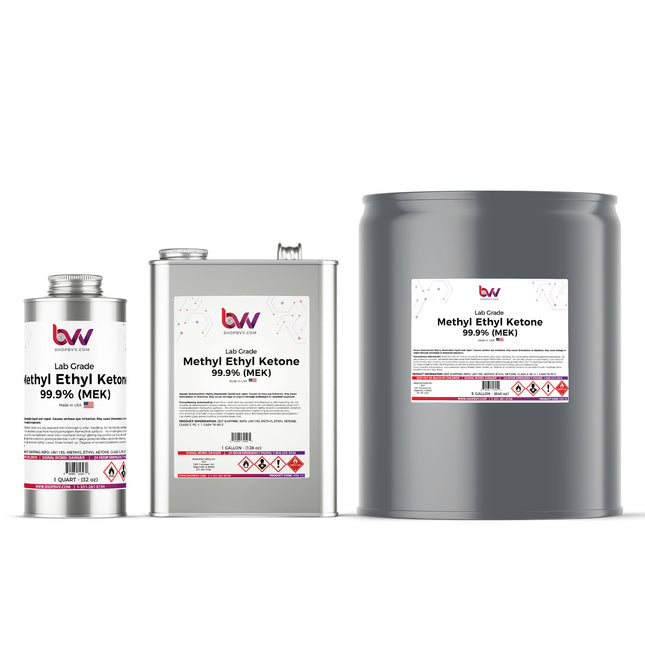
  • Methyl Ethyl Ketone (MEK), High Purity 99.9%, Lab Grade Methyl Ethyl Ketone (MEK), High Purity 99.9%, Lab Grade

    Methyl Ethyl Ketone (MEK) Lab Grade 99.9%

    Methyl Ethyl Ketone (MEK) 99.9% Lab Grade - C4H8O Methyl Ethyl Ketone (MEK), also known as butanone is an organic compound.  Its a colorless liquid and has a sweet order similar to acetone.  MEK is a widely used in commercial applications and as a solvent, and it dissolves many substances.  Our MEK is a very high purity percentage which make it appropriate for use in laboratory and analytical applications. MEK has a flash point 20 °F. Vapors heavier than air. Does not react with water.  It is partially soluble in water, and soluble in most other organic solvents. It will float on water while it rapidly dissolves in it MEK goes by a couple of names: 2-Butanone, Butan-2-one, Butanone, Ethyl methyl ketone, Methylethyl ketone Chemical Formula: C4H8O Molecular Weight: 72.1057 CAS Registry Number: 78-93-3 Appearance Colorless Liquid Odor: Mint or acetone-like Density 0.8050 g/ml Boiling Point: 79.64C/175.35F Solubility in water: 27.5g/100ml GHS Pictograms: GHS Signal Word: Danger GHS Hazard Statements: H225, H319, H336 GHS Precautionary Statements P210, P233, P240, P241, P242, P243, P261, P264, P271, P280, P303+P361+P353, P304+P340, P305+P351+P338, P312, P337+P313, P370+P378, P403+P233, P403+P235, P405, P501 UN Identification Number: 1193 Proper Shipping Name: Ethyl Methyl Ketone Transport Hazard Class: 3 Packing Group: II DOT Placard: What is Methyl Ethyl Ketone? Methyl ethyl ketone (MEK), also known as butanone, is a colorless, volatile liquid organic compound with the chemical formulaC4H8O. It is classified as a ketone, characterized by the presence of a carbonyl group (C=O) bonded to two carbon atoms. How Is Methyl Ethyl Ketone Produced? While Methyl Ethyl Ketone is biosynthesized by trees and is found in small quantities in foods such as some fruits and vegetables, chicken, beans, honey, and a wide variety of cheeses, the majority of Methyl Ethyl Ketone is produced using dehydrogenation of secondary butyl alcohol (approximately 86%) and as a byproduct of butane oxidation (remaining 14%). How is Methyl Ethyl Ketone Stored and Distributed? Methyl ethyl ketone is packed in drums. It should be stored in a cool, dry, well-ventilated area that is free from the risk of ignition as it is highly flammable. For transportation purposes, methyl ethyl ketone is classified as packing group II and a hazard class 3 with a flashpoint of -9° C What is Methyly Ethyl Ketone Used For? Methyl Ethyl Ketone is used as a solvent in the manufacturing of adhesives, protective coatings, inks and magnetic tapes. It is also the preferred extraction solvent for dewaxing lube oil. Is Methyl Ethyl Ketone Banned? Methyl ethyl ketone (MEK) is not banned nationally, but it is banned in Southern California and some states with strict VOC laws. What are the dangers of Methyl Ethyl Ketone? The compound is rated a 1 for health under the NFPA 704 indicating that exposure should only cause a minor residual injury. To avoid inhalation occurring, especially for regular uses, adequate ventilation should be ensured with local exhaust ventilation and enclosures. The direct inhalation of high levels of MEK may cause dizziness, nausea, headaches, irritation of the respiratory system and chest tightness. If the individual has difficulty breathing, they should be moved to air free of the vapours and be provided oxygen until medical assistance is available. Direct eye exposure can cause sore, stinging, red eyes with tearing and vapours can also irritate the eyes. Chemical safety goggles should therefore be used when contact with the eyes is possible. Repeated or prolonged skin contact should be avoided as this can cause irritation and dryness. Therefore, gloves, aprons and appropriate boots should be worn when repeated contact with MEK is possible. Methyl Ethyl Ketone (MEK) Lab Grade Safety Data Sheet (SDS)

    $18.00 - $550.00

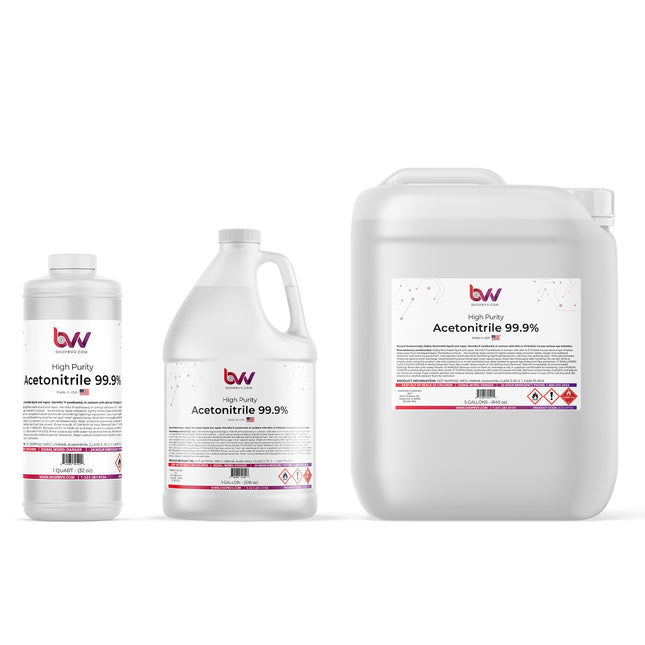
  • Acetonitrile High Purity Acetonitrile High Purity

    Acetonitrile High Purity

    Acetonitrile (CH₃CN) is a colorless, volatile, and flammable liquid organic compound with a distinctive, slightly sweet odor. It is the simplest aliphatic nitrile and is commonly used as a solvent in laboratories and industries due to its ability to dissolve a wide range of polar and nonpolar substances. Acetonitrile is highly polar, miscible with water and many organic solvents, and is often used in the production of pharmaceuticals, plastics, and adhesives. Additionally, it plays a key role in the extraction and purification of various compounds, especially in high-performance liquid chromatography (HPLC). Acetonitrile is widely used in various industrial, laboratory, and scientific applications. Some of the key applications of acetonitrile include:           Solvent in Organic Synthesis: Acetonitrile is often used as a solvent in organic synthesis due to its ability to dissolve a wide range of both polar and nonpolar substances. It's commonly employed in reactions involving electrophilic substitution, nucleophilic substitution, and polymerization.           High-Performance Liquid Chromatography (HPLC): Acetonitrile is a common solvent in HPLC, where it's used in mobile phases for separating and analyzing compounds, particularly in the pharmaceutical and environmental industries.           Pharmaceutical Industry: Acetonitrile is used in the production of various pharmaceuticals, particularly in the synthesis of intermediates and active pharmaceutical ingredients (APIs). It helps to purify and isolate compounds in medical formulations.           Extraction and Purification: Acetonitrile is used in liquid-liquid extraction to separate or purify chemicals, such as when isolating nucleic acids or proteins, and in the extraction of rare earth metals.           Chemical Manufacturing: It is involved in the production of acetic acid, adiponitrile (for nylon production), and various other chemicals, such as dyes, resins, and plastics.           Electrochemical Applications: Acetonitrile is used in electrochemical processes due to its high polarity and low viscosity, making it suitable for applications like electroplating and electrochemical cell research.           Cleaning and Degreasing: In some industrial applications, acetonitrile serves as a cleaning agent, helping to remove grease, oils, and other contaminants from machinery and equipment.           Gas Chromatography (GC): It can be used as a solvent in GC to help in the analysis and separation of volatile organic compounds. Chemical Formula: C2H3N + CH3CN Molecular Weight: 41.05 g/mol CAS Registry Number: 75-05-8 Appearance Colorless Liquid Odor: Sweet, ethereal Density 0.787 at 68 °F (less dense than water) Boiling Point:  82°C /179 °F Solubility in water: 800 g/L at 25 °C GHS Pictograms: GHS Signal Word: Danger GHS Hazard Statements: H225, H302, H312, H332, H319 GHS Precautionary Statements P210, P233, P240, P241, P243, P261, P264, P270, P271, P280, P301, P212, P330, P303, P361, P353, P304, P340, P312, P305, P351, P338, P337, P313, P363, P370,P378, P403, P235, P501 UN Identification Number: 1648 Proper Shipping Name: Acetonitrile Transport Hazard Class: 3 Packing Group: II DOT Placard:   Acetonitrile Certificate of Analysis (COA) Acetonitrile Safety Data Sheet (SDS)

    $15.00 - $800.00

  • Chloroform ACS Grade ≥99%Purity Chloroform ACS Grade ≥99%Purity

    Chloroform ACS Grade ≥99%Purity

    *This item is sold and shipped to schools and businesses only. Not available to individuals or residential addresses. We will cancel and refund your order if your address does not meet this criteria.  Chloroform ACS grade from BVV meets the high-purity standards set by the American Chemical Society (ACS).  Also know as Trichloromethane this solvent is widely used in industrial and laboratory settings. It has the power to easily dissolve fats, oils, alkaloids and is known as being an efficient extraction solvent.   it plays a key role in organic synthesis, chromatography, and sample preparation. In molecular biology, it is frequently used in nucleic acid extraction protocols. Our Chloroform is stabilized with a very small amount of ethanol between 0.5-1.0%.  Our ACS Grade Chloroform ensures low levels of impurities, making it suitable for analytical and research applications that demand high accuracy. Chloroform ACS Grade Certificate of Analysis (Example COA)  Chloroform ACS Grade Safety Data Sheet

    $80.00 - $3,200.00

The Polar Aprotic Solvents collection at BVV features high-purity reagents essential for chemical synthesis, chromatography, and precision industrial applications. Unlike protic solvents, polar aprotic solvents lack an acidic hydrogen, making them the preferred choice for SN2 reaction mechanisms and applications requiring high dielectric constants without hydrogen bonding.

This specialized category includes Acetonitrile, Dichloromethane (DCM), Chloroform, Methyl Ethyl Ketone (MEK), and Acetone. Whether you are performing HPLC analysis, manufacturing advanced coatings, or conducting complex botanical extractions, our polar aprotic solvents are sourced to meet lab grade standards. Available in scalable packaging from individual gallons to 55-gallon drums and IBC totes, BVV ensures your facility has the reliable chemical supply needed for high-stakes laboratory work.

What defines a solvent as "Polar Aprotic"?

Polar aprotic solvents possess a high dipole moment but do not have a hydrogen atom bonded to an oxygen or nitrogen. This means they cannot form hydrogen bonds, allowing them to dissolve many salts while leaving the anions "naked" and highly reactive in chemical synthesis.

What is Acetonitrile primarily used for?

Acetonitrile is a critical solvent for high-performance liquid chromatography (HPLC). Its low viscosity and high eluting power make it the gold standard mobile phase for analytical chemistry and DNA synthesis.

Is Chloroform different from Dichloromethane (DCM)?

Yes. While both are chlorinated solvents, Chloroform (Trichloromethane) has three chlorine atoms compared to DCM's two. Chloroform is often used in NMR spectroscopy and specialized organic extractions where different polarity or density is required.

Why use MEK instead of Acetone?

Methyl Ethyl Ketone (MEK) has a higher boiling point and slower evaporation rate than Acetone. This makes it superior for industrial applications like adhesive manufacturing or surface coatings where a longer working time is necessary.

Are these solvents suitable for SN2 reactions?

Absolutely. Polar aprotic solvents like DCM, Acetone, and Acetonitrile are the preferred media for SN2 reactions because they do not solvate the nucleophile, significantly increasing reaction rates compared to protic solvents.

Do you offer bulk drums and IBC totes of these solvents?

Yes. BVV specialized in bulk chemical supply. We offer 55-gallon drums and 275-gallon IBC totes for our entire polar aprotic line. Contact us for tiered pricing and freight quotes.

How should I store chlorinated solvents like DCM and Chloroform?

These should be stored in a cool, dark, and well-ventilated area, preferably in a dedicated flammable or hazardous liquid cabinet. Use caution to avoid vapor inhalation and ensure containers are tightly sealed when not in use.

Are Safety Data Sheets (SDS) available for download?

Yes. Every chemical we sell includes access to a comprehensive SDS and Certificate of Analysis (COA) to ensure your lab remains compliant and safe.

What is the advantage of BVV’s Midwest shipping hub?

Located near Chicago, our hub allows for rapid Hazmat ground shipping to the East Coast and Midwest, often arriving days faster than shipments from West Coast competitors.

Login

Forgot your password?

Don't have an account yet?
Create account