Hydrocarbons

10 products

  • BVV™ ULTRA High Purity Lab Grade N-Heptane 99.3% Pure BVV™ ULTRA High Purity Lab Grade N-Heptane 99.3% Pure

    N-Heptane 99.3% Lab Grade

    ULTRA High Purity Lab Grade N-Heptane  99.3% Purity (Note: Container style and color may vary) BVV™ ULTRA High Purity Lab Grade N-Heptane is a perfect solution for cleaning up and clarifying the extracted material and removing the green colored plant material and some waxes out of the product to produce a cleaner end result when distilling extracts. Heptane can be used the same as hexane or as a solvent, but has a higher boiling point when needing to remove residuals from extracted material. Chemical Formula: C7H16 Molecular Weight: 100.205 g·mol−1 CAS Registry Number: 142-82-5 Appearance Colorless Liquid Odor: Petrolic Density 0.6795 g cm−3 Boiling Point: 98.38 °C /209.08 °F Solubility in water: 0.0003% (20 °C GHS Pictograms: GHS Signal Word: Danger GHS Hazard Statements: H225, H304, H315, H336, H410 GHS Precautionary Statements P210, P261, P273, P301+P310, P331 UN Identification Number: 1206 Proper Shipping Name: Heptanes Transport Hazard Class: 3 Packing Group: II DOT Placard:   N-Heptane Safety Data Sheet (SDS) N-Heptane Certificate of Analysis (COA)

    $22.00 - $890.00

  • BVV™ High Purity Lab Grade Heptane 99% Heptane 99% Lab Grade

    Heptane 99% Lab Grade

    BVV™ High Purity Lab Grade Heptane (Note: Container style and color may vary) Experience the Exceptional Utility of BVV™ High Purity Lab Grade Heptane in Crystallization and Liquid-Liquid Extraction When it comes to achieving impeccable results in crystallization and liquid-liquid extraction processes, BVV™ High Purity Lab Grade Heptane stands out as the ideal choice. This versatile solvent has been meticulously refined to meet the exacting standards of laboratory and industrial applications, offering unparalleled purity and performance. Why Choose BVV™ High Purity Lab Grade Heptane: Unrivaled Purity: Our heptane boasts an exceptional level of purity, minimizing unwanted impurities and contaminants in your final products. Reliable Performance: Count on BVV™ High Purity Lab Grade Heptane to consistently deliver outstanding results, batch after batch. Versatile Solvent: From crystallization to liquid-liquid extraction, this solvent adapts to various applications, providing flexibility and convenience. Trusted by Professionals: Trusted by laboratories, industries, and professionals worldwide, BVV™ High Purity Lab Grade Heptane is the go-to choice for achieving exceptional purity and clarity in your processes. Elevate your crystallization and liquid-liquid extraction procedures to new heights of precision and quality with BVV™ High Purity Lab Grade Heptane. Discover the difference that purity and performance can make in your applications. Choose BVV™ High Purity Lab Grade Heptane for your next project and unlock the full potential of your crystallization and liquid-liquid extraction processes.   Chemical Formula: C7H16 Molecular Weight: 100.205 g·mol−1 CAS Registry Number: 142-82-5 Appearance Colorless Liquid Odor: Petrolic Density 0.6795 g cm−3 Boiling Point: 98.38 °C /209.08 °F Solubility in water: 0.0003% (20 °C GHS Pictograms: GHS Signal Word: Danger GHS Hazard Statements: H225, H304, H315, H336, H410 GHS Precautionary Statements P210, P261, P273, P301+P310, P331 UN Identification Number: 1206 Proper Shipping Name: Heptanes Transport Hazard Class: 3 Packing Group: II DOT Placard: What is Heptane? Heptane is a hydrocarbon compound belonging to the alkane family, which means it consists of hydrogen and carbon atoms arranged in a linear, unbranched chain. Specifically, heptane has seven carbon atoms and sixteen hydrogen atoms, giving it the chemical formula C7H16. It is a colorless, flammable liquid with a gasoline-like odor. Heptane is one of several isomers of the alkane series with seven carbon atoms. It is known for its role as a common solvent in various applications, including laboratory work, chemical processes, and industrial settings. Due to its purity and low reactivity, heptane is often used as a standard reference compound in gas chromatography. Heptane is also used as a fuel component in gasoline, although it is less common than other hydrocarbons like octane. Its properties and applications make it a valuable chemical compound in both the scientific and industrial sectors. What Is Heptane Used For? Heptane has a wide range of applications due to its properties as a hydrocarbon solvent. Some of the common uses of heptane include: Solvent: Heptane is widely used as a solvent in various industries, including chemistry, pharmaceuticals, and manufacturing. It is especially favored for its ability to dissolve a wide range of organic compounds and its low reactivity, which makes it suitable for cleaning, degreasing, and extracting chemicals from natural products. Laboratory and Scientific Research: Heptane is often used in laboratories for tasks such as extracting natural products, preparing chemical samples, and conducting chromatography experiments. Its purity and low reactivity make it a valuable solvent in scientific research. Industrial Cleaning: Heptane is an effective degreaser and cleaner for machinery, equipment, and surfaces in industrial settings. It is commonly used to remove oil, grease, and contaminants from various surfaces. Adhesives and Coatings: Heptane is used in the formulation of adhesives, coatings, and paints. It helps dissolve the components of these products and provides them with the desired consistency. Fuel: While less common than other hydrocarbons like octane, heptane is used as a component in gasoline. It contributes to the overall fuel mixture, affecting properties such as octane rating and combustion characteristics. Extraction: Heptane is employed in the extraction of natural compounds, such as essential oils and flavors, from plant materials. It is particularly useful for extracting nonpolar compounds. Calibration Standard: Heptane is used as a reference compound in gas chromatography and other analytical techniques to calibrate instruments and assess the performance of chromatographic columns. Solvent for Rubber and Plastics: In the rubber and plastics industry, heptane is used as a solvent for processing and manufacturing these materials. Chemical Synthesis: Heptane can be used as a reactant or solvent in chemical synthesis processes to produce various organic compounds. It's important to note that heptane should be handled with care, especially in industrial and laboratory settings, due to its flammability and potential health hazards. Proper safety measures and ventilation are essential when working with this solvent. How Is Heptane Produced? Heptane is primarily produced through the refining of crude oil, a process that separates hydrocarbons of different chain lengths. Here's a simplified overview of the production process: Crude Oil Refining: The production of heptane begins with the refining of crude oil, which contains a mixture of hydrocarbons with varying chain lengths and properties. Fractional Distillation: In the refining process, crude oil is heated and subjected to fractional distillation. This process separates the crude oil into various fractions based on boiling points. Heptane falls within a specific range of boiling points and is separated from other hydrocarbons during this distillation process. Fraction Separation: Once the appropriate fraction is obtained, further separation may be necessary to isolate pure heptane. This can involve additional distillation or purification techniques to remove impurities and other hydrocarbons. Quality Control: The resulting heptane undergoes quality control measures to ensure that it meets the required specifications and purity standards for its intended applications. Quality control may include testing for impurities, moisture content, and other properties. Packaging and Distribution: After quality control, heptane is packaged into containers suitable for its intended use and distribution to various industries and customers. It's worth noting that heptane can also be produced synthetically through chemical processes, such as the hydrogenation of hexene or the cracking of longer hydrocarbon chains. However, the primary source of heptane for industrial and commercial applications is typically derived from crude oil refining due to its cost-effectiveness and abundance. What Are The Hazards Of Heptane? Heptane, a highly flammable hydrocarbon, poses several hazards that individuals and workers should be aware of when handling or working with it. Here are some of the key hazards associated with heptane: Flammability: Heptane is extremely flammable and can ignite easily in the presence of open flames, sparks, or heat sources. It has a wide flammable range and can form explosive mixtures with air. Adequate ventilation and proper storage precautions are essential to prevent fires and explosions. Vapor Inhalation: Inhaling heptane vapors can lead to health risks, including dizziness, headaches, nausea, and respiratory irritation. Prolonged exposure to high concentrations of heptane vapor can result in more severe health effects, such as central nervous system depression and damage to the respiratory system. Skin Contact: Heptane can cause skin irritation and may lead to dermatitis or chemical burns upon prolonged or repeated contact. It can also defat the skin, removing protective oils and potentially resulting in dryness and cracking. Eye Contact: Contact with heptane can cause eye irritation, redness, and discomfort. Proper eye protection, such as safety goggles or a face shield, should be worn when handling heptane to prevent eye exposure. Ingestion: Swallowing heptane can be harmful and should be avoided. Ingestion of heptane may lead to gastrointestinal distress, nausea, vomiting, and abdominal pain. Environmental Impact: Spills or improper disposal of heptane can have negative environmental consequences. Heptane is volatile and can contribute to air pollution. It may also contaminate soil and water if not handled and disposed of properly. Occupational Exposure Limits (OELs): Regulatory authorities, such as OSHA in the United States, have established occupational exposure limits for heptane to protect workers. Adhering to these limits and implementing proper safety measures in the workplace is essential to mitigate exposure risks. It's crucial to handle heptane with caution, follow safety protocols, and use appropriate personal protective equipment (PPE) when working with this solvent. Additionally, safe storage, handling, and disposal practices are essential to minimize the associated hazards and ensure workplace safety. How Can I Safely Use Heptane? Safely using heptane requires following proper procedures and precautions to minimize risks associated with this flammable solvent. Here are some essential guidelines for the safe handling and use of heptane: Personal Protective Equipment (PPE): Wear appropriate PPE, including safety goggles or a face shield, chemical-resistant gloves, lab coats, and closed-toe shoes, to protect your eyes, skin, and clothing from exposure to heptane. Ventilation: Work in a well-ventilated area or use a chemical fume hood to prevent the buildup of heptane vapors. Ensure adequate airflow to disperse fumes. No Open Flames or Sparks: Avoid open flames, sparks, or heat sources in the vicinity of heptane. Heptane is highly flammable and can ignite easily. Electrical Equipment: Use explosion-proof or intrinsically safe electrical equipment and fixtures in areas where heptane is used or stored. Storage: Store heptane in approved safety containers, away from heat sources, direct sunlight, and incompatible materials. Keep containers tightly sealed when not in use. Handling and Transfer: Use spark-resistant tools and equipment when handling heptane. Avoid rough handling or transferring the solvent near open flames or hot surfaces. Spill Response: Have spill response materials, such as absorbent materials and spill kits, readily available to contain and clean up any heptane spills promptly. Labeling: Clearly label heptane containers with appropriate hazard warnings and information to identify the contents. Emergency Equipment: Maintain access to safety equipment, including emergency eyewashes, safety showers, and fire extinguishers, in the workspace. Training: Ensure that personnel handling heptane receive proper training on its hazards, safe handling procedures, and emergency response protocols. Avoiding Skin Contact: Minimize skin contact with heptane. In case of contact, wash the affected area immediately with soap and water. Use barrier creams or protective clothing as an additional precaution. Eye Protection: Wear safety goggles or a face shield to protect your eyes from splashes or accidental exposure. No Smoking or Eating: Prohibit smoking, eating, or drinking in areas where heptane is present, as ingestion or inhalation of heptane can be harmful. Disposal: Follow proper waste disposal procedures for heptane and other hazardous materials. Dispose of waste in accordance with local regulations. Emergency Response: Establish and communicate emergency response procedures for heptane-related incidents, including fire, spills, and exposure incidents. Regular Inspections: Conduct regular inspections of equipment, storage areas, and safety measures to ensure they remain in good condition. It's essential to adhere to safety guidelines, have safety protocols in place, and prioritize the well-being of personnel when working with heptane. Always consult safety data sheets (SDS) and regulatory guidelines specific to heptane in your region for additional safety information and requirements. Is Heptane Miscable With Water? Heptane is not miscible with water. It is considered hydrophobic, which means it does not mix well with water and tends to form separate layers when combined. What Is The Flash Point Of Heptane?  The flash point of heptane, specifically n-heptane, is approximately -4 degrees Celsius (24.8 degrees Fahrenheit). This is the temperature at which it can produce enough vapor to ignite briefly if exposed to an open flame or spark. Heptane is considered highly flammable and should be handled with caution in environments where there is a risk of ignition. Heptane Certificate of Analysis (COA) Heptane Safety Data Sheet (SDS)

    $18.00 - $610.00

  • BVV™ High Purity Lab Grade Hexane 99% BVV™ High Purity Lab Grade Hexane 99%

    Hexane 99% Lab Grade

    BVV High Purity Lab Grade Hexane (Note: Container style and color may vary) BVV™ High Purity Lab Grade Hexane is a perfect solution for cleaning up and clarifying the extracted material and removing the green colored plant material and some waxes out of the product to produce a cleaner end result when distilling extracts. Chemical Formula: C6H14 Molecular Weight: 86.178 g·mol−1 CAS Registry Number: 110-54-3 Appearance Colorless Liquid Odor: Petrolic Density 0.6606 g mL−1 Boiling Point: 68.5 °C / 155.2 °F Solubility in water: 9.5 mg L−1 GHS Pictograms:     GHS Signal Word: Danger GHS Hazard Statements: H225, H302, H305, H315, H336, H361fd, H373, H411 GHS Precautionary Statements P201, P202, P210, P233, P235, P240, P241, P242, P243, P260, P264, P271, P273, P280, P281, P301+P330+P331, P302+P352, P303+P361+P353, P304+P340, P308+P313, P310, P312, P314, P332+P313, P363, P370+P378, P391, P403+P233, P405, P501 UN Identification Number: 1208 Proper Shipping Name: Hexanes Transport Hazard Class: 3 Packing Group: II DOT Placard:    What Is Hexane? Hexane is a hydrocarbon compound with the chemical formula C6H14. It is a colorless, flammable liquid that is commonly used as a solvent in various industrial processes. Hexane is composed of six carbon atoms and 14 hydrogen atoms and belongs to a class of compounds known as alkanes. What Is Hexane Used For? Hexane is a versatile chemical compound primarily used as a solvent in various industrial applications. Its main uses include: Oil Extraction: Hexane is commonly used in the food industry to extract vegetable oils from seeds and other plant materials, such as soybeans, sunflower seeds, and peanuts. It dissolves the oils, leaving behind the solid plant material. The extracted oils are used in cooking, food processing, and as ingredients in various products. Laboratory and Chemical Processes: Hexane is used as a solvent in laboratories for a wide range of chemical reactions, extractions, and chromatography procedures. It is particularly useful for processes that require a non-polar solvent. Industrial Cleaning: Hexane's strong solvent properties make it effective for cleaning and degreasing industrial machinery, equipment, and parts. It is often used in maintenance and manufacturing settings to remove oils, greases, and other contaminants. Adhesive Manufacturing: Hexane is used in the production of adhesives, including those used in the shoe and leather goods industry. It helps dissolve and disperse adhesive components. Paints and Coatings: In the paint and coatings industry, hexane can be found in some formulations, especially in solvent-based paint systems. It can help adjust the viscosity and improve the application properties of coatings. Nail Polish Remover: Some nail polish removers contain hexane as a solvent to help dissolve and remove nail polish quickly and effectively. Hexane as a Fuel: While not a major use, hexane can be used as a fuel in some internal combustion engines. However, this application is less common than its use as a solvent. It's important to note that hexane is flammable and can pose health risks if not handled properly. Exposure to hexane vapor should be minimized, and safety precautions, such as proper ventilation and the use of personal protective equipment, should be followed when working with this chemical. What Is The Structure of Hexane? Hexane is an organic compound with the molecular formula C6H14. It belongs to the class of hydrocarbons known as alkanes, which are characterized by single bonds between carbon atoms. Hexane specifically has a linear or straight-chain structure, meaning that its carbon atoms are arranged in a continuous chain. The structural formula of hexane is as follows: In this structural formula, each "C" represents a carbon atom, and each "H" represents a hydrogen atom. Hexane has six carbon atoms and 14 hydrogen atoms, consistent with its molecular formula (C6H14). The carbon-carbon bonds in hexane are all single bonds, resulting in a saturated hydrocarbon structure. This linear arrangement of carbon atoms is a characteristic feature of straight-chain alkanes. How Is Hexane Produced? Hexane is typically produced from the refining of crude oil, and its production involves several steps, including distillation and fractionation. Here is an overview of the process: Crude Oil Refining: Hexane is derived from the hydrocarbon fraction of crude oil. Crude oil is first refined in a petroleum refinery to separate it into various fractions based on boiling points. Hexane is obtained from one of these fractions, usually the naphtha or distillate fractions, which contain hydrocarbons with six carbon atoms. Distillation: The selected fraction from the crude oil is subjected to a distillation process to separate it further into its constituent hydrocarbons based on their boiling points. Hexane is separated from other hydrocarbons with similar boiling points during this step. Fractionation: After distillation, the fraction containing hexane is further fractionated to isolate pure hexane. Fractionation involves additional distillation steps to separate hexane from any remaining impurities or hydrocarbons with different carbon chain lengths. Purification: To ensure the final product is of high purity, the hexane is subjected to purification processes, such as solvent extraction or adsorption, to remove any remaining impurities, including sulfur compounds and aromatics. Quality Control: The purified hexane undergoes rigorous quality control testing to ensure it meets industry and regulatory standards. This includes testing for purity, composition, and the absence of contaminants. Packaging: The final purified hexane is typically packaged and stored for distribution to various industries and applications. It's important to note that there are different isomers of hexane, including n-hexane, which is a straight-chain hexane, and various branched-chain isomers (isohexanes). The specific isomer produced and its purity level can vary based on the intended use of the hexane. For industrial and laboratory use, high-purity n-hexane is often preferred. The production of hexane is an important part of the petrochemical industry, as it serves as a solvent in various applications, including extraction, cleaning, and as a carrier for certain industrial processes. What Are The Hazards of Hexane? Hexane is a chemical solvent that poses several health and safety hazards. It's essential to handle hexane with care and be aware of its potential risks. Here are some of the hazards associated with hexane exposure: Inhalation Hazard: Hexane vapors can be harmful when inhaled. Breathing in high concentrations of hexane vapor may lead to symptoms such as dizziness, headache, nausea, eye and throat irritation, and in severe cases, unconsciousness. Nervous System Effects: Prolonged exposure to hexane, particularly n-hexane (a common isomer of hexane), can damage the nervous system. This condition is known as "hexane neuropathy" or "peripheral neuropathy." It may cause numbness, tingling, muscle weakness, and coordination problems in the hands and feet. Skin Irritation: Hexane can irritate the skin upon direct contact. Prolonged skin exposure or contact with hexane-containing solutions can lead to skin dryness, redness, and irritation. Eye Irritation: Contact with hexane may cause eye irritation, including redness, tearing, and discomfort. Flammability: Hexane is highly flammable and can form explosive mixtures with air. It should be stored away from open flames, sparks, and heat sources. Environmental Impact: Spills or releases of hexane into the environment can have adverse effects on aquatic life and ecosystems. Hexane is not easily biodegradable and can persist in the environment. Chronic Health Effects: Long-term exposure to hexane may lead to chronic health effects, particularly neurological damage. Workers who are regularly exposed to hexane, such as in industrial settings, should take precautions to minimize exposure. Carcinogenicity: Some studies suggest that n-hexane may have carcinogenic potential, although the evidence is not conclusive. It is classified as a Group 3 carcinogen by the International Agency for Research on Cancer (IARC), which means it is not classifiable as to its carcinogenicity to humans due to inadequate evidence. To minimize the risks associated with hexane, it is crucial to follow safety guidelines and use appropriate personal protective equipment (PPE) when working with hexane-containing products. Proper ventilation, such as using fume hoods or working in well-ventilated areas, can help reduce inhalation exposure. Additionally, employers should provide training to employees on the safe handling and storage of hexane, along with emergency response procedures in case of spills or accidents. How Do I Use Hexane Safely? Using hexane safely requires following proper safety precautions and guidelines to minimize the risks associated with this chemical solvent. Here are some safety tips for handling hexane safely: Use Adequate Ventilation: Always work with hexane in well-ventilated areas, such as a fume hood or with proper exhaust systems. Adequate ventilation helps to reduce exposure to hexane vapors. Wear Protective Gear: When working with hexane, wear appropriate personal protective equipment (PPE), including safety goggles, lab coats, chemical-resistant gloves, and closed-toe shoes. The specific PPE requirements may vary based on the task and the concentration of hexane being used. Avoid Skin Contact: Prevent skin contact with hexane by wearing chemical-resistant gloves and long-sleeved clothing. In case of skin contact, wash the affected area with plenty of water and soap. Seek medical attention if irritation persists. Prevent Eye Contact: Protect your eyes with safety goggles or a face shield. In case of eye contact, flush the eyes with clean, lukewarm water for at least 15 minutes and seek immediate medical attention. No Eating, Drinking, or Smoking: Do not eat, drink, or smoke while working with hexane or in areas where hexane is used. Contaminated hands or surfaces can transfer hexane to the mouth, leading to ingestion. Handle in Controlled Environment: Perform tasks involving hexane in a controlled environment away from open flames, sparks, heat sources, and ignition sources. Hexane is highly flammable and can form explosive mixtures with air. Label Containers: Ensure that containers holding hexane are properly labeled with appropriate hazard warnings and information. Store Properly: Store hexane containers in a cool, dry, well-ventilated area away from incompatible substances. Keep containers tightly sealed when not in use. Use Minimal Amounts: Use the smallest amount of hexane necessary to complete your task. Minimizing the quantity of hexane used reduces potential exposure. Emergency Equipment: Have access to emergency equipment, such as eye wash stations and safety showers, in case of accidental exposure. Know the location of fire extinguishers and fire alarm systems. Training: Ensure that personnel working with hexane are trained in its safe handling, storage, and disposal. Training should cover hazard recognition, first aid procedures, and emergency response protocols. Spill Response: In case of a hexane spill, follow your organization's spill response procedures. This may include containing the spill, using absorbent materials to soak up the liquid, and disposing of contaminated materials properly. Dispose of Hexane Waste Properly: Dispose of hexane waste in accordance with local, state, and federal regulations. Hexane waste should be collected and disposed of as hazardous waste. Regular Maintenance: Inspect equipment and storage containers regularly to ensure they are in good condition and free from leaks or damage. Medical Monitoring: If workers are regularly exposed to hexane, consider implementing a medical monitoring program to track their health and detect early signs of exposure-related issues. It's essential to familiarize yourself with the specific safety guidelines and procedures established by your organization or regulatory authorities when working with hexane, as they may vary depending on the application and concentration of hexane being used. Always prioritize safety and take appropriate precautions to protect yourself and others from potential hazards associated with hexane. Hexane Safety Data Sheet (SDS) Hexane Certificate of Analysis (COA)

    $18.00 - $600.00

  • BVV™ High Purity Lab Grade N-Pentane 99% BVV™ High Purity Lab Grade N-Pentane 99%

    N-Pentane 99% Lab Grade

    BVV™ High Purity Lab Grade N-Pentane 99% (Note: Container style and color may vary) BVV™ High Purity Lab Grade n-Pentane 99% is a hydrocarbon that has properties that are similar to butanes and hexanes. Pentane is a non-polar solvent and refrigerant. Pentane is used for the extraction and eluting of distillates, concentrates, volatiles, and essential oils from plant materials. Pentane can be used with hydrocarbon extraction systems that extract herbal oils, botanical compounds and oils from plants. It is a colorless liquid and has a petroleum-like odor.  Chemical Formula: C5H12 Molecular Weight: 72.151 g·mol−1 CAS Registry Number: 109-66-0 Appearance Colorless Liquid Odor: Gasoline-like Density 0.6262 g/mL (20 °C) Boiling Point: 35.9°C /96.5 °F Solubility in water: 40 mg/L (20 °C) GHS Pictograms:     GHS Signal Word: Danger GHS Hazard Statements: H225, H304, H336, H411 GHS Precautionary Statements P210, P261, P273, P301+P310, P331 UN Identification Number: 1265 Proper Shipping Name: Pentanes Transport Hazard Class: 3 Packing Group: II DOT Placard:   What Is N-Pentane? N-Pentane, also known as normal pentane, is a straight-chain alkane hydrocarbon with the molecular formula C5H12. It is one of the isomers of pentane, a hydrocarbon that consists of five carbon atoms bonded together in a linear, unbranched chain. n-Pentane is called "normal" because its carbon atoms are arranged in a continuous, straight chain, without any branching. What Are The Properties Of N-Pentane? Here are some of the key properties of n-pentane: Physical State: At room temperature and standard atmospheric pressure, n-pentane is a colorless, clear, and highly flammable liquid. Odor: It has a gasoline-like or organic solvent-like odor. Boiling Point: The boiling point of n-pentane is approximately 36.1 degrees Celsius (97 degrees Fahrenheit). This relatively low boiling point makes it useful in various applications. Density: The density of n-pentane at room temperature is about 0.626 grams per milliliter (g/mL). It is less dense than water, which has a density of 1 g/mL. Solubility: n-Pentane is sparingly soluble in water, which means it does not readily mix with water. This is because it is a nonpolar compound, and water is a polar solvent. However, it is highly soluble in nonpolar solvents and organic compounds. Flammability: n-Pentane is highly flammable and poses a fire hazard. It has a low flash point and can easily ignite when exposed to an open flame or heat source. Vapor Pressure: It has a relatively high vapor pressure at room temperature, meaning it readily evaporates into the air. Chemical Structure: As a straight-chain alkane, n-pentane consists of five carbon atoms bonded together in a linear fashion, with 12 hydrogen atoms bonded to these carbons. Molar Mass: The molar mass of n-pentane is approximately 72.15 grams per mole (g/mol). Reactivity: n-Pentane is relatively unreactive under normal conditions and does not readily undergo chemical reactions with common reagents. Uses: It is used as a laboratory solvent, industrial solvent, component in fuel blends, foam blowing agent, and as a chemical reagent in various applications. Safety Precautions: Due to its high flammability, proper safety precautions should be taken when handling n-pentane. It should be stored away from open flames, sparks, and heat sources. Environmental Impact: Like other hydrocarbons, the combustion of n-pentane releases carbon dioxide and other greenhouse gases into the atmosphere, contributing to climate change. n-Pentane is commonly employed in laboratory and industrial settings as a solvent, and its physical and chemical properties make it suitable for various applications. However, its flammability requires careful handling and storage to prevent accidents. What Is The Difference between N-Pentane and ISO-Pentane? n-Pentane and isopentane are two different structural isomers of pentane, each with distinct molecular arrangements. Here are the key differences between n-pentane and isopentane: Structural Arrangement: n-Pentane (Normal Pentane): n-Pentane has a linear, straight-chain structure with five carbon atoms connected in a continuous, unbranched chain. It is sometimes referred to as "normal" pentane due to its unbranched structure. Isopentane (2-Methylbutane): Isopentane has a branched-chain structure with one methyl (CH3) group branching off from the second carbon atom (C2) of the main carbon chain. This branching gives it its common name, "isopentane." Physical Properties: n-Pentane: n-Pentane is a clear, colorless liquid at room temperature and atmospheric pressure. It has a higher boiling point than isopentane and is less volatile. Isopentane: Isopentane is also a clear, colorless liquid at room temperature, but it has a lower boiling point compared to n-pentane. It is more volatile and evaporates more easily. Boiling Points: n-Pentane: The boiling point of n-pentane is approximately 36.1 degrees Celsius (97 degrees Fahrenheit). Isopentane: The boiling point of isopentane is lower, at approximately -11.7 degrees Celsius (11 degrees Fahrenheit). This lower boiling point makes it more suitable for certain applications. Applications: n-Pentane: n-Pentane is used as a laboratory solvent, in the formulation of industrial solvents, and as a component in gasoline and other fuels. Its relatively higher boiling point makes it less volatile and suitable for some applications where slow evaporation is desired. Isopentane: Isopentane is commonly used as a refrigerant and as a component in aerosol propellants, blowing agents for foam production, and as a solvent. Its lower boiling point and greater volatility make it useful in these applications. In summary, n-pentane and isopentane differ in their molecular structures, physical properties, boiling points, and applications. The choice between the two depends on the specific requirements of a given application, with n-pentane being less volatile and isopentane being more volatile. What Is The Structure Of N-Pentane? Pentane is an alkane with the chemical formula C5H12. It is a colorless, flammable liquid that is commonly used as a solvent and a fuel. The structure of pentane is a straight chain of five carbon atoms, with each carbon atom bonded to four hydrogen atoms. The carbon atoms in pentane are arranged in a tetrahedral geometry, with each carbon atom forming four bonds with other atoms. The hydrogen atoms are bonded to the carbon atoms in a single bond.   What Is Pentane Used For? Pentane, both in its various isomeric forms (n-pentane and isopentane), has several industrial and commercial applications due to its properties as a hydrocarbon solvent and fuel component. Here are some common uses of pentane: Solvent: Pentane is used as a nonpolar solvent in various laboratory and industrial applications. It is particularly useful for dissolving oils, fats, waxes, and some organic compounds. Its low boiling point and relatively low toxicity make it suitable for these purposes. Foam Blowing Agent: Isopentane (also known as 2-methylbutane) is often used as a blowing agent in the production of polyurethane foams. When mixed with other chemicals, isopentane vaporizes and creates bubbles within the foam, leading to its expansion and formation. Fuel Component: Pentane, primarily in the form of isopentane, is used as a component in gasoline and other fuel blends. It enhances the octane rating of gasoline and helps reduce engine knocking, improving engine performance. Chemical Reagent: Pentane can serve as a chemical reagent in organic synthesis and research. It may be used as a reactant in some chemical reactions or as a medium for certain processes. Extraction: In laboratories, pentane is utilized for liquid-liquid extractions to separate compounds from mixtures based on differences in solubility. It is a common choice for extracting natural products and essential oils. Cleaning Agent: Pentane is employed for cleaning and degreasing purposes in industrial settings. It can effectively remove residues, contaminants, and oils from various surfaces and equipment. Refrigeration: Pentane has been used as a refrigerant in some applications, particularly in the form of isopentane. However, due to environmental concerns and regulations related to ozone depletion, its use as a refrigerant has diminished. Analytical Chemistry: In gas chromatography (GC), pentane is sometimes used as a carrier gas to transport samples through the GC column for analysis. Adhesives and Sealants: Some adhesive and sealant formulations may contain pentane as a solvent or propellant. Aerosol Propellants: Pentane, particularly isopentane, has been used as a propellant in aerosol spray products. Energy Production: In certain regions, pentane may be used as a fuel for heating and electricity generation, although this application is less common. It's important to note that while pentane has various industrial and commercial uses, safety precautions should be taken when handling it due to its flammable nature. Proper storage, ventilation, and safety measures are essential to minimize the risk of accidents. Additionally, environmental regulations and concerns have led to the exploration of alternative substances in some applications where pentane was traditionally used as a refrigerant or propellant. How Is Pentane Produced? Pentane is typically produced from petroleum through refining processes. It is a natural component of crude oil, and the separation and purification of pentane from crude oil involve various refining techniques. Here's an overview of how pentane is produced: Fractional Distillation: Crude oil is first subjected to fractional distillation in an oil refinery. This process separates the crude oil into different fractions based on their boiling points. Pentane, along with other hydrocarbons of similar boiling points, is separated from the crude oil in this initial distillation step. Fraction Separation: The fraction obtained in the distillation containing pentane and similar hydrocarbons is further separated in subsequent distillation columns. These columns are designed to separate hydrocarbons with similar boiling points, and pentane is separated from other hydrocarbons through a series of distillation steps. Purification: After the initial separation, the pentane fraction may still contain impurities and other hydrocarbons. To obtain high-purity pentane, additional purification steps are often employed. One common method is solvent extraction, where selective solvents are used to remove impurities. Adsorption and molecular sieves may also be used for purification. Final Processing: The purified pentane may undergo additional processing steps to meet specific product specifications or requirements. For example, it may be dried to remove any remaining water content. Packaging and Distribution: Once purified and processed, pentane is typically packaged into containers suitable for transportation and distribution. It may be distributed to various industries where it is used for its specific applications. Overall, the production of pentane is part of the larger petroleum refining process, and its availability depends on the composition of the crude oil and the specific refining techniques employed by the refinery. What Are The Hazards Of Pentane? Pentane, like other hydrocarbon compounds, poses certain hazards, especially when handled and used in industrial or laboratory settings. It's essential to be aware of these hazards and take appropriate safety precautions when working with pentane. Here are some of the hazards associated with pentane: Flammable: Pentane is highly flammable and can form explosive mixtures with air when its vapor concentration is within a specific range (approximately 1.5% to 7.8% by volume). This means that even a small spark or open flame can ignite pentane vapors, leading to fires or explosions. Health Hazards: Inhalation of pentane vapor can cause respiratory irritation, dizziness, headache, nausea, and, in severe cases, central nervous system depression. Prolonged exposure to pentane may lead to adverse health effects, including drowsiness, unconsciousness, and even asphyxiation. Irritant: Pentane can be a skin and eye irritant. Contact with the skin may cause irritation, redness, and dermatitis, particularly with prolonged or repeated exposure. Eye contact with pentane can result in irritation, redness, and discomfort. Environmental Impact: Pentane is a volatile organic compound (VOC) that can contribute to air pollution. When released into the atmosphere, it can react with other pollutants and contribute to the formation of ground-level ozone, which is harmful to human health and the environment. Asphyxiation Hazard: Pentane vapors can displace oxygen in poorly ventilated areas, creating an oxygen-deficient atmosphere. This can lead to asphyxiation if pentane is released in a confined space without proper ventilation. To use pentane safely, consider the following precautions: Work in well-ventilated areas or use exhaust systems to prevent the buildup of pentane vapors. Avoid open flames, sparks, and hot surfaces when working with pentane, and ensure that electrical equipment and wiring are explosion-proof in areas where pentane is used. Store pentane in approved containers away from heat, ignition sources, and incompatible materials. Use appropriate personal protective equipment (PPE), including safety goggles, gloves, and lab coats, when handling pentane. Have emergency response measures in place, including fire extinguishers and eyewash stations, when working with pentane. Follow safety data sheet (SDS) guidelines and procedures provided by the manufacturer or supplier of pentane. Educate and train personnel on the safe handling and storage of pentane. It's crucial to have a thorough understanding of the potential hazards associated with pentane and to implement appropriate safety measures to mitigate these risks. Always follow safety guidelines and regulations specific to your workplace or laboratory when working with pentane or any other hazardous chemicals. How Do I Use Pentane Safely? Using pentane safely is essential due to its flammable nature and associated hazards. Whether you're working with pentane in a laboratory, industrial setting, or any other environment, following proper safety procedures is crucial. Here are some steps to use pentane safely: Work in a Well-Ventilated Area: Always work in a properly ventilated area. Ensure that fumes and vapors can be effectively removed to prevent the buildup of pentane in the air. No Open Flames or Sparks: Avoid working near open flames, sparks, or other potential ignition sources. Pentane is highly flammable and can ignite easily. Use Appropriate Containers: Store pentane in approved containers designed for flammable liquids. These containers are typically designed to prevent leaks and resist fire. Keep Away from Heat Sources: Store pentane away from heat sources, including direct sunlight, radiators, and hot surfaces. Static Electricity: Ground yourself and any equipment that could generate static electricity. This helps prevent static sparks that could ignite pentane vapors. Wear Protective Gear: Use appropriate personal protective equipment (PPE), including safety goggles, gloves, and lab coats, to protect your eyes, skin, and clothing from contact with pentane. No Smoking or Eating: Do not smoke or eat while working with pentane. Keep food and beverages away from the work area. Emergency Equipment: Have safety equipment on hand, such as fire extinguishers, eyewash stations, and safety showers, in case of accidents or emergencies. Avoid Confined Spaces: Do not use pentane in confined spaces without proper ventilation. Pentane vapors can displace oxygen, leading to an oxygen-deficient atmosphere. Secure Containers: Ensure that containers are tightly sealed when not in use. Prevent spills and leaks. Safety Data Sheet (SDS): Familiarize yourself with the safety data sheet (SDS) provided by the manufacturer or supplier of pentane. SDS contains important information about the chemical's properties, hazards, and safe handling procedures. Training and Education: Train all personnel working with pentane on its safe handling, storage, and disposal. Ensure that they understand the hazards and know how to respond to emergencies. Labeling and Signage: Clearly label containers of pentane with appropriate warnings and hazard symbols. Use warning signs in areas where pentane is stored or used. Emergency Response: Develop and communicate emergency response plans, including evacuation procedures and fire safety protocols. Conduct regular drills to ensure that personnel are prepared. Proper Disposal: Dispose of pentane and any contaminated materials according to local, state, and federal regulations. Do not pour pentane down drains or dispose of it improperly. Regular Inspections: Periodically inspect equipment, storage areas, and containers for signs of damage or deterioration. Replace damaged equipment or containers promptly. By following these safety guidelines and practices, you can minimize the risks associated with pentane use and create a safer working environment. Always prioritize safety and be prepared to respond to potential emergencies involving pentane or other flammable chemicals. N-Pentane Safety Data Sheet (SDS) N-Pentane Certificate of Analysis (COA)  

    $40.00 - $1,100.00

  • BVV™ Ultra High Purity D-Limonene 96% Food Grade BVV™ Ultra High Purity D-Limonene 96% Food Grade

    D-Limonene 94% Food Grade Natural Orange Oil

    Ultra High Purity D-Limonene 94+% Food Grade BVV™'s Ultra High Purity D-Limonene is a naturally occurring terpene compound found mainly in the skin of plants and fruits, such as lemons and oranges. D-Limonene is commonly used as an amazing cleaning solvent that is eco-friendly, great-smelling, and excellent at cleaning stainless steel, scientific glassware, and ceramics. What is d-Limonene? D-Limonene is the major component of the oil extracted from the rinds of oranges. This compound is deemed as the most effective natural solvent and degreaser in science. Applications include grease, oil, tar, adhesives, tree sap, gum, crayon, wax, asphalt, graffiti, blood, grass, soap scum, scuff marks, stickers. In addition, d-Limonene is 100% natural, organic/no synthetic chemicals, non-toxic, FDA approved, biodegradable, and safe to use.  Chemical Formula: C10H16 Molecular Weight: 136.238 g·mol−1 CAS Registry Number: 138-86-3 Appearance Colorless Liquid Odor: Orange Density 0.8411 g/cm3  Boiling Point: 176 °C / 349 °F Solubility in water: Insoluble GHS Pictograms: GHS Signal Word: Danger GHS Hazard Statements: H226, H304, H315, H317, H410 GHS Precautionary Statements P210, P233, P235, P240, P241, P242, P243, P261, P264, P272, P273, P280, P301+P330+P331, P302+P352, P303+P361+P353, P304+P340, P312, P333+P313, P362, P370+P378, P391, P403+P233, P405, P501 UN Identification Number: 2319 Proper Shipping Name: Terpene Hydrocarbons. N.O.S Transport Hazard Class: 3 Packing Group: III DOT Placard:   PLEASE READ SAFETY WARNINGS ON CONTAINER Warning: Keep Away from heat, sparks, open flames, and hot surfaces. No smoking. Avoid release into the environment. Wear protective gloves, and use eye protection, IF swallowed: Immediately call a poison control center. If on skin: wash with plenty of soap and water. DO NOT induce vomiting. If skin irritation occurs: Seek Medical Advice. Dispose of contents and their containers in accordance with regional, national, and international regulations. Contact with eyes may cause redness. Ultra High Purity D-Limonene Safety Data Sheet (SDS) Ultra High Purity D-Limonene Certificate of Analysis (COA)

    $35.00 - $3,500.00

  • BVV™ ULTRA High Purity Lab Grade N-Hexane 99.5% BVV™ ULTRA High Purity Lab Grade N-Hexane 99.5%

    N-Hexane 99.5% Lab Grade

    BVV Ultra High Purity Lab Grade N-Hexane (Note: Container style and color may vary) BVV™ Ultra High Purity Lab Grade N-Hexane is a perfect solution for cleaning up and clarifying the extracted material and removing the green colored plant material and some waxes out of the product to produce a cleaner end result when distilling extracts. Chemical Formula: C6H14 Molecular Weight: 86.178 g·mol−1 CAS Registry Number: 110-54-3 Appearance Colorless Liquid Odor: Petrolic Density 0.6606 g mL−1 Boiling Point: 68.5 °C / 155.2 °F Solubility in water: 9.5 mg L−1 GHS Pictograms:     GHS Signal Word: Danger GHS Hazard Statements: H225, H302, H305, H315, H336, H361fd, H373, H411 GHS Precautionary Statements P201, P202, P210, P233, P235, P240, P241, P242, P243, P260, P264, P271, P273, P280, P281, P301+P330+P331, P302+P352, P303+P361+P353, P304+P340, P308+P313, P310, P312, P314, P332+P313, P363, P370+P378, P391, P403+P233, P405, P501 UN Identification Number: 1208 Proper Shipping Name: Hexanes Transport Hazard Class: 3 Packing Group: II DOT Placard:    n-Hexane Safety Data Sheet (SDS)

    $29.00 - $925.00

  • Toluene Lab Grade, 99.8% Purity Toluene Lab Grade 99.8% Purity

    Toluene Lab Grade 99.8% Purity

    Toluene Lab Grade 99.8% Purity Toluene, also called methylbenzene is a colorless liquid with a flash point 40 °F.  It is Less dense than water (7.2 lb / gal) and insoluble in water. Hence floats on water.   This is an aromatic hydrocarbon that has a smell you would associate with paint thinners.  It is a naturally occurring hydrocarbon found in crude oil.  Toluene is volatile, flammable, and evaporates quickly. Toluene is the simplest member of the class toluenes consisting of a benzene core which bears a single methyl substituent. It is a non-polar solvent, Due to the presence of the methyl group, toluene is more reactive compared to benzene alone in the presence of electrophiles. Chemical Formula: C6H5CH3 Molecular Weight: 92.141 CAS Registry Number: 108-88-3 Appearance Colorless Liquid Odor: sweet, pungent, benzene-like Density 0.8623 g/ml Boiling Point: 110.60C/231.08F Solubility in water: 0.519 g/L (25 °C) GHS Pictograms: GHS Signal Word: Danger GHS Hazard Statements: H225, H304, H315, H336, H361d, H373 GHS Precautionary Statements  P210, P240, P301+P310, P302+P352, P308+P313, P314, P403+P233 UN Identification Number: 1294 Proper Shipping Name: Toluene Transport Hazard Class: 3 Packing Group: II DOT Placard:   What is Toluene? Toluene is a colorless, volatile, and flammable liquid aromatic hydrocarbon. It has a benzene ring substituted with a methyl group (-CH3), making its chemical formula C6H5CH3. Toluene is also known by other names such as methylbenzene or phenylmethane. It has a sweet, pungent odor and is miscible with many organic solvents but only slightly soluble in water. How Is Toluene Produced? Toluene is primarily produced as a byproduct of the petroleum refining process, specifically during the catalytic reforming of naphtha fractions. The main steps involved in the production of toluene include: Naphtha Fractionation: The process begins with the distillation of crude oil to separate it into various fractions, including naphtha. Naphtha is a mixture of hydrocarbons with carbon chain lengths typically ranging from C5 to C12. Catalytic Reforming: The naphtha fraction undergoes catalytic reforming, which is a process that involves subjecting the hydrocarbons to high temperature and pressure in the presence of a catalyst. The catalyst, often composed of platinum or platinum-rhenium on an alumina support, promotes various reactions such as dehydrogenation, isomerization, and cyclization. Aromatic Hydrocarbon Formation: During catalytic reforming, some of the naphtha molecules undergo dehydrogenation and cyclization reactions, leading to the formation of aromatic hydrocarbons, including benzene, toluene, and xylene (BTX). Toluene is specifically formed through the methylation of benzene, where a methyl group (-CH3) is added to the benzene ring. Separation and Purification: After catalytic reforming, the product stream is subjected to fractionation to separate the various components, including toluene, from other hydrocarbons. Distillation and other separation techniques are used to isolate and purify toluene from the mixture. Further Processing: The purified toluene can undergo further processing, such as hydrogenation to produce other chemicals like benzene or mixed xylenes. Toluene itself is used as a feedstock in the production of chemicals such as benzene, toluene diisocyanate (TDI), and polyurethanes. Overall, the production of toluene is closely linked to the refining of crude oil, with catalytic reforming being the primary method for its synthesis from petroleum-derived feedstocks. Other sources of toluene include coal tar and certain biomass conversion processes, although these are less common compared to petroleum-based production. What is Toluene used for? Toluene is a versatile chemical compound with numerous industrial and commercial applications. Some of the common uses of toluene include: Solvent: Toluene is primarily used as a solvent in various industries, including paint manufacturing, coatings, adhesives, and printing. It effectively dissolves other substances, making it valuable in these applications. Fuel Additive: Toluene is used as an octane booster in gasoline, improving its performance and reducing knocking in internal combustion engines. It is sometimes added to racing fuels and aviation fuels for this purpose. Production of Chemicals: Toluene serves as a precursor in the production of various chemicals, including benzene, which is used in the manufacture of plastics, synthetic fibers, and rubber. It's also used in the synthesis of toluene diisocyanate (TDI), which is a precursor to polyurethane foams. Rubber and Tire Manufacturing: Toluene is used in the production of rubber and tires as a solvent and as a component of rubber adhesives. Ink Manufacturing: Toluene is used as a solvent in the formulation of printing inks for newspapers, magazines, and packaging materials. Cleaning Products: It's used in some cleaning products, such as degreasers and spot removers, due to its excellent solvent properties. Nail Polish and Nail Polish Removers: Toluene is used as a solvent in nail polish and nail polish removers to dissolve and suspend other ingredients. Dye Production: Toluene is used in the production of dyes and as a solvent in the dyeing process for textiles and leather. Medicinal Uses: In some cases, toluene is used in pharmaceutical manufacturing processes as a solvent or as a precursor to certain drugs. These are just a few examples of the diverse range of applications for toluene. Its versatility and effectiveness as a solvent make it an essential chemical in many industries. However, Is Toluene Dangerous? Toluene poses several potential dangers to human health and the environment, especially when handled improperly or in high concentrations. Some of the key dangers associated with toluene include: Health Effects: Toluene vapor can be harmful if inhaled in high concentrations over a prolonged period. Short-term exposure to high levels of toluene vapor can cause symptoms such as headaches, dizziness, nausea, fatigue, confusion, and irritation of the eyes, nose, and throat. Long-term exposure to toluene may lead to more serious health issues, including damage to the central nervous system, liver, kidneys, and respiratory system. Flammability: Toluene is highly flammable and can form explosive mixtures with air. It has a low flash point, which means it can ignite easily in the presence of a spark, flame, or heat source. Handling toluene near open flames, hot surfaces, or other ignition sources can result in fires or explosions. Environmental Hazards: Toluene can contaminate soil, water, and air if released into the environment. It is volatile and can evaporate quickly from spills or during use, leading to air pollution. Toluene is also persistent in the environment and can bioaccumulate in aquatic organisms, potentially causing harm to ecosystems. Occupational Hazards: Workers in industries where toluene is used, such as paint manufacturing, printing, and chemical production, may be at risk of exposure to high levels of toluene vapor. Proper safety measures, including ventilation, personal protective equipment, and training on safe handling practices, are essential to minimize occupational exposure and prevent health issues. Reproductive and Developmental Effects: There is evidence to suggest that exposure to toluene may have adverse effects on reproductive health and fetal development. Pregnant women exposed to high levels of toluene may be at increased risk of miscarriage, premature birth, or birth defects in their offspring. Addiction Potential: Toluene abuse, primarily through intentional inhalation of its vapors for recreational purposes (known as "huffing" or "sniffing"), poses significant health risks, including addiction, neurological damage, and sudden death due to cardiac arrest or asphyxiation. Given these dangers, it is important to handle toluene with care, follow safety guidelines and regulations, and take appropriate precautions to minimize exposure to protect both human health and the environment. What Gaskets are recommended for Toluene? Toluene is a chemical solvent that can have compatibility issues with certain gasket materials, especially over prolonged exposure or at elevated temperatures. Some gasket materials that are generally considered compatible with toluene include: PTFE (Polytetrafluoroethylene): PTFE gaskets, commonly known as Teflon gaskets, are highly resistant to a wide range of chemicals, including toluene. They offer excellent chemical resistance and can withstand high temperatures, making them suitable for many toluene applications. Viton (Fluoroelastomer): Viton gaskets are known for their excellent chemical resistance and can often withstand exposure to toluene. They are commonly used in applications requiring resistance to fuels, oils, and solvents. Fluorocarbon (FKM): FKM gaskets are known for their exceptional chemical resistance, high temperature stability, and resistance to oils and fuels. They are often used in applications where exposure to toluene and other aggressive chemicals is expected, such as in the automotive, aerospace, and chemical processing industries. Is Toluene Polar or Nonpolar? Toluene is considered to be a nonpolar molecule.The reason for this is its symmetrical molecular structure. Toluene consists of a benzene ring (which is a hexagonal ring of carbon atoms with alternating single and double bonds) with a methyl group (-CH3) attached. The bonds between carbon and hydrogen in the methyl group are nonpolar, and the carbon-carbon bonds in the benzene ring are relatively nonpolar due to the similar electronegativities of carbon and hydrogen.Because of this symmetrical arrangement and the similar electronegativities of the atoms involved, the overall distribution of charge in the molecule is relatively uniform, resulting in a nonpolar molecule. As a nonpolar solvent, toluene is often used to dissolve nonpolar substances and is immiscible with polar solvents such as water   Toluene Lab Grade Safety Data Sheet (SDS)
    $19.00 - $650.00

  • Toluene ACS Reagent Grade 99.9% Toluene ACS Reagent Grade 99.9%

    Toluene ACS Reagent Grade 99.9%

    Toluene ACS Reagent Grade 99.9% Toluene, also called methylbenzene is a colorless liquid with a flash point 40 °F.  It is Less dense than water (7.2 lb / gal) and insoluble in water. Hence floats on water.   This is an aromatic hydrocarbon that has a smell you would associate with paint thinners.  It is a naturally occurring hydrocarbon found in crude oil.  Toluene is volatile, flammable, and evaporates quickly. Toluene is the simplest member of the class toluenes consisting of a benzene core which bears a single methyl substituent. It is a non-polar solvent, Due to the presence of the methyl group, toluene is more reactive compared to benzene alone in the presence of electrophiles. Chemical Formula: C6H5CH3 Molecular Weight: 92.141 CAS Registry Number: 108-88-3 Appearance: Colorless Liquid Odor: sweet, pungent, benzene-like Density 0.8623 g/ml Boiling Point: 110.60C/231.08F Solubility in water: 0.519 g/L (25 °C) GHS Pictograms: GHS Signal Word: Danger GHS Hazard Statements: H225, H304, H315, H336, H361d, H373 GHS Precautionary Statements:  P210, P240, P301+P310, P302+P352, P308+P313, P314, P403+P233 UN Identification Number: 1294 Proper Shipping Name: Toluene Transport Hazard Class: 3 Packing Group: II DOT Placard: What's The Difference Between Reagent Grade & Lab Grade Toluene? The terms "reagent grade" and "lab grade" are often used to describe the purity and quality of chemicals used in laboratory settings. While there isn't a universal standard definition for these terms, they generally indicate different levels of purity and suitability for specific laboratory applications. Here's the difference between reagent grade and lab grade toluene: Reagent Grade Toluene: Reagent grade chemicals are typically of higher purity compared to lab grade chemicals. Reagent grade toluene is purified to meet strict quality standards, with impurity levels kept to a minimum. Reagent grade toluene is suitable for use in analytical and research applications where precise measurements and high purity are required. It is commonly used in chromatography, spectroscopy, and other analytical techniques where impurities could interfere with the results. Reagent grade toluene may also undergo additional testing and quality control measures to ensure consistency and reliability in laboratory experiments. Lab Grade Toluene: Lab grade chemicals are generally of lower purity compared to reagent grade chemicals. Lab grade toluene may contain higher levels of impurities, although it still meets basic quality standards for laboratory use. Lab grade toluene is suitable for general laboratory applications where high levels of purity are not critical. It may be used in routine experiments, sample preparation, and other non-critical applications where the presence of impurities is acceptable. Lab grade toluene is often more cost-effective than reagent grade toluene, making it a suitable choice for educational institutions, industrial laboratories, and other settings where budget constraints may be a consideration. In summary, the main difference between reagent grade and lab grade toluene lies in the level of purity and suitability for specific laboratory applications. Reagent grade toluene is of higher purity and is suitable for analytical and research purposes, while lab grade toluene is of lower purity and is used in general laboratory applications where high purity is not critical. It's important to choose the appropriate grade of toluene based on the specific requirements of the experiment or application. Toluene ACS Reagent Grade Safety Data Sheet (SDS)

    $24.00 - $725.00

  • Xylene Technical Grade Xylene Technical Grade

    Xylene Technical Grade

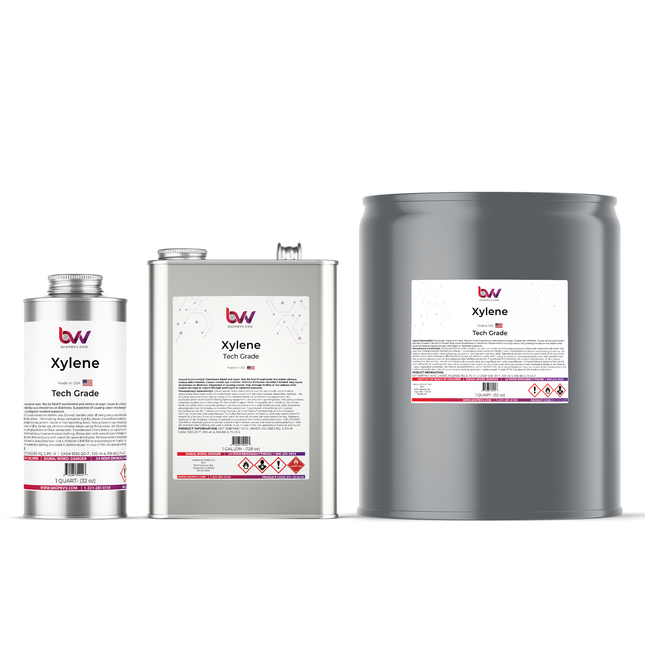
    Xylene Technical Grade Xylene is a versatile, colorless liquid with a sweet odor, commonly used as a high-performance solvent in various industrial applications. It is a mixture of three isomers—ortho-xylene, meta-xylene, and para-xylene—and is widely recognized for its ability to dissolve oils, resins, and other complex substances. Xylene is commonly used in industries such as coatings, paints, printing, and adhesives, due to its excellent solvency power and ability to improve the quality and consistency of products. Xylene is a vital component in industrial and laboratory settings, ensuring smooth operations and efficient production. While it offers excellent performance in various applications, it should be handled with care due to its flammable nature and potential health risks when inhaled or ingested. Key Features: High solvency power Ideal for use in paints, coatings, adhesives, and varnishes Effective cleaning and degreasing agent Key ingredient in chemical manufacturing Suitable for industrial and laboratory applications Applications: Paints and coatings Printing inks Chemical manufacturing Adhesives and sealants Industrial cleaning Laboratory use Note: Xylene should be stored in a cool, well-ventilated area away from open flames, and proper safety precautions should be followed during use.   Chemical Formula: (CH3)2C6H4 Molecular Weight: 106.17 CAS Registry Number: 106-42-3 Appearance Transparent Colorless Odor: Sweet Pungent Aromatic Hydrocarbon Density 7 .25 lbs/gal0.87 g/ml Boiling Point:  276.04 °F (135.58 °C) Solubility in water: Not Soluble GHS Pictograms:   GHS Signal Word: Warning GHS Hazard Statements: H226, H312, H315, H332 GHS Precautionary Statements P210, P233, P240, P241, P242, P243, P261, P264, P271, P280, P302+P352, P303+P361+P353, P304+P340, P317, P321, P332+P317, P362+P364, P370+P378, P403+P235, and P501 UN Identification Number: 1307 Proper Shipping Name: Xylenes Transport Hazard Class: 3 Packing Group: III DOT Placard: Xylene Certificate of Analysis (COA) Xylene Safety Data Sheet (SDS)

    $15.00 - $525.00

  • VM&P Naphtha <1% Virgin Solvent VM&P Naphtha <1% Virgin Solvent

    VM&P Naphtha <1% Virgin Solvent

    VM&P Naphtha also goes by VMP Naphtha.  The names are use interchangeably and mean the same thing.  Varnish Makers & Painters Naphtha is a versatile solvent with a high evaporation rate and is similar in strength to mineral spirits (paint thinner), but has a faster drying time.  Our Naphtha <1% means that naphtha makes up less than 1% of the total mixture by volume.  A concentration of <1% is much safer to handle than high concentrations of Naphtha.  Our VM&P Naphtha is Virgin material.  VMP Certificate of Analysis (Example) COA VMP Safety Data Sheet SDS

    $15.00 - $480.00

High-Purity Hydrocarbons: n-Heptane, Pentane, Hexane, and More


BVV is the industry leader in providing high-purity hydrocarbons for precision botanical extraction, specialized chemical synthesis, and industrial laboratory applications. Our hydrocarbon collection is curated for professionals who demand 99%+ purity and low residual levels. We stock a full range of essential solvents, including n-Heptane, n-Pentane, and n-Hexane, alongside specialized aromatics and terpenes like Toluene, Xylene, and Limonene.

Whether you are performing complex recrystallization ("diamond mining"), fractionating oils, or requiring aggressive degreasing agents like Naphtha, BVV offers scalable inventory to grow with your facility. We supply everything from individual quarts and 1-gallon jugs to 55-gallon drums and 275-gallon IBC totes.

Based in the Midwest, we provide expert Hazmat logistics and fast shipping to ensure your lab remains operational. Every hydrocarbon we sell is backed by comprehensive Safety Data Sheets (SDS) and technical support to ensure safe and efficient handling in any professional environment.

What does the "n-" prefix mean in n-Heptane and n-Pentane?

The "n-" stands for "normal," meaning the chemical is a straight-chain isomer. In extraction, n-isomers are highly preferred because they have consistent boiling points and superior solvency for specific botanical compounds compared to blended isomers.

Can I use Pentane for recrystallization and "diamond mining"?

Yes. Pentane is a top choice for recrystallization because of its low boiling point and high volatility, which allows for a fast "crash" and easy purging of the solvent from the final crystal structure.

Is your Limonene naturally sourced?

Our D-Limonene is a high-purity terpene typically derived from citrus peels. It serves as an excellent "green" alternative to traditional hydrocarbons for degreasing and specialized botanical extractions.

What are the common uses for Toluene and Xylene in a lab?

Toluene and Xylene are powerful aromatic hydrocarbons used primarily as solvents for resins, oils, and fats. They are also essential reagents in various chemical synthesis and laboratory cleaning protocols.

How do I choose between Heptane and Hexane?

The choice usually comes down to boiling points. Heptane has a higher boiling point (98°C) making it safer for higher-temperature processes and easier to recover in some systems, whereas Hexane (69°C) evaporates more quickly.

Do you provide bulk discounts on 275-gallon IBC totes?

Yes. We specialize in industrial-scale supply. Tiered pricing is available for 55-gallon drums and IBC totes. Please contact our Chicago-area headquarters for a custom freight quote.

Is Naphtha the same as Hexane?

No. Naphtha is a broader hydrocarbon blend (often a petroleum distillate), while Hexane is a specific 6-carbon molecule. While they share some cleaning properties, Hexane is preferred for precision lab work due to its purity and predictable behavior.

How should I store high-purity hydrocarbons?

Hydrocarbons should be stored in a cool, well-ventilated area in a dedicated flammable liquids safety cabinet. Ensure all containers are grounded during transfer to prevent static discharge.

Are these solvents suitable for food-contact surface cleaning?

Many of our hydrocarbons are reagent or technical grade. For applications involving food-contact surfaces, ensure you select the appropriate grade and follow all local health and safety regulations regarding residual solvents.

How fast is shipping for Hazmat hydrocarbons?

As a Midwest-based supplier, we offer some of the fastest transit times in the country. Most in-stock hydrocarbons ship within 24–48 hours, though Hazmat regulations require ground-only transport.

Login

Forgot your password?

Don't have an account yet?
Create account