New Products
-
Ms Cream 8g Food Grade Nitrous Oxide Charger 99.5% Pure Triple Filtered
Ms. Cream 8g Nitrous Oxide Cream Chargers 99.5% Purity - Food Grade Made in Europe, Triple Filtered Mr. Cream® is a true culinary gas. Trusted for it high purity and known for not adding any strange or unknown flavors to your cream that other lesser quality import gasses my leave behind. The blue body painted charger goes back to the 1930's the original brand that made its place in kitchens across the world. 8g Charger - 4.04 Gas Liters of N2O (Do not heat over 120F) SUPERIOR GAS QUALITY - Each cream whipper is filled with the purest, and highest quality E942 food grade gas. That is why you will not have a hard time making chocolate or vanilla, mint, or Bailey's flavored cream whipper. Cocktail foams, airy sauce, mousse, and hot or cold foam can be made easily, too. FOOD-GRADE & LONG SHELF LIFE - Ms Cream chargers are made with food-grade compliance and production standards. Each cream charger has a long shelf life of 5 years so you can use them over a period of time. ANTI-LEAKAGE DESIGN - Ms Cream charger canister conforms with Manufacturing International Standards such as ISO 9001, and ISO 9002. Any cream dispenser can be used with this cylinder. UNIVERSAL COMPATIBILITY - Compatible with all professional whipped cream makers in the market. From now on, you can easily finish making whipped cream in a few seconds and without leaving odors or contaminants in the dispenser. RECYCLEABLE CONTAINER - Recycle empty cartridge with other metal recycling. The cartridge is considered empty if the top is punctured and a hole is present. What Is Nitrous Oxide? Nitrous Oxide is a chemical compound with the formula N2O. It is a colorless, non-flammable gas with a slightly sweet odor and taste. Nitrous oxide is often used for various purposes due to its unique properties and effects. What is Nitrous Oxide Used For? Nitrous oxide (N2O) is most commonly used in the culinary world for various purposes, primarily for creating foams, whipped creams, and infusions. Outside the culinary world nitrous oxide is also commonly utilized as a propellant, a cryogenic refrigerant, and as a performance-enhancing additive for internal combustion engines. Here's how nitrous oxide is most commonly used in culinary applications: Whipped Cream: Nitrous oxide is perhaps most well-known in the culinary field for its use in making whipped cream. In this application, heavy cream and sweeteners are combined in a whipped cream dispenser or siphon, and nitrous oxide cartridges are used to pressurize the dispenser. When the cream is released from the dispenser, the sudden release of pressure causes the nitrous oxide to expand and whip the cream into a light and fluffy texture. This method allows for the creation of stable whipped cream that retains its texture for an extended period. Foams: Chefs use nitrous oxide to create foams from various liquids, such as fruit juices, sauces, and purees. To make a foam, the desired liquid is mixed with a gelling agent, strained, and loaded into a whipped cream dispenser along with nitrous oxide. When dispensed, the nitrous oxide aerates the liquid, resulting in a light and airy foam that can be used as a garnish or flavor enhancer. Infusions: Nitrous oxide can be used to infuse liquids with the flavors of herbs, spices, fruits, or other aromatic ingredients. For example, herbs like basil or spices like cinnamon can be placed in a whipped cream dispenser along with a liquid (e.g., oil or alcohol) and nitrous oxide. The pressurized nitrous oxide infuses the liquid with the flavors and aromas of the added ingredients quickly. Cocktails: Some bartenders use nitrous oxide to create foam or froth on cocktails, adding a unique visual and textural element to drinks. This technique is especially popular in molecular mixology. Sauces and Dressings: Nitrous oxide can be used to create light and airy sauces or dressings. By adding nitrous oxide to a mixture of liquids and ingredients, chefs can achieve a desired texture and consistency. Desserts: Nitrous oxide can be used to create innovative desserts, such as foamy fruit purees, mousse-like textures, and light, airy soufflés. It's essential to use food-grade nitrous oxide and follow proper safety precautions when using it in culinary applications. The use of nitrous oxide cartridges and whipped cream dispensers is common in professional kitchens and home cooking to achieve these culinary effects. What Are The Hazards Of Nitrous Oxide? Nitrous oxide (N2O), while commonly used in various applications can pose certain hazards if not used properly. Here are some potential hazards associated with nitrous oxide: Asphyxiation: The most significant hazard of nitrous oxide in culinary use is the risk of asphyxiation. Nitrous oxide can displace oxygen in an enclosed space, leading to oxygen deprivation if inhaled in high concentrations. This can result in dizziness, loss of consciousness, and even death. Frostbite: Nitrous oxide is stored as a compressed liquid and is extremely cold when released. Contact with liquid nitrous oxide can cause frostbite or cold burns to the skin. Care should be taken when handling nitrous oxide cartridges or dispensers. Is Nitrous Oxide Flammable? Nitrous oxide (N2O) is not flammable in the typical sense because it does not support combustion. However, it can contribute to the combustion of other substances. Here's a more detailed explanation: Non-Flammable: Nitrous oxide itself does not burn or catch fire. It is an oxidizer, meaning it can support the combustion of other substances by providing oxygen. When nitrous oxide is used in applications like rocket propulsion or automotive nitrous systems, it does not ignite by itself. Enhancing Combustion: Nitrous oxide is sometimes used in combination with fuel in internal combustion engines to increase power output. In this context, it is often referred to as "nitrous" or "NOS." When nitrous oxide is injected into the engine's intake, it provides additional oxygen, allowing more fuel to burn, resulting in increased engine power. However, it's important to note that this process is controlled and safe when used as intended in automotive applications. Safety Precautions: While nitrous oxide is generally considered safe when used according to manufacturer guidelines, improper handling or misuse can be hazardous. Nitrous oxide should not be exposed to open flames, sparks, or high temperatures, as it can decompose at elevated temperatures and pressure, potentially leading to the release of oxygen and nitrogen gases. In summary, nitrous oxide is not flammable by itself, but it can enhance the combustion of other materials when used in controlled and purposeful applications. When using nitrous oxide, it's essential to follow safety guidelines and avoid exposing it to conditions that could lead to its decomposition or unintended ignition. How Do I Use Nitrous Oxide Safely? Using nitrous oxide (N2O) safely is crucial to prevent accidents and health risks. Here are some general guidelines for using nitrous oxide safely: Follow Manufacturer's Instructions: Always follow the manufacturer's instructions for any equipment or cartridges containing nitrous oxide. Different devices or cartridges may have specific usage guidelines. Ventilation: Ensure that you use nitrous oxide in a well-ventilated area. Adequate ventilation helps disperse any gas leaks and prevents the buildup of nitrous oxide in confined spaces, reducing the risk of asphyxiation. Avoid Direct Inhalation: Never inhale nitrous oxide directly from cartridges, whipped cream dispensers, or any other source. Inhaling nitrous oxide for recreational purposes can be dangerous and is not recommended. Protective Gear: When handling nitrous oxide cartridges or equipment, especially if they contain liquid nitrous oxide, wear appropriate protective gear, such as gloves and safety glasses, to prevent frostbite or cold burns. Store Safely: Store nitrous oxide cartridges and equipment in a cool, dry place away from direct sunlight and heat sources. Keep them out of the reach of children and unauthorized individuals. No Smoking: Avoid smoking or open flames near nitrous oxide, while nitrous oxide is not flammable, it will support combustion to the same extent as oxygen. Training and Education: Ensure that individuals using nitrous oxide equipment are trained in its safe handling and usage. Leak Detection: Regularly check for leaks in nitrous oxide equipment and connections. Use a leak detection solution (soapy water) to identify leaks by observing bubbles at the connections. Proper Disposal: Dispose of used nitrous oxide cartridges and equipment according to local regulations and guidelines. Do not puncture or incinerate cartridges. Emergency Preparedness: Be prepared for emergencies by having safety equipment, such as fire extinguishers and first-aid kits, readily available in areas where nitrous oxide is used or stored. Follow Legal Regulations: Abide by local laws and regulations regarding the sale, purchase, and use of nitrous oxide. In some areas, nitrous oxide may be subject to restrictions due to its potential for misuse. Always exercise caution and prioritize safety when using nitrous oxide, whether it's for culinary, automotive, medical, or other legitimate purposes. If you have specific concerns or questions about the safe use of nitrous oxide in a particular context, consult with experts or regulatory authorities in your area. Chemical Formula: N2O Molecular Weight: 44.013 g/mol CAS Registry Number: 10024-97-2 Appearance Colorless Odor: Characteristic Density 0.115 lb/ft3 Boiling Point: -88.5C (-127.3F) Solubility in water: Completely Soluble GHS Pictograms: GHS Signal Word: Danger GHS Hazard Statements: H270, H280, H281, H336 GHS Precautionary Statements P220, P244, P261, P271, P282, P304+P340, P319, P336+P317, P370+P376, P403, P403+P233, P405, P410+P403, P501 UN Identification Number: 1070 Proper Shipping Name: Nitrous Oxide Transport Hazard Class: 2.2, 5.1 Packing Group: None DOT Placard: Nitrous Oxide Safety Data Sheet (SDS)
$12.95 - $25.00
-
635G Ms. Cream Food-Grade Nitrous Oxide Tank 99.5% (635g / 321 liters) Made in Italy
Ms. Cream 635g Nitrous Oxide Tank 99.5% Food Grade Made in Italy, Triple Filtered Mr. Cream® is a true culinary gas. Trusted for it high purity and known for not adding any strange or unknown flavors to your cream that other lesser quality import gasses my leave behind. The original brand since the 1930's. At BVV we have tried many and this is the highest purity tank we have carried. This innovative cylinder is the fastest and easiest way to replenish your cream. It is not only a good assistant for making dessert at home but also a new solution for the industrial catering industry! Before using our whipped cream-making equipment you must first read the manufacturer's instructions. This will show you how to safely charge your cream using the cream 635g tank. 635g Charger - 1.14lbs Liquid N2O - 321 Gas Liters of N2O. Cylinder Fitting: M11x1 Thread (compatible with the Best Whip Nitrous Oxide Regulator.) Tank Pressure: 755 PSI Includes 1 nozzle per tank. *At end of use use this nozzle to completely empty the tank for recycling. Do not heat over 120F SUPERIOR GAS QUALITY - Each tank is filled with the purest, and highest quality E942 food grade gas. That is why you will not have a hard time making chocolate or vanilla, mint, or Bailey's flavored cream whipper. Cocktail foams, airy sauce, mousse, and hot or cold foam can be made easily, too. FOOD-GRADE & LONG SHELF LIFE - Ms Cream whipped tanks are made with food-grade compliance and production standards. Each tank has a long shelf life of 5 years so you can use them over a period of time. ANTI-LEAKAGE DESIGN - Ms Cream tanks conform with Manufacturing International Standards such as ISO 9001, and ISO 9002. Any cream dispenser can be used with this cylinder. UNIVERSAL COMPATIBILITY - Compatible with all professional whipped cream makers in the market. From now on, you can easily finish making whipped cream in a few seconds and without leaving odors or contaminants in the dispenser. RECYCLEABLE CONTAINER - Recycle empty tank with other metal recycling. The tank is considered empty if you hear a clicking noise coming form the valve when you shake it. What Is Nitrous Oxide? Nitrous Oxide is a chemical compound with the formula N2O. It is a colorless, non-flammable gas with a slightly sweet odor and taste. Nitrous oxide is often used for various purposes due to its unique properties and effects. What is Nitrous Oxide Used For? Nitrous oxide (N2O) is most commonly used in the culinary world for various purposes, primarily for creating foams, whipped creams, and infusions. Outside the culinary world nitrous oxide is also commonly utilized as a propellant, a cryogenic refrigerant, and as a performance-enhancing additive for internal combustion engines. Here's how nitrous oxide is most commonly used in culinary applications: Whipped Cream: Nitrous oxide is perhaps most well-known in the culinary field for its use in making whipped cream. In this application, heavy cream and sweeteners are combined in a whipped cream dispenser or siphon, and nitrous oxide cartridges are used to pressurize the dispenser. When the cream is released from the dispenser, the sudden release of pressure causes the nitrous oxide to expand and whip the cream into a light and fluffy texture. This method allows for the creation of stable whipped cream that retains its texture for an extended period. Foams: Chefs use nitrous oxide to create foams from various liquids, such as fruit juices, sauces, and purees. To make a foam, the desired liquid is mixed with a gelling agent, strained, and loaded into a whipped cream dispenser along with nitrous oxide. When dispensed, the nitrous oxide aerates the liquid, resulting in a light and airy foam that can be used as a garnish or flavor enhancer. Infusions: Nitrous oxide can be used to infuse liquids with the flavors of herbs, spices, fruits, or other aromatic ingredients. For example, herbs like basil or spices like cinnamon can be placed in a whipped cream dispenser along with a liquid (e.g., oil or alcohol) and nitrous oxide. The pressurized nitrous oxide infuses the liquid with the flavors and aromas of the added ingredients quickly. Cocktails: Some bartenders use nitrous oxide to create foam or froth on cocktails, adding a unique visual and textural element to drinks. This technique is especially popular in molecular mixology. Sauces and Dressings: Nitrous oxide can be used to create light and airy sauces or dressings. By adding nitrous oxide to a mixture of liquids and ingredients, chefs can achieve a desired texture and consistency. Desserts: Nitrous oxide can be used to create innovative desserts, such as foamy fruit purees, mousse-like textures, and light, airy soufflés. It's essential to use food-grade nitrous oxide and follow proper safety precautions when using it in culinary applications. The use of nitrous oxide cartridges and whipped cream dispensers is common in professional kitchens and home cooking to achieve these culinary effects. What Are The Hazards Of Nitrous Oxide? Nitrous oxide (N2O), while commonly used in various applications can pose certain hazards if not used properly. Here are some potential hazards associated with nitrous oxide: Asphyxiation: The most significant hazard of nitrous oxide in culinary use is the risk of asphyxiation. Nitrous oxide can displace oxygen in an enclosed space, leading to oxygen deprivation if inhaled in high concentrations. This can result in dizziness, loss of consciousness, and even death. Frostbite: Nitrous oxide is stored as a compressed liquid and is extremely cold when released. Contact with liquid nitrous oxide can cause frostbite or cold burns to the skin. Care should be taken when handling nitrous oxide cartridges or dispensers. Is Nitrous Oxide Flammable? Nitrous oxide (N2O) is not flammable in the typical sense because it does not support combustion. However, it can contribute to the combustion of other substances. Here's a more detailed explanation: Non-Flammable: Nitrous oxide itself does not burn or catch fire. It is an oxidizer, meaning it can support the combustion of other substances by providing oxygen. When nitrous oxide is used in applications like rocket propulsion or automotive nitrous systems, it does not ignite by itself. Enhancing Combustion: Nitrous oxide is sometimes used in combination with fuel in internal combustion engines to increase power output. In this context, it is often referred to as "nitrous" or "NOS." When nitrous oxide is injected into the engine's intake, it provides additional oxygen, allowing more fuel to burn, resulting in increased engine power. However, it's important to note that this process is controlled and safe when used as intended in automotive applications. Safety Precautions: While nitrous oxide is generally considered safe when used according to manufacturer guidelines, improper handling or misuse can be hazardous. Nitrous oxide should not be exposed to open flames, sparks, or high temperatures, as it can decompose at elevated temperatures and pressure, potentially leading to the release of oxygen and nitrogen gases. In summary, nitrous oxide is not flammable by itself, but it can enhance the combustion of other materials when used in controlled and purposeful applications. When using nitrous oxide, it's essential to follow safety guidelines and avoid exposing it to conditions that could lead to its decomposition or unintended ignition. How Do I Use Nitrous Oxide Safely? Using nitrous oxide (N2O) safely is crucial to prevent accidents and health risks. Here are some general guidelines for using nitrous oxide safely: Follow Manufacturer's Instructions: Always follow the manufacturer's instructions for any equipment or cartridges containing nitrous oxide. Different devices or cartridges may have specific usage guidelines. Ventilation: Ensure that you use nitrous oxide in a well-ventilated area. Adequate ventilation helps disperse any gas leaks and prevents the buildup of nitrous oxide in confined spaces, reducing the risk of asphyxiation. Avoid Direct Inhalation: Never inhale nitrous oxide directly from cartridges, whipped cream dispensers, or any other source. Inhaling nitrous oxide for recreational purposes can be dangerous and is not recommended. Protective Gear: When handling nitrous oxide cartridges or equipment, especially if they contain liquid nitrous oxide, wear appropriate protective gear, such as gloves and safety glasses, to prevent frostbite or cold burns. Store Safely: Store nitrous oxide cartridges and equipment in a cool, dry place away from direct sunlight and heat sources. Keep them out of the reach of children and unauthorized individuals. No Smoking: Avoid smoking or open flames near nitrous oxide, while nitrous oxide is not flammable, it will support combustion to the same extent as oxygen. Training and Education: Ensure that individuals using nitrous oxide equipment are trained in its safe handling and usage. Leak Detection: Regularly check for leaks in nitrous oxide equipment and connections. Use a leak detection solution (soapy water) to identify leaks by observing bubbles at the connections. Proper Disposal: Dispose of used nitrous oxide cartridges and equipment according to local regulations and guidelines. Do not puncture or incinerate cartridges. Emergency Preparedness: Be prepared for emergencies by having safety equipment, such as fire extinguishers and first-aid kits, readily available in areas where nitrous oxide is used or stored. Follow Legal Regulations: Abide by local laws and regulations regarding the sale, purchase, and use of nitrous oxide. In some areas, nitrous oxide may be subject to restrictions due to its potential for misuse. Always exercise caution and prioritize safety when using nitrous oxide, whether it's for culinary, automotive, medical, or other legitimate purposes. If you have specific concerns or questions about the safe use of nitrous oxide in a particular context, consult with experts or regulatory authorities in your area. Chemical Formula: N2O Molecular Weight: 44.013 g/mol CAS Registry Number: 10024-97-2 Appearance Colorless Odor: Characteristic Density 0.115 lb/ft3 Boiling Point: -88.5C (-127.3F) Solubility in water: Completely Soluble GHS Pictograms: GHS Signal Word: Danger GHS Hazard Statements: H270, H280, H281, H336 GHS Precautionary Statements P220, P244, P261, P271, P282, P304+P340, P319, P336+P317, P370+P376, P403, P403+P233, P405, P410+P403, P501 UN Identification Number: 1070 Proper Shipping Name: Nitrous Oxide Transport Hazard Class: 2.2, 5.1 Packing Group: None DOT Placard: Nitrous Oxide Safety Data Sheet (SDS)
$45.00 - $190.00
-
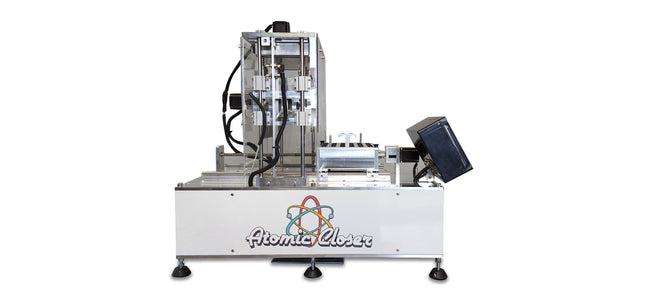
Balloon Helium Tank 7.9 cu ft. 224 Liters of gas
Balloon Helium Tank Made in Italy Non-Refillable Tank 7.91 ft³ / 40g / 224 liters This tank can fill approximately 26 (9" balloons). The tank is full of 99% pure helium unlike other tanks that use an 80% mix of helium. Although the tank is small its able to hold a much higher pressure compared to the other off the shelf larger tanks since its a thick walled tank. A typical off the shelf helium tank at the party store holds 8.9 cubic feet of gas @ 80% helium. This tank is 7.9 cubic feet of gas @ 99% helium. The tank includes a yellow filling nozzle that you twist to release the gas into the balloon. The balloon in the photo is a 36" balloon and demonstrates the full quantity of gas in the tank. Tank Thread Size: M10& (*Does not fit the BVV M11 regulators) Nozzle included *Tank is non-refillable Note* This is high purity helium and helium is the second smallest atom in the universe. Consider that helium nucli are so small that they can pass through gold foil without hitting other gold nuclei, as discovered in the Rutherford Gold Experiment. When using high purity helium with latex, a barrier should be used like HiFloat or Polyvinyl alcohol, To maximize float time on your balloon. It creates an extra barrier which slows down the rate at which helium leaves the balloon. Chemical Formula: He Molecular Weight: 4.00260 g/mol CAS Registry Number: 7440-59-7 Appearance Colorless Odor: Odorless Density 0.0104 lb/ft3 Boiling Point: N/A Solubility in water: Slightly Soluble GHS Pictograms: GHS Signal Word: Warning GHS Hazard Statements: H280, H281 GHS Precautionary Statements P282, P336+P317, P403, and P410+P403 UN Identification Number: 1046 Proper Shipping Name: Helium, Compressed Transport Hazard Class: 2.2 Packing Group: None DOT Placard: Helium Safety Data Sheet (SDS)
$44.00
-
High Purity Helium Tank 99.99% (19g / 106 liters)
Helium Tank High Purity 99.99% Pure Made in Italy Our high purity helium tank arrives filled with 103 liters of compressed helium gas. The gas can be removed using our regulator or valve dispenser that attaches to the top of the tank. This tank will produce a continuous ~31.5 Seconds of helium @ 80PSI. Tank Thread: M11 x 1.0 Regulator Thread: M11 x 1.0 (Connects to tank) Regulator Output: 1/4" Brass Barb Valve Dispenser Output: 1/4" Brass Barb Valve Dispenser Thread: M11 x 1.0 (Connects to tank) *Tank is non-refillable *At end of use, completely empty the tank for recycling. The balloon in the photo is a demonstrates the full quantity of gas in the tank. *Note Helium Tank Pressure is 1595 PSI Tank Volume of Helium Product Sku: 19g / 103 Liters / 3.76 cubic feet HELIUM-19G Regulator/Dispenser Details (not included with tank only purchase) Regulator - Adjustable via. needle valve, regulated to 80 PSI. Made in Italy. Thread: M11x1 (tank connection). Output: 1/4" Barb to connect to any hose with a 1/4" I.D. (inside diameter) Gauges read in BAR. M11 Valve Dispenser Kit - Includes adjustable pushpin style valve dispenser. Output: 1/4" Brass Barb, NO GAUGES Note* This is high purity helium and helium is the second smallest atom in the universe. Consider that helium nucli are so small that they can pass through gold foil without hitting other gold nucli. As discovered in the Rutherford Gold Experiment. When using high purity helium with latex a barrier should be used like HiFloat or Polyvinyl alcohol, To maximize float time on your balloon. It creates an extra barrier which slows down the rate at which helium escapes through latex. Chemical Formula: He Molecular Weight: 4.00260 g/mol CAS Registry Number: 7440-59-7 Appearance Colorless Odor: Odorless Density 0.0104 lb/ft3 Boiling Point: N/A Solubility in water: Slightly Soluble GHS Pictograms: GHS Signal Word: Warning GHS Hazard Statements: H280, H281 GHS Precautionary Statements P282, P336+P317, P403, and P410+P403 UN Identification Number: 1046 Proper Shipping Name: Helium, Compressed Transport Hazard Class: 2.2 Packing Group: None DOT Placard: Helium Safety Data Sheet (SDS)
$68.00 - $158.00
-
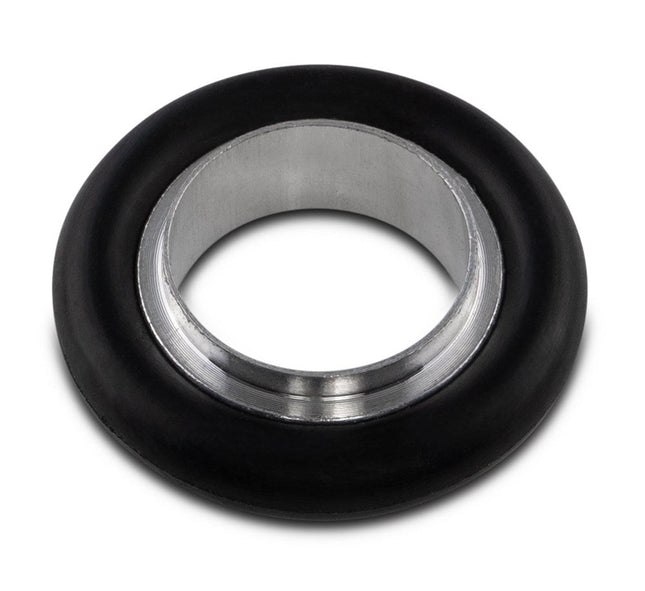
KF25 - 35/25 Spherical Ball Joint
KF25 - 35/25 Spherical Ball Joint The KF25 to 35mm spherical ball joint adapter provides seamless integration between KF25 (NW25) flanged connections and standard 35mm ball joint fittings. Engineered for laboratory and industrial applications, this adapter is specifically designed for use with glass components featuring o-ring seals, ensuring reliable fluid-tight connections in vacuum and pressure systems. Precision-manufactured for optimal compatibility and performance.
$70.00 - $80.00
-
Methyl Ethyl Ketone (MEK) Lab Grade 99.9%
Methyl Ethyl Ketone (MEK) 99.9% Lab Grade - C4H8O Methyl Ethyl Ketone (MEK), also known as butanone is an organic compound. Its a colorless liquid and has a sweet order similar to acetone. MEK is a widely used in commercial applications and as a solvent, and it dissolves many substances. Our MEK is a very high purity percentage which make it appropriate for use in laboratory and analytical applications. MEK has a flash point 20 °F. Vapors heavier than air. Does not react with water. It is partially soluble in water, and soluble in most other organic solvents. It will float on water while it rapidly dissolves in it MEK goes by a couple of names: 2-Butanone, Butan-2-one, Butanone, Ethyl methyl ketone, Methylethyl ketone Chemical Formula: C4H8O Molecular Weight: 72.1057 CAS Registry Number: 78-93-3 Appearance Colorless Liquid Odor: Mint or acetone-like Density 0.8050 g/ml Boiling Point: 79.64C/175.35F Solubility in water: 27.5g/100ml GHS Pictograms: GHS Signal Word: Danger GHS Hazard Statements: H225, H319, H336 GHS Precautionary Statements P210, P233, P240, P241, P242, P243, P261, P264, P271, P280, P303+P361+P353, P304+P340, P305+P351+P338, P312, P337+P313, P370+P378, P403+P233, P403+P235, P405, P501 UN Identification Number: 1193 Proper Shipping Name: Ethyl Methyl Ketone Transport Hazard Class: 3 Packing Group: II DOT Placard: What is Methyl Ethyl Ketone? Methyl ethyl ketone (MEK), also known as butanone, is a colorless, volatile liquid organic compound with the chemical formulaC4H8O. It is classified as a ketone, characterized by the presence of a carbonyl group (C=O) bonded to two carbon atoms. How Is Methyl Ethyl Ketone Produced? While Methyl Ethyl Ketone is biosynthesized by trees and is found in small quantities in foods such as some fruits and vegetables, chicken, beans, honey, and a wide variety of cheeses, the majority of Methyl Ethyl Ketone is produced using dehydrogenation of secondary butyl alcohol (approximately 86%) and as a byproduct of butane oxidation (remaining 14%). How is Methyl Ethyl Ketone Stored and Distributed? Methyl ethyl ketone is packed in drums. It should be stored in a cool, dry, well-ventilated area that is free from the risk of ignition as it is highly flammable. For transportation purposes, methyl ethyl ketone is classified as packing group II and a hazard class 3 with a flashpoint of -9° C What is Methyly Ethyl Ketone Used For? Methyl Ethyl Ketone is used as a solvent in the manufacturing of adhesives, protective coatings, inks and magnetic tapes. It is also the preferred extraction solvent for dewaxing lube oil. Is Methyl Ethyl Ketone Banned? Methyl ethyl ketone (MEK) is not banned nationally, but it is banned in Southern California and some states with strict VOC laws. What are the dangers of Methyl Ethyl Ketone? The compound is rated a 1 for health under the NFPA 704 indicating that exposure should only cause a minor residual injury. To avoid inhalation occurring, especially for regular uses, adequate ventilation should be ensured with local exhaust ventilation and enclosures. The direct inhalation of high levels of MEK may cause dizziness, nausea, headaches, irritation of the respiratory system and chest tightness. If the individual has difficulty breathing, they should be moved to air free of the vapours and be provided oxygen until medical assistance is available. Direct eye exposure can cause sore, stinging, red eyes with tearing and vapours can also irritate the eyes. Chemical safety goggles should therefore be used when contact with the eyes is possible. Repeated or prolonged skin contact should be avoided as this can cause irritation and dryness. Therefore, gloves, aprons and appropriate boots should be worn when repeated contact with MEK is possible. Methyl Ethyl Ketone (MEK) Lab Grade Safety Data Sheet (SDS)
$23.00 - $1,500.00
-
Ethyl Acetate Tech Grade 99%
Ethyl Acetate Tech Grade 99.8% Ethyl acetate is a widely used solvent. Ethyl acetate is the acetate ester formed between acetic acid and ethanol. It has a role as a polar aprotic solvent. Ethyl acetate appears as a clear colorless liquid with a fruity odor. Its flash point is 24 °F and is less dense than water. It's vapors are heavier than air. Ethyl acetate is a common solvent for column and thin-layer chromatography. It is also used as a defatting agent for extraction and can be used to extract oil from organic materials. Ethyl acetate is commonly used to extract oil from coffee. Ethyl acetate is an organic solvent that is volatile and flammable. Chemical Formula: C4H8O2 Molecular Weight: 88.106 CAS Registry Number: 141-78-6 Appearance Colorless Liquid Odor: nail polish-like, fruity Density 0.902 g/cm3 Boiling Point: 77.1C/170.8F Solubility in water: 8.3 g/100 mL (at 20 °C) GHS Pictograms: GHS Signal Word: Danger GHS Hazard Statements: H225, H319, H336 GHS Precautionary Statements P210, P233, P240, P305+P351+P338, P403+P235 UN Identification Number: 1173 Proper Shipping Name: Ethyl Acetate Transport Hazard Class: 3 Packing Group: II DOT Placard: How Is Ethyl Acetate Produced? Ethyl acetate is primarily produced through the esterification reaction between ethanol (ethyl alcohol) and acetic acid. This reaction typically takes place in the presence of an acid catalyst, such as sulfuric acid or strong acidic ion exchange resins. The production process can be summarized as follows: Preparation of Ethanol: Ethanol, the primary raw material for ethyl acetate production, is typically produced through fermentation of biomass, such as grains, sugarcane, or corn, followed by distillation to obtain high-purity ethanol. Preparation of Acetic Acid: Acetic acid, another key raw material for ethyl acetate production, can be produced through various methods, including oxidation of acetaldehyde, methanol carbonylation, or direct synthesis from natural gas or biomass. Esterification Reaction: In the esterification reaction, ethanol and acetic acid are mixed together in the presence of an acid catalyst. The acid catalyst helps facilitate the reaction by providing a suitable environment for the formation of the ester bond. The esterification reaction can be represented by the following chemical equation: Ethanol + Acetic Acid ⇌ Ethyl Acetate + Water Separation and Purification: After the esterification reaction, the mixture typically undergoes separation and purification steps to isolate ethyl acetate from other reaction byproducts and unreacted starting materials. This may involve distillation, extraction, or other separation techniques to obtain pure ethyl acetate. Recovery and Recycling: Any unreacted ethanol or acetic acid, as well as other byproducts, are usually recovered from the process stream and recycled back into the production process to improve efficiency and minimize waste. The production of ethyl acetate can be carried out in batch or continuous processes, depending on the scale and requirements of the production facility. The process may also vary depending on factors such as the choice of catalyst, reaction conditions, and purification methods. Overall, ethyl acetate is a widely used solvent with applications in industries such as coatings, adhesives, pharmaceuticals, and flavorings. What Is Ethyl Acetate Used For? Ethyl acetate is a versatile solvent with a wide range of industrial, commercial, and laboratory applications. Some common uses of ethyl acetate include: Paints and Coatings: Ethyl acetate is commonly used as a solvent in the formulation of paints, varnishes, lacquers, and other coatings. It helps dissolve resins, pigments, and binders, allowing for proper application and drying of the coatings. Adhesives and Sealants: Ethyl acetate is utilized as a solvent in the production of adhesives and sealants, particularly those used in woodworking, construction, and automotive industries. Printing Inks: Ethyl acetate is a key component in the formulation of printing inks for various printing processes, including flexographic, gravure, and screen printing. It helps dissolve the ink pigments and other additives, ensuring proper printing quality and performance. Pharmaceuticals: Ethyl acetate is used in pharmaceutical manufacturing processes as a solvent for extracting and purifying natural products, synthesizing pharmaceutical compounds, and formulating dosage forms such as tablets and capsules. Flavors and Fragrances: Ethyl acetate is employed in the production of flavors and fragrances for use in food, beverages, cosmetics, and personal care products. It serves as a solvent for extracting and concentrating natural flavors and essential oils. Nail Polish and Nail Polish Removers: Ethyl acetate is a common ingredient in nail polish formulations and nail polish removers. It helps dissolve the resins and pigments in nail polish and effectively removes nail polish from nails. Cleaners and Degreasers: Ethyl acetate is used as a solvent in cleaning products, degreasers, and surface coatings for removing grease, oil, and other contaminants from surfaces and equipment. Analytical Chemistry: Ethyl acetate is frequently used as a solvent in analytical chemistry techniques such as liquid-liquid extraction, chromatography, and sample preparation for gas chromatography. Extraction of Natural Products: Ethyl acetate is used in the extraction of natural products from plants, herbs, and botanicals due to its ability to selectively dissolve certain compounds while leaving others behind. These are just a few examples of the diverse range of applications for ethyl acetate. Its versatility, low toxicity, and pleasant odor make it a popular choice for various industrial and commercial uses. However, it's important to handle ethyl acetate with care, as it is flammable and may pose health risks if not used properly. What Are The Hazards of Ethyl Acetate? While ethyl acetate is generally considered to have low toxicity compared to many other organic solvents, it still poses some hazards that should be taken into consideration, especially when handling it in industrial or laboratory settings. Some of the hazards associated with ethyl acetate include: Flammability: Ethyl acetate is highly flammable and can form explosive mixtures with air. It has a low flash point and can ignite easily in the presence of a spark, flame, or heat source. Proper precautions, such as storing ethyl acetate in tightly sealed containers away from ignition sources and ensuring adequate ventilation to prevent the buildup of flammable vapors, are necessary to minimize the risk of fire and explosions. Health Effects: While ethyl acetate is considered to have low acute toxicity, exposure to high concentrations of vapors or prolonged exposure may cause irritation to the eyes, nose, and throat. Inhaling ethyl acetate vapors in large quantities may also cause dizziness, headaches, nausea, and central nervous system depression. Skin contact with ethyl acetate may result in irritation or dermatitis. Individuals with pre-existing respiratory conditions or sensitivities may be more susceptible to the effects of ethyl acetate exposure. Environmental Impact: Ethyl acetate can have adverse effects on the environment if released into the air, water, or soil. It is volatile and can evaporate quickly from spills or during use, contributing to air pollution. Ethyl acetate may also pose a risk to aquatic organisms if it contaminates water bodies. Proper handling, storage, and disposal practices are necessary to prevent environmental contamination. Reproductive and Developmental Effects: Some studies have suggested that exposure to high concentrations of ethyl acetate may have adverse effects on reproductive health and fetal development. Pregnant women exposed to ethyl acetate vapors should take precautions to minimize exposure to protect both their health and the health of the developing fetus. Sensitization: Prolonged or repeated exposure to ethyl acetate may lead to sensitization reactions in some individuals, resulting in allergic reactions upon subsequent exposure. It's important to follow safety guidelines and regulations when handling ethyl acetate to minimize risks to human health and the environment. This includes using appropriate personal protective equipment (such as gloves, goggles, and respiratory protection), ensuring adequate ventilation in work areas, and implementing proper storage and disposal practices. Training on safe handling procedures and emergency response protocols should also be provided to personnel working with ethyl acetate. Ethyl Acetate Certificate of Analysis (COA) Ethyl Acetate Safety Data Sheet (SDS)
$27.00 - $925.00
-
Hydrochloric Acid 37% ACS Reagent Grade (HCL)
Hydrochloric Acid 37% ACS Reagent Grade HCL pH: 1.1 Hydrochloric acid, solution is a colorless watery liquid with a sharp, irritating odor. Consists of hydrogen chloride, a gas, dissolved in water. Sinks and mixes with water. HCL vapors are heavier than air. It is classified as a Strong Acid and is used in many types of laboratory preparations. Cruelty-free: Our Hydrochloric Acid is not tested on animals. Chemical Formula: HCl Molecular Weight: 36.46 CAS Registry Number: 7647-01-0 Appearance Colorless, transparent liquid, fumes in air if concentrated Odor: Pungent characteristic Density 0.81 g/cm3 Boiling Point: 61C @ 36% Concentration GHS Pictograms: GHS Signal Word: Danger GHS Hazard Statements: H290, H314, H335 GHS Precautionary Statements P210, P233, P240, P305+P351+P338, P403+P23 P260, P280, P303+P361+P353, P305+P351+P338 UN Identification Number: 1789 Proper Shipping Name: Hydrochloric acid solution Transport Hazard Class: 8 Packing Group: II DOT Placard: What Is Hydrochloric Acid? Hydrochloric acid (HCl) is a strong, highly corrosive acid that is widely used in various industrial, commercial, and laboratory applications. It is a solution of hydrogen chloride gas dissolved in water, forming a clear, colorless liquid with a sharp, pungent odor. Chemically, hydrochloric acid is composed of hydrogen (H) and chlorine (Cl) atoms, with a chemical formula of HCl. In aqueous solution, hydrochloric acid dissociates into hydrogen ions (H⁺) and chloride ions (Cl⁻), making it a strong acid. How Is Hydrochloric Acid Produced? Hydrochloric acid (HCl) is typically produced on an industrial scale through the chemical reaction between hydrogen gas (H2) and chlorine gas (Cl2). This reaction is exothermic and requires the presence of a suitable catalyst to proceed efficiently. The primary method for producing hydrochloric acid involves the following steps: Preparation of Hydrogen: Hydrogen gas (H2) is produced through various methods, such as steam reforming of natural gas (methane), electrolysis of water, or as a byproduct of certain chemical processes. Steam reforming is the most common method for large-scale hydrogen production, where methane is reacted with steam in the presence of a nickel-based catalyst to produce hydrogen gas and carbon monoxide: CH4 + H2O → CO + 3H2 The produced hydrogen gas is then purified to remove impurities before use in the hydrochloric acid production process. Preparation of Chlorine: Chlorine gas (Cl2) is typically produced by the electrolysis of sodium chloride (table salt) solution, known as the chlor-alkali process. In this process, an electric current is passed through a brine solution (sodium chloride dissolved in water), resulting in the decomposition of water and the formation of chlorine gas at the anode: 2Cl⁻ → Cl2 + 2e⁻ The chlorine gas is then purified and dried to remove any water vapor before use in the hydrochloric acid production process. Hydrogen-Chlorine Reaction: Once hydrogen and chlorine gases are prepared, they are combined and reacted in a controlled manner. The reaction typically occurs in a reactor vessel equipped with a suitable catalyst, such as platinum or rhodium, to facilitate the reaction: H2 + Cl2 → 2HCl This reaction produces hydrochloric acid gas (HCl), which is then cooled and condensed to form a liquid solution of hydrochloric acid. Dissolution in Water: The hydrochloric acid gas is dissolved in water to produce a concentrated solution of hydrochloric acid. This solution can be further diluted to the desired concentration for various industrial, commercial, or laboratory applications. Overall, the production of hydrochloric acid involves the controlled reaction of hydrogen and chlorine gases in the presence of a catalyst, followed by the dissolution of the resulting hydrochloric acid gas in water. The process is typically carried out in specialized chemical plants equipped with the necessary infrastructure and safety measures to handle corrosive and hazardous materials. What Is Hydrochloric Acid Used for? Hydrochloric acid (HCl) is a versatile and widely used chemical with numerous industrial, commercial, and laboratory applications. Some common uses of hydrochloric acid include: Chemical Manufacturing: Hydrochloric acid is used in the production of a wide range of chemicals, including chlorine, vinyl chloride (used to make PVC), and various pharmaceuticals, dyes, and pigments. Steel Pickling: Hydrochloric acid is commonly used for pickling or cleaning steel surfaces to remove rust, scale, and other impurities before further processing, such as galvanizing or coating. pH Control: Hydrochloric acid is used as a pH adjuster or neutralizer in various industrial processes, wastewater treatment, and swimming pool maintenance. Food Processing: Hydrochloric acid is used in the food industry for various purposes, including adjusting acidity, flavor enhancement, and food preservation (in accordance with regulatory guidelines). Laboratory Applications: Hydrochloric acid is commonly used in laboratories for chemical analysis, titrations, and as a reagent in various chemical reactions. Household Cleaning Products: Dilute hydrochloric acid solutions are used in household cleaning products, such as toilet bowl cleaners and descaling agents. Oil and Gas Production: Hydrochloric acid is used in the oil and gas industry for various applications, including well acidization to enhance the productivity of oil and gas wells. Water Treatment: Hydrochloric acid is used in water treatment processes to control pH, remove mineral scale deposits, and neutralize alkaline substances. Textile and Leather Processing: Hydrochloric acid is used in textile and leather processing industries for desizing, bleaching, and pH adjustment. Metal Cleaning and Etching: Hydrochloric acid is used for cleaning and etching metals, such as aluminum, copper, and brass, in various manufacturing processes. Chemical Synthesis: Hydrochloric acid is used as a reactant or catalyst in various chemical synthesis processes, including the production of pharmaceuticals, plastics, and synthetic rubber. These are just a few examples of the diverse range of applications for hydrochloric acid. Its versatility, corrosive properties, and ability to adjust pH make it an essential chemical in many industries and processes. However, it's important to handle hydrochloric acid with care due to its corrosive nature and potential health hazards. Proper safety precautions, such as wearing protective equipment and following appropriate handling and storage procedures, should be observed when working with hydrochloric acid. What Are The Hazards of Hydrochloric Acid? Hydrochloric acid (HCl) is a highly corrosive and hazardous chemical that can pose several risks to human health, safety, and the environment. Some of the main hazards associated with hydrochloric acid include: Corrosive Properties: Hydrochloric acid is highly corrosive to skin, eyes, respiratory tract, and mucous membranes. Contact with concentrated hydrochloric acid can cause severe chemical burns, irritation, and tissue damage. Inhalation of hydrochloric acid vapors or mists can also cause irritation and damage to the respiratory system. Acute Toxicity: Exposure to high concentrations of hydrochloric acid vapor or mist can cause acute toxicity, leading to symptoms such as coughing, difficulty breathing, chest pain, and throat irritation. Severe exposure may result in pulmonary edema (fluid buildup in the lungs) and respiratory distress. Environmental Hazards: Spills or releases of hydrochloric acid can have adverse effects on the environment, including contamination of soil, water bodies, and aquatic ecosystems. Hydrochloric acid can be corrosive to metals and may cause damage to infrastructure and equipment if not properly contained and managed. Reactivity: Hydrochloric acid is reactive with a wide range of substances, including metals, alkalis, and organic materials. It can release hazardous gases (such as hydrogen gas) when reacting with certain metals, posing fire and explosion hazards in confined spaces. Storage and Handling Risks: Hydrochloric acid must be stored and handled with care due to its corrosive and reactive nature. Improper storage, handling, or mixing with incompatible substances can lead to accidents, spills, and exposure incidents. Health Effects: Prolonged or repeated exposure to hydrochloric acid vapor or mist may cause chronic respiratory effects, such as bronchitis, asthma, or chronic obstructive pulmonary disease (COPD). Individuals with pre-existing respiratory conditions or sensitivities may be more susceptible to the effects of hydrochloric acid exposure. Skin and Eye Damage: Contact with hydrochloric acid can cause severe chemical burns and damage to the skin and eyes. Eye contact may result in irritation, redness, and blurred vision, while skin contact may cause pain, redness, and blistering. Ingestion Hazards: Ingestion of hydrochloric acid can cause severe burns to the mouth, throat, esophagus, and stomach, leading to tissue damage, perforation, and internal bleeding. Ingestion of even small amounts of concentrated hydrochloric acid can be life-threatening and requires immediate medical attention. Overall, the hazards associated with hydrochloric acid underscore the importance of proper handling, storage, and use of this chemical in industrial, commercial, and laboratory settings. Employers and workers should be trained on the safe handling procedures, use of personal protective equipment, and emergency response protocols to minimize the risks associated with hydrochloric acid exposure. Additionally, regulatory guidelines and safety standards should be followed to ensure compliance and protect human health and the environment. Hydrochloric Acid Safety Data Sheet (SDS)
$20.00 - $1,550.00
-
Toluene ACS Reagent Grade 99.9%
Toluene ACS Reagent Grade 99.9% Toluene, also called methylbenzene is a colorless liquid with a flash point 40 °F. It is Less dense than water (7.2 lb / gal) and insoluble in water. Hence floats on water. This is an aromatic hydrocarbon that has a smell you would associate with paint thinners. It is a naturally occurring hydrocarbon found in crude oil. Toluene is volatile, flammable, and evaporates quickly. Toluene is the simplest member of the class toluenes consisting of a benzene core which bears a single methyl substituent. It is a non-polar solvent, Due to the presence of the methyl group, toluene is more reactive compared to benzene alone in the presence of electrophiles. Chemical Formula: C6H5CH3 Molecular Weight: 92.141 CAS Registry Number: 108-88-3 Appearance: Colorless Liquid Odor: sweet, pungent, benzene-like Density 0.8623 g/ml Boiling Point: 110.60C/231.08F Solubility in water: 0.519 g/L (25 °C) GHS Pictograms: GHS Signal Word: Danger GHS Hazard Statements: H225, H304, H315, H336, H361d, H373 GHS Precautionary Statements: P210, P240, P301+P310, P302+P352, P308+P313, P314, P403+P233 UN Identification Number: 1294 Proper Shipping Name: Toluene Transport Hazard Class: 3 Packing Group: II DOT Placard: What's The Difference Between Reagent Grade & Lab Grade Toluene? The terms "reagent grade" and "lab grade" are often used to describe the purity and quality of chemicals used in laboratory settings. While there isn't a universal standard definition for these terms, they generally indicate different levels of purity and suitability for specific laboratory applications. Here's the difference between reagent grade and lab grade toluene: Reagent Grade Toluene: Reagent grade chemicals are typically of higher purity compared to lab grade chemicals. Reagent grade toluene is purified to meet strict quality standards, with impurity levels kept to a minimum. Reagent grade toluene is suitable for use in analytical and research applications where precise measurements and high purity are required. It is commonly used in chromatography, spectroscopy, and other analytical techniques where impurities could interfere with the results. Reagent grade toluene may also undergo additional testing and quality control measures to ensure consistency and reliability in laboratory experiments. Lab Grade Toluene: Lab grade chemicals are generally of lower purity compared to reagent grade chemicals. Lab grade toluene may contain higher levels of impurities, although it still meets basic quality standards for laboratory use. Lab grade toluene is suitable for general laboratory applications where high levels of purity are not critical. It may be used in routine experiments, sample preparation, and other non-critical applications where the presence of impurities is acceptable. Lab grade toluene is often more cost-effective than reagent grade toluene, making it a suitable choice for educational institutions, industrial laboratories, and other settings where budget constraints may be a consideration. In summary, the main difference between reagent grade and lab grade toluene lies in the level of purity and suitability for specific laboratory applications. Reagent grade toluene is of higher purity and is suitable for analytical and research purposes, while lab grade toluene is of lower purity and is used in general laboratory applications where high purity is not critical. It's important to choose the appropriate grade of toluene based on the specific requirements of the experiment or application. Toluene ACS Reagent Grade Safety Data Sheet (SDS)
$24.00 - $825.00
-
Toluene Lab Grade 99.8% Purity
Toluene Lab Grade 99.8% Purity Toluene, also called methylbenzene is a colorless liquid with a flash point 40 °F. It is Less dense than water (7.2 lb / gal) and insoluble in water. Hence floats on water. This is an aromatic hydrocarbon that has a smell you would associate with paint thinners. It is a naturally occurring hydrocarbon found in crude oil. Toluene is volatile, flammable, and evaporates quickly. Toluene is the simplest member of the class toluenes consisting of a benzene core which bears a single methyl substituent. It is a non-polar solvent, Due to the presence of the methyl group, toluene is more reactive compared to benzene alone in the presence of electrophiles. Chemical Formula: C6H5CH3 Molecular Weight: 92.141 CAS Registry Number: 108-88-3 Appearance Colorless Liquid Odor: sweet, pungent, benzene-like Density 0.8623 g/ml Boiling Point: 110.60C/231.08F Solubility in water: 0.519 g/L (25 °C) GHS Pictograms: GHS Signal Word: Danger GHS Hazard Statements: H225, H304, H315, H336, H361d, H373 GHS Precautionary Statements P210, P240, P301+P310, P302+P352, P308+P313, P314, P403+P233 UN Identification Number: 1294 Proper Shipping Name: Toluene Transport Hazard Class: 3 Packing Group: II DOT Placard: What is Toluene? Toluene is a colorless, volatile, and flammable liquid aromatic hydrocarbon. It has a benzene ring substituted with a methyl group (-CH3), making its chemical formula C6H5CH3. Toluene is also known by other names such as methylbenzene or phenylmethane. It has a sweet, pungent odor and is miscible with many organic solvents but only slightly soluble in water. How Is Toluene Produced? Toluene is primarily produced as a byproduct of the petroleum refining process, specifically during the catalytic reforming of naphtha fractions. The main steps involved in the production of toluene include: Naphtha Fractionation: The process begins with the distillation of crude oil to separate it into various fractions, including naphtha. Naphtha is a mixture of hydrocarbons with carbon chain lengths typically ranging from C5 to C12. Catalytic Reforming: The naphtha fraction undergoes catalytic reforming, which is a process that involves subjecting the hydrocarbons to high temperature and pressure in the presence of a catalyst. The catalyst, often composed of platinum or platinum-rhenium on an alumina support, promotes various reactions such as dehydrogenation, isomerization, and cyclization. Aromatic Hydrocarbon Formation: During catalytic reforming, some of the naphtha molecules undergo dehydrogenation and cyclization reactions, leading to the formation of aromatic hydrocarbons, including benzene, toluene, and xylene (BTX). Toluene is specifically formed through the methylation of benzene, where a methyl group (-CH3) is added to the benzene ring. Separation and Purification: After catalytic reforming, the product stream is subjected to fractionation to separate the various components, including toluene, from other hydrocarbons. Distillation and other separation techniques are used to isolate and purify toluene from the mixture. Further Processing: The purified toluene can undergo further processing, such as hydrogenation to produce other chemicals like benzene or mixed xylenes. Toluene itself is used as a feedstock in the production of chemicals such as benzene, toluene diisocyanate (TDI), and polyurethanes. Overall, the production of toluene is closely linked to the refining of crude oil, with catalytic reforming being the primary method for its synthesis from petroleum-derived feedstocks. Other sources of toluene include coal tar and certain biomass conversion processes, although these are less common compared to petroleum-based production. What is Toluene used for? Toluene is a versatile chemical compound with numerous industrial and commercial applications. Some of the common uses of toluene include: Solvent: Toluene is primarily used as a solvent in various industries, including paint manufacturing, coatings, adhesives, and printing. It effectively dissolves other substances, making it valuable in these applications. Fuel Additive: Toluene is used as an octane booster in gasoline, improving its performance and reducing knocking in internal combustion engines. It is sometimes added to racing fuels and aviation fuels for this purpose. Production of Chemicals: Toluene serves as a precursor in the production of various chemicals, including benzene, which is used in the manufacture of plastics, synthetic fibers, and rubber. It's also used in the synthesis of toluene diisocyanate (TDI), which is a precursor to polyurethane foams. Rubber and Tire Manufacturing: Toluene is used in the production of rubber and tires as a solvent and as a component of rubber adhesives. Ink Manufacturing: Toluene is used as a solvent in the formulation of printing inks for newspapers, magazines, and packaging materials. Cleaning Products: It's used in some cleaning products, such as degreasers and spot removers, due to its excellent solvent properties. Nail Polish and Nail Polish Removers: Toluene is used as a solvent in nail polish and nail polish removers to dissolve and suspend other ingredients. Dye Production: Toluene is used in the production of dyes and as a solvent in the dyeing process for textiles and leather. Medicinal Uses: In some cases, toluene is used in pharmaceutical manufacturing processes as a solvent or as a precursor to certain drugs. These are just a few examples of the diverse range of applications for toluene. Its versatility and effectiveness as a solvent make it an essential chemical in many industries. However, Is Toluene Dangerous? Toluene poses several potential dangers to human health and the environment, especially when handled improperly or in high concentrations. Some of the key dangers associated with toluene include: Health Effects: Toluene vapor can be harmful if inhaled in high concentrations over a prolonged period. Short-term exposure to high levels of toluene vapor can cause symptoms such as headaches, dizziness, nausea, fatigue, confusion, and irritation of the eyes, nose, and throat. Long-term exposure to toluene may lead to more serious health issues, including damage to the central nervous system, liver, kidneys, and respiratory system. Flammability: Toluene is highly flammable and can form explosive mixtures with air. It has a low flash point, which means it can ignite easily in the presence of a spark, flame, or heat source. Handling toluene near open flames, hot surfaces, or other ignition sources can result in fires or explosions. Environmental Hazards: Toluene can contaminate soil, water, and air if released into the environment. It is volatile and can evaporate quickly from spills or during use, leading to air pollution. Toluene is also persistent in the environment and can bioaccumulate in aquatic organisms, potentially causing harm to ecosystems. Occupational Hazards: Workers in industries where toluene is used, such as paint manufacturing, printing, and chemical production, may be at risk of exposure to high levels of toluene vapor. Proper safety measures, including ventilation, personal protective equipment, and training on safe handling practices, are essential to minimize occupational exposure and prevent health issues. Reproductive and Developmental Effects: There is evidence to suggest that exposure to toluene may have adverse effects on reproductive health and fetal development. Pregnant women exposed to high levels of toluene may be at increased risk of miscarriage, premature birth, or birth defects in their offspring. Addiction Potential: Toluene abuse, primarily through intentional inhalation of its vapors for recreational purposes (known as "huffing" or "sniffing"), poses significant health risks, including addiction, neurological damage, and sudden death due to cardiac arrest or asphyxiation. Given these dangers, it is important to handle toluene with care, follow safety guidelines and regulations, and take appropriate precautions to minimize exposure to protect both human health and the environment. What Gaskets are recommended for Toluene? Toluene is a chemical solvent that can have compatibility issues with certain gasket materials, especially over prolonged exposure or at elevated temperatures. Some gasket materials that are generally considered compatible with toluene include: PTFE (Polytetrafluoroethylene): PTFE gaskets, commonly known as Teflon gaskets, are highly resistant to a wide range of chemicals, including toluene. They offer excellent chemical resistance and can withstand high temperatures, making them suitable for many toluene applications. Viton (Fluoroelastomer): Viton gaskets are known for their excellent chemical resistance and can often withstand exposure to toluene. They are commonly used in applications requiring resistance to fuels, oils, and solvents. Fluorocarbon (FKM): FKM gaskets are known for their exceptional chemical resistance, high temperature stability, and resistance to oils and fuels. They are often used in applications where exposure to toluene and other aggressive chemicals is expected, such as in the automotive, aerospace, and chemical processing industries. Is Toluene Polar or Nonpolar? Toluene is considered to be a nonpolar molecule.The reason for this is its symmetrical molecular structure. Toluene consists of a benzene ring (which is a hexagonal ring of carbon atoms with alternating single and double bonds) with a methyl group (-CH3) attached. The bonds between carbon and hydrogen in the methyl group are nonpolar, and the carbon-carbon bonds in the benzene ring are relatively nonpolar due to the similar electronegativities of carbon and hydrogen.Because of this symmetrical arrangement and the similar electronegativities of the atoms involved, the overall distribution of charge in the molecule is relatively uniform, resulting in a nonpolar molecule. As a nonpolar solvent, toluene is often used to dissolve nonpolar substances and is immiscible with polar solvents such as water Toluene Lab Grade Safety Data Sheet (SDS)
$19.00 - $750.00
-
DigiVac Bullseye Precision Gauge with Bluetooth | Wireless Vacuum Gauge NPT, KF25
Bullseye Precision Gauge with Bluetooth | Wireless Vacuum Gauge NPT, KF25 The DigiVac Bullseye Precision Gauge with Bluetooth is the world’s first wireless vacuum gauge featuring one-of-a-kind patented vacuum graphing and DigiVac’s ‘Vacuum Gauge’ app Versatile wireless vacuum gauge that you can monitor right from your phone or tablet (Apple ios and android) Enables remote monitoring and troubleshooting Set low and high alarm from your phone Email vacuum data to document leaks, baseline pressure or pump-downs Use battery power or standard microB-USB power Choose standard Thermocouple Plus sensor or the Upgraded Agilent 531 NPT sensor (this sensor configuration is CE and RoHs compliant), or the Agilent 536 NPT sensor which includes an integrated baffle to extend the life of the sensor by helping to protect it from contamination Portable and Precise Rugged thermocouple vacuum gauge ideal for understanding: Leaks, Pump Downs, Out-gassing or Stable Systems Includes a powerful magnet and kickstand to enable hands-free operation Long battery life and versatility with 12 different measuring units (micron, Torr, Inches of Hg, kPa, Inches of H20, millitorr, mbar, Pa, PSIA, mm of Hg, bar, and mm of H2O) Calibrated under actual vacuum against a NIST standard. Graphing and Analysis Patented vacuum graphing displays vacuum and time data Visual graphing right on the display that identifies current system status Vacuum Analytics to quickly identify vacuum pressure trends Graphical display for quick determination of vacuum level Bluetooth Bullseye Gauge Applications Vacuum pump testing Baseline vacuum pump performance Transformer dry-out Schlenk line monitoring Botanical oil processing Distillations Vacuum Process Monitoring Technical Specifications Units Torr, mbar, bar, kPa, inHg, mm Hg, millitorr, microns, inches of water, PSI, Pa Control Range 1E-4 – 1000 Torr Range with Accuracy .001-5 Torr Sensor Type Agilent 531 (NPT), Agilent 536 (NPT, KF15, or KF16), VGT500 Dimensions 6.2”H x 3.7”W x 1.3”D Certifications ROHS and CE
$772.21 - $1,127.21
-
DigiVac Bullseye Precision Gauge with Agilent 536 KF25, NPT or KF16 Sensor | Vacuum Gauge for Processing
Bullseye Precision Gauge with Agilent 536 KF25, NPT or KF16 Sensor | Vacuum Gauge for Processing A rugged portable vacuum gauge for processing applications that pairs unparalleled vacuum measurement with the Agilent 536 sensor that has an integrated baffle which provides protection and helps reduce risk of sensor failure Numeric & Graphical Displays See vacuum readings in either numbers or easy-to-read graphs Has 12 measurement units for implementation in almost any vacuum application Torr, mbar, bar, kPa, inches of Hg, mm Hg, millitorr, microns, inches of water, PSI, Pa Calibrated & Precise Delivered pre-calibrated with Agilent/ Varian 536 thermocouple sensor under actual vacuum against the NIST standard. Note: NIST certification sent with the gauge is an available option here The 536 all stainless steel sensor with baffle has extended sensor life in the presence of condensable gases and improved performance at higher pressures Vacuum Interface: KF25 or NPT or KF16 Wetted materials: 304L Stainless steel, glass, Type P thermocouple Extended Battery Lifespan Portable | Solid state electronics built into a handheld gauge that operates using AA batteries that lasts up to 70 hours In-lab use | Power gauge using the integrated Micro-USB port for long-term use without the need to change batteries Ideal Vacuum Gauge for Processing Applications Laboratory, freeze drying, low pressure distillations, foreline monitoring, Schlenk lines performance, and transformer dry-out Or any application with higher levels of condensables where sensor failure is more likely Units Torr, mbar, kPa, millitorr, microns, Torr, mbar, bar, kPa, inches of Hg, mm Hg, millitorr, microns, inches of water, PSI, Pa 1E-4 – 1000 Torr Range with Accuracy .001 – 5 Torr Sensor Type Agilent 536-KF25 Dimensions 11 x 10 x 4 in Certifications CE, RoHS
$911.83
-
Lab Armor Lab Armor BEAD BATH
BEAD BATH Unique DESIGN Lab Armor Bead Baths were specifically designed to work with Lab Armor Beads to optimize their performance. Uniform Temperatures With Bead Bath designed expressly for beads, temperatures are consistent and uniform everywhere in the bath. Thermal uniformity is +/-1.0 at 37ºC. Always On The bath always stays on, so you don’t have to plan around warmup times. You don’t need to worry about refilling or low water burnout because there is no water to evaporate. Lab Armor Bead Baths are up to 50% more energy efficient than a standard lab water bath. Stays Clean Lab Armor reduces the risk of contamination. Contaminated samples and reagents result in distorted data and unpredictable outcomes. Stays Organized Unlike water baths that require racks, floats, and bottleneck weights, Bead Bath naturally holds things in place without accessories. So no more floating accidents.
$1,462.00 - $2,690.00
-
Lab Armor Lab Armor Beads
Lab Armor Beads Modern Upgrade Lab Armor Beads are dry metallic beads that replace water/ice/oil/sand in baths, giving old equipment a cool, shiny, state-of-the-art upgrade. Stays clean Lab Armor eliminates water bath contamination, harmful germicides, and unpleasant maintenance. Beads are dry and naturally more resistant to microbial growth than water, and therefore, are less likely to harbor and contribute to transmitting microorganisms in the laboratory. Saves time & Money Lab Armor Beads will help you save time and money. No more hassling with emptying, cleaning, and refilling water baths. Always On The bath stays on so there is no need to plan around warm-up times. Lab Armor Beads eliminate the worry about low water burnout because there is no water to evaporate. Other benefits of using Lab Armor Beads: Cleaner working environment. Greater organization capabilities as samples are held in place. Environmentally friendly. Temperature range -80°C to 180°C. High thermal conductivity. Non-toxic, non-vaporizing, antimicrobial No daily requirement for biocides, germicides, and other cleaners. No gray water. Smooth rounded shape allows fluidity and will conform to many sizes and shapes of vessels. No Racks, floats or weights required to hold items in place. Recyclable.* Weight 4 Lbs. (1.81 kg) per Liter.
$200.00 - $800.00
-
3.5CFM Dry Floating Scroll Vacuum Pump #1 Candy Drying Vacuum Pump
3.5CFM Dry Floating Scroll Vacuum Pump 1 Candy Drying Vacuum Pump Oil and Maintenance Free! Introducing the BSVF6 Vacuum Pump, equipped with cutting-edge patented floating scroll technology for unparalleled performance. This pump boasts a 3.5CFM (100 L/min) pump speed and an ultimate pressure of 25 Microns (≤ 0.03 mbar), making it a powerhouse in creating and maintaining vacuums. The 100% oil-free design ensures clean and efficient operation, while the brushless DC motor, with 350W motor power and 200W installed power, provides reliability and longevity. With a compact size ideal for portable equipment, this vacuum pump offers unlimited vapor tolerance and a noise level as low as 55 dB(A) with its case. The SVF-E2-100 is maintenance-free, featuring a robust build with inlet/outlet connections in KF-25, air-cooled cooling system, and a wide ambient temperature range from -40ºC to 50ºC. Elevate your vacuum processes with this advanced, compact, and powerful solution. Specifications Model BSVF6 Pump Speed 100 L/min Ultimate Pressure ≤ 0.03 mbar (25 Micron) Motor Power 350 W Installed Power 200 W Motor Type Brushless DC Motor DC Voltage 48 VDC AC Voltage (with adapter) 100 – 240 VAC Maximum Speed 4000 RPM Vapor Tolerance Unlimited Maximum Inlet Speed Unlimited Maximum Outlet Speed 1 barg Noise Level (With Frame) 60 dB(A) Noise Level(With Case) 55 dB(A) Weight (With Frame) 7.5 kg Weight (With Case) 8.5 kg Dimensions (With Frame) 324×225×175mm Dimensions (With Case) 394×236×189mm Inlet/Outlet Connection KF-25 or G 3/8″ Cooling System Air – Cooled Ambient Temperature -40ºC to 50ºC
$1,950.00
-
Custom Cones USA Industrial Plant Material Grinder - Open Box Demo - Custom Cones
Industrial Plant Material Grinder - Open Box Demo Stop blending or shredding your plant material into dust! Our Industrial Plant Material Grinder was built with your products in mind. With three screen sizes and multiple blade options, the machine will grind your plant material to the perfect consistency without destroying the valuable trichomes you worked so hard to grow! Fitting perfectly beside your cone-filling machine, our Industrial Plant Material Grinder uses a high torque, low-rpm motor to ensure your plant resins and trichomes aren't damaged due to friction and high heat. This plant material grinder comes in small, medium, and large screen sizes, allowing you to control your plant material's particle size. Whether you want a blend of particle sizes to create the perfect product or require a different screen size for different strains - the flexibility of our plant material grinder is unmatched. The industrial plant material grinder features stainless steel blades manufactured to reduce residue buildup on the blades. The blades are removable for easy access cleaning, so you never need to worry about excessive downtime cleaning your product machines. Stop turning your plant material to dust and get a plant material grinder that keeps your plant material as potent and flavorful as possible while ensuring the perfect size, all with perfect ease! Specifications OUTPUT: 1lb per minute. A continuous grinding system means no loading/downtime on the machine. MACHINE TYPE: Grinder GRINDER SCREEN SIZES: Small: 4mm diameter, Medium: 5.5mm diameter, Large: 6mm diameter. Also available for purchase: Extra Small: 3mm diameter NO MORE DUST: 3 included- Small, Medium, Large. Extra Small available separately) of adjustable screens, so you can control the particle size of your grind and safely hand over the grinding process to anyone on your team! EASY TO CLEAN: The grinder is made of stainless steel with easily removable parts for cleaning and soaking. CERTIFICATION: UL Listed WARRANTY: 1 Year Warranty Standard. Please see additional details in the FAQ. POWER REQUIREMENT: 110V. Please note that a plug adapter and step-down transformer may be needed to convert high-voltage power to a lower voltage if this machine is used outside the U.S. or Canada. SIZE: 18in x 18in x 12in Perfect Grind Our Industrial Plant Material Grinder comes with adjustable screen sizes and is fully customizable, so you can create the perfect grind for your plant material. Some strains are more dense than others, so the adjustable screens and blade configurations on this machine allow you to get the perfect grind every time - no more turning your plant material into dust! Once you have the ideal grind, we recommend completing your fleet of machines with a sifting machine and packing your cones with our King Kone filling machine! Terpene Preservation The high-torque and low RPM design of this plant material grinder helps preserve terpenes and trichomes in the plant material by reducing the amount of heat and stress applied to it. The blades of our plant material grinder move much slower compared to a high-rpm grinder like a blender or one of the whip-style plant material grinders, but this machine still has enough torque to grind dense buds with ease. Industrial Build Made of stainless steel and all food-grade materials, our Industrial Plant Material Grinder is built like a tank. The stainless steel blades are removable and easy to clean. The entire machine can be taken apart quickly and cleaned with alcohol. Plus, each Industrial Plant Material Grinder comes with a one-year Warranty, and all parts are replaceable.
$2,499.00
-
Cascade Sciences Cascade Vacuum Oven Door Gaskets
Cascade Vacuum Oven Door Gaskets Gaskets wear out. Remember to clean, rotate and have spares on hand! Our versatile collection of vacuum oven door gaskets is designed to fit the Cascade Sciences CVO-2 , CVO-5, and CVO-10 vacuum oven models, meeting your specific needs. Choose from our Solvent Resistant, VITON, and High Temp Silicone Door Gaskets, each offering superior performance! Features Viton Door Gaskets Available in sizes: 12″ x 12″ (CVO-2) and 18″ X 18″ (CVO-5) Material: VITON (FKM synthetic rubber and fluoropolymer elastomer) Max Temperature: 150°C / 302°F Ideal for Cascade 2 and 5cubic foot vacuum ovens Excellent resistance to solvents, oils, fuels, and mineral acids Low outgassing rate: 1 x 10⁻⁶ Torr-liter/cm2-s initial degassing rate Minimal weight loss of 0.07% after over 336 hours of vacuum exposure Exceptional UV resistance, protection against fungus, molds, and oxidation *The name VITON is a registered trademark of The Chemours Company Solvent Resistant Gaskets Available in sizes: 12″ x 12″ (CVO-2) and 18″ X 18″ (CVO-5) Material: BUNA (a material designed to withstand solvents) Max Temperature: 105°C / 221°F Ideal for Cascade 2 and 5 cubic foot vacuum ovens Application: Solvents Excellent resistance to many hydrocarbons, fats, oils, greases, hydraulic fluids, and chemicals High-Temp Silicone Door Gaskets Available in sizes: 12″ x 12″ (CVO-2), 18″ X 18″ (CVO-5), and 24″ X 28″ (CVO-10) Material: Silicone Max Temperature: 230°C / 446°F Ideal for Cascade 2 and 5 cubic foot vacuum ovens Application: General and High Temperature Resists moderate or oxidizing chemicals, ozone, and concentrated sodium hydroxide Specifications Viton Door Gaskets Available in sizes: 12″ x 12″ (CVO-2) and 18″ X 18″ (CVO-5) Color: Black Material: VITON (FKM synthetic rubber and fluoropolymer elastomer) Max Temperature: 150°C / 302°F Solvent Resistant Gaskets Available in sizes: 12″ x 12″ (CVO-2) and 18″ X 18″ (CVO-5) Color: Black Material: BUNA (a material designed to withstand solvents) Max Temperature: 105°C / 221°F High-Temp Silicone Door Gaskets Available in sizes: 12″ x 12″ (CVO-2), 18″ X 18″ (CVO-5), and 24″ x 28″ (CVO-10) Color: Orange Material: Silicone Max Temperature: 230°C / 446°F PRO TIP: Rotate your vacuum oven door gaskets for even wear and longer life.
$352.00 - $1,175.00
-
Order Protection Order Protection
OrderProtection.com is offered as an additional item at checkout. There’s no extra application process or forms to fill out, customers just checkout and are instantly protected against items: Stolen Delivered Not Received Damaged Item Lost in Transit Wrong Item
$0.98 - $200.00
-
Edwards Edwards nXDS Series Dry Scroll Pumps Tip Seal Service Kit
Edwards nXDS Series Dry Scroll Pumps Tip Seal Service Kit The nXDS series is the next generation in completely oil free, dry scroll pumps nXDS improves on legacy XDS pumps by offering increased pumping speeds, combined with lower ultimate pressures, lower power consumption and lower noise. Gas ballast allows for pumping of condensable vapours including, water, solvents, dilute acids and bases. nXDS pumps also feature the latest in tip seal technology giving significantly longer life between tip seal changes. Integrated inverter drive with auto sensing voltage input delivers optimized pumping performance globally. nXDS pumps are designed to be completely field serviceable. Features: Lubricant-free within the vacuum envelope and hermetically sealed means totally clean and dry vacuum to prevent cross contamination No atmosphere to vacuum shaft seals means bearings are completely isolated, which prevents process attack and means the bearings run cooler and last longer Simple single sided scroll arrangement combined with an innovative motor and bearing design allows for easy field service with a minimum of special tooling for low cost of ownership and maximum up-time Improved motor and drive efficiencies for reduced power and cost of ownership Advanced interface provides a variety of traditional, analogue and digital control methods enabling remote control/monitoring via USB, RS232 or RS485 One year warranty, as well as technical
$663.00
-
Edwards Exhaust Silencer Filter For Edwards NXDS Series Vacuum Pumps
Exhaust Silencer Filter For Edwards NXDS Series Vacuum Pumps Edwards vacuum exhaust silencer for nXDS series vacuum pumps, including nXDS6i(C), nXDS10i(C), nXDS15i(C) and nXDS20i(C) dry scroll pumps when they are not connected to a house exhaust system. These silencers also offer exhaust filtration. Features Compact design combines both filtration efficiency and noise reduction Integrated inlet diffuser optimizes sound attenuation Multi-stage noise reducing features including final stage sound absorbent insert Tubular silencing design - tube is positions to maximize attenuation and air flow while minimizing pressure drop Patented high grade element with built-in butterfly gasket seal which creates positive seal between housing hemispheres and a new seal with each element Seamless drawn housings - no welds to rust or vibrate apart Durable carbon steel construction with black powder coated finish Ability to mount vertically or horizontally Applications Dry Scroll, Piston, Vane and Venturi Vacuum Pumps Prevent tip seal dust and debris from contaminating the environment Silence irritating pump exhaust noise
$547.00
-
Edwards Edwards EMF10/20 Vacuum Pump Exhaust Filter Mist/Odour Elements
Edwards EMF10/20 Vacuum Pump Exhaust Filter Mist/Odour Elements One replacement oil mist element and one replacement odour removal element for Edwards EMF10 dual-stage vacuum pump exhaust filters. (2 replacement filter elements only, EMF10 filter and accessories NOT included)
$317.00
-
Edwards Edwards EMF20 Dual-Stage Exhaust Mist/Odour Filter
Edwards EMF20 Dual-Stage Exhaust Mist/Odour Filter Mist filters capture oil mist from the outlet of pumps, which would otherwise be ejected into the atmosphere. This may happen when you use gas ballast or when you pump high gas throughputs. You can also return oil trapped in the mist filter back to the pump, although you must ensure that the process gases will not contaminate the pump or pump oil. The EMF20 mist filter is suitable for use with RV12 and E2M18 pumps. The EMF20 mist filter can be used with an E2M28 on low pressure applications; contact Edwards. They are very efficient at 99.999% DOP test and are also azide proof. The white bottom half of the body is semi-transparent, allowing the oil level to be monitored. The EMF filters have a unique odor element which neutralizes the smell of oil mist. Supplied with NW25 clamp, centering ring and O ring, NW25 to 3/4 inch BSP adaptor.
$711.00
-
Edwards Edwards EMF10 Dual-Stage Exhaust Mist/Odour Filter
Edwards EMF10 Dual-Stage Exhaust Mist/Odour Filter OverviewMist filters capture oil mist from the outlet of pumps, which would otherwise be ejected into the atmosphere. This may happen when you use gas ballast or when you pump high gas throughputs. You can also return oil trapped in the mist filter back to the pump, although you must ensure that the process gases will not contaminate the pump or pump oil. The EMF10 mist filter is suitable for use with RV3, RV5 and RV8 pumps. They are very efficient at 99.999% DOP test and are also azide proof. The white bottom half of the body is semi-transparent, allowing the oil level to be monitored. The EMF filters have a unique odor element which neutralizes the smell of oil mist. Supplied with NW25 clamp, centering ring and O ring, NW25 to 3/4 inch BSP adaptor.Dimensions Height: 6.72" Width: 3.81"
$646.00 - $909.00
-
Edwards Edwards XDS46iC 35cfm Chemical-Resistant Scroll Pump W/ Silencer
Edwards XDS46iC 35cfm Chemical-Resistant Scroll Pump W/ Silencer XDS scroll pumps have become industry standard when dry pumping is essential, proving to be a robust and clean vacuum pump solution in a range of applications and processes.The XDS46i shares many of the same features of the XDS35i but with a peak speed of 40 m3h-1. The pump has been optimised for maximum pumping speed at inlet pressures between 1 mbar and 10 mbar, making it ideally suited for LCMS and ICPMS applications requiring higher pumping speeds. The C variant has been modified so that it is more suitable for use on vapour handling processes and may be used in some applications using corrosive substances. The C version is fitted with Chemraz internal valve pads and stainless steel exhaust port. Applications Automotive; brake line and air conditioning evacuation Backing turbomolecular pumps Chemical applications including gel dryers and solvent recovery Coating systems High energy physics Mass spectrometry Features and benefits Lubricant-free within the vacuum envelope and hermetically sealed means a totally clean and dry vacuum to prevent cross contamination. No atmosphere to vacuum shaft seals means bearings are completely isolated, this prevents process attack and enable the bearings to run cooler and last longer. No oil to change eliminating cost of contaminated oil disposal. Simple single sided scroll design allows maintenance to be done in minutes for low cost of ownership and maximum uptime. Inverter drive for consistent pumping speeds worldwide. Specifications Power 100-120V or 200-230V switchable Displacement 50 or 60HzPeak pumping speed 50 or 60Hz 60 m3h-1 / 35 ft3min-140 m3h-1 / 23.5 ft3min-1 Ultimate vacuum (Total pressure) 5 x 10⁻² mbar / 4 x 10⁻² Torr Max continuous inlet pressure 40 mbar / 30 Torr Max continuous outlet pressure 0.2 bar gauge / 2.9 psig Max allowed inlet and GB pressure 0.5 bar gauge / 7 psig Motor power 0.52kW Power connector IEC EN60320 C19 Nominal rotation speed 1750 rpm Weight 48 kg / 105 lb Inlet / exhaust flange NW40 / NW25 Noise and vibration level 55.4 dB (A), <4.5mms -1 (rms) Leak tightness (static) <1 x 10⁻⁶ mbar ls-1 Operating temperature range 10 to 40 °C / 50 to 104 °F Compliance UL, CE, ATEX
$22,259.00
-
Edwards Edwards XDS35iC 25cfm Chemical-Resistant Scroll Pump W/ Silencer
Edwards XDS35iC 25cfm Chemical-Resistant Scroll Pump W/ Silencer Dry Scroll Pumps Dry scroll vacuum pumps are positive displacement pumps that use two spiral-shaped scrolls, one fixed and one orbiting, to trap and compress gas molecules. They are oil-free, low maintenance pumps that are commonly used for clean vacuum applications. Since they do not rely on oil for sealing and lubrication, they eliminate the risk of oil contamination and leakage, making them an environmentally-friendly choice. We in Edwards are driving scroll technologies to its best and we are committed to offer the most sustainable solution now and in the future. XDSi Scroll Pumps XDS dry scroll pumps have become industry standard when dry pumping is essential, proving to be a robust and clean vacuum pump solution in a range of applications and processes. XDS35i The XDS35i family of scroll pumps offers proven dry, clean vacuum solutions for a wide range of applications, with smart drive technology to look after the pump and provide worldwide performance. Now, a combination of the double start scroll form technology and by-pass valves have enabled Edwards to offer the XDS35i Enhanced range of pumps to complement our original family. XDS35i - 100-120/200-230V 50/60Hz 1Ph The XDS35i is our standard product variant which can be operated in a wide range of applications. Features and Benefits Bearing shield - ensures separation between process gases and bearing lubrication to ensure a clean vacuum and no possibility of contamination to lubrication from process gases, which prolongs bearing life. Smart motor drive - means consistent performance globally, pump overload protection and remote start/stop capability. High flow gas ballast feature - allows pumping of vapours including water vapour at up to 240 gh-1. Simple single-sided scroll design - allows maintenance to be done in minutes for low cost of ownership and maximum up-time. Take another step - the Enhanced versions offer up to 20% lower peak power requirements during initial pump down which means it has the ability to pump down large volume chambers with no loss of performance and has up to 25% more pumping speed at these roughing pressures which helps on higher frequency cycling applications as well. Specifications Specifications Power 100-120V or 200-230V switchable Displacement / peak pumping speed (50/60Hz) 43 m3h-1 / 25 ft3min-135 m3h-1 / 21 ft3min-1 Ultimate vacuum (Total pressure)Max continuous inlet pressure 1 x 10⁻² mbar / 8 x 10⁻³Torr35 mbar / 23 Torr Max water vapour pumping rate - GB I / GBII 70 gh-1 / 240 gh-1 Max continuous outlet pressure 0.2 bar gauge / 2.9 psig Max allowed inlet and GB pressure 0.5 bar gauge / 7 psig Motor power / speed 0.52kW / 1750 rpm Power connector IEC EN60320 C19 Weight 48 kg / 105 lb Inlet flange / Exhaust flange NW40 / NW25 Noise and vibration 57 dB (A), <4.5mms -1 (rms) Leak tightness (static) <1 x 10⁻⁶ mbar ls-1 Operating temperature range 10 to 40 °C / 50 to 104 °F Compliance CE, UL, CSA, ATEX
$20,547.00
-
Edwards Edwards NXDS20iC 16.5 Cfm Chemical-Resistant Dry Scroll Pump
Edwards NXDS20iC 16.5 Cfm Chemical-Resistant Dry Scroll Pump Dry Scroll Pumps Dry scroll vacuum pumps are positive displacement pumps that use two spiral-shaped scrolls, one fixed and one orbiting, to trap and compress gas molecules. They are oil-free, low maintenance pumps that are commonly used for clean vacuum applications. Since they do not rely on oil for sealing and lubrication, they eliminate the risk of oil contamination and leakage, making them an environmentally-friendly choice. We in Edwards are driving scroll technologies to its best and we are committed to offer the most sustainable solution now and in the future. nXDSi Scroll Pumps Edwards nXDS is the great new shape of dry vacuum pumping. The nXDS has taken scroll vacuum technology to the next level. Improved performance, exceptional pumping capability, quiet operation and extended service intervals make nXDS the ultimate dry choice. The range covers pumping speeds from 6 to 20 m3/h. nXDS20i The nXDS20i is our highest peak pumping speed offering in the nXDS range. Standard variant suitable for a large variety of applications; R-variant with blanked gas ballast and C-variant being corrosion resistant. nXDS20iC - 100-127/200-240V 1Ph 50/60Hz The nXDS20iC has been modified so that it is more suitable for use on vapour handling processes and may be used in some applications involving corrosive substances. This chemically resistant version is fitted with Chemraz® internal valve pads and stainless steel fittings. Features and Benefits Quiet operation - Better working environment Hermetically sealed for a lubricant-free vacuum environment - Contamination free process and no oil to dispose of Low power consumption - Low cost of ownership Intelligent and easy to use controls - Flexibility of operation Superior vapour handling - Wider range of applications Long service intervals - Maximised up-time
$17,033.00
-
Edwards Edwards NXDS10iC 7.5 Cfm Chemical-Resistant Dry Scroll Pump
Edwards NXDS10iC 7.5 Cfm Chemical-Resistant Dry Scroll Pump Dry Scroll Pumps Dry scroll vacuum pumps are positive displacement pumps that use two spiral-shaped scrolls, one fixed and one orbiting, to trap and compress gas molecules. They are oil-free, low maintenance pumps that are commonly used for clean vacuum applications. Since they do not rely on oil for sealing and lubrication, they eliminate the risk of oil contamination and leakage, making them an environmentally-friendly choice. We in Edwards are driving scroll technologies to its best and we are committed to offer the most sustainable solution now and in the future. nXDSi Scroll Pumps Edwards nXDS is the great new shape of dry vacuum pumping. The nXDS has taken scroll vacuum technology to the next level. Improved performance, exceptional pumping capability, quiet operation and extended service intervals make nXDS the ultimate dry choice. The range covers pumping speeds from 6 to 20 m3/h. nXDS10i The nXDS10i same as the nXDS15i are our key products offering a small dry pump solution for most Scientific Applications. Standard variant suitable for a large variety of applications; R-variant with blanked gas ballast and C-variant being corrosion resistant. nXDS10iR - 100-127/200-240V 1Ph 50/60Hz The nXDS10iR has the gas ballast blanked off so it cannot be accidently opened. These variants are available for specialist applications such as gas recirculation, rare gas pumping and recovery or other applications where the dilution of the pumped gas is undesirable, or where sealing is integral to minimising potential gas loss. Features and Benefits Quiet operation - Better working environment Hermetically sealed for a lubricant-free vacuum environment - Contamination free process and no oil to dispose of Low power consumption - Low cost of ownership Intelligent and easy to use controls - Flexibility of operation Superior vapour handling - Wider range of applications Long service intervals - Maximised up-time Specifications Technical Data Power requirements 100-127V~10A or 200-240V~6A, 50/60 Hz, 280 watts Nominal rotational speed 1800 rpm Displacement 12.7 m3h-1/ 7.5 ft3min-1 Peak pumping speed 11.4 m3h-1/ 6.7 ft3min-1 Ultimate vacuum (total pressure) 0.007 mbar / 0.005 Torr / 5 micron Minimum standby rotational speed 1200 rpm Speed control resolution (% of full speed) 1% Maximum inlet pressure for water vapour 35 mbar Maximum water vapour pumping rate 145 gh-1 Maximum continuous inlet pressure 200 mbar Power connector 1-ph IEC EN60320 C13 Recommended fuse 10A, 250Vac rms Unit/shipping weight 57 Lb / 60 Lb Unit/shipping dimensions 16.5x10x12" / 20.5x13x14" (DxWxH) Inlet flange NW25 (KF25) Exhaust flange NW25 (KF25) Noise level 52 dB(A) Vibration at inlet flange < 4.5 mms-1 (rms) Leak tightness (static) < 1x10⁻⁶mbar ls-1 Operating temperature range 10 to 40 C / 41 to 104 F Edwards part number A73602983 Certification CE, UL
$12,283.00
-
Edwards Edwards NXDS6iC 4.0 Cfm Chemical-Resistant Dry Scroll Pump
dwards NXDS6iC 4.0 Cfm Chemical-Resistant Dry Scroll Pump Dry Scroll Pumps Dry scroll vacuum pumps are positive displacement pumps that use two spiral-shaped scrolls, one fixed and one orbiting, to trap and compress gas molecules. They are oil-free, low maintenance pumps that are commonly used for clean vacuum applications. Since they do not rely on oil for sealing and lubrication, they eliminate the risk of oil contamination and leakage, making them an environmentally-friendly choice. We in Edwards are driving scroll technologies to its best and we are committed to offer the most sustainable solution now and in the future. nXDSi Scroll Pumps Edwards nXDS is the great new shape of dry vacuum pumping. The nXDS has taken scroll vacuum technology to the next level. Improved performance, exceptional pumping capability, quiet operation and extended service intervals make nXDS the ultimate dry choice. The range covers pumping speeds from 6 to 20 m3/h. nXDS6i The nXDS6i is our entry performance model in the nXDS range. Standard variant suitable for a large variety of applications; R-variant with blanked gas ballast and C-variant being corrosion resistant. nXDS6iC - 100-127/200-240V 1Ph 50/60Hz The nXDS6iC has been modified so that it is more suitable for use on vapour handling processes and may be used in some applications involving corrosive substances. This chemically resistant version is fitted with Chemraz® internal valve pads and stainless steel fittings. Features and Benefits Quiet operation - Better working environment Hermetically sealed for a lubricant-free vacuum environment - Contamination free process and no oil to dispose of Low power consumption - Low cost of ownership Intelligent and easy to use controls - Flexibility of operation Superior vapour handling - Wider range of applications Long service intervals - Maximised up-time Specifications Connection Vacuum Inlet Flange DN 25 ISO-KF (NW25) Connection vacuum outlet flange DN 25 ISO-KF (NW25) Cooling Method Air Cooling (forced - fan) Pressure Ultimate 2.901 x 10 -4 Supply Voltage 1Ph 100-127/200-240V 50/60Hz Specifications Technical Data Power requirements 100-127V~10A or 200-240V~6A, 50/60 Hz, 260 watts Nominal rotational speed 1800 rpm Displacement 6.8 m3h-1/ 4.0 ft3min-1 Peak pumping speed 6.2 m3h-1/ 3.6 ft3min-1 Ultimate vacuum (total pressure) 0.020 mbar / 0.015 Torr / 15 micron Minimum standby rotational speed 1200 rpm Speed control resolution (% of full speed) 1% Maximum inlet pressure for water vapour 35 mbar Maximum water vapour pumping rate 110 gh-1 Maximum continuous inlet pressure 200 mbar Power connector 1-ph IEC EN60320 C13 Recommended fuse 10A, 250Vac rms Unit/shipping weight 58 Lb / 63 Lb Unit/shipping dimensions 16.5x10x12" / 20.5x13x14" (DxWxH) Inlet flange NW25 (KF25) Exhaust flange NW25 (KF25) Noise level 52 dB(A) Vibration at inlet flange < 4.5 mms-1 (rms) Leak tightness (static) < 1x10⁻⁶mbar ls-1 Operating temperature range 10 to 40 C / 41 to 104 F Edwards part number A73502983 Certification CE, UL, CSA
$9,993.00
-
Edwards Edwards E2M80 57 CFM Dual-Stage High Capacity Vacuum Pump
Edwards E2M80 57 CFM Dual-Stage High Capacity Vacuum Pump Brand new Edwards E2M80 high capacity vacuum pump with one year manufacturer warranty from Edwards. https://shop.edwardsvacuum.com/products/a36504940/view.aspx Overview Edwards E2M series two stage oil sealed rotary vane vacuum pumps are renowned for their high ultimate vacuum, rapid pumping speeds, quiet operation and ability to handle water vapour. These direct drive rotary vane pumps are inherently compact and vibration free, and with their finger-proof fan and coupling housings they offer excellent operator protection.A comprehensive range of accessories is available to allow use on a wide variety of vacuum applications.Supplied with Ultragrade 70 Oil. Fomblin must be purchased separately for PFPE prepared pumps E2MFX. Technology Reliable system protection devices: Every pump has protection devices to prevent oil and air suck-back into the vacuum system if the pump stops while under vacuum. A variety of protection devices are used, depending on the pump size and cost, but emphasis is always placed on reliability and simplicity. When you use gas ballast on some of the pumps, you must use a solenoid operated gas ballast control valve to prevent air suck-back.Positive Pressure Oil Lubrication: The EM pumps incorporate a well proven positive pressure oil lubrication system which as been developed by Edwards to ensure correct lubrication in all duty modes and particularly to prevent oil starvation with high gas loads.An integral oil pump ensures that a more than adequate oil flow is pumped throughout the stator/rotor assembly at all times. This oil lubrication system means that the level of oil in the reservoir is less critical than with other pump designs. All pumps can operate with oil levels as low as 50-70 of the maximum. A full length, easily visible oil level sight glass allows you to conveniently monitor the oil level.Gas Ballast Facility: The EM pumps have a gas ballast valve. The valve is used to introduce a suitable gas into the stator during the compression stage: this prevents condensation of vapors inside the pump, dilutes and ejects corrosive gases and purges the oil of gases and vapors. Therefore, the use of gas ballast reduces oil degradation and pump corrosion.Low Noise Levels: The EM pumps maintain Edwardss reputation for quiet operation pumps with a typical noise level of 70 dB(A).Pumping Systems: The EM pumps, with suitable accessories, can partner a variety of other types of pump in vacuum systems for industry and for research. A special feature of the E2M80 is the central vacuum inlet which enables you to fit a mechanical booster pump with a minimum overhang, to create compact combination pumping systems.Easy Maintenance: The advanced lubrication system allows the EM pumps to work with wide oil level tolerances, which reduce the need to top-up the oil.All EM pumps are constructed with internal dowels, which reduce the need for skilled setting of tolerances, when the pump is dismantled. The pumps are designed so that all key components are easily accessible. The exhaust valve seals and oil distributor seals are exposed after the top cover is removed. The shaft seal can be replaced quickly without stripping down the pump. Applications Vacuum metallurgy processes Thin film coating technologies Pharmaceutical freeze drying Refrigeration and air conditioning system evacuation, drying, and backfilling Transformer and cable drying and impregnation, insulating oil treatment plant Lamp manufacture Cryogenic vessel evacuation Vacuum drying and distillation in chemical industries Semiconductor device manufacture Backing pump for high vacuum applications
$20,205.00
-
King Kone Slim/Reefer Tray
Slim/Reefer Tray This tray top is an additional attachment sold separately. It measures to be 98mm to accommodate the Slim/Reefer sized cones. It still will do 169 cones in one run just like the other cone accessories we offer. All you need to do to use this accessory is swap it out with the original trays on the packing machine, load your cones, and start the packing process. You can also use additional accessories like the metering tray or the packing fingers to help make the process of packing your cones more efficient.
$375.00
-
King Kone Clearing Tool for Tube Metering Tray
Clearing Tool for Tube Metering Tray This accessory works in conjunction with the 115 or 169 Tube Metering Tray, (comes in sizes .35g, .5g, and .7g). This clearing tool is to aid in clearing and pushing out the product packed into the metering tray. While some users might not need a clearing tool, others may find it extremely helpful when dealing with either infused products or material described as "sticky".
$400.00
-
King Kone 169 Standard Cone Packing Fingers - 84mm, 98mm, 109mm
169 Standard Cone Packing Fingers - 84mm, 98mm, 109mm This accessory is utilized at the end of the packing process, to pack the end of the product down, in order to close off the cone. This can help with exposing more paper for the closing process. Ability to pack: 84mm, 98mm, 109mm
$375.00
-
King Kone JT Tray - 60mm Cones
JT Tray - 60mm Cones This tray top is an additional attachment sold separately. It measures to be 60mm to accommodate the JT sized cones. It still will do 169 cones in one run just like the other cone accessories we offer. All you need to do to use this accessory is swap it out with the original trays on the packing machine, load your cones, and start the packing process. You can also use additional accessories like the metering tray or the packing fingers to help make the process of packing your cones more efficient.
$375.00
-
King Kone Dog Walker - 70mm Cones
Dog Walker - 70mm Cones This tray top is an additional attachment sold separately. It measures to be 70mm to accommodate the Dog Walker sized cones. It still will do 169 cones in one run just like the other cone accessories we offer. All you need to do to use this accessory is swap it out with the original trays on the packing machine, load your cones, and start the packing process. You can also use additional accessories like the metering tray or the packing fingers to help make the process of packing your cones more efficient.
$375.00
-
12% Hydrogen Peroxide Food Grade H2O2
12% Food Grade Hydrogen Peroxide Our food-grade peroxide is clear, colorless, and free of any stabilizers or additives. Peroxide is one of the most effective oxidizers and may be applied to food directly to food products. Our peroxide is certified FCC (Food Chemical Codex). It has been tested and verified for its quality and purity. Our 12% food-grade hydrogen peroxide is 4x strength, when diluted you can make a remarkably large volume of 3% hydrogen peroxide that can be used for a wide variety of applications. Hydrogen Peroxide 12% Safety Data Sheet (SDS) Hydrogen Peroxide 12% Certificate of Analysis (Example) COA Dilution: 1 part 12% H2O2 to 3 part distilled or R.O. water to make 3% Some applications include... Elevating Plant Growth: Diluted hydrogen peroxide supports healthy roots and elevated oxygen availability in the soil. Excellent Cleaner for Food Prep Environments: Hydrogen peroxide is a disinfectant, that kills viruses and various forms of bacteria. Bleaching: Diluted hydrogen peroxide is a mild bleaching agent that can be used to clean stains. Cleansing Fresh Produce: Diluted hydrogen peroxide can be used to clean fruits and vegetables. Mold and Mildew Removal: Hydrogen peroxides strong oxidative qualities breakdown mold and mildew with ease. How to Dilute 12% Hydrogen Peroxide to 3% Hydrogen Peroxide: 12% food-grade hydrogen peroxide Deionized distilled water A clean, empty Gallon bottle for the final 3% hydrogen peroxide solution Measuring cup Funnel Safety goggles Rubber gloves Apron or old clothes Steps to perform dilution: Wear safety goggles, rubber gloves, an apron or old clothing to protect yourself from spills and splashes. Choose a well-ventilated space. Mix 1 part 12% hydrogen peroxide with 3 parts distilled water. Example: Mix 1 cup hydrogen peroxide, with 3 cups of distilled water. This will make an exact 3% solution of hydrogen peroxide. What Is Hydrogen Peroxide? Hydrogen peroxide (H2O2) is a chemical compound composed of two hydrogen atoms and two oxygen atoms. It is a clear, colorless liquid with a slightly more viscous consistency than water. Hydrogen peroxide is commonly used for its powerful oxidizing properties and has a wide range of applications in various industries and household settings. What Are The Properties Of Hydrogen Peroxide? Hydrogen peroxide (H2O2) is a clear, colorless liquid with several notable properties: Chemical Formula: H2O2 - It consists of two hydrogen atoms (H) and two oxygen atoms (O) linked by a single covalent bond, as well as a second oxygen atom connected to one of the hydrogen atoms by a single covalent bond. Molecular Weight: Approximately 34.01 grams per mole. Physical State: Hydrogen peroxide is a liquid at room temperature and pressure (25°C or 77°F). Odor: It has a slightly sharp and distinctive odor. Solubility: Hydrogen peroxide is miscible (mixes completely) with water in all proportions. Density: The density of hydrogen peroxide varies with concentration. A common concentration of 3% hydrogen peroxide has a density of approximately 1.01 grams per milliliter (g/mL). Boiling Point: The boiling point of hydrogen peroxide is approximately 150.2°C (302.4°F). Melting Point: Pure hydrogen peroxide does not have a distinct melting point because it decomposes before reaching a stable liquid state at atmospheric pressure. Reactivity: Hydrogen peroxide is a powerful oxidizing agent and is highly reactive with various substances, including organic compounds and some metals. It readily decomposes into water and oxygen when exposed to heat, light, or certain catalysts. Concentration: Hydrogen peroxide is available in various concentrations, with common household solutions typically being around 3%. Higher concentrations, such as 30% or 35%, are used in industrial and laboratory applications. pH: The pH of hydrogen peroxide solutions varies with concentration but is typically slightly acidic. Stability: Hydrogen peroxide solutions are not indefinitely stable and can decompose over time, especially when exposed to light, heat, or contaminants. Storing hydrogen peroxide in a cool, dark place in a well-sealed container helps preserve its stability. Safety: Concentrated hydrogen peroxide solutions can be hazardous and should be handled with care. Contact with skin or eyes should be avoided, and protective equipment may be required when working with high-concentration solutions. These properties make hydrogen peroxide a versatile chemical with various applications in industries ranging from healthcare and cosmetics to water treatment and rocket propulsion. The concentration and handling precautions should be considered based on the specific use and requirements of the application. What Is Hydrogen Peroxide Used For? Hydrogen peroxide (H2O2) is used for a wide range of purposes in various industries and household settings due to its versatile properties. Some common uses of hydrogen peroxide include: Disinfectant and Antiseptic: Hydrogen peroxide is a common disinfectant and antiseptic agent. It is used to clean wounds, cuts, and minor injuries to prevent infection. In lower concentrations (typically 3%), it can be safely applied to the skin. Hair Bleaching and Dyeing: Many hair bleaching and hair dyeing products contain hydrogen peroxide as it can help break down the natural pigments in hair, lightening its color. Teeth Whitening: Hydrogen peroxide is used in some teeth whitening products and dental treatments to remove stains and discoloration from teeth. Cleaning Agent: It is used as a cleaning agent for surfaces, fabrics, and contact lenses due to its ability to break down and remove organic stains and deposits. Water Treatment: In water treatment processes, hydrogen peroxide can be used to remove contaminants, oxidize organic matter, and disinfect water supplies. Rocket Propellant: In the aerospace industry, highly concentrated hydrogen peroxide (usually around 90% purity) is used as a rocket propellant. Chemical Synthesis: Hydrogen peroxide is used in the synthesis of various chemicals and pharmaceuticals. Environmental Applications: It can be employed for soil and groundwater remediation, helping to break down pollutants and contaminants. Food Industry: In the food industry, hydrogen peroxide can be used for cleaning and disinfection of equipment and packaging materials. Cosmetics: It is used in some cosmetic and personal care products, such as hair dyes, hair bleaches, and skin creams. Textiles: Hydrogen peroxide is used in the textile industry to bleach fabrics and remove stains. Paper and Pulp Industry: It is used for bleaching paper pulp and improving the quality of paper products. Agriculture: In agriculture, hydrogen peroxide can be used as an oxygen source in soil, promoting plant growth. Medical and Laboratory Use: It is utilized for cleaning and sterilizing medical equipment and laboratory instruments. First Aid: Hydrogen peroxide is a household item for treating minor cuts and scrapes. The specific application and concentration of hydrogen peroxide used can vary depending on the intended purpose. Higher concentrations are typically used in industrial and chemical applications, while lower concentrations are common in household and personal care products. It's important to handle hydrogen peroxide with care, follow safety guidelines, and use the appropriate concentration for a given task. How Is Hydrogen Peroxide Produced? Hydrogen peroxide (H2O2) is typically produced through one of two main methods: the anthraquinone process and the direct synthesis process. Both processes involve the reaction of hydrogen and oxygen in the presence of a catalyst to form hydrogen peroxide. Here's an overview of these two methods: Anthraquinone Process: This is the most common method for commercial hydrogen peroxide production. It involves a series of chemical reactions that use anthraquinone derivatives as catalysts. The process typically consists of the following steps: Hydrogenation: Anthraquinone derivatives are hydrogenated with hydrogen gas (H2) to form hydroquinone derivatives. Autoxidation: The hydroquinone derivatives react with oxygen (O2) to form anthraquinone derivatives again, while producing hydrogen peroxide in the process. Extraction: The hydrogen peroxide is then extracted from the reaction mixture. Oxidation of Anthraquinone: The anthraquinone derivatives are oxidized back to their original form for reuse in the process. Direct Synthesis Process: In this method, hydrogen and oxygen are directly combined to produce hydrogen peroxide using a catalyst. The reaction typically occurs in a gas-phase reactor, and the process is often referred to as the "direct synthesis" or "hydrogenation-oxygenation" process. Common catalysts used in this process include palladium or platinum on a support material. While these are the main methods for hydrogen peroxide production, there are other less common methods as well. The choice of production method depends on factors such as the desired concentration of hydrogen peroxide, production scale, and cost considerations. It's worth noting that hydrogen peroxide is a sensitive compound and can decompose over time, especially when exposed to heat, light, or contaminants. Therefore, it requires careful handling and storage to maintain its stability and effectiveness. Does Hydrogen Peroxide Expire? Hydrogen peroxide can degrade over time and may lose its effectiveness, so it can be said to have a shelf life rather than a strict expiration date. The shelf life of hydrogen peroxide depends on several factors, including its concentration, exposure to light, temperature, and how well it's stored. Here are some general guidelines: Concentration: Higher concentrations of hydrogen peroxide (e.g., 30% or 35%) tend to be more stable and have a longer shelf life compared to lower concentrations (e.g., 3% or 6%). Exposure to Light: Hydrogen peroxide is light-sensitive, and exposure to ultraviolet (UV) light can accelerate its decomposition. It is typically sold in brown or opaque containers to protect it from light. Temperature: Storage at higher temperatures can also speed up the decomposition of hydrogen peroxide. It should be stored at a cool, dry place away from heat sources. Contaminants: Contaminants or impurities can catalyze the decomposition of hydrogen peroxide. It's essential to keep the container tightly sealed and free from any potential contaminants. Age: Hydrogen peroxide degrades slowly over time, even when stored correctly. The rate of degradation is higher for lower concentrations. To maximize the shelf life and potency of hydrogen peroxide, follow these recommendations: Store it in its original, tightly sealed container. Keep it in a cool, dark place away from direct sunlight and heat sources. Check the expiration date on the container, if available. If you're unsure about the potency of an old bottle of hydrogen peroxide, consider testing it on a small, non-critical area before using it for medical or cleaning purposes. It's important to note that even if hydrogen peroxide has degraded, it may still be useful for some applications, such as cleaning and disinfecting surfaces. However, for medical or first-aid use, it's best to use hydrogen peroxide that is within its recommended shelf life to ensure its effectiveness. Is Hydrogen Peroxide Safe As Mouthwash? Hydrogen peroxide can be used as a mouthwash, but it should be used with caution and in a diluted form. Here are some important considerations: Dilution: Never use undiluted hydrogen peroxide as a mouthwash. It's too concentrated at its full strength and can cause irritation, burning, and tissue damage. Instead, dilute it with water. A common recommendation is to use a 3% hydrogen peroxide solution, which is typically sold in drugstores. Frequency: Do not use hydrogen peroxide as a mouthwash too frequently. Using it daily or excessively can lead to oral issues, including irritation and disruption of the natural balance of oral bacteria. Duration: When using hydrogen peroxide as a mouthwash, swish it around your mouth for a brief period, typically about 30 seconds, and then spit it out. Do not swallow it. Rinse Thoroughly: After using hydrogen peroxide as a mouthwash, rinse your mouth thoroughly with water to remove any residual hydrogen peroxide. Avoid Ingestion: Do not swallow hydrogen peroxide, even when diluted. Swallowing hydrogen peroxide can lead to stomach upset and other health issues. Consultation: Before using hydrogen peroxide as a mouthwash, it's a good idea to consult with your dentist or oral healthcare provider. They can provide guidance on its safe and appropriate use based on your specific oral health needs. Hydrogen peroxide can help kill harmful bacteria in the mouth and may be used as a short-term remedy for issues like canker sores or minor gum irritations. However, it is not a substitute for regular oral hygiene practices such as brushing, flossing, and using a fluoride-based mouthwash. If you experience any adverse reactions, such as severe irritation, burning, or pain, discontinue use immediately and consult a healthcare professional. It's important to use hydrogen peroxide as a mouthwash cautiously and in accordance with recommended guidelines to avoid potential side effects or harm to oral tissues. What Are The Hazards Of Hydrogen Peroxide? Hydrogen peroxide, while commonly used for various purposes, can pose certain hazards if mishandled or used improperly. Here are some of the potential hazards associated with hydrogen peroxide: Irritation and Burns: Hydrogen peroxide is a strong oxidizing agent and can cause skin and eye irritation upon contact. In higher concentrations or with prolonged exposure, it can lead to chemical burns. Ingestion: Ingesting concentrated hydrogen peroxide can be harmful and even life-threatening. It can cause gastrointestinal irritation, stomach pain, vomiting, and, in severe cases, internal burns or damage. Inhalation: Inhalation of hydrogen peroxide vapors can irritate the respiratory tract, leading to coughing, shortness of breath, and throat irritation. Explosive Hazards: Concentrated hydrogen peroxide solutions can be sensitive to shock, heat, or contamination with organic materials. This can lead to the potential for explosions or fires if mishandled. Skin Sensitization: Prolonged or repeated contact with hydrogen peroxide can lead to skin sensitization, where the skin becomes more sensitive or allergic to the chemical. Environmental Impact: Hydrogen peroxide can be harmful to aquatic life and the environment if not properly disposed of. It should not be released into natural waterways. hydrogen peroxide, consider the following precautions: Dilution: When using hydrogen peroxide, dilute it to the appropriate concentration for the intended purpose. Most household hydrogen peroxide solutions are 3%, while higher concentrations are used for industrial or medical applications. Protective Equipment: When handling concentrated hydrogen peroxide, wear appropriate personal protective equipment, including gloves and safety goggles. Ventilation: Use hydrogen peroxide in well-ventilated areas to minimize inhalation risks. First Aid: In case of skin or eye contact, rinse immediately with plenty of water. If ingested, seek medical attention. Storage: Store hydrogen peroxide in a cool, dark place away from flammable materials and heat sources. Dispose Properly: Dispose of hydrogen peroxide in accordance with local regulations. Do not pour it down drains or release it into the environment. Always follow the safety guidelines and instructions provided on the product label or by the manufacturer. If you have specific concerns or questions about handling hydrogen peroxide for a particular application, it's advisable to consult with a safety professional or chemical expert for guidance. How Can I Use Hydrogen Peroxide Safely? Using hydrogen peroxide safely involves taking appropriate precautions to minimize the risk of accidents or harm. Here are some guidelines for safe handling and use of hydrogen peroxide: Read the Label: Always read and follow the instructions and safety precautions provided on the hydrogen peroxide product label. Different concentrations may have different recommended uses and safety guidelines. Personal Protective Equipment (PPE): Wear appropriate personal protective equipment, including safety goggles or a face shield to protect your eyes. Use gloves made of materials that are compatible with hydrogen peroxide, such as nitrile or latex gloves. Ventilation: Use hydrogen peroxide in a well-ventilated area to minimize exposure to vapors. If you're using it in a confined space, consider using a fume hood or working near an open window or door. Concentration: Ensure that you are using the correct concentration of hydrogen peroxide for your specific application. Most household hydrogen peroxide solutions are typically 3%, but higher concentrations are available for industrial or medical use. Dilution: When diluting concentrated hydrogen peroxide, always add the hydrogen peroxide to water, not the other way around. This helps prevent splattering and potential reactions. Avoid Contaminants: Keep hydrogen peroxide away from organic materials (e.g., paper, cloth) and flammable substances, as it can react with them and potentially cause fires or explosions. Avoid Mixing: Do not mix hydrogen peroxide with other chemicals unless you are following a specific recipe or procedure that requires it. Mixing hydrogen peroxide with certain substances can be dangerous. First Aid: In case of skin contact, immediately rinse the affected area with plenty of water. If hydrogen peroxide comes into contact with your eyes, flush them with water for at least 15 minutes and seek medical attention if irritation persists. If ingested, do not induce vomiting. Seek medical attention immediately. Storage: Store hydrogen peroxide in a cool, dark place, away from direct sunlight and heat sources. Keep the container tightly closed when not in use. Disposal: Dispose of hydrogen peroxide in accordance with local regulations. Do not pour it down drains or release it into the environment. Emergency Response: Have access to an emergency eyewash station and safety shower if you are working with concentrated hydrogen peroxide. Keep a spill kit and appropriate cleanup materials on hand in case of accidents. Training: Ensure that individuals handling hydrogen peroxide are trained in its safe use and understand the potential hazards. If you are unsure about how to use hydrogen peroxide safely for a specific application, consider seeking guidance from a safety professional or chemical expert. Always exercise caution.
$19.00 - $500.00
-
Edwards Edwards RV3 2.6 CFM Dual-Stage KF25 Vacuum Pump
Edwards RV3 2.6 CFM Dual-Stage KF25 Vacuum Pump Free KF25 flexible stainless steel bellow (3.3 ft), clamps and centering rings set ($219 value) included for immediately use (mist filter NOT included). Technical support and one year warranty covered by Edwards. https://shop.edwardsvacuum.com/products/a65201903/view.aspx Overview The Edwards RV series of small oil sealed rotary vane pumps deliver excellent ultimate vacuum pressure, high pumping speeds and superior vapour handling capabilities with quiet operation. With 400,000 units produced, these pumps offer proven performance that sets the industry standard for R&D and scientific pumping applications. Technology All our RV pumps are quiet. Noise levels of 48 dBA 50Hz have been achieved by extensive work on the pump design, drive train and motor.The pumps have the unique ability to deliver excellent ultimate vacuum in both high vacuum and high throughput modes with or without gas ballast. This gives the user an unrivalled opportunity to select the optimum pumping performance without compromising the application.The simple to use mode selector and accessible, three-position gas ballast control allow the pump to be reconfigured at any time, even when the pump is running.In high vacuum mode, the RV pump is ideal for analytical instruments, electron microscopes, physics research, backing turbo pumps and leak detection applications. Configure the same pump in the high throughput mode, and it becomes suitable for distillation, laboratory furnaces, backing vapor pumps, solvent concentration, freeze drying and other drying applications. Features High reliability – generous lubrication of moving parts. Safe process and systems – fast acting inlet valve for best in class anti‑suck back protection. Configured to meet your vacuum needs – mode selector and three position gas ballast No unplanned downtime – designed for easy maintenance. Better work environment – quiet running and intrusive frequencies minimised. Three position gas ballast allows either 60 g/hr or a class leading 220 g/hr (290 g/hr on RV12) of water vapour to be handled. Universal motor to cover the widest possible voltage and frequency range from a single variant. Smooth controlled inlet valve opening by oil pressure to eliminate pressure surges. Rapid closing inlet valve within 0.4 seconds of pump stopping. Applications Analytical instruments Centrifuges, ultra-high speed Coating Degassing/curing - oil, epoxy resin Distillation/extraction/filtration Freeze drying Furnaces Gas bottle filling/emptying Gel drying Glove boxes, ovens Laboratory bench top vacuum Leak detectors, Helium Load locks and transfer chambers Refrigeration manufacture Research and development Rotary, centirfugal evaporators Scanning electron microscopes - SEM SEM/FIB (ion beam repair) Solvent recovery Surface science instruments Turbomolecuar backing pumps
$4,301.00 - $4,947.00
-
ULVAC ULVAC DTC-41 110V 1.6 Cfm 2-Stage Chemical-Duty Diaphragm Pump TUV
ULVAC DTC-41 110V 1.6 Cfm 2-Stage Chemical-Duty Diaphragm Pump TUV Manufactured and imported directly from Japan, ULVAC DTC series diaphragm pumps feature integral forced-air cooling. They have two-stage PTFE diaphragms that are ideal for pumping corrosive gases and organic solvents. These pumps are oil-free, portable, and chemical-resistant, which means less maintenance and no more frequent and costly oil change, or cross contamination. Ai is now the official dealer of ULVAC vacuum pumps. These pumps are made in Japan with one year warranty and technical support from ULVAC. Features: TUV certified to UL and CSA standards Only PTFE components are exposed to vacuum, ideal for pumping corrosive gases and organic solvents Integral forced-air cooling Very compact and portable Designed to back most hybrid turbo pumps Applications: Rotary evaporator Evaporating system Vacuum concentrator Vacuum filtration Vacuum drying systems Medical/pharmaceutical equipments Centrifuge Laser-gas circulation Specifications Model ULVAC DTC-41 Part number 1042840 Electrical requirements 115V 60Hz or 230V 50/60Hz, single phase 0.13HP, 100 watts Full load current 1.1 amps Pumping rate 1.62 cfm (6 minutes to pump down a 0.9 cu ft oven) Gasket material All-PTFE Ultimate vacuum level 7.5 torr / 10 mbar Inlet/Outlet 3/8" hose barb Adjustable vac./gas ballast No Pump dimensions (LxWxH) 13 x 5.5 x 8.5 inches Shipping dimensions (LxWxH) 15 x 9 x 10 inches Pump weight 23 Lb Shipping weight 26 Lb Noise 53 dB(A) Working environment 32°F to 104°F (0°C to 40°C) Compliance TUV certified to UL and CSA standards
$2,215.00 - $2,635.00
-
King Kone Conversion Kit - 115 Tubes
Conversion Kit - 115 Tubes This is a modular packing platform that is designed to load cylindrical/straight tube style pre-rolls. The interchangeable inserts hold 115 straight tubes and is available in the sizes 9mm/10mm/11mm/12mm/13mm/14mm style diameters. This accessory is the outer shell/portion only and must be purchased with the appropriate size insert in order to pack the straight tubes.
$375.00 - $775.00
-
King Kone Clear Standard 2 Tray Set
Clear Standard 2 Tray Set This is the same 2 trays that your King Kone originally comes with, out the box. The bottom tray packs the 84mm cones also known as the 1 ¼ size and the top thinner tray in supplement with the bottom tray can pack the size 98mm and the 109 King sized cones. Some people like to purchase extra sets of these trays so that while one is in use on the machine, the additional tray set could be loaded with cones for the next run. Having an extra set increases production rates and assures that every minute is being used towards increasing results.
$375.00
-
King Kone Cone Metering Tray
Cone Metering Tray This accessory is a volumetric measuring device that ensures precision and accuracy across your all your cones. This loading platform takes away the guesswork and allows the distribution of a precise amount of .5 grams of material per pre-roll, when going through the filling process. With the Sliding Plate installed on the bottom, the Loader is packed with material to the desired height/weight based on your particular grind consistency. Once the Loader is mounted to top of the Bottom Base the Sliding Plate can be pulled out, in which the material will fall down into the Top platform and loaded into the pre-roll. We offer the metering tray in smaller volume sizes because we recommend packing your load in increments, that way you get that perfect, desired, density, especially at the crutch.
$475.00
-
King Kone King Kone Pre-Roll Machine V2
VERSION 2: KING KONE Pre-Roll Filling Machine Elevate your production with the King Kone pre-roll cone filling machine, the perfect choice for both businesses seeking to enhance efficiency and individuals aiming for professional-grade precision at home. This robust, metal-constructed model combines superior performance with affordability and ease of use. Designed for versatility, the King Kone accommodates a variety of pre-rolled cone sizes, ensuring it meets the demands of any operation. Its patented vertical bounce technology ensures optimal packing density and uniformity, offering the precision of hand-packing with the efficiency of automation. Capable of processing up to 169 cones per run, the King Kone is not just about quantity but also about quality. Adjustable settings allow you to control the packing density to match different product types and preferences, making it ideal for tailoring to specific needs. Whether you're looking to streamline your business's production process or perfect your personal pre-roll preparation, the King Kone provides a seamless, efficient, and precise packing experience, setting a new standard in pre-roll preparation. CAPACITY: Can fill up to 169 pre-rolled cones per run. COMES WITH: Attachments to fill 84mm, 98mm, and 109mm cones. POWER REQUIREMENT: 110 volt SIZE: 8 in x 9.5 in x 12 in King Kone How to:
$1,999.00
-
King Kone KING SHRED
KING SHRED King Shred offers the same mechanism as a hand grinder, but on steroids! King Shred is an American made grinder with one-of-a-kind strength source from it's 1/2 horse power motor that could deliver 50lbs of torque. All that info summed up means that your going to get the best of the best: a bad ass shredder expertly designed for consistent and fluffy grinding. King Shred's motorized hopper means no more babysitting the equipment. Say goodbye to dust, chunks, and clusters that make packing difficult. With easy maintenance and increased efficacy, this superior grinder is a must-have for any production.
$3,400.00
-
Potato Dextrose Broth for Mushrooms Mycology
Potato Dextrose Broth For Mushroom Mycology Bacteriological GradeBest for Vigorous Mycelia Growth Potato Dextrose Broth (PDB) is a liquid microbiological growth medium made from potato infusion and dextrose, used to cultivate and isolate yeasts and molds from food products and other samples. Its low pH inhibits bacterial growth, while the rich potato and dextrose components provide nutrients for fungal sporulation and pigment production. STORAGE: Cool dry conditions, sealed original package Mix: Mix: 1 gram per. 500ml Directions for Use: 1. Mix 10g of Potato Dextrose Broth per 500ml of liquid culture or agar recipe for vigorous mycelia growth. 2. Boil and stir until powder is fully dissolved. Sterilize the mixture for 45min @15psi 250°F (121°C) in a pressure cooker or autoclave.
$17.00 - $64.00
-
Gellan Gum Powder for Mushrooms Mycology
Gellan Gum Powder Low Acyl | 99.5% Purity Gellan Gum is a high- molecular weight polysaccharide gum that is a product of fermentation of carbohydrates by pseudomonas Elodea which is purified, dried and powdered. Gellan gum is ideal for most microbial and plant tissue culture applications. It’s gelling property makes it a viable ingredient of jellies, beverages, dairy products etc.. This superfine gellan gum dissolves quickly and has a high gel strength making it an excellent choice for a variety of applications an petri dishes. STORAGE: Cool dry conditions, sealed original package Mix: 10gram per. 500ml GELLANGUM CONTENT: 99.5% PARTICLE SIZE 60MESH: 99.0% TRANSPARENCY: 86.3% GEL STREGNTH: 980gm/cm^2 pH: 6.5 TURBIDITY: 8.0NTU HEAVY METAL: <20 ppm. TOTAL PLATE COUNT: <1000CFU/gm SALMONELLA: NEGATIVE E.COLI: NEGATIVE YEAST AND MOLDS: <200CFU/gm SHELFLIFE: 4 years CAS#71010-52-1 Directions for Use: Mix 10g of powder per 500ml of distilled water. Boil and stir until powder is fully dissolved. Sterilize the mixture for 45min @15psi 250°F (121°C) in a pressure cooker or autoclave. Allow mixture to cool to approximately 140°F (60°C) *To avoid excessive condensation. Fill dishes with 15ml of mixture, approximately ~30-35 dishes.
$15.00 - $64.00
-
Soya Peptone Powder for Mushrooms Mycology
Soya Peptone Powder Bacteriological GradeBest for Vigorous Mycelia Growth Soya peptone is a protein hydrolysate derived from soybeans, used as a rich nutrient source in microbiological culture media and fermentation media to promote the rapid growth of microorganisms, particularly fastidious ones. It serves as a source of nitrogen and other essential nutrients, is available in powder form STORAGE: Cool dry conditions, sealed original package Mix: Mix: 1 gram per. 500ml pH: 6.41 ODOR: Soy bean protein smell. SOLUBILITY: Soluble in water. TOTAL NITROGEN: 10.45% W/W TOTAL ALPHA AMINO NITROGEN: 3.09% W/W TOTAL PLATE COUNT: 1098 CFU/gm YEAST AND MOLDS:: 200CFU/gm E.COLI: NEGATIVE SALMONELLA: NEGATIVE STA{HYLOCOCCUS AUREUS: NEGATIVE PSEUDOMONAS AERUGINOSA: NEGATIVE SHELFLIFE: 4 years. CAS# 91079-46-8 Directions for Use: 1. Mix 1g of soya peptone powder per 500ml of liquid culture or agar recipe for vigorous mycelia growth. 2. Boil and stir until powder is fully dissolved. Sterilize the mixture for 45min @15psi 250°F (121°C) in a pressure cooker or autoclave.
$17.00 - $64.00
-
Malt Extract Powder for Mushrooms Mycology
Malt Extract Powder BVV Malt Extract Powder is a premium carbohydrate source designed for cultivating mycelium and preparing nutrient-rich growth media such as Malt Extract Agar (MEA). It provides essential sugars, amino acids, and minerals that support strong, vigorous mycelial development. Features & Benefits: 🌾 High-quality maltose source for consistent, rapid growth 🍄 Ideal for preparing Malt Extract Agar, liquid culture media, and spawn hydration solutions ⚗️ Highly soluble—dissolves easily in water for precise media formulation 🧫 Supports robust mycelial structure, uniform colonization, and reliable fruiting 🧪 Compatible with other nutrients such as peptone or yeast extract STORAGE: Cool dry conditions, sealed original package Mix: Mix: 10 gram per. 500ml Directions for Use: Mix 10g of malt extract powder per 500ml of distilled water, as a nutritional additive in your agar or liquid culture formulation. Boil and stir until powder is fully dissolved. Sterilize the mixture for 45min @15psi 250°F (121°C) in a pressure cooker or autoclave. Allow mixture to cool to approximately 122°F (50°C) *To avoid excessive condensation
$17.00 - $64.00
-
Yeast Extract Powder for Mushrooms Mycology
Yeast Extract Powder Bacteriological GradeBest for Vigorous Mycelia Growth BVV® Yeast Extract Powder is a highly nutritious, water-soluble ingredient used to enhance growth media for mushroom mycelium cultivation and microbial culture work. Rich in amino acids, peptides, vitamins, and trace minerals, it supports rapid and healthy mycelial development. Features & Benefits: 🍄 High-nutrient supplement for agar and liquid media formulations 🧫 Provides essential B-vitamins, nitrogen compounds, and growth factors for robust mycelial growth ⚗️ Highly soluble—mixes easily in water for precise media preparation 🔬 Ideal for pairing with Malt Extract or Dextrose in agar or liquid culture recipes 💪 Promotes dense mycelial networks, faster colonization, and reliable fruiting performance STORAGE: Cool dry conditions, sealed original package Mix: Mix: 1 gram per. 500ml pH: 6.35 ODOR: Characteristic of Yeast. CLARITY: Clear. SOLUBILITY: Soluble in water. TOTAL NITROGEN: 10.59% W/W SODIUM CHLORIDE: 4.80% W/W TOTAL PLATE COUNT: 2110 CFU/gm YEAST AND MOLDS:: 200CFU/gm E.COLI: NEGATIVE SALMONELLA: NEGATIVE STAPHYLOCOCCUS AUREUS: NEGATIVE PSEUDOMONAS AERUGINOSA: NEGATIVE SHELFLIFE: 4 years CAS# 8013-01-2 Directions for Use: 1. Mix 1g of yeast extract powder per 500ml of liquid culture or agar recipe for vigorous mycelia growth. 2. Boil and stir until powder is fully dissolved. Sterilize the mixture for 45min @15psi 250°F (121°C) in a pressure cooker or autoclave.
$17.00 - $64.00
-
Agilent Agilent AX-65 Air-Cooled Diffusion Pump
Agilent AX-65 Air-Cooled Diffusion Pump The Agilent AX-65 diffusion pump is a high-performance, air-cooled pump designed with bench-top analytical instruments in mind. Its vertical finned boiler and high power provide stable pumping and high helium pumping speed. This pump can be ordered with a cold cap or a dense baffle. The pump includes a fluid-level sight glass that indicates the fluid level at all times. Features High performance specifications means higher, cleaner vacuum levels Fluid-level sight glass provides quick indication of pump fluid status at all times The wide range of available pump configuration and flange combinations optimizes pump performance and fit for your application Compact design makes integration into space-limited equipment easy Full thermal protection guards against all over-temperature conditions “Pump-ready” thermal switch sends a signal when pump is operational Finned, vertical boiler promotes stable pumping, especially of light gases Three-stage fractionating jet with ejector stage purifies pumping fluid, giving higher forepressure tolerance Do NOT fill more than 30mL diffusion pump oil at a time
$1,775.00 - $2,825.00
You have seen 480 out of 1796 products