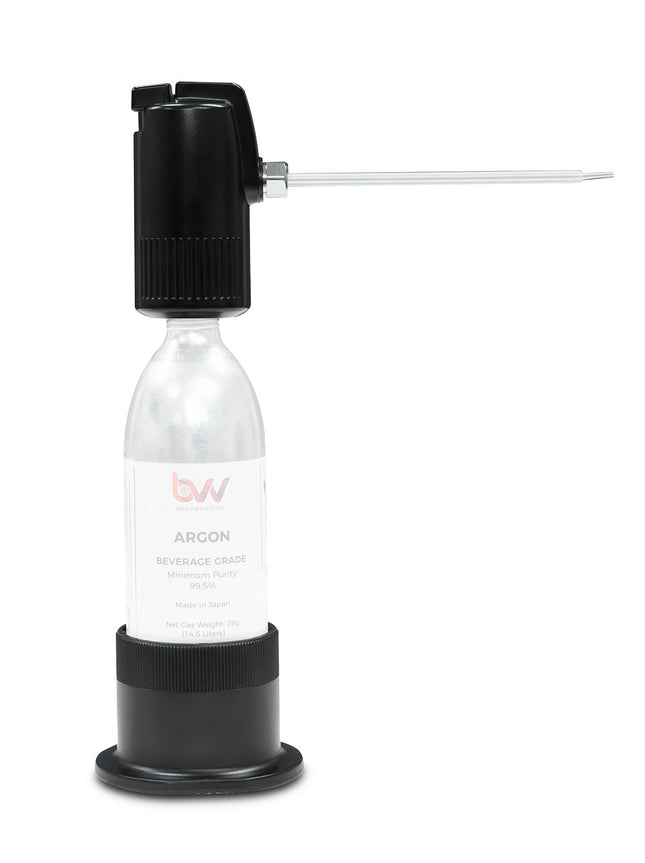
Shop Chemicals

209 products

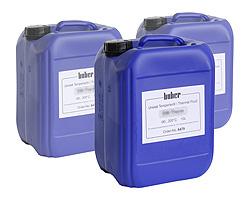
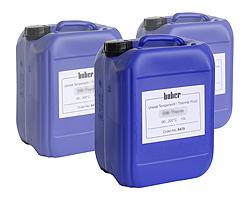
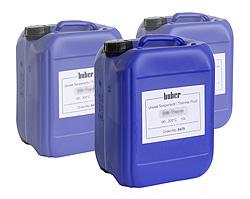
  • Huber SilOil M80.055.03, Heat transfer fluid -80 to 55 °C

    Huber Huber SilOil M80.055.03, Heat transfer fluid -80 to 55 °C

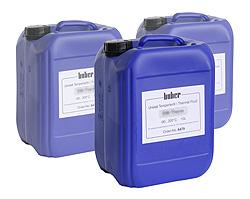
    Huber SilOil M80.055.03, Heat transfer fluid -80 to 55 °C SilOil M80.055.03 is a low-viscosity silicone fluid which, as a result of its special property profile, is particularly suitable for use as a cold and heat transfer medium in cryostats, thermostats and heat transfer installations. The fluid can be used in the range from -80  °C to 55  °C. It should be borne in mind that, at high temperatures, SilOil M80.055.03 can be chemically altered by oxidising media, such as air, or substances with a catalytic effect, such as acids, lyes and various metal compounds. An increase in viscosity, and possibly even gelling of the fluid owing to crosslinking reactions, must be expected in the presence of oxidising agents, while contact with products having a catalytic effect usually induces a process of depolymerisation, resulting in a drop in viscosity   Advantages: virtually insolubile in water non-corrosive low setting points and vapour pressures high flash points low toxicity odourless no coking tendency under thermal stress high thermal stability resistance to ageing chlorine free   Safety Data Sheet      Heat transfer fluid M80.055.03 Working temperature °C -80 to 55 open/closed systems: -80°C…55°C Material: silicon oil Viscosity at 25°C: 3 mm²/s Colour colourless, clear Material incompatibility Silicone rubber

    $1,120.00 - $1,950.00

  • 3% Hydrogen Peroxide Food Grade H2O2 3% Hydrogen Peroxide Food Grade H2O2

    3% Hydrogen Peroxide Food Grade H2O2

    Our 3% hydrogen peroxide food grade is the standard concentration of hydrogen peroxide found in retail stores across the country.  As you likely know this product has a wide range of uses and its food grade, making this a very versatile disinfectant. Our peroxide is USA made, sourced locally and we replenish the stock frequently to provide the freshest delivered peroxide. Made with high purity deionized water.  Peroxide Typical Uses: Cleaning Vegetables, Household cleaning, Kitchen Cleaning Hydroponic and Garden Use: 3% Peroxide can be added to Hydroponic systems and traditional soil beds.  3% peroxide when added to soil or hydro root systems it will oxygenate the the roots and will give your plants a growth boost.  Hydrogen Peroxide 3% Safety Data Sheet (SDS) Hydrogen Peroxide 3% Certificate of Analysis (Example) COA

    $9.50 - $460.00

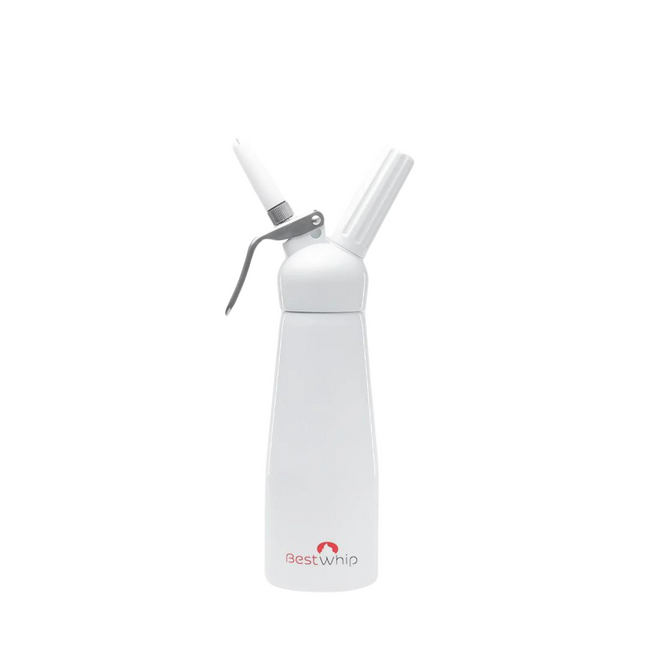
  • White Kitchen Whip Aluminum Dispenser 1 Pint & 1 Liter White Kitchen Whip Aluminum Dispenser 1 Pint & 1 Liter

    White Kitchen Whip Aluminum Dispenser 1 Pint & 1 Liter

    Crafted from stunning aluminum, our half-pint and 1 liter cream whipper by BestWhip ensures top-notch quality for those who seek to prepare smaller quantities of whipped cream. Don't be fooled by its size; this compact dispenser is a powerhouse in the kitchen, delivering flawless whipped cream consistently. Professional Grade: Engineered to meet the standards of culinary experts. Elegant Design: The plastic head complements the beautiful aluminum construction, adding an aesthetic appeal to your kitchen tools. Efficient Operation: Utilizing 8gm nitrous oxide chargers, it guarantees a smooth and quick whipping experience. Perfect Capacity: Holds 1 quart of liquid, making it suitable for intimate gatherings or individual servings. Long-lasting Freshness: Store your whipped cream in the refrigerator, and it'll stay fresh and luscious for up to 14 days.

  • CHEMTEK Alumina 150

    ChemTek CHEMTEK Alumina 150

    Alumina 150 is a neutral pH adsorbent used to remove moisture, free fatty acids, and phospholipids to speed up crystallization and to improve the end products’ oxidative stability. Alumina 150 SDS

    $30.00 - $1,000.00

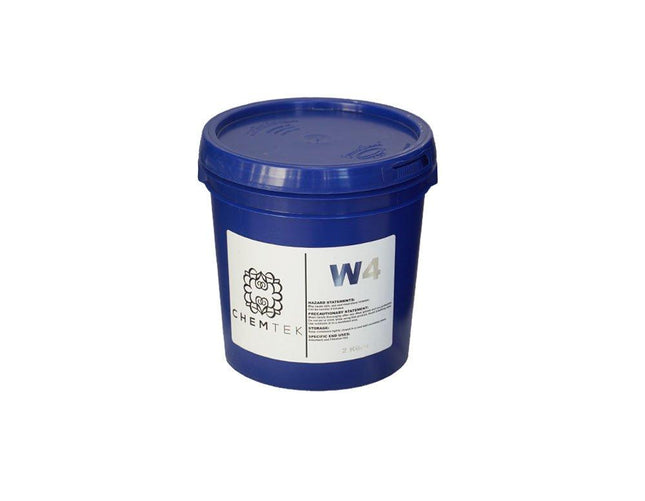
  • CHEMTEK W4 Pesticide Remdiation Bleaching Clay CHEMTEK W4 Pesticide Remdiation Bleaching Clay

    ChemTek CHEMTEK W4 Pesticide Remediation Bleaching Clay

    CHEMTEK W4 Pesticide Remediation Bleaching Clay W4 is an alkaline bleaching clay specialized for the removal of pesticides, chlorophyll, free fatty acids, and oxidized compounds. It removes pesticides through adsorption and hydrolysis. Pesticides undergo alkaline hydrolysis, in which a pH greater than 7 causes chemical degradation of certain pesticides in the presence of ions. W4 SDS W4 Technical Data Sheet  

    $50.00 - $2,250.00

  • Basic Activated Alumina Powder Basic Activated Alumina Powder

    Basic Activated Alumina Powder

    Basic Activated Alumina pH: 10.8 | 50-200 Micron *Compare to Alumicel™ B This activated alumina is a High pH adsorbent used to remove excess moisture from your extraction and CRC process.  The addition of this media is used as the last layer in the typical BVV™ CRC setups.  This grabs any excess moisture from the previous CRC layers and the Biomass.  The activated alumina will produce a sugary finish almost immediately after you start your purge.  This rapid crystallization is because the process has stripped out additional phospholipoids and fats.  Chromatographic Grade Activated Alumina Basic Powder Sample Certificate of Analysis (COA Example) Activated Alumina Basic Powder Safety Data Sheet SDS

    $26.00 - $1,000.00

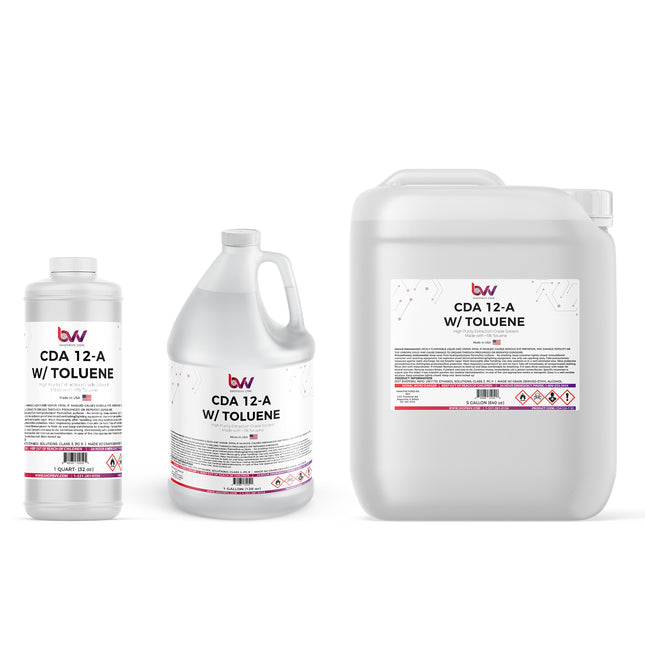
  • CDA 12A w/ Toluene High Purity Extraction Solvent CDA 12A w/ Toluene High Purity Extraction Solvent

    CDA 12A w/ Toluene High Purity Extraction Solvent

    CDA 12A w/ Toluene HAZMAT ITEMS ARE NON-REFUNDABLE. ALL SALES ARE FINAL (Note: Container style and color may vary) BVV's Ultra High Purity Toluene Denatured Ethanol (CDA 12A) is distinguished by its exceptional purity, Our CDA 12A formulation combines 95% Food Grade/USP/ACS 200 Proof Ethanol, derived from corn, with ~5% high-purity Toluene. Adhering to stringent industry standards, ensuring it meets the precise requirements of our customers, our Ultra High Purity Toluene Denatured Ethanol excels across diverse applications widely adopted as an effective botanical extraction solvent. Being that our Ultra High Purity Denatured Ethanol is made unfit for consumption when denatured with Toluene it is not subject to the Federal Excise Tax on alcohol saving you a huge cost without compromising on it suitability for top-tier extractions.  Primarily utilized as pure ethanol in extraction processes, this solvent is favored for its cost-effectiveness and extraction efficiency.  Reduce manufacturing costs and increase extraction efficiency with BVV's Ultra High Purity Toluene Denatured Ethanol. Disclaimer: Prices may vary due to market value and for orders of 4 totes or more and a tanker there could be up to a 2 week lead time. Call in for more accurate lead times. Key Features: Significantly Reduced Cost due to the absence of Federal Tax Produces Exceptional Quality Extractions Leaves No Residuals or Tastes Evaporates Completely in a Rotary Evaporator Vapor Pressure: 40.9mmHg at 20°C UN Number 1170 Density: 0.7905g/cm³ Specific Gravity 0.7905 Flash Point: 13.9°C (57°F) Boiling Point: 78.5°C (173°F) Melting Point: -90.0°C (-130°F) Chemical Formula: Ethanol C2H6OToluene  C7H8 CAS#(s) Ethanol 64-17-5Toluene  108-88-3 Molecular Weight: 72.1057 Appearance Colorless Liquid Odor: Mint or acetone-like Density  0.7905g/cm³ Boiling Point: 78.5c/173.3F Solubility in water: Miscible GHS Pictograms: GHS Signal Word: Danger GHS Hazard Statements: H225, H319 GHS Precautionary Statements P210, P233, P240, P241, P242, P243, P261, P264, P271, P280, P303+P361+P353, P304+P340, P305+P351+P338, P312, P337+P313, P370+P378, P403+P233, P403+P235, P405, P501 UN Identification Number: 1987 Proper Shipping Name: Alcohols Transport Hazard Class: 3 Packing Group: I DOT Placard: What is Denatured Ethanol? Denatured ethanol, also known as denatured alcohol, is ethanol (ethyl alcohol) that has been rendered unfit for human consumption by the addition of denaturants. Denaturants are typically chemicals that make the ethanol taste bad or have toxic effects, and they are added to discourage people from drinking the substance. The denaturation process is done to avoid the high taxes and regulations associated with beverage alcohol, as denatured ethanol is intended for industrial, pharmaceutical, or cosmetic uses rather than for consumption. Common denaturants include toluene, heptane, methanol, isopropyl alcohol, acetone, and other chemicals. Denatured ethanol is widely used in various industries, such as in the production of paints, solvents, cleaning products, and as a fuel for alcohol burners. Why is Ethanol Denatured? Ethanol is denatured, or rendered undrinkable, for several reasons: Tax Purposes: Denaturing ethanol allows for the imposition of lower taxes on industrial or non-beverage alcohol compared to potable alcohol. Governments often place higher excise taxes on alcohol intended for human consumption. Regulatory Compliance: Denaturing ethanol is a regulatory requirement to discourage the illegal diversion of tax-free industrial alcohol for beverage use. The addition of denaturants makes it unpalatable and unsafe for consumption. Public Safety: Making ethanol undrinkable helps prevent accidental or intentional ingestion of industrial alcohol, which can be toxic. Denaturing agents are chosen to deter people from attempting to use denatured alcohol as a substitute for beverage alcohol. Industrial Use: Denatured ethanol is widely used in various industries, including pharmaceuticals, cosmetics, and manufacturing. It serves as a solvent, fuel, or raw material in these applications. Common denaturants include substances like heptane, toluene, methanol, isopropanol, and various chemicals that make the alcohol unsuitable for human consumption while maintaining its usability in industrial processes. The specific denaturing formulations, such as CDA 12-A mentioned earlier, are defined by regulatory agencies to ensure compliance with safety and tax regulations. What is denatured ethanol used for? Denatured ethanol is used for various industrial and commercial purposes where the alcohol is needed for its properties but should not be consumed. Here are some common applications: Industrial Solvent: Denatured ethanol is widely used as a solvent in industries such as pharmaceuticals, cosmetics, and manufacturing. It is effective in dissolving a variety of substances. Cleaning Agent: Due to its solvent properties, denatured ethanol is used as a cleaning agent for surfaces, equipment, and machinery in industrial and commercial settings. Fuel Additive: Denatured ethanol is sometimes used as a fuel additive, especially in the blending of gasoline. It can improve combustion efficiency and reduce emissions. Paint and Coating Industry: It is used as a solvent in the formulation of paints, varnishes, and coatings. Pharmaceuticals: Denatured ethanol is used in the pharmaceutical industry for various purposes, including the extraction of medicinal compounds. Laboratory Use: In laboratories, denatured ethanol is often used for tasks like sterilization and as a solvent for experiments. Inks and Dyes: It is employed in the production of inks and dyes due to its ability to dissolve pigments. Adhesives and Sealants: Denatured ethanol is used in the formulation of adhesives and sealants. Window Cleaning: It is used in commercial window cleaning solutions. Automotive Industry: In the automotive industry, denatured ethanol is used for cleaning and degreasing. What can be used to denature ethanol? Here are examples of common Completely Denatured Alcohol (CDA) formulations used to denature ethanol: CDA 12-A  To every 100 gallons of alcohol, add either: Five gallons of n-heptane or 5 gallons of toluene. CDA-19  To every 100 gallons of ethyl alcohol (not less than 160 proof), add: 4.0 gallons of either methyl isobutyl ketone, mixed isomers of nitro propane, or methyln-butyl ketone 1.0 gallon of either kerosene, deodorized kerosene, gasoline, unleaded gasoline, rubber hydrocarbon solvent, or heptane. CDA-20 To every 100 gallons of ethyl alcohol (not less than 195 proof), add a total of: 2.0 gallons of either unleaded gasoline, rubber hydrocarbon solvent, kerosene, or deodorized kerosene, or any combination of these. What does CDA mean? Completely Denatured Alcohol (CDA) is a type of denatured alcohol that has been rendered unfit for human consumption by the addition of denaturing agents. Denatured alcohol is ethanol (ethyl alcohol) that has been intentionally adulterated to make it toxic, foul-tasting, or otherwise undrinkable. This denaturing process is done to exempt the alcohol from excise duty and other taxes, as it's not intended for use in beverages. The denaturing agents used in CDA can vary, but they often include chemicals such as methanol, isopropanol, or other substances that make the alcohol unpalatable and potentially harmful if ingested. The specific formulation of denatured alcohol may be regulated by government authorities to ensure it meets safety standards and legal requirements. CDA is commonly used in industrial applications, as a solvent, fuel, or as a cleaning agent. It's important to note that due to the addition of denaturing agents, CDA should not be used for purposes that involve contact with the human body or ingestion. Safety precautions, including proper ventilation, should be followed when working with denatured alcohol. What is CDA 12A? CDA 12-A is a formulation specified by the Alcohol and Tobacco Tax and Trade Bureau (TTB) for Completely Denatured Alcohol (CDA). The formula is defined under §21.26 as Formula No. 12-A. The composition of CDA 12-A is as follows: For every 100 gallons of alcohol, add either: 5 gallons of n-heptane or 5 gallons of toluene. This denaturing process renders the ethanol unfit for consumption while meeting regulatory requirements for various industrial applications. CDA formulations, including CDA 12-A, are used to denature ethanol for purposes such as industrial solvents, cleaning agents, and manufacturing processes. Can you remove Toluene from CDA 12A? When toluene is added to ethanol it creates an azeotrope between the ethanol and n-heptane. An azeotrope is defined as a mixture of two liquids that have a constant boiling point and composition through distillation. This azeotrope results in the ethanol and n-heptane evaporating at the same temperature, making it extremely difficult to separate the two through distillation. While these azeotropic solvents are still easily recovered from a botanical extract at a relatively low boiling point around 78C/173F using a rotary evaporator or falling film evaporator, it is near impossible to separate the two via distillation. What is an Azeotrope? An azeotrope is a mixture characterized by having identical concentrations in both its vapor and liquid phases. This stands in contrast to ideal solutions, where one component is usually more volatile than the other, allowing for separation through distillation. When an azeotrope forms, the concentrations in both phases remain the same, hindering separation through traditional distillation methods. Azeotropes consist of a blend of at least two different liquids, and this mixture can exhibit either a higher or lower boiling point than either of its individual components. Azeotropes become relevant when certain liquid fractions resist alteration through distillation processes. In typical mixtures, components can be extracted using Fractional Distillation, a process involving repeated distillation stages. The more volatile component vaporizes and is collected separately, while the less volatile component remains in the distillation container, resulting in two distinct, pure solutions.

    $10.00 - $200.00

  • Paratherm NF - Food Grade Heat Transfer Fluid 24°F to 630°F Paratherm NF - Food Grade Heat Transfer Fluid 24°F to 630°F

    Paratherm NF - Food Grade Heat Transfer Fluid 24°F to 630°F

    Paratherm NF Food Grade - Range: 24°F to 630°F Paratherm NF is an odor free food grade low viscosity heat transfer fluid that is a blend of mineral oils that are refined and hydrotreated.  Paratherm NF exhibits extreme purity and high naphthenic content.  Paratherm NF Sample Certificate of Analysis COA Paratherm NF Safety Data Sheet SDS Appearance Clear Odor Odorless Maximum recommended film temperature 650°F (343°C) Maximum rec’d operating temp – fired heaters 600°F (316°C) Maximum rec’d operating temp – all others 630°F (332°C) Minimum operating temperature 20 cPs (20 mPa-s) 97°F (36°C) Minimum start-up temp 300 cPs (300 mPa-s) 24°F (-4°C) Viscosity @ 60°F/15.5°C sSt (mm²/sec) 73 Density at 60°F/15.5°C lb/gal (kg/m³) 7.4 (887) Flash Point Pensky-Martens Closed Cup (D93) >300°F/149°C Boiling Point (14.7 psia/101 kPa) >700°F/371°C Vapor Pressure @ max operating temp psia (kPa) 2.5 (17) % Volume expansion over recommended operating temp per 100°F (°C) 5.5 (9.9) Average Molecular Weight 340  

    $150.00 - $1,950.00

  • Media Bros Medium flow CRX-M Media Bros Medium flow CRX-M

    Media Bros Media Bros Medium flow CRX-M

    Media Bros Medium flow CRX This non-reactive medium flow variant allows operators to increase operating pressures and surface area for a more fine-tuned process. PH 7                                                     Description: Introducing CRX Medium Flow™ (CRX-M™), a not-quite-powder/fine-grain premium filter media formulated for non-reactive, high flow and high-pressure hydrocarbon extraction. Its texture is designed to replace traditional powdered media like B80 without channeling and clogging issues commonly encountered with conventional powders. Extractors accustomed to traditional powders like B80 will find that CRX-M™ offers similar flow properties but with the added benefit of superior terpene retention. Like all of our premium blends, CRX-M™ is non-reactive, ensuring it's safe and easy to handle in your lab setting. It eliminates the need for extensive clean-up, saving you time and effort. CRX-M™ has all the benefits of its more granular twin, the flagship CRX™. It is a "perfect scrub" media, ideal for high-quality biomass and nug run processing. You want total control over flow and ensure the terpenes and flavonoids are retained from plant to extracted oil. Extraction labs vary in size, and so does our range of filter media. Our CRX-M™ product is available in three convenient packaging options: a 1.5 kg pouch, a 10 kg bucket, and a 100 kg drum. Whether operating on a small scale or running an extensive industrial process, we have the perfect packaging to meet your needs. Technical Specs: Solvent Type Hydrocarbon Color Remediation Level Average/Moderate Pesticide Remediation Level Low Selectivity/Polarity Level Moderately Selective/Medium Polarity Heavy Metal Remediation No Moisture Remediation Level Low Fats/Lipids/Waxes Level Medium Crystal Growth Fast Depth Filtration No Flow Rate Moderate Flow pH Level Neutral (pH 7) Best For Fresh Frozen, Nugs, High Quality Suitable for Reruns No Distillation Clean-up Low Scrub   SOP SDS Before you get started, please remember this: As CRX™ and CRY™ are not powders designed not to absorb moisture before use, no baking or preparation is needed. For optimal success, ensure your flow is gentle and consistent.   RATIOS  Solvent to Biomass: ratios range from 6:1 to 10:1, depending on the quality of the plant matter you are distilling—lower ratios for top-tier biomass and higher ratios for older or lower-quality biomass. Media to Biomass: Load 150 - 250 grams of filter media into filtration housing for every 1 lb of biomass. The media quantity used is dependent on the quality of the biomass. Higher-quality biomass requires less media. Lower-quality biomass requires more media. The lookup table can be used as a reference, but because every kind of plant matter is different, you will need to experiment a little bit to achieve the best results. That said, this chart is an excellent baseline from which to start. TEMPS To ensure optimal performance, keep the temperature at -10°C or below while using the media. Our media is designed to prevent clogging.   FLOW When transferring from the biomass vessel to the recovery vessel, maintain a maximum flow rate of 1 GPM. Our media performs best with a consistent and gentle flow. To prevent channeling, avoid sudden hydraulic surges through the CRC column. A shower or initial fill of the column is highly recommended for optimal results.   YIELD Any lost yield can be fully recovered by flushing the media with solvent. Most users report achieving substantial yield gains by maintaining high solvent-to-biomass ratios or flushing our media after an extraction transfer.

    $30.00 - $1,600.00

  • Syloid 244 FP Food & Pharma Hydrated Silica Syloid 244 FP Food & Pharma Hydrated Silica

    Syloid 244 FP Food & Pharma Hydrated Silica

    Syloid®244 FP Food & Pharma Grade (FP) Hydrated silica. SYLOID® 244FP Silica acts as an emulsion stabilizer, mattifying agent, exfoliant, pigment dispersion, carrier and thickener. Enhances skin-feel and film consistency. It has a high level of internal porosity, high bulking value, high purity and significant capacity for oil-and moisture absorption. Provides compaction aid, mattifying /gloss control, silky skin feel, non-greasy or dry feel and residual film uniformity on skin. SYLOID® 244FP Silica is used in in decorative cosmetics/make-up products, hair care products, high-sun protection factor (SPF) formulations comprised of a water-in-oil emulsion, toiletries and pigmented cover creams. It is registered in REACH and listed in CTFA. SYLOID® 244FP silica is a veritable multipurpose excipient. It offers moisture protection and anti-tacking properties, acts as a glidant, and can be used as a suspension aid in tablet coatings. Physical Properties: Ultra white fine powder.   500g Jar is a 1.8 gallon size container and its nearly filled  Ultra Lightweight silica that falls like snow.  SYLOID 244FP Technical Data Sheet TDS SYLOID 244FP Safety Data Sheet SDS

    $42.40 - $388.00

  • Huber SilOil M40.165/220.10, Heat transfer fluid -40 to 220 °C

    Huber Huber SilOil M40.165/220.10, Heat transfer fluid -40 to 220 °C

    Huber SilOil M40.165/220.10, Heat transfer fluid -40 to 220 °C SilOil M40.165/220.10 is a low-viscosity silicone fluid which, as a result of its special property profile, is particularly suitable for use as a cold and heat transfer medium in cryostats, thermostats and heat transfer installations. SilOil M40.165/220.10 can be used in the range from -40 °C to 165 °C and to 220 °C in externally sealed systems (Unistats). It should be borne in mind that, at high temperatures, SilOil M40.165/220.10 can be chemically altered by oxidising media, such as air, or substances with a catalytic effect, such as acids, lyes and various metal compounds. An increase in viscosity, and possibly even gelling of the fluid owing to crosslinking reactions, must be expected in the presence of oxidising agents, while contact with products having a catalytic effect usually induces a process of depolymerisation, resulting in a drop in viscosity. Advantages: Virtually insolubile in water Non-corrosive Low setting points and vapour pressures High flash points Low toxicity No coking tendency under thermal stress High thermal stability Resistance to ageing Chlorine free   Safety Data Sheet   Heat transfer fluid M20.195/235.20 Working temperature °C -40 to165/220 open/closed systems: -40°C - 165°C Unistats (only closed): -40°C - 220°C Material: silicon oil Viscosity at 25°C: 10 mm²/s Colour colourless, clear Material incompatibility Silicone rubber

    $1,050.00 - $1,870.00

  • Media Bros CRY™ MEDIUM FLOW Media Bros CRY™ MEDIUM FLOW

    Media Bros Media Bros CRY™ MEDIUM FLOW

    CRY™ MEDIUM FLOW (CRY-M™) FILTER MEDIA FOR BHO EXTRACTION (NON-REACTIVE) This medium flow non-reactive variant of CRY allows operators to increase operating pressures and surface area for a more fine-tuned process. PH 7   DESCRIPTION   CRY™ Medium Flow (CRY-M™) is a finer version of CRY™ designed for systems operating at slightly higher PSIs that still need non-reactive high flow outputs and a little extra selectivity. It is not quite powder, but a much finer grain than CRY. The smaller granule size helps prevent channeling that can sometimes occur at higher PSIs. We recommend CRY-M™ for operators who want the same effect as CRY™ but are running at higher pressures or systems with size limitations. For extracts that require additional remediation beyond CRX-M™, CRY-M™ offers a superior polish, effectively addressing color, fats, and lipids. Opt for CRY-M when aiming for effortlessly reproducible results with older biomass. Suggested use: 150–250g per lb. of biomass Packaged in: 1.5 kg pouch, 5 gallon bucket, and 100 kg drum                                             TECHNICAL SPECS Solvent Type Hydrocarbon Color Remediation Level Moderately Heavy/High Pesticide Remediation Level Medium Selectivity/Polarity Level Moderately Selective/Medium Polarity Heavy Metal Remediation Yes Moisture Remediation Level Moderate Fats/Lipids/Waxes Level Medium Crystal Growth Fast Depth Filtration No Flow Rate Moderate Flow pH Level Neutral (pH 7) Best For Slightly Aged Biomass, Medium Quality Suitable for Reruns Yes Distillation Clean-up Moderate Scrub   SDS

    $30.00 - $1,600.00

  • SDA 3A (100% ABV) Lab Grade SDA 3A (100% ABV) Lab Grade

    SDA 3A (100% ABV) Lab Grade

    Ethanol 200 Proof SDA 3A  Ethanol 200 Proof SDA 3A is a premium-grade denatured alcohol commonly used across industrial, laboratory, and commercial applications. Formulated with 200 proof ethanol (100% pure ethyl alcohol) and denatured with methanol, SDA 3A is non-consumable while retaining its exceptional solvency and evaporative properties.  Key Features:  High Purity: 200 proof ethanol ensures maximum concentration and efficacy.  Specially Denatured: Denatured with methanol, making it suitable for industrial and laboratory use without beverage tax requirements.  Versatile Solvent: Ideal for use in cosmetics, pharmaceuticals, and cleaning formulations, as well as industrial cleaning and manufacturing.  Fast Drying: Evaporates quickly and leaves minimal residue, making it excellent for precision cleaning and preparation.  Typical Applications:  Personal Care Products: Used as a solvent in cosmetics and fragrances.  Pharmaceuticals: Key ingredient in antiseptics, sanitizers, and medicinal preparations.  Industrial Use: A go-to solvent for cleaning, degreasing, and chemical processing.  Laboratory Reagent: Suitable for chromatography, chemical synthesis, and sample preparation.  Specifications:  Ethyl Alcohol Content: 100% (200 proof)  Denaturant: Methanol  Chemical Formula: C2H6OH Molecular Weight: 46.07 CAS Registry Number: 64-17-5 Appearance Colorless Liquid Odor: Characteristic Density 0.78-0.8 g/cm3 Boiling Point: 64.7 °cat 1,013 hPa  Solubility in water: Completely Soluble GHS Pictograms:    GHS Signal Word: Danger GHS Hazard Statements: H225 GHS Precautionary Statements P210, P233, P240, P241, P242, P243, P280, P303+P361+P353, P370+P378, P403+P235, and P501 UN Identification Number: 1170 Proper Shipping Name: Ethanol Solutions  Transport Hazard Class: 3 Packing Group: II DOT Placard: SDA 3A 200 Proof Tech Grade Safety Data Sheet (SDS) SDA 3A 200 Proof Tech Grade Certificate of Analysis (COA)
    $17.00 - $1,890.00

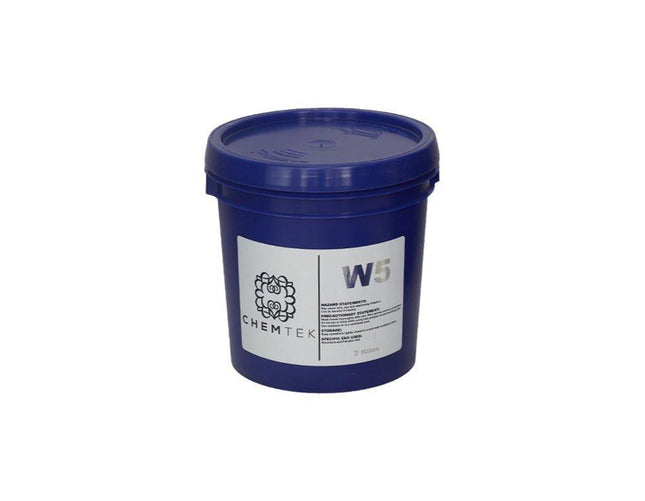
  • CHEMTEK W5 Neutral Bleaching Clay CHEMTEK W5 Neutral Bleaching Clay

    ChemTek CHEMTEK W5 Neutral Bleaching Clay

    CHEMTEK W5 Neutral Bleaching Clay W5 is a neutral bleaching clay specialized for the removal of heavy metals. While most sorbents will remove heavy metals, the acids involved in the activation process could cause desorption. By neutralizing the clay processors can take advantage of the increased surface area without any risk of desorption. W5 SDS W5 Technical Data Sheet  

    $40.00 - $1,800.00

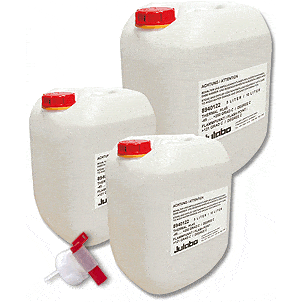
  • Julabo C2 Thermal Bath Fluid - 10 Liters

    Julabo Julabo C2 Thermal Bath Fluid - 10 Liters

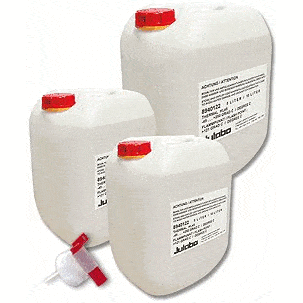
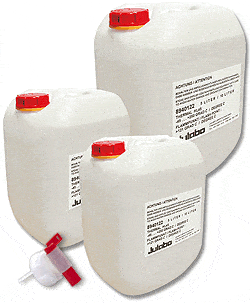
    Julabo C2 Thermal Bath Fluid JULABO Thermal bath fluids are ideally suited for all of your temperature control applications and guarantee safe and reliable operation. Choosing the proper bath fluid is critical for best results in temperature control. Viscosity, oxidation characteristics and heat transfer of Thermal fluids are specifically matched with each JULABO temperature control unit. C2 Thermal Bath Fluid Product Data Sheet C2 Thermal Bath Fluid SDS JULABO Thermal bath fluids have been carefully selected and are optimized for maximum performance with JULABO instruments. Benefits Low toxicity Low viscosity High stability Minimum odor Good heat conductivity Low corrosion tendency Wide temperature ranges Technical Data Order no. 10 liters 8891400 Working temperature (°C) -90...+60 Flash point (°C) > +75 Fire point (°C) > +430 Viscosity (kinematic at 20 °C in mm²/s) 2 Density (at 20 °C in g/cm³) 0.873 Pour point (°C) -120 Boiling point (°C) 229 Ignition temperature (°C) 430 Color clear

    $1,668.00

  • Glycolic Acid 70% NSF Certified Glycolic Acid 70% NSF Certified

    Glycolic Acid 70% NSF Certified

    Also known as hydroxyacetic acid, this versatile molecule combines a carboxylic acid group and an alcohol group, delivering both efficient descaling and metal-chelating power. This product is made in USA.  This product should not be used for comimetic applications.  Certified NSF/ANSI/CAN 60 Chloride-free to reduce corrosion risk and improve formulation stability Exceptional cleaning and scale removal efficacy Reliable performance in hard surface cleaners, descalers, and other industrial applications Glycolic Acid 70% Applications: Beverage Equipment Cleaners, Food Contact Equipment Cleaners, Dairy Processing Equipment, Concrete Dissolvers, General Cleaning, Rust & Mill Scale Removers, Metal Plating Process Solutions, Copper & Aluminum Brightener, Industrial Boiler Descalers, Potable Water Well Rehabilitation, Well Acidizing, and Agriculture Irrigation Line Cleaners. Glycolic Acid 70% Certificate of Analysis (Example COA) Glycolic Acid 70% Tech  Safety Data Sheet (SDS) Glycolic Acid 70% Tech Technical Data Sheet (TDS)
    $18.00 - $1,350.00

  • Huber DW-Therm HT P20.340.32 Heat transfer fluid 20 to 340 °C

    Huber Huber DW-Therm HT P20.340.32 Heat transfer fluid 20 to 340 °C

    Huber DW-Therm HT 20 to 340 °C Heat transfer fluid Huber heat transfer fluids are recommended for many temperature control applications because they have the best possible thermodynamic and environmental characteristics. Safe reliable operation relies on compliance with safety standards to ensure optimal results. DW-Therm HT is a mixture of partially hydrogenated naphthalenes. It is especially suited for high temperature applications using hydraulically sealed thermostats. Please note: Valid only for Unistats   Safety Data sheet    Advantage: broad working range from 20 °C up to 340 °C (hydraulically sealed systems) Long lifetime at high temperatures under inert atmosphere: 3 -4 years Good thermal properties for heat transfer High thermo-oxiation stability    Properties Working temperature°C 20 to 340 Flash Point °C 190 Flash Point °C approx. 218 Viscosity mm2/s (kinematic at 25 °C) 32 Density g/cm3,(at 20 °C) 1,043 Pour Point °C -30 Ignition temperature °C 385 Colour orange, clear Thermal expansion coefficient 10-5/K not specified Heat conductivity W/(m·K) at 30 °C 0,130 Material incompatibility not specified

    $975.00 - $1,690.00

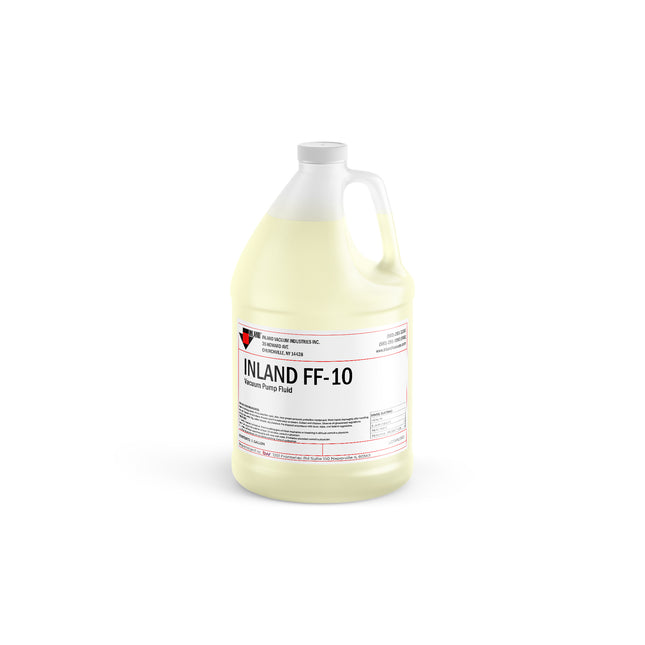
  • Inland 70 Ultra Vacuum Pump Oil (Edwards Ultragrade 70) Inland 70 Ultra Vacuum Pump Oil (Edwards Ultragrade 70)

    Inland Vacuum Inland 70 Ultra Vacuum Pump Oil (Edwards Ultragrade 70)

    Inland 70 Ultra Vacuum Pump Oil This is oil is a direct replacement for Edwards Ultragrade 70 oil. Specifications Inland 70 Ultra Vapor Pressure @25°C 1x10^-7 torr Viscosity @ 40°C 72 cSt Pour Point: -10°C Flash Point: 249°C Density: 0.86 g/ml Color: Clear   Inland 70 Ultra Safety Data Sheet PDF

    $17.00

  • 12% Hydrogen Peroxide Food Grade H2O2 12% Hydrogen Peroxide Food Grade H2O2

    12% Hydrogen Peroxide Food Grade H2O2

    12% Food Grade Hydrogen Peroxide Our food-grade peroxide is clear, colorless, and free of any stabilizers or additives.  Peroxide is one of the most effective oxidizers and may be applied to food directly to food products.  Our peroxide is certified FCC (Food Chemical Codex).  It has been tested and verified for its quality and purity.  Our 12% food-grade hydrogen peroxide is 4x strength, when diluted you can make a remarkably large volume of 3% hydrogen peroxide that can be used for a wide variety of applications.  Hydrogen Peroxide 12% Safety Data Sheet (SDS) Hydrogen Peroxide 12% Certificate of Analysis (Example) COA Dilution: 1 part 12% H2O2 to 3 part distilled or R.O. water to make 3% Some applications include... Elevating Plant Growth: Diluted hydrogen peroxide supports healthy roots and elevated oxygen availability in the soil. Excellent Cleaner for Food Prep Environments: Hydrogen peroxide is a disinfectant, that kills viruses and various forms of bacteria. Bleaching: Diluted hydrogen peroxide is a mild bleaching agent that can be used to clean stains.  Cleansing Fresh Produce: Diluted hydrogen peroxide can be used to clean fruits and vegetables.  Mold and Mildew Removal: Hydrogen peroxides strong oxidative qualities breakdown mold and mildew with ease.  How to Dilute 12% Hydrogen Peroxide to 3% Hydrogen Peroxide: 12% food-grade hydrogen peroxide Deionized distilled water A clean, empty Gallon bottle for the final 3% hydrogen peroxide solution Measuring cup Funnel Safety goggles Rubber gloves Apron or old clothes Steps to perform dilution: Wear safety goggles, rubber gloves, an apron or old clothing to protect yourself from spills and splashes.  Choose a well-ventilated space. Mix 1 part 12% hydrogen peroxide with 3 parts distilled water. Example: Mix 1 cup hydrogen peroxide, with 3 cups of distilled water.  This will make an exact 3% solution of hydrogen peroxide. What Is Hydrogen Peroxide? Hydrogen peroxide (H2O2) is a chemical compound composed of two hydrogen atoms and two oxygen atoms. It is a clear, colorless liquid with a slightly more viscous consistency than water. Hydrogen peroxide is commonly used for its powerful oxidizing properties and has a wide range of applications in various industries and household settings. What Are The Properties Of Hydrogen Peroxide? Hydrogen peroxide (H2O2) is a clear, colorless liquid with several notable properties: Chemical Formula: H2O2 - It consists of two hydrogen atoms (H) and two oxygen atoms (O) linked by a single covalent bond, as well as a second oxygen atom connected to one of the hydrogen atoms by a single covalent bond. Molecular Weight: Approximately 34.01 grams per mole. Physical State: Hydrogen peroxide is a liquid at room temperature and pressure (25°C or 77°F). Odor: It has a slightly sharp and distinctive odor. Solubility: Hydrogen peroxide is miscible (mixes completely) with water in all proportions. Density: The density of hydrogen peroxide varies with concentration. A common concentration of 3% hydrogen peroxide has a density of approximately 1.01 grams per milliliter (g/mL). Boiling Point: The boiling point of hydrogen peroxide is approximately 150.2°C (302.4°F). Melting Point: Pure hydrogen peroxide does not have a distinct melting point because it decomposes before reaching a stable liquid state at atmospheric pressure. Reactivity: Hydrogen peroxide is a powerful oxidizing agent and is highly reactive with various substances, including organic compounds and some metals. It readily decomposes into water and oxygen when exposed to heat, light, or certain catalysts. Concentration: Hydrogen peroxide is available in various concentrations, with common household solutions typically being around 3%. Higher concentrations, such as 30% or 35%, are used in industrial and laboratory applications. pH: The pH of hydrogen peroxide solutions varies with concentration but is typically slightly acidic. Stability: Hydrogen peroxide solutions are not indefinitely stable and can decompose over time, especially when exposed to light, heat, or contaminants. Storing hydrogen peroxide in a cool, dark place in a well-sealed container helps preserve its stability. Safety: Concentrated hydrogen peroxide solutions can be hazardous and should be handled with care. Contact with skin or eyes should be avoided, and protective equipment may be required when working with high-concentration solutions. These properties make hydrogen peroxide a versatile chemical with various applications in industries ranging from healthcare and cosmetics to water treatment and rocket propulsion. The concentration and handling precautions should be considered based on the specific use and requirements of the application. What Is Hydrogen Peroxide Used For? Hydrogen peroxide (H2O2) is used for a wide range of purposes in various industries and household settings due to its versatile properties. Some common uses of hydrogen peroxide include: Disinfectant and Antiseptic: Hydrogen peroxide is a common disinfectant and antiseptic agent. It is used to clean wounds, cuts, and minor injuries to prevent infection. In lower concentrations (typically 3%), it can be safely applied to the skin. Hair Bleaching and Dyeing: Many hair bleaching and hair dyeing products contain hydrogen peroxide as it can help break down the natural pigments in hair, lightening its color. Teeth Whitening: Hydrogen peroxide is used in some teeth whitening products and dental treatments to remove stains and discoloration from teeth. Cleaning Agent: It is used as a cleaning agent for surfaces, fabrics, and contact lenses due to its ability to break down and remove organic stains and deposits. Water Treatment: In water treatment processes, hydrogen peroxide can be used to remove contaminants, oxidize organic matter, and disinfect water supplies. Rocket Propellant: In the aerospace industry, highly concentrated hydrogen peroxide (usually around 90% purity) is used as a rocket propellant. Chemical Synthesis: Hydrogen peroxide is used in the synthesis of various chemicals and pharmaceuticals. Environmental Applications: It can be employed for soil and groundwater remediation, helping to break down pollutants and contaminants. Food Industry: In the food industry, hydrogen peroxide can be used for cleaning and disinfection of equipment and packaging materials. Cosmetics: It is used in some cosmetic and personal care products, such as hair dyes, hair bleaches, and skin creams. Textiles: Hydrogen peroxide is used in the textile industry to bleach fabrics and remove stains. Paper and Pulp Industry: It is used for bleaching paper pulp and improving the quality of paper products. Agriculture: In agriculture, hydrogen peroxide can be used as an oxygen source in soil, promoting plant growth. Medical and Laboratory Use: It is utilized for cleaning and sterilizing medical equipment and laboratory instruments. First Aid: Hydrogen peroxide is a household item for treating minor cuts and scrapes. The specific application and concentration of hydrogen peroxide used can vary depending on the intended purpose. Higher concentrations are typically used in industrial and chemical applications, while lower concentrations are common in household and personal care products. It's important to handle hydrogen peroxide with care, follow safety guidelines, and use the appropriate concentration for a given task. How Is Hydrogen Peroxide Produced? Hydrogen peroxide (H2O2) is typically produced through one of two main methods: the anthraquinone process and the direct synthesis process. Both processes involve the reaction of hydrogen and oxygen in the presence of a catalyst to form hydrogen peroxide. Here's an overview of these two methods: Anthraquinone Process: This is the most common method for commercial hydrogen peroxide production. It involves a series of chemical reactions that use anthraquinone derivatives as catalysts. The process typically consists of the following steps: Hydrogenation: Anthraquinone derivatives are hydrogenated with hydrogen gas (H2) to form hydroquinone derivatives. Autoxidation: The hydroquinone derivatives react with oxygen (O2) to form anthraquinone derivatives again, while producing hydrogen peroxide in the process. Extraction: The hydrogen peroxide is then extracted from the reaction mixture. Oxidation of Anthraquinone: The anthraquinone derivatives are oxidized back to their original form for reuse in the process. Direct Synthesis Process: In this method, hydrogen and oxygen are directly combined to produce hydrogen peroxide using a catalyst. The reaction typically occurs in a gas-phase reactor, and the process is often referred to as the "direct synthesis" or "hydrogenation-oxygenation" process. Common catalysts used in this process include palladium or platinum on a support material. While these are the main methods for hydrogen peroxide production, there are other less common methods as well. The choice of production method depends on factors such as the desired concentration of hydrogen peroxide, production scale, and cost considerations. It's worth noting that hydrogen peroxide is a sensitive compound and can decompose over time, especially when exposed to heat, light, or contaminants. Therefore, it requires careful handling and storage to maintain its stability and effectiveness. Does Hydrogen Peroxide Expire? Hydrogen peroxide can degrade over time and may lose its effectiveness, so it can be said to have a shelf life rather than a strict expiration date. The shelf life of hydrogen peroxide depends on several factors, including its concentration, exposure to light, temperature, and how well it's stored. Here are some general guidelines: Concentration: Higher concentrations of hydrogen peroxide (e.g., 30% or 35%) tend to be more stable and have a longer shelf life compared to lower concentrations (e.g., 3% or 6%). Exposure to Light: Hydrogen peroxide is light-sensitive, and exposure to ultraviolet (UV) light can accelerate its decomposition. It is typically sold in brown or opaque containers to protect it from light. Temperature: Storage at higher temperatures can also speed up the decomposition of hydrogen peroxide. It should be stored at a cool, dry place away from heat sources. Contaminants: Contaminants or impurities can catalyze the decomposition of hydrogen peroxide. It's essential to keep the container tightly sealed and free from any potential contaminants. Age: Hydrogen peroxide degrades slowly over time, even when stored correctly. The rate of degradation is higher for lower concentrations. To maximize the shelf life and potency of hydrogen peroxide, follow these recommendations: Store it in its original, tightly sealed container. Keep it in a cool, dark place away from direct sunlight and heat sources. Check the expiration date on the container, if available. If you're unsure about the potency of an old bottle of hydrogen peroxide, consider testing it on a small, non-critical area before using it for medical or cleaning purposes. It's important to note that even if hydrogen peroxide has degraded, it may still be useful for some applications, such as cleaning and disinfecting surfaces. However, for medical or first-aid use, it's best to use hydrogen peroxide that is within its recommended shelf life to ensure its effectiveness. Is Hydrogen Peroxide Safe As Mouthwash? Hydrogen peroxide can be used as a mouthwash, but it should be used with caution and in a diluted form. Here are some important considerations: Dilution: Never use undiluted hydrogen peroxide as a mouthwash. It's too concentrated at its full strength and can cause irritation, burning, and tissue damage. Instead, dilute it with water. A common recommendation is to use a 3% hydrogen peroxide solution, which is typically sold in drugstores. Frequency: Do not use hydrogen peroxide as a mouthwash too frequently. Using it daily or excessively can lead to oral issues, including irritation and disruption of the natural balance of oral bacteria. Duration: When using hydrogen peroxide as a mouthwash, swish it around your mouth for a brief period, typically about 30 seconds, and then spit it out. Do not swallow it. Rinse Thoroughly: After using hydrogen peroxide as a mouthwash, rinse your mouth thoroughly with water to remove any residual hydrogen peroxide. Avoid Ingestion: Do not swallow hydrogen peroxide, even when diluted. Swallowing hydrogen peroxide can lead to stomach upset and other health issues. Consultation: Before using hydrogen peroxide as a mouthwash, it's a good idea to consult with your dentist or oral healthcare provider. They can provide guidance on its safe and appropriate use based on your specific oral health needs. Hydrogen peroxide can help kill harmful bacteria in the mouth and may be used as a short-term remedy for issues like canker sores or minor gum irritations. However, it is not a substitute for regular oral hygiene practices such as brushing, flossing, and using a fluoride-based mouthwash. If you experience any adverse reactions, such as severe irritation, burning, or pain, discontinue use immediately and consult a healthcare professional. It's important to use hydrogen peroxide as a mouthwash cautiously and in accordance with recommended guidelines to avoid potential side effects or harm to oral tissues. What Are The Hazards Of Hydrogen Peroxide? Hydrogen peroxide, while commonly used for various purposes, can pose certain hazards if mishandled or used improperly. Here are some of the potential hazards associated with hydrogen peroxide: Irritation and Burns: Hydrogen peroxide is a strong oxidizing agent and can cause skin and eye irritation upon contact. In higher concentrations or with prolonged exposure, it can lead to chemical burns. Ingestion: Ingesting concentrated hydrogen peroxide can be harmful and even life-threatening. It can cause gastrointestinal irritation, stomach pain, vomiting, and, in severe cases, internal burns or damage. Inhalation: Inhalation of hydrogen peroxide vapors can irritate the respiratory tract, leading to coughing, shortness of breath, and throat irritation. Explosive Hazards: Concentrated hydrogen peroxide solutions can be sensitive to shock, heat, or contamination with organic materials. This can lead to the potential for explosions or fires if mishandled. Skin Sensitization: Prolonged or repeated contact with hydrogen peroxide can lead to skin sensitization, where the skin becomes more sensitive or allergic to the chemical. Environmental Impact: Hydrogen peroxide can be harmful to aquatic life and the environment if not properly disposed of. It should not be released into natural waterways. hydrogen peroxide, consider the following precautions: Dilution: When using hydrogen peroxide, dilute it to the appropriate concentration for the intended purpose. Most household hydrogen peroxide solutions are 3%, while higher concentrations are used for industrial or medical applications. Protective Equipment: When handling concentrated hydrogen peroxide, wear appropriate personal protective equipment, including gloves and safety goggles. Ventilation: Use hydrogen peroxide in well-ventilated areas to minimize inhalation risks. First Aid: In case of skin or eye contact, rinse immediately with plenty of water. If ingested, seek medical attention. Storage: Store hydrogen peroxide in a cool, dark place away from flammable materials and heat sources. Dispose Properly: Dispose of hydrogen peroxide in accordance with local regulations. Do not pour it down drains or release it into the environment. Always follow the safety guidelines and instructions provided on the product label or by the manufacturer. If you have specific concerns or questions about handling hydrogen peroxide for a particular application, it's advisable to consult with a safety professional or chemical expert for guidance. How Can I Use Hydrogen Peroxide Safely? Using hydrogen peroxide safely involves taking appropriate precautions to minimize the risk of accidents or harm. Here are some guidelines for safe handling and use of hydrogen peroxide: Read the Label: Always read and follow the instructions and safety precautions provided on the hydrogen peroxide product label. Different concentrations may have different recommended uses and safety guidelines. Personal Protective Equipment (PPE): Wear appropriate personal protective equipment, including safety goggles or a face shield to protect your eyes. Use gloves made of materials that are compatible with hydrogen peroxide, such as nitrile or latex gloves. Ventilation: Use hydrogen peroxide in a well-ventilated area to minimize exposure to vapors. If you're using it in a confined space, consider using a fume hood or working near an open window or door. Concentration: Ensure that you are using the correct concentration of hydrogen peroxide for your specific application. Most household hydrogen peroxide solutions are typically 3%, but higher concentrations are available for industrial or medical use. Dilution: When diluting concentrated hydrogen peroxide, always add the hydrogen peroxide to water, not the other way around. This helps prevent splattering and potential reactions. Avoid Contaminants: Keep hydrogen peroxide away from organic materials (e.g., paper, cloth) and flammable substances, as it can react with them and potentially cause fires or explosions. Avoid Mixing: Do not mix hydrogen peroxide with other chemicals unless you are following a specific recipe or procedure that requires it. Mixing hydrogen peroxide with certain substances can be dangerous. First Aid: In case of skin contact, immediately rinse the affected area with plenty of water. If hydrogen peroxide comes into contact with your eyes, flush them with water for at least 15 minutes and seek medical attention if irritation persists. If ingested, do not induce vomiting. Seek medical attention immediately. Storage: Store hydrogen peroxide in a cool, dark place, away from direct sunlight and heat sources. Keep the container tightly closed when not in use. Disposal: Dispose of hydrogen peroxide in accordance with local regulations. Do not pour it down drains or release it into the environment. Emergency Response: Have access to an emergency eyewash station and safety shower if you are working with concentrated hydrogen peroxide. Keep a spill kit and appropriate cleanup materials on hand in case of accidents. Training: Ensure that individuals handling hydrogen peroxide are trained in its safe use and understand the potential hazards. If you are unsure about how to use hydrogen peroxide safely for a specific application, consider seeking guidance from a safety professional or chemical expert. Always exercise caution.

    $19.00 - $500.00

  • Huber MinOil P20.190.40, Heat transfer fluid 20 to 190 °C

    Huber Huber MinOil P20.190.40, Heat transfer fluid 20 to 190 °C

    Huber MinOil P20.190.40, Heat transfer fluid 20 to 190 °C P20.190.40 is a high quality mineral oil based heat transfer fluid. It meets the technical safety requirements and tests according to DIN 4754 as well as the recommendations of VDI 3033 (Construction, operation and maintenance of heat transfer systems). Advantages: very good oxidation stability high thermal stability good viscosity-temperature characteristics low tendency to coke extended oil change interval Safety Data Sheet    Properties Working temperature °C  20°C…190°C Flash Point °C 190 Fire Point °C not Specified Viscosity mm2/s (kinematic at 25 °C) 40 Density g/cm3 0,86 Pour Point °C > 300 Ignition temperature °C > 300 Color light yellow Thermal expansion coefficient 10-5/K not Specified Heat conductivity W/(m·K) at 25 °C 0,135 Material incompatibility Not Specified

    $545.00 - $1,610.00

  • Therminol 55 Moderate Heat Transfer Fluid (570°F) Therminol 55 Moderate Heat Transfer Fluid (570°F)

    Therminol 55 Moderate Heat Transfer Fluid (570°F)

    Therminol 55 is a synthetic heat transfer fluid used in moderate-temperature applications. It's designed for use in nonpressurized/low-pressure, indirect heating systems. It delivers efficient, dependable, uniform process heat with no need for high pressures. Performance Benefits Long Life—You will get years of reliable, cost-effective performance, even when operating your system continuously at 300°C (570°F). This means you do not have to overspecify your fluid. Excellent resistance to fouling— Because Therminol 55 is a synthetic fluid, it resists the effects of oxidation 10 times better than mineral oils, meaning less oxidation and solids formation. For systems without nitrogen inerting, the performance advantages are significant. Excellent Low-Temperature Pumpability—Therminol 55 is still pumpable at –28°C (–18°F ), compared to some mineral oils that will not pump at temperatures below –7°C (20°F ). With Therminol 55, your heat transfer fluid system can start up quickly and easily. Therminol 55 Sample Certificate of Analysis COA Therminol 55 Safety Data Sheet SDSTherminol 55 Technical Data Sheet TDS

    $85.00 - $3,050.00

  • Celatom FW-14 Diatomaceous Earth (Beer & Wine) Celatom FW-14 Diatomaceous Earth (Beer & Wine)

    Celatom FW-14 Diatomaceous Earth (Beer & Wine)

    CELATOM FW-14 diatomaceous earth speaks for itself. A well know filter aid for Beer and Wine.  This product really performs to produce the maximum purity and its safe to use in accordance with German and EU regulations and US-FDA (Food and Drug Administration) requirements concerning the production of beverages. CELATOM FW-14 diatomaceous earth is a coarse diatomaceous earth for clarifying liquids heavily loaded with turbidities in the food and beverage industry. - High clarification sharpness through special particle size distribution- Optimum dirt holding capacity  High clarification sharpness through special particle size distribution Optimum dirt holding capacity Reliable filtration through rapid formation of an adherent filter cake. Economic due to the optimum ratio of flow rate and clarification sharpness Example of FW14 Certificate of Analysis COA FW14 Safety Data Sheet SDS

    $12.00 - $69.00

  • Huber SilOil M80.100/250.03, Heat transfer fluid -80 to 250°C

    Huber Huber SilOil M80.100/250.03, Heat transfer fluid -80 to 250°C

     Huber SilOil M80.100/250.03, Heat transfer fluid -80 to 250°C SilOil M80.100/250.03 is a low-viscosity silicone fluid which, as a result of its special property profile, is particularly suitable for use as a cold and heat transfer medium in cryostats, thermostats and heat transfer installations. SilOil M80.100/250.03 can be used in the range from -80 °C to 100 °C (for open systems) and to 250 °C with externally sealed systems (Unistats). It should be borne in mind that, at high temperatures, SilOil M80.100/250.03 can be chemically altered by oxidizing media, such as air, or substances with a catalytic effect, such as acids, lyes and various metal compounds. An increase in viscosity, and possibly even gelling of the fluid owing to crosslinking reactions, must be expected in the presence of oxidising agents, while contact with products having a catalytic effect usually induces a process of depolymerization, resulting in a drop in viscosity   Safety Data Sheet    Advantage: virtually insoluble in water non-corrosive low setting points and vapor pressures high flash points low toxicity odorless no coking tendency under thermal stress high thermal stability resistance to ageing chlorine free   Heat transfer fluid M80.100/250.03 Working temperature °C -80 to 100/250 open/closed systems: -80°C - 100°C Unistats (only closed): -80°C - 250°C Material: silicon oil Viscosity at 25°C: 7 mm²/s Color colorless, clear Material incompatibility Silicone rubber

    $2,200.00 - $4,210.00

  • 6% Hydrogen Peroxide Food Grade H2O2 6% Hydrogen Peroxide Food Grade H2O2

    6% Hydrogen Peroxide Food Grade H2O2

    6% Hydrogen Peroxide Food Grade is double the strength of the peroxide that is typically found in retail stores across the country.  6% peroxide is a stronger disinfectant than the typical 3%.  It's great for stronger household cleaning.  It has more power to lift stains, kill mold, whiten grout lines, and whiten the whites in the laundry.  Our peroxide is USA made, sourced locally and we replenish the stock frequently to provide the freshest delivered peroxide. Made with high purity deionized water.  6% peroxide is the preferred by hairstylists/hairdressers to lift color and open up the cuticle to allow pigment to penetrate.  If you want to dilute this to 3% you will need add 1x the volume of 6%.  Example: If you had 1 gallon of 6% and wanted to make 3% you will need 1 gallon of distilled or R.O. water to mix in with your 1 gallon of 6%.  You will end with 2 total gallons and the concentration will drop to 3%. Hydrogen Peroxide 6% Safety Data Sheet (SDS) Hydrogen Peroxide 6% Certificate of Analysis (Example) COA

    $14.00 - $480.00

  • 18% Hydrogen Peroxide Food Grade H2O2 18% Hydrogen Peroxide Food Grade H2O2

    18% Hydrogen Peroxide Food Grade H2O2

    18% Hydrogen Peroxide food grade - You have arrived at professional use and industrial strength.  This product is great for heavy duty disinfection, bleaching and environmental sanitation. This strength eliminates viruses, bacteria, mold, attacks and removes odors. Our peroxide is USA made, sourced locally and we replenish the stock frequently to provide the freshest delivered peroxide. Made with high purity deionized water.  Dilution: Mix 1 part 18% peroxide with 5 parts distilled or R.O. water to make 3% 1QT Bottle - Makes 1.5 Gallons of 3% Food Grade Peroxide1 Gallon Bottle- Makes 6 Gallons of 3% Food Grade Peroxide5 Gallon Container - Makes 30 Gallons of 3% Food Grade Peroxide Hydrogen Peroxide 18% Safety Data Sheet (SDS) Hydrogen Peroxide 18% Certificate of Analysis (Example) COA

    $22.00 - $530.00

  • 50% Vinegar Technical Grade 50% Vinegar Technical Grade

    50% Vinegar Technical Grade

    Technical Grade Vinegar 50% Made in USA - Industrial Strength *The strength of this vinegar requires Hazmat Shipping Fees* The acidic nature of nontoxic vinegar is so powerful it dissolves mineral deposits, dirt, grease, grime from glass, tile, laminate, and stainless-steel surfaces. It deodorizes, and degreases surfaces in kitchens, laundry rooms, and bathrooms. This lab grade product delivers greater cleaning and descaling performance for industrial applications. Higher concentrations of acetic acid (Vinegar) like this can impair the cell membrane of bacteria and fungi, making this a great choice for disinfection.  ***Recommended dilution varies by application. Chemical Formula: CH3COOH Molecular Weight: 60.05 g/mol CAS Registry Number: 64-19-7 Appearance Colorless Odor: Vinegar Density 1.061 - 1.075 g/cm3 Boiling Point:  100 °C (212 °F) Solubility in water: Completely Soluble  GHS Pictograms:    GHS Signal Word: Danger GHS Hazard Statements: H314 GHS Precautionary Statements P210, P233, P240, P241, P242, P243, P260, P264, P280, P301+P330+P331, P302+P361+P354, P303+P361+P353, P304+P340, P305+P354+P338, P316, P321, P363, P370+P378, P403+P235, P405, and P501 UN Identification Number: 2970 Proper Shipping Name: Acetic Acid Solution Transport Hazard Class: 8 Packing Group: II DOT Placard: Vinegar 50% Certificate of Analysis (COA) Vinegar 50% Safety Data Sheet (SDS)

    $14.00 - $4,000.00

  • CHEMTEK D-Wax

    ChemTek CHEMTEK D-Wax

    CHEMTEK D-Wax D-Wax is a silica with high adsorption capacity and strong affinity for phospholipids, trace metals, and soaps. It contains 50% water and citric acid to remove both hydratable and non hydratable phosphatides. D-Wax SDS

    $80.00 - $460.00

  • CGA 320 CO2 Tank Regulator CGA 320 CO2 Tank Regulator

    CGA 320 CO2 Tank Regulator

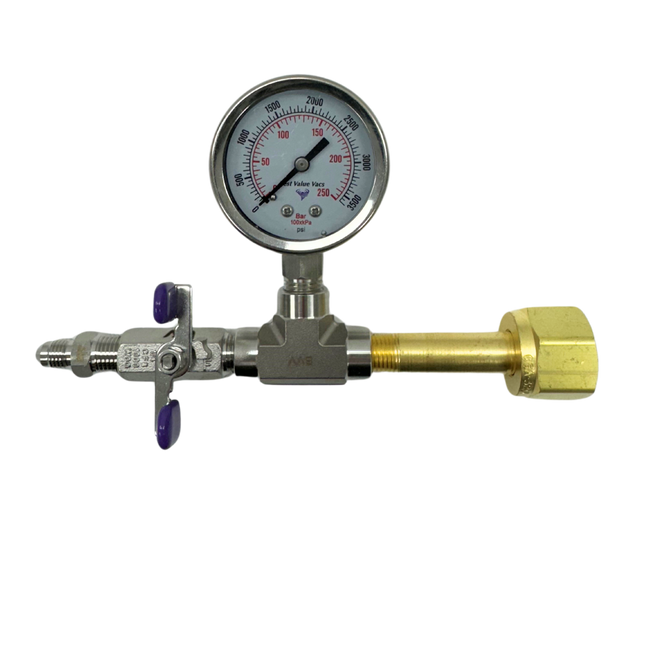
    This tank regulator will control the rate of fluid or gas flow using a butterfly valve.  Our BVV butterfly valve is rated to 1000 psi, and is made of 304 stainless steel and features a PTFE valve seat making it compatible with CO2.  The output will connect to a 1/2" JIC flare hose (seen here BVV JIC 1/4" Hose). 

    $125.00

  • Media Bros CR41™ Media Bros CR41™

    Media Bros Media Bros CR41™

    CR41™ FILTER MEDIA FOR BHO EXTRACTION CR41 is a perfect blend of our Zeolites and GCRAC, best suited for older oxidized biomass lots and light pesticide/environmental contaminants. PH 7 Description CR41™ is a pH-neutral, fast-flowing, high-performing, multipurpose blend. It helps refine color, remove pesticides, and purify your product. It is blended, prepared, and ready for inline CRC applications. Packaged in: 1.5 kg pouch, 10 kg bucket, and 100 kg drum FDA GRAS Approved 100% Natural       TECHNICAL SPECS Solvent Type Hydrocarbon Color Remediation Level Heavy/High Pesticide Remediation Level Medium Selectivity/Polarity Level Moderately Selective/Medium Polarity Heavy Metal Remediation Yes Moisture Remediation Level Low Fats/Lipids/Waxes Level Medium Crystal Growth Fast Depth Filtration No Flow Rate High Flow pH Level Neutral (pH 7) Best For Older Biomass, Low Quality Suitable for Reruns Yes Distillation Clean-up High Scrub  

    $55.00 - $2,500.00

  • Therminol 66 High Temperature Heat Transfer Fluid (650°F) Therminol 66 High Temperature Heat Transfer Fluid (650°F)

    Therminol 66 High Temperature Heat Transfer Fluid (650°F)

    Therminol 66 is the world’s most popular high-temperature, liquid-phase heat transfer fluid. Therminol 66 is pumpable at low temperatures, and offers high temperature thermal stability. Performance Benefits Experience—Therminol 66 is the most popular high-temperature, liquid-phase heat transfer fluid in the world. No heat transfer fluid material in the world has a higher degree of customer satisfaction than Therminol 66. Proven Fluid—In a wide variety of applications and thousands of systems around the world, Therminol 66 delivers excellent performance. True 650° F (345° C) Performance—Therminol 66 sets the performance standard for high-temperature, liquid-phase fluids. Users can expect many years of reliable, trouble-free operation even when operating continuously at the recommended bulk temperature. Fouling Resistant—Therminol 66 is specifically engineered to resist solids formation and system fouling, providing more reliable operation and potential cost savings. Therminol 66 Sample Certificate of Analysis COA Therminol 66 Safety Data Sheet SDSTherminol 66 Technical Data Sheet TDS

    $240.00 - $8,900.00

  • Inland 56 Vacuum Pump Oil (LVO 200) Inland 56 Vacuum Pump Oil (LVO 200)

    Inland Vacuum Inland 56 Vacuum Pump Oil (LVO 200)

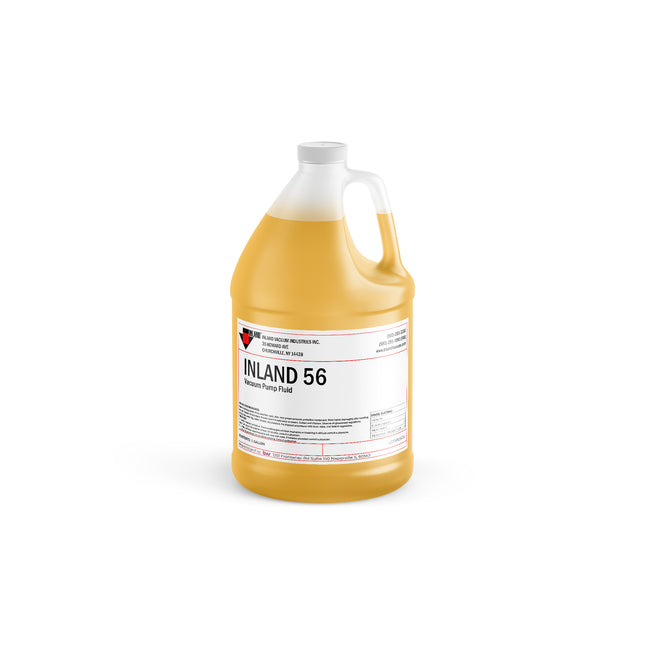
    Inland 56 Vacuum Pump Oil The Inland 56 is an equivalent to the Leybold LVO 200 oil. This oil can be used in pumps specifically designed for pumps that use the Leybold LVO 200 oil. Inland 56 Vacuum Pump Oil Safety Data Sheet SDS

    $23.00 - $3,815.00

  • CHEMTEK ChloroSorb Neutral

    ChemTek CHEMTEK ChloroSorb Neutral

    CHEMTEK ChloroSorb Neutral ChloroSorb Neutral is an acid-activated bentonite/carbon adsorbent that has been neutralized to a neutral pH of 7. General uses are bleaching, deodorizing, or heavy metal removal. ChloroSorb Neutral SDS 

    $50.00 - $2,250.00

  • Julabo C5 Thermal Bath Fluid - 10 Liters

    Julabo Julabo C5 Thermal Bath Fluid - 10 Liters

    Julabo C5 Thermal Bath Fluid JULABO Thermal bath fluids are ideally suited for all of your temperature control applications and guarantee safe and reliable operation. Choosing the proper bath fluid is critical for best results in temperature control. Viscosity, oxidation characteristics and heat transfer of Thermal fluids are specifically matched with each JULABO temperature control unit. C5 Thermal Bath Fluid SDS C5 Thermal Bath Fluid Product Data Sheet JULABO Thermal bath fluids have been carefully selected and are optimized for maximum performance with JULABO instruments. Benefits Low toxicity Low viscosity High stability Minimum odor Good heat conductivity Low corrosion tendency Wide temperature ranges Technical Data Order no. 10 liters 8891402 Working temperature (°C) -60...+110 Flash point (°C) > +135 Fire point (°C) > +443 Viscosity (kinematic at 20 °C in mm²/s) 5 Density (at 20 °C in g/cm³) 0.918 Pour point (°C) -100 Boiling point (°C) >205 Ignition temperature (°C) 443 Color clear

    $2,114.00

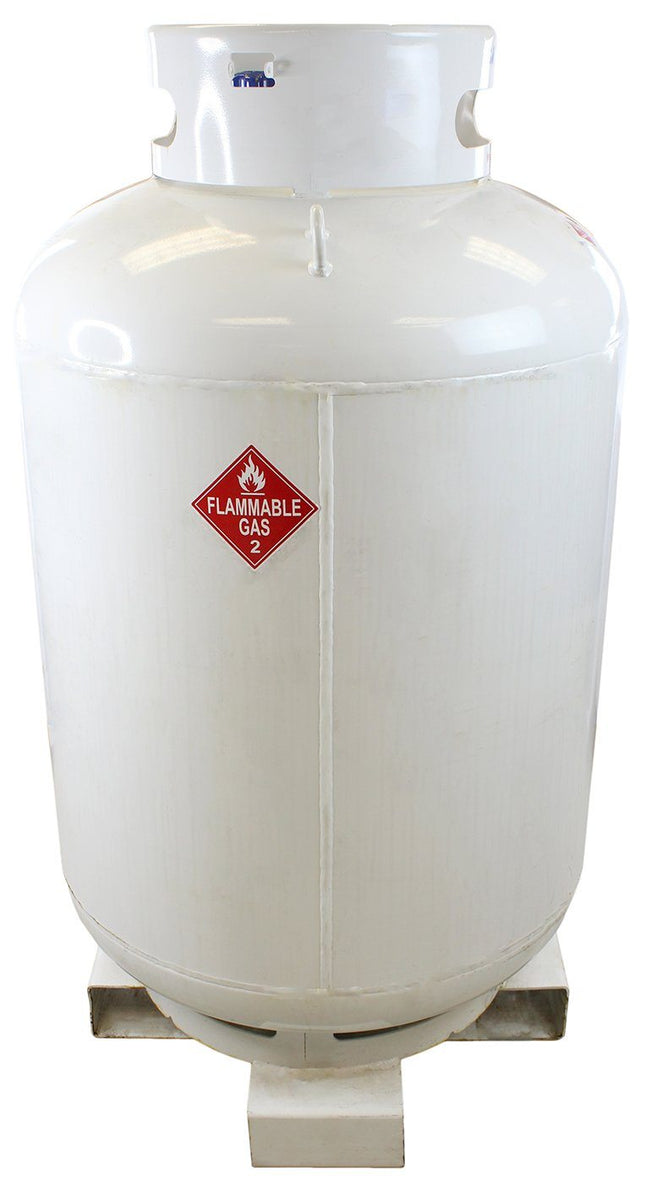
  • Half Ton - High Purity USA Propane - 99.5% Guaranteed

    Half Ton - High Purity USA Propane - 99.5% Guaranteed

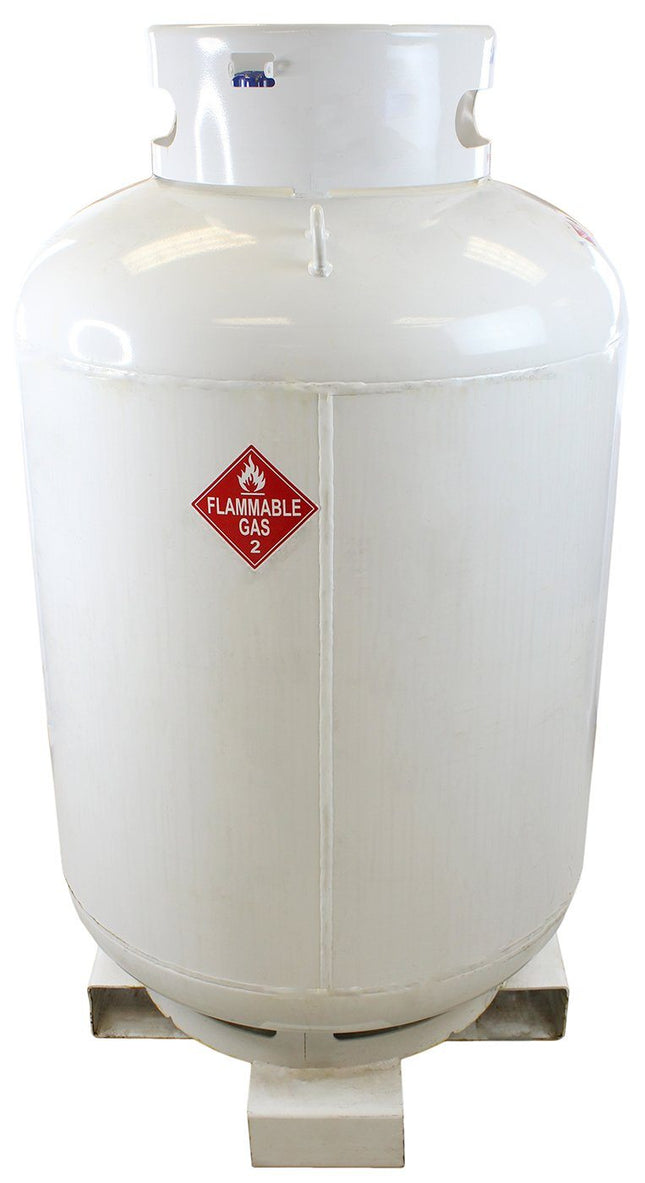
    Half Ton Liquid Withdraw Tank High Purity USA PROPANE R290 This solvent is instrument-grade and helps produce a higher quality extract through the reduction of mystery oils and contaminants. This solvent is clean, odorless, and colorless, meaning there are zero hydrogen sulfide-based Ethyl Mercaptan odorants. It’ll arrive in a DOT refillable LP tank. KEY BENEFITS: Free of any hydrogen Sulphide based Ethyl Mercaptan Odorants. This product is clean, colorless, and odorless. Tank has a diptube liquid withdraw. Sourced and Refined in USA.  Actual Isobutane liquid weight is 420LB DISCLAIMER(S): This unit is intended for LEGAL purposes only, to be used in accordance with local laws and ordinances. Use only in WELL VENTILATED AREAS! Notice: This item will ship via Ground Freight ONLY. BVV™ always recommends distillation of every solvent before use. Tank does not include CGA 510 fitting. Must be added through dropdown or bought separately. Actual liquid weight is 420LB California now prohibits the retail sale of any Non-Odorized butane in quantities larger than 150ml. If you are not a retail purchaser, you can call in to place an order. Permitted Sales Include the Following:  Persons licensed to perform volatile solvent extraction activity under CA Bus & Prof Code Division 10 Manufacturers, wholesalers, resellers, or retailers solely for resale. ***Shipping Notes:  Due to FAA regulations, solvent tanks cannot be safely transported via means other than ground freight. Any order that has solvent will not be shipped in an expedited fashion. If an order with solvent is combined with any other items and chosen to be expedited, that entire order will ship via UPS Ground Freight. We will not split up any orders and ship them separately. If a customer is wanting to expedite specific items and order solvent, 2 separate orders (1 for the solvent and 1 for the expedited items) will need to be placed in order to do so. Solvents do not ship to Hawaii, Puerto Rico, or any other US Territory outside of the contiguous 48 States. Shipping Solvent to Alaska may ONLY ship via freight and will be required to travel through Canada. We have this policy in place to ensure safety when transporting solvents, and to prevent any issue with shipping times for our customers. Typical Lot Analysis: Propane: 99.5% + Methane: <1ppm Ethane: 3ppm Isobutane: 2380ppm n-Butane: 251ppm Propylene: <5ppm Isopentane: <1ppm Water: <3ppm Sulfer: <1ppm Chemical Formula: C3H8 Molecular Weight: 44.10 g/mol CAS Registry Number: 74‐98‐6 Appearance Colorless Odor: Gasoline  Density 0.116 Boiling Point: ‐40 F Solubility in water: Slightly Soluble GHS Pictograms: GHS Signal Word: Danger GHS Hazard Statements: H220 GHS Precautionary Statements P203, P210, P222, P280, P377, P381, and P403 UN Identification Number: 1075 Proper Shipping Name: Petroleum Gases, liquefied Transport Hazard Class: 2.1 Packing Group: None DOT Placard: Propane Certificate of Analysis (COA) Propane Safety Data Sheet (SDS)

    $3,100.00

  • Acidic Activated Alumina Powder Acidic Activated Alumina Powder

    Acidic Activated Alumina Powder

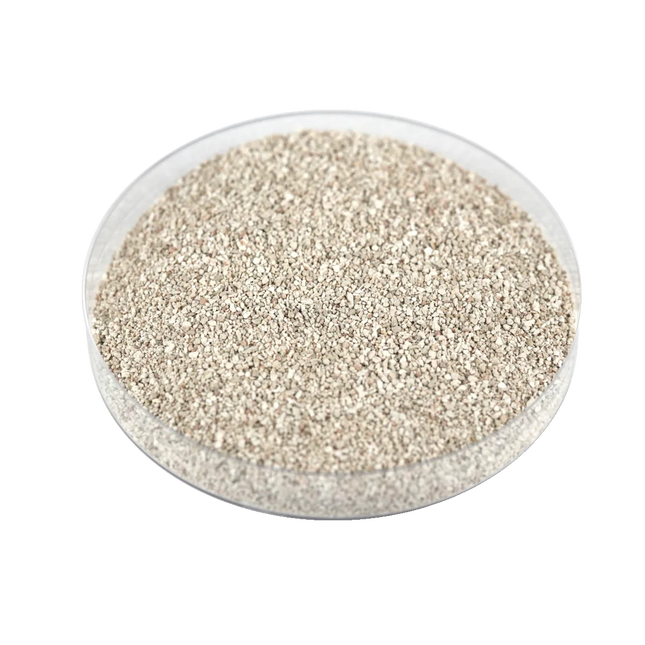
    Acidic Activated Alumina pH: 4.3 | 50-200 Micron *Compare to Alumicel™ A This activated alumina is a low pH adsorbent used to remove excess moisture from your extraction and CRC process.  The addition of this media is used as the last layer in the typical BVV™ CRC setups.  This grabs any excess moisture from the previous CRC layers and the Biomass.  The activated alumina will produce a sugary finish almost immediately after you start your purge.  This rapid crystallization is because the process has stripped out additional phospholipoids and fats.  Chromatographic Grade Activated Alumina Acidic Powder Sample Certificate of Analysis (COA Example) Activated Alumina Acidic Powder Safety Data Sheet SDS

    $26.00 - $1,020.00

  • Media Bros -CRY+ FILTER MEDIA

    Media Bros Media Bros -CRY+ FILTER MEDIA

    Media Bros -CRY+ FILTER MEDIA CRY+ is our largest granule size. With a mesh size of 16-x30, this media allows operators to run high-flow processes while maintaining a consistent quality output.                                       DESCRIPTION: CRY+™ Filtration Media: High-Flow, High-Efficiency Filtration  CRY+™ is our premium filtration media, designed with a larger granule size (16-30 mesh) to deliver unmatched flow rates without compromising the quality of your extraction. Whether you're processing high volumes or working with challenging biomass, CRY+™ ensures consistent, effective results in every run. Engineered for operators who demand speed and precision, CRY+™ is ideal for high-flow processes where residence time and color remediation are key. With a recommended solvent ratio of 6:1 to 10:1 and the ability to operate at room temperature or below -10°C without clogging, CRY+™ offers flexibility and efficiency for modern extraction setups. Key Features: Larger Granule Size (16-30 mesh): Delivers faster flow rates while maintaining purification performance. Needle Valve Recommended: Fine-tune flow rates for optimal color correction, especially when processing dark or oxidized material. Temperature Resilience: Performs optimally at sub-zero temperatures without clogging. Technical Specs: Use a 4-6” diameter CRC column for best results. Recommended operating pressure: 20-45 psi. Media ratio: 200-300g per 1 lb of biomass. Available Exclusively Through Our Dealer NetworkFind a dealer near you to purchase CRY+™:  *A needle valve is recommended on the output (bottom) of the filtration column to properly fine-tune your flow rates. If you are processing dark or oxidized material, a tighter flow restriction will increase residence time, allowing for better color correction.   TECHNICAL SPECS   Solvent Type Hydrocarbon Color Remediation Level Moderately Heavy/High Pesticide Remediation Level Medium Selectivity/Polarity Level Moderately Selective/Medium Polarity Heavy Metal Remediation Yes Moisture Remediation Level Moderate Fats/Lipids/Waxes Level Medium Crystal Growth Fast Depth Filtration No Flow Rate High Flow pH Level Neutral (pH 7) Best For Fresh Frozen, Nugs, High Quality Suitable for Reruns Yes Distillation Clean-up Moderate Scrub   SDS

    $90.00 - $900.00

  • Carbon Chemistry Alumicel™ A Carbon Chemistry Alumicel™ A

    Carbon Chemistry LTD Carbon Chemistry ALX (Alumicel A)

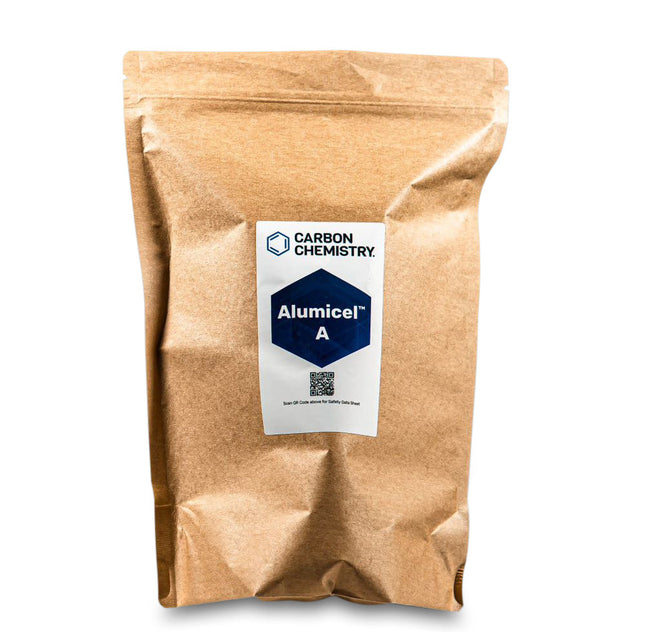
    Carbon Chemistry ALX (Alumicel A) An acidic powder media designed for powerful polar adsorption and separation processes. This finely-milled activated alumina provides superior removal of basic compounds and color bodies, making it ideal for precise purification and filtration applications. Its optimized acidic surface chemistry enhances control in separations of basic compounds and targeted impurity removal. Acidic; pH 4.7 Used for Chromatography Commonly used as an aid for decolorizing  

    $350.00 - $1,080.00

  • CHEMTEK ChloroSorb Acidic

    ChemTek CHEMTEK ChloroSorb Acidic

    ChloroSorb Filtering Media is an acid-activated bentonite/carbon blend for bleaching and deodorization. It is generally used for additional bleaching efficiency in conjunction with other sorbents. Contains 5% carbon. ChloroSorb SDS

    $50.00 - $2,000.00

  • Julabo Thermal C10

    Julabo Julabo Thermal C10

    Julabo Thermal C10  JULABO Thermal bath fluids are ideally suited for all of your temperature control applications and guarantee safe and reliable operation. Choosing the proper bath fluid is critical for the best temperature control results. Viscosity, oxidation characteristics and heat transfer of Thermal fluids are matched specifically with each JULABO temperature control unit. JULABO Thermal bath fluids have been carefully selected and optimized for maximum performance with JULABO instruments.Thermal C10 is a clear 10 cSt silicone fluid rated for use in open bath JULABO units with a working temperature range of -20…+160 °C. Care should be taken to observe atmospheric moisture condensation in the bath fluid with prolonged sub-ambient operation in humid environments. Water and silicone fluids are not miscible. Operation at the maximum temperature for heating applications will result in vapor formation. Vapor formation at elevated temperatures is a normal occurance for silicone fluids. The upper temperature limit of the fluid is lower than the fluid flashpoint.

    $1,596.00 - $3,170.00

  • Huber SynOil M10.120.08, Heat transfer fluid -10 to 120°C

    Huber Huber SynOil M10.120.08, Heat transfer fluid -10 to 120°C

    Huber SynOil M10.120.08, Heat transfer fluid -10 to 120°C SynOil is a low viscosity Poly-alpha-olefin based fluid with a strongly enhanced low temperature characteristic. SynOil has excellent thermal stability as well as a very low tendency to evaporate. The fluid has a high viscosity index, which enables the product to flow, even at low temperatures, and not to build a disruptive film at high temperatures.   Safety Data Sheet    Advantages: High thermal stability Low evaporation rate Low tendency to evaporate Transparent, clear     Heat transfer fluid M10.120.08 Working temperature °C -10 to 120 Flash Point °C 145 Fire Point °C 176 Viscosity mm2/s (kinematic at 25 °C) 8 Density g/cm3 (at 20 °C) 0,8 Pour Point °C -66 Ignition temperature °C not specified Colour colourless, clear Thermal expansion coefficient 10-5/K not specified Heat conductivity W/(m·K) at 25 °C not specified Material incompatibility Natural Rubber®Silicone Rubber®

    $740.00 - $1,180.00

  • Half Ton - High Purity USA ISO-BUTANE - 99.5% Guaranteed

    Half Ton - High Purity USA ISO-BUTANE - 99.5% Guaranteed

    Half Ton Liquid Withdraw Tank High Purity USA ISO-BUTANE R600A - 99.5% Guaranteed This solvent is instrument-grade and helps produce a higher quality extract through the reduction of mystery oils and contaminants. This solvent is clean, odorless, and colorless, meaning there are zero hydrogen sulfide-based Ethyl Mercaptan odorants. It’ll arrive in a DOT refillable LP tank. KEY BENEFITS: Free of any hydrogen Sulphide based Ethyl Mercaptan Odorants. This product is clean, colorless, and odorless. Tank has a diptube liquid withdraw Sourced and Refined in USA.  Actual Isobutane liquid weight is 490LB DISCLAIMER(S): This unit is intended for LEGAL purposes only, to be used in accordance with local laws and ordinances. Use only in WELL VENTILATED AREAS! Notice: This item will ship via Ground Freight ONLY. BVV™ always recommends distillation of every solvent before use. Tank does not include CGA 510 fitting. Must be added through dropdown or bought separately. Actual liquid weight is 490LB California now prohibits the retail sale of any Non-Odorized butane in quantities larger than 150ml. If you are not a retail purchaser, you can call in to place an order. Permitted Sales Include the Following:  Persons licensed to perform volatile solvent extraction activity under CA Bus & Prof Code Division 10 Manufacturers, wholesalers, resellers, or retailers solely for resale Typical Analysis: ISO-Butane >99.8% Methane <1 ppm Ethane <1ppm N-Butane <2000 ppm Propane <250ppm Isopentane <2 ppm Water <3 ppm CO+CO2 <5ppm Oxygen <5 ppm Nitrogen <10 ppm Sulfur Non-Detected   ***Shipping Notes:  Due to FAA regulations, solvent tanks cannot be safely transported via means other than ground freight. Any order that has solvent will not be shipped in an expedited fashion. If an order with solvent is combined with any other items and chosen to be expedited, that entire order will ship via UPS Ground Freight. We will not split up any orders and ship them separately. If a customer is wanting to expedite specific items and order solvent, 2 separate orders (1 for the solvent and 1 for the expedited items) will need to be placed in order to do so. Solvents do not ship to Hawaii, Puerto Rico, or any other US Territory outside of the contiguous 48 States. Shipping Solvent to Alaska may ONLY ship via freight and will be required to travel through Canada. We have this policy in place to ensure safety when transporting solvents, and to prevent any issue with shipping times for our customers. Chemical Formula: C₄H₁₀ Molecular Weight: 58.12 g/mol CAS Registry Number: 75-28-5 Appearance Colorless Odor: Faint Petroleum Density 563 kg/m³ (or 0.563 g/mL) Boiling Point: 10°F (-12°C) Solubility in water: Low Solubility  GHS Pictograms: GHS Signal Word: Danger GHS Hazard Statements: H220 GHS Precautionary Statements P203, P210, P222, P280, P377, P381, and P403 UN Identification Number: 1969 Proper Shipping Name: Isobutane, liquefied Transport Hazard Class: 2.1 Packing Group: None DOT Placard: Isobutane Certificate of Analysis (COA) Isobutane Safety Data Sheet (SDS)

    $3,100.00

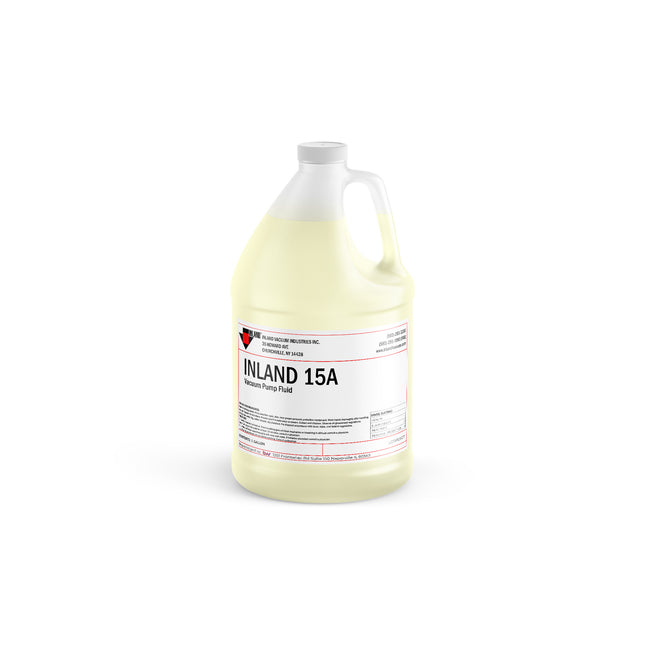
  • Inland 15A Vacuum Pump Oil Inland 15A Vacuum Pump Oil

    Inland Vacuum Inland 15A Vacuum Pump Oil

    Inland 15A Vacuum Pump Oil     Inland 15A Vacuum Pump Oil Safety Data Sheet SDS

    $15.00 - $1,395.00

  • Huber SilOil M90.055/170.03, Heat transfer fluid -90 to 170 °C

    Huber Huber SilOil M90.055/170.03, Heat transfer fluid -90 to 170 °C

    Huber SilOil M90.055/170.03, Heat transfer fluid -90 to 170 °C Low viscous, linear polydimethylsiloxane particularly suitable as environmentally friendly cold- and heat transfer media. SilOil M90.055/170.02 can be used in the range from -90 °C to 55 °C (for open systems) and to 170 °C in connection with externally sealed systems (for Unistats) SilOil M90.055/170.02 is characterised by a unique combination of low viscosity and a relatively high flash point. In contrast to competitive products, SilOil M90.055/170.02 oil is not classified as dangerous good and hazardous substance. It allows an economic use even at low temperatures due to its low viscosity. Since the SilOil M90.055/170.02 is based on polydimethylsiloxane this material is easily miscible with other media on the basis of polydimethylsiloxane. SilOil M90.055/170.02 oil is colorless, odorless and non-toxic.   Safety Data Sheet  Technical DataSheet      Heat transfer fluid M90.055/170.02 Working temperature °C -90 to 55/170 open/closed systems: -90°C…55°C Unistats (only closed): -90°C…170°C Material: silicon oil Viscosity at 25°C: 2 mm²/s Color colorless, clear Material incompatibility Silicone rubber

    $2,130.00 - $4,190.00

  • Carbon Chemistry ZeoClear L-Fine

    Carbon Chemistry LTD Carbon Chemistry ZeoClear L-Fine

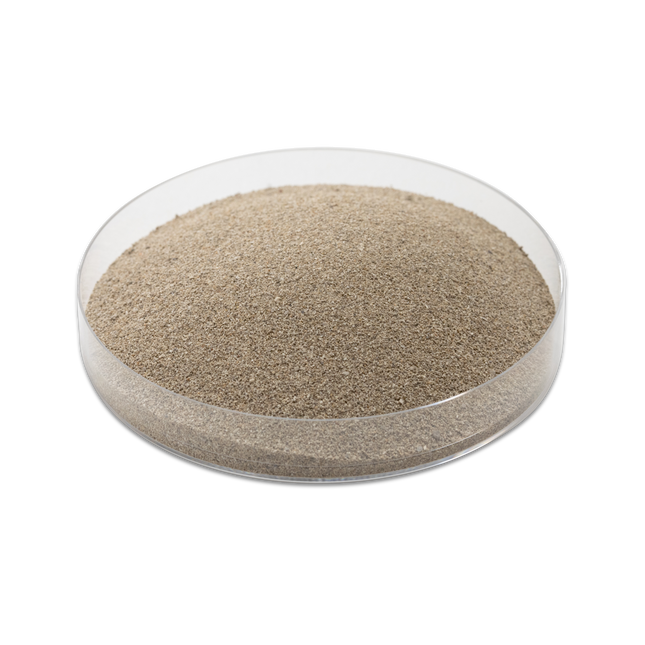
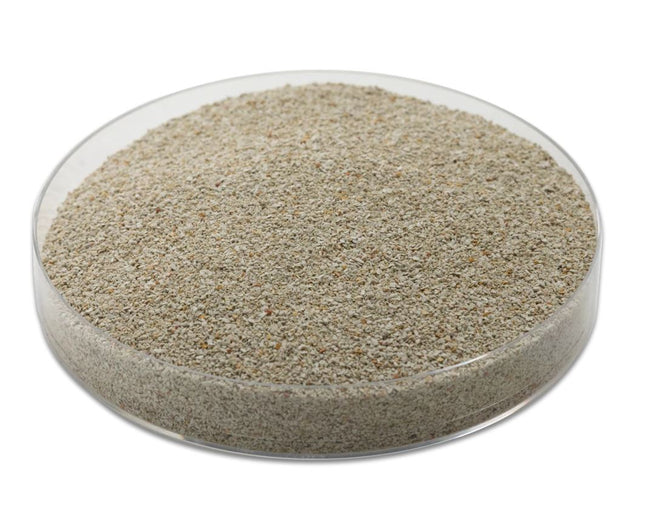
    Carbon Chemistry ZeoClear L-Fine   Ideal for general product improvement, ZeoClear L is a highly effective media for color remediation and contaminant adsorption. It is commonly used for in-line color remediation from non-polar hydrocarbon solutions such as extracts in butane or propane. ZeoClear L can be used alone or tuned for less aggressive adsorption by combining with ZeoClear Y. ZeoClear L is a durable, naturally occurring granular attapulgite that has been thermally activated at high temperature to increase the porous surface area of its granules. This calcined magnesium aluminum silicate is a clay medium with an approximate grain size of 0.25mm and a neutral pH of 6.7.  SDS

    $160.00 - $1,600.00

  • Duster Valve

    Duster Valve

    This duster valve fits our 14.6 Liter Argon Canister (Sold separately.)    

    $120.00

  • Media Bros G-CRAC Filter Media Media Bros G-CRAC Filter Media

    Media Bros Media Bros G-CRAC Filter Media

    GRANULAR COLOR REMEDIATION ACTIVATED CARBON (G-CRAC) FOR EXTRACTION This highly modified granular bituminous coal carbon is specifically engineered to tackle the heaviest environmental contaminants like pesticides, heavy metals, and other environmental factors; G-CRAC is unique in that it concentrates reactants via adsorption and then promotes their reaction on the surface of the pores. PH 7 DESCRIPTION Pssst, bro. If you are looking for a non-toxic, environmentally friendly, highly effective solution to remediate pesticides and heavy metals in biomass, check out G-CRAC. This breakthrough granular activated carbon solution is specifically designed to target and eliminate environmental contaminants in your concentrates and revive your bottom line. The standout feature of G-CRAC is its exceptional ability to remove smoke, pesticides, and heavy metals. It can also reanimate older biomass, giving new life to lower-quality yields. Lost all your profits because of environmental factors outside of your control? No, you didn't — because G-CRAC is here to save the day. Just add G-CRAC to your inline extraction process and let it do its thing. It will absorb those pesky environmental contaminants, leaving you with a product that is free of toxins and safe for consumption. Plus, G-CRAC won't disrupt the flavor or aroma of your extract: like its chunky cousin, CRAC, G-CRAC utilizes a double-activated, pH-neutral, granular blend. This unique feature allows efficient inline processing without compromising terpene retention or processing speed. This product doesn't just meet industry standards - it sets them. With G-CRAC, you can be confident that your concentrates are free from harmful contaminants, ensuring a pure, high-quality end product. Like all of Media Bros' premium filter media, G-CRAC is a food-grade, non-toxic, organic formulation. It is safe to use, environmentally friendly, and will not alter the chemical composition of your concentrates. Packaged in: 1.5 kg pouch, 10 kg bucket, and 100 kg drum NSF Certified TECHNICAL SPECS   Solvent Type Hydrocarbon + Ethanol Color Remediation Level Heavy/High Pesticide Remediation Level High Selectivity/Polarity Level Moderately Selective/Medium Polarity Heavy Metal Remediation Yes Moisture Remediation Level Low Fats/Lipids/Waxes Level Medium Crystal Growth Fast Depth Filtration No Flow Rate High Flow pH Level Neutral (pH 7) Best For Older Biomass, Low Quality Suitable for Reruns Yes Distillation Clean-up High Scrub

    $75.00 - $3,600.00

  • CHEMTEK ChloroSorb Natural

    ChemTek CHEMTEK ChloroSorb Natural

    ChloroSorb Natural Filtering Media is a heat-activated bentonite/carbon adsorbent for bleaching and deodorization. Contains 10% carbon. ChloroSorb Natural SDS 

    $50.00 - $2,000.00

  • 190 Proof Organic Wheat Alcohol - Food Grade - Excise Tax Included 190 Proof Organic Wheat Alcohol - Food Grade - Excise Tax Included

    190 Proof Organic Wheat Alcohol - Food Grade - Excise Tax Included

    190 Proof Organic Wheat Alcohol Food Grade - Neutral - Made in Italy Wheat alcohol is the most natural grain spirit, it serves as a blank canvas for any creation.  This alcohol is certified organic from the crop and the material handler ensuring quality assurance and can be verified by the Organic Integrity Database through the USDA. This 95% neutral grain ethanol wheat origin, conforms to EU Regulation 2018/848 190 Proof Organic Wheat Alcohol Safety Data Sheet (SDS) 190 Proof Organic Wheat Alcohol Certificate of Analysis (Example COA)

    $32.00 - $8,000.00


You have seen 192 out of 209 products

High Purity Solvents, Ultra Refined Gases, Premium Filter Media

Our Chemicals collection features only the highest-grade materials for your processing and extraction needs. Choose from a wide range of high purity solvents formulated specifically for botanical extraction, ensuring clean, repeatable results. Our ultra refined gases, including high-purity butane and propane, meet stringent purity standards for safe, compliant processing.

To refine your extracts further, we offer premium filter media designed to enhance clarity, remove impurities, and fine-tune the final product. We're your trusted source for the essential supplies that keep your lab running clean, efficient, and compliant.

Chemical Solvents and Filtration Media FAQ:

What types of chemicals does BVV carry for extraction and processing?

BVV stocks a full range of high-purity chemicals built for extraction, laboratory, and industrial processing. Our catalog spans laboratory solvents and alcohols, specialty hydrocarbon blends, compressed and inert gases, filtration and adsorbent media, plus process acids, bases, and performance additives, all sourced for consistent purity and repeatable results.

Which solvents are best for botanical extraction?

The right solvent depends on your process. Ethanol (including USP ethyl alcohol and denatured blends such as CDA-12 with n-heptane) is the standard for cold ethanol and tincture-style extraction, while n-heptane and proprietary blends like BVV™ 710 are used for winterization, washing, and crystallization. Each solvent is offered in high-purity grades with documentation so you can match it to your equipment and target output.

What is the difference between hydrocarbon extraction and ethanol extraction solvents?

Hydrocarbon extraction uses refined gases — primarily butane and propane — that run through a closed-loop system under pressure to pull resins efficiently at low temperatures. Ethanol extraction uses a liquid alcohol solvent, which is simpler to recover and food-friendly but typically requires winterization and additional filtration. Many processors keep both on hand and choose based on the input material and the finished product they're after.

What filtration and adsorbent media does BVV offer?

BVV carries one of the largest selections of filtration media in the industry, including Celite® 545 diatomaceous earth, Pure-Flo® bentonite clays, activated alumina, activated carbon, silica gel, molecular sieves, and ready-to-use prepackaged media cartridges. Each media targets a specific job (decolorizing, dewaxing, moisture control, or polar-compound removal) so you can build a filtration stack around your exact cleanup goals.

What is filtration media used for in extraction?

Filtration and adsorbent media clean, clarify, and stabilize extracts. Diatomaceous earth (Celite) acts as a filter aid that traps plant lipids and fines; bentonite clay and activated carbon decolorize and lighten dark extracts; activated alumina and molecular sieves remove water, acids, and polar impurities from hydrocarbons and solvents. Used together in a column or cartridge, they deliver clearer, more consistent finished product.

How do I choose the right filtration media?

Start with your problem. For dark color, reach for activated carbon or a carbon-and-bentonite blend; for lipids and waxes, use a diatomaceous earth filter aid; for moisture and polar contaminants in butane or ethanol, use activated alumina or molecular sieves. For an easier setup, prepackaged media cartridges combine these adsorbents in pre-measured ratios so you get repeatable filtration without weighing and packing media by hand.

What are refined gases used for, and what purity should I expect?

Refined gases such as instrument-grade butane and propane are the working solvents in closed-loop hydrocarbon extraction, while nitrogen and other inert gases are used to assist filtration, purge systems, and blanket sensitive materials. BVV sources ultra-refined, high-purity gases so you avoid the residual oils and contaminants found in lower-grade fuel-store products.

Are BVV chemicals laboratory or food grade?

Grades vary by product and are listed on each item. Many solvents are offered in USP and high-purity laboratory grades, and several filtration media, including Celite® 545, are Food Chemicals Codex grade and approved as processing aids in the food industry. Always confirm the specific grade on the product page and its accompanying documentation before purchase.

Do your chemicals come with a Certificate of Analysis (COA) and Safety Data Sheet (SDS)?

Yes. Product Data Sheets (PDS), Safety Data Sheets (SDS), and Certificates of Analysis (COA) are available for the chemicals and media in this collection, typically linked in the documents section of each product page. These records support compliance, quality control, and safe handling in your facility.

Are BVV chemicals made in the USA?

Many of BVV's filtration media and chemicals are USA-made and ship with certificates of analysis, including our activated alumina, Celite® 545 diatomaceous earth, and select carbon and clay media. Country of origin and certifications are noted on the individual product pages.

How should extraction solvents and chemicals be stored and handled?

Store flammable solvents and compressed gases in approved containers within a properly ventilated, temperature-controlled area away from ignition sources, and follow the handling and PPE guidance in each product's SDS. Fine powders such as diatomaceous earth should be handled with appropriate respiratory protection to avoid inhalation. When in doubt, defer to the SDS and your local fire and safety codes.

How are flammable solvents and compressed gases shipped?

Flammable solvents and compressed or refined gases are regulated hazmat and ship under DOT requirements, often via ground freight only, with quantity, packaging, and destination restrictions. Bulk media and large containers may also ship by freight and require a forklift or pallet jack for delivery. Shipping method and lead time are noted on the product page; freight items may carry additional handling time.

Who are these chemicals intended for?

This collection is intended for licensed processors, laboratories, and commercial operators who use solvents, gases, and media for legal botanical extraction, refinement, food processing, and analytical workflows. Products should be used by trained personnel in compliance with all applicable federal, state, and local regulations.

Login

Forgot your password?

Don't have an account yet?
Create account