
-
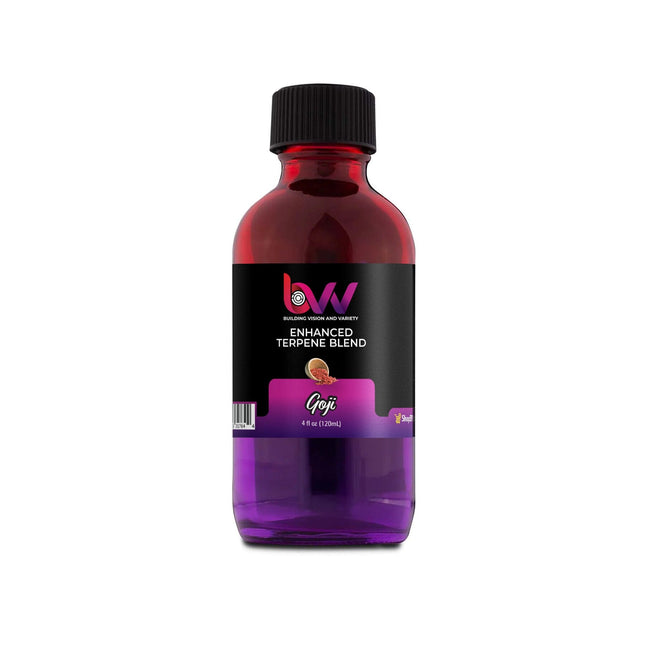

Terpenes Goji
BVV™ Terpenes Goji All sales are final. Orders can be refunded prior to fulfillment and shipping but once the order has been fulfilled and/or shipped, no refunds will be issued. Due to the hazardous nature of our product, we are unable to accept returns. BVV™ Terpenes are botanically derived terpenes enhanced with "nature-identical" artificial flavors. These flavors boost the natural flavor profile of the terpenes, providing the user with a more pleasant vaping experience. In order to provide complete transparency and elicit customer confidence, all ingredients are disclosed in the technical data sheet. Goji: Goji OG has a unique fruity aroma. It will not only have soothing effects, but will give an uplifted, energetic focus. This sweet, red berry, licorice scented strain is a cross of Snow Lotus and Nepali OG, creating a sativa-dominant hybrid. FRAGRANCE: Spicy, herbal, sweet, licorice EFFECT: Uplifting, happy, hungry, euphoric Storage Requirements: Keep in the original container, lid securely tightened and away from heat, open flames, sunlight, combustible materials, and hot surfaces. Store below 15℃ (60℉). Improper storage can cause terpenes to degrade. Dilution: Terpenes must be diluted prior to use for flavor and effect (1-5% by total volume). Terpenes are oil soluble and mix well with plant extracts, coconut oil, and more. Handle With Care: Can cause skin irritation, do not ingest PRIOR to dilution.
$7.70 - $115.50
-


Terpenes Durban Poison
BVV™ Terpenes Durban Poison All sales are final. Orders can be refunded prior to fulfillment and shipping but once the order has been fulfilled and/or shipped, no refunds will be issued. Due to the hazardous nature of our product, we are unable to accept returns. BVV™ Terpenes are botanically derived terpenes enhanced with "nature-identical" artificial flavors. These flavors boost the natural flavor profile of the terpenes, providing the user with a more pleasant vaping experience. In order to provide complete transparency and elicit customer confidence, all ingredients are disclosed in the technical data sheet. BVV™ Terpenes Durban Poison Durban Poison is a pure sativa known for its energy-giving, uplifting, creative effects. It has a sweet smell and a sweet, earthy, pine flavor. Fragrance Sweet, Sour, Earth, Pine, Citrus Effect Productive, Creative Energy, Focusing Strain Storage Requirements: Keep in the original container, lid securely tightened and away from heat, open flames, sunlight, combustible materials, and hot surfaces. Store below 15℃ (60℉). Improper storage can cause terpenes to degrade. Dilution: Terpenes must be diluted prior to use for flavor and effect (1-5% by total volume). Terpenes are oil soluble and mix well with plant extracts, coconut oil, and more. Handle With Care: Can cause skin irritation, do not ingest PRIOR to dilution.
$7.70 - $115.50
-


Terpenes Strawnana
BVV™ Terpenes Strawnana All sales are final. Orders can be refunded prior to fulfillment and shipping but once the order has been fulfilled and/or shipped, no refunds will be issued. Due to the hazardous nature of our product, we are unable to accept returns. BVV™ Terpenes are botanically derived terpenes enhanced with "nature-identical" artificial flavors. These flavors boost the natural flavor profile of the terpenes, providing the user with a more pleasant vaping experience. In order to provide complete transparency and elicit customer confidence, all ingredients are disclosed in the technical datasheet. Strawnana is a sweet berry strain is a hybrid crossing Banana Kush and Bubble Gum’s strawberry phenotype. Indica dominant, Strawnana delivers an uplifting, peaceful euphoria. Fragrance Strawberry, Sweet, Berry Effect Promotes Relaxation, Improves Sleep, Stress Relief, Mood Elevating Storage Requirements: Keep in the original container, lid securely tightened and away from heat, open flames, sunlight, combustible materials, and hot surfaces. Store below 15℃ (60℉). Improper storage can cause terpenes to degrade. Dilution: Terpenes must be diluted prior to use for flavor and effect (1-5% by total volume). Terpenes are oil soluble and mix well with plant extracts, coconut oil, and more. Handle With Care: Can cause skin irritation, do not ingest PRIOR to dilution.
$7.70 - $115.50
-
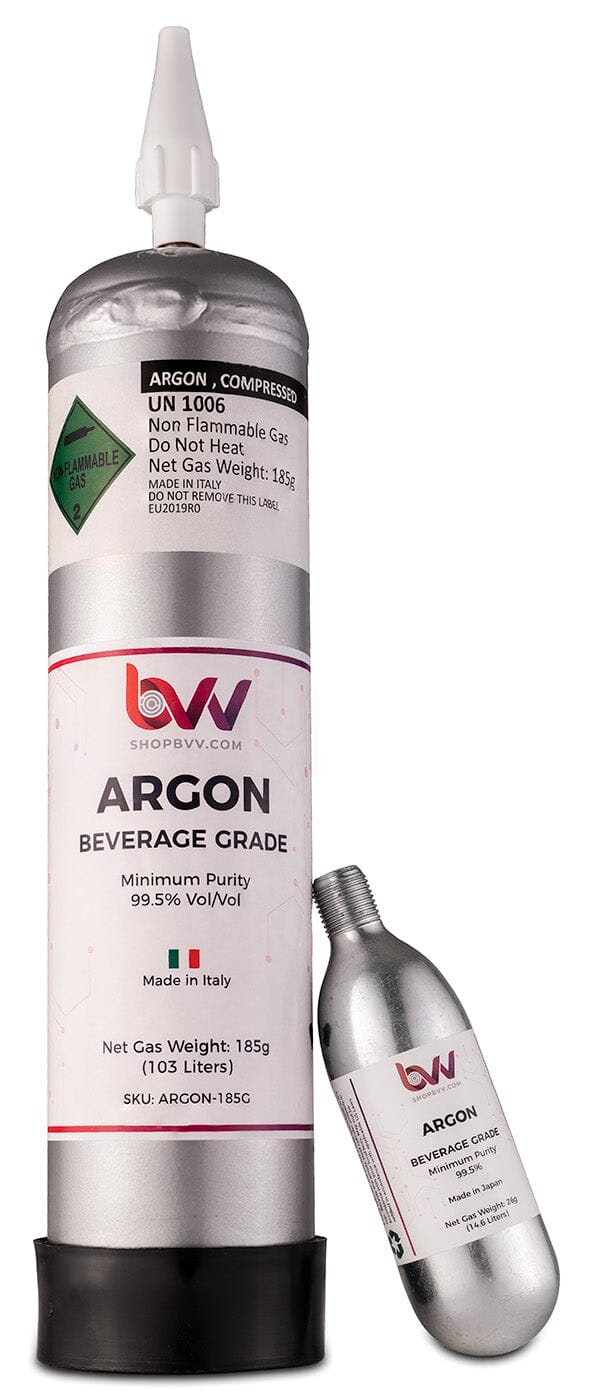

Argon Gas 99.5% - Pure gas for preserving terpenes in flowers and concentrates 103 Liters Tank Only 103 Liters Tank Only
Argon Gas Beverage Grade 99.5% Pure Made in Italy Our Pure Argon gas is for preserving terpenes and maximizing shelf life, for flowers and concentrates. The pure argon gas displaces air inside your storage containers, this eliminates oxygen, carbon dioxide and humidity to prevent oxidation of your terpenes and lengthens your shelf life. For the large tank of Argon the gas can be removed using our regulator or valve dispenser that attaches to the top of the tank. Directions: Using an empty container. Point nozzle toward the bottom of your container. Apply 2-seconds per every 4oz of container volume. Immediately fill container with desired material and securely close the lid. *Note Argon is heavier than air, Tank/Cartridge Pressure 1450 PSI Tank Volume of Argon Coverage Product Sku: 26g / 14.6 Liters / 3.8 Gallons ~6.3 lbs of flower ARGON-26G 185g / 103 Liters / 27 Gallons ~31.7 lbs of flower ARGON-130G Regulator Details 14.6 Liters/ with Duster Kit - Thumb touch control button w/ Lock, regulated to 40 PSI. Made in Japan. Thread: 5/8"-18 for use with the 26g Argon Cartridge. 3.5" long nozzle. (Duster Valve can be purchased separately.) 103 Liters/ with Regulator Kit - Adjustable via. needle valve, regulated to 80 PSI. Made in Italy. Thread: M11x1 (tank connection). Output: 1/4" Brass Barb, Includes 12" Tygon Tubing. Gauges read in BAR. 103 Liters/ with M11 Valve Dispenser Kit - Includes adjustable pushpin style valve dispenser. Output: 1/4" Brass Barb, Includes 12" Tygon Tubing. NO GAUGES *All single 130g argon tanks come with a plastic nozzle for general dispensing. If the regulator is beyond your budget you can attach a tube of your choice. Nozzle tip diameter 3/8" - Recommend choosing a 3/8" Inside Diameter tube or larger and cut to your desired length. *At end of use, completely empty the tank for recycling. What Is Argon? Argon is a chemical element with the symbol "Ar" and atomic number 18. It is a noble gas, which means it belongs to a group of inert and colorless gases that are chemically stable and relatively non-reactive under normal conditions. Argon is the third most abundant gas in the Earth's atmosphere, making up about 0.93% of the air we breathe. Despite its abundance, argon is mostly used in specialized industrial applications due to its inert and non-reactive properties. It is obtained as a byproduct of the production of liquid oxygen and liquid nitrogen through the fractional distillation of air. In its natural state, argon is odorless, tasteless, and colorless. What Is Argon Used For? Argon has a variety of practical and industrial uses due to its inert and non-reactive nature. Some of the key applications of argon include: Welding: Argon is commonly used as a shielding gas in welding processes, such as TIG (Tungsten Inert Gas) and MIG (Metal Inert Gas) welding. It helps prevent oxidation and ensures clean and strong welds. Laboratory Research: Argon is used as a carrier gas in gas chromatography and as an inert atmosphere in scientific laboratories to prevent reactions with sensitive materials. Electronics and Semiconductors: Argon is used in the production of semiconductors and other electronic components, providing a controlled environment for manufacturing processes. Preservation of Perishable Goods: In the food and beverage industry, argon is used to displace oxygen and extend the shelf life of perishable goods, such as wine, by preventing oxidation and spoilage. Medical Applications: Argon is employed in laser surgery and serves as a coolant for superconducting magnets in MRI (Magnetic Resonance Imaging) machines. Deep-Sea Diving: Argon-helium mixtures are used in deep-sea diving to reduce the effects of high pressure on the human body. Lighting: Although less common now, argon was used in incandescent light bulbs to prevent the filament from oxidizing. Metal Manufacturing: Argon is used in the production of metals like titanium and other reactive metals to create a controlled atmosphere. Heat Treating: In heat-treating processes, argon is used as a protective atmosphere to prevent oxidation and maintain the desired material properties. Window Insulation: Argon is sometimes used to fill the space between double or triple-pane windows to improve insulation and energy efficiency. Astronomy: Argon is used in some types of telescopes to create a stable and controlled environment for the detectors. These applications highlight the versatility of argon in various industries, where its inertness and non-reactivity play a crucial role in maintaining controlled and stable conditions for specific processes. How Does Argon Preserve Terpenes? Argon can be used to preserve terpenes through its inert and non-reactive properties. Terpenes are volatile organic compounds responsible for the aroma and flavor of various plants. When exposed to oxygen or other reactive gases, terpenes can degrade or oxidize, leading to a loss of their aromatic and flavor characteristics. By using argon as a protective gas, you can create an oxygen-free environment that prevents terpenes from coming into contact with reactive molecules. This helps to preserve the integrity of terpenes and maintain their original aroma and flavor profiles. When storing or handling terpene-rich products, such as essential oils or botanical extracts, introducing argon gas can help extend the shelf life and ensure that the product retains its desirable sensory attributes. Argon's inert nature means it does not chemically interact with the terpenes, preventing unwanted reactions that could lead to degradation. It forms a barrier between the terpenes and the surrounding air, effectively shielding them from oxygen and moisture, both of which can contribute to terpene degradation. Argon can be a valuable tool for terpene preservation during storage, Helping you preserve the unique terpene profiles of different strains making it crucial for maintaining product quality. How Does Argon Displace Oxygen? Argon displaces oxygen through a process called inert gas displacement or dilution. This occurs when argon, which is denser than air, is introduced into an enclosed space, pushing the lighter oxygen molecules upward and out of the area. As a result, the concentration of oxygen in the space decreases, creating an atmosphere that is less conducive to combustion and other chemical reactions. Here's how the displacement process works: Density Difference: Argon is significantly denser than air, which means it has a higher mass per unit volume. When argon is released into an enclosed space, it naturally sinks to the bottom, displacing the lighter gases like oxygen and nitrogen that make up the atmosphere. Mixing: As argon is introduced, it starts to mix with the existing air in the space. The heavier argon molecules tend to concentrate near the bottom, while the lighter oxygen molecules rise to the top. Oxygen Reduction: As argon continues to fill the space, the concentration of oxygen molecules decreases. Oxygen is gradually pushed upward and out of the area, leading to a lower oxygen content in the atmosphere. Inert Environment: The increasing presence of argon creates an inert environment where oxygen is less available to support oxidation. This is particularly useful in storing oxidizable compounds. It's important to note that while argon displaces oxygen, it does not chemically react with other gases or substances. Instead, it creates a physical barrier between oxygen and the materials that could ignite or react with it. This property makes argon a valuable tool in fire suppression systems, as well as in applications like food preservation, where a low-oxygen environment helps extend the shelf life of products. When working with argon, especially in confined spaces, proper safety measures should be followed to prevent oxygen depletion and ensure a safe working environment. How Do I Use Argon For Flower and Concentrate Storage? Using argon for flower and concentrate storage is a simple and effective method to help preserve the quality and freshness of your products. Follow these steps to properly use argon gas for storage: Prepare the Container: Start with a clean and empty container that is suitable for storing your flower or concentrate. Ensure that the container has a tight-fitting lid or cap to create a sealed environment. Position the Nozzle: Hold the argon gas canister with the nozzle pointing toward the bottom of the container. This helps ensure that the argon gas displaces any oxygen present in the container. Apply Argon Gas: Press the nozzle to release the argon gas into the container. The recommended dosage is approximately 2 seconds of spraying for every 4 ounces of container volume. This dosage helps create a protective layer of argon gas within the container. Fill the Container: Immediately after applying the argon gas, place your desired flower or concentrate into the container. The argon gas will create a blanket of protection over the material, minimizing its exposure to oxygen. Securely Close the Lid: Once the container is filled with the material, seal it tightly with the lid or cap. Make sure the container is properly closed to maintain the sealed environment. Store in a Cool, Dark Place: Store the sealed container in a cool, dark place to further protect the contents from light and heat. Proper storage conditions are essential for maintaining the quality and potency of your flower or concentrate. Using argon gas in this manner helps create an oxygen-free atmosphere within the container, reducing the risk of oxidation and degradation of your products. By minimizing oxygen exposure, you can extend the shelf life and preserve the flavors, aromas, and potency of your flower and concentrate. Remember to always follow safety precautions when handling argon gas, including proper ventilation and avoiding direct inhalation. Additionally, ensure that the argon gas canister is stored and used in accordance with manufacturer guidelines. How Can I Preserve Wine With Argon? Preserving wine with argon is a popular method to extend the shelf life of opened bottles and maintain the wine's freshness and flavor. Follow these steps to effectively use argon gas for wine preservation: Gather the Necessary Equipment: Argon gas canister with a preservation nozzle or wine preservation system An opened bottle of wine with a cork or closure Position the Nozzle: Insert the dispensing line or nozzel into the neck of the wine bottle. If using an argon gas canister with a preservation nozzle, insert the nozzle into the bottle's neck, ensuring a tight fit. If using a wine preservation system, follow the manufacturer's instructions for attaching the system to the bottle. Apply Argon Gas: Press the nozzle to release a short burst of argon gas into the bottle. The argon gas is heavier than air and will displace the oxygen present in the bottle, creating a protective layer on top of the wine. Recap or Recork: Immediately after applying the argon gas, recap the bottle with its original cork or closure. Make sure the closure is securely in place to maintain a seal. Store the Bottle: Store the wine bottle upright in a cool and dark place, away from direct sunlight and temperature fluctuations. Enjoy Over Time: When you're ready to enjoy the wine again, simply remove the closure and pour a glass. The argon gas layer will have helped protect the wine from oxidation, allowing you to savor the wine's original flavors and aromas. It's important to note that argon gas is denser than air, so it will naturally settle on top of the wine. This layer of argon forms a barrier between the wine and the oxygen, preventing oxidation and preserving the wine's quality. Using argon gas for wine preservation is a convenient and effective method to enjoy opened bottles of wine over an extended period. It's particularly useful for wines that are meant to be enjoyed gradually, as well as for special bottles that you want to savor over time without worrying about deterioration. Always follow the manufacturer's guidelines for using argon gas for wine preservation and handle the gas canister with care. Chemical Formula: Ar Molecular Weight: 39.9 g/mol CAS Registry Number: 7440-37-1 Appearance Colorless Odor: Odorless Density 0.103 lb/ft3 Boiling Point: N/A Solubility in water: N/A GHS Pictograms: GHS Signal Word: Warning GHS Hazard Statements: H280, H281 GHS Precautionary Statements P282, P336+P317, P403, and P410+P403 UN Identification Number: 1006 Proper Shipping Name: Argon, Compressed Transport Hazard Class: 2.2 Packing Group: None DOT Placard:
$16.50 - $167.00
-
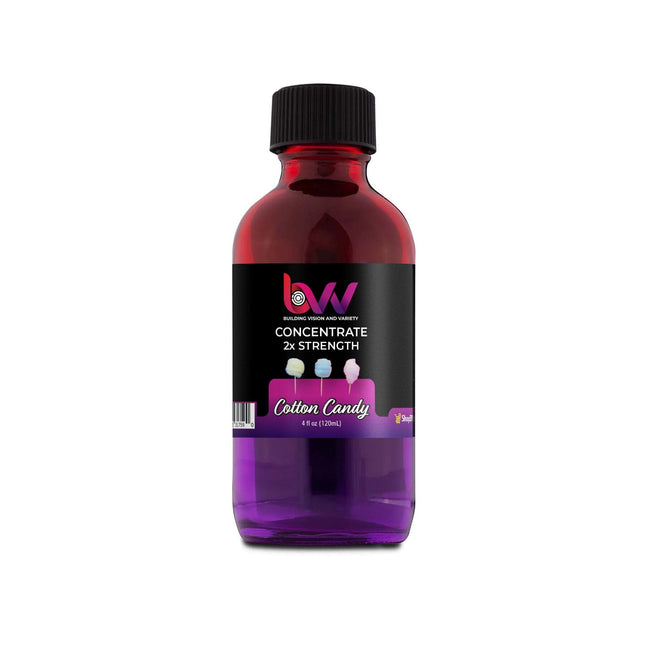

Cotton Candy
BVV™ Cotton Candy All sales are final. Orders can be refunded prior to fulfillment and shipping but once the order has been fulfilled and/or shipped, no refunds will be issued. Due to the hazardous nature of our product, we are unable to accept returns. BVV™ Concentrates are botanically derived terpenes enhanced with "nature-identical" artificial flavors. These flavors boost the natural flavor profile of the concentrate, providing the user with a more pleasant vaping experience. In order to provide complete transparency and elicit customer confidence, all ingredients are disclosed in the technical datasheet. Cotton Candy is truly a delight for the senses. It has a bright, sweet, sugary flavor that taste exactly like cotton candy. It has been known to make a person, calm, happy, and giggly. The Cotton Candy strain can also assist with alleviating anxiety and depression. FRAGRANCE: Sweet, fruity, and berry. EFFECT: Uplifting, euphoric, energetic accompanied by a soothing sensation. Storage Requirements: Keep in the original container, lid securely tightened and away from heat, open flames, sunlight, combustible materials, and hot surfaces. Store below 15℃ (60℉). Improper storage can cause terpenes to degrade. Dilution: Concentrates must be diluted prior to use for flavor and effect (1-3% by total volume). Concentrates are oil soluble and mix well with plant extracts, coconut oil, and more. Handle With Care: Can cause skin irritation, do not ingest PRIOR to dilution.
$7.70 - $115.50
-


Glass Vial Glass Dropper
Glass Vial Regular Glass Dropper These vials are made of glass with plastic lids for good compatibility with solvents and terpenes. *The 2ml, 15ml, and 30ml vial includes a dropper with .5ml increments.
$0.55 - $1.50
-


D-Limonene 94% Food Grade Natural Orange Oil
High Purity D-Limonene 94+% Food Grade BVV™'s High Purity D-Limonene is a naturally occurring terpene compound found mainly in the skin of plants and fruits, such as lemons and oranges. D-Limonene is commonly used as an amazing cleaning solvent that is eco-friendly, great-smelling, and excellent at cleaning stainless steel, scientific glassware, and ceramics. What is d-Limonene? D-Limonene is the major component of the oil extracted from the rinds of oranges. This compound is deemed as the most effective natural solvent and degreaser in science. Applications include grease, oil, tar, adhesives, tree sap, gum, crayon, wax, asphalt, graffiti, blood, grass, soap scum, scuff marks, stickers. In addition, d-Limonene is 100% natural, organic/no synthetic chemicals, non-toxic, FDA approved, biodegradable, and safe to use. Chemical Formula: C10H16 Molecular Weight: 136.238 g·mol−1 CAS Registry Number: 138-86-3 Appearance Colorless Liquid Odor: Orange Density 0.8411 g/cm3 Boiling Point: 176 °C / 349 °F Solubility in water: Insoluble GHS Pictograms: GHS Signal Word: Danger GHS Hazard Statements: H226, H304, H315, H317, H410 GHS Precautionary Statements P210, P233, P235, P240, P241, P242, P243, P261, P264, P272, P273, P280, P301+P330+P331, P302+P352, P303+P361+P353, P304+P340, P312, P333+P313, P362, P370+P378, P391, P403+P233, P405, P501 UN Identification Number: 2319 Proper Shipping Name: Terpene Hydrocarbons. N.O.S Transport Hazard Class: 3 Packing Group: III DOT Placard: PLEASE READ SAFETY WARNINGS ON CONTAINER Warning: Keep Away from heat, sparks, open flames, and hot surfaces. No smoking. Avoid release into the environment. Wear protective gloves, and use eye protection, IF swallowed: Immediately call a poison control center. If on skin: wash with plenty of soap and water. DO NOT induce vomiting. If skin irritation occurs: Seek Medical Advice. Dispose of contents and their containers in accordance with regional, national, and international regulations. Contact with eyes may cause redness.
$50.00 - $3,700.00
-


Methanol 99.9% Lab Grade
Methanol 99.9% Lab Grade BVV™ High Purity Lab Grade Methanol is used to remove and extract terpenes, tannins, alkaloids, glycosides, lignans, and terpinoids from plants. It is used to extract bio-active, phenolic and polar compounds from medicinal plants. Methanol is a high purity solvent used to manufacture botanical solutions and is easily evaporated. Methanol is used in research and testing laboratories for phytochemical study, phytochemical analysis and chemical synthesis. Methanol is used to prepare methanol/water/acetic acid mixtures. Chemical Formula: CH3OH Molecular Weight: 32.042 g·mol−1 CAS Registry Number: 67-56-1 Appearance Colorless Liquid Odor: Faint and similar to ethanol Density 0.792 g/cm3 Boiling Point: 64.7 °C /148.5 °F Solubility in water: Completely Soluble GHS Pictograms: GHS Signal Word: Danger GHS Hazard Statements: H225, H301, H302, H305, H311, H331, H370 GHS Precautionary Statements P210, P233, P235, P240, P241, P242, P243, P260, P264, P270, P271, P280, P301+P330+P331, P302+P352, P303+P361+P353, P304+P340, P305+P351+P338, P307+P311, P310, P311, P312, P337+P313, P361, P363, P370+P378, P403+P233, P405, P501 UN Identification Number: 1230 Proper Shipping Name: Methanol Transport Hazard Class: 3 Packing Group: II DOT Placard: What Is Methanol? Methanol, also known as methyl alcohol or wood alcohol, is a type of alcohol with the chemical formula CH3OH. It is the simplest alcohol, consisting of a methyl group (CH3) linked to a hydroxyl group (OH). Methanol is a colorless, flammable liquid with a slightly sweet odor. It is commonly used as an industrial solvent, antifreeze, fuel, and as a feedstock in the production of chemicals, plastics, and synthetic materials. Methanol can be synthesized from various sources, including natural gas, carbon monoxide, and biomass. It is considered a hazardous substance due to its toxicity when ingested, inhaled, or absorbed through the skin. Methanol is also used as an industrial and laboratory solvent and as a fuel in some types of racing cars and model engines. One important thing to note is that methanol is highly toxic when consumed, and even small amounts can be lethal. It should never be ingested, and safety precautions should be taken when handling this substance. What Is Methanol Used For? Methanol is used for a wide range of industrial, commercial, and laboratory applications. Some of its common uses include: Fuel: Methanol is used as an alternative fuel in some types of vehicles, particularly racing cars and model engines. It is also used in the production of biodiesel and as a fuel additive. Solvent: Methanol is a versatile solvent that can dissolve a variety of substances, making it useful in industries such as paint, varnish, and ink production. It is also used as a cleaning agent in laboratories and industrial settings. Antifreeze: Methanol is an essential component of some antifreeze formulations, where it helps prevent the freezing of engine coolant in cold temperatures. Chemical Intermediate: Methanol serves as a key building block in the production of various chemicals and materials, including formaldehyde, acetic acid, methyl methacrylate (used in plastics and coatings), and more. Fuel Cell Feedstock: Methanol can be used as a feedstock for the production of hydrogen, which can be used in fuel cells for electricity generation and other applications. Preservative: In the pharmaceutical and personal care industries, methanol is used as a preservative in some products. Denaturant: Methanol is added to industrial ethanol to make it unfit for consumption (denatured). This ensures that the ethanol cannot be used for drinking purposes and is used for industrial applications. Laboratory Reagent: Methanol is commonly used in laboratories as a reagent and solvent for various chemical experiments and analyses. Extraction: It is used in some extraction processes, such as the extraction of essential oils from plants. Energy Storage: Methanol is being explored as a potential energy carrier for energy storage and transportation, particularly in the form of methanol fuel cells. It's important to note that methanol is toxic to humans and should be handled with care. Ingesting or inhaling methanol vapors can be extremely dangerous and potentially fatal. Proper safety precautions and handling procedures are necessary when working with methanol. What Is The Structure of Methanol? Methanol, also known as methyl alcohol, has a simple chemical structure. Its molecular formula is CH3OH, which represents one carbon (C) atom, four hydrogen (H) atoms, and one oxygen (O) atom bonded together. Here's the structural formula of methanol: In this structure: The central carbon atom (C) is bonded to three hydrogen atoms (H) and one oxygen atom (O). The oxygen atom is bonded to the carbon atom through a single covalent bond (C-O). The remaining three hydrogen atoms are bonded to the carbon atom, completing its four covalent bonds. Methanol is a polar molecule due to the electronegativity difference between oxygen and hydrogen atoms, which results in a partial positive charge on the hydrogen atoms and a partial negative charge on the oxygen atom. This polarity gives methanol its unique chemical properties and makes it a versatile solvent in various applications. What are the Hazards of Methanol? Methanol, while commonly used in various industrial and laboratory applications, poses several hazards, primarily due to its toxic and flammable nature. Here are some of the hazards associated with methanol: Toxicity: Methanol is highly toxic to humans when ingested, inhaled, or absorbed through the skin. The toxic effects are primarily due to its metabolites, formaldehyde, and formic acid. Methanol poisoning can lead to symptoms such as headache, dizziness, nausea, vomiting, abdominal pain, and in severe cases, it can cause blindness, organ failure, and death. Flammability: Methanol is flammable and can form explosive mixtures in the air when its vapor concentration is within certain limits. It has a relatively low flashpoint, making it susceptible to ignition by heat, sparks, or open flames. Proper storage and handling precautions are essential to prevent fire hazards. Irritant: Methanol can be irritating to the eyes, skin, and respiratory tract. Contact with methanol vapor or liquid can lead to skin irritation, redness, and chemical burns. Inhaling methanol vapor can irritate the respiratory system and cause coughing and throat irritation. Environmental Impact: Methanol is harmful to the environment. Spills or releases of methanol can contaminate soil and water, posing a risk to aquatic life and ecosystems. It is important to handle and dispose of methanol responsibly to minimize its environmental impact. Incompatibility: Methanol should not be stored or transported in containers or systems that have previously held incompatible materials, as it can react with some substances and form hazardous compounds. Cumulative Exposure: Prolonged or repeated exposure to methanol vapor or mist over time can result in cumulative health effects, particularly on the central nervous system and the optic nerve. Ingestion Risk: Methanol has a sweet taste and is sometimes mistaken for ethanol (the alcohol found in alcoholic beverages). Accidental ingestion of methanol can occur, especially if it is stored in containers that are not clearly labeled. To safely handle methanol and mitigate these hazards, it is crucial to follow strict safety protocols, use appropriate personal protective equipment (PPE), store methanol in well-ventilated areas away from open flames, and provide proper training to personnel working with methanol. Emergency response plans and first-aid measures for methanol exposure should also be in place in case of accidents or spills. How Do I Use Methanol Safely? Using methanol safely is essential due to its toxic and flammable nature. Whether you're working with methanol in a laboratory, industrial setting, or other applications, here are some guidelines for safe handling: Personal Protective Equipment (PPE): Always wear appropriate PPE, including safety goggles, chemical-resistant gloves, a lab coat or chemical-resistant apron, and closed-toe shoes. Consider additional protective gear, such as a face shield, when handling large quantities or performing high-risk operations. Storage: Store methanol in well-ventilated areas away from heat sources, open flames, and direct sunlight. Use containers made of materials compatible with methanol, such as glass or approved plastic containers. Label containers clearly with the contents. Ensure proper labeling and hazard signage in storage areas. Handling: Handle methanol in a fume hood or well-ventilated workspace to minimize inhalation exposure. Do not use methanol near open flames, sparks, or heat sources. Avoid skin contact; wear gloves and lab coats to prevent skin exposure. Use a face shield or safety goggles to protect your eyes. Spill Response: Have spill kits and absorbent materials (e.g., spill pads, spill pillows) available for immediate use. In the event of a spill, ventilate the area, and contain the spill to prevent it from spreading. Wear appropriate PPE when cleaning up spills. Follow your workplace's spill response procedures and dispose of contaminated materials properly. Storage and Dispensing: Use safety containers designed for methanol when dispensing or transferring the liquid. Never use glassware or containers that have been used for other chemicals without thorough cleaning. Ensure proper grounding and bonding when transferring methanol to prevent static electricity buildup. Inhalation Exposure: Minimize inhalation exposure by working in a well-ventilated area or under a fume hood. If you suspect inhalation exposure, move to an area with fresh air and seek medical attention if symptoms persist. Ingestion Prevention: Do not eat, drink, or smoke in areas where methanol is handled. Avoid using containers or equipment that may be contaminated with methanol for food or beverage storage. Fire Safety: Methanol is flammable; keep it away from open flames, sparks, and heat sources. Use explosion-proof electrical equipment in areas where methanol vapors may be present. Emergency Response: Familiarize yourself with the location of safety showers, eyewash stations, fire extinguishers, and emergency exits. Know the location of first-aid supplies and procedures for methanol exposure. Training and Education: Ensure that personnel handling methanol are properly trained in its safe handling, storage, and emergency response procedures. Waste Disposal: Dispose of methanol waste in accordance with local, state, and federal regulations for hazardous waste disposal. Always follow your workplace's safety protocols and consult with safety officers or supervisors for specific safety procedures related to methanol handling in your environment. Regular safety training and awareness are essential to prevent accidents and protect your health when working with methanol.
$18.00 - $2,175.00
-
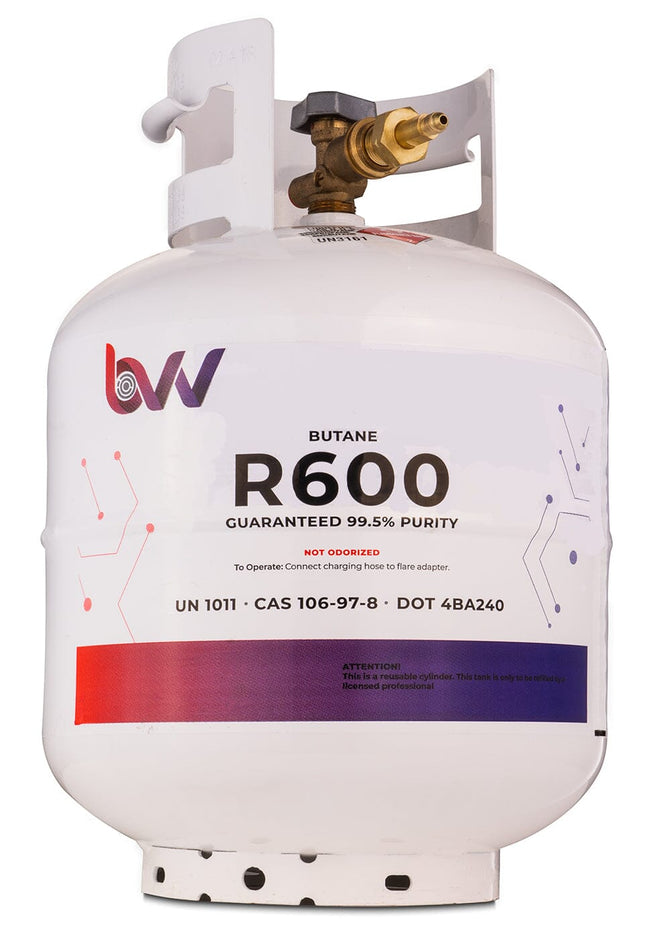

20LB High Purity USA N-Butane R600 - 99.5% Guaranteed
20LB High Purity USA N-Butane R600 for Extraction This solvent is instrument-grade and helps produce a higher quality extract through the reduction of mystery oils and contaminants. This N-Butane is colorless, odorless, and clean. Butane is commonly used for butane extractions which occurs in a closed-loop extraction system. Given that butane has a boiling point of 30.2F, it can easily be re-condensed without the use of extreme temperatures. This makes butane the solvent of choice for passive recovery. Butane tends to yield a more stable extract, as polar terpenes are left behind. Another benefit to butane for extraction is that Hydrocarbon extraction is often used in large production. Large amounts of material can be extracted at once, and because these solvents have such low boiling points, they can be distilled from the extract quickly, and without using high temperatures can degrade the product. These solvents are used for full plant extracts, and post-processing can yield various consistencies. This makes butane extraction a preferable method. KEY BENEFITS: Free of any hydrogen Sulphide based Ethyl Mercaptan Odorants. This product is clean, colorless, and odorless. Tank contains no diptube. Sourced and Refined in USA. Actual Butane liquid weight is 20LB DISCLAIMER(S): This unit is intended for LEGAL purposes only, to be used in accordance with local laws and ordinances. Use only in WELL VENTILATED AREAS! Notice: This item will ship via Ground ONLY. BVV™ always recommends distillation of every solvent before use. Tank does not include CGA 510 fitting. Must be added through dropdown or bought separately. Actual liquid weight is 20LB California now prohibits the retail sale of any Non-Odorized butane in quantities larger than 150ml. If you are not a retail purchaser, you can call in to place an order. Permitted Sales Include the Following: Persons licensed to perform volatile solvent extraction activity under CA Bus & Prof Code Division 10 Manufacturers, wholesalers, resellers, or retailers solely for resale Sourced right here in the USA, this high-quality butane is guaranteed to be 99.5% pure. This is a solvent that is instrument-grade and helps produce a higher quality extract through the reduction of mystery oils and contaminants. This butane is clean, colorless, odorless, and free of any hydrogen sulfide-based ethyl mercaptan odorants. Because of this, a finer, higher quality extract is consistently available to our customers. ***Shipping Notes: Due to FAA regulations, solvent tanks cannot be safely transported via means other than ground. Any order that has solvent will not be shipped in an expedited fashion. If an order with solvent is combined with any other items and chosen to be expedited, that entire order will ship via UPS Ground. We will not split up any orders and ship them separately. If a customer is wanting to expedite specific items and order solvent, 2 separate orders (1 for the solvent and 1 for the expedited items) will need to be placed in order to do so. Solvents do not ship to Hawaii, Puerto Rico, or any other US Territory outside of the contiguous 48 States. Shipping Solvent to Alaska may ONLY ship via freight and will be required to travel through Canada. We have this policy in place to ensure safety when transporting solvents, and to prevent any issue with shipping times for our customers. Chemical Formula: C₄H₁₀ Molecular Weight: 58.12 g/mol CAS Registry Number: 106-97-8 Appearance Colorless Odor: Faint Petroleum Density 2.6 kg/m³ (or 2.6 g/L) Boiling Point: 30.2 F (-1C) Solubility in water: Low Solubility GHS Pictograms: GHS Signal Word: Danger GHS Hazard Statements: H220 GHS Precautionary Statements P203, P210, P222, P280, P377, P381, and P403 UN Identification Number: 1011 Proper Shipping Name: Butane, liquefied Transport Hazard Class: 2.1 Packing Group: None DOT Placard:
$290.00 - $305.00
-

ChemTek ChemTek 3" Sweating Baskets
ChemTek 3" Sweating Baskets Sweat the terpene sauce off of your crystalized compounds or dry out sugars. Specifications: 25 Micron 304 Stainless Steel H: 6” W: 3 1/4”
$15.00 - $50.00
-
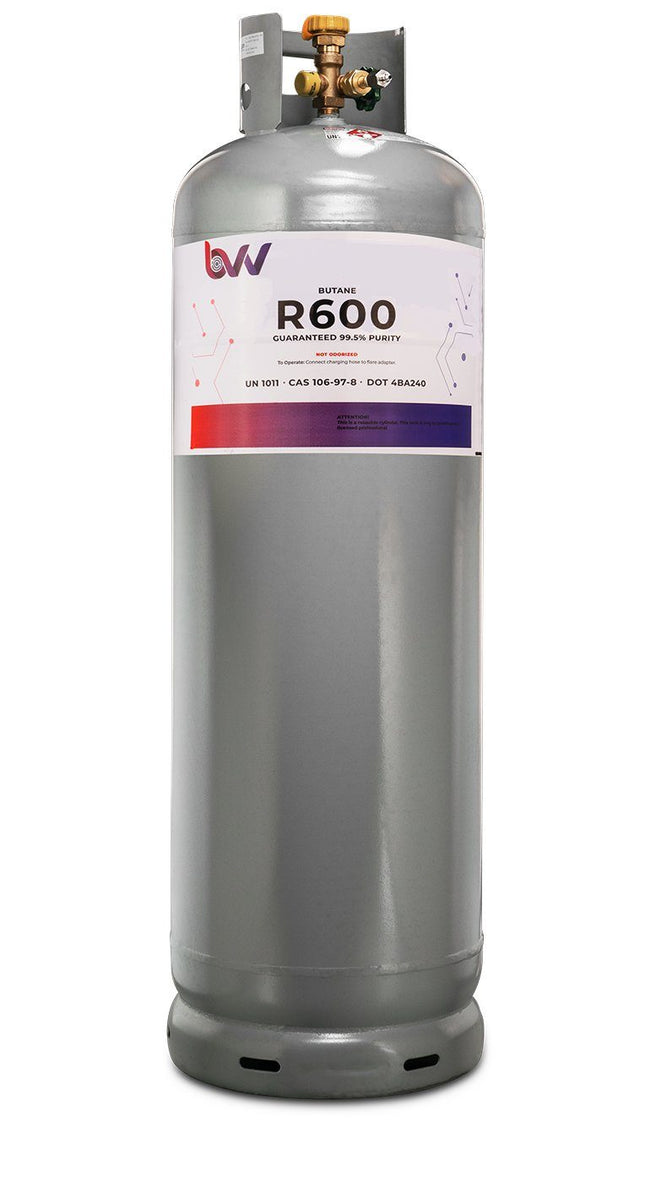

120LB DIPTUBE Tank High Purity USA N-BUTANE R600 - 99.5% Guaranteed
120LB DIPTUBE Tank High Purity USA N-BUTANE R600 - 99.5% Guaranteed This solvent is instrument-grade and helps produce a higher quality extract through the reduction of mystery oils and contaminants. This N-Butane is colorless, odorless, and clean. Butane is commonly used for butane extractions which occurs in a closed-loop extraction system. Given that butane has a boiling point of 30.2F, it can easily be re-condensed without the use of extreme temperatures. This makes butane the solvent of choice for passive recovery. Butane tends to yield a more stable extract, as polar terpenes are left behind. Another benefit to butane for extraction is that Hydrocarbon extraction is often used in large production. Large amounts of material can be extracted at once, and because these solvents have such low boiling points, they can be distilled from the extract quickly, and without using high temperatures can degrade the product. These solvents are used for full plant extracts, and post-processing can yield various consistencies. This makes butane extraction a preferable method. KEY BENEFITS: Free of any hydrogen Sulphide based Ethyl Mercaptan Odorants. This product is clean, colorless, and odorless. Tank has a diptube liquid withdraw. Sourced and Refined in USA. Actual Butane liquid weight is 120LB DISCLAIMER(S): This unit is intended for LEGAL purposes only, to be used in accordance with local laws and ordinances. Use only in WELL VENTILATED AREAS! Notice: This item will ship via Ground Freight ONLY. BVV™ always recommends distillation of every solvent before use. Tank does not include CGA 555 fitting. Must be added through dropdown or bought separately. Actual liquid weight is 120LB California now prohibits the retail sale of any Non-Odorized butane in quantities larger than 150ml. If you are not a retail purchaser, you can call in to place an order. Permitted Sales Include the Following: Persons licensed to perform volatile solvent extraction activity under CA Bus & Prof Code Division 10 Manufacturers, wholesalers, resellers, or retailers solely for resale Sourced right here in the USA, this high-quality butane is guaranteed to be 99.5% pure. This is a solvent that is instrument-grade and helps produce a higher quality extract through the reduction of mystery oils and contaminants. This butane is clean, colorless, odorless, and free of any hydrogen sulfide-based ethyl mercaptan odorants. Because of this, a finer, higher quality extract is consistently available to our customers. ***Shipping Notes: Due to FAA regulations, solvent tanks cannot be safely transported via means other than ground. Any order that has solvent will not be shipped in an expedited fashion. If an order with solvent is combined with any other items and chosen to be expedited, that entire order will ship via UPS Ground Freight. We will not split up any orders and ship them separately. If a customer is wanting to expedite specific items and order solvent, 2 separate orders (1 for the solvent and 1 for the expedited items) will need to be placed in order to do so. Solvents do not ship to Hawaii, Puerto Rico, or any other US Territory outside of the contiguous 48 States. Shipping Solvent to Alaska may ONLY ship via freight and will be required to travel through Canada. We have this policy in place to ensure safety when transporting solvents, and to prevent any issue with shipping times for our customers. Chemical Formula: C₄H₁₀ Molecular Weight: 58.12 g/mol CAS Registry Number: 106-97-8 Appearance Colorless Odor: Faint Petroleum Density 2.6 kg/m³ (or 2.6 g/L) Boiling Point: 30.2 F (-1C) Solubility in water: Low Solubility GHS Pictograms: GHS Signal Word: Danger GHS Hazard Statements: H220 GHS Precautionary Statements P203, P210, P222, P280, P377, P381, and P403 UN Identification Number: 1011 Proper Shipping Name: Butane, liquefied Transport Hazard Class: 2.1 Packing Group: None DOT Placard:
$710.00 - $720.00
-
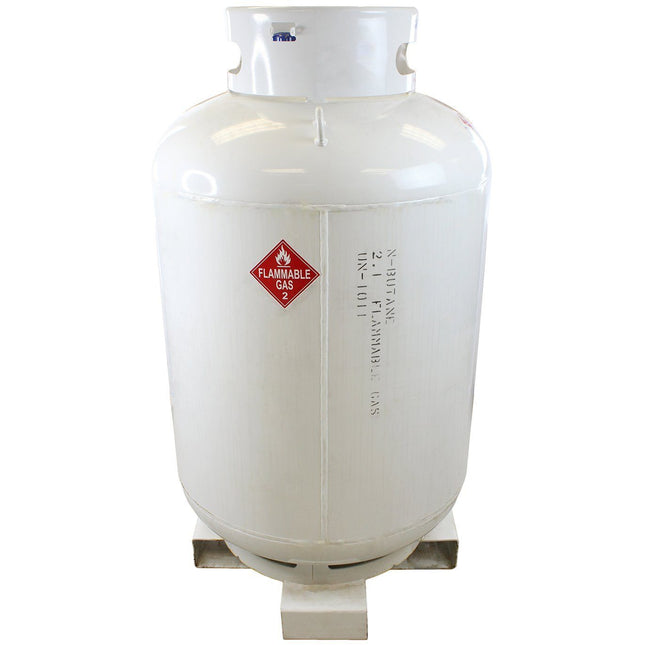
Half Ton - High Purity USA N-BUTANE - 99.5% Guaranteed
Half Ton Liquid Withdraw Tank High Purity USA N-BUTANE R600 - 99.5% Guaranteed This solvent is instrument-grade and helps produce a higher quality extract through the reduction of mystery oils and contaminants. This N-Butane is colorless, odorless, and clean. Butane is commonly used for butane extractions which occurs in a closed-loop extraction system. Given that butane has a boiling point of 30.2F, it can easily be re-condensed without the use of extreme temperatures. This makes butane the solvent of choice for passive recovery. Butane tends to yield a more stable extract, as polar terpenes are left behind. Another benefit to butane for extraction is that Hydrocarbon extraction is often used in large production. Large amounts of material can be extracted at once, and because these solvents have such low boiling points, they can be distilled from the extract quickly, and without using high temperatures can degrade the product. These solvents are used for full plant extracts, and post-processing can yield various consistencies. This makes butane extraction a preferable method. KEY BENEFITS: Free of any hydrogen Sulphide based Ethyl Mercaptan Odorants. This product is clean, colorless, and odorless. Tank has a diptube liquid withdraw. Sourced and Refined in USA. Actual Butane liquid weight is 500LB DISCLAIMER(S): This unit is intended for LEGAL purposes only, to be used in accordance with local laws and ordinances. Use only in WELL VENTILATED AREAS! Notice: This item will ship via Ground Freight ONLY. BVV™ always recommends distillation of every solvent before use. Tank does not include CGA 510 fitting. Must be added through dropdown or bought separately. Actual liquid weight is 500LB California now prohibits the retail sale of any Non-Odorized butane in quantities larger than 150ml. If you are not a retail purchaser, you can call in to place an order. Permitted Sales Include the Following: Persons licensed to perform volatile solvent extraction activity under CA Bus & Prof Code Division 10 Manufacturers, wholesalers, resellers, or retailers solely for resale Sourced right here in the USA, this high-quality butane is guaranteed to be 99.5% pure. This is a solvent that is instrument-grade and helps produce a higher quality extract through the reduction of mystery oils and contaminants. This butane is clean, colorless, odorless, and free of any hydrogen sulfide-based ethyl mercaptan odorants. Because of this, a finer, higher quality extract is consistently available to our customers. ***Shipping Notes: Due to FAA regulations, solvent tanks cannot be safely transported via means other than ground. Any order that has solvent will not be shipped in an expedited fashion. If an order with solvent is combined with any other items and chosen to be expedited, that entire order will ship via UPS Ground Freight. We will not split up any orders and ship them separately. If a customer is wanting to expedite specific items and order solvent, 2 separate orders (1 for the solvent and 1 for the expedited items) will need to be placed in order to do so. Solvents do not ship to Hawaii, Puerto Rico, or any other US Territory outside of the contiguous 48 States. Shipping Solvent to Alaska may ONLY ship via freight and will be required to travel through Canada. We have this policy in place to ensure safety when transporting solvents, and to prevent any issue with shipping times for our customers. Example Lot Analysis: Isobutane: <1500ppm Methane: <1ppm Ethane: <10ppm n-Butane: 99.5% + Propane: <500ppm Isopentane: <20ppm Water: <3ppm CO+CO2: <5ppm Oxygen: <3ppm Nitrogen: <10ppm Sulfer: Non-Detected Due to FAA regulations, solvent tanks cannot be safely transported via means other than ground. Any order that has solvent will not be shipped in an expedited fashion. If an order with solvent is combined with any other items and chosen to be expedited, that entire order will ship via UPS Ground/Freight. We will not split up any orders and ship them separately. If a customer is wanting to expedite specific items and order solvent, 2 separate orders (1 for the solvent and 1 for the expedited items) will need to be placed in order to do so. Solvents do not ship to Hawaii, Puerto Rico, or any other US Territory outside of the contiguous 48 States. Shipping Solvent to Alaska may ONLY ship via freight and will be required to travel through Canada. We have this policy in place to ensure safety when transporting solvents, and to prevent any issue with shipping times for our customers. Chemical Formula: C₄H₁₀ Molecular Weight: 58.12 g/mol CAS Registry Number: 106-97-8 Appearance Colorless Odor: Faint Petroleum Density 2.6 kg/m³ (or 2.6 g/L) Boiling Point: 30.2 F (-1C) Solubility in water: Low Solubility GHS Pictograms: GHS Signal Word: Danger GHS Hazard Statements: H220 GHS Precautionary Statements P203, P210, P222, P280, P377, P381, and P403 UN Identification Number: 1011 Proper Shipping Name: Butane, liquefied Transport Hazard Class: 2.1 Packing Group: None DOT Placard:
$3,100.00


