
EVERY PRODUCT BUT HYDRO FOR WHOLESALE STORE
-
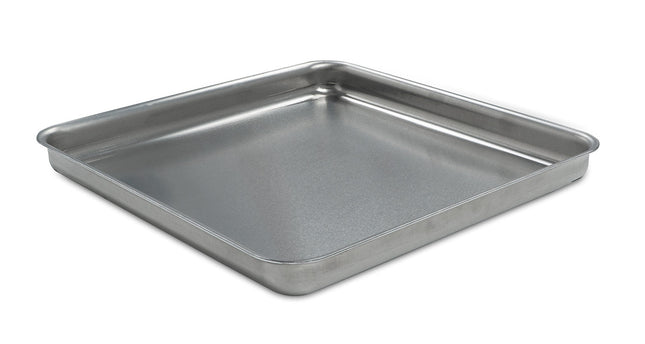

Heavy Duty Aluminum Oven Tray
Heavy Duty Aluminum Oven Tray This oven tray is a perfect addition to our 1.9 and 0.9 cubic foot vacuum ovens. For those hard to keep in place items or to keep objects from rolling off our shelves. Our trays are a perfect fit, maximizing all of the shelf space possible. They are heavy weight material heats quickly and provides even heat distribution to deliver the quality results you expect. These trays will sit right on top of your existing shelves. They will not sit on the shelf guides in any of the ovens, the existing shelf is needed for support. 10x10 Tray for the 0.9 NEO & ECO model vacuum ovens. 14x14 Tray for the 1.9 Neo & ECO model vacuum ovens. This 1" deep tray is made of 14 gauge, 1.5 mm thick heavy weight aluminum! This material resists rust, corrosion, and warping for a tray that will last.
$49.02 - $63.03
-

Viton Piston Cylinder Top O-ring for TRS21 and BVV 2/4CYL
Replacement Viton Piston Cylinder Top O-ring for TRS21 and BVV 2/4CYL sold as single O-ring
$5.60
-

Eisco Labs Eisco Labs Base Retort Stand Heavy Duty 8"x5"
Eisco Labs Base Retort Stand Heavy Duty 8"x5" HIGH QUALITY || Rectangular retort base made of chemical-resistant cast iron with a blue coating STABILITY || The 8" long by 5" wide base weighs 3lbs, providing superb stability for experiments & setups TAPPED HOLE FOR ROD || Base features a tapped hole for a 10mm x 1.5mm threaded rod (sold separately). Best used with Eisco Labs rod series: CH0657, CH0658, CH0659 GREAT FOR CLASSROOM &LABORATORIES || The durable and sturdy construction of this set...
$30.81 - $33.62
-
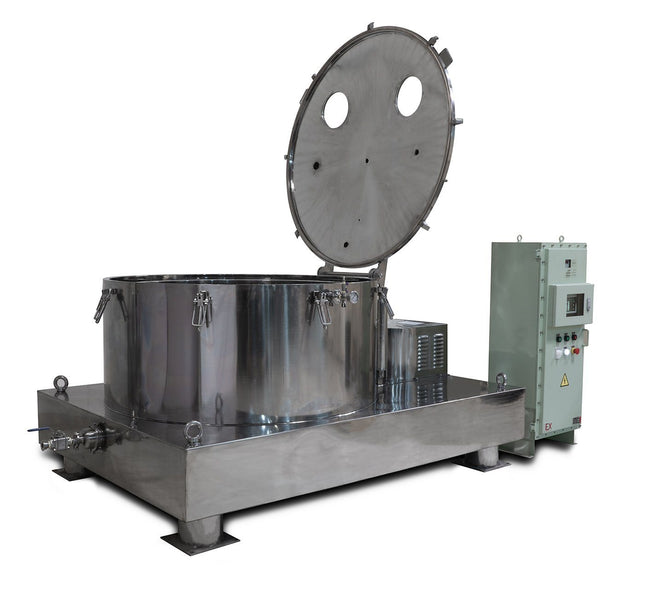

Certified 475L Jacketed Stainless Steel Centrifuge with Explosion Proof Motor and Siemens Controller - 150Lbs Max Capacity
Certified 475L Ethanol Wash/Dry Centrifuge with Explosion Proof Motor and Controller Notice to Customer: This unit has 4 lift points (one in each corner) and requires a forklift with a 6000lb+ rating to lift it. Due to the size and weight of this item a custom freight quote will be required. If purchased, BVV will contact the customer to provide shipping options and their price. Confirming logistics will require a 2-3 week lead time. Industrial Centrifuges are used to separating liquids from solids and this style of centrifuge excels at alcohol extraction by forcefully separating the alcohol from the biomass. Key Features: Siemens Touch Screen Controller Explosion Proof Controller Housing and Motor Agitation and Spin Dry Modes Max 800 RPM with Gradual Speed Stepping 430 Separation Factor Multiple Connection Ports/Sizes. High Polish Stainless Steel Components Shock absorbing legs Vacuum Jacket with Two 1.5" Tri-Clamp Fittings Pre-wired and Tested for Easy Installation *BVV Centrifuges are now available certified by PRV Engineers. Field visits/verification letters are an additional $4,000 + travel expenses.* Specifications Capacity 475L Drum Dimensions 47.24" (1200mm) Diameter x 16-3/4" (425mm) Deep Max Capacity 440lbs (200Kg) Speed 800 rpm Separation Factor 430 Electrical 240V 3Ø Weight 5600lbs (2540Kg) Exterior Dimensions 85" x 65" x 49" (2150mm x 1650mm x 1250mm) Viewport Diameter Dual 9" Viewing Ports Connection Size(s): 4" Tri-Clamp Drain Port 1.5" Tri-clamp Jacket Port x 2 1.5" / 2.5" Tri-Clamp Top Ports 1/4" FNPT Top Port KF25 Top Port
$55,325.24 - $60,927.80
-
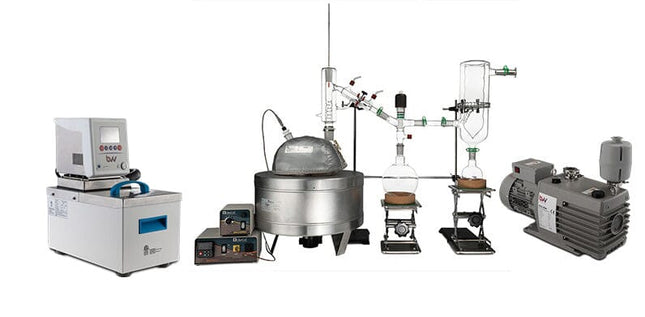

Neocision 5L Neocision Short Path Distillation Turnkey Kit
5L Neocision Short Path Distillation Turnkey Kit This unit carries a 2 day lead time. The 5L Premium Distillation Turnkey Setup features our 5L Distillation Kit with P5 Distillation Head and USA made glass. Every component in this turnkey is made for precision, throughput, and repeatable results. Also included is our Pro Series Corrosion Resistant Two Stage Vacuum Pump giving you extreme power and depth with a long lifespan, the Bullseye Precision Vacuum Gauge from Digivac which is the most rugged and dependable vacuum gauge on the market, and a BVV 19L Heated Circulator for maximum condensation of vapors. You will also receive a Dewar Style Glass Cold Trap to keep all volatiles and solvents out of your vacuum system. This Turnkey Setup gives you everything needed to perform distillation at the highest level. The Premium Turnkey Kit Includes: 5L Neocision Kit with P5 Distillation Head KF-25 x 1/4" Barb Adapter Dewar Style Glass Cold Trap Bullseye Precision Vacuum Gauge BVV 19L MX Heated Circulator Pro Series 21.2CFM Corrosion Resistant Two Stage Vacuum Pump Distillation Quick Start Guide This guide gives basic quick start instructions for distillation systems. It is intended to provide a starting point for learning the process. Parameters should be adjusted to suit specific needs, Before beginning distillation, ensure the following steps have been taken: Vacuum Pump is in good working order. Pump should be run against dry load to allow internals to warm up. Oil should be clear. Cloudy or dark oil should be changed. All glass components are in good working order and ready to be assembled A winterization and degassing procedure has been done to prepare oil for distillation Once all three of these steps have been completed, you are ready to begin distilling. Begin by placing stir bar in boiling flask and then load your material. This should be done using a funnel. A small amount of alcohol in the oil will give it a thinner consistency making it easier to transfer. Assemble all glassware and ensure each joint is properly greased. Do not use too much, as the vacuum pressure might pull some grease into the system. To ensure a full seal, spread grease in a circular motion by rotating glassware Attach circulator to condenser and set temperature to 50C. Allow circulator to reach temperature before beginning distillation. Connect vacuum pump to manifold. The manifold will allow you to isolate each individual component as well as let atmosphere into and out of the system. Connect receiving cow to cold trap. Connect cold trap to manifold. Connect vacuum gauge to manifold. At this point, ensure all connections are correct. Also ensure receiving cow is positioned to collect the first fraction in the far-left receiving flask. Circulator should be at its set temperature. Turn on vacuum pump to begin process. Turn on heat and set to 60C. Vacuum pump will begin to pull down and temperature will begin to rise. Watch the gauge to monitor vacuum pressure and stability. Start stir slower and increase speed with temperature. Once you are close to 60C, increase the temperature 20 degrees. Continue to raise the heat incrementally in 20-degree steps, increasing the set temperature as you near your set point. Increase temperatures incrementally until you reach 220C. You will see your first fraction somewhere between 180C and 190C or slightly before. This is the “heads” fraction. You will move to your second fraction when you see an increased reaction in the head, a slight color change toward golden, as well as a thickening of distillate. When this fraction hits, allow the distillate to “self-clean” the head for a minute or two then, rotate the cow to the middle receiving flask. Collect your “main body” fraction. You will see temps between 190-220C during this fraction. Continue to increase stirring speed as necessary. Reaction in the head may vary but it should never stop. As fluid level in the boiling flask decreases, increase stir speed. The final “tails” fraction is a mixture of the first and second fractions and should be saved for re-distillation later. Ideally, you want to turn the cow to the final flask before the tails fraction hits. The “tails” fraction has an obvious color change and will be darker than the “main body” fraction. You will see temps between 200-250C during this fraction. As fluid level in the boiling flask decreases even more, set stirring RPM higher (1000+ RPM). You may need to compensate with a bit more heat to finish of the final fraction as well. Once process is complete, stop heat, stop stir, and stop vacuum. Let atmosphere into the system. Be sure to properly store your distillate as exposure to air and light can cause oxidation. ***Note: This entire setup will ship via motor freight.*** ***Note: All units are inspected for broken glass or parts before unit is shipped. If unit arrives damaged or glass is broken (this does not include minor imperfections or scuffs in glassware), Customer MUST contact BVV™ within 3 days of delivery to file a claim and receive a replacement part. If customer DOES NOT contact BVV™ within 3 days of delivery responsibility for replacement parts falls on the customer and they must pay for replacement pieces.*** ***Glassware Safety Disclaimer: BVV™ is not responsible for failure of glassware which must be inspected before and after every use because it may eventually develop imperfections or damage through normal usage, mishandling, and stress caused by temperature variations. If an imperfection or damage is noted while inspecting the glassware DO NOT use the glassware because it can fail causing bodily harm or damage to the surrounding area.***
$14,706.71 - $20,659.43
-
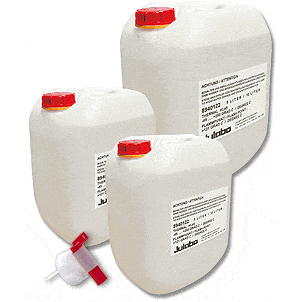
Julabo Julabo C2 Thermal Bath Fluid - 10 Liters
Julabo C2 Thermal Bath Fluid JULABO Thermal bath fluids are ideally suited for all of your temperature control applications and guarantee safe and reliable operation. Choosing the proper bath fluid is critical for best results in temperature control. Viscosity, oxidation characteristics and heat transfer of Thermal fluids are specifically matched with each JULABO temperature control unit. C2 Thermal Bath Fluid Product Data Sheet C2 Thermal Bath Fluid SDS JULABO Thermal bath fluids have been carefully selected and are optimized for maximum performance with JULABO instruments. Benefits Low toxicity Low viscosity High stability Minimum odor Good heat conductivity Low corrosion tendency Wide temperature ranges Technical Data Order no. 10 liters 8891400 Working temperature (°C) -90...+60 Flash point (°C) > +75 Fire point (°C) > +430 Viscosity (kinematic at 20 °C in mm²/s) 2 Density (at 20 °C in g/cm³) 0.873 Pour point (°C) -120 Boiling point (°C) 229 Ignition temperature (°C) 430 Color clear
$2,336.27
-
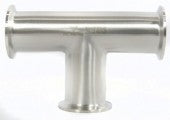

Triclamp T
Sanitary Tri-Clamp Tee – 304 Stainless Steel (3A Certified) Upgrade your sanitary processing system with BVV’s high-quality Tri-Clamp Tees, precision-engineered from 304 stainless steel for superior corrosion resistance and long-lasting performance. Manufactured in accordance with 3A sanitary standards, these tees are ideal for use in food, beverage, pharmaceutical, and botanical extraction applications. ✅ 3-Way Tee Design for optimal flow distribution✅ High-Polish 304 Stainless Steel – Durable, hygienic, easy to clean✅ Available Sizes: 1.5", 2", and 6" Tri-Clamp connections✅ Compatible with standard Tri-Clamp fittings, gaskets, and clamps✅ Ideal for sanitary process piping, closed-loop extraction, and lab builds BVV’s Tri-Clamp fittings are trusted by industry professionals for their precision, quality, and performance. Whether you’re building out a new system or upgrading your existing setup, our Tri-Clamp Tees deliver reliability where it matters most.
$39.22 - $280.13
-


BVV™130 Homogenizer Drive Motor
BVV™130 Homogenizer Drive Motor The BVV™130 Homogenizer can quickly emulsify, homogenize, and disperse from 0.1 to 250ml solid media or liquid media depending on the dispersing probe style/head length. During operation, the suspended material is drawn into the core of the homogenizer by a rotor turning at up to 30,000rpm. The media is repeatedly cycled through the narrow slits of the probe where it becomes rapidly torn, separated and emulsified. The BVV™130 produces very little heat during operation and has a 6-speed control dial and is easily held in the hand during operation of the unit. WT130 Homogenizer Drive Motor Key Features: 8,000-30,000 RPM Range 6 Speed easily adjustable control dial One-handed operation Specifications Speed Control / Range 6 Position Dial / 8,000 - 30,000 RPM Power Consumption 130w Voltage 110v @ 60Hz Noise Level 54 dB(A) @ 30,000 RPM BVV™130 Homogenizer Drive Motor 850103019999 compare to SCILOGEX D160 Drive Motor 850103019999
$182.08 $140.06
-
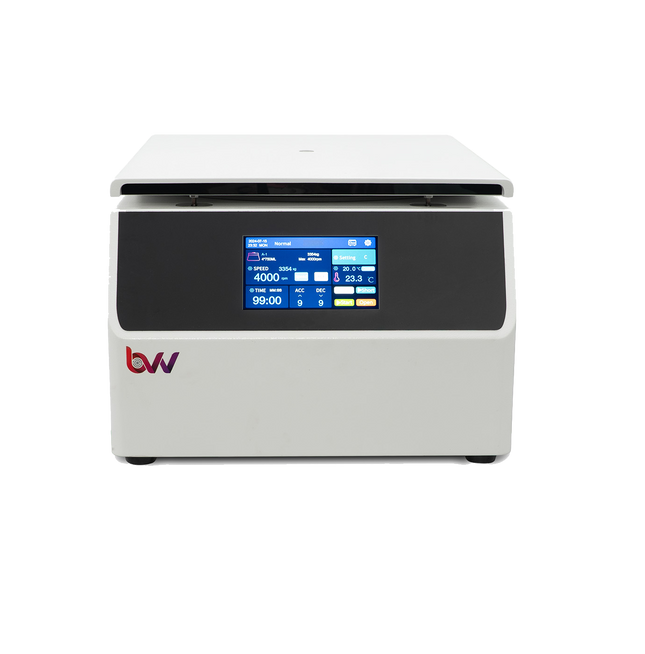

Centrifuge C750
BVV C750 Centrifuge The BVV C750 Centrifuge is a large-capacity desktop centrifuge with broad functionality suitable for various applications. The BVV C750 Centrifuge can be used to separate or concentrate samples by density or utilized to separate solid constituents from liquid constituents. The BVV C750 Centrifuge has a maximum speed of 4000rpm with a maximum centrifugal force is 3354xg which allows for fast separation times. It's user friendly simple to use touch screen interface allows for easy operation even when wearing gloves. With built-in cooling fans, the BVV C750 ensures sample preservation while allowing for heat-assisted separations. While the BVV C750 is not actively heated or refrigerated it typically operates at 130F/54C allowing for quick and efficient separations. For Solid & liquid separations we recommend utilizing our 25 Micron Large Rosin Bags, The BVV C750 comes with 3 sets of centrifuge baskets including: 4X 750ML Stainless Steel Separators (300 Gram Capacity 1,200 Grams Total) 4X 5X 50ML Centrifuge Tube Plastic Inserts (20X 50ML Centrifuge Tube Capacity) *Centrifuge tubes not included* 4X 750ML Polypropylene Bottles 10X Large Rosin Bags 25 Micron Features •Digital LCD display with a user-friendly interface for easy operation. •Microprocessor control, DC brushless motor with low noise and high accuracy. •Dual locking design with lock alarm on the interface. •Centrifuge chamber is made of 304 stainless steel to avoid corrosion. •Can switch RPM/RCF during operation. •Store up to 10 preset programs •Sound and indicator alarm for defaults. •Protection including door closing, malfunction, over-speed, over-heating, imbalance, etc. •Speed is adjustable to avoid sample suspension to ensure the performance. Technical Specifications Model BVVC750 Max Capacity 4*750mL Max Speed 4000rpm Max RCF 3354Xg Speed Accuracy ±10r/min Time Setting 0-99min59s Soft Brake 9 Ramps Noise ≤65dB(A) Power Supply 110V 60HZ Power Consumption 1000W Net Weight 114lb/52kg Dimensions 24"x19"x14"
$7,423.39
-
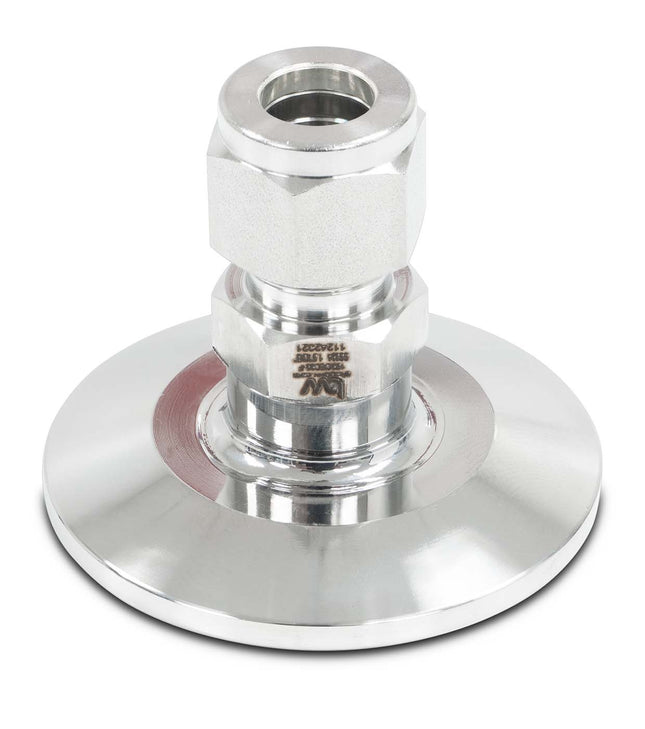

1/2" Compression End Cap 1.5" Triclamp
1/2" BVV Compression End Caps These End Caps come with a 1/2" Female Compression connection welded to the end cap with a sanitary weld. They allow the user to adapt and connect a 1/2" male tube stub connection to the lid. Specifications Material 304 Stainless Steel Connection Type: Tri-Clamp 1/2" Female Compression Connection Standard: 3A
$81.24
-

CDA 12A w/ Toluene High Purity Extraction Solvent
CDA 12A w/ Toluene HAZMAT ITEMS ARE NON-REFUNDABLE. ALL SALES ARE FINAL (Note: Container style and color may vary) BVV's Ultra High Purity Toluene Denatured Ethanol (CDA 12A) is distinguished by its exceptional purity, Our CDA 12A formulation combines 95% Food Grade/USP/ACS 200 Proof Ethanol, derived from corn, with ~5% high-purity Toluene. Adhering to stringent industry standards, ensuring it meets the precise requirements of our customers, our Ultra High Purity Toluene Denatured Ethanol excels across diverse applications widely adopted as an effective botanical extraction solvent. Being that our Ultra High Purity Denatured Ethanol is made unfit for consumption when denatured with Toluene it is not subject to the Federal Excise Tax on alcohol saving you a huge cost without compromising on it suitability for top-tier extractions. Primarily utilized as pure ethanol in extraction processes, this solvent is favored for its cost-effectiveness and extraction efficiency. Reduce manufacturing costs and increase extraction efficiency with BVV's Ultra High Purity Toluene Denatured Ethanol. Disclaimer: Prices may vary due to market value and for orders of 4 totes or more and a tanker there could be up to a 2 week lead time. Call in for more accurate lead times. Key Features: Significantly Reduced Cost due to the absence of Federal Tax Produces Exceptional Quality Extractions Leaves No Residuals or Tastes Evaporates Completely in a Rotary Evaporator Vapor Pressure: 40.9mmHg at 20°C UN Number 1170 Density: 0.7905g/cm³ Specific Gravity 0.7905 Flash Point: 13.9°C (57°F) Boiling Point: 78.5°C (173°F) Melting Point: -90.0°C (-130°F) Chemical Formula: Ethanol C2H6OToluene C7H8 CAS#(s) Ethanol 64-17-5Toluene 108-88-3 Molecular Weight: 72.1057 Appearance Colorless Liquid Odor: Mint or acetone-like Density 0.7905g/cm³ Boiling Point: 78.5c/173.3F Solubility in water: Miscible GHS Pictograms: GHS Signal Word: Danger GHS Hazard Statements: H225, H319 GHS Precautionary Statements P210, P233, P240, P241, P242, P243, P261, P264, P271, P280, P303+P361+P353, P304+P340, P305+P351+P338, P312, P337+P313, P370+P378, P403+P233, P403+P235, P405, P501 UN Identification Number: 1987 Proper Shipping Name: Alcohols Transport Hazard Class: 3 Packing Group: I DOT Placard: What is Denatured Ethanol? Denatured ethanol, also known as denatured alcohol, is ethanol (ethyl alcohol) that has been rendered unfit for human consumption by the addition of denaturants. Denaturants are typically chemicals that make the ethanol taste bad or have toxic effects, and they are added to discourage people from drinking the substance. The denaturation process is done to avoid the high taxes and regulations associated with beverage alcohol, as denatured ethanol is intended for industrial, pharmaceutical, or cosmetic uses rather than for consumption. Common denaturants include toluene, heptane, methanol, isopropyl alcohol, acetone, and other chemicals. Denatured ethanol is widely used in various industries, such as in the production of paints, solvents, cleaning products, and as a fuel for alcohol burners. Why is Ethanol Denatured? Ethanol is denatured, or rendered undrinkable, for several reasons: Tax Purposes: Denaturing ethanol allows for the imposition of lower taxes on industrial or non-beverage alcohol compared to potable alcohol. Governments often place higher excise taxes on alcohol intended for human consumption. Regulatory Compliance: Denaturing ethanol is a regulatory requirement to discourage the illegal diversion of tax-free industrial alcohol for beverage use. The addition of denaturants makes it unpalatable and unsafe for consumption. Public Safety: Making ethanol undrinkable helps prevent accidental or intentional ingestion of industrial alcohol, which can be toxic. Denaturing agents are chosen to deter people from attempting to use denatured alcohol as a substitute for beverage alcohol. Industrial Use: Denatured ethanol is widely used in various industries, including pharmaceuticals, cosmetics, and manufacturing. It serves as a solvent, fuel, or raw material in these applications. Common denaturants include substances like heptane, toluene, methanol, isopropanol, and various chemicals that make the alcohol unsuitable for human consumption while maintaining its usability in industrial processes. The specific denaturing formulations, such as CDA 12-A mentioned earlier, are defined by regulatory agencies to ensure compliance with safety and tax regulations. What is denatured ethanol used for? Denatured ethanol is used for various industrial and commercial purposes where the alcohol is needed for its properties but should not be consumed. Here are some common applications: Industrial Solvent: Denatured ethanol is widely used as a solvent in industries such as pharmaceuticals, cosmetics, and manufacturing. It is effective in dissolving a variety of substances. Cleaning Agent: Due to its solvent properties, denatured ethanol is used as a cleaning agent for surfaces, equipment, and machinery in industrial and commercial settings. Fuel Additive: Denatured ethanol is sometimes used as a fuel additive, especially in the blending of gasoline. It can improve combustion efficiency and reduce emissions. Paint and Coating Industry: It is used as a solvent in the formulation of paints, varnishes, and coatings. Pharmaceuticals: Denatured ethanol is used in the pharmaceutical industry for various purposes, including the extraction of medicinal compounds. Laboratory Use: In laboratories, denatured ethanol is often used for tasks like sterilization and as a solvent for experiments. Inks and Dyes: It is employed in the production of inks and dyes due to its ability to dissolve pigments. Adhesives and Sealants: Denatured ethanol is used in the formulation of adhesives and sealants. Window Cleaning: It is used in commercial window cleaning solutions. Automotive Industry: In the automotive industry, denatured ethanol is used for cleaning and degreasing. What can be used to denature ethanol? Here are examples of common Completely Denatured Alcohol (CDA) formulations used to denature ethanol: CDA 12-A To every 100 gallons of alcohol, add either: Five gallons of n-heptane or 5 gallons of toluene. CDA-19 To every 100 gallons of ethyl alcohol (not less than 160 proof), add: 4.0 gallons of either methyl isobutyl ketone, mixed isomers of nitro propane, or methyln-butyl ketone 1.0 gallon of either kerosene, deodorized kerosene, gasoline, unleaded gasoline, rubber hydrocarbon solvent, or heptane. CDA-20 To every 100 gallons of ethyl alcohol (not less than 195 proof), add a total of: 2.0 gallons of either unleaded gasoline, rubber hydrocarbon solvent, kerosene, or deodorized kerosene, or any combination of these. What does CDA mean? Completely Denatured Alcohol (CDA) is a type of denatured alcohol that has been rendered unfit for human consumption by the addition of denaturing agents. Denatured alcohol is ethanol (ethyl alcohol) that has been intentionally adulterated to make it toxic, foul-tasting, or otherwise undrinkable. This denaturing process is done to exempt the alcohol from excise duty and other taxes, as it's not intended for use in beverages. The denaturing agents used in CDA can vary, but they often include chemicals such as methanol, isopropanol, or other substances that make the alcohol unpalatable and potentially harmful if ingested. The specific formulation of denatured alcohol may be regulated by government authorities to ensure it meets safety standards and legal requirements. CDA is commonly used in industrial applications, as a solvent, fuel, or as a cleaning agent. It's important to note that due to the addition of denaturing agents, CDA should not be used for purposes that involve contact with the human body or ingestion. Safety precautions, including proper ventilation, should be followed when working with denatured alcohol. What is CDA 12A? CDA 12-A is a formulation specified by the Alcohol and Tobacco Tax and Trade Bureau (TTB) for Completely Denatured Alcohol (CDA). The formula is defined under §21.26 as Formula No. 12-A. The composition of CDA 12-A is as follows: For every 100 gallons of alcohol, add either: 5 gallons of n-heptane or 5 gallons of toluene. This denaturing process renders the ethanol unfit for consumption while meeting regulatory requirements for various industrial applications. CDA formulations, including CDA 12-A, are used to denature ethanol for purposes such as industrial solvents, cleaning agents, and manufacturing processes. Can you remove Toluene from CDA 12A? When toluene is added to ethanol it creates an azeotrope between the ethanol and n-heptane. An azeotrope is defined as a mixture of two liquids that have a constant boiling point and composition through distillation. This azeotrope results in the ethanol and n-heptane evaporating at the same temperature, making it extremely difficult to separate the two through distillation. While these azeotropic solvents are still easily recovered from a botanical extract at a relatively low boiling point around 78C/173F using a rotary evaporator or falling film evaporator, it is near impossible to separate the two via distillation. What is an Azeotrope? An azeotrope is a mixture characterized by having identical concentrations in both its vapor and liquid phases. This stands in contrast to ideal solutions, where one component is usually more volatile than the other, allowing for separation through distillation. When an azeotrope forms, the concentrations in both phases remain the same, hindering separation through traditional distillation methods. Azeotropes consist of a blend of at least two different liquids, and this mixture can exhibit either a higher or lower boiling point than either of its individual components. Azeotropes become relevant when certain liquid fractions resist alteration through distillation processes. In typical mixtures, components can be extracted using Fractional Distillation, a process involving repeated distillation stages. The more volatile component vaporizes and is collected separately, while the less volatile component remains in the distillation container, resulting in two distinct, pure solutions.
$14.01 - $280.13
-
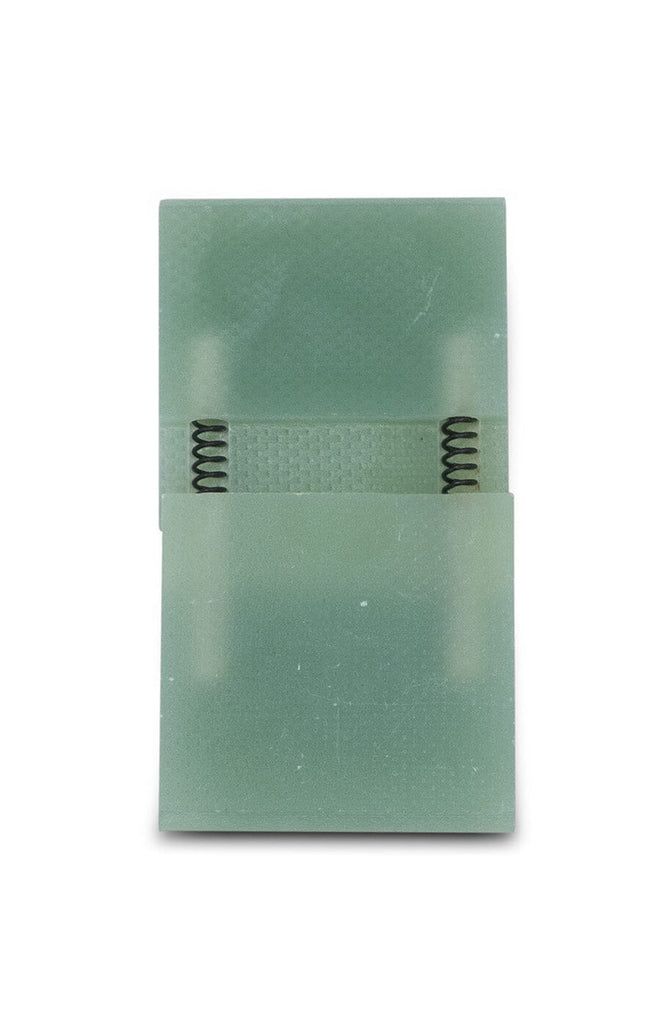
BVV Vacuum Pump Vane Rebuild Kit
These replacement Vane kits are specifically designed for the BVV vacuum pump. Select you model in the dropdown list.
$8.40
-
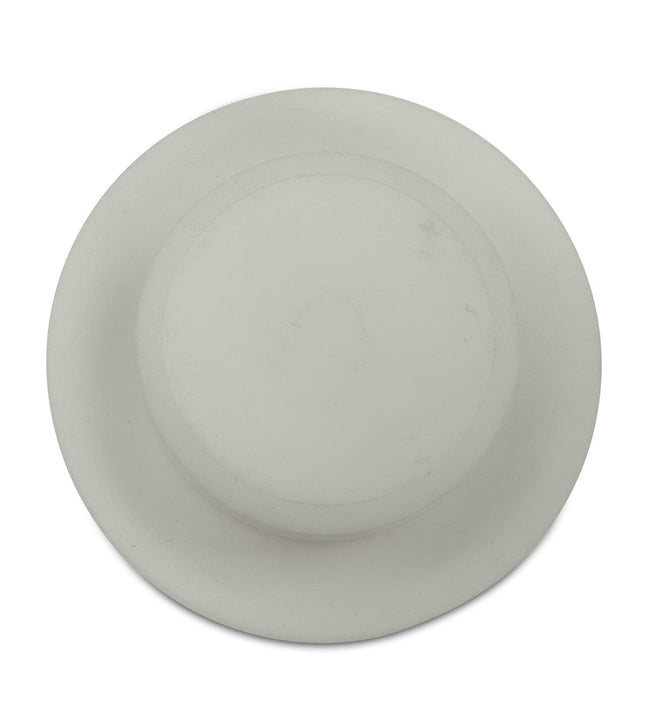

NRE 10L 20L 50L Check Valve Gasket
Check valve to be placed between the condenser and receiving flask on BVV rotary evaporators. The outer diameter of the joint is 60mm.
$84.04
-
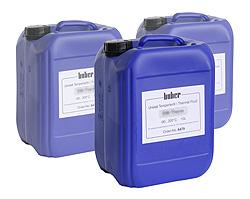
Huber Huber SilOil M40.165/220.10, Heat transfer fluid -40 to 220 °C
Huber SilOil M40.165/220.10, Heat transfer fluid -40 to 220 °C *7.5% Huber Tariff Fee Added at Checkout* SilOil M40.165/220.10 is a low-viscosity silicone fluid which, as a result of its special property profile, is particularly suitable for use as a cold and heat transfer medium in cryostats, thermostats and heat transfer installations. SilOil M40.165/220.10 can be used in the range from -40 °C to 165 °C and to 220 °C in externally sealed systems (Unistats). It should be borne in mind that, at high temperatures, SilOil M40.165/220.10 can be chemically altered by oxidising media, such as air, or substances with a catalytic effect, such as acids, lyes and various metal compounds. An increase in viscosity, and possibly even gelling of the fluid owing to crosslinking reactions, must be expected in the presence of oxidising agents, while contact with products having a catalytic effect usually induces a process of depolymerisation, resulting in a drop in viscosity. Advantages: Virtually insolubile in water Non-corrosive Low setting points and vapour pressures High flash points Low toxicity No coking tendency under thermal stress High thermal stability Resistance to ageing Chlorine free Safety Data Sheet Heat transfer fluid M20.195/235.20 Working temperature °C -40 to165/220 open/closed systems: -40°C - 165°C Unistats (only closed): -40°C - 220°C Material: silicon oil Viscosity at 25°C: 10 mm²/s Colour colourless, clear Material incompatibility Silicone rubber
$1,253.57 - $2,241.02
-
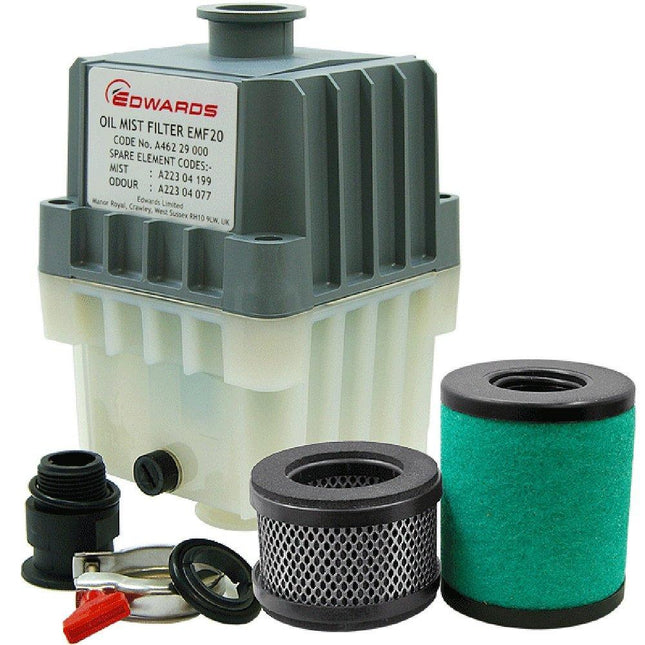
Edwards Edwards Oil Mist Exhaust Filter
Edwards EMF20 Oil Mist Exhaust Filter The Edwards EMF20 Oil Mist Filter is designed for use with the Edwards RV12 and E2M18 vacuum pumps, efficient at 99.999% DOP test and azide proof. The bottom white half of the body is semi-transparent allowing easy monitoring of oil levels. This oil mist filter is new in the box and ready for shipping and includes: NW25 Clamp Centering Ring O-Ring NW25 to 3/4 inch BSP Adaptor 1 year warranty
$773.15
-
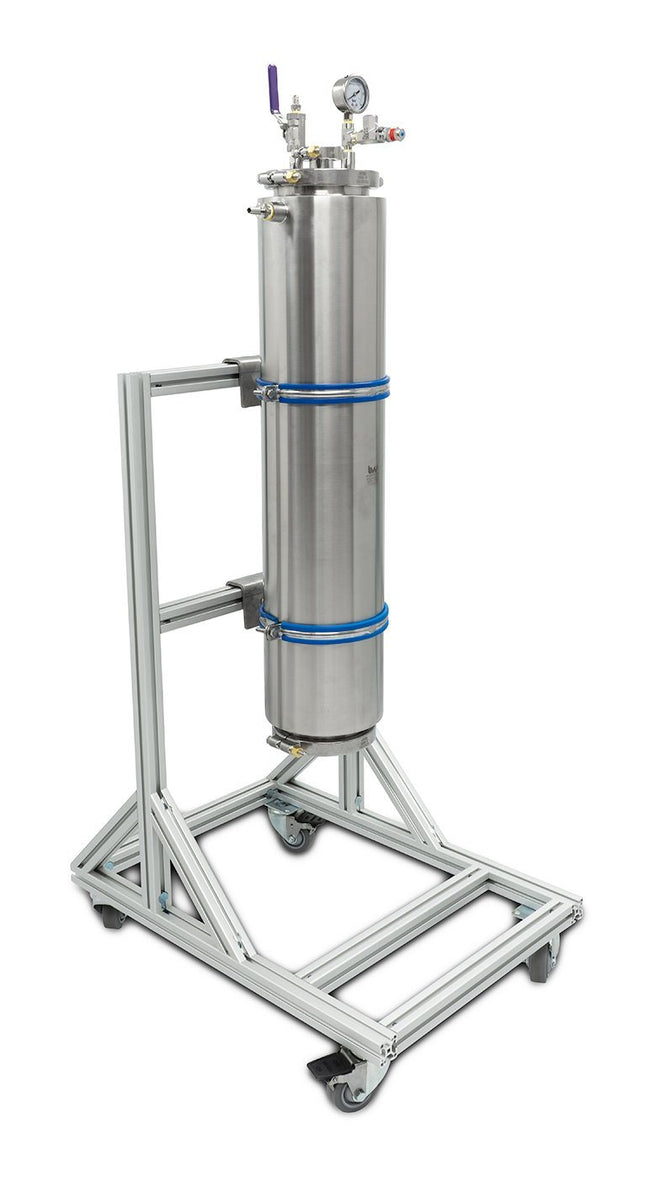

BVV™ Stackable Diamond Miner V2
BVV™ Stackable Diamond Miner V2 The Stackable Diamond Miner V2 Diamond miner eliminates the need for glass jars and adds safety to your degassing procedure. Allowing you to see your Diamond growth through the top sight glass and by pulling up the Stackable Diamond Miner Tray once the process is completed. This diamond miner comes rack-mounted with a fully jacketed column and high-pressure clamps.
$3,151.44
-
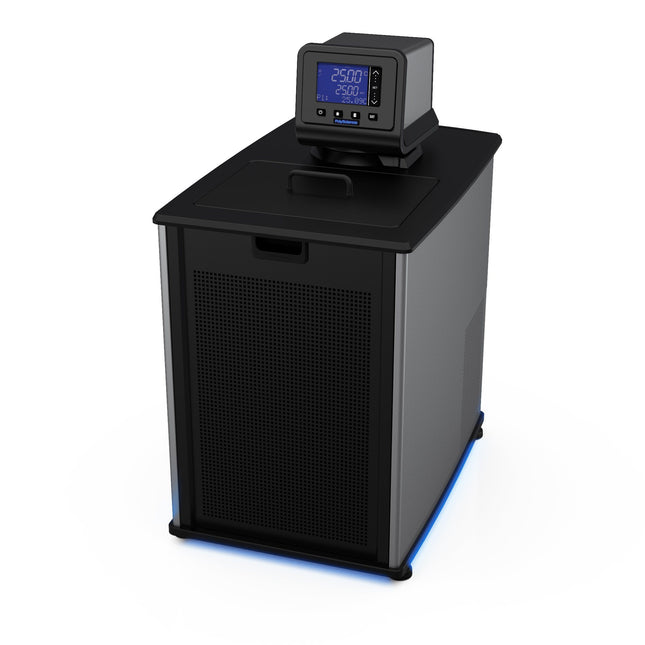
Polyscience Polyscience 15 Liter Advanced Digital Refrigerated Circulator (-30°C/200°C)
Polyscience 15 Liter Advanced Digital Refrigerated Circulator (-30°C/200°C) ***Note: This item has a lead time of 2-3 weeks depending on stock availability.*** Description: -30, 15 L Ref. Circulator Controller Type: Advanced Digital Display: 3.75" Touch-Pad LCD Connectivity: Ethernet, USB A & B, RS232/addressable RS485, External Temperature Probe Languages Supported: 4: French, German, Spanish, English Swivel 180 Rotating Controller: Yes Working Temperature Range °C: -30° to 200° Temperature Stability °C: ±0.01° Fluid Optimization/Specific Heat Tuning: Automatic and/or user-adjustable Temperature Calibration Capability: 1-point Working Access (L x W x D) (cm): 21.2 x 27.6 x 14 cm Pump Type: Pressure/Suction External Temperature Control Capability: Yes Flammability Class (DIN 12876-1): III (FL) Specifications Working Temperature Range °F -22° to 392° Working Temperature Range °C -30° to 200° Nominal Cooling Capacity @ +20C (W) 915 Reservoir Capacity (gallons) 3.96 Reservoir Capacity (liters) 15 Reservoir/Tank Material Stainless Steel Reservoir Cover Included DuraTop Yes LidDock Yes Cleanable Air Filter Yes Working Access (L x W x D) (inches) 8.35 x 10.88 x 5.5 in Working Access (L x W x D) (cm) 21.2 x 27.6 x 14 cm Temperature Stability °F ±0.02° Temperature Stability °C ±0.01° Display 3.75" Touch-Pad LCD Display Resolution (Set) 0.01 Display Resolution (Read) 0.01 Pump Type Pressure/Suction Pump Speed Variable Process Connections 1/4" (F) NPT External Temperature Control Capability Yes Flammability Class (DIN 12876-1) III (FL) Over-Temperature Protection / Failsafe Heater Control Yes Low Liquid Level Protection Yes WhisperCool Environmental Control Technology Yes Cool Command Refrigeration Technology Yes Reservoir Drain Yes Included Software PolyTemp Viewer, USB driver Maximum Ambient Temperature °F 95° Maximum Ambient Temperature °C 35° Overall Dimensions (L x W x H) (inches) 22.4 x 14.5 x 26.9 in Overall Dimensions (L x W x H) (cm) 56.9 x 36.8 x 68.3 cm Refrigerant R404A Environmental Compliance RoHS, WEEE Shipping Weight (pounds) 118.0 Shipping Weight (kilograms) 53.5 60Hz Part Number AD15R-30-A11B Maximum Pressure (psi) 4.3 Maximum Pressure (bar) 0.30 Maximum Pressure Flow Rate (gpm) 5.30 Maximum Pressure Flow Rate (l/min) 20.1 Maximum Suction Flow Rate (gpm) 3.9 Maximum Suction Flow Rate (l/min) 14.7 Cooling Capacity @ -20°C (W) 165 Cooling Capacity @ 0°C (W) 505 Cooling Capacity @ +20°C (W) 915 Included Hardware Nylon hose adapters for 3/8", 1/4", and 3/16" Heater Wattage 1100 Electrical Requirements (VAC/Hz/Ph/A) 120/60/1/13 Regulatory Approvals ETL Certifications: Regulatory Approvals: ETL Circulating Bath Operator's Manual
$8,894.06
-
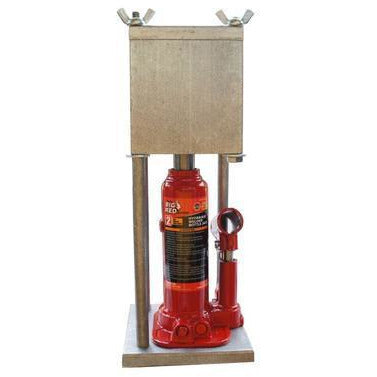
High Tech Press HTP Square Press - 2 Ton
HTP Square Press - 2 Ton These high-quality presses are built from Aircraft Aluminum and stainless steel designed to be used in conjunction with a unique heating process. CAPACITY: 3” x 3” x 3” Thick PRESSURE: 2-Ton hydraulic jack SHAPE: Cube
$609.21 $553.25
-
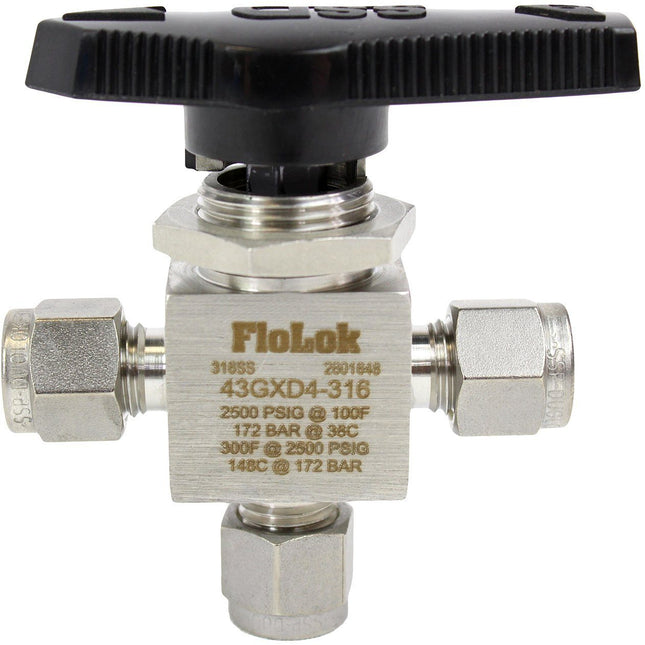

SSP Corporation 3 Way Ball Valve - Fractional Tube Fitting
SSP - 3 Way Ball Valve - Fractional Tube Fitting SSP Instrumentation Flolok® manually operated three-way ball valves accept media through the bottom port and allow selection of flow through a selected port. Features: Directional handle indicates flow direction Panel Mountable 180-degree actuation Directional flow path Micro-finished ball provides positive seal Free-floating ball design provides compensation for seat wear for repetitive sealing Blow-out proof ball & stem Standard Product Testing - Every ball valve is assembled and tested @ 1000 psi (68.9 bar) with Nitrogen Specifications Body Material 316 Stainless Steel Pressure Rating @ 100F 3000 PSIG @37C 208 BAR @300F 2500 PSIG @148C 172 BAR Connection Type 1 Duolok Tube Fitting Connection Size 1 Specified by User Connection Type 2 Duolok Tube Fitting Connection Size 2 Specified by User Connection Type 3 Duolok Tube Fitting Connection Size 3 Specified by User Handle Type Nylon-Stainless Steel Insert Handle Color Black Packing Material PTFE SSP proudly makes Duolok®, TruFit®, FloLok® and hundreds of other products 100% in the USA!
$112.05 - $168.08
-
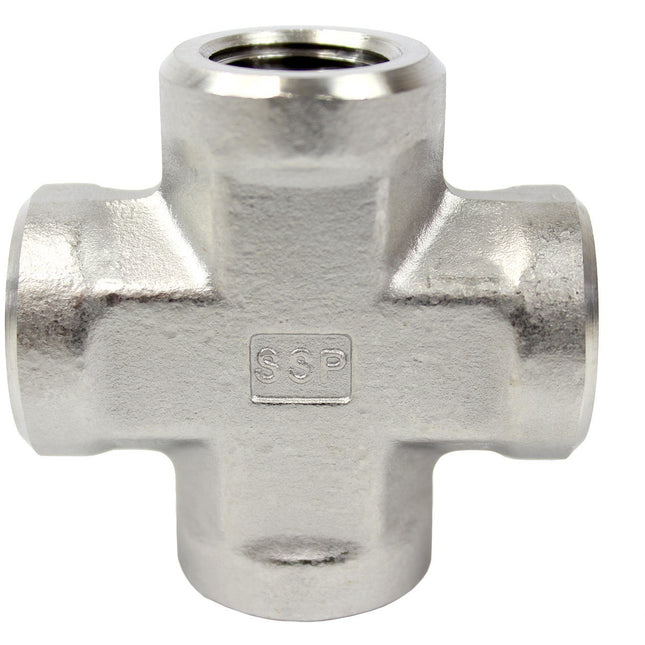

SSP Corporation Pipe Cross
SSP - Pipe Cross SSP Instrumentation TruFit® is manufactured from fully-traceable raw material to close tolerances and superior surface finishes. TruFit® provides optimal performance when installed in accordance with SSP’s recommendations and the design parameters appropriate for each type of connection – tapered thread, straight thread, and weld & braze. TruFit® components are cleaned in accordance with SSP documented work instructions using equipment calibrated to NIST standards with environmentally-safe and stable agents, ultrasonics, and heat/ temperature to remove all residual oil, grease, and loose particles. Stainless steel components are passivated to the requirements of MIL QQ-P-35 and ASTM A 967. ***Note: ALL NPT Threads REQUIRE the user to properly install the fitting by using a thread sealant to prevent leaks. Best Value Vacs recommends GAS PTFE Tape Specifications: Connection Type 1 Female NPT Connection Size 1 Specified by User Material 316 Stainless Steel ASTM A-276 and A-479 bar stock, A-182 forgings. Working Pressure (PSIG) 1/4" - 7750 3/8" - 6800 NPT Pressure Rating >10,000PSI ASME B31.3 SSP proudly makes Duolok®, TruFit®, FloLok® and hundreds of other products 100% in the USA!
$49.02 $21.01
-
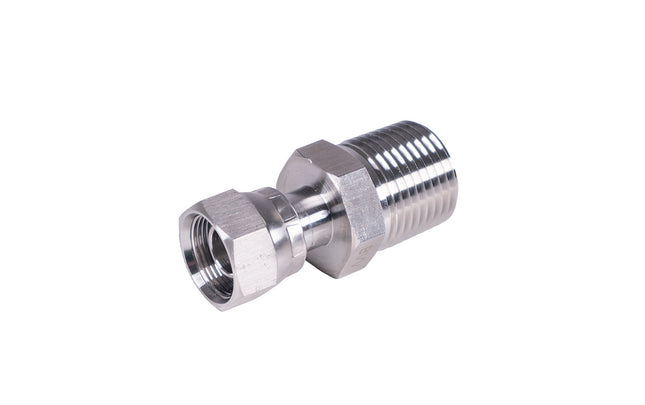
M16x1 F X 1/2" NPT Stainless Steel Adapter (2 pack)
2 pack stainless steel adapter fitting with M16X1 F x 1/2" NPT This adapter will fit on 16mm x 1mm threads found on many heater and chillers made by Julabo or Huber and adapt these threads to 1/2" NPT
$133.06
-

Xylene Technical Grade
Xylene Technical Grade Xylene is a versatile, colorless liquid with a sweet odor, commonly used as a high-performance solvent in various industrial applications. It is a mixture of three isomers—ortho-xylene, meta-xylene, and para-xylene—and is widely recognized for its ability to dissolve oils, resins, and other complex substances. Xylene is commonly used in industries such as coatings, paints, printing, and adhesives, due to its excellent solvency power and ability to improve the quality and consistency of products. Xylene is a vital component in industrial and laboratory settings, ensuring smooth operations and efficient production. While it offers excellent performance in various applications, it should be handled with care due to its flammable nature and potential health risks when inhaled or ingested. Key Features: High solvency power Ideal for use in paints, coatings, adhesives, and varnishes Effective cleaning and degreasing agent Key ingredient in chemical manufacturing Suitable for industrial and laboratory applications Applications: Paints and coatings Printing inks Chemical manufacturing Adhesives and sealants Industrial cleaning Laboratory use Note: Xylene should be stored in a cool, well-ventilated area away from open flames, and proper safety precautions should be followed during use. Chemical Formula: (CH3)2C6H4 Molecular Weight: 106.17 CAS Registry Number: 106-42-3 Appearance Transparent Colorless Odor: Sweet Pungent Aromatic Hydrocarbon Density 7 .25 lbs/gal0.87 g/ml Boiling Point: 276.04 °F (135.58 °C) Solubility in water: Not Soluble GHS Pictograms: GHS Signal Word: Warning GHS Hazard Statements: H226, H312, H315, H332 GHS Precautionary Statements P210, P233, P240, P241, P242, P243, P261, P264, P271, P280, P302+P352, P303+P361+P353, P304+P340, P317, P321, P332+P317, P362+P364, P370+P378, P403+P235, and P501 UN Identification Number: 1307 Proper Shipping Name: Xylenes Transport Hazard Class: 3 Packing Group: III DOT Placard: Xylene Certificate of Analysis (COA) Xylene Safety Data Sheet (SDS)
$21.01 - $735.34
-
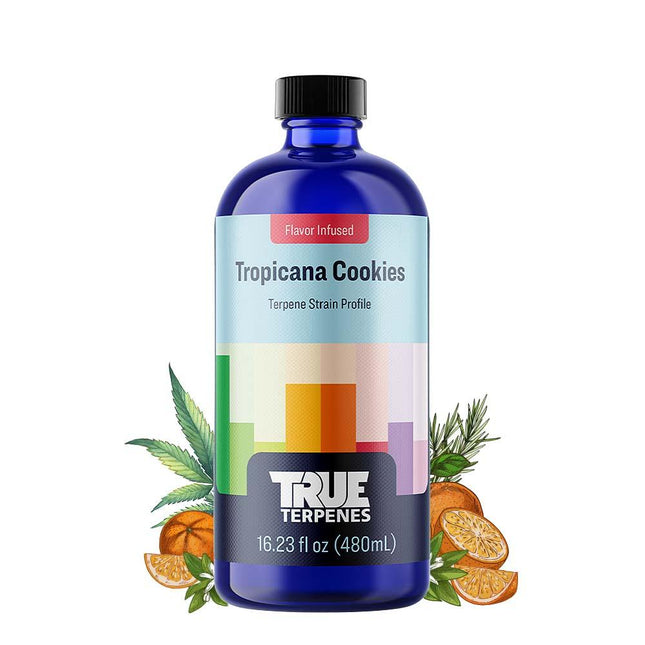

True Terpenes True Terpenes Tropicana Cookies -Infused
True Terpenes Tropicana Cookies -Infused All sales are final. Orders can be refunded prior to fulfillment and shipping but once the order has been fulfilled and/or shipped, no refunds will be issued. Due to the hazardous nature of our product, we are unable to accept returns. (Please Note: This product has 1 week lead time) Tropicana Cookies Infused Strain Profile takes the uplifting and euphoric Tangie and GSC strains and boosts the good vibes with tropical cookie sweetness. Full Flavor. Full Effect. FRAGRANCE: Tropical and sweet EFFECT: Happy, uplifting and euphoric CERTIFICATES: COA | SDS | FOOD GRADE Storage Requirements Keep in original container, lid securely tightened and away from heat, open flames, sunlight, combustible materials and hot surfaces. Store below 15℃ (60℉). Improper storage can cause terpenes to degrade. DilutionTerpenes must be diluted prior to use for flavor and effect (1-5% by total volume). Terpenes are oil soluble and mix well with plant extracts, coconut oil, and more. Handle With CareCan cause skin irritation, do not ingest PRIOR to dilution. TRUE GRADE™ It is our promise to you. Our isolated terpenes are triple-distilled making them the cleanest terpenes in the world. Fresh out of the bottle, undiluted, every single one of our products bests the most rigorous consumer safety standards. GMP | ISO-9001:2015 | FSSC 22000 Blended in cGMP facilities adhering to the requirements for a Quality Management System (QMS) specified by ISO 9001:2015 and FSSC 22000 standards. Analyzed Tested and passed True Grade™ safety specifications for residual solvents, pesticides and heavy metals. Stability Tested Rigorously tested with mid-grade distillate against separation, cloudiness and unacceptable levels of color change. We Qualify True Terpenes implements supply-chain control for all raw materials and is proud to provide True Terpenes’ qualification documents such as certificates, licenses and registrations to be qualified as your supplier. Undiluted We do not add PG, VG, PEG, MCT or Vitamin E Acetate to any of our products. Food Grade Manufactured in cGMP facilities using food grade ingredients. UV Protected This product is packaged in a cobalt blue, UV deterrent and food grade bottle with tamper evident seal. Made in the USA Formulated, blended, manufactured and fulfilled in the United States. Refined Isolates This product contains ultra-pure, molecularly-refined terpene isolates. Only the best.
$189.09 - $3,151.44
-
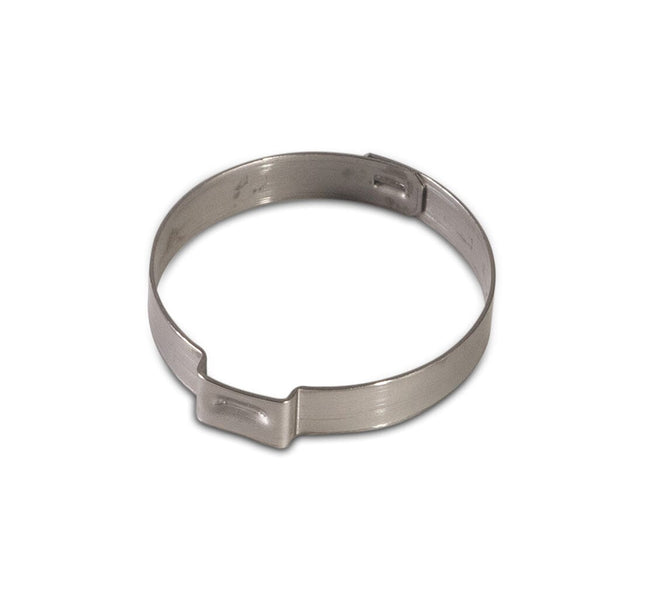
Pinch Clamp 1-3/8"-1-1/2"
Pinch Clamp 1-3/8"-1-1/2" Replacement pinch clamp that will secure the cover over the heat pad after disassembling the Lab Dosing Gun:
$5.60
-

Neoprene Gasket for Cubes
NEOPRENE GASKET FOR CUBES Replacement Neoprene gasket for acrylic vacuum chambers. The existing gasket will have to be completely removed in order to get the new one to seal. It is recommended to use a cleaning solution such as CitraKlean.
$54.62
-
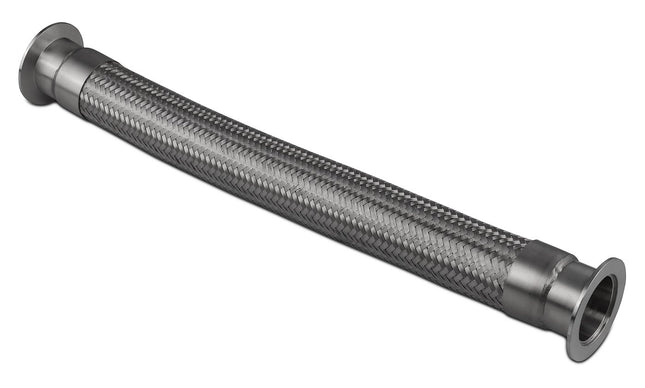

KF Connection Braided Stainless Steel Bellow Hose
KF Connection Braided Stainless Steel Bellow Hose This KF or (NW) bellow hose is made out of 304-grade stainless steel with braided exterior which allows a high vacuum to be obtained with a large flow diameter for vapors. These bellow hoses are flexible and allow the user to connect a KF flanged vacuum pump to a KF flanged vacuum oven or any other application using adapters. Sizes Available: KF-16 KF-40 KF-50 Lengths Available: 20" 40"
$84.04 - $231.11
-
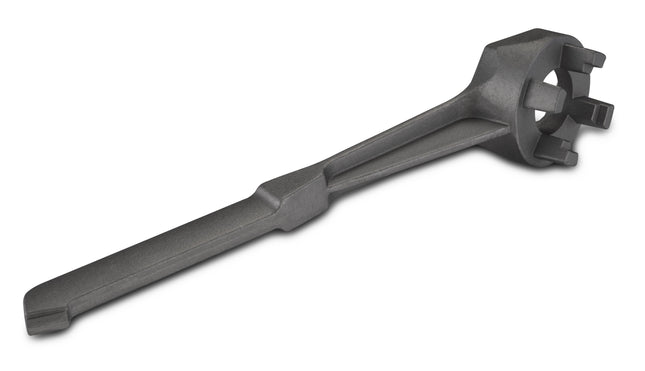
Universal Drum Wrench, Aluminum Alloy
This is an aluminum alloy universal drum wrench that is used on 3/4" and 2" drums and barrel bungs. This lightweight wrench can be used to open bungs and is capable of quarter turns in tighter spaces. Perfect for various facility and warehouse uses.
$26.61 $18.21
-

Master Vapor Pumps Pump Part - MVP - 60 PSI, 150 PSI, & Liquid - SS&S - Fluid Plate Kit
Pump Part - MVP - 60 PSI, 150 PSI, & Liquid - SS&S - Fluid Plate Kit All sales final
$322.15
-
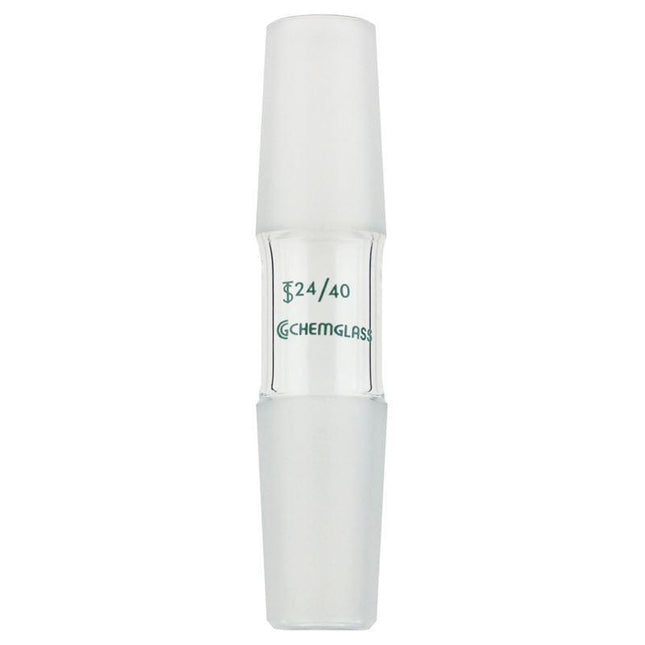
Chemglass Chemglass Straight Connecting Adapter 24/40
Chemglass Straight Connecting Adapter 24/40 This Chemglass adapter allows you to connect 2 female jointed pieces together. ***Glassware Safety Disclaimer: BVV™ is not responsible for failure of glassware which must be inspected before and after every use because it may eventually develop imperfections or damage through normal usage, mishandling, and stress caused by temperature variations. If an imperfection or damage is noted while inspecting the glassware DO NOT use the glassware because it can fail causing bodily harm or damage to the surrounding area.*** ***All units are inspected for broken glass or parts before unit is shipped. If unit arrives damaged or glass is broken (this does not include minor imperfections or scuffs in glassware), Customer MUST contact BVV™ within 3 days of delivery to file a claim and receive a replacement part. If customer DOES NOT contact BVV™ within 3 days of delivery responsibility for replacement parts falls on the customer and they must pay for replacement pieces.
$81.24
-
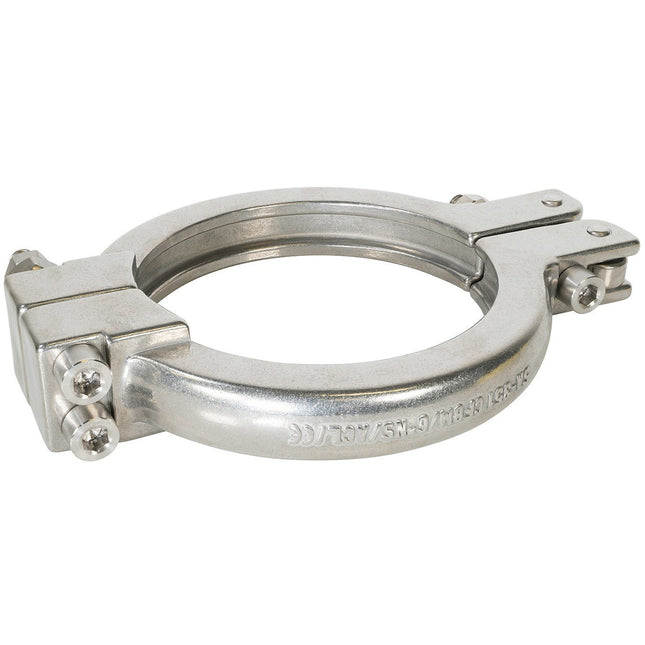
L.J. Star 6" ASME VIII Sanitary 316SS Clamp for High Pressure Connections
6" ASME VIII Sanitary 316SS Clamp for High Pressure Connections These heavy duty hygienic ASME VIII clamps are designed for pressure vessels, filter housings and other demanding/pressure intensive applications while operating under sterile conditiions. These clampos meet the requirements of ASME SEction VII Appendinx 24 of the pressure vessel code . All of these sanitary clamps are made from fully traceable 316 stainless steel. The ASME Code Sanitary Clamp is made specifically for the Pharmaceutical and Biotech Industries where joint cleanliness and efficiency are of paramount importance. These stainless steel sanitary fittings and clamps are made from investment castings to produce a high quality, precision fit assembly. The clamps are designed to provide quick access to the joint for cleaning and inspection without sacrificing safety. All sanitary clamps are CE compliant per the Pressure Equipment Directive 97/23/EC and the Machinery Directive 98/37/EC. DATASHEET - ASME Sanitary Clamp Fittings ASME Clamp Instructions
$1,015.46
-
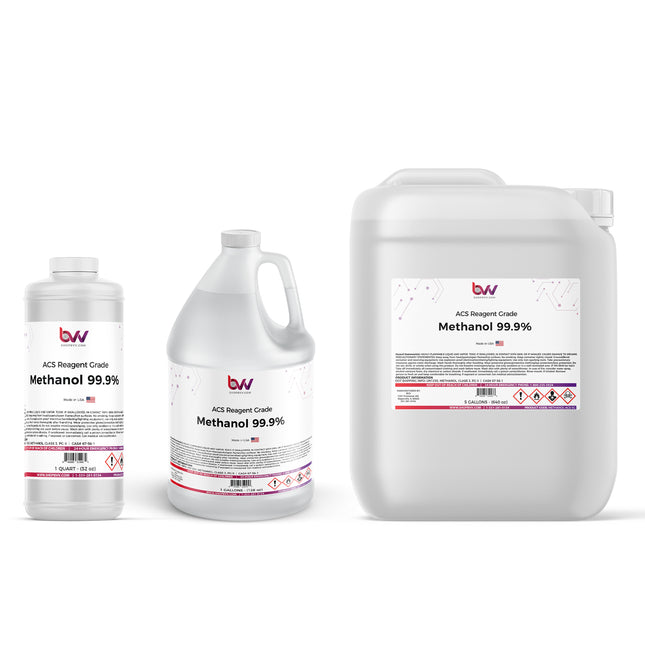

Methanol ACS (Reagent)
ACS Reagent Grade Methanol BVV™ High ACS Reagent Grade Methanol is the highest grade. ACS Reagent stands out for its exceptional purity and meets the strictest standards used by the American Chemical Society (ACS). This is an excellent solvent for uses in laboratory and analytical applications. Methanol ACS Reagent Grade meets rigorous ACS specifications, ensuring reliability and reproducibility in analytical and research applications. Methanol is a high purity solvent used to manufacture botanical solutions and is easily evaporated. Methanol is used in research and testing laboratories for phytochemical study, phytochemical analysis and chemical synthesis. Methanol is used to prepare methanol/water/acetic acid mixtures, and is completely soluble in water. Chemical Formula: CH3OH Molecular Weight: 32.042 g·mol−1 CAS Registry Number: 67-56-1 Appearance Colorless Liquid Odor: Faint and similar to ethanol Density 0.792 g/cm3 Boiling Point: 64.7 °C /148.5 °F Solubility in water: Completely Soluble GHS Pictograms: GHS Signal Word: Danger GHS Hazard Statements: H225, H301, H302, H305, H311, H331, H370 GHS Precautionary Statements P210, P233, P235, P240, P241, P242, P243, P260, P264, P270, P271, P280, P301+P330+P331, P302+P352, P303+P361+P353, P304+P340, P305+P351+P338, P307+P311, P310, P311, P312, P337+P313, P361, P363, P370+P378, P403+P233, P405, P501 UN Identification Number: 1230 Proper Shipping Name: Methanol Transport Hazard Class: 3 Packing Group: II DOT Placard: What Is Methanol? Methanol, also known as methyl alcohol or wood alcohol, is a type of alcohol with the chemical formula CH3OH. It is the simplest alcohol, consisting of a methyl group (CH3) linked to a hydroxyl group (OH). Methanol is a colorless, flammable liquid with a slightly sweet odor. It is commonly used as an industrial solvent, antifreeze, fuel, and as a feedstock in the production of chemicals, plastics, and synthetic materials. Methanol can be synthesized from various sources, including natural gas, carbon monoxide, and biomass. It is considered a hazardous substance due to its toxicity when ingested, inhaled, or absorbed through the skin. Methanol is also used as an industrial and laboratory solvent and as a fuel in some types of racing cars and model engines. One important thing to note is that methanol is highly toxic when consumed, and even small amounts can be lethal. It should never be ingested, and safety precautions should be taken when handling this substance. What Is Methanol Used For? Methanol is used for a wide range of industrial, commercial, and laboratory applications. Some of its common uses include: Fuel: Methanol is used as an alternative fuel in some types of vehicles, particularly racing cars and model engines. It is also used in the production of biodiesel and as a fuel additive. Solvent: Methanol is a versatile solvent that can dissolve a variety of substances, making it useful in industries such as paint, varnish, and ink production. It is also used as a cleaning agent in laboratories and industrial settings. Antifreeze: Methanol is an essential component of some antifreeze formulations, where it helps prevent the freezing of engine coolant in cold temperatures. Chemical Intermediate: Methanol serves as a key building block in the production of various chemicals and materials, including formaldehyde, acetic acid, methyl methacrylate (used in plastics and coatings), and more. Fuel Cell Feedstock: Methanol can be used as a feedstock for the production of hydrogen, which can be used in fuel cells for electricity generation and other applications. Preservative: In the pharmaceutical and personal care industries, methanol is used as a preservative in some products. Denaturant: Methanol is added to industrial ethanol to make it unfit for consumption (denatured). This ensures that the ethanol cannot be used for drinking purposes and is used for industrial applications. Laboratory Reagent: Methanol is commonly used in laboratories as a reagent and solvent for various chemical experiments and analyses. Extraction: It is used in some extraction processes, such as the extraction of essential oils from plants. Energy Storage: Methanol is being explored as a potential energy carrier for energy storage and transportation, particularly in the form of methanol fuel cells. It's important to note that methanol is toxic to humans and should be handled with care. Ingesting or inhaling methanol vapors can be extremely dangerous and potentially fatal. Proper safety precautions and handling procedures are necessary when working with methanol. What Is The Structure of Methanol? Methanol, also known as methyl alcohol, has a simple chemical structure. Its molecular formula is CH3OH, which represents one carbon (C) atom, four hydrogen (H) atoms, and one oxygen (O) atom bonded together. Here's the structural formula of methanol: In this structure: The central carbon atom (C) is bonded to three hydrogen atoms (H) and one oxygen atom (O). The oxygen atom is bonded to the carbon atom through a single covalent bond (C-O). The remaining three hydrogen atoms are bonded to the carbon atom, completing its four covalent bonds. Methanol is a polar molecule due to the electronegativity difference between oxygen and hydrogen atoms, which results in a partial positive charge on the hydrogen atoms and a partial negative charge on the oxygen atom. This polarity gives methanol its unique chemical properties and makes it a versatile solvent in various applications. What are the Hazards of Methanol? Methanol, while commonly used in various industrial and laboratory applications, poses several hazards, primarily due to its toxic and flammable nature. Here are some of the hazards associated with methanol: Toxicity: Methanol is highly toxic to humans when ingested, inhaled, or absorbed through the skin. The toxic effects are primarily due to its metabolites, formaldehyde, and formic acid. Methanol poisoning can lead to symptoms such as headache, dizziness, nausea, vomiting, abdominal pain, and in severe cases, it can cause blindness, organ failure, and death. Flammability: Methanol is flammable and can form explosive mixtures in the air when its vapor concentration is within certain limits. It has a relatively low flashpoint, making it susceptible to ignition by heat, sparks, or open flames. Proper storage and handling precautions are essential to prevent fire hazards. Irritant: Methanol can be irritating to the eyes, skin, and respiratory tract. Contact with methanol vapor or liquid can lead to skin irritation, redness, and chemical burns. Inhaling methanol vapor can irritate the respiratory system and cause coughing and throat irritation. Environmental Impact: Methanol is harmful to the environment. Spills or releases of methanol can contaminate soil and water, posing a risk to aquatic life and ecosystems. It is important to handle and dispose of methanol responsibly to minimize its environmental impact. Incompatibility: Methanol should not be stored or transported in containers or systems that have previously held incompatible materials, as it can react with some substances and form hazardous compounds. Cumulative Exposure: Prolonged or repeated exposure to methanol vapor or mist over time can result in cumulative health effects, particularly on the central nervous system and the optic nerve. Ingestion Risk: Methanol has a sweet taste and is sometimes mistaken for ethanol (the alcohol found in alcoholic beverages). Accidental ingestion of methanol can occur, especially if it is stored in containers that are not clearly labeled. To safely handle methanol and mitigate these hazards, it is crucial to follow strict safety protocols, use appropriate personal protective equipment (PPE), store methanol in well-ventilated areas away from open flames, and provide proper training to personnel working with methanol. Emergency response plans and first-aid measures for methanol exposure should also be in place in case of accidents or spills. How Do I Use Methanol Safely? Using methanol safely is essential due to its toxic and flammable nature. Whether you're working with methanol in a laboratory, industrial setting, or other applications, here are some guidelines for safe handling: Personal Protective Equipment (PPE): Always wear appropriate PPE, including safety goggles, chemical-resistant gloves, a lab coat or chemical-resistant apron, and closed-toe shoes. Consider additional protective gear, such as a face shield, when handling large quantities or performing high-risk operations. Storage: Store methanol in well-ventilated areas away from heat sources, open flames, and direct sunlight. Use containers made of materials compatible with methanol, such as glass or approved plastic containers. Label containers clearly with the contents. Ensure proper labeling and hazard signage in storage areas. Handling: Handle methanol in a fume hood or well-ventilated workspace to minimize inhalation exposure. Do not use methanol near open flames, sparks, or heat sources. Avoid skin contact; wear gloves and lab coats to prevent skin exposure. Use a face shield or safety goggles to protect your eyes. Spill Response: Have spill kits and absorbent materials (e.g., spill pads, spill pillows) available for immediate use. In the event of a spill, ventilate the area, and contain the spill to prevent it from spreading. Wear appropriate PPE when cleaning up spills. Follow your workplace's spill response procedures and dispose of contaminated materials properly. Storage and Dispensing: Use safety containers designed for methanol when dispensing or transferring the liquid. Never use glassware or containers that have been used for other chemicals without thorough cleaning. Ensure proper grounding and bonding when transferring methanol to prevent static electricity buildup. Inhalation Exposure: Minimize inhalation exposure by working in a well-ventilated area or under a fume hood. If you suspect inhalation exposure, move to an area with fresh air and seek medical attention if symptoms persist. Ingestion Prevention: Do not eat, drink, or smoke in areas where methanol is handled. Avoid using containers or equipment that may be contaminated with methanol for food or beverage storage. Fire Safety: Methanol is flammable; keep it away from open flames, sparks, and heat sources. Use explosion-proof electrical equipment in areas where methanol vapors may be present. Emergency Response: Familiarize yourself with the location of safety showers, eyewash stations, fire extinguishers, and emergency exits. Know the location of first-aid supplies and procedures for methanol exposure. Training and Education: Ensure that personnel handling methanol are properly trained in its safe handling, storage, and emergency response procedures. Waste Disposal: Dispose of methanol waste in accordance with local, state, and federal regulations for hazardous waste disposal. Always follow your workplace's safety protocols and consult with safety officers or supervisors for specific safety procedures related to methanol handling in your environment. Regular safety training and awareness are essential to prevent accidents and protect your health when working with methanol. Methanol ACS (Reagent Grade) Safety Data Sheet SDS Methanol ACS (Reagent Grade) Certificate of Analysis COA
$28.01 - $630.29
-

24" & 36" Filter Paper (Qualitative, Large Diameter)
Ashless Filter Papers - Qualitative Ashless quantitative and qualitative filter papers provide laboratory grade filtration for extraction systems and are specifically used in combination with a Buchner funnel to remove fats, waxes and any other unwanted contaminants from your solution. These filter papers are used in the pre-processing stage of short path distillation to clean up the material prior to processing. Key Features: ISO 9001 Approved Manufactured from alpha-cellulose and cotton linters High Purity and low background Consistent performance Low ashless content: <0.1% Whatman equivalent quality Pre-Cut for ease of use Specifications: Classification Qualitative Sizes Available: BIO-1 11um - Medium BIO-4 20um - Fast BIO-5 2.5um - Slow BIO-6 3um - Slow Ash Content <0.1% Quantity per Pack 100 Diameter 24 - 36" Technical Data: Grade Particle Retention Appearance Speed Ash Content (%) Basis Weight (g/m2) Wet burst (mm H2O) BIO-1 11um Smooth Medium <0.1 80.0±4.0 >140 BIO-2 8um Smooth Medium <0.1 80.0±4.0 >140 BIO-4 20um Smooth Fast <0.1 80.0±4.0 >120 BIO-5 2.5um Smooth Slow <0.1 80.0±4.0 >180 BIO-6 3um Smooth Slow <0.1 80.0±4.0 >180 BIO-40 8um Smooth Medium <0.007 80.0±4.0 >140 BIO-41 20-25um Smooth Fast <0.007 80.0±4.0 >120 BIO-42 2.5um Smooth Slow <0.007 80.0±4.0 >180 BIO-43 16um Smooth Medium to Fast <0.007 80.0±4.0 >120 BIO-44 3um Smooth Slow <0.007 80.0±4.0 >180
$224.10 - $308.14
-
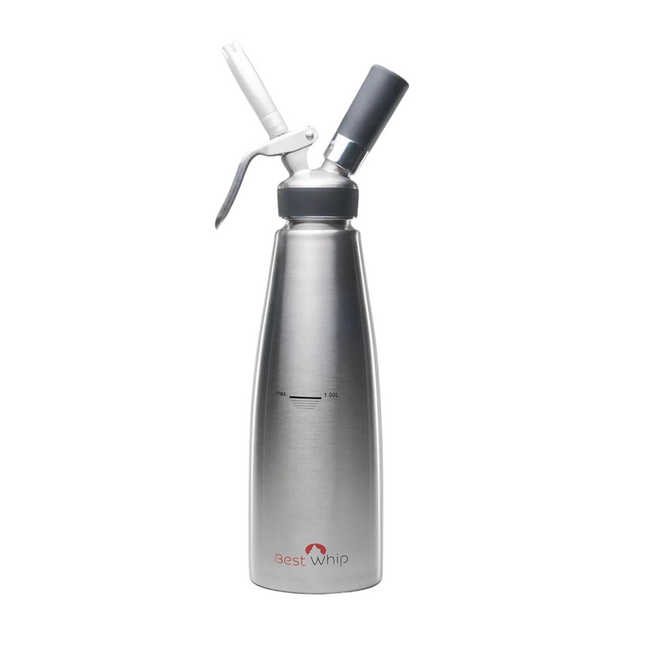

Barista Pro Stainless Steel Cream Whipper 1 liter & 1 Pint
The Barista Pro Stainless Steel whipped cream dispenser was meticulously crafted to cater to the needs of both baristas and devoted coffee connoisseurs. Made entirely from 304 grade stainless steel, including the head, this product offers the convenience of dishwasher safety. The stainless steel construction makes this whipper heavy duty around the kitchen. Efficient Operation: Utilizing 8gm and/or 16gm nitrous oxide chargers, it assures a sleek and speedy whipping encounter (16gm chargers require adaptor). Long-lasting Freshness: Store your whipped cream in the refrigerator, and it'll stay fresh and luscious for up to 14 days.
$56.03 - $91.04
-
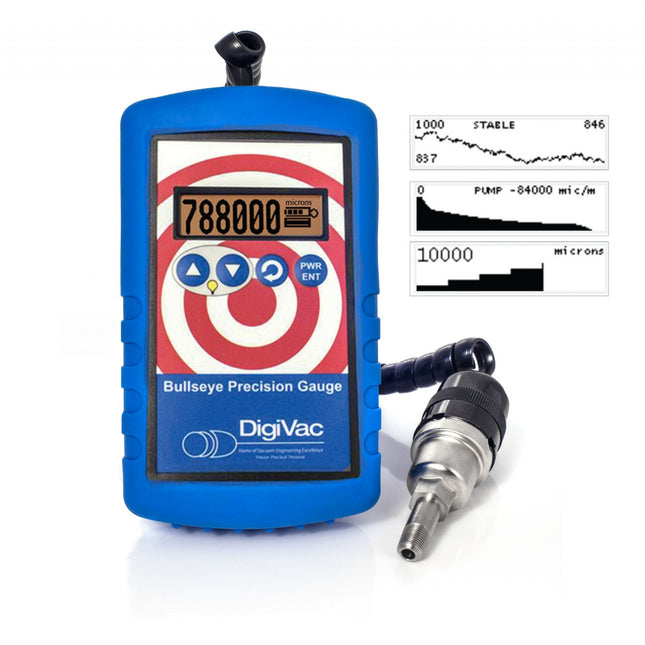
DigiVac Bullseye Precision Gauge with Agilent 536 KF25, NPT or KF16 Sensor | Vacuum Gauge for Processing
Bullseye Precision Gauge with Agilent 536 KF25, NPT or KF16 Sensor | Vacuum Gauge for Processing A rugged portable vacuum gauge for processing applications that pairs unparalleled vacuum measurement with the Agilent 536 sensor that has an integrated baffle which provides protection and helps reduce risk of sensor failure Numeric & Graphical Displays See vacuum readings in either numbers or easy-to-read graphs Has 12 measurement units for implementation in almost any vacuum application Torr, mbar, bar, kPa, inches of Hg, mm Hg, millitorr, microns, inches of water, PSI, Pa Calibrated & Precise Delivered pre-calibrated with Agilent/ Varian 536 thermocouple sensor under actual vacuum against the NIST standard. Note: NIST certification sent with the gauge is an available option here The 536 all stainless steel sensor with baffle has extended sensor life in the presence of condensable gases and improved performance at higher pressures Vacuum Interface: KF25 or NPT or KF16 Wetted materials: 304L Stainless steel, glass, Type P thermocouple Extended Battery Lifespan Portable | Solid state electronics built into a handheld gauge that operates using AA batteries that lasts up to 70 hours In-lab use | Power gauge using the integrated Micro-USB port for long-term use without the need to change batteries Ideal Vacuum Gauge for Processing Applications Laboratory, freeze drying, low pressure distillations, foreline monitoring, Schlenk lines performance, and transformer dry-out Or any application with higher levels of condensables where sensor failure is more likely Units Torr, mbar, kPa, millitorr, microns, Torr, mbar, bar, kPa, inches of Hg, mm Hg, millitorr, microns, inches of water, PSI, Pa 1E-4 – 1000 Torr Range with Accuracy .001 – 5 Torr Sensor Type Agilent 536-KF25 Dimensions 11 x 10 x 4 in Certifications CE, RoHS
$1,277.14
-
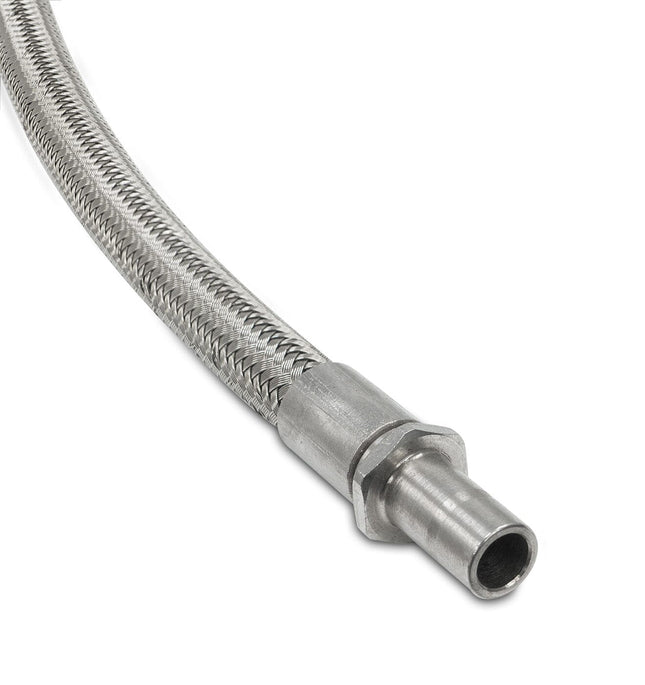
1/4" Fractional Tube Fitting Hose
1/4" Fractional Tube Fitting Hose These chemically resistant PTFE braided hoses are a necessity when dealing with harsh chemicals or solvents and high-pressure applications. They provide a uniquely rugged, durable, and chemically resistant combination of Stainless Steel and PTFE by having an inner core of PTFE and protecting that with a braided stainless steel outer sleeve. These hoses have a tube stub on each end that fits a standard compression fitting. ***Note: Do not exceed the specified hose bend radius or the inner PTFE liner will kink and the hose integrity will become compromised and should not be used. Stainless Steel Hose Technical Data Sheet Specifications: Connection Type(s): 1/4" Tube Stub Liner Material PTFE (Teflon) Braid Material 304 Stainless Steel Swivel Material 304 Stainless Steel Temperature Rating -65°F to 450°F (-54°C - 232°C) Pressure Rating 2100 PSI Chemical Resistance Excellent Max Bend Radius 3"
$61.63 - $93.84
-
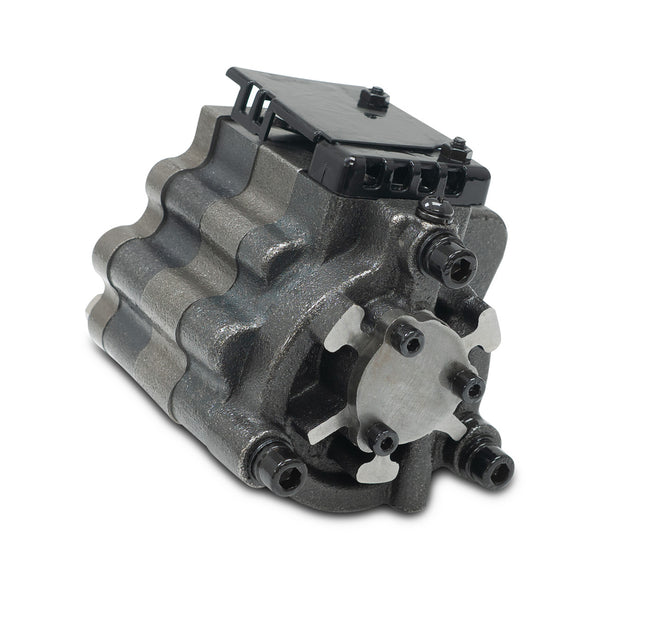

BVV Vacuum Pump Mechanism Rebuild Kits
This rebuild kit is the entire pump mechanism for the BVV vacuum pump. It includes all gaskets and vanes already installed and ready to bolt on the vacuum pump. Select your pump model in the dropdown list.
$49.02 - $89.64
-
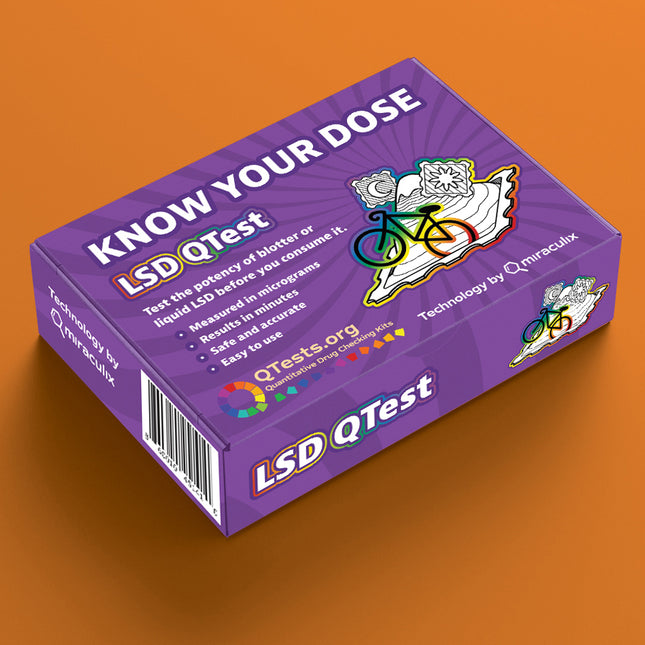

QTests LSD QTests
LSD QTests Know your dose with the LSD QTest The LSD QTest is the world’s first quantitative LSD test kit on the market. It can tell you how many micrograms are in each square of your blotter or each drop of liquid . . . before you ingest it. Use one drop of liquid or one half a hit of blotter, then compare the color of the detection vial to the enclosed color chart. It’s that simple. Instructions Note: A paper version of these instructions comes with your order. IMPORTANT INFORMATION! – READ THIS FIRST • Use this kit at room temperature. (If stored in a refrigerator, let it warm up for one hour first.) • Perform the test on a flat surface during the daytime. • Evaluate the result in daylight immediately after the 12-minute development time. (The color can change if you wait too long.) • Use a white, letter-sized sheet of paper as a background when evaluating the color. (See section four for evaluation details.) • Read all the instructions at least once through before beginning the test. 1. BACKGROUND INFORMATION This test kit can be used to detect the active ingredient LSD-25 (lysergic acid diethylamide) and its concentration in blotter, liquid, and sugar cubes. It does not work on gel tabs. The kit does not react to 1P-LSD, 1cP-LSD, ALD-52 or ETH-LAD When testing blotter, you should only test half of a dose. The end result will tell you how many micrograms of LSD are in the entire dose.* When testing liquid LSD, use only one drop. But remember, the end result tells you how much is in two drops.** When testing sugar cubes, you need to crush and mix up the sugar first. Weigh out and test one quarter (1/4th) of the sugar, then multiply the end result by two.*** IMPORTANT! – Always shake your vial of liquid LSD (and empty and refill the dropper a few times) before dosing out a drop. Liquid LSD tends to settle at the bottom of the vial. If you forget to shake it first, you could end up accidentally ingesting a dose ten or even twenty times larger than expected. Similarly, the liquid in a vial of LSD can evaporate over time, increasing its concentration. (The LSD doesn’t evaporate away. Only the liquid evaporates.) This is particularly true with alcohol solutions, and it can happen even when the lid is tightly closed. Make sure and take this into account. Older vials that have been sitting around for many months can become more potent over time. * Each perforated square in a given sheet of blotter will typically be the same dose. This is because the entire sheet was dipped into a tray of liquid LSD, and the LSD was absorbed evenly throughout the sheet. We designed the LSD QTest so that you only need to test half of a dose (half a square of blotter), and the result will tell you how much LSD is in each full dose (each full square of blotter) belonging to the same sheet. Keep in mind if you have individual squares of blotter that are not connected to each other (i.e., if the perforation was broken when you obtained them) then they may not come from the same sheet. Only connected squares can be assumed to come from the same sheet. ** When testing one drop of liquid LSD, the result tells you how much LSD is in two drops. So remember to divide the end result in half in order to determine how much LSD is in one drop. *** When a drop of liquid LSD is individually dropped onto an absorbent medium such as a sugar cube, it does not absorb evenly. This is why you need to homogenize it before you test it (by crushing and mixing thoroughly). Also, all that sugar won’t fit into the extraction vial, so just use a quarter of it. Then multiply the end result by two to determine the amount of LSD that was originally in the entire cube. 2. PREPARING FOR THE TEST Take out all the items from your kit. Along with these instructions, you should have: • protective gloves• glass vial with screw cap (the extraction vial)• dropper vial with green lid (detection reagent)• evaluation color chart 3. PERFORMING THE TEST 3.1 First put on the enclosed nitrile gloves and wear appropriate protective clothing and safety glasses. If you wear contact lenses, remove them. The liquids in the vials contain acids which may cause skin irritation or severe eye damage. In the event you come in contact with the liquid, remove the affected clothing immediately and rinse the affected skin area with water for several minutes. In case of eye contact, rinse the affected eye with running water for several minutes. (Keep pets, especially cats, away from the testing area.) If you are testing blotter, carefully cut it in half diagonally from one corner to the other using a fine pair of scissors. If you are testing a sugar cube, put it into a small zip lock baggie. Crush it up and shake it well, then pour all of it onto a milligram scale and weigh it. Write down the total weight. Now use the same scale and weigh out one quarter (1/4th) of the total for the test. 3.2 Open the glass vial and add the half piece of blotter (or the quarter amount of sugar). If you are testing liquid LSD, just add one drop. Put the lid back on the vial, close it tightly and shake it for about one or two minutes. For blotter, let the vial rest for five minutes and then repeat the process two more times to make sure all the LSD is extracted. During the five-minute resting periods, make sure the blotter is suspended in the liquid, not stuck to the side of the glass, or to the underside of the lid. Shaking three times with a five minute resting period in between is enough to extract all the LSD even from the thickest blotter. (For thinner blotter, you don’t really need to repeat this process three times, but we suggest it anyway just to make sure.) 3.3 Open the extraction vial again and place it in a safe position. Remove the green cap from the plastic dropper vial and carefully empty the entire contents into the glass vial by squeezing it with even pressure. Put the lids back onto both vials and close them tightly. 3.4 Gently invert the glass vial four or five times to mix the reagents together and then set the vial down. In the presence of LSD, the liquid will begin turning a blue color immediately. 3.5 Wait 12 minutes for the color to completely develop. The result can then be read and interpreted using the enclosed color chart. See the next section, “EVALUATING THE RESULT,” for details. IMPORTANT! – If you see blue spots or streaks on the blotter, this indicates that not all the LSD got extracted from the blotter. In this case the result will be inaccurate. (Your LSD is actually more potent than the result indicates.) This will only happen with thicker blotter if you did not carefully follow the instructions in section 3.2 above. 4. EVALUATING THE RESULT Follow the instructions above and wait 12 minutes before evaluating the result, but do not wait much longer than 12 minutes. Set a timer. By comparing the intensity or saturation of the liquid in the vial with the enclosed color chart, you can determine the result visually. In the presence of LSD-25, the detection reagent turns bluish over time. Daytime sunlight is best suited for optimal evaluation. If using artificial light, the influence of different color temperatures may slightly change the hue. You can still perform the evaluation, but you should take this into account (e.g. high blue content in energy-saving lamps, green discoloration when using LED light from cell phones, etc). SPECIFIC EVALUATION INSTRUCTIONS • Use a white, letter-sized sheet of paper as a background.• In daylight or under bright light, hold the glass vial next to the color chart about six to eight inches in front of the white sheet of paper and look through the glass vial head on. For best results, your eyes should be fairly close to the vial, but no closer than about six to eight inches.• Now compare the color of the liquid in the vial to the color chart. The corresponding concentration of LSD listed on the color chart is twice the amount of LSD that you tested. So if you tested half a square of blotter, the concentration listed indicates the amount of LSD present in the entire square.• If you tested one drop of liquid, the corresponding result indicates how much LSD is in two drops of the liquid. (So divide the result in half to calculate how much is in one drop.)• If you tested a quarter of a sugar cube, the result tells you how much LSD is in half the sugar cube. (So multiply the result by two to calculate how much LSD was in the entire, original cube.) 5. STORAGE AND SHELF LIFE Store the reagents in the refrigerator (35° – 46° F) and out of direct sunlight for a shelf life of at least 18 months. 6. WARNINGS • Keep the kit away from children and animals.• When performing the test, wear suitable protective gloves, clothing and face/eye protection. If you wear contact lenses, remove them before using the test kit.• The liquids contained in the dropper vial consist of various acids which may cause a corrosive/irritating effect on the skin or severe eye damage/irritation. Avoid contact with the skin, eyes, mouth or clothing.• Should contact with the above listed areas occur, remove the relevant clothing immediately. Instantly rinse the affected skin areas with water for several minutes. In case of contact with the eyes, immediately rinse them with water for several minutes using both hands to keep the upper and lower eyelids open.• Substances processed with the test kit are not to be consumed!• The solution in the extraction vial is flammable. It’s just a small amount, but please don’t smoke while performing the test. 7. DISCLAIMERS • QTests are only to be used for the detection and quantification of unknown substances.• The result may not be 100% accurate. Your sample could be adulterated with one or more unknown substances that cross-react with the reagents, affecting the quantitative result.• The result does not mean your sample is safe to consume. It could still contain unwanted substances and impurities that can be harmful or even deadly.• The LSD QTest is not a substitute for laboratory analysis.• miraculix and/or Qtests.org assume no responsibility for the use or misuse of the test kit or the results. 8. DISPOSAL OF MATERIALS Check your local regulations for proper disposal of acids.
$34.95
-
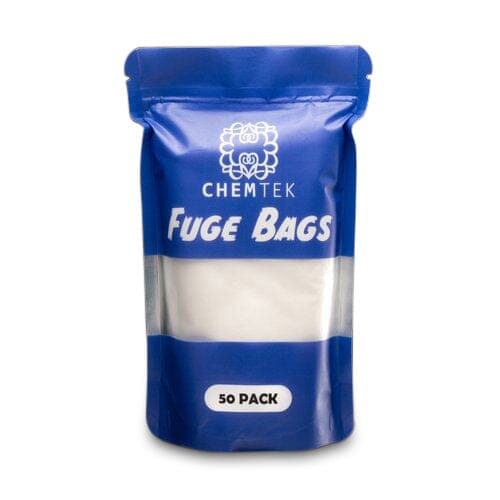

ChemTek ChemTek Medium Fuge Bags - 50 Pack
ChemTek Medium Fuge Bags - 50 Pack Centrifuge bags used for separations Specifications: Size: 50-Pack Dimensions:H: 7” W: 5” Micron Size: 25 Micron Material: Food Grade Nylon
$42.02
-
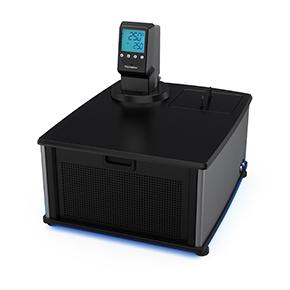
Polyscience Polyscience 7 Liter Low Profile MX Refrigerated Circulator
Polyscience 7 Liter Low Profile MX Refrigerated Circulator Note: This item may carry up to a 4-6 week lead time. The Polyscience 7 Liter Low Profile MX Refrigerated Circulator is an more ergonomic version of the standard 7L Refrigerated Circulator. It is the ideal low temperature cooler for short path distillation and can also be used to heat jacketed bases and chill jacketed columns for small capacity extraction systems. Specification Description -20, 7 L Low Ref. Circulator Controller Type MX Display 3.75" Touch-Pad LCD Working Temperature Range °C -20° to 135° Temperature Stability °C ±0.07° Temperature Calibration Capability 1-point Working Access (L x W x D) (cm) 15.7 x 14.2 x 12.7 cm Pump Type Pressure Flammability Class (DIN 12876-1) I (NFL) Working Temperature Range °F -4° to 275° Working Temperature Range °C -20° to 135° Nominal Cooling Capacity @ +20C (W) 200 Reservoir Capacity (gallons) 1.85 Reservoir Capacity (liters) 7 Reservoir/Tank Material Stainless Steel Reservoir Cover Included DuraTop Yes LidDock Yes Cleanable Air Filter Yes Working Access (L x W x D) (inches) 6.18 x 5.59 x 5 in Working Access (L x W x D) (cm) 15.7 x 14.2 x 12.7 cm Temperature Stability °F ±0.13° Temperature Stability °C ±0.07° Display 3.25" LCD Display Resolution (Set) 0.01 Display Resolution (Read) 0.01 Pump Type Pressure Pump Speed One Process Connections 1/2" O.D. Barbed Tubes Flammability Class (DIN 12876-1) I (NFL) Over-Temperature Protection / Failsafe Heater Control Yes Low Liquid Level Protection Yes Reservoir Drain Yes Maximum Ambient Temperature °F 95° Maximum Ambient Temperature °C 35° Overall Dimensions (L x W x H) (inches) 23.2 x 16.2 x 17.3 in Overall Dimensions (L x W x H) (cm) 23.2 x 16.2 x 17.3 in Refrigerant R134a Environmental Compliance RoHS, WEEE Shipping Weight (pounds) 84.0 Shipping Weight (kilograms) 38.1 Catalog Page Number 44-45 60 Hz Only Part Number MX7LR-20-A11B Maximum Pressure (psi) 2.3 Maximum Pressure (bar) 0.16 Maximum Pressure Flow Rate (gpm) 3.60 Maximum Pressure Flow Rate (l/min) 13.5 Cooling Capacity @ -20°C (W) 30 Cooling Capacity @ 0°C (W) 120 Cooling Capacity @ +20°C (W) 200 Cooling Capacity @ +100°C (W) 200 Included Hardware Fitting Kit for External Applications Heater Wattage 1100 Electrical Requirements (VAC/Hz/Ph/A) 120/60/1/12 Regulatory Approvals ETL Key Features: Large, universal icon and English display On-screen prompts Single-point calibration capability Certifications: Regulatory Approvals: ETL Operator's Manual
$5,882.68
-
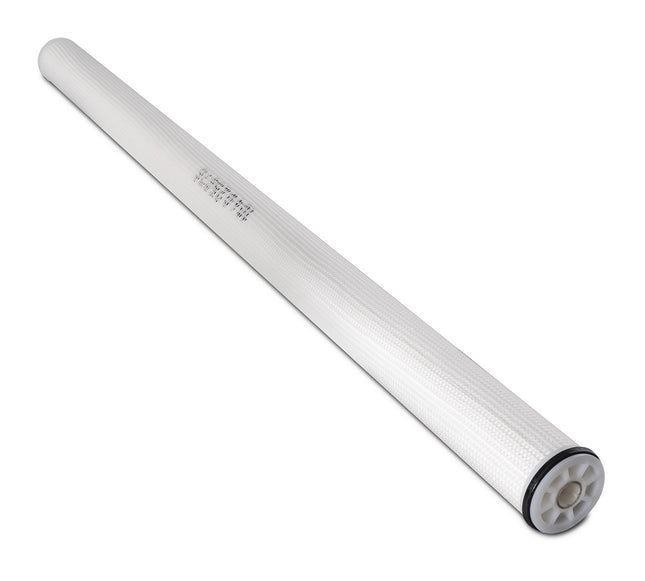

Synder NFS Membrane (200-300Da MWCO)
Synder NFS Membrane With a pore size ranging between 0.1-10nm, Synder Filtration's nanofiltration membranes enable the passage of water and certain salts through the membrane while effectively retaining multivalent ions, low molecular weight molecules, sugars, proteins, and various organic compounds. A result of extensive research and development, Synder's NFS, NFX, NFW, and NFG nanofiltration membrane products have demonstrated exceptional resistance to fouling, a high level of selectivity, and the physical durability necessary for diverse industrial separation processes. Specifically, NFS, NFX, and NFW exhibit outstanding rejection of MgSO4 and lactose, while NFG is designed to partially remove monosaccharides from oligosaccharides. These nanofiltration membranes, as a whole, have the capacity to significantly reduce levels of hardness, nitrates, sulfates, tannins, turbidity, color, total dissolved solids (TDS), and moderate levels of salt from feed water streams. The proven performance of Synder's nanofiltration membranes makes them well-suited for a broad spectrum of industrial applications including the desolvation of ethanol from botanical extract solutions. BVV utilizes 4X NFS 2540 Membranes inside our Nanofiltration Skid to recovery ethanol at 30 Gallons per hour. Specifications Polymer: Proprietary PA TFC Approx. Molecular Weight Cutoff: 100-250 DA Typical Operating Flux 30-40 GFD Average Lactose Rejection: 99.5% Average MgSO4 Rejection: 99.5% Average NaCl Rejection: 50% Maximum Operating Pressure <95F/35C: 600PSI/41.4 Bar Maximum Operating Pressure >95F/35C: 435PSI/30 Bar Maximum Pressure Drop per Element: 15PSI/1.0 Bar Maximum Pressure Drop per hosing: 60PSI/4.1 Bar Maximum continuous Operation Temperature: 122F/50C Maximum CIP Temperature: 104F/40C Maximum Temperature Operating pH Range: 3-9.5 Ambient Temperature Operating pH Range: 3-10.5 Maximum Temperature Cleaning pH Range: 2-11 Ambient Temperature Cleaning pH Range: 2-11
$1,369.83 - $1,743.80
-
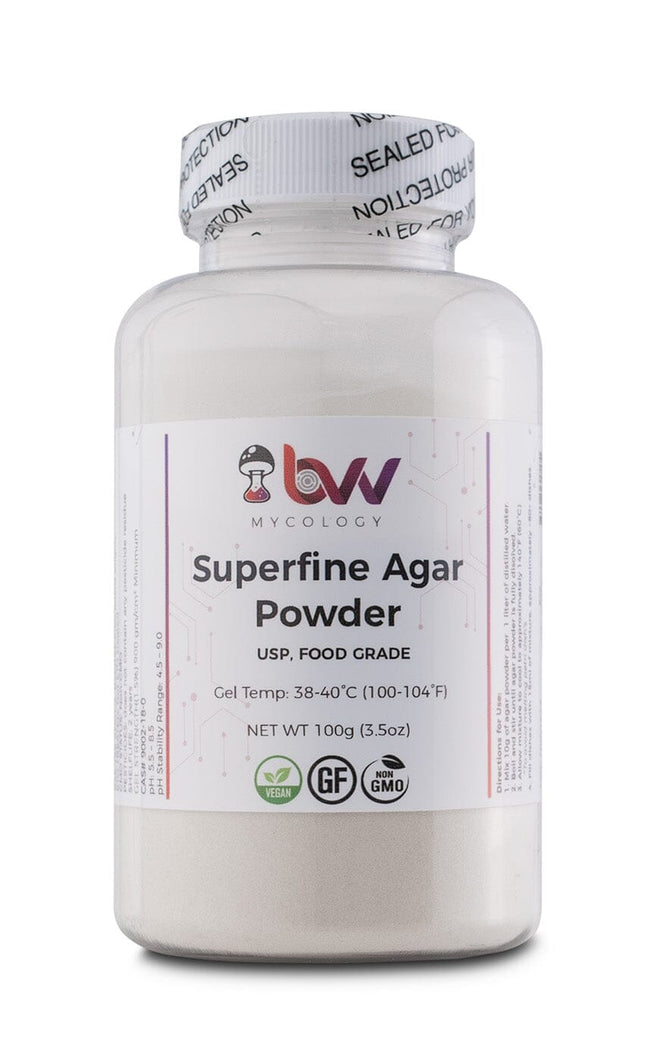

Superfine Agar Powder for Mushrooms Mycology Petri Dishes
Superfine Agar Powder Bacteriological, Food Grade, USP-NF Our Agar Powder is extracted from Red Seaweed. Our agar is a complex polysaccharide and is a top choice for mycology cultures. This superfine agar dissolves quickly and has a high gel strength making it an excellent choice for a variety of applications an petri dishes. Gel Strength (1.5%) : 1020 gm/cm² Gel Temperature: 38-40°C (100-104°F) CAS# 9002-18-0 Gluten Free Allergen Free Vegan & Vegetarian approved Non-GMO Shelf Life: 2 years pH: 5.5-8.5 Superfine Agar Powder Certificate of Analysis Directions for Use: Mix 10g of superfine agar powder per 500ml of distilled water. Boil and stir until powder is fully dissolved. Sterilize the mixture for 45min @15psi 250°F (121°C) in a pressure cooker or autoclave. Allow mixture to cool to approximately 140°F (60°C) *To avoid excessive condensation. Fill dishes with 15ml of mixture, approximately ~30-35 dishes.
$29.41 - $210.10
-
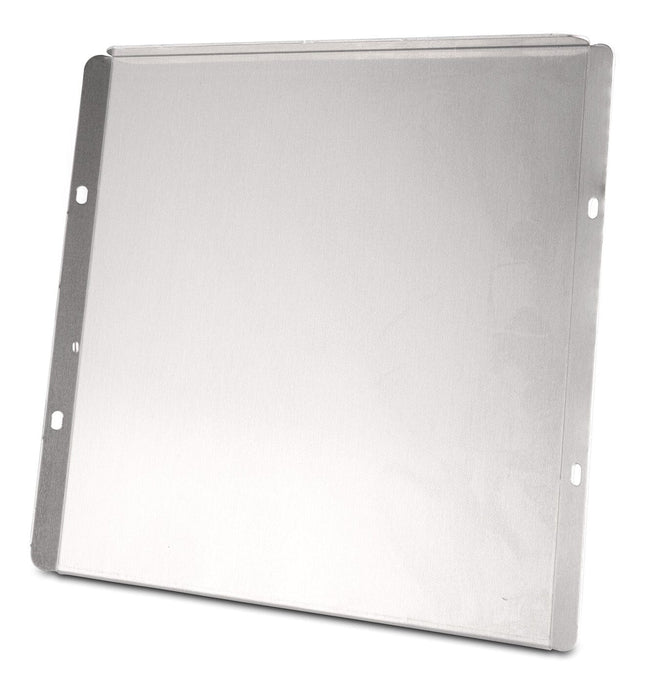
Neocision Vacuum Oven Shelves
Neocision Vacuum Oven Shelves These are stainless steel oven shelves for our Neocision Vacuum Ovens and fit either a 0.9CF or a 1.9CF Neocision Oven. Specifications: 0.9CF - 11" (279mm) x 11.2" (285mm) x 1/8" Thickness 1.9CF - 14" (356mm) x 15.75" (400mm) x 1/8" Thickness
$49.02 - $63.03
-
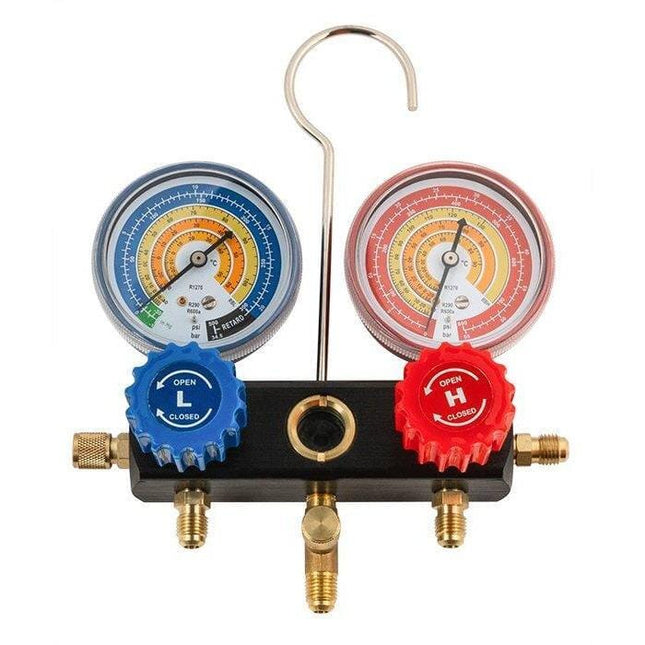

Pro Series Manifold
Pro Series Manifold with Charging Hose Set R290/R600 This manifold is designed for R290 and R600 Propane and Butane solvents for closed loop extraction systems and for nitrogen assistance to push solvent through the system. When used in an active closed loop recovery and circulation system, the manifold allows the user to control the solvent input via the manifold through the gauges and allows you to monitor the pressure and vacuum of the system while it is running. Specifications: Aluminum Block Body 1/4" SAE Brass Fittings 60mm Gauges Refrigerants: R1270/R290/R600a BAR, PSI, Celsius Temp. Ratings: 100C Pressure Ratings: 800PSI High Side, 500PSI Low Side Includes 3 Multi-Colored Charging Hoses.
$63.03 - $70.03
-
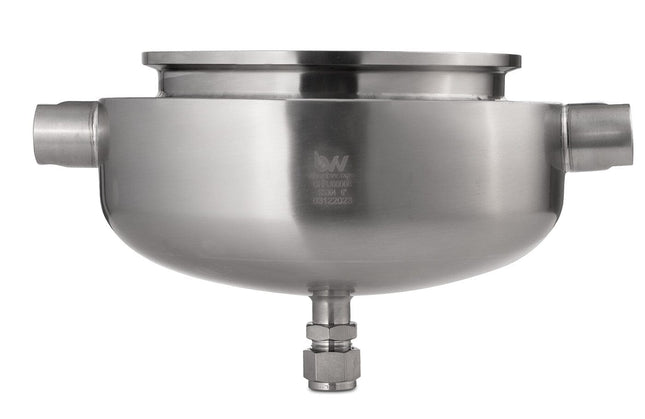

6" Jacketed Hemispherical Reducer Compression
6" Jacketed Hemispherical Reducer Compression This hemispherical reducer will go from a 6" tri clamp to a 1/2" Compression fitting. The compression fitting is the preferred choice for sanitary connections to eliminate possible contamination from particles getting stuck within threads. The jacket around the outside of the reducer has 2x 1/2" NPT ports to connect to a temperature controlled circulator.
$441.20
-
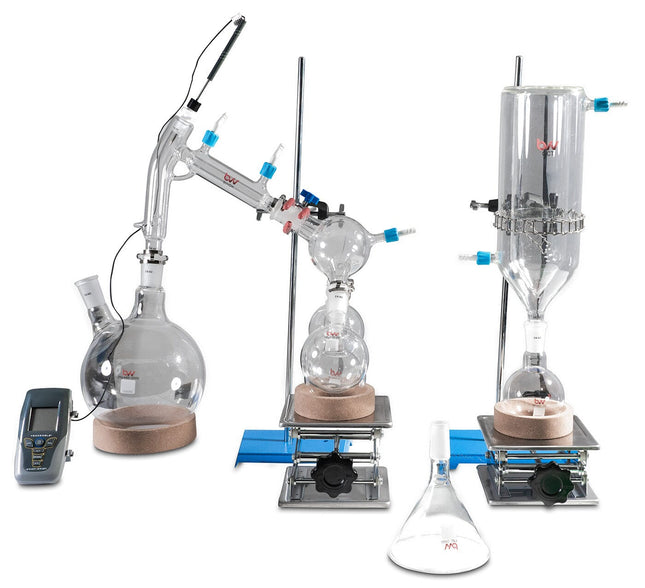

2L Short Path Parts Kit with Dry Ice Cold Trap
2L Short Path Parts Kit with Dry Ice Cold Trap This kit includes all the parts and fixturing to build a distillation setup with a 2L boiling flask. No heating or cooling equipment is included.
$1,050.48
-
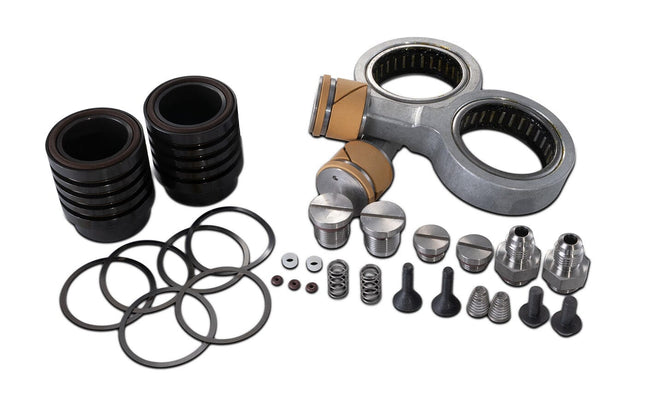
BVV Complete Gen III Upgraded Rebuild Kit
BVV Complete Gen III Upgraded Rebuild Kit This upgraded rebuild kit contains everything you need to rebuild your TRS21 recovery pump and give a needed upgrade through improved seals, pistons, and O-rings. This upgrade kit can be used for the following recovery pumps: CPS TRS21 Anti-spark/explosion pump BVV 2 Cylinder Butane Recovery Pump ITS/ETL to ANSI/ISA Certified BVV 4 Cylinder Butane Recovery Pump ITS/ETL to ANSI/ISA Certified - Requires 2 kits because this unit has 4 cylinders. This Kit includes the follow items: Upgraded Cylinder Replacement kit with Viton O-rings and Shims Upgraded Gen III 2 pc. SS Connecting Rod Assembly 2 pc 1/4" 45 Degree SAE stainless Steel Fittings
$413.19
-
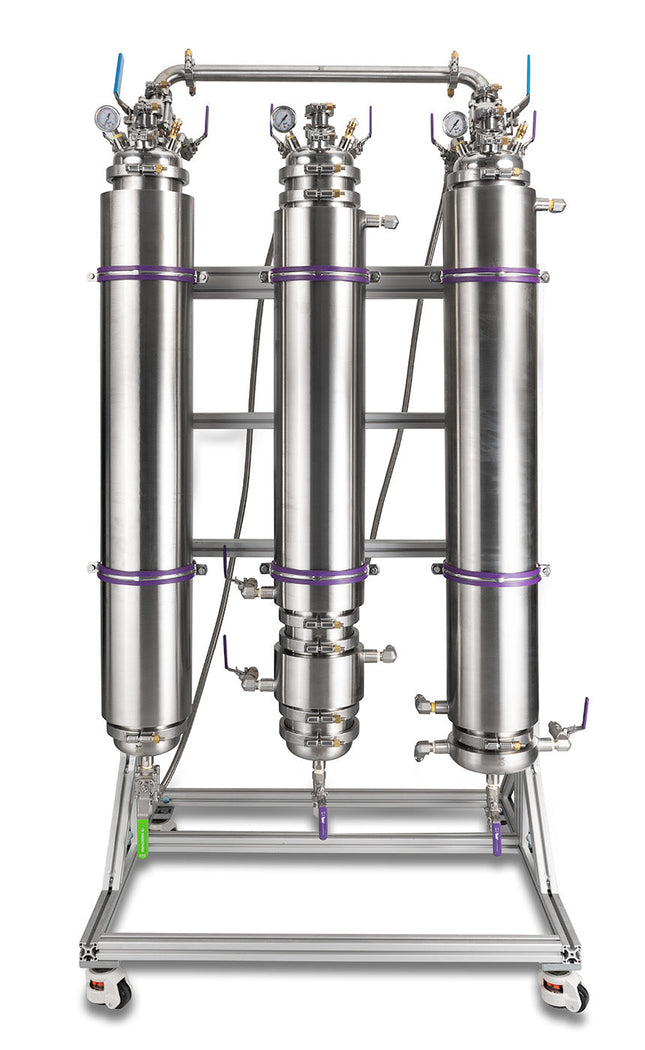

5LB EVO Certified Closed Loop Extractor *49 State Certified
5LB Evo Certified Closed Loop Extractor Equipped with the latest in modern extraction technology the 5lb EVO produces extracts of the highest purity in the shortest time possible through its inline solvent chilling and adsorbent filtration capabilities using its unrestricted passive recovery speeds when paired with our 11KW Express Extraction Heater. Peer reviewed and 3P certified the 5lb EVO meets or exceeds Class 1 Division 1, NFPA 58, and ASME standards. With the ability to process 40+ pounds of biomass material every 8 hours the 5lb Evo provides precision performance without the price. Processing Power Capacity Per Batch: 5LB Cycle Time: 30-45 Minutes Capacity: Up to 40 lb, per 8-hour shift Extracts: isolate/sauce, distillate, vape pens, shatter, and wax/sugar 5LB EVO Certified Closed Loop Technical Data Sheet Specifications 6"x36" 5lb Material Column 6"x6" Adsorbent Filtration Column 1-5um Sintered disk filtration 1.5"x24" Inline molecular sieve column 7X 1.5" Certified Borosilicate Sight Glasses 3X 250 PSI ASME Safety Valves 3X -30hg-250PSI Compound Pressure Gauges 1.5" Full Bore Recovery Lines 1/2" JIC process Flow lines Footprint (DxWxH) 30"x40"x79" Weight: 400 lb Maximum Pressure Rating: 250PSI Compliance Class 1, Division 1 Compliant Designed to ASME standrds NFPA 58 LPG compliant 3P Certifed 49 State compliant: AL, AR, AZ, CA, CO, CT, DE, DC, FL, GA, HI, IA, ID, IL, IN, KS, KY, LA, ME, MD, MA, MI, MN, MS, MO, MT, NE, NV, NH,NM, NY, NC, ND, OH, OK, OR, PA, RI, SC, SD, TN, TX, UT, VA, VT, WA, WV, WY, WI Performance Jacketed or sleeved solvent column for prechilling of solvent & unbridled passive recovery Material Column solvent dispersal plate for complete biomass saturation 1500g Adsorbent filtration column complete with a 1-5um Sintered disk filter stack Independently Jacketed Material column, adsorbent filtration column, & collection column for complete process temperature control 1.5" full bore recovery lines for unrestricted solvent recovery Integrated -1.5"x24" Inline molecular sieve column for preserving solvent's effectiveness Easy to use extract pour spout for streamlined extract harvesting
$14,356.55 - $14,916.81
-
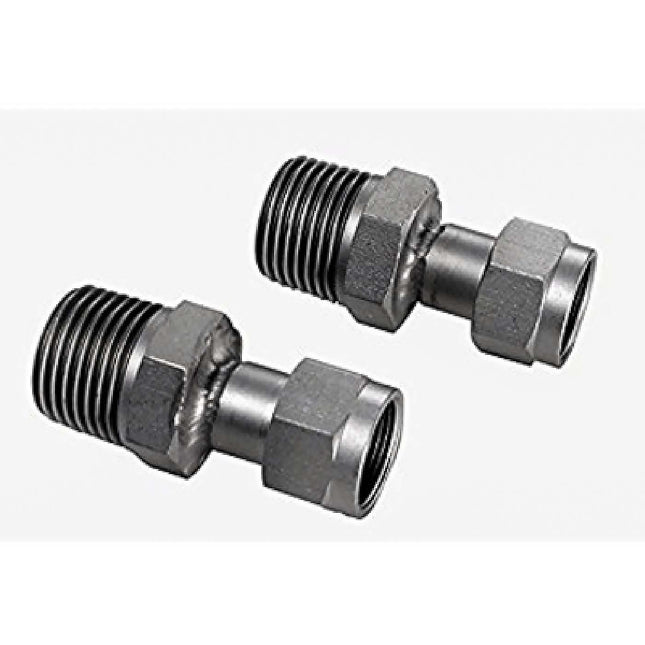
Julabo Julabo Adapter M16x1 f to NPT 1/2″
Julabo Adapter M16x1 f to NPT 1/2″ 2 Adapters M16x1 f. to NPT 1/2″ m.
$294.13


You have seen 1056 out of 1652 products