
EVERY PRODUCT BUT HYDRO FOR WHOLESALE STORE
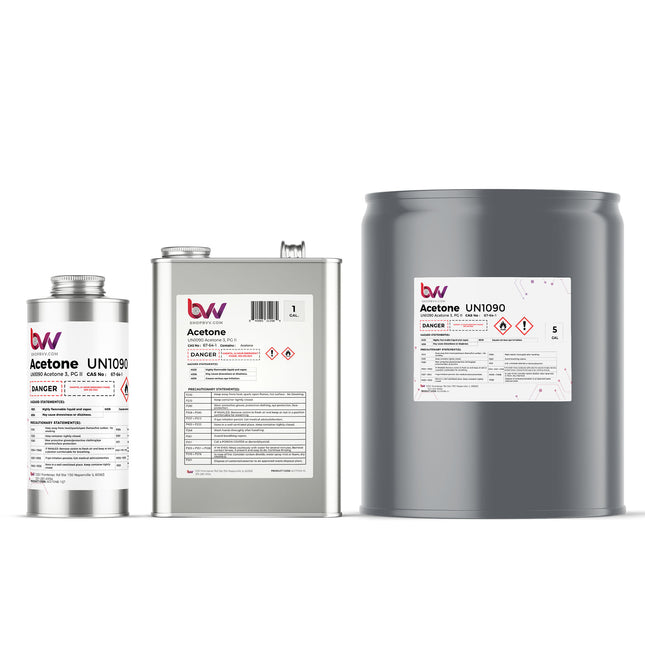
Acetone 99%
BVV™ High Purity Acetone 99% (Note: Container style and color may vary) Explore our top-quality Acetone, a versatile solvent that meets the highest standards of quality and purity. Our Acetone is ideal for a wide range of applications, whether you're in the pharmaceutical, cosmetic or industrial sector. With its exceptional solvent properties, Acetone serves as a reliable solution for cleaning, degreasing, and dissolving various substances. Our Acetone is carefully sourced to ensure consistency and effectiveness, making it a popular choice for professionals and businesses alike. Our Acetone is subjected to stringent quality control measures, ensuring exceptional purity that's perfect for various processes, from extraction to cleaning and stripping applications. Discover the exceptional performance and dependability of our Acetone, specially created to surpass your rigorous requirements. Unleash the potential of this top-notch solvent, and enhance the efficiency and efficacy of your processes to a whole new level. Opt for our Acetone for unparalleled outcomes and make the most of its adaptability in a variety of crucial tasks. Chemical Formula: C3H6O Molecular Weight: 58.080 g·mol−1 CAS Registry Number: 67-64-1 Appearance Colorless Liquid Odor: Pungent, fruity Density 0.7845 g/cm3 (25 °C) Boiling Point: 56.08 °C /132.94 °F Solubility in water: Miscible GHS Pictograms: GHS Signal Word: Danger GHS Hazard Statements: H225, H302, H319, H336, H373 GHS Precautionary Statements P210, P235, P260, P305+P351+P338 UN Identification Number: 1090 Proper Shipping Name: Acetone Transport Hazard Class: 3 Packing Group: II DOT Placard: What is Acetone? Acetone is a clear, colorless, and highly flammable liquid with a distinctive sweet, fruity odor. It is a simple organic compound with the chemical formula C3H6O, belonging to the ketone family. Acetone is widely used as a solvent in various industries due to its excellent solubility and fast evaporation rate. In addition to its solvent properties, acetone has many other applications. It is commonly used as a cleaning agent, degreaser, and paint thinner. It is also a key ingredient in nail polish removers and some cosmetic products. Acetone is utilized in the production of plastics, fibers, resins, and various chemicals. Additionally, it serves as a fuel additive and is used for scientific and laboratory purposes. As a highly versatile and effective solvent, acetone plays a vital role in numerous industrial, commercial, and domestic applications, making it an essential component in various processes. What Are The Properties of Acetone? Acetone is a colorless, volatile, and highly flammable liquid with several notable properties: Physical State: Acetone is a liquid at room temperature and pressure, with a boiling point of 132.8F/56C and a melting point of -94.9°C (-138.8°F). Odor: It has a distinct and characteristic odor that is often described as sweet or fruity. Solubility: Acetone is highly soluble in water, alcohols, ethers, and many other organic solvents. This high solubility contributes to its effectiveness as a cleaning agent and solvent. Density: The density of acetone is about 0.79 g/cm³, making it less dense than water. Vapor Pressure: Acetone has a relatively high vapor pressure, which means that it readily evaporates into the air at room temperature. Flammability: Acetone is highly flammable and has a low flash point of -20.8°C (-5.4°F). This means that it can easily ignite when exposed to an open flame, spark, or other sources of ignition. Reactivity: Acetone is a reactive compound and can participate in various chemical reactions. It can react with strong acids, bases, and oxidizing agents. Acidity: Acetone is a weak acid, and its aqueous solutions can exhibit slightly acidic properties. Miscibility: Acetone is miscible with water and many organic solvents. This property makes it suitable for various applications in different industries. Polarity: Acetone is a polar solvent, meaning that it has a partial positive and partial negative charge distribution within its molecule. This polarity allows it to dissolve a wide range of polar and nonpolar compounds. Boiling Point: Acetone has a relatively low boiling point 132.8F/56C, which makes it easy to evaporate and separate from other substances during distillation processes. Evaporation Rate: Acetone has a fast evaporation rate, which makes it suitable for applications where rapid drying is necessary. It's important to note that acetone's properties contribute to its versatility and wide range of applications in various industries, including cleaning, manufacturing, laboratory work, cosmetics, and more. However, due to its flammability and reactivity, proper safety precautions should always be followed when working with acetone. What Is The Structure Of Acetone? The chemical structure of acetone consists of three atoms: one carbon (C) atom, one oxygen (O) atom, and three hydrogen (H) atoms. It is a simple organic compound with the molecular formula C3H6O. The structural formula of acetone can be represented as: In this structural representation: The central carbon (C) atom is bonded to two hydrogen (H) atoms and one oxygen (O) atom. The oxygen atom is double-bonded to the central carbon atom, forming a carbonyl group (C=O). The remaining valences of the carbon atom are filled by single bonds to the two hydrogen atoms. This arrangement of atoms gives acetone its distinctive chemical properties, including its solubility in water, high vapor pressure, and reactivity as a solvent and chemical reagent. How Is Acetone Produced? Acetone is produced through various industrial processes, with the most common method being the catalytic dehydrogenation of isopropanol. Here's an overview of the primary process used to produce acetone: 1. Dehydrogenation of Isopropanol: The most widely used method to produce acetone is the dehydrogenation of isopropanol, also known as the "cumene process." This process involves several steps: a. Production of Cumene: Cumene (isopropylbenzene) is produced from benzene and propylene in the presence of a catalyst such as aluminum chloride. This results in the formation of cumene and hydrogen chloride as byproducts. b. Oxidation of Cumene to Cumene Hydroperoxide: Cumene is then oxidized using air to form cumene hydroperoxide, typically using a catalytic process with acid or base catalysts. c. Cleavage of Cumene Hydroperoxide: Cumene hydroperoxide is cleaved using acid catalysts to yield phenol and acetone. This reaction results in the simultaneous production of phenol, which is used as a valuable chemical in various industries. d. Distillation and Separation: The mixture of phenol and acetone is then separated using distillation techniques. Acetone is obtained as a separate product from the mixture. 2. Other Processes: Apart from the cumene process, there are alternative methods for acetone production, including: a. Propylene Oxidation: Acetone can be produced through the direct oxidation of propylene using air or oxygen as the oxidizing agent. This method yields propylene oxide and acetone as products. b. Acetaldehyde Condensation: In this method, acetaldehyde is condensed and dehydrated to form acetone. This process is less common compared to the cumene process. c. Bio-based Production: Research is ongoing to develop bio-based methods of acetone production, using renewable resources like biomass or microorganisms that can convert sugars into acetone. d. Repurposing Byproducts: Acetone can also be obtained as a byproduct in various industrial processes, such as the production of phenol, where acetone is produced alongside phenol from cumene hydroperoxide. The cumene process remains the most dominant and economical method for producing acetone on an industrial scale. The choice of production method depends on factors such as availability of feedstocks, economics, environmental considerations, and desired product yields. Is Acetone Safe? Acetone is generally recognized as safe (GRAS) when used in appropriate amounts and under proper conditions. However, like any chemical substance, it should be handled with care and used according to safety guidelines. Here are some important points to consider regarding the safety of acetone: Ventilation: Acetone has a strong odor and can release fumes that may be irritating to the eyes, nose, and throat. When using acetone, make sure you are in a well-ventilated area to minimize inhalation of the fumes. Skin Contact: Acetone can be drying to the skin and may cause irritation, especially with prolonged or frequent exposure. It's advisable to wear gloves when handling acetone to protect your skin. Eye Contact: Avoid getting acetone in your eyes, as it can cause irritation and discomfort. If accidental eye contact occurs, rinse your eyes thoroughly with water and seek medical attention if irritation persists. Ingestion: Acetone is not intended for ingestion and should not be consumed. Ingesting acetone can be harmful and may lead to adverse health effects. Flammability: Acetone is highly flammable and should be kept away from open flames, sparks, and heat sources. Store acetone in a cool, dry place and away from direct sunlight. Sensitive Individuals: Some individuals may be more sensitive to the effects of acetone, experiencing skin irritation, allergic reactions, or respiratory discomfort. If you have a history of sensitivities or allergies, exercise caution when using acetone. Use as Directed: When using acetone for specific applications such as nail polish removal, adhesive removal, or cleaning, follow the recommended instructions on the product label or recipe. Avoid excessive or prolonged exposure. Alternative Options: If you are concerned about the potential risks of using acetone, you can consider using alternative products that are specifically formulated for the task at hand. For example, there are acetone-free nail polish removers available that may be gentler on the nails and cuticles. If you have specific health concerns or are unsure about the safety of using acetone, it's always a good idea to consult with a healthcare professional or seek advice from experts in the field. Additionally, reading and following safety information provided on product labels and material safety data sheets (MSDS) is crucial to ensure safe handling and use of acetone and other chemicals. What are the hazards of Acetone? Acetone is a commonly used chemical solvent, but like any chemical substance, it poses certain hazards that need to be considered when handling and using it. Some of the hazards associated with acetone include: Flammability: Acetone is highly flammable and can catch fire easily. Its low flash point makes it volatile and prone to ignition when exposed to open flames, sparks, or heat sources. It's important to store and use acetone away from potential sources of ignition. Inhalation Hazards: Acetone can release strong vapors that are irritating to the respiratory system. Prolonged or repeated inhalation of these vapors can lead to headaches, dizziness, nausea, and respiratory discomfort. Adequate ventilation is essential when using acetone to minimize exposure to its fumes. Skin and Eye Irritation: Acetone can be drying to the skin and may cause irritation or redness upon direct contact. It can also irritate the eyes and lead to discomfort if splashed or accidentally introduced into the eyes. Central Nervous System Effects: Acetone vapor exposure can affect the central nervous system, leading to symptoms like dizziness, confusion, and even unconsciousness at high concentrations. Toxic Effects: While acetone is generally considered to have low toxicity, exposure to large amounts or prolonged exposure can have toxic effects on the body. Ingesting acetone can lead to nausea, vomiting, abdominal pain, and even coma in severe cases. Health Risks: Long-term or chronic exposure to acetone can potentially have adverse health effects, including damage to the liver, kidneys, and respiratory system. Repeated skin contact can cause dryness and irritation. Environmental Impact: Improper disposal of acetone can lead to environmental contamination. Acetone is volatile and can easily evaporate into the air, contributing to air pollution. It can also be harmful to aquatic life if introduced into water bodies. Allergic Reactions: Some individuals may be sensitive or allergic to acetone, experiencing skin reactions or respiratory discomfort even at lower concentrations. It's important to take appropriate safety precautions when using acetone, including wearing protective gear such as gloves and safety goggles, working in a well-ventilated area, and avoiding open flames or heat sources. If working with acetone in an industrial or laboratory setting, it's crucial to follow established safety protocols and guidelines, as well as refer to the material safety data sheet (MSDS) provided by the manufacturer. Overall, while acetone is a valuable solvent with various applications, it should be handled with care and respect for its potential hazards. If you have any concerns or questions about the safe use of acetone, it's recommended to consult with experts in the field or seek guidance from health and safety professionals. How Flammable Is Acetone? Acetone is highly flammable and poses a significant fire and explosion hazard. It has a low flash point of -20.8°C (-5.4°F), which means that it can easily vaporize and form flammable mixtures with air at temperatures above its flash point. Acetone's wide flammability range (2.5% to 12.8% in air) indicates that even small concentrations of acetone vapor in the air can be ignited by a spark, open flame, or other sources of ignition. Due to its low flash point and flammable nature, acetone should be handled with extreme caution and stored away from sources of heat, sparks, and flames. When using acetone, it's important to follow proper safety practices, such as working in well-ventilated areas, using appropriate protective equipment, and avoiding activities that can generate sparks or heat. Acetone's high flammability also makes it necessary to take precautions when storing and transporting the solvent. Flammable liquids like acetone should be stored in approved containers and away from incompatible materials, such as oxidizing agents, to prevent potential chemical reactions and fires. It's essential to be aware of acetone's flammability and take all necessary safety measures to minimize the risk of fire and ensure a safe working environment when handling this solvent. How Is Acetone Used? Acetone is a versatile organic compound with a wide range of industrial, commercial, and household applications due to its excellent solvent properties and low toxicity. Here are some common uses of acetone: Solvent: Acetone is primarily known for its effectiveness as a solvent. It dissolves a variety of substances, making it useful for cleaning, degreasing, and removing residues from surfaces, equipment, and materials. It is commonly used in industrial settings to clean machinery and equipment. Nail Polish Remover: Acetone is a key ingredient in many nail polish removers. It effectively dissolves nail polish and helps remove it from the nails. Paint and Coating Removal: Acetone is used to remove paint, varnishes, lacquers, and other coatings from surfaces like wood, metal, and plastic. It's particularly useful for removing paint spills or overspray. Adhesive Remover: Acetone can be used to soften and remove adhesives, glues, and tapes from surfaces without causing damage. Chemical Intermediate: Acetone is used as an intermediate in the production of other chemicals. It's a precursor in the manufacturing of products like methyl methacrylate, bisphenol A (used in polycarbonate plastics and epoxy resins), and isopropyl alcohol. Laboratory Reagent: Acetone is used in laboratories as a reagent in various chemical reactions and as a solvent for analytical techniques like chromatography. Thinner for Paints and Inks: Acetone is used as a thinning agent for paints, inks, and varnishes to adjust their viscosity and improve their application. Cosmetics and Personal Care Products: Apart from nail polish remover, acetone is used in the production of cosmetics, skincare products, and perfumes. Medical and Pharmaceutical Uses: Acetone is used in some medical and pharmaceutical applications, such as cleaning medical equipment and removing residues from glassware in laboratories. Cleaning Agent: Acetone is effective at removing greasy or sticky residues from various surfaces. It's often used for cleaning electronics, removing ink stains, and cleaning glass surfaces. Fuel Additive: In some instances, acetone is used as an additive in fuel to improve its combustion efficiency, although this application is less common. Aerosol Propellant: Acetone's ability to vaporize quickly makes it useful as a propellant in aerosol products like air fresheners, deodorants, and cleaning sprays. It's important to note that while acetone is versatile and widely used, it should be handled with care due to its flammable nature. Proper ventilation and safety precautions should be taken when using acetone in any application. How Is Acetone Used In Extraction? Acetone is occasionally used in extraction processes, particularly in the field of chemistry and research, where it serves as a solvent to extract certain compounds from various materials. However, it's important to note that acetone has limitations and risks when used for extraction, and its use should be approached cautiously and with proper safety measures. Here's how acetone can be used in extraction processes: Extraction of Essential Oils and Fragrances: Acetone can be used to extract essential oils and fragrances from plant materials. The solvent's low boiling point allows it to evaporate quickly, leaving behind the extracted aromatic compounds. Extraction of Active Compounds: Acetone can be used to extract active compounds from natural sources, such as medicinal plants or herbs. The solvent's polarity can help dissolve and extract specific compounds like alkaloids, flavonoids, and phenolic compounds. Extraction of Lipids and Fats: Acetone is sometimes used to extract lipids and fats from materials like seeds, nuts, or plant tissues. Its ability to dissolve fats and oils makes it suitable for this purpose. Research and Analysis: In laboratories, acetone is sometimes used as a solvent to prepare samples for analysis by techniques like chromatography or spectroscopy. It can help solubilize compounds of interest for further investigation. Cleaning and Preparing Samples: Acetone can be used to clean surfaces and equipment in preparation for various chemical processes, ensuring that surfaces are free from contaminants that could affect the extraction. Recrystallization: Acetone can also be used for recrystallization processes in the lab, where impure solid compounds are dissolved in acetone and then allowed to crystallize out in a more purified form. It's important to exercise caution when using acetone in extraction processes: Flammability: Acetone is highly flammable and should never be used near open flames or in poorly ventilated areas. Toxicity: Acetone can be harmful if inhaled, ingested, or absorbed through the skin. Proper personal protective equipment (PPE) should be worn, and work should be conducted in a well-ventilated area. Chemical Compatibility: Acetone may not be suitable for extracting all types of compounds, as it can degrade certain materials and might not effectively extract specific compounds. Due to these risks and limitations, alternative solvents or extraction methods are often preferred in various extraction processes. When considering using acetone in an extraction, it's crucial to assess the specific requirements of the extraction and ensure that proper safety measures are in place. What Gaskets Are Compatible With Acetone? Acetone is a powerful solvent that can degrade certain materials, including both silicone and Nitrile/BUNA-N gaskets. When choosing gaskets for use with acetone, it's essential to select materials that are resistant to the solvent's effects to ensure safe and effective sealing. The following gasket materials are generally considered compatible with acetone: PTFE (Polytetrafluoroethylene): PTFE gaskets, also known as Teflon gaskets, are highly resistant to acetone and a wide range of other chemicals. They have excellent chemical stability and can withstand the corrosive nature of acetone. Viton (Fluoroelastomer): Viton gaskets are resistant to a variety of chemicals, including acetone. They are often used in applications where high-temperature and chemical resistance are required. EPDM (Ethylene Propylene Diene Monomer): EPDM gaskets are compatible with acetone for short exposure periods. However, their compatibility may be limited in extended contact with acetone or under specific conditions. It's important to note that the compatibility of gasket materials with acetone can vary based on factors such as temperature, concentration, and exposure duration. Before selecting gaskets for use with acetone, it's advisable to also consider the temperature and pressure range of your application to ensure that the chosen material is suitable for your specific application. Additionally, when working with acetone or any other chemical, it's crucial to follow proper safety protocols, including wearing appropriate personal protective equipment (PPE), working in a well-ventilated area, and observing all relevant safety guidelines. How do I clean with Acetone? Cleaning with acetone involves a few simple steps, but it's important to exercise caution due to its flammable nature and strong odor. Here's how to clean with acetone safely and effectively: Materials Needed: Acetone Clean, lint-free cloth or paper towels Ventilated area or protective mask Gloves Eye protection Steps: Choose a Well-Ventilated Area: Before you begin, make sure you're in a well-ventilated space. Acetone has strong fumes, so working outdoors or in a well-ventilated room is recommended. If ventilation is limited, consider wearing a protective mask and eye protection. Put on Protective Gear: While not always necessary for small cleaning tasks, wearing gloves and eye protection can help prevent skin and eye irritation. Test in an Inconspicuous Area: Before using acetone on a larger surface, test it in a small, inconspicuous area to ensure it doesn't damage or discolor the material you're cleaning. Apply Acetone: Moisten a clean, lint-free cloth or paper towel with a small amount of acetone. Gently blot or rub the area you want to clean. Start with a light touch and gradually increase pressure if needed. Avoid scrubbing vigorously, as this could damage surfaces or spread stains. Wipe Clean: As you blot or rub, you'll notice that dirt, residue, or certain stains are lifted onto the cloth. Continue until the area looks clean. For stubborn stains, you may need to repeat the process or use a slightly more concentrated amount of acetone. Dry the Area: After cleaning, use a separate clean cloth or paper towel to dry the area thoroughly. This helps prevent any remaining acetone from evaporating and leaving streaks. Dispose of Materials Safely: Dispose of used cloths, paper towels, and other materials soaked in acetone responsibly. Place them in a sealed container or bag and dispose of them according to your local regulations for hazardous waste. Wash Hands: After you're finished, wash your hands with soap and water to remove any traces of acetone. Important Tips: Acetone can damage certain plastics, paints, and finishes, so always test it in an inconspicuous area first. Do not use acetone on leather, acetate fabrics, or materials with printed designs, as it can cause fading or damage. Keep acetone away from open flames, sparks, or heat sources, as it is highly flammable. Always work in a well-ventilated area or use appropriate personal protective equipment. Remember that acetone is a powerful solvent, so it's best suited for specific cleaning tasks like removing certain adhesives, paint splatters, or sticky residues. If you're uncertain about using acetone on a particular material or surface, consider seeking professional advice or trying an alternative cleaning method. How Do I Make My Own Acetone-Based Nail Polish Remover? Cleaning with acetone involves a few simple steps, but it's important to exercise caution due to its flammable nature and strong odor. Here's how to clean with acetone safely and effectively: Materials Needed: Acetone Clean, lint-free cloth or paper towels Ventilated area or protective mask Gloves (optional) Eye protection (optional) Steps: Choose a Well-Ventilated Area: Before you begin, make sure you're in a well-ventilated space. Acetone has strong fumes, so working outdoors or in a well-ventilated room is recommended. If ventilation is limited, consider wearing a protective mask and eye protection. Put on Protective Gear: While not always necessary for small cleaning tasks, wearing gloves and eye protection can help prevent skin and eye irritation. Test in an Inconspicuous Area: Before using acetone on a larger surface, test it in a small, inconspicuous area to ensure it doesn't damage or discolor the material you're cleaning. Apply Acetone: Moisten a clean, lint-free cloth or paper towel with a small amount of acetone. Gently blot or rub the area you want to clean. Start with a light touch and gradually increase pressure if needed. Avoid scrubbing vigorously, as this could damage surfaces or spread stains. Wipe Clean: As you blot or rub, you'll notice that dirt, residue, or certain stains are lifted onto the cloth. Continue until the area looks clean. For stubborn stains, you may need to repeat the process or use a slightly more concentrated amount of acetone. Dry the Area: After cleaning, use a separate clean cloth or paper towel to dry the area thoroughly. This helps prevent any remaining acetone from evaporating and leaving streaks. Dispose of Materials Safely: Dispose of used cloths, paper towels, and other materials soaked in acetone responsibly. Place them in a sealed container or bag and dispose of them according to your local regulations for hazardous waste. Wash Hands: After you're finished, wash your hands with soap and water to remove any traces of acetone. Important Tips: Acetone can damage certain plastics, paints, and finishes, so always test it in an inconspicuous area first. Do not use acetone on leather, acetate fabrics, or materials with printed designs, as it can cause fading or damage. Keep acetone away from open flames, sparks, or heat sources, as it is highly flammable. Always work in a well-ventilated area or use appropriate personal protective equipment. Remember that acetone is a powerful solvent, so it's best suited for specific cleaning tasks like removing certain adhesives, paint splatters, or sticky residues. If you're uncertain about using acetone on a particular material or surface, consider seeking professional advice or trying an alternative cleaning method. What Is The Average Amount Of Acetone Used in Nail Polish Remover? The average amount of acetone used in commercial nail polish remover products typically ranges from 30% to 50%. This means that the nail polish remover solution contains 30% to 50% acetone, along with other ingredients such as water, emollients, and fragrances. The exact percentage can vary depending on the brand and formulation of the nail polish remover. When making your own nail polish remover at home, you can use pure acetone or a solution with a similar acetone concentration. Keep in mind that using pure acetone can be harsh on your nails and cuticles, potentially causing dryness and irritation with frequent use. It's a good idea to experiment with different acetone concentrations and observe how your nails and skin react to find the right balance between effective nail polish removal and gentle care for your nails. How Do you Dispose of Acetone? Disposing of acetone properly is important to ensure environmental and personal safety. Here are the steps to follow for proper acetone disposal: Check Local Regulations: Before disposing of acetone, check your local regulations and guidelines for hazardous waste disposal. Different regions may have specific requirements and disposal methods. Use a Secure Container: Transfer the acetone to a tightly sealed, labeled, and non-reactive container. Glass or metal containers with a secure lid are recommended. Label the Container: Clearly label the container with the contents ("Acetone"), the hazard symbol, and any other relevant information. Do Not Mix: Do not mix acetone with other chemicals, as this could lead to hazardous reactions. Contact Local Waste Disposal Facility: Contact your local hazardous waste disposal facility or municipality to inquire about drop-off locations and collection programs for hazardous materials. Do Not Pour Down the Drain: Do not pour acetone down the drain, toilet, or any other water source, as it can contaminate water systems and harm the environment. Evaporate in a Controlled Setting: If allowed by local regulations, you can let a small amount of acetone evaporate in a well-ventilated outdoor area. Ensure it's away from open flames, sparks, or ignition sources. Recycle or Reuse: Some regions may offer recycling or reclamation programs for acetone or other solvents. Research if any such programs are available in your area. Professional Disposal: If you have a large amount of acetone or are uncertain about the proper disposal method, consider contacting a professional hazardous waste disposal service. Remember, improper disposal of hazardous materials like acetone can harm the environment, human health, and local communities. Always prioritize safety and follow the regulations set by your local authorities for proper disposal. Acetone 99% Safety Data Sheet (SDS) Acetone 99% Certificate of Analysis (COA)
$23.79 - $839.74
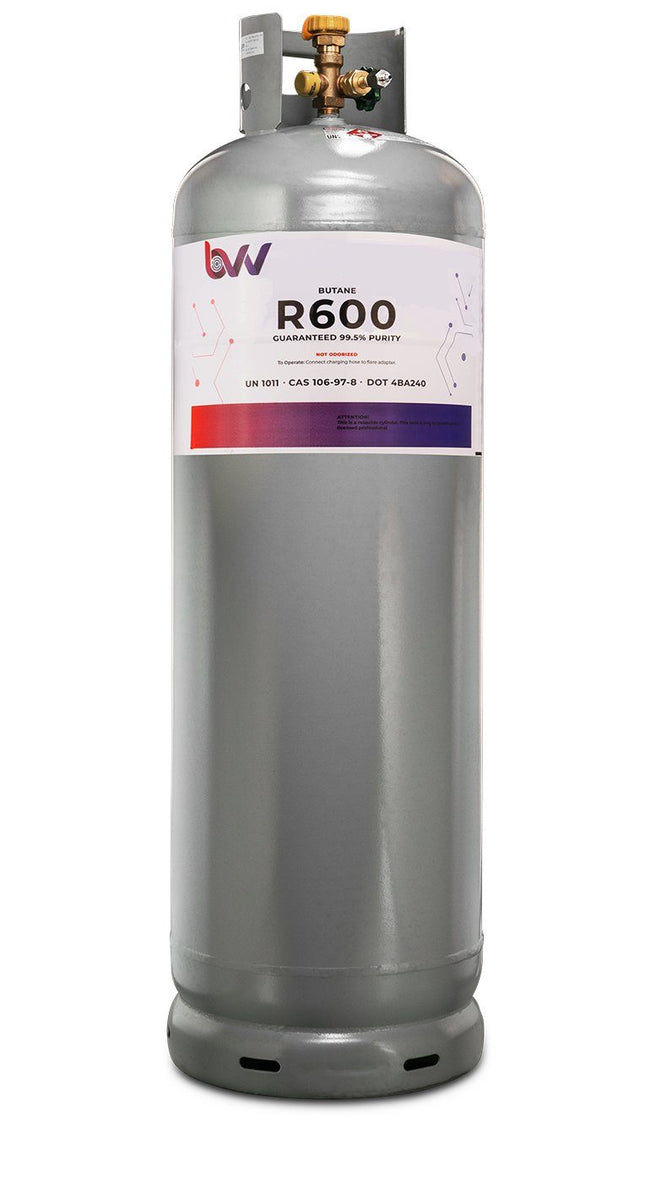
120LB DIPTUBE Tank High Purity USA N-BUTANE R600 - 99.5% Guaranteed
120LB DIPTUBE Tank High Purity USA N-BUTANE R600 DIPTUBE - 99.5% Guaranteed BVV N-butane is free of any sulfur-based mercaptan odorants, colorless, clean, and non-detectable limits* of toxic BTEX compounds which are benzene, toluene, ethylbenzene, and xylene. DISCLAIMER(S): This unit is intended for LEGAL purposes only, to be used in accordance with local laws and ordinances. Use only in WELL VENTILATED AREAS! Notice: This item will ship via Freight ONLY. BVV™ always recommends distillation of every solvent before use. Tank does not include CGA 555 fitting. Must be added through dropdown or bought separately. California now prohibits the retail sale of any Non-Odorized butane in quantities larger than 150ml. If you are not a retail purchaser you can call in to place an order. Permitted Sales Include the Following: Medical Collectives or Cooperatives operating under CA Health & Safety Code Section 11362.775 Persons licensed to perform volatile solvent extraction activity under CA Bus & Prof Code Division 10 Manufacturers, wholesalers, resellers, or retailers solely for the purpose of resale Sourced right here in the USA, this high-quality butane is guaranteed to be 99.5% pure. This is a solvent that is instrument-grade and helps produce a higher quality extract through the reduction of mystery oils and contaminants. This butane is clean, colorless, odorless, and free of any hydrogen sulfide-based ethyl mercaptan odorants. Because of this, a finer, higher quality extract is consistently available to our customers. BVV always recommends distillation of every solvent before use. Solvent comes in a DOT refillable tank. *Free of any hydrogen Sulphide based Ethyl Mercaptan Odorants. *This product is clean, colorless and odorless. Tank contains dip tube. *Actual N-butane liquid weight is 120LB Due to FAA regulations, solvent tanks cannot be safely transported via means other than ground. Any order that has solvent will not be shipped in an expedited fashion. If an order with solvent is combined with any other items and chosen to be expedited, that entire order will ship via UPS Ground/Freight. We will not split up any orders and ship them separately. If a customer is wanting to expedite specific items and order solvent, 2 separate orders (1 for the solvent and 1 for the expedited items) will need to be placed in order to do so. Solvents do not ship to Hawaii, Puerto Rico, or any other US Territory outside of the contiguous 48 States. Shipping Solvent to Alaska may ONLY ship via freight and will be required to travel through Canada. We have this policy in place to ensure safety when transporting solvents, and to prevent any issue with shipping times for our customers. Chemical Formula: C₄H₁₀ Molecular Weight: 58.12 g/mol CAS Registry Number: 106-97-8 Appearance Colorless Odor: Faint Petroleum Density 2.6 kg/m³ (or 2.6 g/L) Boiling Point: 30.2 F (-1C) Solubility in water: Low Solubility GHS Pictograms: GHS Signal Word: Danger GHS Hazard Statements: H220 GHS Precautionary Statements P203, P210, P222, P280, P377, P381, and P403 UN Identification Number: 1011 Proper Shipping Name: Butane, liquefied Transport Hazard Class: 2.1 Packing Group: None DOT Placard: N-Butane Certificate of Analysis (COA) N-Butane Safety Data Sheet (SDS)
$825.75 - $839.74
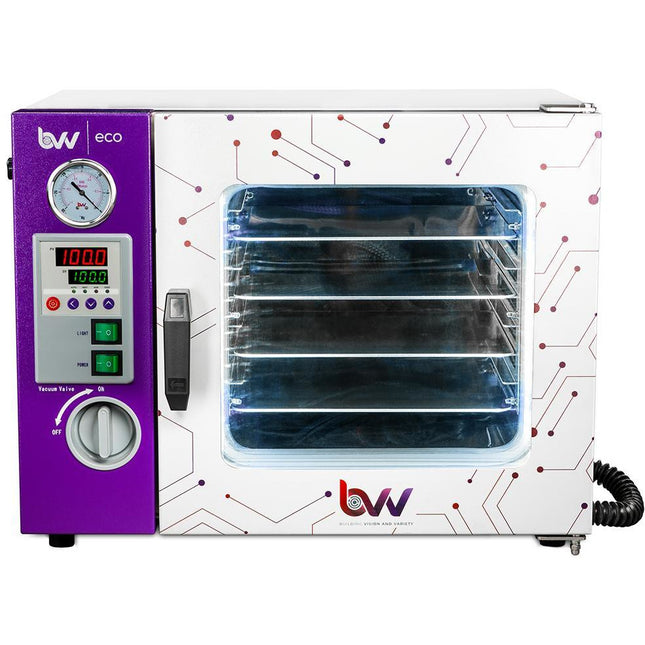
0.9CF ECO Vacuum Oven - 4 Wall Heating, LED display, LED's - 4 Shelves Standard
DISCLAIMER: This unit is intended for LEGAL purposes only, to be used in accordance with local laws and ordinances. Use only in WELL VENTILATED AREAS! Backed with our 2 Year Parts and Labor warranty. For the easy and efficient degassing and purging light hydrocarbon solvents, look no further than our purpose-built ECO vacuum oven with LED display. Using cold-boiling, this oven applies gentle heat under reduced pressure to expedite solvent degassing while preserving color, aroma, and overall quality. The ECO vacuum oven has four (4) spacious shelves with optimal heat distribution and perfect uniformity across each shelf surface. It’s low consumption, high-throughput, and reliable, so you’ll spend less money and time getting the job done. This oven comes with a touchscreen and LEDs for easy operation, and two-year parts and labor warranty. Our ovens offer: The guaranteed industry standards ability to lose less than 1” Hg over a 24 hour period. Reliable deep vacuum that reaches below 0.1 torr. with stainless steel compression-fit tubing and stainless steel instrumentation valves. Uniform heat which is key to an effective oven. Our ovens offer 7% temperature uniformity across all shelves with offering ±1⁰ stability in temperature. Comes standard with the maximum number of shelves and a well-lit LED interior. Items Included: 5' 37⁰ female flared HVAC hose; USA power cord; and oven operation manual. You’ll get the complete package only with Best Value Vacs. Key Oven Features: 1/4" JIC Vacuum Port with included 5' HVAC Hose Easy Vac-Release Dial allows release of vacuum without disconnecting pump or purge Stainless steel interior for a sanitary, easy-to-clean look Overload circuit breaker for electrical protection Comes standard with 4 (0.9CF Eco models) or 5 shelves (1.9CF Eco models) Specifications Electrical 120 VAC / 60Hz / 700W / USA Plug Internal Chamber Material: Polished Stainless Steel Dimensions (LxWxH): 11.5" x 11.75" x 10.75" Temperature Control Four Wall Heating LED PID Controller Temperature Range - 212F Temperature Stability: +/- 1.8F or 1C Automatic Over Shoot Shut Down Over Temp Alarm Vacuum Gauge Ranging From -1inHg to -30inHg Maximum Vacuum Level -29.9inHg / 75.4 cmHg / -1 MPa Shelves Up to 8 Sliding Shelves at one Time Reinforced Steel with sides to secure product Shelf Capacity(Area): 129in^2 Total Shelf Capacity: 1034 in^2 or 7.2ft^2 Dimensions (LxW): 11-3/8" x 11-3/16" Door 1/2" Tempered Glass Window Integrated LED's Window Dimensions (LxH): 11.75" x 11" Replaceable Gasket Material: Silicone Weight & Dimensions Outside Dimensions (LxWxH): 23x18x18 Weight: 115lbs Compliance CE Listing Recognized ISO 9001:2008 ISO 13485" 2003 Manufactured in Acc. w/ Q/TIWY7-2004 IEC68-2-3 Note: This oven does NOT contain a vacuum pump. External pump is required to achieve vacuum pressure Note: This item is a freight ship item and will ship Via UPS ground Freight. Expedited freight can only be calculated by calling customer service 331-281-0154. All orders with expedited freight through the website will not be honored and will need to be re-quoted. A valid Phone Number IS REQUIRED to ship, Otherwise UPS freight Cannot Contact you for a delivery setup window. Freight Time is 2-5 Days. West Coast 5 Days, Midwest 2 days, East Cost 3-4 days.
$1,609.51 - $1,721.48

Glass Dosing Syringe with Luer Lock
Glass Dosing Syringe with Luer Lock This high-quality glass syringe has metal triple O-ring plunger that allows for smoother dosing and Luer Lock Cap creates an airtight connection to preserve the freshness of concentrates and prevent leakage. The syringe is made from borosilicate glass, which is heat resistant, sturdy, and easy to clean! The silicone tip ensures you are sparing no oil and every last bit is dispensed.
$2.10 - $377.88
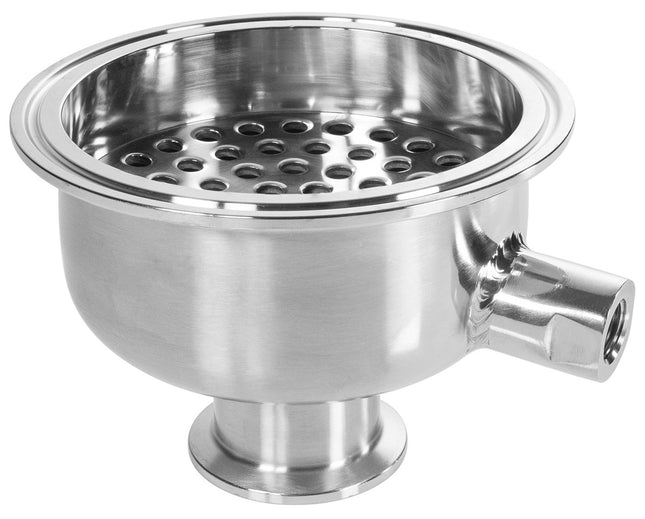
Hemispherical Filter Plate Reducer with 1/4" FNPT Side Port
Hemispherical Filter Plate Reducer with 1/4" FNPT Side Port This hemispherical reducer has a built-in filter plate with a 1/4" FNPT Side Port. This unique design allows the user to save even more space by combining a filter plate, hemispherical reducer, and a side port. Made out of 304 stainless steel the filter plate is welded into the hemispherical reducer and has Tri-Clamp connections on both ends of the reducer along with the 1/4" FNPT side port. Specifications Material 304 Stainless Steel Sizes Available: 3" x 1.5" x 1/4" FNPT 4" x 1.5" x 1/4" FNPT 4" x 2" x 1/4" FNPT 6" x 2" x 1/4" FNPT
$48.99 - $125.96
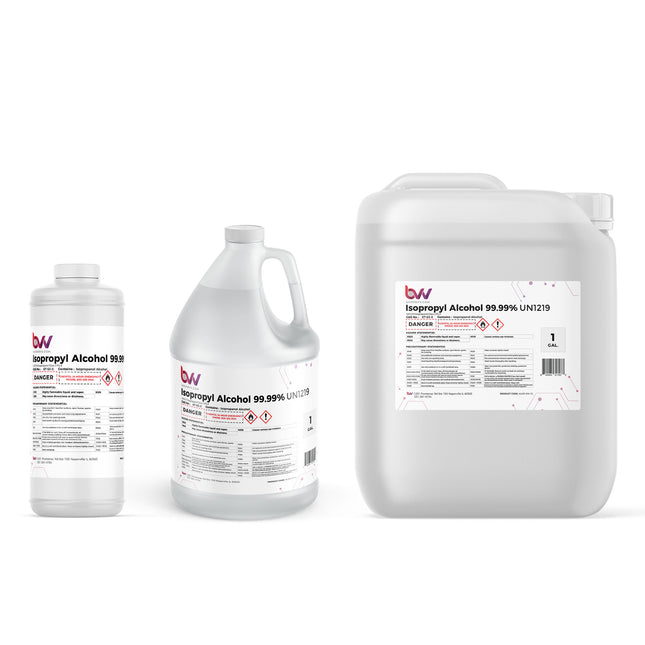
Isopropyl Alcohol 99% Tech Grade
Isopropyl Alcohol IPA 99% Isopropyl alcohol, also known as 2-propanol or rubbing alcohol, is one of the most common alcohol solutions. The exact mechanism behind isopropanol’s disinfectant is not certain, however, it’s believed to kill cells through the process of denaturing cell proteins and DNA, dissolving cell lipoprotein membranes, and obstructing cellular metabolism. Isopropanol has a range of applications and uses across multiple industries, from medicine to cosmetics, and we explore this below. Cleaning Agent for Extraction, Laboratory, and Medical Industries In addition, 99% pure isopropyl alcohol serves as a cleaning agent for the laboratory, medical, and extraction industries. Mixed with water, this solution can be used as a rubbing-alcohol antiseptic. Quality solvents are vital for cleaning delicate electronics, extraction equipment, and other sensitive items. It also makes a perfect solution for surface disinfectant. 99% IPA evaporates cleanly and minimizes residual substances. Cleaning Agent for Home Care A truly versatile solution used in a variety of applications, isopropyl can also serve as a home cleaning remedy. For example, many window and toilet bowl cleaners contain isopropyl alcohol. rubbing alcohol can dissolve icky residues such as chewing gum, sap, hairspray, and other difficult compounds from hands, surfaces, and more. Other ways isopropyl can be used: Cleaning makeup brushes Cleaning blinds Cleaning sinks and chrome Deodorizing shoes Disinfecting computer mouse and keyboard Disinfecting mobile phone Dissolving windshield frost Getting rid of fruit flies Cleaning jewelry Creating homemade sanitizer Preventing ring around the collar Cleaning stainless steel Other Things to Note Spigots/Faucets are only compatible with 5 Gallon Jugs and must be purchased separately Isopropyl alcohol is a fast-evaporating solvent and industrial cleaning agent, intended for industrial or professional use only. It can be used as a solvent for gums, shellac, and essential oils. Can be used as a fuel additive. Isopropyl Alcohol (liquid) - 99.8% Purity Shelf Life - 5 years Specific Gravity - 0.79 Vapor Pressure - 1psi @ 20°C Flash Point - 12°C *Disclaimer: 1 Quart Bottles are exempt from additional Hazmat shipping charges and can ship immediately, Less paperwork for shipping is required for shipping only 1 single bottle per order. Chemical Formula: C3H8O Molecular Weight: 60.096 g/mol CAS Registry Number: 67-63-0 Appearance Colorless Liquid Odor: Pungent Alcoholic odor Density 0.786 g/cm3 (20 °C) Boiling Point: 82.6 °C /180.7 °F Solubility in water: miscible GHS Pictograms: GHS Signal Word: Danger GHS Hazard Statements: H225, H302, H319, H336 GHS Precautionary Statements P210, P261, P305+P351+P338 UN Identification Number: 1219 Proper Shipping Name: Isopropanol Transport Hazard Class: 3 Packing Group: II DOT Placard: Isopropyl Alcohol Safety Data Sheet (SDS) Isopropyl Alcohol Certificate of Analysis (COA)
$23.79 - $3,988.78
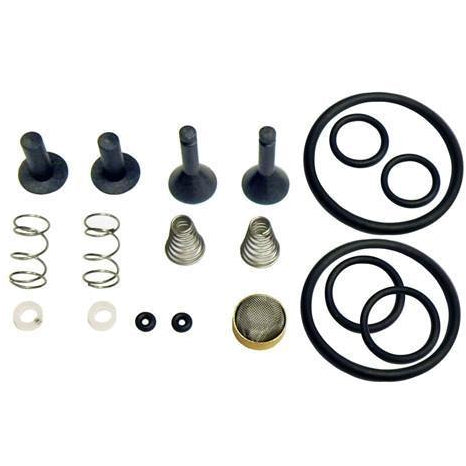
TRS21 Valve Rebuild Kit TR21X1
Specifications: CPS TR21 Oilless Compressor Valve Rebuild Kit includes valves, valve springs, seals and o-rings and inlet screen. This kit is compatible with the following CPS pumps: TRS 21 Recovery Pump TRS 19 Recovery Pump TRS 600 Recovery Pump
$97.97
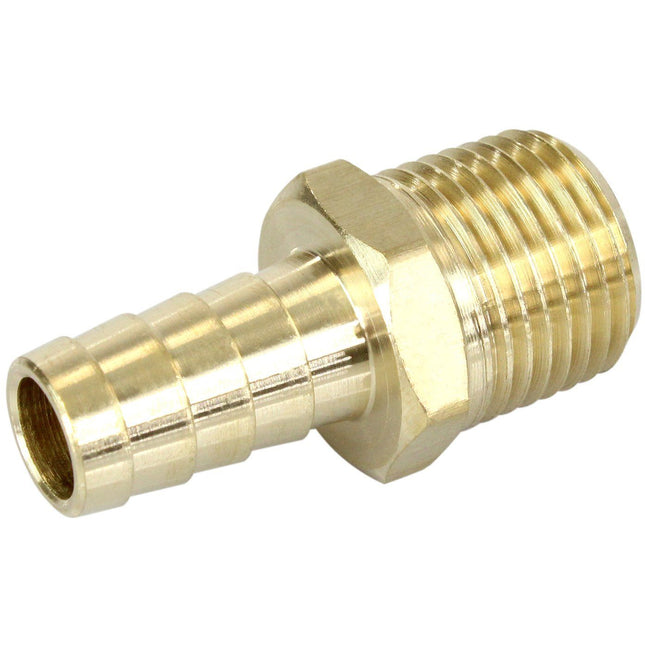
Brass Hose Barb x MNPT
Brass Hose Barb x Male NPT Threaded Connection. This fitting adapts from Male NPT to Hose Barb Fitting for use with tubing for flow. **NOTE: Pre-Taped option comes from BVV Pre-taped with Yellow UL Listed Gas PTFE Tape on the Male NPT threads ONLY for a +0.50c charge per male npt end. (JIC Threads and Barbs DO NOT need to be taped.) Sizes Available: 1/4" Barb x 1/4" MNPT 3/8" Barb x 1/4" MNPT 1/2" Barb x 1/4" MNPT 3/8" Barb x 3/8" MNPT 3/8" Barb x 3/8" MNPT 1/4" Barb x 1/2" MNPT 3/8" Barb x 1/2" MNPT 1/2" Barb x 1/2" MNPT
$1.40 - $2.10
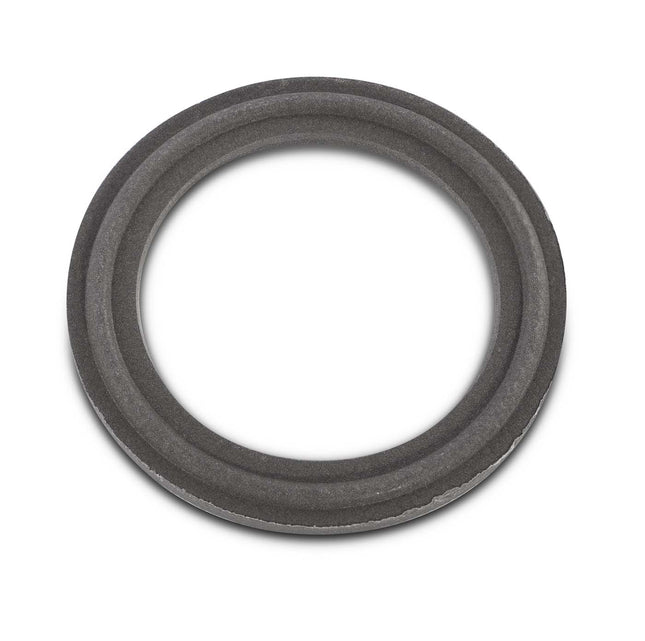
Tef-Steel 316LStainless Steel / PTFE Sanitary Tri-Clamp Gasket
Tef-Steel 316L Stainless Steel / PTFE Sanitary Tri-Clamp Gasket Tef-Steel: a 50/50 blend of modified PTFE and 316L atomized and passivated stainless steel, Tef-Steel delivers leak-proof, perfect surface performance with outstanding durability in SIP (steam in place), CIP (clean in place), WFI (water for injection) and hot oil applications. Tef-Steel is ideal for sanitary steam pipe connections in extreme temperatures ranging from -300°F to 500°F. The superior strength of Tef-Steel provides extended uptime because it eliminates cold flow and creep preventing maintenance problems and downtime. Key Features: Excellent resistance to almost all chemicals Excellent Temperature Range (-300°F to 500°F) Excellent Cleanability due to PTFE (Teflon) and Stainless Steel Sizes Available: 1" 1.5" 2" 2.5" 3" 4" 6" 8" 10" 12" Chemical Compatibility: Butane A - Excellent Propane (liquified) A - Excellent Alcohols: Amyl A - Excellent Benzyl A - Excellent Butyl A - Excellent Diacetone A - Excellent Ethyl A - Excellent Hexyl A - Excellent Isobutyl A - Excellent Isopropyl A - Excellent Methyl A - Excellent Octyl A - Excellent Propyl A - Excellent
$9.80 - $342.90
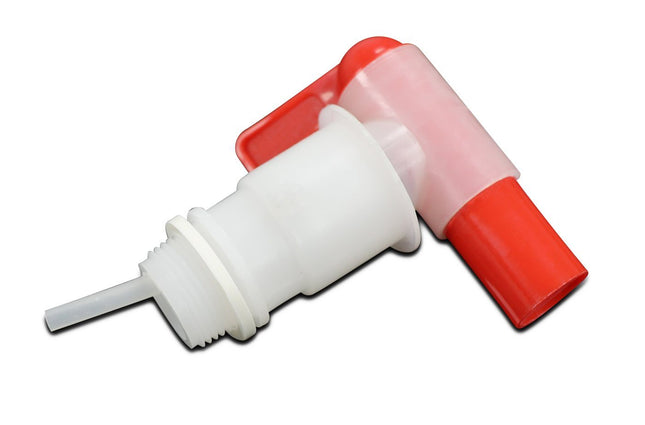
Self Venting 3/4" Polyethylene Plastic Drum Faucet
Polyethylene Plastic Drum Faucet with Vent This self-venting spigot eliminates chugging and splashing. Made of LLDPE, HDPE & polypropylene EPDM gaskets 15/16" OD spout Meets FDA standards **This will attach to any 5 Gallon 'Jerrycan' / Jug that BVV™ sells.
$16.79
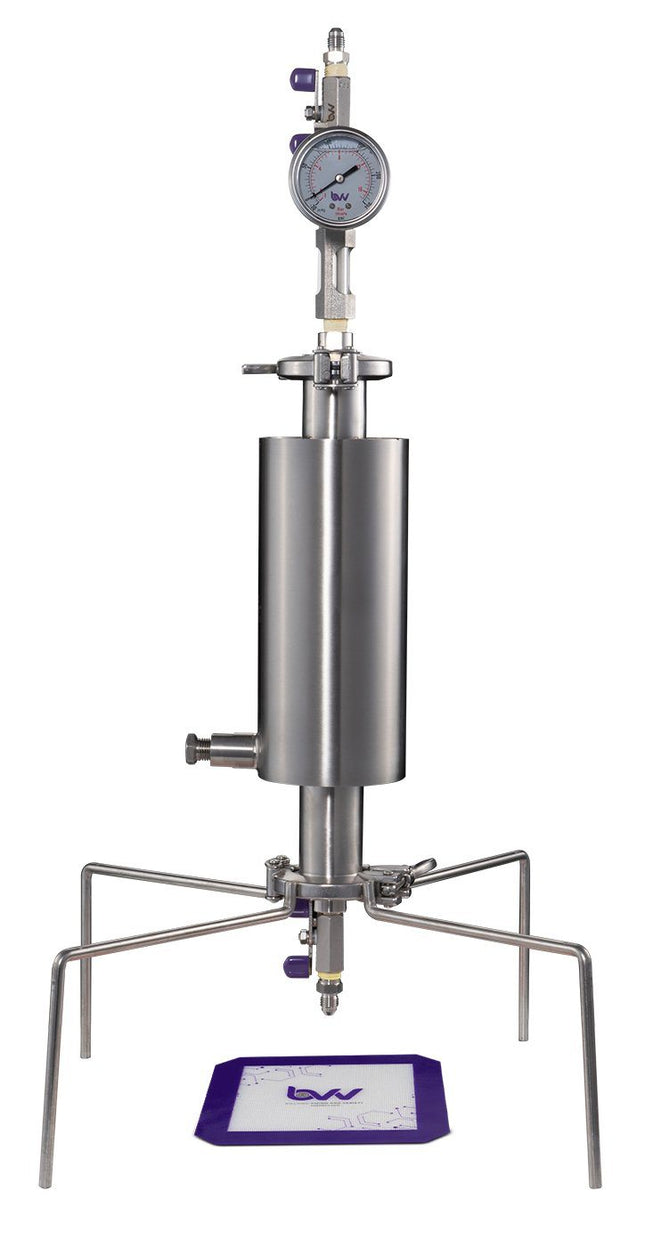
1.5" Dewaxing Closed Column Extractor 90-270g
DISCLAIMER: This unit is intended for LEGAL purposes only, to be used in accordance with local laws and ordinances. Use only in extremely well-ventilated areas. DO NOT USE INDOORS *Note: Column capacity may vary depending on the biomass density, moisture content and column packing density. Capacity is calculated using the industry standard of 4.2g/in3. This is the upper limit for column capacity. Low density, uncut, heavily dried, and/or lightly packed material can reduce capacity by 50%. For best results, we recommend to tightly pack coarse ground material. Shop Dewaxing Closed Column Extractor Key Features and Description: Dewaxing Spool Included for filter out and coagulating waxes and lipids. Compound Gauge with (-30)-160 PSI readout. Closed Column Pressure Extractor (Comes with 1 yr. Limited warranty, excludes gaskets and screens) This system allows the user to build up solvent pressure by closing the valve, pulling a vacuum and filling the extractor, Extractor will fill about 85% with solvent before the internal pressure will equal the pressure of the can propellant. The solvent can will fit into either port with a tip adapter supplied with some butane cans, tip adapter required, not included Solvent Soak is expected to be between 30-90 min, but this all depends on material, starting with frozen cans of solvent is recommended This system allows the user to soak the material before opening the bottom valve to release the solvent and oil. Professional Kit Adds the following: Compound Gauge Sight Glass Shower Head Explorer Kit Automatically Includes: 8" x 8" Platinum Cured Silicone Non-Stick Pad 1.5" Dewaxer Tri-Clamp 304 Stainless Steel Material Tube Dewaxer Spool Sizes Specifications: 1.5" x 12" Dewaxer = 90G 1.5" x 18" Dewaxer= 135G 1.5" x 24" Dewaxer= 180G 1.5" x 36" Dewaxer = 270G 304 Stainless Steel Flare End Caps with Heavy Duty Stainless Steel Miniature Ball Valves 1/4" Stainless Steel MNPT Drain Plug (1) 1.5" Standard Pressure Tri-Clamp Clamps 1.5" Tri-Clamp Quadpod (2) Buna-N Tri-Clamp Gaskets Buna-N 100 Mesh (150 Micron) Gasket ***Note: Parts and components can be subject to substitutions. Any substituted parts will have the same function and will be of equal or greater value.**** Material Capacity Cylinder Volume Radius (in) 1.5" 2" 3" 4" 6" 8" 10" 12" Length (in) Volume (in3) Select Material Butane ISO-Butane Propane How Much Will Fit in Cylinder FormulaVolume x Weight of Water x Specific Gravity ConstantsWeight of Water = 0.0360 (lbs / in3)Specific Gravity of = Lbs. of : Recommended: Account for an 80% fill to avoid a hydraulic lock How Much Material Will Fit in the Cylinder Volume Packing Density (g) 2.5 3 3.5 4.3 Grams of Material Lbs. of Material Cans of Butane Cans of Butane by Size Pounds of Butane mL fl oz lbs # of Cans 420 14.2 300 10.1 200 6.7 150 5.07
$265.92 - $421.27
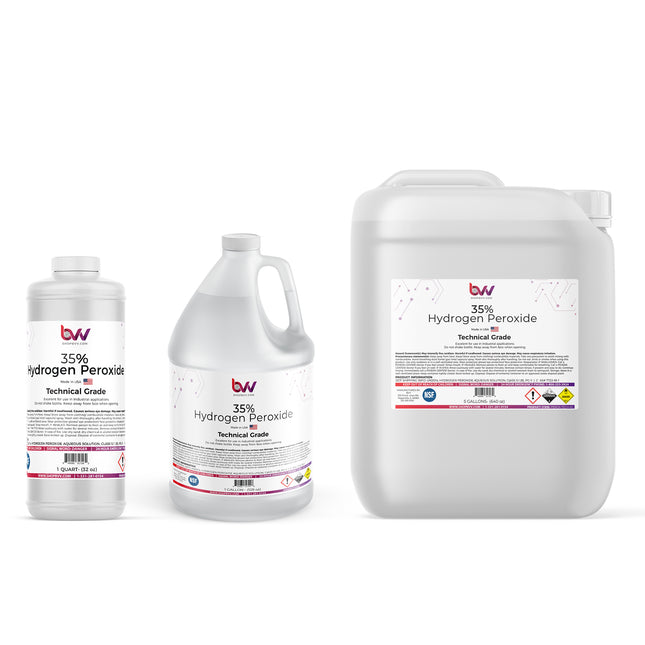
Hydrogen Peroxide 35% Technical Grade, NSF Certified, H2O2
35% Technical Grade Hydrogen Peroxide Our Technical-grade 35% peroxide tests at ~34.8%. It's our second highest concentrated peroxide next to our 50% Tech Grade Peroxide. Our Technical Grade hydrogen peroxide is formulated with a special stabilizer package that replaces transition metals stabilizers typically found in hydrogen peroxide solutions. Our Peroxide is NSF® Certified. NSF-certified means a product was independently verified for safety, sanitation, and quality by NSF. NSF certification is recognized by health departments, government agencies, and industry associations. *Certified under ANSI/NSF Standard 60 Drinking Water Additives-Health Effects. Dosage levels shall be in accordance with NSF requirements. 55 Gallon Drum weights 500lbs, 330 Gallon Tote weighs 3000lbs. 35% Food Grade Hydrogen Peroxide Certificate of Analysis 35% Food Grade Hydrogen Peroxide Safety Data Sheet Our 34% hydrogen peroxide when diluted you can make a remarkably large volume of 3% hydrogen peroxide that can be used for a wide variety of applications. 1 Quart 35% Makes 4.2 Gallons of 3% 1 Gallon 35% Makes 11.5 Gallons of 3% 5 Gallon 35% Makes 57.8 Gallons of 3% 55 Gallon 35% Makes 634 Gallons of 3% Some applications include... Elevating Plant Growth: Diluted hydrogen peroxide supports healthy roots and elevated oxygen availability in the soil. Excellent Cleaner for Food Prep Environments: Hydrogen peroxide is a disinfectant, that kills viruses and various forms of bacteria. Bleaching: Diluted hydrogen peroxide is a mild bleaching agent that can be used to clean stains. Cleansing Fresh Produce: Diluted hydrogen peroxide can be used to clean fruits and vegetables. Mold and Mildew Removal: Hydrogen peroxides strong oxidative qualities breakdown mold and mildew with ease. How to Dilute 35% Hydrogen Peroxide to 3% Hydrogen Peroxide: 35% hydrogen peroxide Deionized distilled water A clean, empty Gallon bottle for the final 3% hydrogen peroxide solution Measuring cup Funnel Safety goggles Rubber gloves Apron or old clothes Steps to perform dilution: Wear safety goggles, rubber gloves, an apron or old clothing to protect yourself from spills and splashes. Choose a well-ventilated space. Mix 1 part 34.83% hydrogen peroxide with 10 parts distilled water. Example: Mix 1 cup hydrogen peroxide, with 10 cups of distilled water. To be exact, this will make slightly more than 3% solution of hydrogen peroxide – 3.46%. What Is Hydrogen Peroxide? Hydrogen peroxide (H2O2) is a chemical compound composed of two hydrogen atoms and two oxygen atoms. It is a clear, colorless liquid with a slightly more viscous consistency than water. Hydrogen peroxide is commonly used for its powerful oxidizing properties and has a wide range of applications in various industries and household settings. Chemical Formula: H2O2 Molecular Weight: 34.015 g/mol CAS Registry Number: 7722-84-1 Appearance Colorless Liquid Odor: None Density 1.11 g/cm3 Boiling Point: 106 °C (223 °F) Solubility in water: Completely Soluble GHS Pictograms: GHS Signal Word: Danger GHS Hazard Statements: H272, H302, H318, H335 GHS Precautionary Statements P210, P220, P260, P261, P264, P270, P271, P280, P283, P301+P317, P301+P330+P331, P302+P361+P354, P304+P340, P305+P354+P338, P306+P360, P316, P317, P321, P330, P363, P370+P378, P371+P380+P375, P405, P420, and P501 UN Identification Number: 2014 Proper Shipping Name: 35% Hydrogen Peroxide, Aqueous Solution Transport Hazard Class: 5.1, 8 Packing Group: II DOT Placard: What Is Hydrogen Peroxide Used For? Hydrogen peroxide (H2O2) is used for a wide range of purposes in various industries and household settings due to its versatile properties. Some common uses of hydrogen peroxide include: Disinfectant and Antiseptic: Hydrogen peroxide is a common disinfectant and antiseptic agent. It is used to clean wounds, cuts, and minor injuries to prevent infection. In lower concentrations (typically 3%), it can be safely applied to the skin. Hair Bleaching and Dyeing: Many hair bleaching and hair dyeing products contain hydrogen peroxide as it can help break down the natural pigments in hair, lightening its color. Teeth Whitening: Hydrogen peroxide is used in some teeth whitening products and dental treatments to remove stains and discoloration from teeth. Cleaning Agent: It is used as a cleaning agent for surfaces, fabrics, and contact lenses due to its ability to break down and remove organic stains and deposits. Water Treatment: In water treatment processes, hydrogen peroxide can be used to remove contaminants, oxidize organic matter, and disinfect water supplies. Rocket Propellant: In the aerospace industry, highly concentrated hydrogen peroxide (usually around 90% purity) is used as a rocket propellant. Chemical Synthesis: Hydrogen peroxide is used in the synthesis of various chemicals and pharmaceuticals. Environmental Applications: It can be employed for soil and groundwater remediation, helping to break down pollutants and contaminants. Food Industry: In the food industry, hydrogen peroxide can be used for cleaning and disinfection of equipment and packaging materials. Cosmetics: It is used in some cosmetic and personal care products, such as hair dyes, hair bleaches, and skin creams. Textiles: Hydrogen peroxide is used in the textile industry to bleach fabrics and remove stains. Paper and Pulp Industry: It is used for bleaching paper pulp and improving the quality of paper products. Agriculture: In agriculture, hydrogen peroxide can be used as an oxygen source in soil, promoting plant growth. Medical and Laboratory Use: It is utilized for cleaning and sterilizing medical equipment and laboratory instruments. First Aid: Hydrogen peroxide is a household item for treating minor cuts and scrapes. The specific application and concentration of hydrogen peroxide used can vary depending on the intended purpose. Higher concentrations are typically used in industrial and chemical applications, while lower concentrations are common in household and personal care products. It's important to handle hydrogen peroxide with care, follow safety guidelines, and use the appropriate concentration for a given task. How Is Hydrogen Peroxide Produced? Hydrogen peroxide (H2O2) is typically produced through one of two main methods: the anthraquinone process and the direct synthesis process. Both processes involve the reaction of hydrogen and oxygen in the presence of a catalyst to form hydrogen peroxide. Here's an overview of these two methods: Anthraquinone Process: This is the most common method for commercial hydrogen peroxide production. It involves a series of chemical reactions that use anthraquinone derivatives as catalysts. The process typically consists of the following steps: Hydrogenation: Anthraquinone derivatives are hydrogenated with hydrogen gas (H2) to form hydroquinone derivatives. Autoxidation: The hydroquinone derivatives react with oxygen (O2) to form anthraquinone derivatives again, while producing hydrogen peroxide in the process. Extraction: The hydrogen peroxide is then extracted from the reaction mixture. Oxidation of Anthraquinone: The anthraquinone derivatives are oxidized back to their original form for reuse in the process. Direct Synthesis Process: In this method, hydrogen and oxygen are directly combined to produce hydrogen peroxide using a catalyst. The reaction typically occurs in a gas-phase reactor, and the process is often referred to as the "direct synthesis" or "hydrogenation-oxygenation" process. Common catalysts used in this process include palladium or platinum on a support material. While these are the main methods for hydrogen peroxide production, there are other less common methods as well. The choice of production method depends on factors such as the desired concentration of hydrogen peroxide, production scale, and cost considerations. It's worth noting that hydrogen peroxide is a sensitive compound and can decompose over time, especially when exposed to heat, light, or contaminants. Therefore, it requires careful handling and storage to maintain its stability and effectiveness. Does Hydrogen Peroxide Expire? Hydrogen peroxide can degrade over time and may lose its effectiveness, so it can be said to have a shelf life rather than a strict expiration date. The shelf life of hydrogen peroxide depends on several factors, including its concentration, exposure to light, temperature, and how well it's stored. Here are some general guidelines: Concentration: Higher concentrations of hydrogen peroxide (e.g., 30% or 35%) tend to be more stable and have a longer shelf life compared to lower concentrations (e.g., 3% or 6%). Exposure to Light: Hydrogen peroxide is light-sensitive, and exposure to ultraviolet (UV) light can accelerate its decomposition. It is typically sold in brown or opaque containers to protect it from light. Temperature: Storage at higher temperatures can also speed up the decomposition of hydrogen peroxide. It should be stored at a cool, dry place away from heat sources. Contaminants: Contaminants or impurities can catalyze the decomposition of hydrogen peroxide. It's essential to keep the container tightly sealed and free from any potential contaminants. Age: Hydrogen peroxide degrades slowly over time, even when stored correctly. The rate of degradation is higher for lower concentrations. To maximize the shelf life and potency of hydrogen peroxide, follow these recommendations: Store it in its original, tightly sealed container. Keep it in a cool, dark place away from direct sunlight and heat sources. Check the expiration date on the container, if available. If you're unsure about the potency of an old bottle of hydrogen peroxide, consider testing it on a small, non-critical area before using it for medical or cleaning purposes. It's important to note that even if hydrogen peroxide has degraded, it may still be useful for some applications, such as cleaning and disinfecting surfaces. However, for medical or first-aid use, it's best to use hydrogen peroxide that is within its recommended shelf life to ensure its effectiveness. Is Hydrogen Peroxide Safe As Mouthwash? Hydrogen peroxide can be used as a mouthwash, but it should be used with caution and in a diluted form. Here are some important considerations: Dilution: Never use undiluted hydrogen peroxide as a mouthwash. It's too concentrated at its full strength and can cause irritation, burning, and tissue damage. Instead, dilute it with water. A common recommendation is to use a 3% hydrogen peroxide solution, which is typically sold in drugstores. Frequency: Do not use hydrogen peroxide as a mouthwash too frequently. Using it daily or excessively can lead to oral issues, including irritation and disruption of the natural balance of oral bacteria. Duration: When using hydrogen peroxide as a mouthwash, swish it around your mouth for a brief period, typically about 30 seconds, and then spit it out. Do not swallow it. Rinse Thoroughly: After using hydrogen peroxide as a mouthwash, rinse your mouth thoroughly with water to remove any residual hydrogen peroxide. Avoid Ingestion: Do not swallow hydrogen peroxide, even when diluted. Swallowing hydrogen peroxide can lead to stomach upset and other health issues. Consultation: Before using hydrogen peroxide as a mouthwash, it's a good idea to consult with your dentist or oral healthcare provider. They can provide guidance on its safe and appropriate use based on your specific oral health needs. Hydrogen peroxide can help kill harmful bacteria in the mouth and may be used as a short-term remedy for issues like canker sores or minor gum irritations. However, it is not a substitute for regular oral hygiene practices such as brushing, flossing, and using a fluoride-based mouthwash. If you experience any adverse reactions, such as severe irritation, burning, or pain, discontinue use immediately and consult a healthcare professional. It's important to use hydrogen peroxide as a mouthwash cautiously and in accordance with recommended guidelines to avoid potential side effects or harm to oral tissues. What Are The Hazards Of Hydrogen Peroxide? Hydrogen peroxide, while commonly used for various purposes, can pose certain hazards if mishandled or used improperly. Here are some of the potential hazards associated with hydrogen peroxide: Irritation and Burns: Hydrogen peroxide is a strong oxidizing agent and can cause skin and eye irritation upon contact. In higher concentrations or with prolonged exposure, it can lead to chemical burns. Ingestion: Ingesting concentrated hydrogen peroxide can be harmful and even life-threatening. It can cause gastrointestinal irritation, stomach pain, vomiting, and, in severe cases, internal burns or damage. Inhalation: Inhalation of hydrogen peroxide vapors can irritate the respiratory tract, leading to coughing, shortness of breath, and throat irritation. Explosive Hazards: Concentrated hydrogen peroxide solutions can be sensitive to shock, heat, or contamination with organic materials. This can lead to the potential for explosions or fires if mishandled. Skin Sensitization: Prolonged or repeated contact with hydrogen peroxide can lead to skin sensitization, where the skin becomes more sensitive or allergic to the chemical. Environmental Impact: Hydrogen peroxide can be harmful to aquatic life and the environment if not properly disposed of. It should not be released into natural waterways. hydrogen peroxide, consider the following precautions: Dilution: When using hydrogen peroxide, dilute it to the appropriate concentration for the intended purpose. Most household hydrogen peroxide solutions are 3%, while higher concentrations are used for industrial or medical applications. Protective Equipment: When handling concentrated hydrogen peroxide, wear appropriate personal protective equipment, including gloves and safety goggles. Ventilation: Use hydrogen peroxide in well-ventilated areas to minimize inhalation risks. First Aid: In case of skin or eye contact, rinse immediately with plenty of water. If ingested, seek medical attention. Storage: Store hydrogen peroxide in a cool, dark place away from flammable materials and heat sources. Dispose Properly: Dispose of hydrogen peroxide in accordance with local regulations. Do not pour it down drains or release it into the environment. Always follow the safety guidelines and instructions provided on the product label or by the manufacturer. If you have specific concerns or questions about handling hydrogen peroxide for a particular application, it's advisable to consult with a safety professional or chemical expert for guidance. How Can I Use Hydrogen Peroxide Safely? Using hydrogen peroxide safely involves taking appropriate precautions to minimize the risk of accidents or harm. Here are some guidelines for safe handling and use of hydrogen peroxide: Read the Label: Always read and follow the instructions and safety precautions provided on the hydrogen peroxide product label. Different concentrations may have different recommended uses and safety guidelines. Personal Protective Equipment (PPE): Wear appropriate personal protective equipment, including safety goggles or a face shield to protect your eyes. Use gloves made of materials that are compatible with hydrogen peroxide, such as nitrile or latex gloves. Ventilation: Use hydrogen peroxide in a well-ventilated area to minimize exposure to vapors. If you're using it in a confined space, consider using a fume hood or working near an open window or door. Concentration: Ensure that you are using the correct concentration of hydrogen peroxide for your specific application. Most household hydrogen peroxide solutions are typically 3%, but higher concentrations are available for industrial or medical use. Dilution: When diluting concentrated hydrogen peroxide, always add the hydrogen peroxide to water, not the other way around. This helps prevent splattering and potential reactions. Avoid Contaminants: Keep hydrogen peroxide away from organic materials (e.g., paper, cloth) and flammable substances, as it can react with them and potentially cause fires or explosions. Avoid Mixing: Do not mix hydrogen peroxide with other chemicals unless you are following a specific recipe or procedure that requires it. Mixing hydrogen peroxide with certain substances can be dangerous. First Aid: In case of skin contact, immediately rinse the affected area with plenty of water. If hydrogen peroxide comes into contact with your eyes, flush them with water for at least 15 minutes and seek medical attention if irritation persists. If ingested, do not induce vomiting. Seek medical attention immediately. Storage: Store hydrogen peroxide in a cool, dark place, away from direct sunlight and heat sources. Keep the container tightly closed when not in use. Disposal: Dispose of hydrogen peroxide in accordance with local regulations. Do not pour it down drains or release it into the environment. Emergency Response: Have access to an emergency eyewash station and safety shower if you are working with concentrated hydrogen peroxide. Keep a spill kit and appropriate cleanup materials on hand in case of accidents. Training: Ensure that individuals handling hydrogen peroxide are trained in its safe use and understand the potential hazards. If you are unsure about how to use hydrogen peroxide safely for a specific application, consider seeking guidance from a safety professional or chemical expert. Always exercise caution and pr
$18.89 - $2,060.17
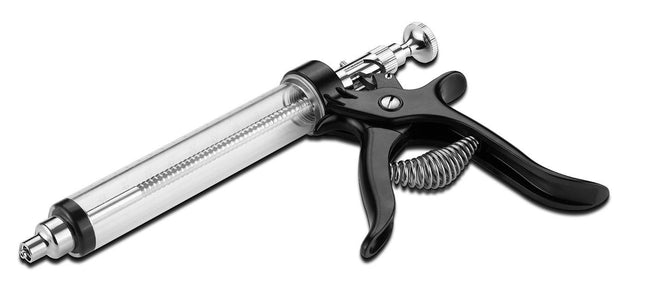
Lab Dosing Gun
Lab Dosing Gun 30 Day Limited Warranty This a gun for the BVV™ Semi-Automatic Lab Dosing Gun. It comes bare bones and Includes the following: Lab Dosing Gun Replacement Spring Clip Replacement Gasket 25ml Gun 0.5-2.5ml (0.5ml Increments) 50ml Gun 1-5ml (1ml Increments) Polypropylene Barrel – Chemically Resistant to: Isopropyl Alcohol, Ethanol, Butane, Hexane, Glycerin, Glycols, Terpenes, and most Acids Lure Lock Hub for all types of size attachments Adjustable plunger tension/tightening (*for user preferred plunger action) NOTE: Does not come with Syringe Tips Please Clean Prior to first use gun does not come sterilized.
$118.96
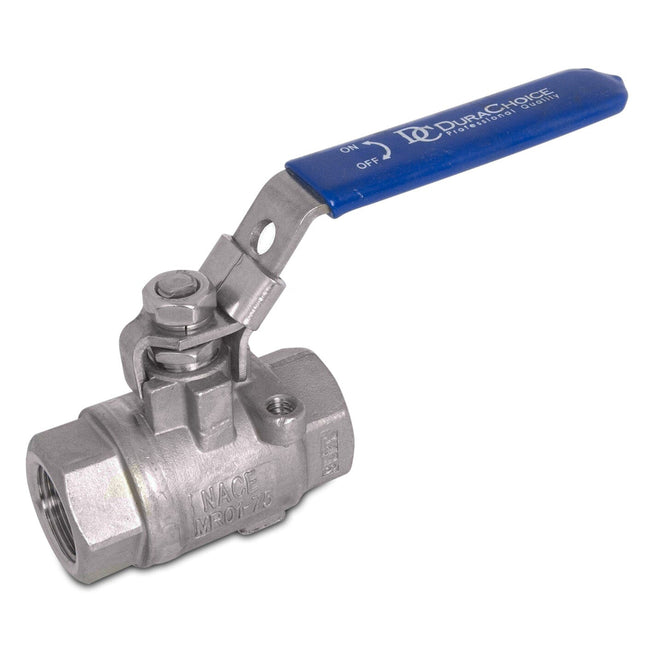
Stainless Steel 316 (CF8M) Seal Welded Full Port Ball Valve - 2,000 PSI (WOG)
DuraChoice Full Port Welded 316 Stainless Steel Ball Valve - 2000WOG Designed for petroleum and natural gas production, the VBS2KF line of high-pressure valves is pressure rated at 2,000 psi and formulated to resist the corrosion that can plague other ball valves in oilfield or refinery conditions. The valve is seal welded for additional strength.S.S. 316 (CF8M) investment casting, 2-piece full port body designWorking pressure of 2,000 PSI (WOG)Suitable for full range of liquids and gasesSeal weldedLow operation torque100% individually testedBlowout-proof stemNPT threaded ends to ANSI B1.20.1Meets NACE MR0175 standardISO 9001 StandardHeavy duty locking handle with insulator Designation - MaterialBody - SS 316 (CF8M)Ball - SS 304Cap - SS 316 (CF8M)Ball Seat - RPTFEThrust Washer - RPTFEStem Packing - PTFEStem - SS 304Gland Nut - SS 304Handle Washer - SS 304Handle Nut - A2-70Handle - SS 201Handle Lock - SS 201Handle Cover - Plastic
$55.98
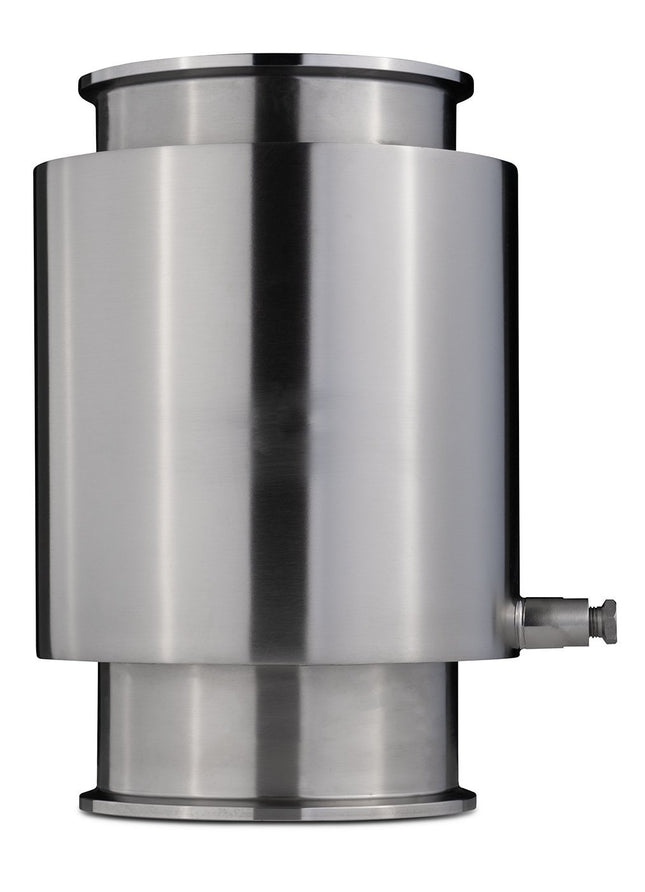
6" Tri-Clamp Dewaxer Columns
6" Tri-Clamp/ Tri Clover Dewaxing Columns This is a 6" Tri-Clamp BVV™ Tri-Clamp Dewaxing Spool. It is intended to have dry ice put into the sleeve to chill the material inside the column. **Note: When selecting a Pipe Hanger choose the size that correlates to the Sleeve OD NOT Spool OD Sizes Available: 6" x 8" Tri-clamp Dewaxer Column 6" x 24" Tri-clamp Dewaxer Column 6" x 36" Tri-clamp Dewaxer Column 6" x 48" Tri-clamp Dewaxer Column Specifications: Tri-Clamp Size 6" Material 304 Stainless Steel Standard 3A High Polish Sleeve OD 8.000" Spool ID 5.782" Spool OD 6.000" Flange OD 6.570" Bead Center 6.176" Drain Port 1/4"-18 FNPT (Drain Plug Included) OD = Outer Dimension ID = Inner Dimension Disclaimer to Customer: User assumes all responsibility and risks of the system for all Stainless Steel Parts bought separately to piece together a Closed Loop, Closed Column, or Open Blast Extractors. They DO NOT come with a standard 1 year system warranty, customer assistance on how to run your system, technical help or a guarantee of the system being tested. BVV™ 6" Tri-Clamp Dewaxer Columns - Drawing
$188.94 - $313.50
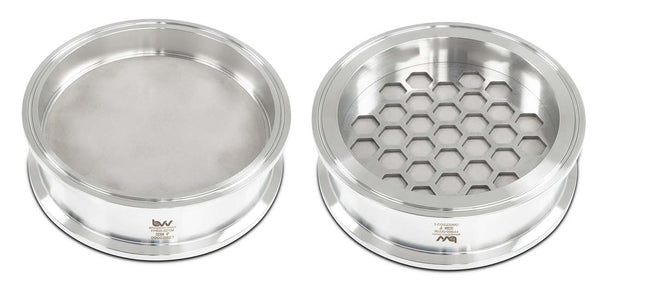
Filter Plate with Built-In Sintered Disk
Filter Plate with Built-In Sintered Disk / Tri Clover Filter Plate These filter plates offer the user a great solid platform to help with filtration during the extraction process with a welded in sintered filter disk with hexagon backing. These filter plates can be used simultaneously with ashless filter papers or any other filtration media like stainless steel ball bearings or steel wool to increase surface and filtration level to remove fats, lipids, waxes and any other unwanted material during the extraction process. **Note: Does not include Clamp or Gasket Sizes Available: 1.5" 2" 3" 4" 6" 8" 10" 12" Specifications: Material 304 Stainless Steel Standard 3A High Polish Connection Type(s) Tri-Clamp Hole Diameter 5.8mm Height 2"
$100.77 - $699.79
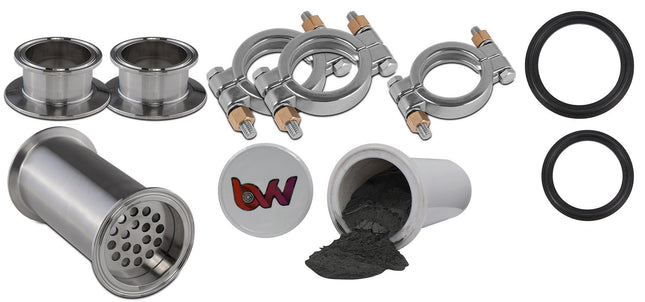
BVV Tri-Clamp Inline Filter Housing Kit with Free Sample Cartridge
BVV Tri-Clamp Inline Filter Housing Kit with Free Sample Cartridge Note: Extra Disposable cartridges sold separately. (Click Here for Cartridges) This inline housing allows for implementation of the BVV or AFS filters into many extraction systems. The BVV filter housing is 2.5" but comes with the adapter flanges for both ends to go inline with a standard 1.5" or 2" tri-clamp system. Kit Includes 1x Free BVV Sample Cartridge (55$ Value!) 2x 2.5" High Pressure Clamps 1x 1.5" or 2" High Pressure Clamp 1x 1.5" or 2" Buna-N Gasket 1x 2.5" Buna-N Gasket 2x Reducers 2.5" to 1.5" or 2" Tri-clamp 1x Cartridge Housing
$251.92
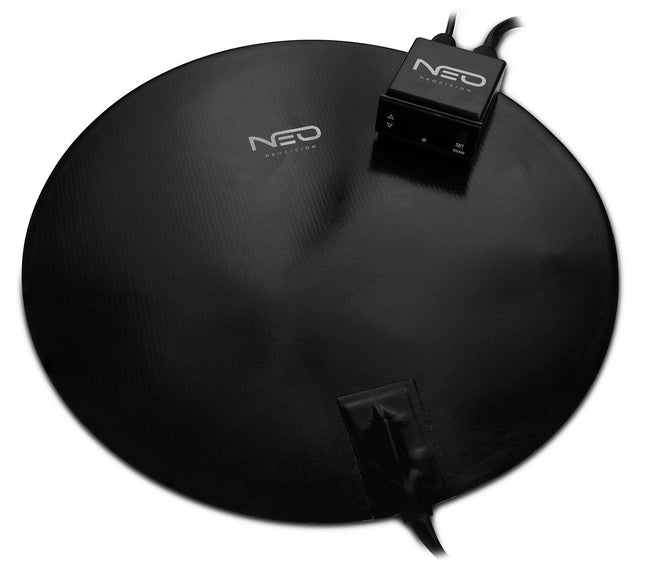
16" Vacuum Chamber Digital Heat Pad
16" Vacuum Chamber Digital Heat Pad Please Read Before You Buy! Chamber NOT Included, Sold Separately. Heat Pad must fit correct size of the chamber! Fits a 10 Gallon and 1.6GL flat Chamber This Digital Heat Pad will adhere to the bottom of a chamber vessel with a peel and stick backing. This unit will hold a temperature within a degree to the set temperature (dependent on the environment and air movement). The temperature offset must be found to set the controller accurately. (See ‘Operation’ instructions in the operation manual) Included with this Digital Heat Pad: Instructions on how to operate and set parameters. Simple standoff bumpers (provide thermal separation between the vessel and the work surface) Thermal tape (best method to check and verify temperature) Specs: UL Listed Fahrenheit Digital Controller. Min Temp: Ambient + 5 Max Set Temp: 160°F Ultimate Max Temp: 248°F Voltage: 110VAC Only Power Consumption: 220-watt Digital Control: Increments of 1 Degree. Accuracy: +/- 0.2 Degrees Units: Degrees Fahrenheit Instructions: Fully included Relay Lifespan: Approx. 10 million cycles User can reprogram: Yes
$244.93
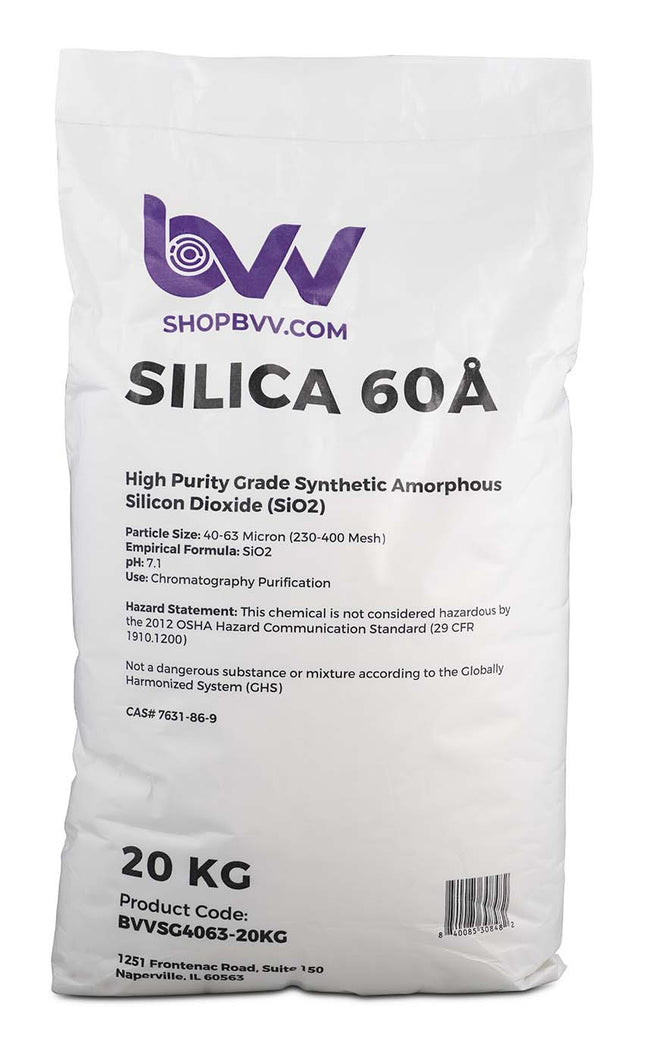
Silica Gel 60A 40-63 Micron CRC Grade
60A (40-63 Micron) Silica Gel High Purity Extraction CRC Grade The house brand Silica Gel is optimized for Color Remediation extractions. This powdered silica gel is for use in batch extractions and decolorizations. It can also be used as a general adsorbent for impurities. Optimized particle size, surface area, pH, and purity make it a particularly useful material for the separation of small molecules, peptides, lipids, alkaloids, and a variety of other compounds. Silica Gel is particularly useful to use layered on top of your bentonite to remove plant gums and waxes. BVVSG4063 Technical Data Sheet BVVSG4063 Certificate of Analysis BVVSG4063 Safety Data Sheet Key Specs: Particle Size: 40-63 Micron (230-400 Mesh) Pore Volume: 0.72 mL/g Loss on Drying: ≤ 2.0 wt% pH: 7.1 Empirical Formula: SiO2 Use: Decolorization Hazard Statement: No ingredients are hazardous according to OSHA criteria CAS# 7631-86-9
$587.82 - $11,021.64
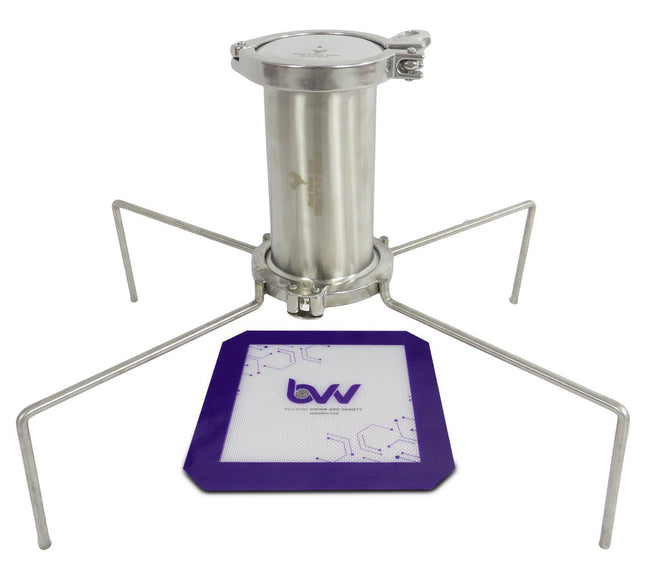
3" Open Blast Extractors 180g-1LB
3" Open Blast Extractors 180g-1LB Open Blast Extraction is an economical method with allows for instant extraction of plant material these columns are designed with ease of use in mind. These Extractors come with a Material Tube, 1x Mesh Buna Gasket, 1 Regular Buna Gasket, Quadpod, Clamp, Tri Clover, Ferrule, 8" x 8" Silicone Pad, and Open Blast Top Cap. All Stainless Steel components are made out of 304 Grade Stainless Steel. Ideal for plant oil extraction. Optional Upgrade(s): Showhead Upgrade: Allows the solvent to be spread more evenly through the plant material inside the column. What's Included?: 3" Solid Endcap with 3mm Hole Standard Pressure Clamp Material Tube (User Can Upgrade Capacity Through Dropdown Options) 3" Tri-Clamp Quadpod 3" Ferrule 8" x 8" Silicone Pad 3" Buna N 100 Mesh Gasket (150 Micron) 3" Buna-N Gasket *Note: Column capacity may vary depending on the density of packed material and packing density. Capacity is calculated using the industry standard of 4.2g/in3. This is the upper limit for column capacity. Low density, uncut, and/or lightly packed material can reduce capacity by 50%. For best results, we recommend to tightly pack coarse ground material. Material Capacity Cylinder Volume Radius (in) 1.5" 2" 3" 4" 6" 8" 10" 12" Length (in) Volume (in3) Select Material Butane ISO-Butane Propane How Much Will Fit in Cylinder FormulaVolume x Weight of Water x Specific Gravity ConstantsWeight of Water = 0.0360 (lbs / in3)Specific Gravity of = Lbs. of : Recommended: Account for an 80% fill to avoid a hydraulic lock How Much Material Will Fit in the Cylinder Volume Packing Density (g) 2.5 3 3.5 4.3 Grams of Material Lbs. of Material Cans of Butane Cans of Butane by Size Pounds of Butane mL fl oz lbs # of Cans 420 14.2 300 10.1 200 6.7 150 5.07
$139.96 - $195.94
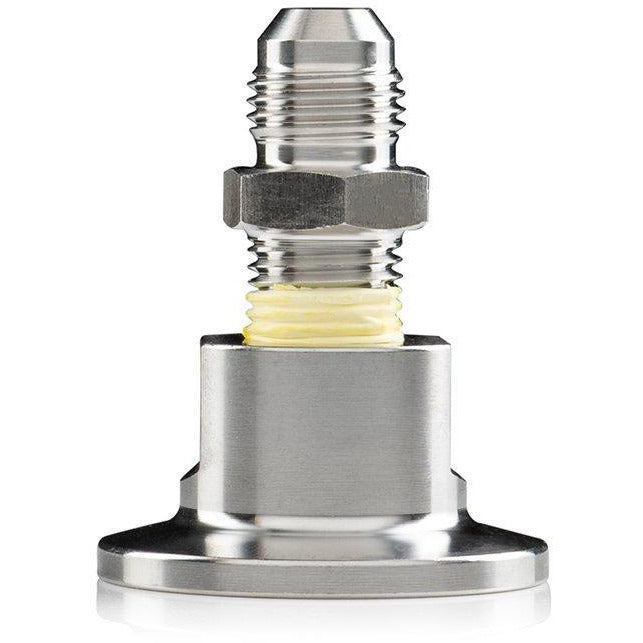
KF-25 x JIC Flare Adapter
KF-25 x JIC Flare Adapter This 304 Stainless Steel KF-25 adapter is fitted with a 304 stainless 37° JIC Flare adapter to connect a vacuum pump or vacuum oven to a stainless steel braided chemical hose or a hvac hose.
$55.98 - $69.98
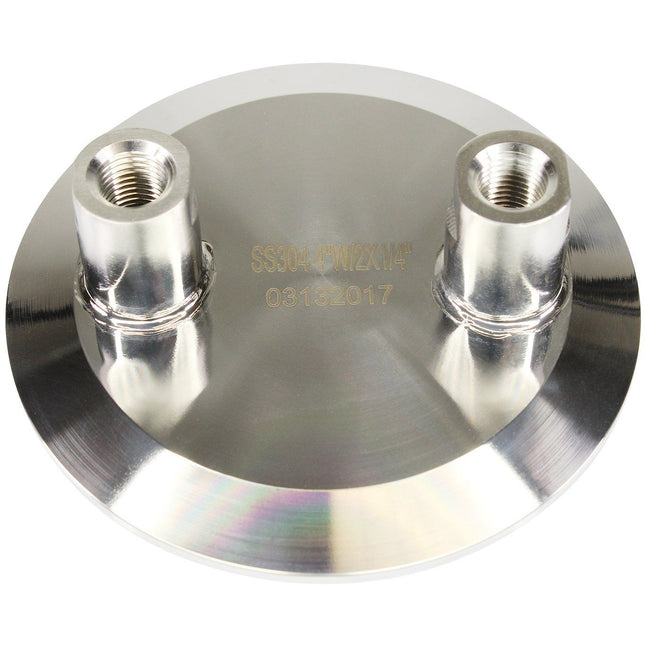
4" Tri-Clamp x (2) 1/4" FNPT
4" Tri-Clamp x (2) 1/4" FNPT These End Caps come with Two 1/4"-18 FNPT Threaded connection welded to the end cap with a sanitary weld. They allow the user to adapt and connect a threaded connection to the 1/4" port on a Tri-Clamp lid. Specification Material: 304 Stainless Steel Connection Types: Tri-Clamp 1/4" - 18 FNPT Standard: 3A Sizes Available: 4" BVV™ 4" Tri-Clamp x (2) 1/4" FNPT - Drawing BVV™ 4" Tri-Clamp x (2) 1/4" FNPT - End Cap Chart
$58.78
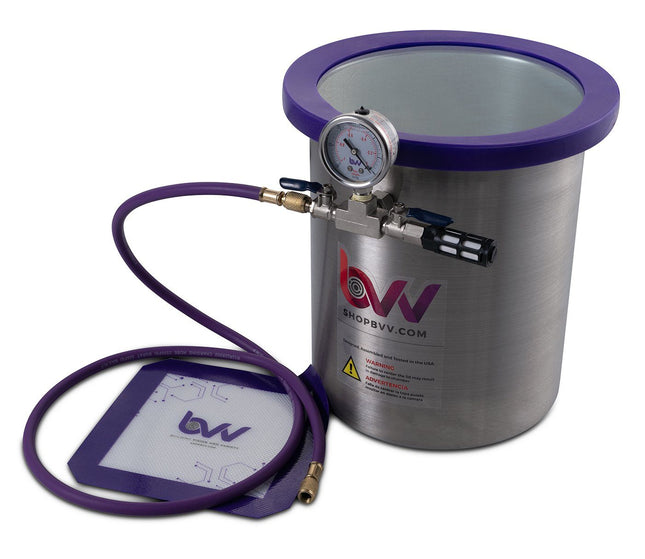
Glass Vac 3 Gallon Stainless Steel Vacuum Chamber
3 Gallon Vacuum & Degassing Chamber (Comes with 2 Year Limited warranty) This is a complete BestValueVac® vacuum chamber setup designed built and 100% tested in Naperville, Illinois. With our unique patent pending gasket design (Patent #9475627) this chamber is sure to last 10,000 uses with proper care and maintenance. The gasket itself is reversible (doubling the life of our system) allowing customers to instantly take it off and flip it over. Every chamber is tested prior to shipping to lose no more than 2.5Hg/24hrs. Glass Vac Vacuum Chambers are ideal for wood workers using the wood stabilization process because the glass lid will not deteriorate like acrylic or polycarbonate lids. -Please Refer to these charts for vacuum specifications at altitude and conversions: Vacuum at Altitude Chart Vacuum Conversion Chart Key Features: Stainless Steel Vessel Highly Durable and Reversible Silicone Gasket Glycerin filled vacuum gauge User friendly vacuum connections that fit most vacuum pumps on the market 50 Micron Air filter for reducing airborne contaminants when releasing the vacuum Silicone vacuum pad 5' of vacuum rated HVAC hose to pull a vacuum. Specification Chamber Material 304 Stainless Steel Gasket Material Silicone Lid Material Glass Internal Dimensions (ID) 10-3/4" Tall x 9" Diameter Vacuum Gauge (Glycerin Filled) InHG (0)-(-30) Manifold Connections 1/4" SAE and 1/4" FNPT Temperature Rating 150°F (65°C) Additional Included Items 5' Purple Vacuum Rated HVAC Hose Platinum Cured Silicone Pad Black 50 Micro Air Filter Compatibility Explanation: BestValueVac® Chambers are not compatible with stabilization resin (i.e. Cactus Juice™, Gator Venom™, Minwax™ etc.), alcohol, ethanol, acetone and acrylic based monomers or polymers.The lid may only be cleaned with soapy water. ShatterVac® chambers are not compatible with stabilization resin (i.e. Cactus Juice™, Gator Venom™, Minwax™ etc.), acetone, acrylic based monomers or polymers. The lid may be cleaned with soapy water and low strength cleaning agents. GlassVac® chambers are compatible with all solvents and stabilization resins. We only recommend and warranty GlassVac® chambers for resin infusion and wood stabilization.The lid may be cleaned with any solvent or cleaning agent. See FAQ at the top for product safety warnings. Pump Warranty Information: Customers using solvents such as stabilization resins (MinWax™, Gator Venom™ etc.), alcohol and other polar solvents must use the vacuum pumps in conjunction with a cold trap for evacuations in excess of 5 minutes. (Exludes Cactus Juice™) If the consumer is using the pump for prolonged periods of time exceeding 5 minutes we require that a cold trap is used or the pump warranty is void. These stabilization resins have the ability to break down the internal components of the pump that are plastic resulting in a seized motor voiding all warranties. When evacuation exceeds 5 minutes these solvents begin to vaporize and then re-condense in the vacuum pump reservoir. Once enough solvent re-condenses in the pump displacing the oil the plastic internal components may begin to warp, melt or seize. The use of a cold trap will condense the vapors prior to making their way to the vacuum pump preventing pump damage due to excessive use. Furthermore, Minwax Wood Hardener™ is not to be used with any vacuum pumps, EVER. (A seized motor will result within the first use.) To prevent these issues from happening to your process, change the Oil after each vacuum pump use, Even if the use time is only 5min. For shipping info including Import/Export details visit our Shipping link at the bottom of the page.
$188.94
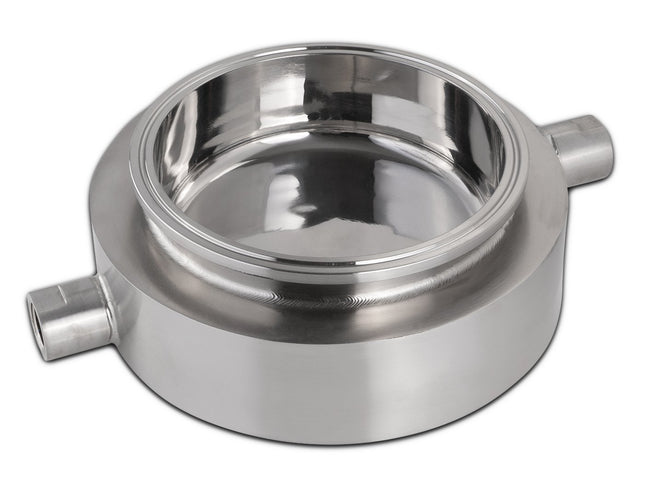
Jacketed Splatter Platters
Jacketed Splatter Platters Fully Jacketed splatter platters are a huge step up from normal splatter platters by providing the user a more efficient recovery of their solvent without having to move or lift the extractor into a hot water bath. These jacketed splatter platters allow the circulation of water through the outer jacket through 2x 1/2" FNPT offset ports on each side of the splatter platter. ***Note: Edges of Jacket may be rounded instead of flat. Sizes Available: 6" 8" 10" 12" Specifications: Material 304 Stainless Steel Standard 3A High Polish Connection Type(s): Tri-Clamp 1/2"-14 FNPT BVV™ Jacketed Splatter Platters - Drawing
$209.94 - $321.90
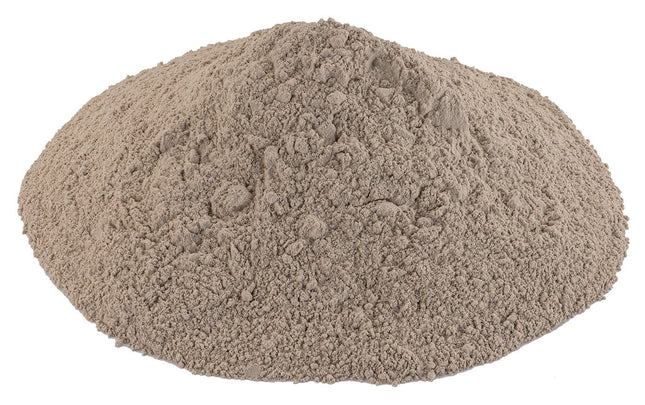
Perform 5000 Highly Acid Activated Bleaching & Decolorizing Bentonite
Pure-Flo® Perform 5000 Highly Activated Bentonite Clay for Bleaching & Decolorizing Edible Oils pH: 2.7 Pure-Flo® Perform 5000 provides superior bleaching activity for demanding oils. Effective with all types of difficult-to-bleach oil. Pure-Flo® Perform 5000 Technical Data Sheet.pdf Perform 5000 Safety Data Sheet Excellent metals adsorption characteristics (P, Ca, Fe, Mg, Ni, etc.) Excellent Chlorophyll removal Excellent Red and Blue color body removal. Removes soaps and phospholipids Outstanding filtration characteristics, including long filtration cycles and less pressure build up at cycle end. ph:2.7 FDA GRAS (Generally Recognized as Safe) - This product is safe for processing food, as long as its not part of the end product being consumed. NSF- HACCP *Prior to down packing this product was certified Kosher & Hallal. It does not retain its certifications after down packing, Sorry BVV™ doesn't have an on staff Rabbi or Imam on site to re-establish those certifications. Note: Bulk Bags and Bulk sizes are non-stocked items and will be ordered as needed and carry a several weeks lead time and require a forklift or pallet jack
$27.99 - $3,149.04
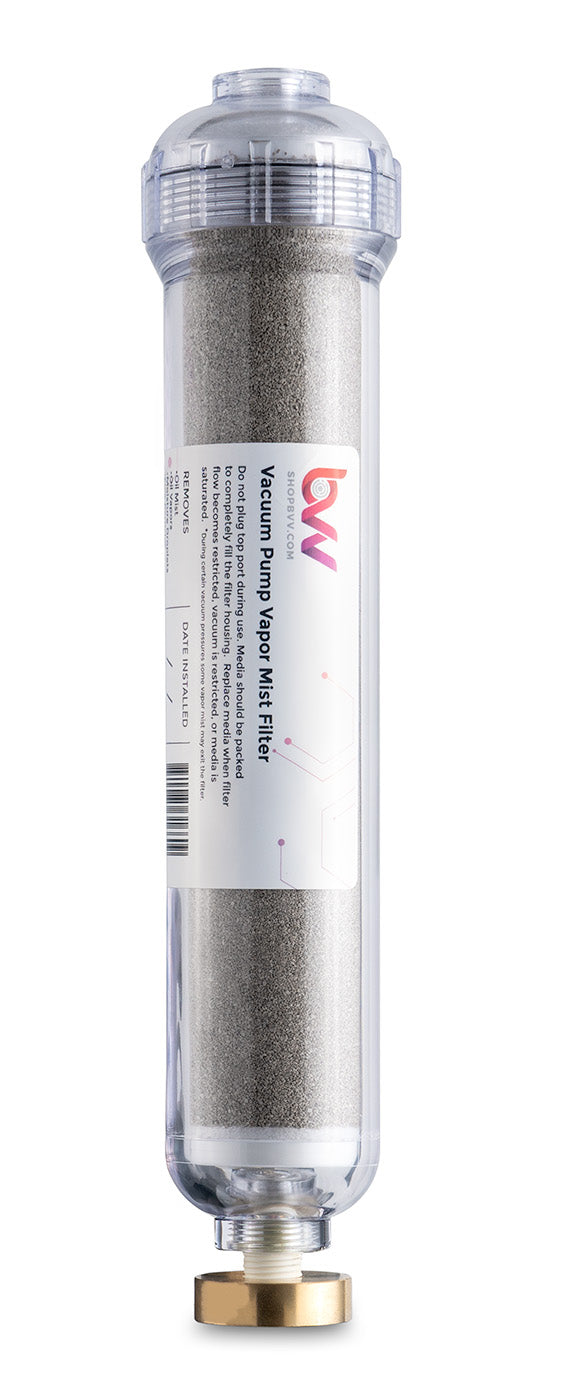
Vacuum Pump Vapor Mist Filter
Vacuum Pump Vapor Mist Filter The BVV™ Mist Filter is our solution to capturing the oil mist exhausting out of vacuum pumps. This filter is filled with a replaceable media and will save you $ over alternative solutions like the Koby filter. The filter media is a granular food grade adsorbent and is designed to adsorb oil specifically. The granular media doesn't restrict flow on your pump, and when it becomes saturated with oil it continues to work. We recommend you change out the media when the filter is 50% soaked with oil. During certain vacuum pressures light vapor mist may momentarily exit the filter. The filters within the housing, do not have an indefinite life. Should they become dirty and clogged over the years, it can be cleaned with degreaser like CitraKlean CK-1QT then left to dry before re-loading. Media Capacity: 185 grams. Media Refill: ULTRA-1000G Media Housing Replacement: CLEAR-210 Pump Fitting Thread BVV V Series (Purple) CPSKADPT M27x1.5 BVV VE Series (Black) MCKADPT M24x1.5 Harvest Right Premier Pump BVVKADPT M30x1.5 Harvest Right Standard BVVKADPT M30x1.5 MasterCool MCKADPT M24x1.5 CPS CPSKADPT M27x1.5 Scientific KF25 Exhaust KF25-04FNPT NA
$118.96
BVV BRANDS T-Shirt
BVV™ Brands T-Shirt The newly re-designed BVV™ brands T-shirt is made out of 50% Polyester and 50% Cotton it comes in black and white and is available in the sizes listed below. Sizes Available: Small Medium Large X Large 2 XL
$25.19
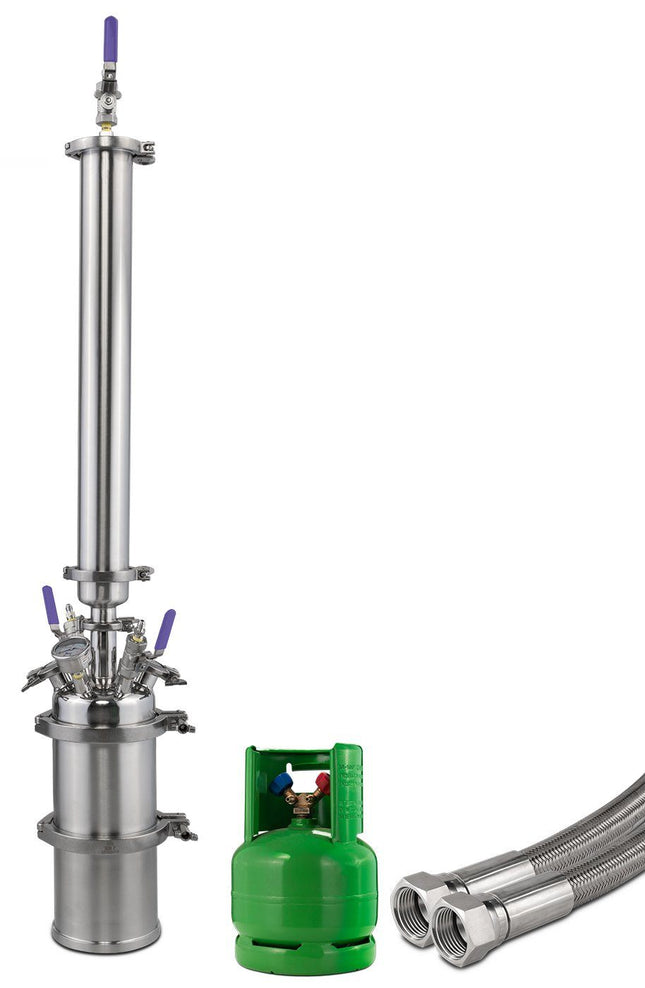
1LB Apollo Top Fill Closed Loop Extractor
1LB Top Fill Closed Loop Extraction System (System comes with 1 yr. limited warranty) The 1lb closed loop hydrocarbon extractor performs incredible botanical extraction within a sealed, vacuumed system. With the help of a top-fill input, solvent washes through the material column, collecting oils as it passes over the material. The oil-bearing solvent is collected in the collection base under the material column. Once collected, the solvent is distilled and recovered, leaving the oils in the collection base. This is a passive unit that utilizes pressure differences created by manipulating temperature to move solvent. ***Note: Solvent not included with systems unless ordered separately. Any order with butane WILL NOT SHIP EXPEDITED.*** ***DISCLAIMER: This unit is intended for LEGAL purposes only, to be used in accordance with local laws and ordinances. Use only in extremely well-ventilated areas. Check with your local fire marshal for guidance when operating indoors. KEY BENEFITS Meets or exceeds all industry listed standards Versatile in running butane, propane, and other blended solvents Perfect for mid to large-scale extraction/production facilities Faster run times and less degradation in the process Extractor Configuration: Explorer: Our standard, most economical setup, perfect for the entry level extractor on a budget. Comes with a welded bottom base and standard LP tank. This model has minimal features to keep cost low, while providing the necessary equipment to get the job done. Professional: This model features upgrades to help produce a higher quality extract. Solvent is input into the material column with a showerhead endcap, ensuring the full material column is saturated with solvent. The Professional comes with a sleeved spool, allowing users to utilize dry ice to freeze the material column. This will help lock in fats and waxes to the material. An inline ball valve is used to allow solvent to be suspended in the material column, as well as closing the collection base off during recovery. Upon completion of the run, extract removal is made simple by adding a removable bottom to the collection base. Elite: The Elite series is the premium version of the Professional. It features all American made instrumentation valves by SSP, an AVCO ultra-low temperature inline ball valve, jacketed collection base, and all high-pressure clamps. The jacketed collection gives precision during recovery, allowing a heated fluid to be circulated around the base. This method keeps temperature both accurate and consistent. The elite series adds a level of dependability needed for those seeking to produce the highest quality extracts. *NOTE* This model requires a heater circulator or chiller Explorer Professional Elite BVV 316SS Full Bore Valves Welded Bottom Base BVV 316SS Full Bore Valves Showerhead Dewaxer Ball Valve Splatter Platter Base SSP Valves Showerhead Dewaxer AVCO Ball Valve HP Clamps Jacketed Base/Platter Unit Includes: 6"x6" Welded Bottom Base 6"x6" Open Spool Assembled 6" extractor lid 3"x24" Material column with reducer & top cap Mastercool 6LB Solvent Recovery Tank (1) 1/4" 48" FJIC Stainless Steel hose (1) 1/4" 60" FJIC Stainless Steel hose (1) 1/4" FJIC HVAC hose Standard pressure single pin clamp Instruction Manual Specifications: 3"x 24" 304 Stainless Steel Material Column-1lb capacity (450g) 316 Stainless Steel Fully Encapsulated Miniature Ball Valves System Rated to 150PSI Multiple 37 degree FJIC port connections 304 Stainless Steel Base Container 6" diameter by 12" tall Tri-Clamps at all interfaces make for a high pressure/standard pressure, easy clean unit BUNA-N Gaskets are designed for Oil Processing Temp range -40-200F, and have superior solvent resistance Base unit Maximum Capacity: 395 cubic inches, (6.472 Liters) Construction: All components made of 304 Stainless Steel. Max Vacuum -29.9inHg High Polish Interior *Note: Column capacity may vary depending on the density of packed material and packing density. Capacity is calculated using the industry standard of 4.2g/in3. This is the upper limit for column capacity. Low density, uncut, and/or lightly packed material can reduce capacity by 50%. For best results, we recommend to tightly pack coarse ground material. Material Capacity Cylinder Volume Triclamp Spool (in) 1.5" 2" 3" 4" 6" 8" 10" 12" Length (in) 1" 2" 3" 4" 6" 8" 10" 12" 18" 24" 36" 48" Volume (in3) Select Material Butane ISO-Butane Propane How Much Will Fit in Cylinder FormulaVolume x Weight of Water x Specific Gravity ConstantsWeight of Water = 0.0360 (lbs / in3)Specific Gravity of = Lbs. of : Recommended: Account for an 80% fill to avoid a hydraulic lock How Much Material Will Fit in the Cylinder Packing Density (g) 2.5 3 3.5 4.3 Grams of Material Lbs. of Material
$1,007.69 - $2,764.16
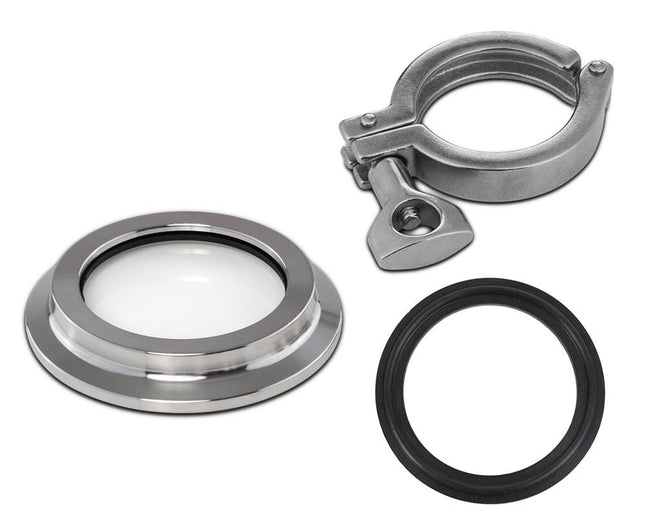
Borosilicate Tri-Clamp Sight Glass Kit
Borosilicate Tri-Clamp Sight Glass Kit ***Note:(Only comes with 1 sight glass.) FOR 2" Version please see our upgraded sight glass NESG200 3 piece borosilicate sight glasses offer a greater chemical resistance, viewing area, and cleanability compared to a traditional sight glass such as polycarbonate or Metaglas sight glasses. These Tri-Clamp sight glasses consist of 3 pieces: the borosilicate glass disc, Viton or Silicone gasket, and custom tri-clamp ferrule. When used in combination with high-pressure clamps the working PSI is rated at 800 (pending 3rd party peer review). These glasses are also resistant to thermal shock, enduring extreme heating and cooling temperatures. ***Disclaimer: Please handle with care when installing on to a system and do not overtighten or the glass disc may chip. This Kit Includes the Following: 1x - BVV Borosilicate Tri-Clamp Sight Glass 1x - Standard Pressure Clamp or High Pressure Clamp 1x - BUNA-N Gasket or Silicone Gasket Sight Glass Specifications: Ferrule Material 304 Stainless Steel Glass Material BOROFLOAT Gasket Material Viton(FKM) or Silicone Connection Type(s) Tri-Clamp PSI Rating 800 (pending peer review)
$88.17 - $100.77
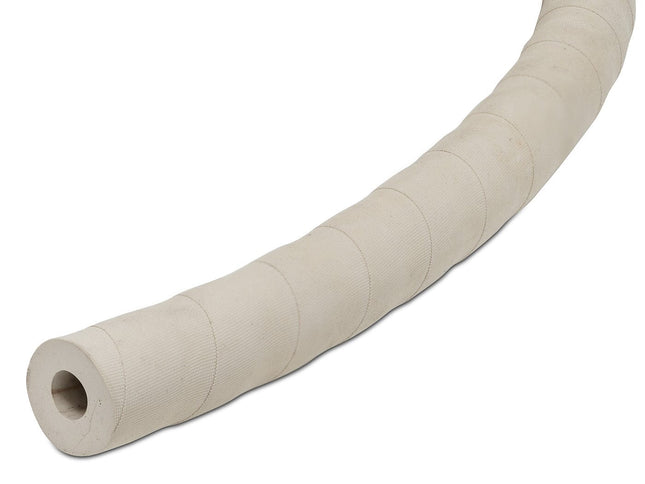
3/8" Gum Rubber Tubing for Vacuum
3/8" Gum Rubber Tubing Pure gum rubber tubing is ideal for vacuum applications and will not collapse under a vacuum like other soft/low durometer tubing on the market. Please refer to this chemical compatibility chart: Cole-Parmer Chemical Compatibility - Natural Rubber Key Features: Tear Resistant Retains Memory Safely conducts many acids, chemicals, and gases Resistant to cold and hot temperature variations Very versatile Flexible and soft Developed especially for mechanical vacuum pumps Specifications Hardness Rating Soft Hardness Durometer 45A Material Gum Rubber ID 3/8" OD 7/8" Wall Thickness 1/4" Flexibility Very Flexible Temperature Range -70° to 180°F Maximum Vacuum 29 in. of Hg @ 72°F Compatible Tube Fittings Barbed Connections Color Beige
$93.77 - $944.71
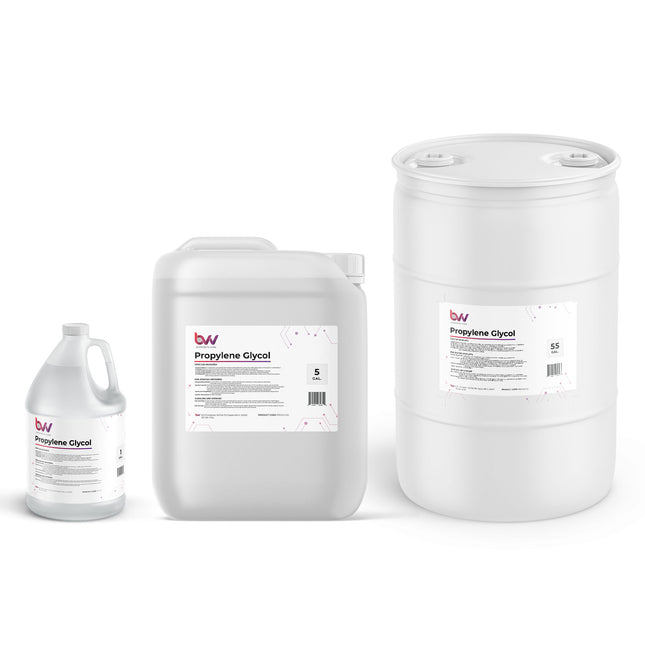
Propylene Glycol Tech Grade 100%
Propylene Glycol Disclaimer: Spigots/Faucets are only compatible with 5 Gallon Jugs and must be purchased separately BVV™ brand propylene glycol is a great heat transfer fluid alternative to water for all processing equipment such as refrigerated or heated circulators and cold traps. This propylene glycol has a freezing point of -74°F and a boiling point of 370°F. BVV™ propylene glycol is considered NOT genetically modified and NOT derived from a genetically modified organism. BVV™ Propylene Glycol SDS BVV™ Propylene Glycol Certificat of Analysis COA The expiration date is 2 years from the date of manufacture and when the glycol is kept below 100F and out of direct sunlight.
$23.79 - $4,338.68
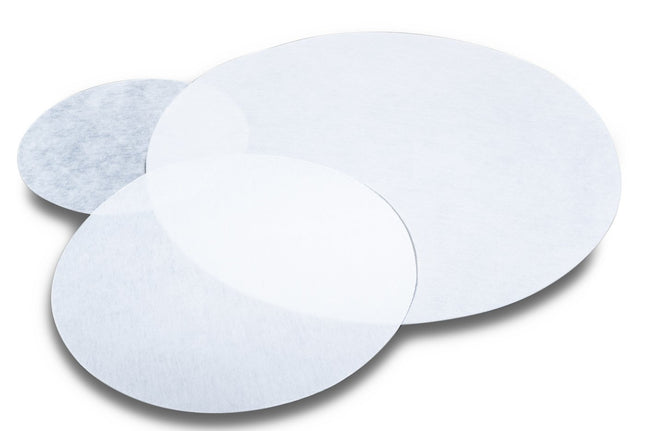
Cellulose Filter Paper 50 Micron - 5 Pack
Cellulose Filter Paper 50 Micron - 5 Pack This filter paper is 100% synthetic cellulose (polyester plastic) and has no binders or adhesives. This material is very strong and considered un-rippable, but can easily be cut with a pair of scissors and this is the most durable filter paper we sell for larger diameter filtration applications. Polyester is recommended for use with Butane, Ethanol, Alcohol, Hexane, Pentane, and most hydrocarbons. Made in USA Specifications Material 100% Synthetic Cellulose (Polyester Plastic) Temp Range -100F to 300F (-70C to 150C) Thickness: 100 Micron - 0.011" 50 Micron - 0.020" QTY per Pack 5 Sizes Available: 6" 8" 10" 12"
$16.79 - $25.19
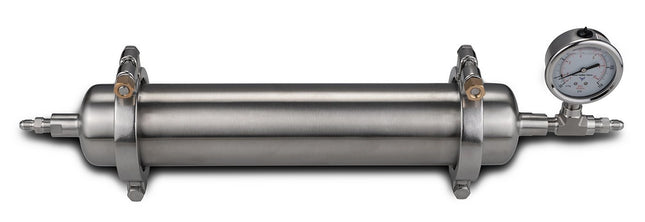
Molecular Sieve Filter Drier
Molecular Sieve Filter Drier A Molecular Sieve Filter Drier is intended to capture moisture and contaminants in the solvent by filter it out while the solvent passes through the Filter Drier. This Filter Drier is made out of 304 Stainless Steel parts and includes High Pressure Clamps, 2x 3" 2500 Mesh (5 Micron) Gaskets to prevent any Sieve dust contaminating the solvent, and 13X Molecular Sieve. The end connections are 37° Flared Connection with a compound gauge that reads (-30)-0-(250Psi). Specifications Material: 304 Stainless Steel Spool Size: 3" Triclamp x 12" Length End Connections: 1/4", 3/8", or 1/2" 37° JIC Flares Molecular Sieve: 13X Clamps: 3" High Pressure Gaskets: 2x 3" 2500 Mesh (5 Micron) Compound Gauge: (-30-0-(150 Psi) Size Recommendations: 2LB - Will fit our Molecular Sieve Filter Drier 4LB - Will fit our XL Molecular Sieve Filter Drier 6LB - Will fit our 30LB Extractor
$405.88 - $419.87
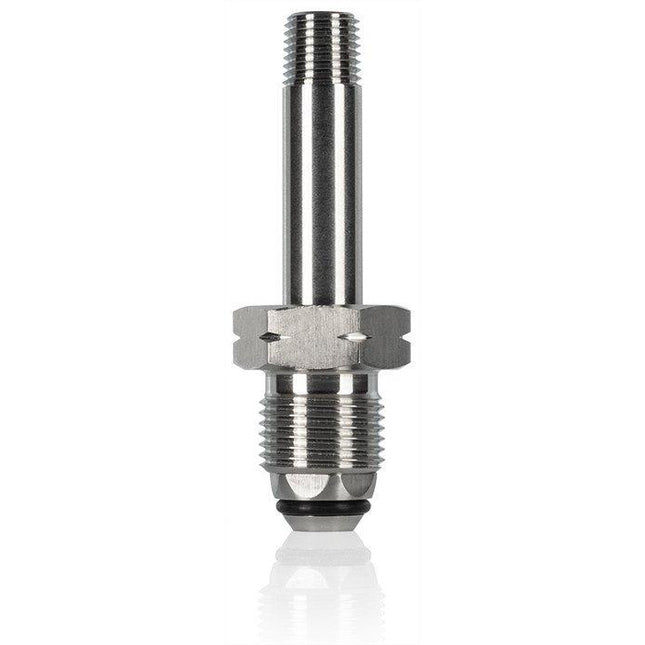
Stainless Steel Butane/Propane Tank Fitting CGA 510
Stainless Steel Butane/Propane Tank Fitting CGA 510 Custom Stainless Steel CGA 510 Butane and Propane Tank Fitting with Viton O-Ring. Specifications: CGA 510 Thread with Viton O-ring seal and either 1/4" MNPT or 1/4", 3/8", 1/2" Flare Material: Stainless Steel
$30.79 - $132.96
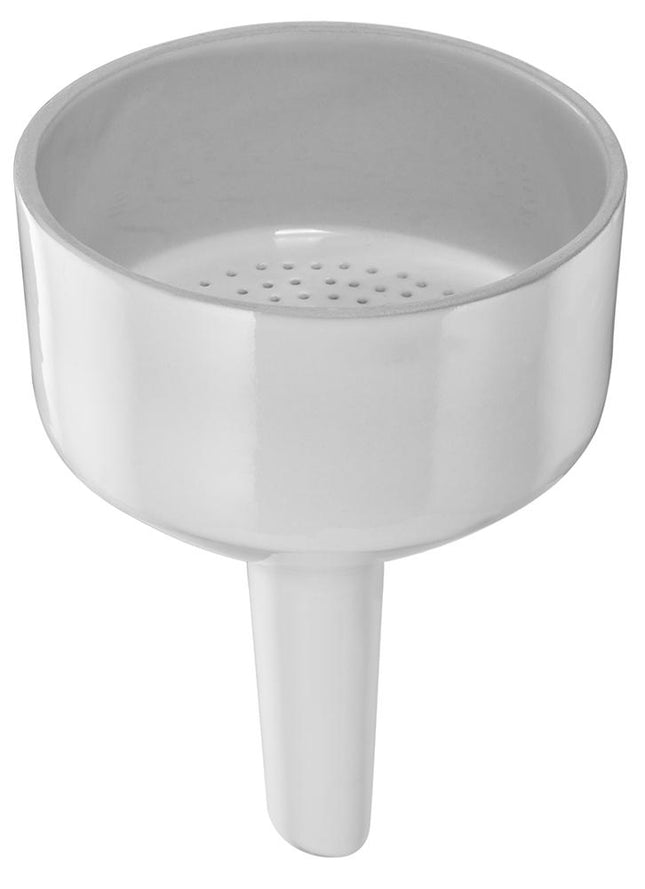
Porcelain Buchner Funnel
Porcelain Buchner Funnel Buchner funnel Porcelain Labware is used in the chemistry laboratory. It has exceptional resistance to all reagents except hydrofluoric acid and is highly resistant to thermal shock while having a very low coefficient of expansion. To prevent thermal stress cracks on porcelain ware do not exceed a heating/cooling rate of 200°C per hour. To prolong the life of porcelain products: · Follow gradual heating/cooling rates · Use an oven or hot plate and an intermediate step when quicker heating/cooling rates are required · Avoid contact of heated ware with a cold surface · Carefully check labware prior to each use and do not use any product that appears defective With straight sides above the perforated plate. Thick stem. Sizes Available: 1000ml - 5.5" (~140mm) Diameter 2000ml - 7-3/8" (~187mm) Diameter
$76.98 - $118.96
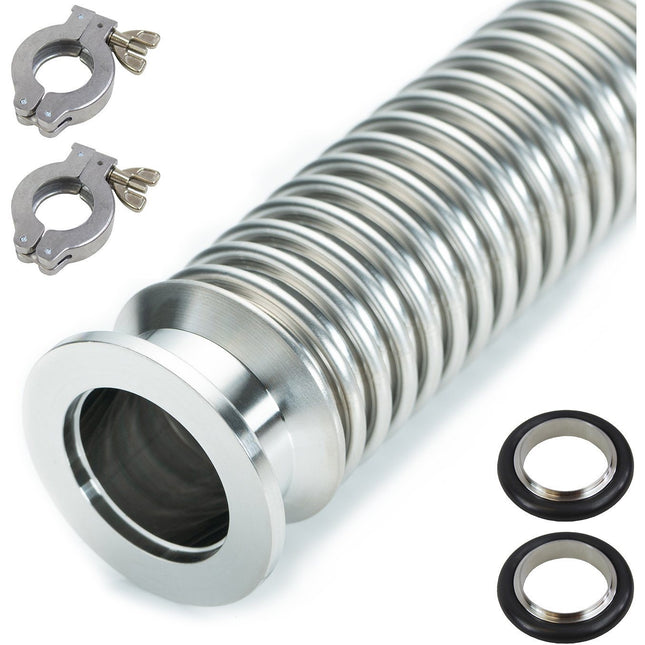
KF-25 Bellow Fitting Hose - KIT
KF-25 Bellow Fitting Hose Kit This KF25 or (NW25) bellow hose is made out of 304-grade stainless steel which allows a high vacuum to be obtained with a large flow diameter for vapors. These bellow hoses are flexible and allow the user to connect a KF25 flanged vacuum pump to a KF25 flanged vacuum oven or any other application using adapters like our KF25 x NPT or KF25 x Tri-Clamp/ Tri Clover Fittings. This kit also has 2 KF25 clamps and gaskets. What's Included? (1) KF25 Flexible 304 Stainless Steel Bellow Hose (2) KF25 Centering Gaskets with Viton O-ring (2) KF25 Aluminum Clamps Bellow Hose Sizes Available: 1 Meter(s) (3.28 Feet) 2 Meter(s) (6.56 Feet)
$226.73 - $275.72
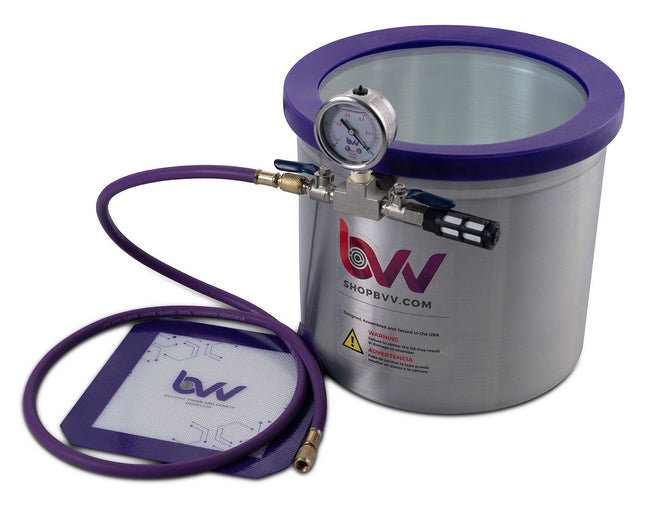
Glass Vac 3 Gallon Aluminum Vacuum Chamber
3 Gallon Vacuum & Degassing Chamber (Comes with 2 Year Limited warranty) This is a complete BestValueVac® vacuum chamber setup designed built and 100% tested in Naperville, Illinois. With our unique patent pending gasket design (Utility Patent #14/533,548) this chamber is sure to last 10,000 uses with proper care and maintenance. The gasket itself is reversible (doubling the life of our system) allowing customers to instantly take it off and flip it over. Every chamber is tested prior to shipping to lose no more than 2.5Hg/24hrs. Glass Vac Vacuum Chambers are ideal for wood workers using the wood stabilization process because the glass lid will not deteriorate like acrylic or polycarbonate lids. -Please Refer to these charts for vacuum specifications at altitude and conversions: Vacuum at Altitude Chart Vacuum Conversion Chart Key Features: Aluminum Vessel Highly Durable and Reversible Silicone Gasket Glycerin filled vacuum gauge User friendly vacuum connections that fit most vacuum pumps on the market 50 Micron Air filter for reducing airborne contaminants when releasing the vacuum Silicone vacuum pad 5' of vacuum rated HVAC hose to pull a vacuum. Specification Chamber Material 3004 Aluminum Gasket Material Silicone Lid Material Glass Internal Dimensions (ID) 9" Tall x 10" Diameter Vacuum Gauge (Glycerin Filled) InHG (0)-(-30) Manifold Connections 1/4" SAE and 1/4" FNPT Temperature Rating 150°F (65°C) Additional Included Items 5' Purple Vacuum Rated HVAC Hose Platinum Cured Silicone Pad Black 50 Micro Air Filter Compatibility Explanation: BestValueVac® Chambers are not compatible with stabilization resin (i.e. Cactus Juice™, Gator Venom™, Minwax™ etc.), alcohol, ethanol, acetone and acrylic based monomers or polymers.The lid may only be cleaned with soapy water. ShatterVac® chambers are not compatible with stabilization resin (i.e. Cactus Juice™, Gator Venom™, Minwax™ etc.), acetone, acrylic based monomers or polymers. The lid may be cleaned with soapy water and low strength cleaning agents. GlassVac® chambers are compatible with all solvents and stabilization resins. We only recommend and warranty GlassVac® chambers for resin infusion and wood stabilization.The lid may be cleaned with any solvent or cleaning agent. See FAQ at the top for product safety warnings. Pump Warranty Information: Customers using solvents such as stabilization resins (MinWax™, Gator Venom™ etc.), alcohol and other polar solvents must use the vacuum pumps in conjunction with a cold trap for evacuations in excess of 5 minutes. (Exludes Cactus Juice™) If the consumer is using the pump for prolonged periods of time exceeding 5 minutes we require that a cold trap is used or the pump warranty is void. These stabilization resins have the ability to break down the internal components of the pump that are plastic resulting in a seized motor voiding all warranties. When evacuation exceeds 5 minutes these solvents begin to vaporize and then re-condense in the vacuum pump reservoir. Once enough solvent re-condenses in the pump displacing the oil the plastic internal components may begin to warp, melt or seize. The use of a cold trap will condense the vapors prior to making their way to the vacuum pump preventing pump damage due to excessive use. Furthermore, Minwax Wood Hardener™ is not to be used with any vacuum pumps, EVER. (A seized motor will result within the first use.) To prevent these issues from happening to your process, change the Oil after each vacuum pump use, Even if the use time is only 5min. For shipping info including Import/Export details visit our Shipping link at the bottom of the page.
$215.53
Apiezon H High Temperature Vacuum Grease
Apiezon H High Temperature Vacuum Grease 25g Apiezon H Grease is a silicone-free high vacuum grease perfectly suited for use at high temperatures in both scientific and industrial applications. H Grease has exceptional 'stiction' and thermal conduction properties and has gained prestigious approvals from a variety of international organizations, including BAE Systems, the European Space Agency and NASA. Safety Data Sheet Technical Data Sheet Apiezon H Grease: High Temperature Vacuum Grease Properties Apiezon H Grease is a silicone-free high temperature vacuum grease which: performs well under a wide range of temperatures, from -10 to +240°C, and retains its optimum consistency at temperatures between +10 and +110°C rather than melting, actually becomes stiffer as temperature increases and therefore is not recommended for highly stressed bearings has excellent heat transfer properties conducts heat away from the site of operation, reducing the danger of overheating and damaging heat-sensitive components exhibits good 'stiction' or sticking power has powerful 'gettering' action, meaning it absorbs potentially harmful grease and chemical impurities on metal and glass surfaces is easy to clean and remove as it is soluble in hydrocarbon solvents exhibits a vapor pressure of 1.7 x 10⁻⁹ Torr at 20°C Please click the links for typical properties and vapour pressure graphs of Apiezon H Grease. Applications of Apiezon H Grease As a high temperature, low to medium vacuum grease with excellent 'stiction' power and good thermal conduction properties Apiezon H Grease is used for many diverse applications. In particular H Grease is commonly used in scientific and industrial high temperature sealing applications.Thanks to its 'stiction' power Apiezon H Grease is ideal for use with laboratory glassware; it is also favoured by the electronics and space industries where its high thermal conductivity makes it the perfect vacuum grease in situations where heat sink media requires adhesion.Apiezon H grease has been approved by NASA as a material suitable for lubricating the gold-plated threads of small variable capacitors required to operate under high vacuum from -65°C to +125°C to prevent galling.
$398.88
True Terpenes VISCOSITY Extract Liquifier
True Terpenes VISCOSITY Extract Liquefier All sales are final. Orders can be refunded prior to fulfillment and shipping but once the order has been fulfilled and/or shipped, no refunds will be issued. Due to the hazardous nature of our product, we are unable to accept returns. Viscosity allows you to gently control the flavor and flow rate of your premium distillates. The terpenes combine smoothly with your oil and are formulated to minimize the impact to flavor and aroma while maintaining product potency. Viscosity is not a thickening nor cutting agent and not recommended to be used with CBD. Viscosity is designed to be used with winterized extracts. Not recommended for use with BHO, Rosin, Solventless, Isolate and Raw CO2. Viscosity is the only extract modifier comprised of terpenes found natively in the plant. Viscosity allows you to gently control the flavor and flow rate of your premium distillates. The terpenes combine smoothly with your oil and are formulated to minimize the impact to flavor and aroma while maintaining product potency. Viscosity contains only terpenes: Phytol Beta-Caryophyllene D-Limonene Farnesol Nerolidol Viscosity does not include the following: No PG No VG No PEG No MCT No Squalane No Squalene No Coconut Oil No Mineral Oil No Triethyl Citrate No Vitamin E Acetate VISCOSITY Extract Liquifier is the original flavorless odorless extract diluent made from a blend of 100% organic terpenes. It does not contain PG, VG, PEG, MCT, Coconut oil, or any other non-terpene ingredients. VISCOSITY Extract Liquifier enables you to turn winterized extracts into the perfect flowing oil. VISCOSITY combines smoothly with Distilled and CO2 extracts without separation and will stay blended without additional additives, emulsifiers, or complicated processes. CERTIFICATE: COA | SDS | FOOD GRADE | NATURAL | ORGANIC TRUE GRADE™ It is our promise to you. Our isolated terpenes are triple-distilled making them the cleanest terpenes in the world. Fresh out of the bottle, undiluted, every single one of our products bests the most rigorous consumer safety standards. GMP | ISO-9001:2015 | FSSC 22000 Blended in cGMP facilities adhering to the requirements for a Quality Management System (QMS) specified by ISO 9001:2015 and FSSC 22000 standards. Analyzed Tested and passed True Grade™ safety specifications for residual solvents, pesticides and heavy metals. Stability Tested Rigorously tested with mid-grade distillate against separation, cloudiness and unacceptable levels of color change. We Qualify True Terpenes implements supply-chain control for all raw materials and is proud to provide True Terpenes’ qualification documents such as certificates, licenses and registrations to be qualified as your supplier. Undiluted We do not add PG, VG, PEG, MCT or Vitamin E Acetate to any of our products. Food Grade Manufactured in cGMP facilities using food grade ingredients. UV Protected This product is packaged in a cobalt blue, UV deterrent and food grade bottle with tamper evident seal. Made in the USA Formulated, blended, manufactured and fulfilled in the United States. Refined Isolates This product contains ultra-pure, molecularly-refined terpene isolates. Only the best.
$83.97 - $1,679.49
Glacial Acetic Acid 99.8% Food Grade
BVV™ Food Grade Glacial Acetic Acid 99.8% pH: 2.4 Looking for a food-grade acid for your acid-base extraction? Our premium Glacial Acetic Acid is precisely what you need! As a leading supplier of high-purity solvents & chemicals, we provide the purest Glacial Acetic Acid available for your acid-base extraction and pH adjustment needs, ensuring exceptional results every time. Acetic acid, also known as ethanoic acid, is a versatile organic compound that plays a significant role in various industries and everyday life. It is a colorless liquid with a pungent, vinegar-like odor. Acetic acid (CH3COOH) is a weak acid that is highly soluble in water and many organic solvents. Due to its unique properties, acetic acid is widely used as a solvent, preservative, and flavoring agent in the food and beverage industry. It is also a key component in the production of vinyl acetate, which is used in the manufacturing of adhesives, coatings, and textiles. Furthermore, acetic acid is utilized in the synthesis of numerous chemicals, including pharmaceuticals, dyes, and plastics. Its diverse range of applications makes acetic acid an essential compound in many industrial processes, where it contributes to the creation of countless products that we encounter in our daily lives. Glacial Acetic Acid, also known as ethanoic acid, is a highly concentrated and pure form of acetic acid. Its name, "glacial," refers to its ability to freeze at a relatively low temperature (16.6C/61.9F). This characteristic sets it apart from other forms of acetic acid, making it ideal for various industrial applications, including acid-base extraction. Our Glacial Acetic Acid contains less than 1% water and is also considered water-free anhydrous acetic acid. In acid-base extraction, Glacial Acetic Acid serves as an essential component due to its unique properties. It acts as a weak acid, enabling the extraction of alkaline compounds from organic mixtures. With our premium Glacial Acetic Acid, you can achieve efficient separation of target compounds by adjusting the pH and facilitating the formation of soluble salts. In addition to its use in acid-base extraction, our Glacial Acetic Acid finds widespread application in various industries, including pharmaceuticals, textiles, and food processing. It is also known for its ability to dissolve and remove mineral deposits, making it an excellent choice for descaling and cleaning applications. At BVV, we take pride in delivering premium solvents, chemicals, and adsorbents that exceed customer expectations. Our team of experts is always available to provide personalized support and guidance, ensuring that you find the right solution for your needs. With our high-purity Glacial Acetic Acid & Sodium Hydroxide, you can optimize your acid-base extraction processes and pH adjustment needs to achieve exceptional results. Ready to elevate your acid-base extraction procedures? Order our High Purity Glacial Acetic Acid & Sodium Hydroxide today and experience its superior quality and performance firsthand. Contact us now to learn more and take advantage of our competitive prices and prompt delivery. Unlock the potential of your acid-base extractions with BVV! Chemical Formula: CH3COOH Molecular Weight: 60.052 g·mol−1 CAS Registry Number: 64-19-7 Appearance Colorless, transparent liquid, Odor: Heavily vinegar-like Density 1.049 g/cm3 (liquid); 1.27 g/cm3 (solid) Boiling Point: 16 °C / 61°F GHS Pictograms: GHS Signal Word: Danger GHS Hazard Statements: H226, H314 GHS Precautionary Statements P280, P305+P351+P338, P310 UN Identification Number: 2789 Proper Shipping Name: Acetic Acid, Glacial Transport Hazard Class: 8 Packing Group: II DOT Placard: What is Acetic Acid? Acetic acid, also known as ethanoic acid, is a colorless liquid organic compound with a distinct sour taste and pungent smell. It is a member of the carboxylic acid family and is classified as a weak acid due to its partial ionization in aqueous solutions. Acetic acid is a fundamental building block in various chemical reactions and is commonly found in vinegar, giving it its characteristic sour taste. Chemically represented as CH3COOH, acetic acid consists of two main components: a carboxyl group (-COOH) and a methyl group (-CH3). It is produced naturally through fermentation processes, where bacteria convert ethanol into acetic acid. Additionally, acetic acid can be synthesized through various chemical methods for industrial applications. Acetic acid is widely utilized in various industries, including food, pharmaceuticals, textiles, and chemicals. It serves as a crucial ingredient in the production of plastics, solvents, dyes, and synthetic fibers. Its versatile nature makes it an essential component in countless products and processes, contributing to a wide range of applications across different sectors. What Is Acetic Acids Formula? Chemically represented as CH3COOH, acetic acid consists of two main components: a carboxyl group (-COOH) and a methyl group (-CH3). It is produced naturally through fermentation processes, where bacteria convert ethanol into acetic acid. Additionally, acetic acid can be synthesized through various chemical methods for industrial applications. What is Acetic Acids Structure? The structure of acetic acid consists of two carbon atoms (C), four hydrogen atoms (H), and two oxygen atoms (O) arranged in a specific pattern. It forms a molecule with a central carbon atom bonded to two oxygen atoms: one oxygen atom is double-bonded to the carbon (C=O) and the other is bonded via a single bond (C-OH). This arrangement creates a carboxyl group (COOH) at one end of the molecule. The remaining carbon and hydrogen atoms are bonded in a linear chain, resulting in the overall molecular structure of CH3COOH. What Is Acetic Acids Molar Mass? The molar mass of a chemical compound is a measure of the mass of one mole of that substance, expressed in grams per mole (g/mol). For acetic acid (CH3COOH), which is a simple organic compound, the molar mass is calculated by adding up the atomic masses of all the individual atoms in its chemical formula. Let's break down the components of acetic acid: Carbon (C) - Atomic mass: 12.01 g/mol Hydrogen (H) - Atomic mass: 1.01 g/mol (there are 2 hydrogen atoms) Oxygen (O) - Atomic mass: 16.00 g/mol (there are 2 oxygen atoms) Another Oxygen (O) - Atomic mass: 16.00 g/mol Hydrogen (H) - Atomic mass: 1.01 g/mol (there is 1 hydrogen atom) Now, add up the atomic masses: 12.01 g/mol (C) + 1.01 g/mol (H) + 1.01 g/mol (H) + 16.00 g/mol (O) + 16.00 g/mol (O) + 1.01 g/mol (H) = 60.05 g/mol Therefore, the molar mass of acetic acid is approximately 60.05 g/mol. This value is crucial for various chemical calculations and reactions involving acetic acid, including determining quantities in chemical reactions or preparing solutions with specific concentrations. What is the PKA of Acetic Acid? The pKa of acetic acid (CH3COOH) is approximately 4.75. The pKa value represents the acidity of a compound and indicates the strength of its dissociation in aqueous solution. Acetic acid is a weak acid, meaning that it does not completely dissociate into ions in water and has a relatively low tendency to donate protons (H+ ions). Is Acetic Acid A Weak or Strong Acid? Acetic acid (CH3COOH) is considered a weak acid. Weak acids are substances that only partially dissociate into ions when dissolved in water. In the case of acetic acid, it releases a limited number of hydrogen ions (H+) and acetate ions (CH3COO-) in water. This is in contrast to strong acids, which completely dissociate into ions and release a higher concentration of hydrogen ions in solution. What Is The Boiling Point of Acetic Acid? The boiling point of acetic acid is approximately 118.1 degrees Celsius (244.5 degrees Fahrenheit) at standard atmospheric pressure. However, this value can vary slightly depending on factors such as atmospheric pressure and impurities present in the acetic acid. What Is The Density of Acetic Acid? The density of acetic acid is approximately 1.049 grams per cubic centimeter (g/cm³) at 20 degrees Celsius (68 degrees Fahrenheit). Keep in mind that the density of acetic acid can vary slightly with temperature and concentration. What Is Glacial Acetic Acid? Glacial acetic acid, also known as anhydrous acetic acid, is a highly concentrated and pure form of acetic acid. The term "glacial" is used to describe its appearance, as it solidifies into ice-like crystals at room temperature due to its high freezing point. Glacial acetic acid typically has a concentration of around 99-100%, making it one of the purest forms of acetic acid available. This highly concentrated form of acetic acid is commonly used in various industrial, laboratory, and chemical applications. It is often utilized as a solvent, reagent, or catalyst in chemical reactions, as well as in the production of various chemicals, plastics, textiles, and pharmaceuticals. Glacial acetic acid's high purity and reactivity make it a valuable component in many manufacturing processes and scientific experiments. It's important to handle glacial acetic acid with care due to its corrosive and strong acidic properties. Proper safety precautions should be taken when working with this substance, including using appropriate protective equipment and following recommended handling procedures. What Is Acetic Acid Used For? Acetic acid is a versatile chemical compound with a wide range of applications across various industries. Here are some common uses of acetic acid: Food and Beverage Industry: Acetic acid is a key component in the production of vinegar, which is used as a condiment, flavor enhancer, and food preservative. It is also used in the production of pickles, sauces, and dressings. Chemical Industry: Acetic acid is used as a chemical intermediate in the production of various chemicals, including acetate esters, acetic anhydride, and vinyl acetate monomer. These chemicals are used in the manufacturing of plastics, synthetic fibers, dyes, and pharmaceuticals. Cleaning and Disinfecting: Acetic acid is commonly used as an environmentally friendly cleaning agent due to its mild acidity and disinfectant properties. It can effectively remove mineral deposits, stains, and mold from surfaces. Textile Industry: Acetic acid is used in the production of acetate fibers, which are used to make fabrics, textiles, and clothing items. It is also employed in dyeing and finishing processes. Photography: Acetic acid is used in photographic processes, including film development and as a fixing agent for prints. Preservation: Acetic acid is used to preserve and prevent spoilage in various agricultural products, such as fruits and vegetables. Laboratory and Research: Acetic acid is commonly used in laboratories for various purposes, including chemical analysis, pH adjustment, and buffer preparation. Medicine and Pharmaceuticals: Acetic acid is used in the synthesis of pharmaceutical compounds and as a solvent for certain medications and ointments. Wastewater Treatment: Acetic acid is used in wastewater treatment processes to adjust pH levels and promote the growth of beneficial microorganisms. Tanning Industry: Acetic acid is used in leather tanning processes to adjust the pH of the solutions and aid in the removal of unwanted substances. Plastics and Polymers: Acetic acid is a precursor in the production of polyvinyl acetate (PVA) and other polymer materials used in adhesives, coatings, and paints. Oil and Gas Industry: Acetic acid is employed in the oil and gas industry for processes such as well drilling, acidizing, and corrosion inhibition. Electronics Industry: Acetic acid is used for cleaning and etching electronic components and printed circuit boards. These are just a few examples of the diverse applications of acetic acid. Its chemical properties make it a valuable ingredient in numerous industrial and consumer products, contributing to various processes and sectors. What Are The Hazards of Acetic Acid? Acetic acid is generally considered safe when used properly and handled with care. However, like any chemical compound, it can pose certain hazards if not used and managed correctly. Here are some potential hazards associated with acetic acid: Corrosive Nature: Acetic acid is a corrosive substance, and concentrated solutions can cause severe irritation or burns to the skin, eyes, and respiratory tract upon direct contact. Prolonged exposure to the skin or eyes can result in chemical burns and tissue damage. Inhalation Risks: Inhaling acetic acid vapors or mists can irritate the respiratory system, causing symptoms such as coughing, shortness of breath, and throat irritation. Prolonged or intense exposure to vapors can lead to more severe respiratory effects. Fire and Explosion Hazard: Acetic acid is flammable, with a low flashpoint. Concentrated vapors or mists can ignite and potentially cause fires or explosions when exposed to an open flame, spark, or heat source. Incompatibility: Acetic acid may react with certain chemicals and substances, resulting in potentially hazardous reactions or releases of toxic gases. Proper storage and handling procedures are essential to prevent such interactions. Toxicity: Ingesting or consuming concentrated acetic acid can lead to serious health issues, including chemical burns in the digestive tract, internal injuries, and other toxic effects. Ingestion should be avoided. Environmental Impact: Improper disposal or release of acetic acid into the environment can harm aquatic life and ecosystems. It can also contribute to air pollution when released into the atmosphere. Sensitization: Prolonged or repeated exposure to acetic acid can lead to sensitization, where an individual becomes more susceptible to adverse effects upon subsequent exposures. To mitigate these hazards and ensure safe handling of acetic acid, it's important to follow proper safety guidelines and precautions How Do I Use Glacial Acetic Acid Safely? Using glacial acetic acid safely is essential due to its corrosive and strong acidic properties. Follow these guidelines to ensure safe handling and use: Personal Protective Equipment (PPE): Wear appropriate PPE, including chemical-resistant gloves, safety goggles, a lab coat or protective clothing, and closed-toe shoes to prevent contact with the skin, eyes, and clothing. Well-Ventilated Area: Work in a well-ventilated area or use a fume hood to minimize inhalation exposure. Ensure proper ventilation to prevent the buildup of fumes. Avoid Contact: Avoid direct skin contact with glacial acetic acid. In case of accidental skin contact, immediately rinse the affected area with copious amounts of water and seek medical attention if irritation persists. Eye Protection: Wear safety goggles or a face shield to protect your eyes from potential splashes or fumes. In case of eye contact, rinse the eyes thoroughly with water and seek immediate medical assistance. Handling and Pouring: When handling glacial acetic acid, use chemical-resistant containers and utensils. Pour slowly to avoid splashing and minimize the release of fumes. Always use a chemical-resistant funnel for transferring the acid. Dilution: If dilution is required, always add glacial acetic acid to water, never the other way around. Adding water to the acid can cause a violent reaction. Storage: Store glacial acetic acid in a cool, dry, and well-ventilated area, away from direct sunlight and incompatible substances. Ensure proper labeling of containers and keep them tightly sealed to prevent evaporation and fume release. First Aid: Have an eyewash station and safety shower readily accessible in case of accidental exposure. Know the location of emergency exits and procedures. Emergency Response: In case of spills or leaks, contain and absorb the acid using appropriate absorbent materials. Neutralize any spilled acid with a suitable neutralizing agent under proper ventilation. Dispose of contaminated materials as hazardous waste. Training: Ensure that personnel handling glacial acetic acid are trained in its proper handling, storage, and emergency response procedures. Regularly review safety protocols. Medical Attention: If you experience skin contact, eye exposure, or inhalation of fumes, seek medical attention immediately. Provide medical professionals with accurate information about the substance involved. Always refer to the Material Safety Data Sheet (MSDS) or Safety Data Sheet (SDS) provided by the manufacturer for specific safety information and handling guidelines for the glacial acetic acid product you are using. Following proper safety protocols and practices is crucial to prevent accidents and ensure the well-being of individuals working with glacial acetic acid. Acetic Acid Glacial 99.8% Certificate of Analysis (COA) Acetic Acid Glacial 99.8% Safety Data Sheet (SDS)
$27.99 - $4,618.59
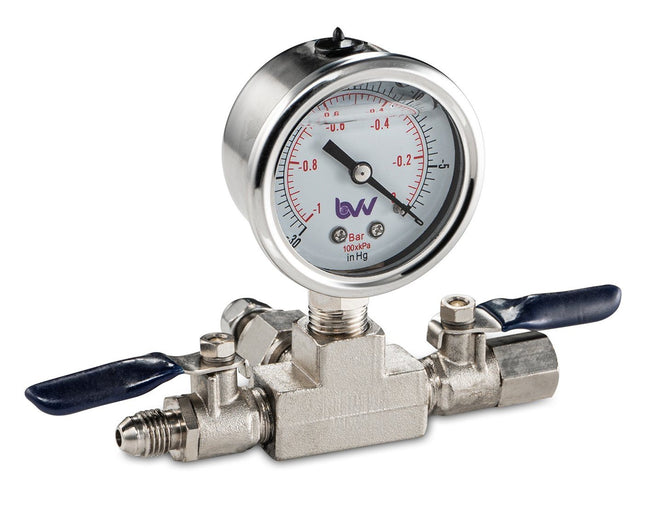
Sidemount Assembly w/ Washer, O-Ring and Nut
Sidemount Assembly with washer, O-ring and Hex Nut. This sidemount manifold has a 0-(-30) Vacuum gauge with a 1/4" HVAC flare and a 1/4" FNPT side port.
$53.18
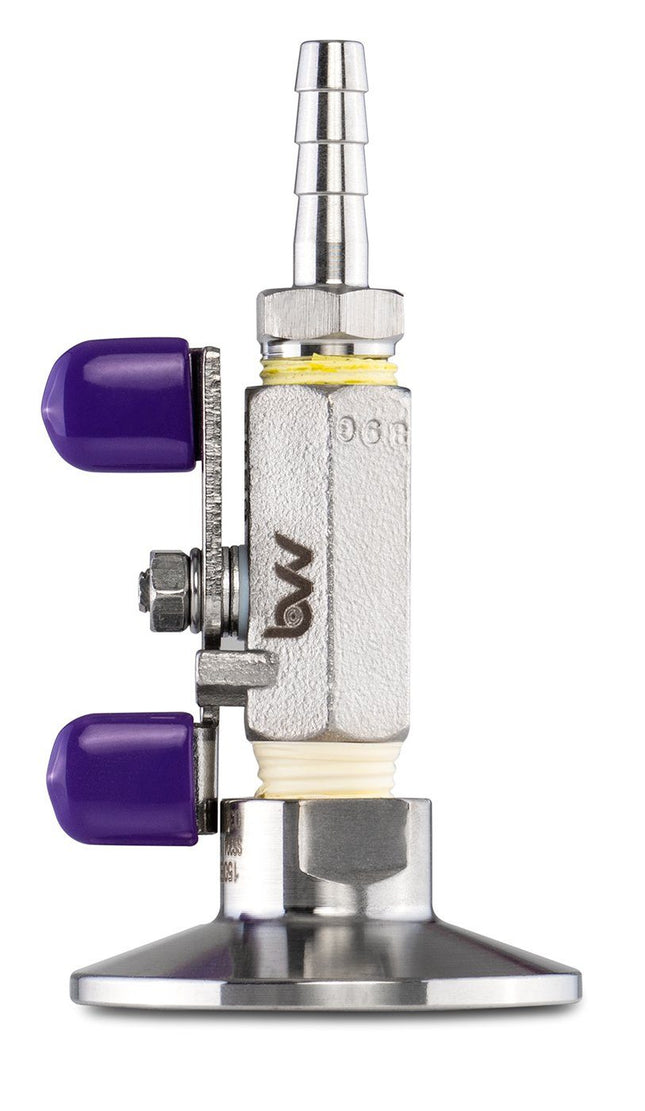
Tri-Clamp Topcap with Valve and 1/4" Barb
Tri-Clamp/ Tri Clover Top cap with Valve and 1/4" Barb Pre-installed 1/4" hose barb (Fits 1/4" ID Hoses) and 304 stainless steel ball valve on a Tri-Clamp endcap. These endcaps and valves and nitrogen tested for leaks to ensure safe usage of any extraction system. Barb endcaps are useful when connecting flexible tubing to the barb connection to transfer fluids easily or even pull a vacuum on an extraction system instead of using flared connections. ***Note: Please check the pressure rating of the tubing that is going to be used beforehand. Specifications: 304 Stainless Steel Tri-Clamp Endcap 304 Stainless Steel Heavy Duty Ball Valve -40 to 230C (1/4" MNPT/FNPT Connections) 304 Stainless Steel Hose Barb (Fits 1/4" ID Hose) Pre-Assembled and Nitrogen Tested for Leaks at Best Value Vacs Tri-Clamp Sizes Available: 1.5" 2" 3" 4" 6"
$44.79 - $90.97
Cork Stand
Cork Stands Cork stands are used with laboratory glassware to help balance round bottom flasks or prevent damage or support a piece of glassware that is put on it. ***Note: Sizes correlate to round bottom flasks ml sizes. Sizes Available: 250-500ml 500-1000ml 1000-2000ml
$8.40 - $11.20
Extract Thinner *Compare to True Terpenes Viscosity
BVV™ Extract Thinner All sales are final. Orders can be refunded prior to fulfillment and shipping but once the order has been fulfilled and/or shipped, no refunds will be issued. Due to the hazardous nature of our product, we are unable to accept returns. BVV™ Extract Thinner is a diluent made from natural terpenes. It does not contain PG, VG, PEG, MCT, Squalane, Squalene, Coconut oil, Triethyl Citrate, or Vitamin E Acetate. Our Extract Thinner will combine with your terpenes and oil and is formulated to minimize flavor and aroma impact. Oure Extract Thinner is not a thickening nor cutting agent and not recommended to be used with CBD. This product is designed to be used with winterized extracts. It is a clear liquid with a faint, odor that will minimally contribute to the aroma and flavor. In order to provide complete transparency and illicit customer confidence, all ingredients are disclosed. INGREDIENTS: Phytol, Beta-Caryophyllene, D-Limonene, Farnesol and Nerolidol Dilution Use Instructions: First infuse your terpene strain or flavor into your winterized extract. Typically 1-5% by volume. Then to use the Extract thinner add 1-3% by Total Volume to thin the extract. Made in the USA by cGMP facilities ISO 9001:2015 Shelf Life: 3 Years Storage Requirements: Keep in the original container, lid securely tightened and away from heat, open flames, sunlight, combustible materials, and hot surfaces. Store in a cool dry place. Improper storage can cause terpenes to degrade.
$22.39 - $391.88
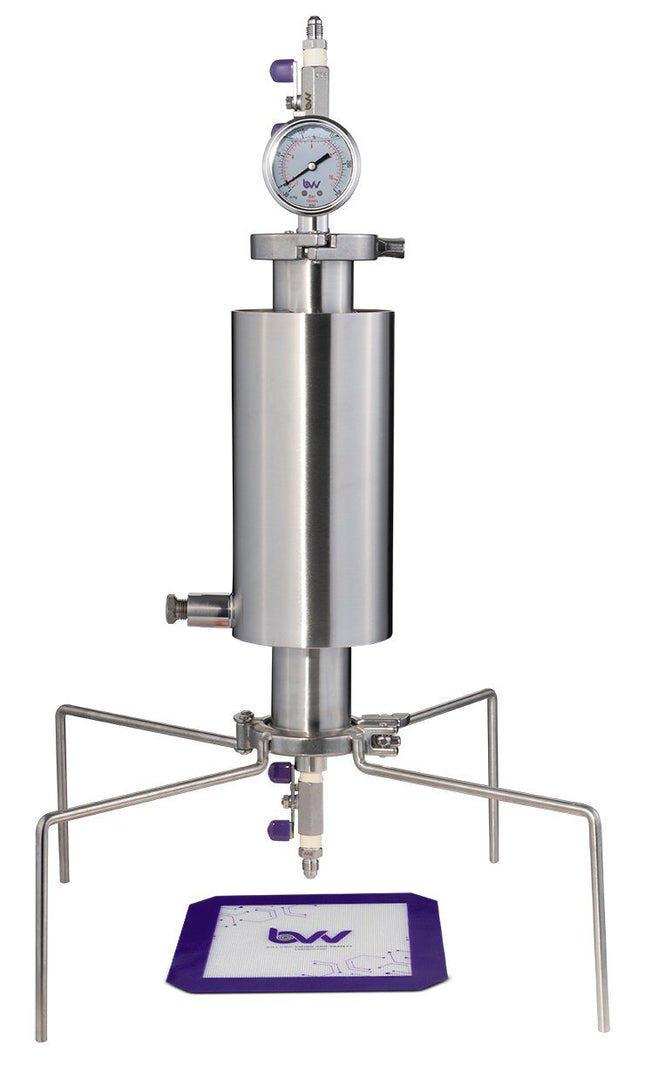
2" Dewaxing Closed Column Extractor 115-200g
DISCLAIMER: This unit is intended for LEGAL purposes only, to be used in accordance with local laws and ordinances. Use only in extremely well ventilated areas. DO NOT USE INDOORS *Note: Column capacity may vary depending on the biomass density, moisture content and column packing density. Capacity is calculated using the industry standard of 4.2g/in3. This is the upper limit for column capacity. Low density, uncut, heavily dried, and/or lightly packed material can reduce capacity by 50%. For best results, we recommend to tightly pack coarse ground material. Key Features and Description: Dewaxing Spool Included to coagulate fats and lipids to be caught in the filter. Compound Gauge with (-30)-160 PSI readout. Closed Column Pressure Extractor (Comes with 1 yr. Limited warranty, excludes gaskets and screens) This system allows the user to build up solvent pressure by closing the valve, pulling a vacuum and filling the extractor, Extractor will fill about 85% with solvent before the internal pressure will equal the pressure of the can propellant. The solvent can will fit into either port with a tip adapter supplied with some butane cans, tip adapter required, not included Solvent Soak is expected to be between 30-90 min, but this all depends on material, starting with frozen cans of solvent is recommended This system allows the user to soak the material before opening the bottom valve to release the solvent and oil. Professional Kit Adds the following: Compound Gauge Sight Glass Shower Head Explorer Kit Includes the Following: 8" x 8" Platinum Cured Silicone Non-Stick Pad 2" Dewaxer Tri-Clamp 304 Stainless Steel Material Tube Dewaxer Spool Sizes Specifications: 2" x 12" Dewaxer = 115G 2" x 18" Dewaxer = 150G 2" x 24" Dewaxer = 200G 304 Stainless Steel Flare End Caps with Heavy Duty Stainless Steel Miniature Ball Valves 1/4" Stainless Steel MNPT Drain Plug (1) 2" Standard Pressure Tri-Clamp Clamps 2" Tri-Clamp Quadpod (1) Buna-N Tri-Clamp Gaskets Buna-N 100 Mesh (150 Micron) Gasket ***Note: Parts and components can be subject to substitutions. Any substituted parts will have the same function and will be of equal or greater value.**** Material Capacity Cylinder Volume Radius (in) 1.5" 2" 3" 4" 6" 8" 10" 12" Length (in) Volume (in3) Select Material Butane ISO-Butane Propane How Much Will Fit in Cylinder FormulaVolume x Weight of Water x Specific Gravity ConstantsWeight of Water = 0.0360 (lbs / in3)Specific Gravity of = Lbs. of : Recommended: Account for an 80% fill to avoid a hydraulic lock How Much Material Will Fit in the Cylinder Volume Packing Density (g) 2.5 3 3.5 4.3 Grams of Material Lbs. of Material Cans of Butane Cans of Butane by Size Pounds of Butane mL fl oz lbs # of Cans 420 14.2 300 10.1 200 6.7 150 5.07
$300.91 - $449.26
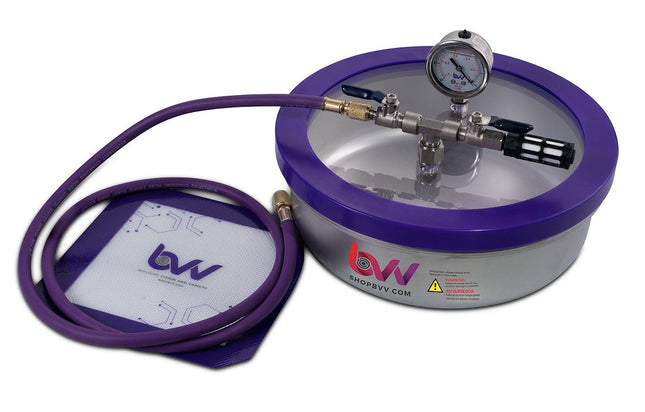
Best Value Vacs 1 Gallon Flat Stainless Steel Vacuum Chamber
1 Gallon Shatter Vac Flat Stainless Steel Vacuum Chamber (Comes with 2 Year Limited warranty) This is a complete BestValueVac® vacuum chamber setup designed built and 100% tested in Naperville, Illinois. With our unique patent pending gasket design (Patent #9475627) this chamber is sure to last 10,000 uses with proper care and maintenance. The gasket itself is reversible (doubling the life of our system) allowing customers to instantly take it off and flip it over. Every chamber is tested prior to shipping to lose no more than 2.5Hg/24hrs. -Please Refer to these charts for vacuum specifications at altitude and conversions: Vacuum at Altitude Chart Vacuum Conversion Chart Key Features: High Strength Stainless Steel Chamber Highly Durable and Reversible Silicone Gasket Glycerin filled vacuum gauge User friendly vacuum connections that fit most vacuum pumps on the market 50 Micron Air filter for reducing airborne contaminants when releasing the vacuum Silicone vacuum pad 5' of vacuum rated HVAC hose to pull a vacuum. Specification Chamber Material 304 Stainless Steel Gasket Material Silicone Lid Material Acrylic Internal Dimensions (ID) 3" Tall x 10.25" Diameter Vacuum Gauge (Glycerin Filled) InHG (0)-(-30) Manifold Connections 1/4" SAE and 1/4" FNPT Temperature Rating 150°F (65°C) Additional Included Items 5' Purple Vacuum Rated HVAC Hose Platinum Cured Silicone Pad Black 50 Micro Air Filter Compatibility Explanation: BestValueVac® Chambers are not compatible with stabilization resin (i.e. Cactus Juice™, Gator Venom™, Minwax™ etc.), alcohol, ethanol, acetone and acrylic based monomers or polymers.The lid may only be cleaned with soapy water. ShatterVac® chambers are not compatible with stabilization resin (i.e. Cactus Juice™, Gator Venom™, Minwax™ etc.), acetone, acrylic based monomers or polymers. The lid may be cleaned with soapy water and low strength cleaning agents. GlassVac® chambers are compatible with all solvents and stabilization resins. We only recommend and warranty GlassVac® chambers for resin infusion and wood stabilization.The lid may be cleaned with any solvent or cleaning agent. See FAQ at the top for product safety warnings. Pump Warranty Information: Customers using solvents such as stabilization resins (MinWax™, Gator Venom™ etc.), alcohol and other polar solvents must use the vacuum pumps in conjunction with a cold trap for evacuations in excess of 5 minutes. (Exludes Cactus Juice™) If the consumer is using the pump for prolonged periods of time exceeding 5 minutes we require that a cold trap is used or the pump warranty is void. These stabilization resins have the ability to break down the internal components of the pump that are plastic resulting in a seized motor voiding all warranties. When evacuation exceeds 5 minutes these solvents begin to vaporize and then re-condense in the vacuum pump reservoir. Once enough solvent re-condenses in the pump displacing the oil the plastic internal components may begin to warp, melt or seize. The use of a cold trap will condense the vapors prior to making their way to the vacuum pump preventing pump damage due to excessive use. Furthermore, Minwax Wood Hardener™ is not to be used with any vacuum pumps, EVER. (A seized motor will result within the first use.) To prevent these issues from happening to your process, change the Oil after each vacuum pump use, Even if the use time is only 5min. For shipping info including Import/Export details visit our Shipping link at the bottom of the page.
$188.94

$0.69 - $320.50
Ashless Filter Papers - 350MM - Quantitative
Ashless Filter Papers - 350MM - Quantitative Quantitative and qualitative filter papers provide laboratory grade filtration for extraction systems and are specifically used in combination with a Buchner funnel to remove fats, waxes and any other unwanted contaminants from your solution. These filter papers are used in the pre-processing stage of short path distillation to clean up the material prior to processing. Key Features: ISO 9001 Approved Manufactured from alpha-cellulose and cotton linters High Purity and low background Consistent performance Whatman equivalent quality Pre-Cut for ease of use Specifications: Classification Quantitative Sizes Available: AFP-1 11um - Medium AFP-4 20um - Fast Quantity per Pack 100 Diameter 350mm (13.78")
$132.96

You have seen 240 out of 1662 products