
BVV
-
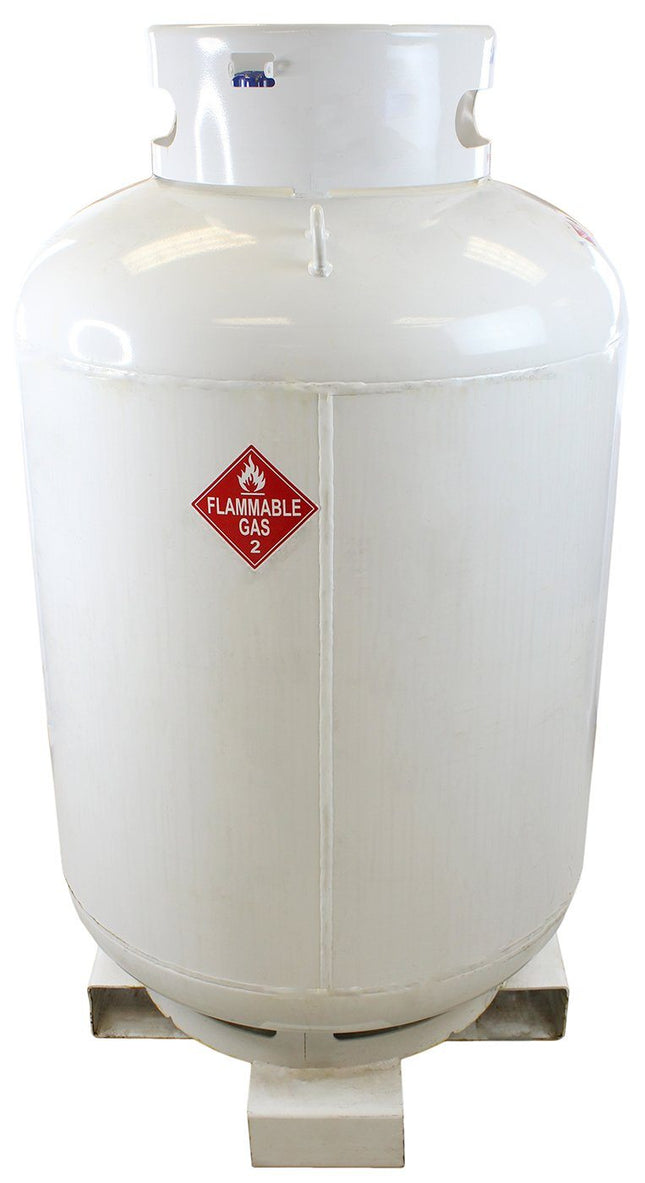
Half Ton - High Purity USA Propane - 99.5% Guaranteed
Half Ton Liquid Withdraw Tank High Purity USA PROPANE R290 This solvent is instrument-grade and helps produce a higher quality extract through the reduction of mystery oils and contaminants. This solvent is clean, odorless, and colorless, meaning there are zero hydrogen sulfide-based Ethyl Mercaptan odorants. It’ll arrive in a DOT refillable LP tank. KEY BENEFITS: Free of any hydrogen Sulphide based Ethyl Mercaptan Odorants. This product is clean, colorless, and odorless. Tank has a diptube liquid withdraw. Sourced and Refined in USA. Actual Isobutane liquid weight is 420LB DISCLAIMER(S): This unit is intended for LEGAL purposes only, to be used in accordance with local laws and ordinances. Use only in WELL VENTILATED AREAS! Notice: This item will ship via Ground Freight ONLY. BVV™ always recommends distillation of every solvent before use. Tank does not include CGA 510 fitting. Must be added through dropdown or bought separately. Actual liquid weight is 420LB California now prohibits the retail sale of any Non-Odorized butane in quantities larger than 150ml. If you are not a retail purchaser, you can call in to place an order. Permitted Sales Include the Following: Persons licensed to perform volatile solvent extraction activity under CA Bus & Prof Code Division 10 Manufacturers, wholesalers, resellers, or retailers solely for resale. ***Shipping Notes: Due to FAA regulations, solvent tanks cannot be safely transported via means other than ground freight. Any order that has solvent will not be shipped in an expedited fashion. If an order with solvent is combined with any other items and chosen to be expedited, that entire order will ship via UPS Ground Freight. We will not split up any orders and ship them separately. If a customer is wanting to expedite specific items and order solvent, 2 separate orders (1 for the solvent and 1 for the expedited items) will need to be placed in order to do so. Solvents do not ship to Hawaii, Puerto Rico, or any other US Territory outside of the contiguous 48 States. Shipping Solvent to Alaska may ONLY ship via freight and will be required to travel through Canada. We have this policy in place to ensure safety when transporting solvents, and to prevent any issue with shipping times for our customers. Typical Lot Analysis: Propane: 99.5% + Methane: <1ppm Ethane: 3ppm Isobutane: 2380ppm n-Butane: 251ppm Propylene: <5ppm Isopentane: <1ppm Water: <3ppm Sulfer: <1ppm Chemical Formula: C3H8 Molecular Weight: 44.10 g/mol CAS Registry Number: 74‐98‐6 Appearance Colorless Odor: Gasoline Density 0.116 Boiling Point: ‐40 F Solubility in water: Slightly Soluble GHS Pictograms: GHS Signal Word: Danger GHS Hazard Statements: H220 GHS Precautionary Statements P203, P210, P222, P280, P377, P381, and P403 UN Identification Number: 1075 Proper Shipping Name: Petroleum Gases, liquefied Transport Hazard Class: 2.1 Packing Group: None DOT Placard: Propane Certificate of Analysis (COA) Propane Safety Data Sheet (SDS)
$4,371.81
-
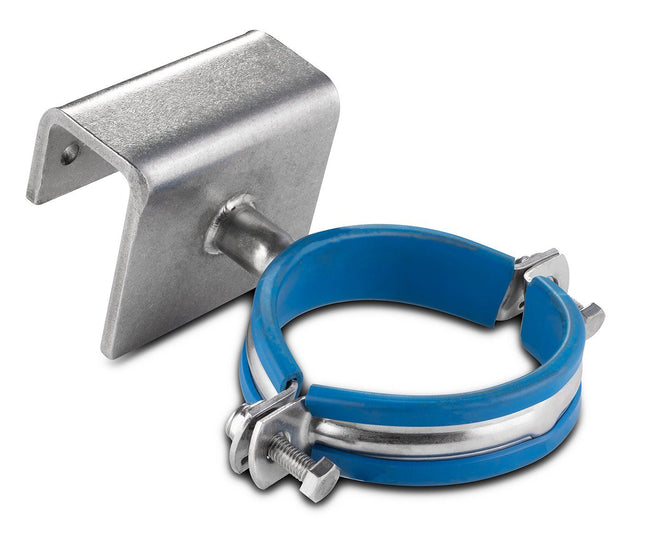

Hang On Bracket Pipe Hangers
Hang On Bracket Pipe Hangers These Hang On Bracket Pipe Hangers combine both out pipe hangers and hang-on brackets and are Designed to fit on our racks. They range in sizes from 3" - 14" Diameter. Depending on size and availability, these may come with blue or purple rubber lining. ***NOTE: If you are planning to use a pipe hanger on a Dewaxing or Jacketed Column please choose a size that is 2" larger than the tri-clamp size.
$55.00 - $190.39
-
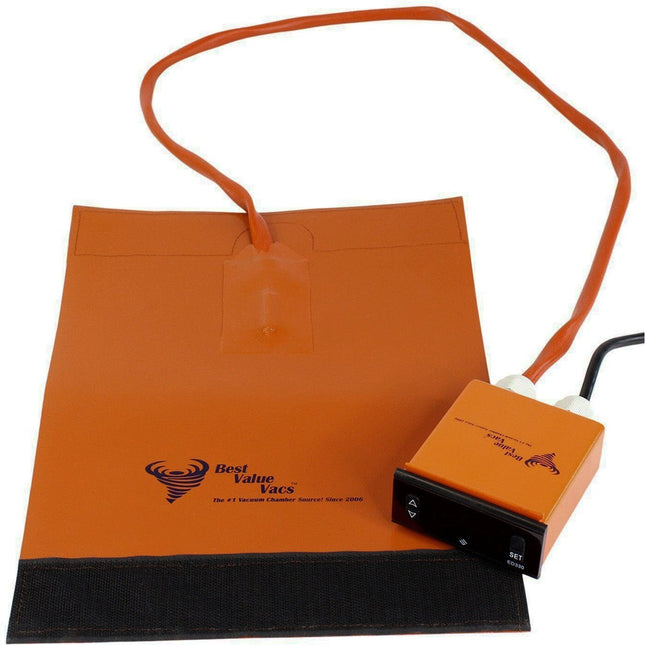

Heating Jacket for Molecular Sieve Filter Drier
Heating Jacket for Molecular Sieve Filter Drier This Heating Jacket will fit the Best Value Vacs Molecular Sieve Filter Drier. It has hook and loop velcro to attach around 3" Diameter columns. The width of the heating jacket measures 240mm (9.45") and the length measures 317mm (12.48") Feature: UL Listed Fahrenheit Digital Controller. Min Temp: Ambient + 5 Max Set Temp: 160°F Ultimate Max Temp: 248°F Voltage: 110VAC Only Power Consumption: Digital Control: Increments of 1 Degree. Accuracy: +/- 0.2 Degrees Units: Degrees Fahrenheit Instructions: Fully included Relay Lifespan: Approx. 10 million cycles User can reprogram: Yes
$169.23
-
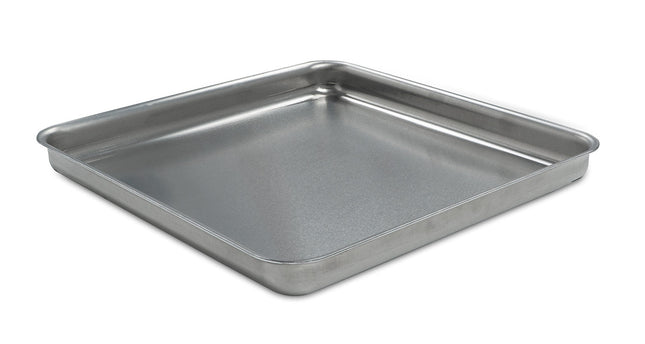

Heavy Duty Aluminum Oven Tray
Heavy Duty Aluminum Oven Tray This oven tray is a perfect addition to our 1.9 and 0.9 cubic foot vacuum ovens. For those hard to keep in place items or to keep objects from rolling off our shelves. Our trays are a perfect fit, maximizing all of the shelf space possible. They are heavy weight material heats quickly and provides even heat distribution to deliver the quality results you expect. These trays will sit right on top of your existing shelves. They will not sit on the shelf guides in any of the ovens, the existing shelf is needed for support. 10x10 Tray for the 0.9 NEO & ECO model vacuum ovens. 14x14 Tray for the 1.9 Neo & ECO model vacuum ovens. This 1" deep tray is made of 14 gauge, 1.5 mm thick heavy weight aluminum! This material resists rust, corrosion, and warping for a tray that will last.
$49.36 - $63.46
-
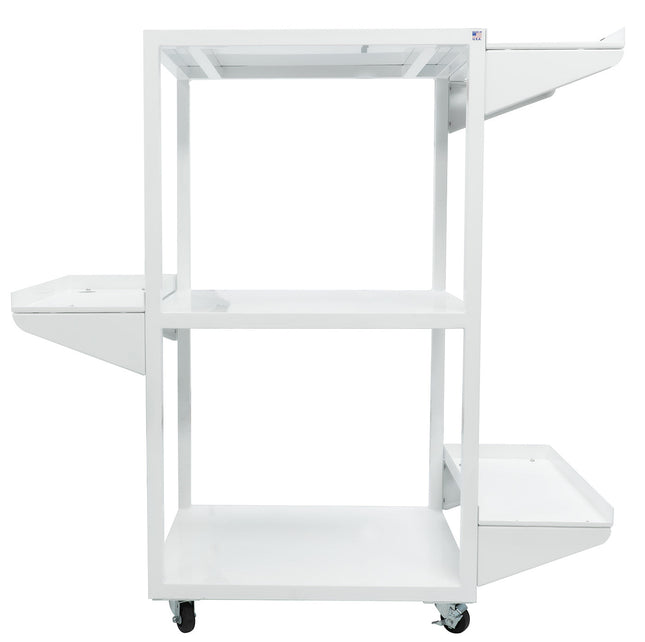

Heavy Duty Steel Mobile Cart for Vacuum Ovens
Heavy Duty Steel Mobile Cart for Vacuum Ovens Our heavy-duty cart is designed and built to house a variety of equipment such as vacuum ovens, cold traps, vacuum pumps, etc. The cart can comfortably house up to 3 BVV™ and Across International 0.9 and 1.9 vacuum ovens. The cart offers mobility with their swivel caster wheels and can withstand up to a total of 1,100lbs. Included in the unit are three side shelves in which the height can be adjusted to your needs. The cart was meticulously designed for reliability, customization, and convenience for your process. Features: White powder coated carbon steel. 3-shelf shelving unit 3 laser cut, height adjustable side shelves. 2⅜” diameter hole to help with hose and cable management. 6” front lip for easy oil drainage. Can fit on the left or right side of the bracket Four 3” swivel caster wheels: 2 with brakes and 2 without brakes. Dimensions: 33” (L) x 23” (W) x 61” (H). Additional 13¼” to the length with side shelves added. Made in the USA. Note: The unit shipped does NOT come with the side shelves assembled. Required tool: 5mm ball hex (NOT INCLUDED).
$2,101.29
-
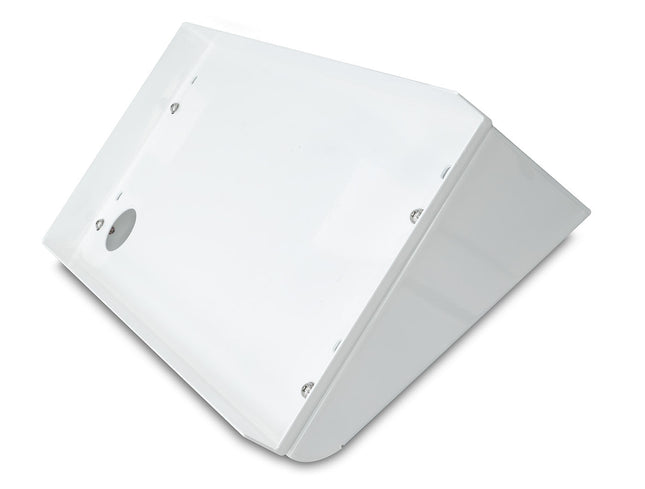

Heavy Duty Steel Mobile Cart Shelves
Heavy Duty Steel Mobile Cart Shelves These are additional shelves that are designed to go with our Heavy Duty Steel Mobile Cart for Vacuum Ovens. These shelves can also fit on either the left or right side of the bracket. What is Included: 1x Shelf 2x Support Brackets (Left and Right Side) 8x M8 Screws + Washers Note: Product does NOT come assembled. Required tool: 5mm ball hex (NOT INCLUDED).
$338.46
-
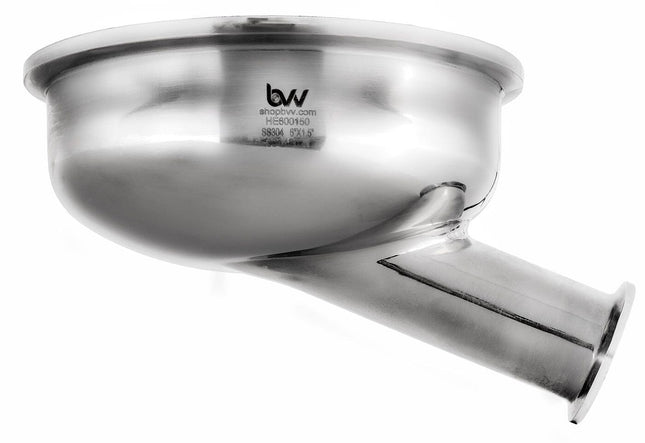

Hemispherical Endcap with 1.5" Side Port
Hemispherical Endcap with 1.5" Side Port This Hemispherical Endcap has a unique drain port welded on to the side of it to easily clear out any material without having to have multiple extra clamps, gaskets, and bends. This end cap is made out of 304 stainless steel and has a 1.5" Tri-Clamp/ Tri Clover side port with a high polish interior. Specifications Material 304 Stainless Steel Sizes Available 6" 8" 10" 12"
$211.54 - $401.92
-
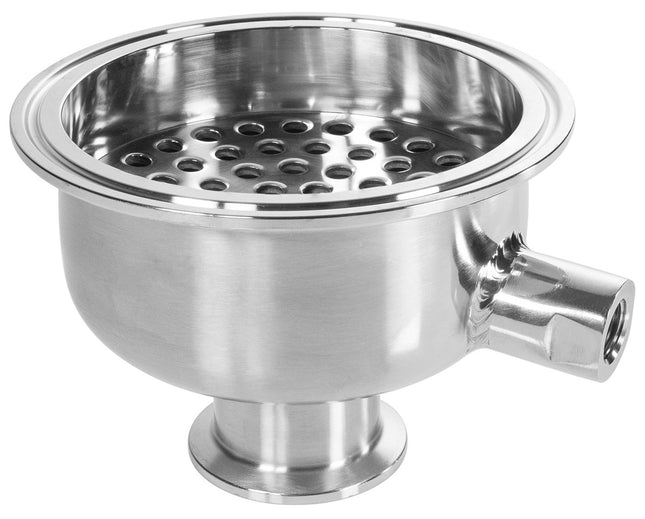

Hemispherical Filter Plate Reducer with 1/4" FNPT Side Port
Hemispherical Filter Plate Reducer with 1/4" FNPT Side Port This hemispherical reducer has a built-in filter plate with a 1/4" FNPT Side Port. This unique design allows the user to save even more space by combining a filter plate, hemispherical reducer, and a side port. Made out of 304 stainless steel the filter plate is welded into the hemispherical reducer and has Tri-Clamp connections on both ends of the reducer along with the 1/4" FNPT side port. Specifications Material 304 Stainless Steel Sizes Available: 3" x 1.5" x 1/4" FNPT 4" x 1.5" x 1/4" FNPT 4" x 2" x 1/4" FNPT 6" x 2" x 1/4" FNPT
$50.77 - $126.92
-
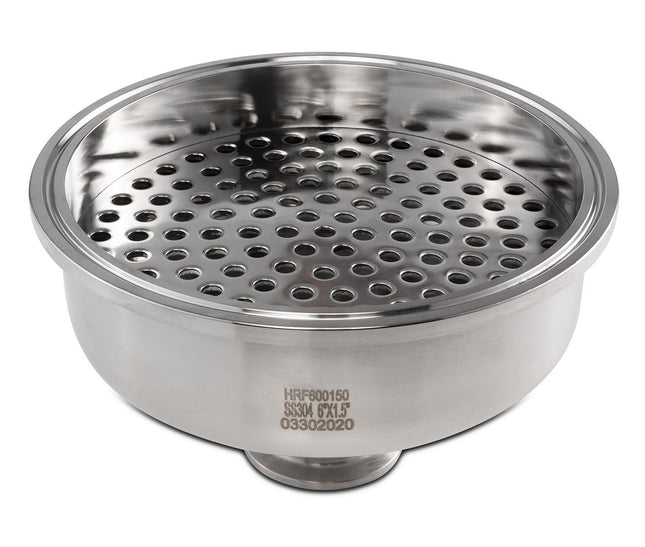

Hemispherical Reducer with Filter Plate
Hemispherical Filter Plate Reducer This hemispherical reducer has a built-in filter plate. This unique design allows the user to save even more space by combining a filter plate ANDhemispherical reducer. Made out of 304 stainless steel the filter plate is welded into the hemispherical reducer and has Tri-Clamp connections on both ends.
$46.54 - $125.51
-
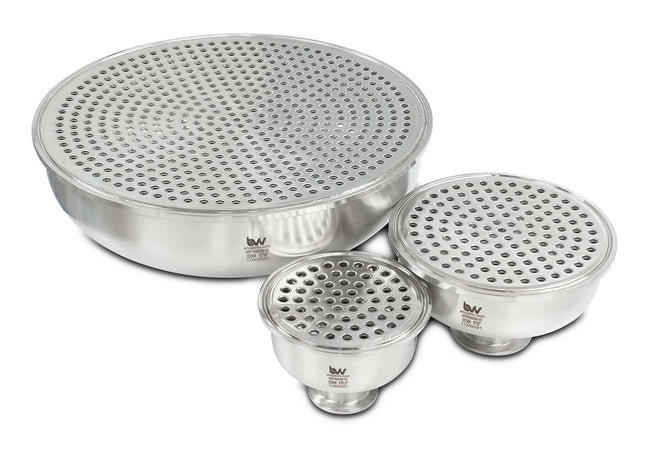
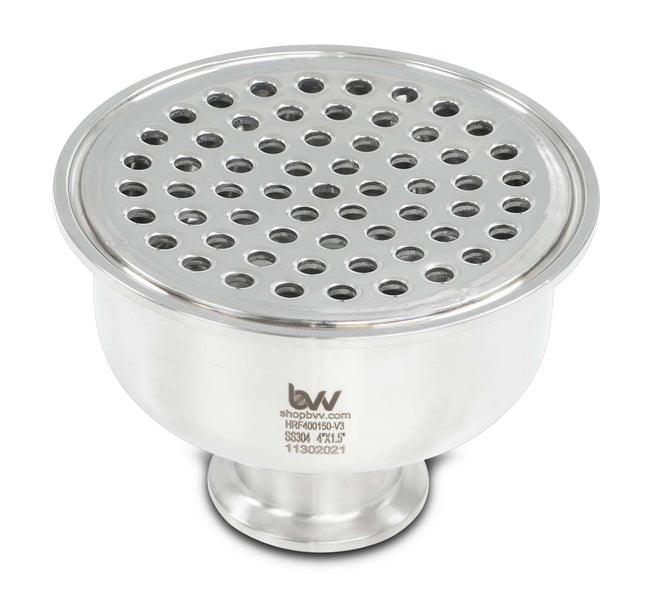
Hemispherical Reducer with Filter Plate V3
Hemispherical Reducer with Filter Plate V3 This hemispherical reducer has a built-in filter plate that is welded flush with the top of the reducer. This unique design allows the user to save even more space by combining a filter plate and hemispherical reducer. Made out of 304 stainless steel the filter plate is welded into the hemispherical reducer and has Tri-Clamp connections on both ends.
$84.62 - $444.23
-
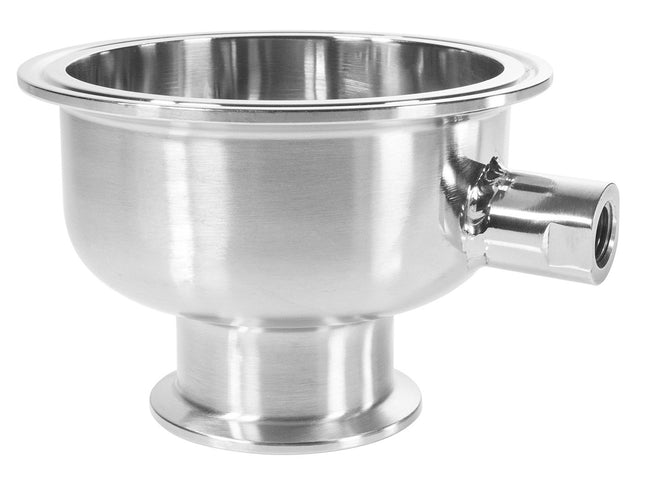

Hemispherical Tri-Clamp Reducer with 1/4" FNPT Side Port
Hemispherical Tri-Clamp/ Tri Clover Reducer with 1/4" FNPT Side Port This unique version of the hemispherical reducer has a 1/4" FNPT port welded straight on to the hemispherical reducer with Tri-Clamp ends on both sides. It allows the user to adapt to a port on their extraction system without having to adapt multiple pieces together and reduce the number of leak points. A hemispherical reducer also shortens the height of a system because it is shorter than a conical reducer. Tri Clamp reducers are the perfect alternative to concentric reducers when space is at a premium in confined areas. In addition, this device is also leak proof and adequate for easy application. Specifications Material 304 Stainless Steel Sizes Available: 3" x 1.5" Tri-Clamp x 1/4" FNPT 4" x 1.5" Tri-Clamp x 1/4" FNPT 4" x 2" Tri-Clamp x 1/4" FNPT 6" x 1.5" Tri-Clamp x 1/4" FNPT 6" x 2" Tri-Clamp x 1/4" FNPT 8" x 2" Tri-Clamp x 1/4" FNPT 10" x 2" Tri-Clamp x 1/4" FNPT 12" x 2" Tri-Clamp x 1/4" FNPT
$63.46 - $479.49
-
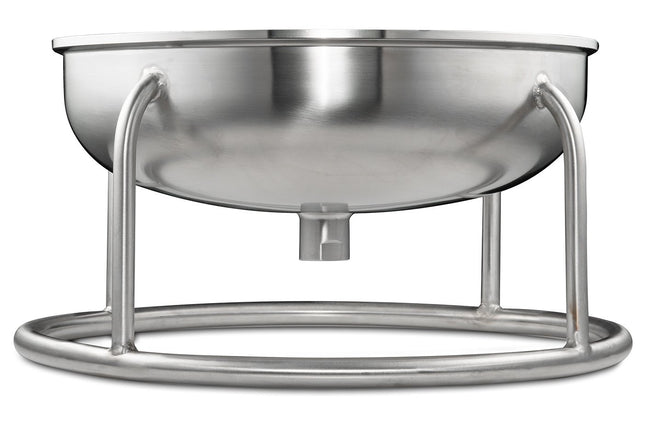

Hemispherical Tri-Clamp Reducer with Welded Ring Stand
Hemispherical Tri-Clamp Reducer with Welded Ring Stand Hemispherical Tri-Clamp Reducer with Welded Ring Stand allows the user to create a larger drain/filtering system allowing more weight to be supported with the ring stand. These reducers have 2 connection points with Tri-Clamp on the top and FNPT drain port on the bottom. Specifications: Material: 304 Stainless Steel High Polish Interior Standard: 3A Connection Types: 4" Tri-Clamp x 1/4" FNPT 6" Tri-Clamp x 1/2" FNPT 8" Tri-Clamp x 1/2" FNPT 10" Tri-Clamp x 1/2" FNPT 12" Tri-Clamp x 1/2" FNPT
$317.31 - $606.41
-
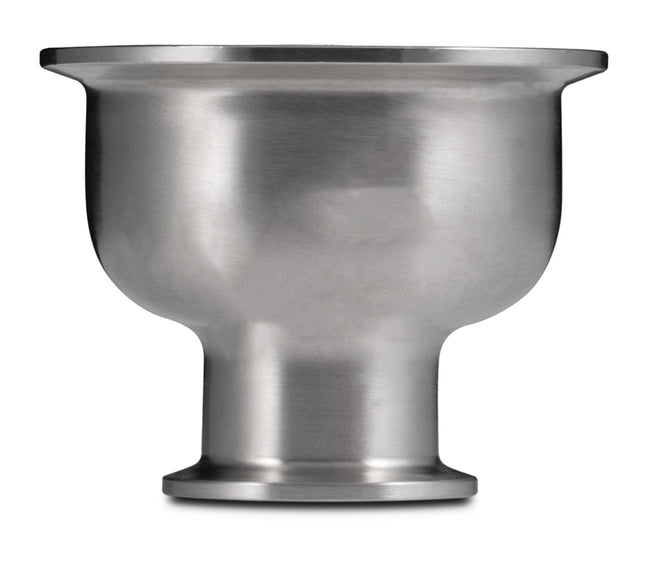

Hemispherical Tri-Clamp Reducers
Hemispherical Tri-Clamp Tri Clover Reducers Hemispherical Tri-Clamp reducers allow the user to connect differently sized Tri-Clamp parts to each other without adding to the overall size of your extraction system. These reducers are offered in Tri-clamp x Tri-Clamp and Tri-Clamp x Female NPT Specifications: Material: 304 Stainless Steel High Polish Interior Standard: 3A Connection Types : Tri-Clamp x Tri-Clamp and Tri-Clamp x FNPT
$42.31 - $275.00
-
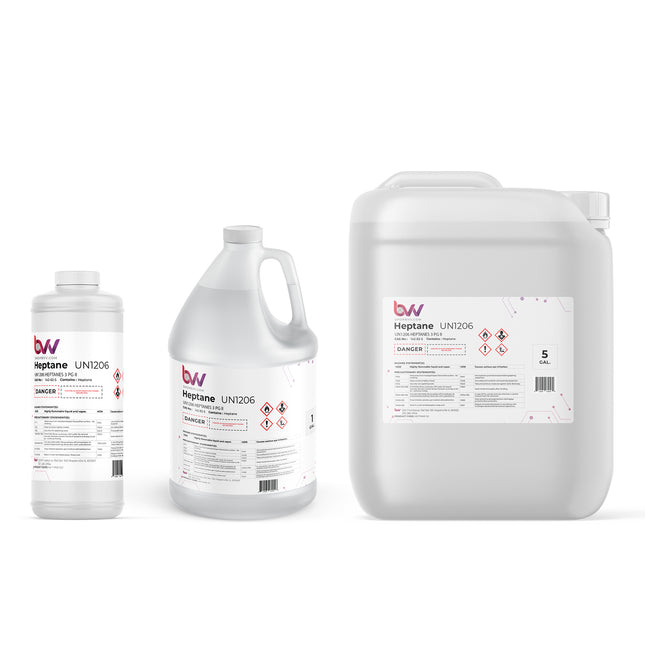

Heptane 99% Lab Grade
High Purity Lab Grade Heptane (Note: Container style and color may vary) Experience the Exceptional Utility of BVV™ High Purity Lab Grade Heptane in Crystallization and Liquid-Liquid Extraction When it comes to achieving impeccable results in crystallization and liquid-liquid extraction processes, BVV™ High Purity Lab Grade Heptane stands out as the ideal choice. This versatile solvent has been meticulously refined to meet the exacting standards of laboratory and industrial applications, offering unparalleled purity and performance. Why Choose BVV™ High Purity Lab Grade Heptane: Unrivaled Purity: Our heptane boasts an exceptional level of purity, minimizing unwanted impurities and contaminants in your final products. Reliable Performance: Count on BVV™ High Purity Lab Grade Heptane to consistently deliver outstanding results, batch after batch. Versatile Solvent: From crystallization to liquid-liquid extraction, this solvent adapts to various applications, providing flexibility and convenience. Trusted by Professionals: Trusted by laboratories, industries, and professionals worldwide, BVV™ High Purity Lab Grade Heptane is the go-to choice for achieving exceptional purity and clarity in your processes. Elevate your crystallization and liquid-liquid extraction procedures to new heights of precision and quality with BVV™ High Purity Lab Grade Heptane. Discover the difference that purity and performance can make in your applications. Choose BVV™ High Purity Lab Grade Heptane for your next project and unlock the full potential of your crystallization and liquid-liquid extraction processes. Chemical Formula: C7H16 Molecular Weight: 100.205 g·mol−1 CAS Registry Number: 142-82-5 Appearance Colorless Liquid Odor: Petrolic Density 0.6795 g cm−3 Boiling Point: 98.38 °C /209.08 °F Solubility in water: 0.0003% (20 °C GHS Pictograms: GHS Signal Word: Danger GHS Hazard Statements: H225, H304, H315, H336, H410 GHS Precautionary Statements P210, P261, P273, P301+P310, P331 UN Identification Number: 1206 Proper Shipping Name: Heptanes Transport Hazard Class: 3 Packing Group: II DOT Placard: What is Heptane? Heptane is a hydrocarbon compound belonging to the alkane family, which means it consists of hydrogen and carbon atoms arranged in a linear, unbranched chain. Specifically, heptane has seven carbon atoms and sixteen hydrogen atoms, giving it the chemical formula C7H16. It is a colorless, flammable liquid with a gasoline-like odor. Heptane is one of several isomers of the alkane series with seven carbon atoms. It is known for its role as a common solvent in various applications, including laboratory work, chemical processes, and industrial settings. Due to its purity and low reactivity, heptane is often used as a standard reference compound in gas chromatography. Heptane is also used as a fuel component in gasoline, although it is less common than other hydrocarbons like octane. Its properties and applications make it a valuable chemical compound in both the scientific and industrial sectors. What Is Heptane Used For? Heptane has a wide range of applications due to its properties as a hydrocarbon solvent. Some of the common uses of heptane include: Solvent: Heptane is widely used as a solvent in various industries, including chemistry, pharmaceuticals, and manufacturing. It is especially favored for its ability to dissolve a wide range of organic compounds and its low reactivity, which makes it suitable for cleaning, degreasing, and extracting chemicals from natural products. Laboratory and Scientific Research: Heptane is often used in laboratories for tasks such as extracting natural products, preparing chemical samples, and conducting chromatography experiments. Its purity and low reactivity make it a valuable solvent in scientific research. Industrial Cleaning: Heptane is an effective degreaser and cleaner for machinery, equipment, and surfaces in industrial settings. It is commonly used to remove oil, grease, and contaminants from various surfaces. Adhesives and Coatings: Heptane is used in the formulation of adhesives, coatings, and paints. It helps dissolve the components of these products and provides them with the desired consistency. Fuel: While less common than other hydrocarbons like octane, heptane is used as a component in gasoline. It contributes to the overall fuel mixture, affecting properties such as octane rating and combustion characteristics. Extraction: Heptane is employed in the extraction of natural compounds, such as essential oils and flavors, from plant materials. It is particularly useful for extracting nonpolar compounds. Calibration Standard: Heptane is used as a reference compound in gas chromatography and other analytical techniques to calibrate instruments and assess the performance of chromatographic columns. Solvent for Rubber and Plastics: In the rubber and plastics industry, heptane is used as a solvent for processing and manufacturing these materials. Chemical Synthesis: Heptane can be used as a reactant or solvent in chemical synthesis processes to produce various organic compounds. It's important to note that heptane should be handled with care, especially in industrial and laboratory settings, due to its flammability and potential health hazards. Proper safety measures and ventilation are essential when working with this solvent. How Is Heptane Produced? Heptane is primarily produced through the refining of crude oil, a process that separates hydrocarbons of different chain lengths. Here's a simplified overview of the production process: Crude Oil Refining: The production of heptane begins with the refining of crude oil, which contains a mixture of hydrocarbons with varying chain lengths and properties. Fractional Distillation: In the refining process, crude oil is heated and subjected to fractional distillation. This process separates the crude oil into various fractions based on boiling points. Heptane falls within a specific range of boiling points and is separated from other hydrocarbons during this distillation process. Fraction Separation: Once the appropriate fraction is obtained, further separation may be necessary to isolate pure heptane. This can involve additional distillation or purification techniques to remove impurities and other hydrocarbons. Quality Control: The resulting heptane undergoes quality control measures to ensure that it meets the required specifications and purity standards for its intended applications. Quality control may include testing for impurities, moisture content, and other properties. Packaging and Distribution: After quality control, heptane is packaged into containers suitable for its intended use and distribution to various industries and customers. It's worth noting that heptane can also be produced synthetically through chemical processes, such as the hydrogenation of hexene or the cracking of longer hydrocarbon chains. However, the primary source of heptane for industrial and commercial applications is typically derived from crude oil refining due to its cost-effectiveness and abundance. What Are The Hazards Of Heptane? Heptane, a highly flammable hydrocarbon, poses several hazards that individuals and workers should be aware of when handling or working with it. Here are some of the key hazards associated with heptane: Flammability: Heptane is extremely flammable and can ignite easily in the presence of open flames, sparks, or heat sources. It has a wide flammable range and can form explosive mixtures with air. Adequate ventilation and proper storage precautions are essential to prevent fires and explosions. Vapor Inhalation: Inhaling heptane vapors can lead to health risks, including dizziness, headaches, nausea, and respiratory irritation. Prolonged exposure to high concentrations of heptane vapor can result in more severe health effects, such as central nervous system depression and damage to the respiratory system. Skin Contact: Heptane can cause skin irritation and may lead to dermatitis or chemical burns upon prolonged or repeated contact. It can also defat the skin, removing protective oils and potentially resulting in dryness and cracking. Eye Contact: Contact with heptane can cause eye irritation, redness, and discomfort. Proper eye protection, such as safety goggles or a face shield, should be worn when handling heptane to prevent eye exposure. Ingestion: Swallowing heptane can be harmful and should be avoided. Ingestion of heptane may lead to gastrointestinal distress, nausea, vomiting, and abdominal pain. Environmental Impact: Spills or improper disposal of heptane can have negative environmental consequences. Heptane is volatile and can contribute to air pollution. It may also contaminate soil and water if not handled and disposed of properly. Occupational Exposure Limits (OELs): Regulatory authorities, such as OSHA in the United States, have established occupational exposure limits for heptane to protect workers. Adhering to these limits and implementing proper safety measures in the workplace is essential to mitigate exposure risks. It's crucial to handle heptane with caution, follow safety protocols, and use appropriate personal protective equipment (PPE) when working with this solvent. Additionally, safe storage, handling, and disposal practices are essential to minimize the associated hazards and ensure workplace safety. How Can I Safely Use Heptane? Safely using heptane requires following proper procedures and precautions to minimize risks associated with this flammable solvent. Here are some essential guidelines for the safe handling and use of heptane: Personal Protective Equipment (PPE): Wear appropriate PPE, including safety goggles or a face shield, chemical-resistant gloves, lab coats, and closed-toe shoes, to protect your eyes, skin, and clothing from exposure to heptane. Ventilation: Work in a well-ventilated area or use a chemical fume hood to prevent the buildup of heptane vapors. Ensure adequate airflow to disperse fumes. No Open Flames or Sparks: Avoid open flames, sparks, or heat sources in the vicinity of heptane. Heptane is highly flammable and can ignite easily. Electrical Equipment: Use explosion-proof or intrinsically safe electrical equipment and fixtures in areas where heptane is used or stored. Storage: Store heptane in approved safety containers, away from heat sources, direct sunlight, and incompatible materials. Keep containers tightly sealed when not in use. Handling and Transfer: Use spark-resistant tools and equipment when handling heptane. Avoid rough handling or transferring the solvent near open flames or hot surfaces. Spill Response: Have spill response materials, such as absorbent materials and spill kits, readily available to contain and clean up any heptane spills promptly. Labeling: Clearly label heptane containers with appropriate hazard warnings and information to identify the contents. Emergency Equipment: Maintain access to safety equipment, including emergency eyewashes, safety showers, and fire extinguishers, in the workspace. Training: Ensure that personnel handling heptane receive proper training on its hazards, safe handling procedures, and emergency response protocols. Avoiding Skin Contact: Minimize skin contact with heptane. In case of contact, wash the affected area immediately with soap and water. Use barrier creams or protective clothing as an additional precaution. Eye Protection: Wear safety goggles or a face shield to protect your eyes from splashes or accidental exposure. No Smoking or Eating: Prohibit smoking, eating, or drinking in areas where heptane is present, as ingestion or inhalation of heptane can be harmful. Disposal: Follow proper waste disposal procedures for heptane and other hazardous materials. Dispose of waste in accordance with local regulations. Emergency Response: Establish and communicate emergency response procedures for heptane-related incidents, including fire, spills, and exposure incidents. Regular Inspections: Conduct regular inspections of equipment, storage areas, and safety measures to ensure they remain in good condition. It's essential to adhere to safety guidelines, have safety protocols in place, and prioritize the well-being of personnel when working with heptane. Always consult safety data sheets (SDS) and regulatory guidelines specific to heptane in your region for additional safety information and requirements. Is Heptane Miscable With Water? Heptane is not miscible with water. It is considered hydrophobic, which means it does not mix well with water and tends to form separate layers when combined. What Is The Flash Point Of Heptane? The flash point of heptane, specifically n-heptane, is approximately -4 degrees Celsius (24.8 degrees Fahrenheit). This is the temperature at which it can produce enough vapor to ignite briefly if exposed to an open flame or spark. Heptane is considered highly flammable and should be handled with caution in environments where there is a risk of ignition. Heptane Certificate of Analysis (COA) Heptane Safety Data Sheet (SDS)
$28.21 - $916.67
-
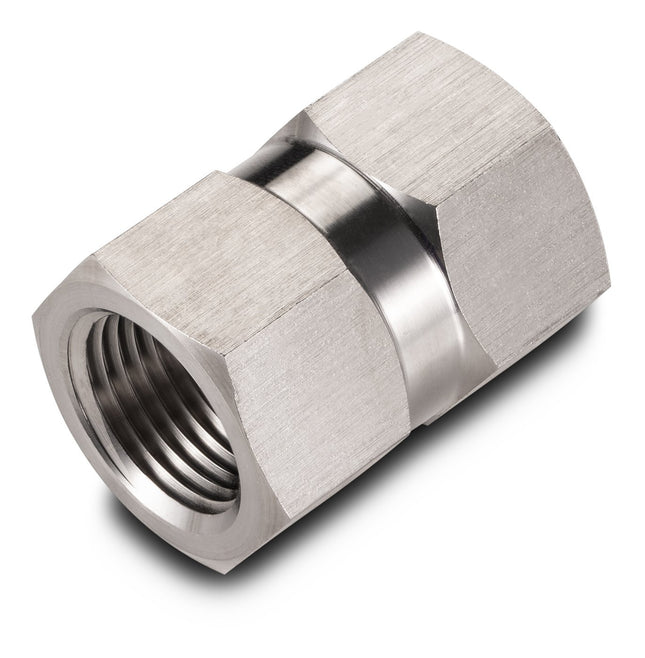

Hex Adapter | Hex Coupling
BVV™ 304 SS Hex Adapter FNPT. For connection of different size/length pipes or to off the end of a pipe. Allows for pipes to be connected in a straight line, increase/decrease flow, change the direction of flow or stop the overall flow by closing the pipe. Made of durable stainless steel 304 material for long-lasting strength. BVV™ Hex Adapter - Data Sheet
$8.46 - $33.85
-
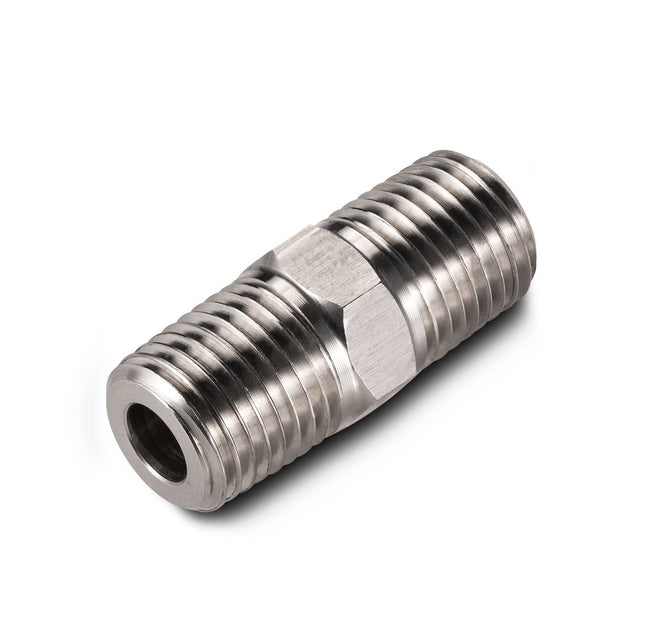

Hex Nipple
Hex Nipple Pipe Fitting BVV™ brand stainless steel parts are made with precision 304 Grade Stainless Steel and are clean and free from burrs or debris. These fittings are NPT threads (National Pipe Taper) and will compress against other Female/Male NPT threads creating a tighter and tighter connection. All NPT threads require thread sealant to create a watertight and gas-tight seal between the threads. We recommend using Yellow Gas PTFE Tape because it is rated for gases and is UL listed and it is NOT recommended to use white PTFE tape because it is not rated for gas service. **NOTE: Pre-Taped option comes from BVV Pre-taped with Yellow UL Listed Gas PTFE Tape on the Male NPT threads ONLY for a +0.50c charge per male npt end. (JIC Threads DO NOT need to be taped.) Hex Nipples allow the user to connect 2 female NPT fittings together and also have the ability to put a wrench on the middle portion of the fitting because of the hex wrench section. BVV™ Hex Nipple - Data Sheet Specifications Material 304 Stainless Steel Connection Type(s): 1/4"-18 MNPT 3/8"-18 MNPT 1/2"-14 MNPT 3/4"-14 MNPT 1"-11-1/2 MNPT
$8.46 - $25.38
-
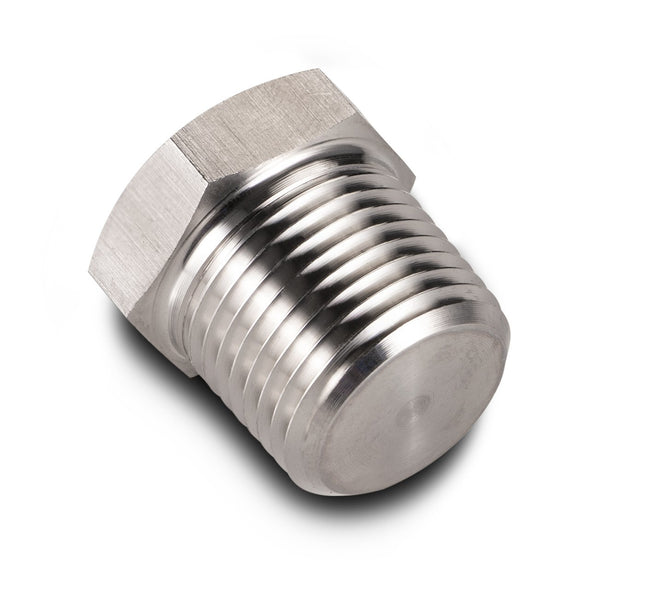

Hex Plug
Hex Plug BVV™ brand stainless steel parts are made with precision 304 Grade Stainless Steel and are clean and free from burrs or debris. These fittings are NPT threads (National Pipe Taper) and will compress against other female NPT threads creating a tighter and tighter connection. All NPT threads require thread sealant to create a watertight and gas-tight seal between the threads. We recommend using Yellow Gas PTFE Tape because it is rated for gases and is UL listed and it is NOT recommended to use white PTFE tape because it is not rated for gas service. **NOTE: Pre-Taped option comes from BVV Pre-taped with Yellow UL Listed Gas PTFE Tape on the Male NPT threads ONLY for a +0.50c charge per male npt end. (JIC Threads DO NOT need to be taped.) BVV™ Hex Plug - Data Sheet Specifications Material 304 Stainless Steel Connection Type NPT Sizes Available: 1/4"-18 3/8"-18 1/2"-14
$8.46 - $16.92
-


Hexane 99% Lab Grade
High Purity Lab Grade Hexane (Note: Container style and color may vary) BVV™ High Purity Lab Grade Hexane is a perfect solution for cleaning up and clarifying the extracted material and removing the green colored plant material and some waxes out of the product to produce a cleaner end result when distilling extracts. Chemical Formula: C6H14 Molecular Weight: 86.178 g·mol−1 CAS Registry Number: 110-54-3 Appearance Colorless Liquid Odor: Petrolic Density 0.6606 g mL−1 Boiling Point: 68.5 °C / 155.2 °F Solubility in water: 9.5 mg L−1 GHS Pictograms: GHS Signal Word: Danger GHS Hazard Statements: H225, H302, H305, H315, H336, H361fd, H373, H411 GHS Precautionary Statements P201, P202, P210, P233, P235, P240, P241, P242, P243, P260, P264, P271, P273, P280, P281, P301+P330+P331, P302+P352, P303+P361+P353, P304+P340, P308+P313, P310, P312, P314, P332+P313, P363, P370+P378, P391, P403+P233, P405, P501 UN Identification Number: 1208 Proper Shipping Name: Hexanes Transport Hazard Class: 3 Packing Group: II DOT Placard: What Is Hexane? Hexane is a hydrocarbon compound with the chemical formula C6H14. It is a colorless, flammable liquid that is commonly used as a solvent in various industrial processes. Hexane is composed of six carbon atoms and 14 hydrogen atoms and belongs to a class of compounds known as alkanes. What Is Hexane Used For? Hexane is a versatile chemical compound primarily used as a solvent in various industrial applications. Its main uses include: Oil Extraction: Hexane is commonly used in the food industry to extract vegetable oils from seeds and other plant materials, such as soybeans, sunflower seeds, and peanuts. It dissolves the oils, leaving behind the solid plant material. The extracted oils are used in cooking, food processing, and as ingredients in various products. Laboratory and Chemical Processes: Hexane is used as a solvent in laboratories for a wide range of chemical reactions, extractions, and chromatography procedures. It is particularly useful for processes that require a non-polar solvent. Industrial Cleaning: Hexane's strong solvent properties make it effective for cleaning and degreasing industrial machinery, equipment, and parts. It is often used in maintenance and manufacturing settings to remove oils, greases, and other contaminants. Adhesive Manufacturing: Hexane is used in the production of adhesives, including those used in the shoe and leather goods industry. It helps dissolve and disperse adhesive components. Paints and Coatings: In the paint and coatings industry, hexane can be found in some formulations, especially in solvent-based paint systems. It can help adjust the viscosity and improve the application properties of coatings. Nail Polish Remover: Some nail polish removers contain hexane as a solvent to help dissolve and remove nail polish quickly and effectively. Hexane as a Fuel: While not a major use, hexane can be used as a fuel in some internal combustion engines. However, this application is less common than its use as a solvent. It's important to note that hexane is flammable and can pose health risks if not handled properly. Exposure to hexane vapor should be minimized, and safety precautions, such as proper ventilation and the use of personal protective equipment, should be followed when working with this chemical. What Is The Structure of Hexane? Hexane is an organic compound with the molecular formula C6H14. It belongs to the class of hydrocarbons known as alkanes, which are characterized by single bonds between carbon atoms. Hexane specifically has a linear or straight-chain structure, meaning that its carbon atoms are arranged in a continuous chain. The structural formula of hexane is as follows: In this structural formula, each "C" represents a carbon atom, and each "H" represents a hydrogen atom. Hexane has six carbon atoms and 14 hydrogen atoms, consistent with its molecular formula (C6H14). The carbon-carbon bonds in hexane are all single bonds, resulting in a saturated hydrocarbon structure. This linear arrangement of carbon atoms is a characteristic feature of straight-chain alkanes. How Is Hexane Produced? Hexane is typically produced from the refining of crude oil, and its production involves several steps, including distillation and fractionation. Here is an overview of the process: Crude Oil Refining: Hexane is derived from the hydrocarbon fraction of crude oil. Crude oil is first refined in a petroleum refinery to separate it into various fractions based on boiling points. Hexane is obtained from one of these fractions, usually the naphtha or distillate fractions, which contain hydrocarbons with six carbon atoms. Distillation: The selected fraction from the crude oil is subjected to a distillation process to separate it further into its constituent hydrocarbons based on their boiling points. Hexane is separated from other hydrocarbons with similar boiling points during this step. Fractionation: After distillation, the fraction containing hexane is further fractionated to isolate pure hexane. Fractionation involves additional distillation steps to separate hexane from any remaining impurities or hydrocarbons with different carbon chain lengths. Purification: To ensure the final product is of high purity, the hexane is subjected to purification processes, such as solvent extraction or adsorption, to remove any remaining impurities, including sulfur compounds and aromatics. Quality Control: The purified hexane undergoes rigorous quality control testing to ensure it meets industry and regulatory standards. This includes testing for purity, composition, and the absence of contaminants. Packaging: The final purified hexane is typically packaged and stored for distribution to various industries and applications. It's important to note that there are different isomers of hexane, including n-hexane, which is a straight-chain hexane, and various branched-chain isomers (isohexanes). The specific isomer produced and its purity level can vary based on the intended use of the hexane. For industrial and laboratory use, high-purity n-hexane is often preferred. The production of hexane is an important part of the petrochemical industry, as it serves as a solvent in various applications, including extraction, cleaning, and as a carrier for certain industrial processes. What Are The Hazards of Hexane? Hexane is a chemical solvent that poses several health and safety hazards. It's essential to handle hexane with care and be aware of its potential risks. Here are some of the hazards associated with hexane exposure: Inhalation Hazard: Hexane vapors can be harmful when inhaled. Breathing in high concentrations of hexane vapor may lead to symptoms such as dizziness, headache, nausea, eye and throat irritation, and in severe cases, unconsciousness. Nervous System Effects: Prolonged exposure to hexane, particularly n-hexane (a common isomer of hexane), can damage the nervous system. This condition is known as "hexane neuropathy" or "peripheral neuropathy." It may cause numbness, tingling, muscle weakness, and coordination problems in the hands and feet. Skin Irritation: Hexane can irritate the skin upon direct contact. Prolonged skin exposure or contact with hexane-containing solutions can lead to skin dryness, redness, and irritation. Eye Irritation: Contact with hexane may cause eye irritation, including redness, tearing, and discomfort. Flammability: Hexane is highly flammable and can form explosive mixtures with air. It should be stored away from open flames, sparks, and heat sources. Environmental Impact: Spills or releases of hexane into the environment can have adverse effects on aquatic life and ecosystems. Hexane is not easily biodegradable and can persist in the environment. Chronic Health Effects: Long-term exposure to hexane may lead to chronic health effects, particularly neurological damage. Workers who are regularly exposed to hexane, such as in industrial settings, should take precautions to minimize exposure. Carcinogenicity: Some studies suggest that n-hexane may have carcinogenic potential, although the evidence is not conclusive. It is classified as a Group 3 carcinogen by the International Agency for Research on Cancer (IARC), which means it is not classifiable as to its carcinogenicity to humans due to inadequate evidence. To minimize the risks associated with hexane, it is crucial to follow safety guidelines and use appropriate personal protective equipment (PPE) when working with hexane-containing products. Proper ventilation, such as using fume hoods or working in well-ventilated areas, can help reduce inhalation exposure. Additionally, employers should provide training to employees on the safe handling and storage of hexane, along with emergency response procedures in case of spills or accidents. How Do I Use Hexane Safely? Using hexane safely requires following proper safety precautions and guidelines to minimize the risks associated with this chemical solvent. Here are some safety tips for handling hexane safely: Use Adequate Ventilation: Always work with hexane in well-ventilated areas, such as a fume hood or with proper exhaust systems. Adequate ventilation helps to reduce exposure to hexane vapors. Wear Protective Gear: When working with hexane, wear appropriate personal protective equipment (PPE), including safety goggles, lab coats, chemical-resistant gloves, and closed-toe shoes. The specific PPE requirements may vary based on the task and the concentration of hexane being used. Avoid Skin Contact: Prevent skin contact with hexane by wearing chemical-resistant gloves and long-sleeved clothing. In case of skin contact, wash the affected area with plenty of water and soap. Seek medical attention if irritation persists. Prevent Eye Contact: Protect your eyes with safety goggles or a face shield. In case of eye contact, flush the eyes with clean, lukewarm water for at least 15 minutes and seek immediate medical attention. No Eating, Drinking, or Smoking: Do not eat, drink, or smoke while working with hexane or in areas where hexane is used. Contaminated hands or surfaces can transfer hexane to the mouth, leading to ingestion. Handle in Controlled Environment: Perform tasks involving hexane in a controlled environment away from open flames, sparks, heat sources, and ignition sources. Hexane is highly flammable and can form explosive mixtures with air. Label Containers: Ensure that containers holding hexane are properly labeled with appropriate hazard warnings and information. Store Properly: Store hexane containers in a cool, dry, well-ventilated area away from incompatible substances. Keep containers tightly sealed when not in use. Use Minimal Amounts: Use the smallest amount of hexane necessary to complete your task. Minimizing the quantity of hexane used reduces potential exposure. Emergency Equipment: Have access to emergency equipment, such as eye wash stations and safety showers, in case of accidental exposure. Know the location of fire extinguishers and fire alarm systems. Training: Ensure that personnel working with hexane are trained in its safe handling, storage, and disposal. Training should cover hazard recognition, first aid procedures, and emergency response protocols. Spill Response: In case of a hexane spill, follow your organization's spill response procedures. This may include containing the spill, using absorbent materials to soak up the liquid, and disposing of contaminated materials properly. Dispose of Hexane Waste Properly: Dispose of hexane waste in accordance with local, state, and federal regulations. Hexane waste should be collected and disposed of as hazardous waste. Regular Maintenance: Inspect equipment and storage containers regularly to ensure they are in good condition and free from leaks or damage. Medical Monitoring: If workers are regularly exposed to hexane, consider implementing a medical monitoring program to track their health and detect early signs of exposure-related issues. It's essential to familiarize yourself with the specific safety guidelines and procedures established by your organization or regulatory authorities when working with hexane, as they may vary depending on the application and concentration of hexane being used. Always prioritize safety and take appropriate precautions to protect yourself and others from potential hazards associated with hexane. Hexane Safety Data Sheet (SDS) Hexane Certificate of Analysis (COA)
$31.03 - $1,092.95
-
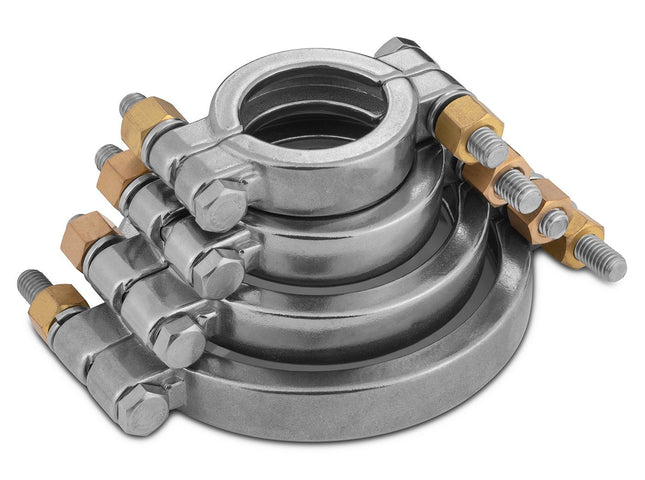

High Pressure Clamps
High Pressure Clamps BVV High Pressure Clamps deliver reliable performance in demanding applications. Constructed from 304 stainless steel with bolted tri-clamp connections, these clamps provide secure, leak-free sealing for high-pressure systems. Key Specifications: Mounting Type: Bolted Material: 304 Stainless Steel Bolt: 304 Stainless Steel (3/8"-16) Nut: Brass (5/8" Wrench Size, 3/8"-16 Thread) Connection: Tri-Clamp Installation Guidelines: Tighten all bolts to specified inch-pound torque values using a calibrated torque wrench. Do not use impact guns, as this may damage threads and compromise seal integrity. Refer to the Torque Specification Data Sheet for exact requirements. Watch our installation video for proper setup procedures.
$18.33 - $176.28
-
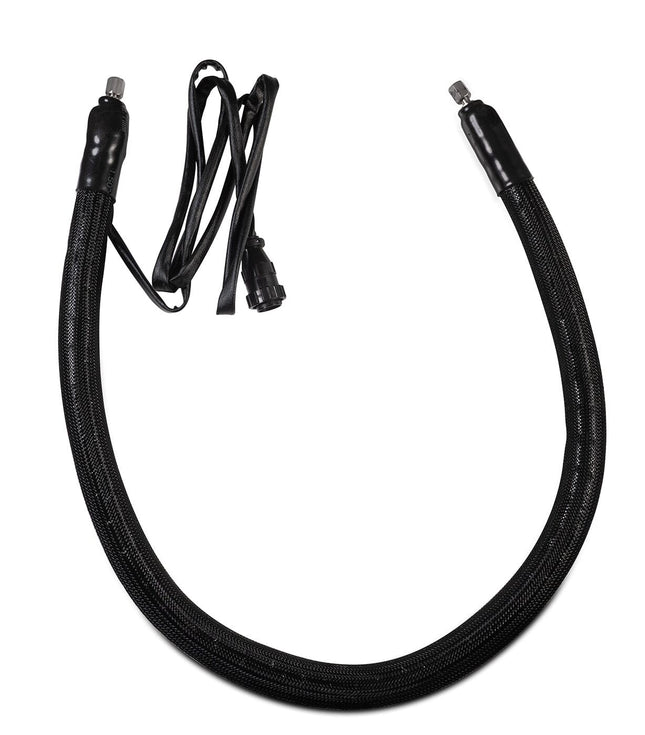

High Pressure Heated Stainless Steel Hose, 4FT JIC Fittings, up to 450°F
This item is sold with or without a PID controller. The hose is heated and insulated. The hose temperature is controlled by an Digital PID. The hose and PID controller are made in the USA, and of the best quality. The hose uses Platinum Thermocouples for durability and accuracy, for many many years of service. Hose Temperature Rating: 50°F - 450°F Controller Temperature Range: 50°F -450°F 120 VAC w/ 6ft cord The overall length of the hose is 4ft The hose is Made in the USA. HOSE ID - 0.187" (1/4"Style) HOSE ID - 0.312" (3/8"Style) HOSE ID - 0.406" (1/2"Style) Each side of the heated hose assembly is a JIC 37° Fitting
$846.16 - $1,981.42
-
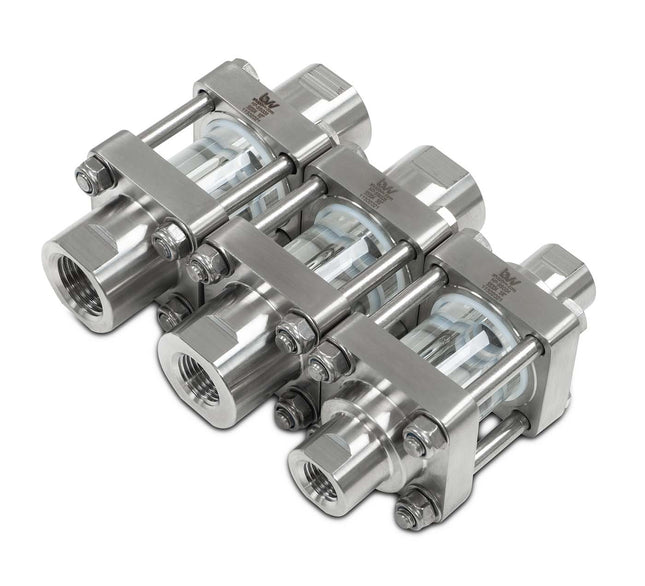
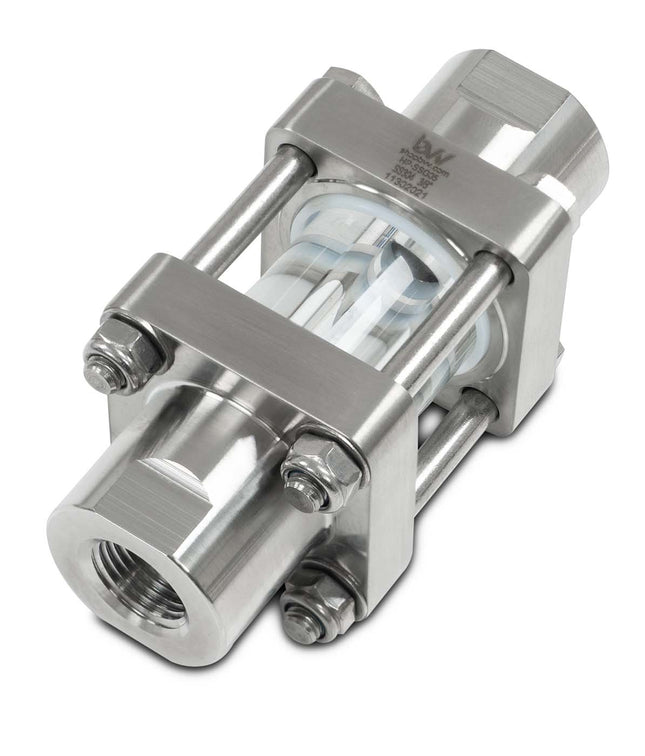
High Pressure Inline Sight Glass
These Stainless Steel inline sight glasses are designed for high pressure applications and come in 1/4", 3/8", or 1/2" FNPT OR Female Compression Connection. BVV™ PTFE High Pressure Inline Sight Glass - Data Sheet *Data sheet shows specs for PTFE option only Specifications Female NPT Female Compression Connection Materials: Stainless Steel / Borosilicate / PTFE Seal or Viton Sizes Available: 1/4", 3/8", 1/2" Dimensions: LxWxH 1/4" 1.75" x 1.75" x 4" 1.75" x 1.75" x 4.5" 3/8" 1.75" x 1.75" x 4" 1.75" x 1.75" x 4.5" 1/2" 1.75" x 1.75" x 4" 1.75" x 1.75" x 4.75" PSI Rating 300 PSI
$437.18 - $493.59
-

High Pressure Wood Stabilizing Chamber
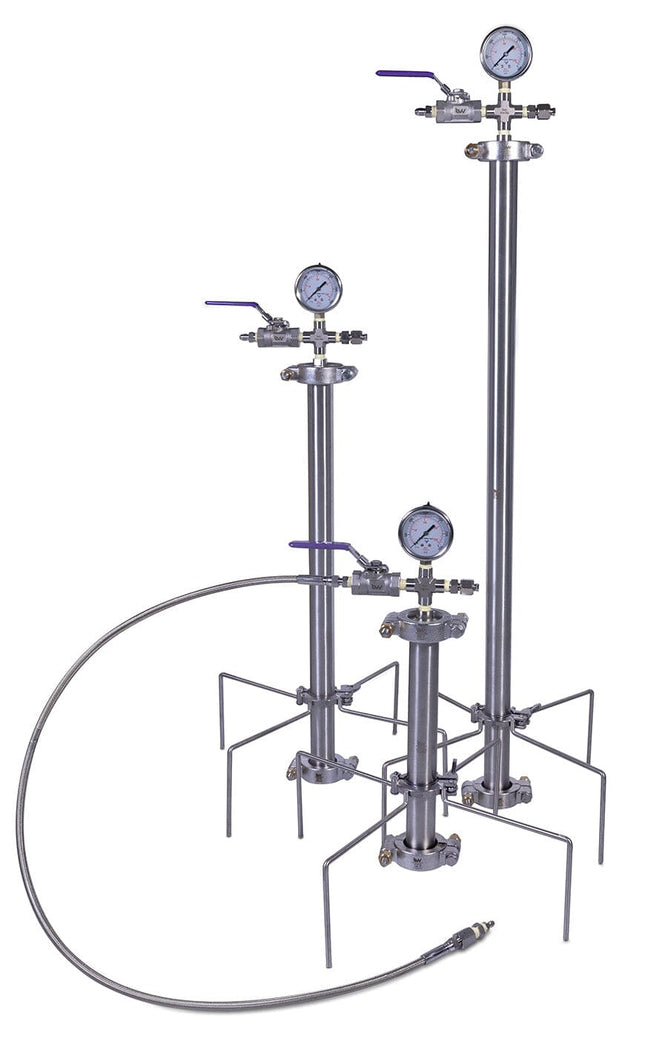
High Pressure Wood Stabilizing Chamber A BVV EXCLUSIVE! This is our high pressure wood stabilizing column that can perform rapid wood stabilization @ 1600 PSI (1.5" Diameter Tube) & 450 PSI (3"/ 6" Diameter Tube). This extreme pressure makes the toughest woods easy to impregnate with wood stabilizer in as little as 15min. Then its off to the oven for a quick cure and its finished. The blanks in the photo, all 3 were stabilized and cured in less than 1 hour and 15 min, including cleanup. The system is simple. Load your blanks into the column and fill no more than 75% with resin. (make sure the blanks are submerged) Then close the system and turn on the pump set to desired psi. The overall goal is to overcome choke points withing the wood porosity. The limits stabilizing wood overall depends on dryness and pore size. Obviously the wood must be as dry as possible however pore sizes have these choke points. There are essentially 4 choke points and the respective pressure to push through them 10 micron requires 1.45 psi. 1 micron requires 14.5 psi. 0.1 micron is 145 psi and 0.01 micron is 1450 psi. This means for our system at 400psi respectively we can assume we can reach choke points as small as .36nm. 50 psi will saturate maple easily up to 92% hypothetically however 400psi will get it to 98%. For oak with 50psi maximum saturation is 40% where as with 400psi we are at 70% hypothetically. High Pressure Wood Stabilizing Manual with Assembly The compressor you will need can be ordered from this site (GX Pumps Click This Link). BVV does not yet carry the compressor for this system. But our hose will connect directly to the compressor. If the compressor is out of your reach a high pressure hand pump can be used. (GX Hand Pumps Click This Link) The system comes with an installed safety pressure relief burst disk rated for 1800 PSI. (1.5" Diameter tubes) & 450 PSI. (3"/ 6" Diameter tube) Should you exceed the pressure of the system the disk will rupture releasing pressure. What's Included Wood stabilizing manual *Coming soon for 3"/ 6" Diameter. Braided stainless steel hose 2500 psi rated. Main column, stand and top cap valve manifold assembled. Extra safety burst disk, for 1.5" Diameter Tube. 3"/ 6" Tubes self reset. BVV warranties the main column to be free from any defects for 1 year. All other individual components may hold separate warranty periods. BVV does not warranty any claims where resin has been released/backflowed into the manifold hose or valve. Resin is water washable and should be cleaned after each use, especially if resin has accidentally backflowed into the manifold area. In the case of oak maybe it would be best to pre vacuum impregnate then post-pressurize and you could raise the saturation even higher. Every customer has had impressive results for their application.
$440.00 - $1,128.21
-

High Purity Helium Tank 99.99% (19g / 106 liters)
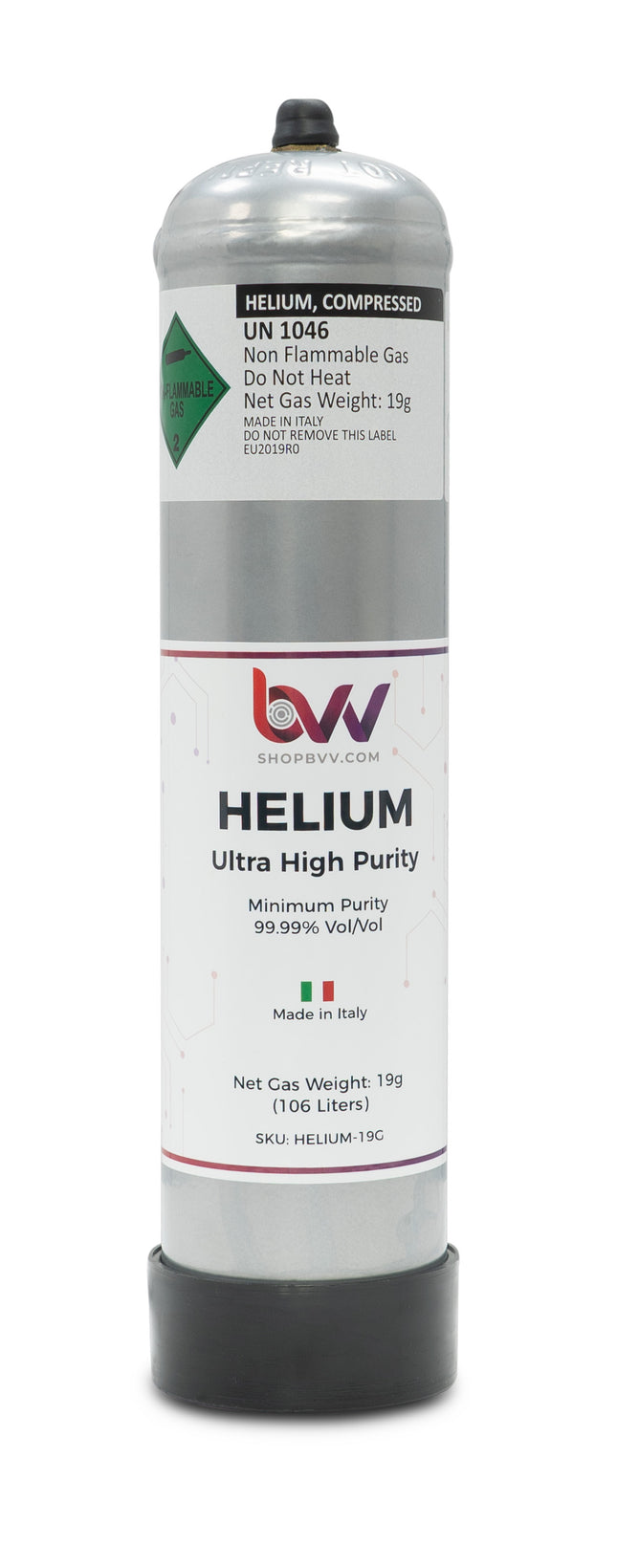
Helium Tank High Purity 99.99% Pure Made in Italy Our high purity helium tank arrives filled with 103 liters of compressed helium gas. The gas can be removed using our regulator or valve dispenser that attaches to the top of the tank. This tank will produce a continuous ~31.5 Seconds of helium @ 80PSI. Tank Thread: M11 x 1.0 Regulator Thread: M11 x 1.0 (Connects to tank) Regulator Output: 1/4" Brass Barb Valve Dispenser Output: 1/4" Brass Barb Valve Dispenser Thread: M11 x 1.0 (Connects to tank) *Tank is non-refillable *At end of use, completely empty the tank for recycling. The balloon in the photo is a demonstrates the full quantity of gas in the tank. *Note Helium Tank Pressure is 1595 PSI Tank Volume of Helium Product Sku: 19g / 103 Liters / 3.76 cubic feet HELIUM-19G Regulator/Dispenser Details (not included with tank only purchase) Regulator - Adjustable via. needle valve, regulated to 80 PSI. Made in Italy. Thread: M11x1 (tank connection). Output: 1/4" Barb to connect to any hose with a 1/4" I.D. (inside diameter) Gauges read in BAR. M11 Valve Dispenser Kit - Includes adjustable pushpin style valve dispenser. Output: 1/4" Brass Barb, NO GAUGES Note* This is high purity helium and helium is the second smallest atom in the universe. Consider that helium nucli are so small that they can pass through gold foil without hitting other gold nucli. As discovered in the Rutherford Gold Experiment. When using high purity helium with latex a barrier should be used like HiFloat or Polyvinyl alcohol, To maximize float time on your balloon. It creates an extra barrier which slows down the rate at which helium escapes through latex. Chemical Formula: He Molecular Weight: 4.00260 g/mol CAS Registry Number: 7440-59-7 Appearance Colorless Odor: Odorless Density 0.0104 lb/ft3 Boiling Point: N/A Solubility in water: Slightly Soluble GHS Pictograms: GHS Signal Word: Warning GHS Hazard Statements: H280, H281 GHS Precautionary Statements P282, P336+P317, P403, and P410+P403 UN Identification Number: 1046 Proper Shipping Name: Helium, Compressed Transport Hazard Class: 2.2 Packing Group: None DOT Placard: Helium Safety Data Sheet (SDS)
$95.90 - $222.82
-
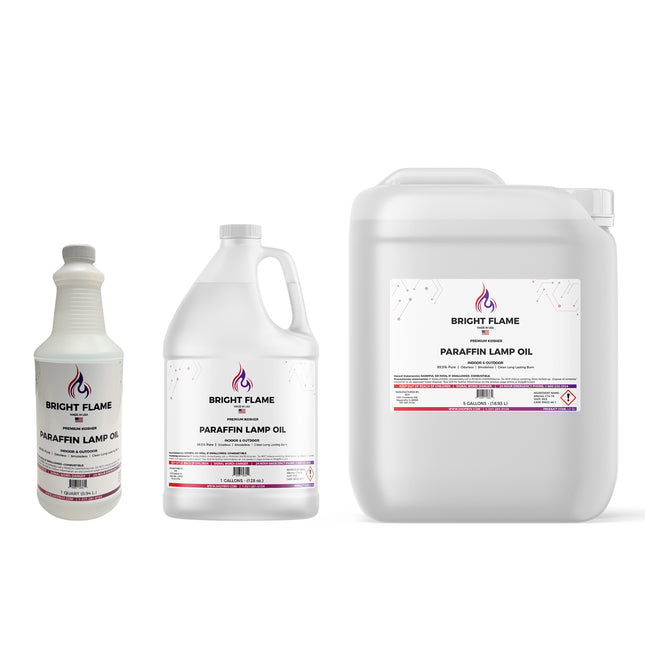

High Purity Paraffin Lamp Oil - Smokeless, Clean Burning- Kosher - 99.5% Pure
Paraffin Lamp Oil 99.5% Pure - Kosher BVV's 99.5% High Purity Lamp oil is great for indoor and outdoor use. It is a clear, water-white, oily liquid with a low viscosity, and will not thicken with age. Our lamp oil has an extremely low sulfur and nitrogen content. It's a highly refined mineral oil that comes from petroleum and is stripped of its odors. The shelf-life of paraffin lamp oil will last indefinitely if stored in a sealed container. Paraffin oil is a fuel source used to power oil lamps, providing light in a situation where electricity is unavailable, making it a valuable item to stockpile for emergency situations due to its ability to provide light without needing batteries or power. If you're a prepper looking for a fuel source that won't sour with age, we recommended our paraffin lamp oil. BVV® Paraffin Lamp Oil Certificate of Analysis COA BVV® Parafin Lamp Oil Safety Data Sheet
$25.77 - $6,358.87
-

High-Polish Quick-Clamp Sanitary Tube Fitting, 304 Stainless Steel Adapter For 2" Tube Od x 2" Barbed Hose Id
For Use With:3-A Certified Fittings: Air, Beverage, Food, WaterAll Other Fittings: Air, Water Tubing: Use with welded 304/304L or 316/316L stainless steel that meets ASTM A269 or ASTM 270 Specifications Met: See table Fittings with barbed hose end connect flexible hose or tubing to your system. Secure with a hose clamp (sold separately).
$112.82
-

High-Polish Quick-Clamp Sanitary Tube Fitting, 304 Stainless Steel Straight Adapter For 2" Tube Od x 2 Npt Male
For Use With: Air, Water Tubing: Use with welded 304/304L or 316/316L stainless steel that meets ASTM A269 or ASTM 270
$169.23 $63.46
-
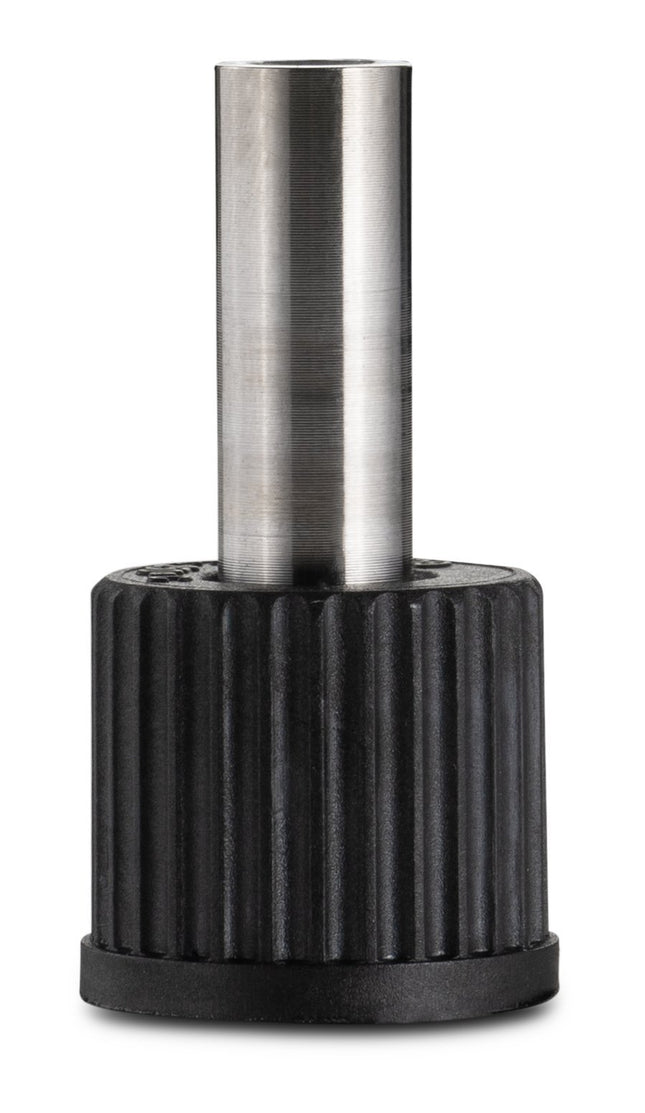

High-Temp GL to Stainless Steel Tube Stub
High-Temp GL to Stainless Steel Tube Stub High-Temp GL to Stainless Steel Tube Stub allows the user to connect a compression fitting or flexible tubing to the adapter and withstand higher temperatures than a normal polypropylene GL adapter. Specifications: 1/4" or 3/8" OD Stainless Steel Tube Stub GL14 or GL18 Female Connection Straight Style 150°C or 250°C Low Temp/High Temp GL Adapter
$36.67 - $50.77
-


Homogenizer Drive Motor
BVV™130 Homogenizer Drive Motor The BVV™130 Homogenizer can quickly emulsify, homogenize, and disperse from 0.1 to 250ml solid media or liquid media depending on the dispersing probe style/head length. During operation, the suspended material is drawn into the core of the homogenizer by a rotor turning at up to 30,000rpm. The media is repeatedly cycled through the narrow slits of the probe where it becomes rapidly torn, separated and emulsified. The BVV™130 produces very little heat during operation and has a 6-speed control dial and is easily held in the hand during operation of the unit. WT130 Homogenizer Drive Motor Key Features: 8,000-30,000 RPM Range 6 Speed easily adjustable control dial One-handed operation Specifications Speed Control / Range 6 Position Dial / 8,000 - 30,000 RPM Power Consumption 130w Voltage 110v @ 60Hz Noise Level 54 dB(A) @ 30,000 RPM BVV™130 Homogenizer Drive Motor 850103019999 compare to SCILOGEX D160 Drive Motor 850103019999
$183.33 $105.77
-
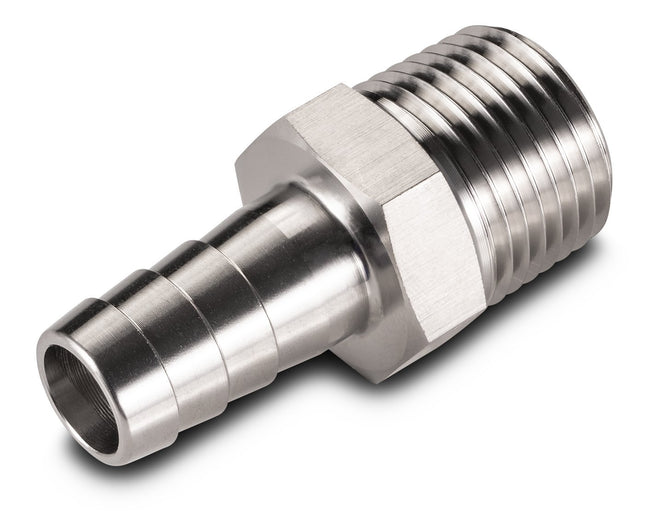
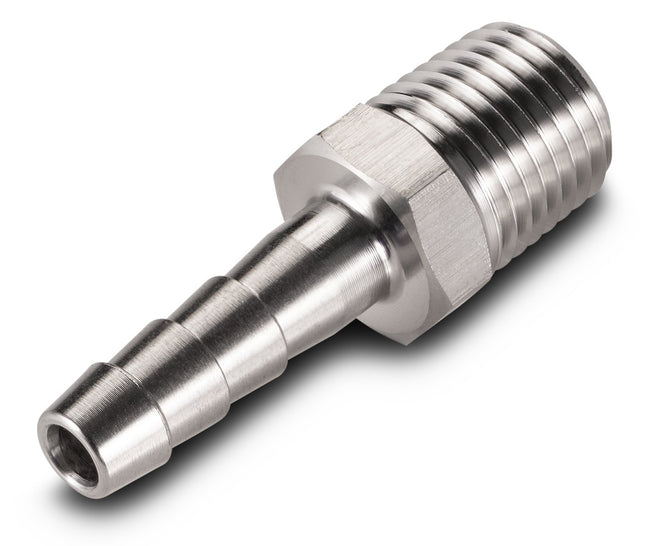
Hose Barb x MNPT
BVV™ Hose Barb x MNPT BVV™ brand stainless steel parts are made with precision 304 Grade Stainless Steel and are clean and free from burrs or debris. These fittings are Hose Barb x NPT threads (National Pipe Taper) and will compress against other Female/Male NPT threads creating a tighter and tighter connection. All NPT threads require thread sealant to create a watertight and gas-tight seal between the threads. We recommend using Yellow Gas PTFE Tape because it is rated for gases and is UL listed and it is NOT recommended to use white PTFE tape because it is not rated for gas service. **NOTE: Pre-Taped option comes from BVV Pre-taped with Yellow UL Listed Gas PTFE Tape on the Male NPT threads ONLY for a +0.50c charge per male npt end. (JIC Threads DO NOT need to be taped.) Hose Barb connections will allow the user to connect flexible tubing to the Hose Barb and allow the user a variety of additional options for their extraction system such as circulating fluid through a jacketed base with silicone tubing or pull a vacuum with gum rubber tubing. BVV™ Hose Barb x MNPT- Data Sheet Specifications Material 304 Stainless Steel Connection Type(s): 1/4"-18 MNPT 1/2"-14 MNPT 1/4" Hose Barb 3/8" Hose Barb 1/2" Hose Barb Sizes Available: 1/4" Hose Barb x 1/4" MNPT 3/8" Hose Barb x 1/4" MNPT 3/8" Hose Barb x 1/2" MNPT 1/2" Hose Barb x 1/4" MNPT 1/2" Hose Barb x 1/2" MNPT
$9.87 - $35.26
-
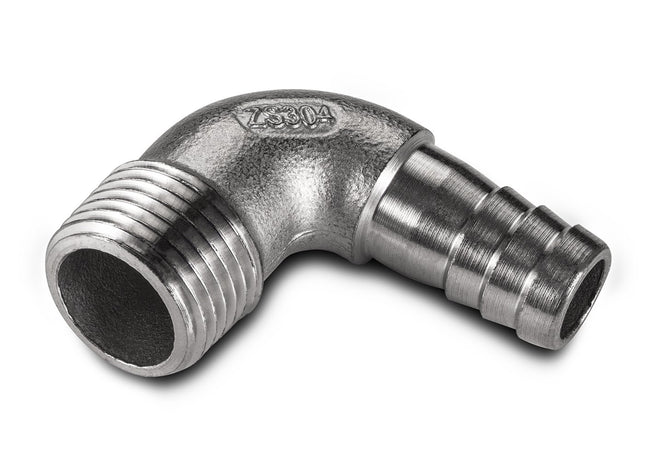

Hose Barb x MNPT Elbow
BVV™ Hose Barb x MNPT Elbow BVV™ brand stainless steel parts are made with precision 304 Grade Stainless Steel and are clean and free from burrs or debris. These fittings are Elbows with Hose Barb x NPT threads (National Pipe Taper) and will compress against other Female/Male NPT threads creating a tighter and tighter connection. All NPT threads require thread sealant to create a watertight and gas-tight seal between the threads. We recommend using Yellow Gas PTFE Tape because it is rated for gases and is UL listed and it is NOT recommended to use white PTFE tape because it is not rated for gas service. **NOTE: Pre-Taped option comes from BVV Pre-taped with Yellow UL Listed Gas PTFE Tape on the Male NPT threads ONLY for a +0.50c charge per male npt end. (JIC Threads DO NOT need to be taped.) Hose Barb connections will allow the user to connect flexible tubing to the Hose Barb and allow the user a variety of additional options for their extraction system such as circulating fluid through a jacketed base with silicone tubing or pull a vacuum with gum rubber tubing.
$10.58
-
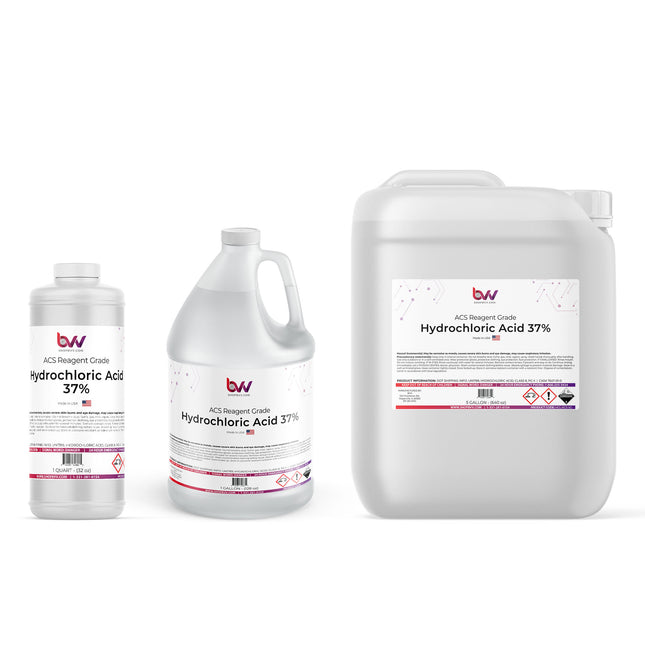

Hydrochloric Acid 37% ACS Reagent Grade (HCL)
Hydrochloric Acid 37% ACS Reagent Grade HCL pH: 1.1 Hydrochloric acid, solution is a colorless watery liquid with a sharp, irritating odor. Consists of hydrogen chloride, a gas, dissolved in water. Sinks and mixes with water. HCL vapors are heavier than air. It is classified as a Strong Acid and is used in many types of laboratory preparations. Cruelty-free: Our Hydrochloric Acid is not tested on animals. Chemical Formula: HCl Molecular Weight: 36.46 CAS Registry Number: 7647-01-0 Appearance Colorless, transparent liquid, fumes in air if concentrated Odor: Pungent characteristic Density 0.81 g/cm3 Boiling Point: 61C @ 36% Concentration GHS Pictograms: GHS Signal Word: Danger GHS Hazard Statements: H290, H314, H335 GHS Precautionary Statements P210, P233, P240, P305+P351+P338, P403+P23 P260, P280, P303+P361+P353, P305+P351+P338 UN Identification Number: 1789 Proper Shipping Name: Hydrochloric acid solution Transport Hazard Class: 8 Packing Group: II DOT Placard: What Is Hydrochloric Acid? Hydrochloric acid (HCl) is a strong, highly corrosive acid that is widely used in various industrial, commercial, and laboratory applications. It is a solution of hydrogen chloride gas dissolved in water, forming a clear, colorless liquid with a sharp, pungent odor. Chemically, hydrochloric acid is composed of hydrogen (H) and chlorine (Cl) atoms, with a chemical formula of HCl. In aqueous solution, hydrochloric acid dissociates into hydrogen ions (H⁺) and chloride ions (Cl⁻), making it a strong acid. How Is Hydrochloric Acid Produced? Hydrochloric acid (HCl) is typically produced on an industrial scale through the chemical reaction between hydrogen gas (H2) and chlorine gas (Cl2). This reaction is exothermic and requires the presence of a suitable catalyst to proceed efficiently. The primary method for producing hydrochloric acid involves the following steps: Preparation of Hydrogen: Hydrogen gas (H2) is produced through various methods, such as steam reforming of natural gas (methane), electrolysis of water, or as a byproduct of certain chemical processes. Steam reforming is the most common method for large-scale hydrogen production, where methane is reacted with steam in the presence of a nickel-based catalyst to produce hydrogen gas and carbon monoxide: CH4 + H2O → CO + 3H2 The produced hydrogen gas is then purified to remove impurities before use in the hydrochloric acid production process. Preparation of Chlorine: Chlorine gas (Cl2) is typically produced by the electrolysis of sodium chloride (table salt) solution, known as the chlor-alkali process. In this process, an electric current is passed through a brine solution (sodium chloride dissolved in water), resulting in the decomposition of water and the formation of chlorine gas at the anode: 2Cl⁻ → Cl2 + 2e⁻ The chlorine gas is then purified and dried to remove any water vapor before use in the hydrochloric acid production process. Hydrogen-Chlorine Reaction: Once hydrogen and chlorine gases are prepared, they are combined and reacted in a controlled manner. The reaction typically occurs in a reactor vessel equipped with a suitable catalyst, such as platinum or rhodium, to facilitate the reaction: H2 + Cl2 → 2HCl This reaction produces hydrochloric acid gas (HCl), which is then cooled and condensed to form a liquid solution of hydrochloric acid. Dissolution in Water: The hydrochloric acid gas is dissolved in water to produce a concentrated solution of hydrochloric acid. This solution can be further diluted to the desired concentration for various industrial, commercial, or laboratory applications. Overall, the production of hydrochloric acid involves the controlled reaction of hydrogen and chlorine gases in the presence of a catalyst, followed by the dissolution of the resulting hydrochloric acid gas in water. The process is typically carried out in specialized chemical plants equipped with the necessary infrastructure and safety measures to handle corrosive and hazardous materials. What Is Hydrochloric Acid Used for? Hydrochloric acid (HCl) is a versatile and widely used chemical with numerous industrial, commercial, and laboratory applications. Some common uses of hydrochloric acid include: Chemical Manufacturing: Hydrochloric acid is used in the production of a wide range of chemicals, including chlorine, vinyl chloride (used to make PVC), and various pharmaceuticals, dyes, and pigments. Steel Pickling: Hydrochloric acid is commonly used for pickling or cleaning steel surfaces to remove rust, scale, and other impurities before further processing, such as galvanizing or coating. pH Control: Hydrochloric acid is used as a pH adjuster or neutralizer in various industrial processes, wastewater treatment, and swimming pool maintenance. Food Processing: Hydrochloric acid is used in the food industry for various purposes, including adjusting acidity, flavor enhancement, and food preservation (in accordance with regulatory guidelines). Laboratory Applications: Hydrochloric acid is commonly used in laboratories for chemical analysis, titrations, and as a reagent in various chemical reactions. Household Cleaning Products: Dilute hydrochloric acid solutions are used in household cleaning products, such as toilet bowl cleaners and descaling agents. Oil and Gas Production: Hydrochloric acid is used in the oil and gas industry for various applications, including well acidization to enhance the productivity of oil and gas wells. Water Treatment: Hydrochloric acid is used in water treatment processes to control pH, remove mineral scale deposits, and neutralize alkaline substances. Textile and Leather Processing: Hydrochloric acid is used in textile and leather processing industries for desizing, bleaching, and pH adjustment. Metal Cleaning and Etching: Hydrochloric acid is used for cleaning and etching metals, such as aluminum, copper, and brass, in various manufacturing processes. Chemical Synthesis: Hydrochloric acid is used as a reactant or catalyst in various chemical synthesis processes, including the production of pharmaceuticals, plastics, and synthetic rubber. These are just a few examples of the diverse range of applications for hydrochloric acid. Its versatility, corrosive properties, and ability to adjust pH make it an essential chemical in many industries and processes. However, it's important to handle hydrochloric acid with care due to its corrosive nature and potential health hazards. Proper safety precautions, such as wearing protective equipment and following appropriate handling and storage procedures, should be observed when working with hydrochloric acid. What Are The Hazards of Hydrochloric Acid? Hydrochloric acid (HCl) is a highly corrosive and hazardous chemical that can pose several risks to human health, safety, and the environment. Some of the main hazards associated with hydrochloric acid include: Corrosive Properties: Hydrochloric acid is highly corrosive to skin, eyes, respiratory tract, and mucous membranes. Contact with concentrated hydrochloric acid can cause severe chemical burns, irritation, and tissue damage. Inhalation of hydrochloric acid vapors or mists can also cause irritation and damage to the respiratory system. Acute Toxicity: Exposure to high concentrations of hydrochloric acid vapor or mist can cause acute toxicity, leading to symptoms such as coughing, difficulty breathing, chest pain, and throat irritation. Severe exposure may result in pulmonary edema (fluid buildup in the lungs) and respiratory distress. Environmental Hazards: Spills or releases of hydrochloric acid can have adverse effects on the environment, including contamination of soil, water bodies, and aquatic ecosystems. Hydrochloric acid can be corrosive to metals and may cause damage to infrastructure and equipment if not properly contained and managed. Reactivity: Hydrochloric acid is reactive with a wide range of substances, including metals, alkalis, and organic materials. It can release hazardous gases (such as hydrogen gas) when reacting with certain metals, posing fire and explosion hazards in confined spaces. Storage and Handling Risks: Hydrochloric acid must be stored and handled with care due to its corrosive and reactive nature. Improper storage, handling, or mixing with incompatible substances can lead to accidents, spills, and exposure incidents. Health Effects: Prolonged or repeated exposure to hydrochloric acid vapor or mist may cause chronic respiratory effects, such as bronchitis, asthma, or chronic obstructive pulmonary disease (COPD). Individuals with pre-existing respiratory conditions or sensitivities may be more susceptible to the effects of hydrochloric acid exposure. Skin and Eye Damage: Contact with hydrochloric acid can cause severe chemical burns and damage to the skin and eyes. Eye contact may result in irritation, redness, and blurred vision, while skin contact may cause pain, redness, and blistering. Ingestion Hazards: Ingestion of hydrochloric acid can cause severe burns to the mouth, throat, esophagus, and stomach, leading to tissue damage, perforation, and internal bleeding. Ingestion of even small amounts of concentrated hydrochloric acid can be life-threatening and requires immediate medical attention. Overall, the hazards associated with hydrochloric acid underscore the importance of proper handling, storage, and use of this chemical in industrial, commercial, and laboratory settings. Employers and workers should be trained on the safe handling procedures, use of personal protective equipment, and emergency response protocols to minimize the risks associated with hydrochloric acid exposure. Additionally, regulatory guidelines and safety standards should be followed to ensure compliance and protect human health and the environment. Hydrochloric Acid Safety Data Sheet (SDS)
$28.21 - $2,185.91
-
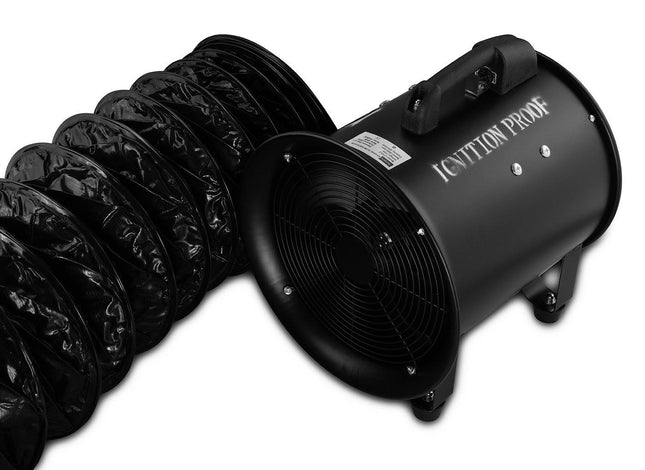

Ignition Resistant Axial Fans
Our Ignition Resistant Axial fan with 30' of ducting provides the user with much-needed air circulation within a room to move flammable gases and any other air contaminants to an area with open air. This axial fan features superior design and durable construction, ensuring long-lasting capabilities with proper maintenance. Many of these gases are heavier than air so it is best to keep the fan ground level to provide the best room circulation possible. The body is made of carbon steel and the impeller is made of aluminum. This combination provides a spark-free environment should the impeller make contact with the body. Warning: Do not run the fan daisy-chained, it will cause disruption with air circulation and may cause the fan to back up air into the room. ***Note: Do not run fans daisy-chained it will cause disruption with air circulation and may cause the fan to back up air into the room. Specifications Impeller Size: 8" 12" 16" Actual Size LxWxH: 14x9x14 15x13x18 18x17x22 Voltage: 110v/60Hz (USA Plug) RPM: 2800 2800 3300 Watts: 180w 500w 1100w Airflow CFM: 880 2300 4200 Noise: 61(AdB) 69dB(A) 79dB(A)
$73.33 - $282.05
-
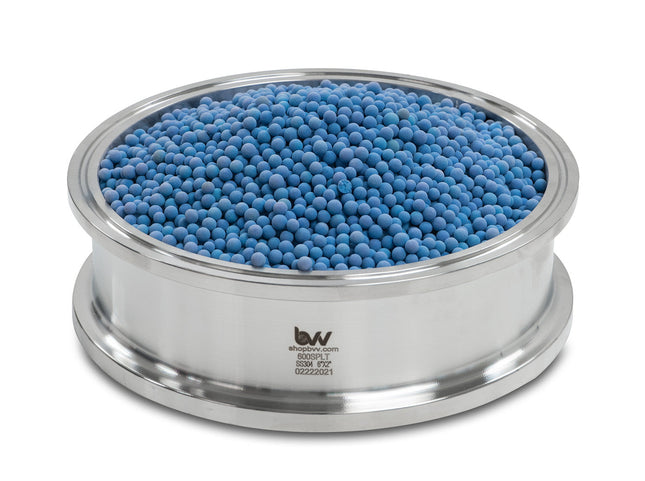

Indicating Molecular Sieve Beads Type 4A
Indicating Molecular Sieve Beads TYPE 4A (Blue) Description: 4A Blue Indicating Molecular Sieve is a porous, high capacity alkali metal aluminosilicate compound. Like non-indicating 4A molecular sieve, our blue indicating 4A molecular sieve has 4 Angstrom-sized pore openings that allow to adsorb all molecules adsorbed by 3A, molecular sieve, plus larger molecules like aromatic and branched-chain hydrocarbons. Handling & Storage Recommendations: Store in a dry location to prevent unintentional water adsorption. Reseal packages after opening to prevent contamination and unintentional water adsorption. We recommend that you rotate stock so the oldest material is used first. Please read the safety data sheet to ensure proper handling and always wear personal protection equipment when handling molecular sieve. Molecular Sieve 4A Indicating Technical Data Sheet Molecular Sieve 4A Indicating Technical Data Sheet
$31.03 - $1,833.34
-
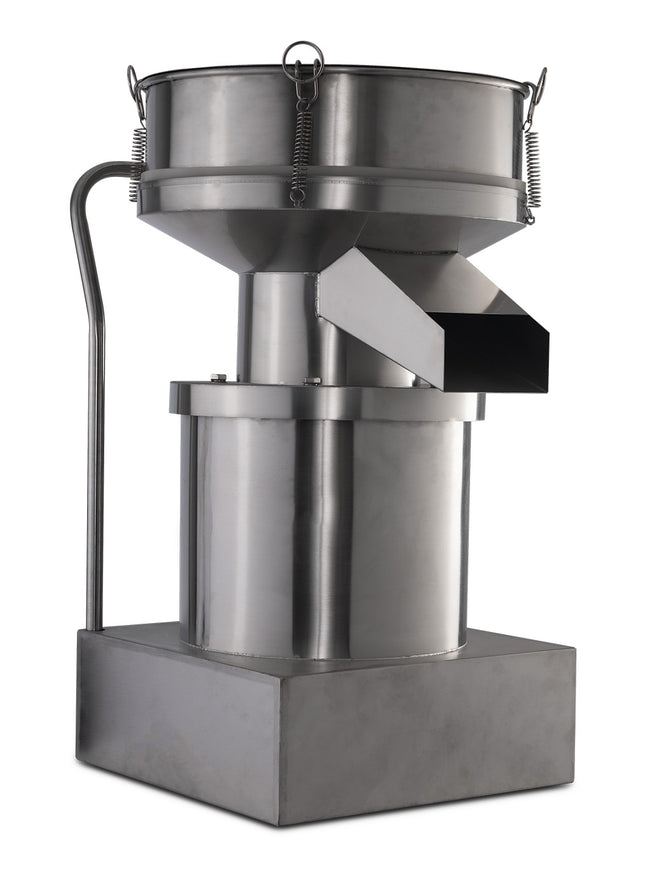
Industrial Vibrating Sifter - 16.25 x 6"
Automatic Vibrating Sifter - Industrial 16.25 x 6" This item Ships Freight - 88 lbs. Sifting your plant material is a great way to remove stems automatically, and if you are producing a premium pre-roll product, it is always best to sift out any stems! Our Large Automatic Vibrating Sifter was explicitly designed with plant processors in mind - the stainless steel construction and screens ensure you can easily clean our sifter, and the screen sizes are fine-tuned for the most common sifting needs. Once you've ground your plant material, you only need to pour your flower into the sifter and switch it on. You can now walk away and wait for your flower to be automatically sifted - no more standing around doing manual sifting. Sifting your plant material will not only ensure no stems make it into your pre-rolls but will also ensure nothing else makes it into your pre-rolls, like large leaves, gravel, or any other foreign matter. The consistent grind will make your pre-rolls burn more evenly and pack more evenly in any cone-filling machine. (Compare to Custom Cones) Package Dimensions - 19"x21"x35"
$2,115.39
-
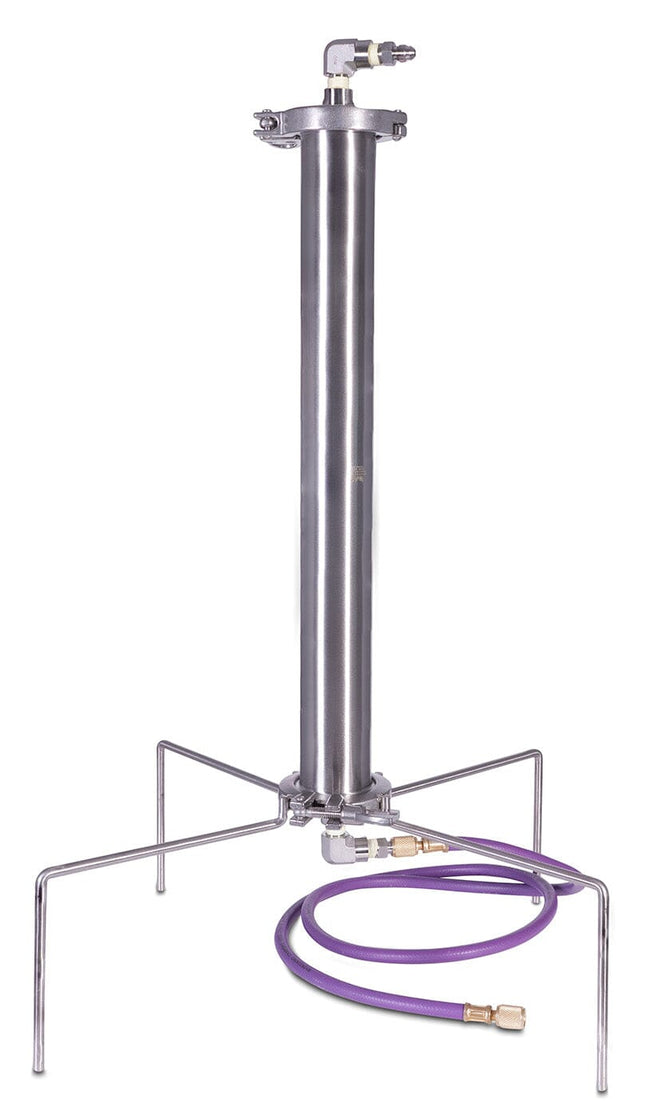

Inline Candy Desiccant Dryer
The inline candy desiccant dryer is a necessary accessory to any one using a vacuum oven for candy drying. The column will need to be filled by the user with silica gel and has fine mesh stainless filters on each end to hold in the beads. We recommend connecting the vacuum inlet from the pump to the top of the column to prevent any water accumulation in the beads from reaching the pump via gravity. The bottom of the column will connect to the oven itself. The column holds 1.5lb of silica gel desiccant. Its water holding capacity is 36%. Since 1lb of candy can hold as much as 40-60g of water, a 1lb column of desiccant will have the capacity to handle approximately 4.5-5lb of fresh candy drying before it needs to be reactivated. Silica gel can be reactivated by placing in an oven on a sheet pan for 0.5-2.0 hours at 200-250F or microwave for 10 minutes on defrost. BVV Hook Up Guide - Quick Assembly PDF Size Variants Standard Size 2" Outside Diameter x 24" Tall Column (Holds 1.5lbs Silica) XL Size Column 3" Outside Diameter x 36" Tall Column (Hold 6.5lbs Silica) Extension Kit for the Standard Column 2" Outside Diameter x 24" Tall (Holds1.5lbs Silica) *Silica Gel: Source from amazon (USE Clear silica gel) https://www.amazon.com/Dry-Quart-White-Silica-Desiccant/dp/B014VM4AZI/ref=sr_1_3?crid=N1FARCPRUFPT&keywords=silica+gel+clear&qid=1678139406&sprefix=silica+gel+cle%2Caps%2C100&sr=8-3
$98.72 - $448.46
-
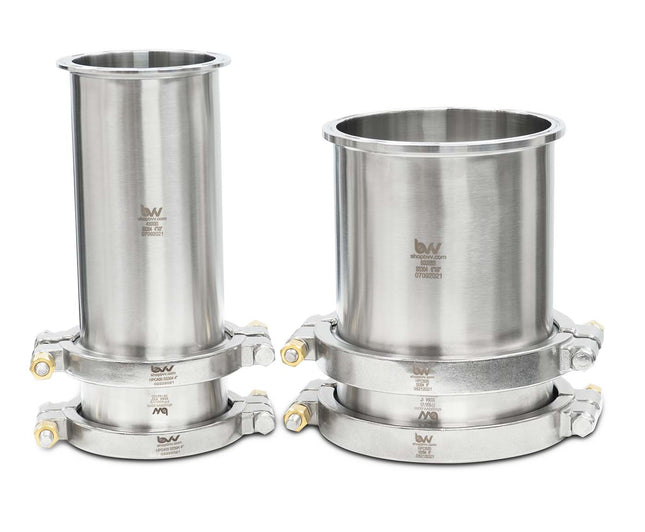

Inline CRC
Inline CRC Kit BVV's Inline CRC Kit can be utilized to adapt any 1.5", 2", 3", 4", or 6" diameter material column for inline adsorbent filtration. This kit includes a corresponding sized media column and a filter stack including a 5 micron & 1 micron Dutch Weave Sintered Filter Disc. This Inline color remediation kit is meant to be plumbed between your existing extractors material column and the existing hemispherical reducer of any closed loop hydrocarbon extractor.Assembly starts with placing the 1 micron sintered disk and gasket between the extracts hemispherical reducer and the included filter plate securing both with one of the included high-pressure clamps. Next, take the 5-micron sintered disk and the included ashless filter paper and rip around the circumference of the sintered disk, placing both atop the filter plate placing the sintered disc gasket and media column spool over top before securing both with the remaining high-pressure clamp. Since the spool secures the filter paper in place a filter plate ring is not required. Media can then be layered into the media column by weight before placing the loaded material column above the adsorbent filtration column and assembling the remainder of the extractor. For optimum filtering results utilize the following layer recipe from top to bottom: 30-50g per lb of biomass Silica 60A 75-100g per lb of biomass Bentonite Clay 30-50g per lb of biomass Neutral Activated Alumina This Kit includes: Media column Tri-clamp Spool V3 Filter Plate 5 Micron Sintered Disk 1 Micron Sintered Disk 2X Buna-N Sintered Disc Gaskets 2X High-pressure Clamps Fast Flow Ashless Filter Paper (100qty) *This video provides a visual assembly of the 3" Inline CRC which is applicable across all sizes*
$338.46 - $987.18
-
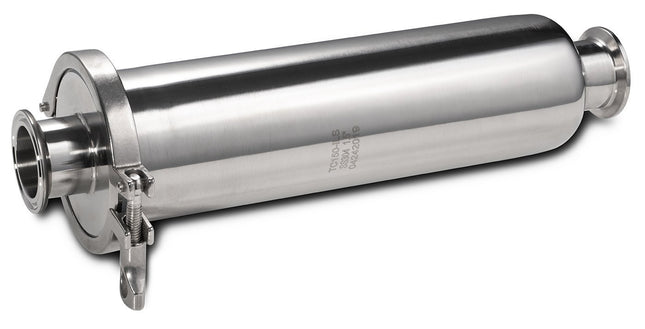

Inline Strainer 304 Stainless Steel
Inline Strainer 304 Stainless Steel Inline Tri-Clamp strainers are used when filtering solids from liquids in fluid processing systems. The inside of the strainer is perforated with 2mm holes to collect larger solids when filtering and comes with (1) 3" Single pin clamp and (1) 3" silicone Tri-Clamp gasket. It is recommended that a strainer be placed after a pump, as the suction could damage the strainer core. Specifications Material 304 Stainless Steel Connection Type 1.5" Tri-Clamp Secondary Mesh Perforated Stainless Steel with 2mm Holes
$275.00
-


Inositol Powder 99% Food Grade
Inositol is also referred to as Vitamin B8 and its a naturally occurring sugar. Its found in may whole grains, vegetables and fruits. Inositol is a cutting and anti-caking agent in caffeine and supplements in many nutraceuticals. Inositol is a carbohydrate that is found naturally in your body and certain foods. It plays many roles in your body, including affecting levels of neurotransmitters and the way your body handles glucose. Inositol Product Description: Fine white powder, tasteless and odorless. Our Inositol arrives somewhat compressed since its a fine powder, it breaks down easily by hand. Inositol Food Grade Sample Certificate of Analysis COA Inositol Food Grade Safety Data Sheet SDS
$23.97 - $1,066.16
-
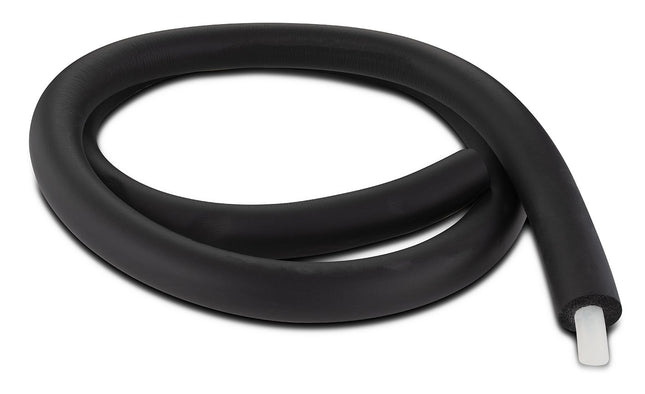

Insulated Heavy Duty 1/8" Wall Silicone Tubing For Flow - 6 Feet
Insulated Heavy Duty 1/8" Wall Silicone Tubing For Flow - 6 Feet (**Note: This tubing is only for flow and is NOT vacuum rated) The most outstanding properties of SILCON tubing are its flexibility and resistance to temperature extremes. These, plus its good electrical properties and ability to self-extinguish, make SILCON tubing an excellent choice for appliances and computers Peroxide-cured SILCON contains no sulfur or other acid-producing chemicals, thereby eliminating the possibility of staining, corroding, or deteriorating materials it contacts. It is extremely resistant to ozone and U.V. over long time periods. Care is recommended in the selection of fittings and clamps for SILCON as sharply barbed fittings or unlined metal clamps could tear into the tubing wall and possibly cause a failure. SILCON may be low-pressure steam sterilized in-line or autoclaved at up to 250°F in a normal autoclaving cycle. However, if exposed to repeated steam sterilization or long-term high temperature or pressure, silicone will eventually relax and become gummy. It should then be replaced. Insulation Compliance: ASTM C 534, Type I – Grade 1 ASTM D 1056, 2C1 ASTM E 84, UL723 ASTM G21/C1338 CAN/ULC S102 ➀ City of New York Approval MEA 107-89M MIL-P-15280J, FORM T ➁ NFPA 90A, 90B UL 181 UL 94 5V-A, V-0, File E55798 Insulation Approvals, Certifications, Compliances: 3rd party certified by FM Approvals through 1-1/2" wall thickness per FM 4924 GREENGUARD® Children & Schools Indoor Air Quality certified. Manufactured without CFCs, HFCs, HCFCs, PBDEs, or Formaldehyde. Made with EPA registered Microban® antimicrobial product protection. All Armacell facilities in North America are ISO 9001:2008 certified. Plenum Rated Conforms to ASHRAE 90.1 Energy Standards Conforms to building codes: International Mechanical Code, IMC, International Energy Conservation Code, IECC, International Residential Code, IRC, Title 24California Building Energy Efficiency Standards. Please call or email Best Value Vacs to request different sizes and thickness (1/16" to 3/4"ID) - Colors for industrial applications are available through minimum order. Key Features: Made from FDA-sanctioned ingredients Insulation R-Value of 3.3 Able to resist extreme temperature variation: -100°F to 500°F Translucent natural color for visual contact with the flow resilient, stretchable, and resistance to compression set Odorless, tasteless and inert Good electrical and weatherability properties - resists U.V., ozone, gases, and moisture Certified by the National Sanitation Foundation (NSF-51) for food equipment materials MADE IN THE U.S.A. Specifications/Physical Properties Hardness, Shor A +/-5 50 Tensile Strength, PSI 1100 Elongation at Break % 375 Brittle Temperature °F -100 Max Operating Temperature °F 500 Max Operating Temperature for NSF °F 350 Comp. Set 22 Hrs. at 177°F, % 35 Tear Resistance (PPI minimum) 100 Tubing Specifications Chart ID (IN.) OD (IN.) STANDARD LENGTH WORKING PSI @ 70°F BURST PSI @ 70°F LBS PER 100FT 1/16 1/8 100 10 30 0.50 1/16 3/16 100 20 60 1.34 3/32 5/32 100 10 30 0.66 3/32 7/32 100 15 45 1.58 1/8 3/16 100 10 30 0.88 1/8 1/4 100 20 60 2.00 1/8 5/16 100 25 75 3.32 1/8 3/8 100 28 84 4.92 5/32 9/32 100 20 60 2.14 5/32 11/32 100 20 60 3.64 3/16 1/4 100 5 15 1.22 3/16 5/16 100 20 60 2.64 3/16 3/8 100 20 60 4.12 3/16 7/16 100 15 45 6.14 1/4 5/16 100 10 30 1.50 1/4 3/8 100 5 15 3.34 1/4 7/16 100 20 60 5.12 1/4 1/2 100 15 45 7.50 5/16 7/16 100 10 30 3.66 5/16 1/2 100 10 30 6.30 3/8 1/2 100 10 30 4.32 3/8 9/16 100 10 30 7.15 3/8 5/8 100 10 30 10.16 3/8 3/4 100 15 45 16.72 7/16 5/8 100 10 30 7.70 1/2 5/8 100 5 15 5.84 1/2 11/16 100 5 15 9.50 1/2 3/4 100 10 30 13.12 1/2 7/8 100 10 30 15.00 5/8 3/4 100 5 15 6.86 5/8 13/16 100 5 15 11.34 5/8 7/8 100 5 15 13.38 5/8 1 100 10 30 22.86 3/4 1 50 5 15 17.64 3/4 1-1/8 50 10 30 26.56
$98.72
-
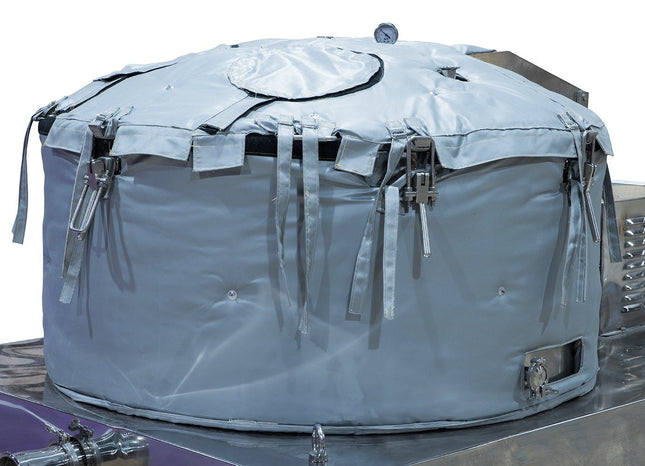

Insulation Jackets for Centrifuges
Insulation Jackets for Centrifuges ***Disclaimer: Fiberglass may be present on the exterior of the jacket and users should use PPE when handling the jacket. These insulated jackets are specifically designed to fit BVV brand Centrifuges and allow the user to better control and keep a more stable temperature when running the system. The jackets are made out of flame retarded material and are insulated with fiberglass.
$634.62 - $1,621.80
-


Iron II Ferrous Sulfate Heptahydrate Crystals
Iron (II) sulfate (ferrous sulfate) is an industrial salt that is used in metallurgy, manufacture of lithium-ion battery materials, water treatment, and metal pickling. Ferrous Sulfate is often used as a primary cleaner removing oxidation and scale from Iron. Ferrous Sulfate Safety Data Sheet (SDS) Ferrous Sulfate Technical Data Sheet (TDS) Ferrous Sulfate Certificate of Analysis (Example COA)
$25.38 - $101.54
-
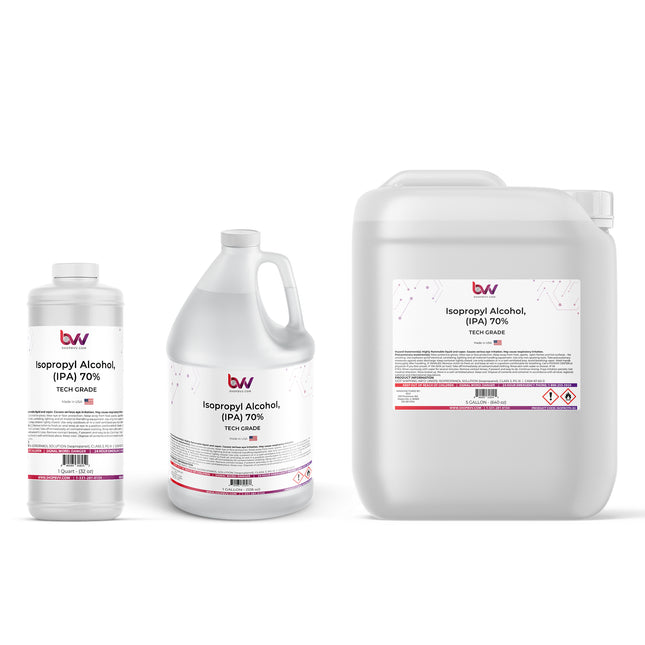

Isopropyl Alcohol 70% Tech Grade
Isopropyl Alcohol 70% Technical Grade Isopropyl alcohol is a fast-evaporating solvent and industrial cleaning agent, intended for industrial or professional use only. It can be used as a solvent for gums, shellac, and essential oils. Can be used as a fuel additive. Isopropyl Alcohol (liquid) - 70% Purity / 30% De-Ionized Water Shelf Life - 5 years Chemical Formula: C3H8O Molecular Weight: 60.096 g/mol CAS Registry Number: 67-63-0 Appearance Colorless Liquid Odor: Pungent Alcoholic odor Density 0.858 g/cm3 @ 20 - 25 °C (68 - 77 °F) Boiling Point: 80.9 - 83.2 °C (177.6 - 181.8 °F) Solubility in water: Completely Soluble GHS Pictograms: GHS Signal Word: Danger GHS Hazard Statements: H225, H319, H336 GHS Precautionary Statements P210, P233, P240, P241, P242, P243, P261, P264+P265, P271, P280, P303+P361+P353, P304+P340, P305+P351+P338, P319, P337+P317, P370+P378, P403+P233, P403+P235, P405, and P501 UN Identification Number: 1219 Proper Shipping Name: Isopropanol Transport Hazard Class: 3 Packing Group: II DOT Placard: Isopropyl Alcohol 70% Tech Safety Data Sheet (SDS) Isopropyl Alcohol 70% Tech Certificate of Analysis (COA)
$26.79 - $3,666.68
-
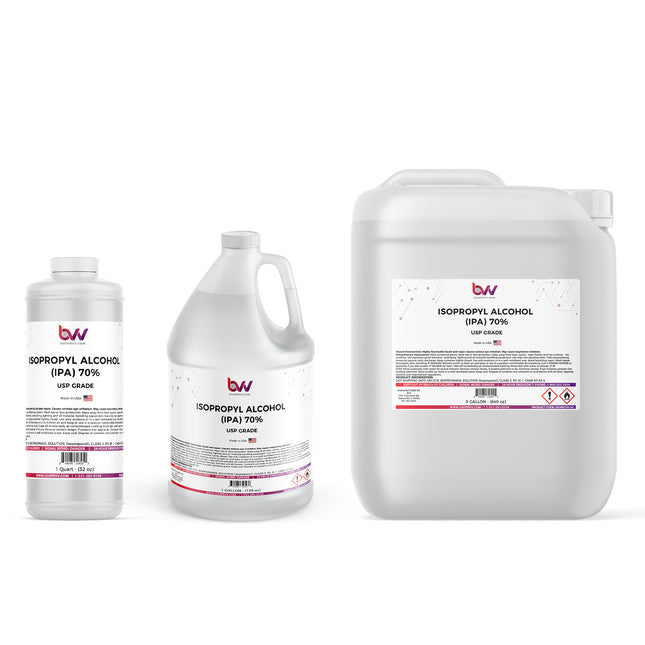

Isopropyl Alcohol 70% USP
Isopropyl Alcohol 70% USP Isopropyl alcohol is a fast-evaporating solvent and industrial cleaning agent, intended for industrial or professional use only. It can be used as a solvent for gums, shellac, and essential oils. Can be used as a fuel additive. Isopropyl Alcohol (liquid) - 70% Purity / 30% De-Ionized Water Shelf Life - 5 years *Disclaimer: 1 Quart Bottles are exempt from additional Hazmat shipping charges and can ship immediately, Less paperwork for shipping is required for shipping only 1 single bottle per order. Chemical Formula: C3H8O Molecular Weight: 60.096 g/mol CAS Registry Number: 67-63-0 Appearance Colorless Liquid Odor: Pungent Alcoholic odor Density 0.786 g/cm3 (20 °C) Boiling Point: 82.6 °C /180.7 °F Solubility in water: miscible GHS Pictograms: GHS Signal Word: Danger GHS Hazard Statements: H225, H302, H319, H336 GHS Precautionary Statements P210, P261, P305+P351+P338 UN Identification Number: 1219 Proper Shipping Name: Isopropanol Transport Hazard Class: 3 Packing Group: II DOT Placard: Isopropyl Alcohol 70% Safety Data Sheet (SDS) Isopropyl Alcohol 70% Certificate of Analysis (COA)
$28.21 - $4,230.78
-


Isopropyl Alcohol 91% Technical Grade
Isopropyl Alcohol 91% Technical Grade 91% Isopropyl Alcohol is a popular choice for cleaning delicate electronics, dissolving tough adhesives, degreasing surfaces, and removing inks, rather than standard surface disinfection. The high evaporation rate (15-30 seconds) makes it more preferred over the higher water content versions of Isopropyl Alcohol. 91% isopropyl still has moderate microbial properties. It works excellent for optical cleaning. Camera lenses, eyeglasses, microscopes and binoculars for example will evaporate quickly and leave less water residue behind, give you a clean finish. Isopropyl 91% Tech Grade Certificate of Analysis (Example COA) Isopropyl Alcohol 91% Safety Data Sheet Sheet SDS
$21.15 - $1,380.65
-


Isopropyl Alcohol 99% Tech Grade
Isopropyl Alcohol IPA 99% Isopropyl alcohol, also known as 2-propanol or rubbing alcohol, is one of the most common alcohol solutions. The exact mechanism behind isopropanol’s disinfectant is not certain, however, it’s believed to kill cells through the process of denaturing cell proteins and DNA, dissolving cell lipoprotein membranes, and obstructing cellular metabolism. Isopropanol has a range of applications and uses across multiple industries, from medicine to cosmetics, and we explore this below. Cleaning Agent for Extraction, Laboratory, and Medical Industries In addition, 99% pure isopropyl alcohol serves as a cleaning agent for the laboratory, medical, and extraction industries. Mixed with water, this solution can be used as a rubbing-alcohol antiseptic. Quality solvents are vital for cleaning delicate electronics, extraction equipment, and other sensitive items. It also makes a perfect solution for surface disinfectant. 99% IPA evaporates cleanly and minimizes residual substances. Cleaning Agent for Home Care A truly versatile solution used in a variety of applications, isopropyl can also serve as a home cleaning remedy. For example, many window and toilet bowl cleaners contain isopropyl alcohol. rubbing alcohol can dissolve icky residues such as chewing gum, sap, hairspray, and other difficult compounds from hands, surfaces, and more. Other ways isopropyl can be used: Cleaning makeup brushes Cleaning blinds Cleaning sinks and chrome Deodorizing shoes Disinfecting computer mouse and keyboard Disinfecting mobile phone Dissolving windshield frost Getting rid of fruit flies Cleaning jewelry Creating homemade sanitizer Preventing ring around the collar Cleaning stainless steel Other Things to Note Spigots/Faucets are only compatible with 5 Gallon Jugs and must be purchased separately Isopropyl alcohol is a fast-evaporating solvent and industrial cleaning agent, intended for industrial or professional use only. It can be used as a solvent for gums, shellac, and essential oils. Can be used as a fuel additive. Isopropyl Alcohol (liquid) - 99.8% Purity Shelf Life - 5 years Specific Gravity - 0.79 Vapor Pressure - 1psi @ 20°C Flash Point - 12°C *Disclaimer: 1 Quart Bottles are exempt from additional Hazmat shipping charges and can ship immediately, Less paperwork for shipping is required for shipping only 1 single bottle per order. Chemical Formula: C3H8O Molecular Weight: 60.096 g/mol CAS Registry Number: 67-63-0 Appearance Colorless Liquid Odor: Pungent Alcoholic odor Density 0.786 g/cm3 (20 °C) Boiling Point: 82.6 °C /180.7 °F Solubility in water: miscible GHS Pictograms: GHS Signal Word: Danger GHS Hazard Statements: H225, H302, H319, H336 GHS Precautionary Statements P210, P261, P305+P351+P338 UN Identification Number: 1219 Proper Shipping Name: Isopropanol Transport Hazard Class: 3 Packing Group: II DOT Placard: Isopropyl Alcohol Safety Data Sheet (SDS) Isopropyl Alcohol Certificate of Analysis (COA)
$24.68 - $6,487.20
-


Isopropyl Alcohol 99% USP
Isopropyl Alcohol 99% USP Isopropyl alcohol, also known as 2-propanol or rubbing alcohol, is one of the most common alcohol solutions. The exact mechanism behind isopropanol’s disinfectant is not certain, however, it’s believed to kill cells through the process of denaturing cell proteins and DNA, dissolving cell lipoprotein membranes, and obstructing cellular metabolism. Isopropanol has a range of applications and uses across multiple industries, from medicine to cosmetics, and we explore this below. Cleaning Agent for Extraction, Laboratory, and Medical Industries In addition, 99% pure isopropyl alcohol serves as a cleaning agent for the laboratory, medical, and extraction industries. Mixed with water, this solution can be used as a rubbing-alcohol antiseptic. Quality solvents are vital for cleaning delicate electronics, extraction equipment, and other sensitive items. It also makes a perfect solution for surface disinfectant. 99% IPA evaporates cleanly and minimizes residual substances. Cleaning Agent for Home Care A truly versatile solution used in a variety of applications, isopropyl can also serve as a home cleaning remedy. For example, many window and toilet bowl cleaners contain isopropyl alcohol. rubbing alcohol can dissolve icky residues such as chewing gum, sap, hairspray, and other difficult compounds from hands, surfaces, and more. Other ways isopropyl can be used: Cleaning makeup brushes Cleaning blinds Cleaning sinks and chrome Deodorizing shoes Disinfecting computer mouse and keyboard Disinfecting mobile phone Dissolving windshield frost Getting rid of fruit flies Cleaning jewelry Creating homemade sanitizer Preventing ring around the collar Cleaning stainless steel Other Things to Note Spigots/Faucets are only compatible with 5 Gallon Jugs and must be purchased separately Isopropyl alcohol is a fast-evaporating solvent and industrial cleaning agent, intended for industrial or professional use only. It can be used as a solvent for gums, shellac, and essential oils. Can be used as a fuel additive. Isopropyl Alcohol (liquid) - 99.8% Purity Shelf Life - 5 years Specific Gravity - 0.79 Vapor Pressure - 1psi @ 20°C Flash Point - 12°C Boiling Point - 82°C *Disclaimer: 1 Quart Bottles are exempt from additional Hazmat shipping charges and can ship immediately, Less paperwork for shipping is required for shipping only 1 single bottle per order. Chemical Formula: C3H8O Molecular Weight: 60.096 g/mol CAS Registry Number: 67-63-0 Appearance Colorless Liquid Odor: Pungent Alcoholic odor Density 0.786 g/cm3 (20 °C) Boiling Point: 82.6 °C /180.7 °F Solubility in water: miscible GHS Pictograms: GHS Signal Word: Danger GHS Hazard Statements: H225, H302, H319, H336 GHS Precautionary Statements P210, P261, P305+P351+P338 UN Identification Number: 1219 Proper Shipping Name: Isopropanol Transport Hazard Class: 3 Packing Group: II DOT Placard: Isopropyl Alcohol Safety Data Sheet (SDS) Isopropyl Alcohol Certificate of Analysis (COA)
$23.97 - $7,051.31
-
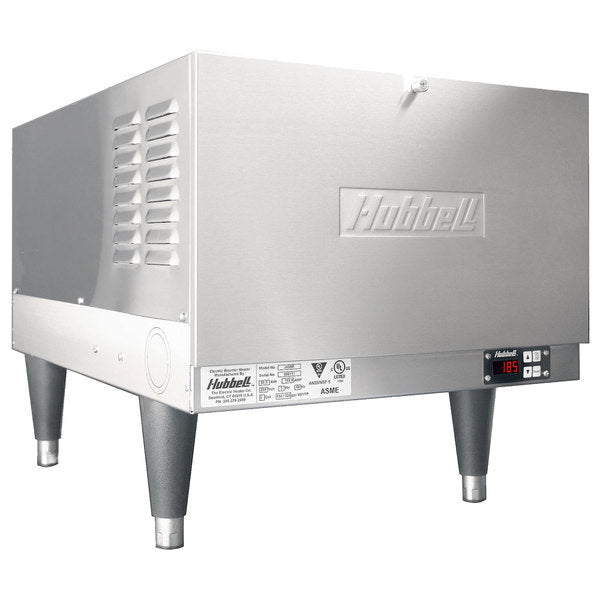

J636T Hubbell Process Water Heater 240V 3P with Pump
Hubbell Process Water Heater 240V 3P Process Water Heater 6 Gallon Stainless Steel ASME Vessel 36 kW, 240 volt, 3 phase Complete with electrical operating controls including the following: magnetic contactor, immersion elements, digital temperature controller with safety hi-temperature cut out, low water cut out, and an ASME rated combination temperature and pressure relief valve. Unit is factory assembled, insulated, jacketed, wired, and tested. Unit is ready for electrical and plumbing service connections. This kit includes a stainless steel pump to continuously circulate water through a closed loop system, an expansion chamber may be needed. Professional installation of water lines by a certified plumber is recommended. Water Heater Features Industrial Grade Construction Stainless steel pressure vessel provides maximum service life ASME Section VIII stamped vessel ensures high quality construction Heavy duty construction withstands demanding industrial use Packaged with all electrical operating controls for efficient installation Small reserve capacity lowers peak power demand and reduces operating costs in systems with ON / OFF cyclical demand Hubbell V636T Heater Specs Model J636T Voltage 240V Current Draw (A) 87 Heating Wattage (kW) 36 Storage Capacity (Gal) 6 Inlet / Outlet Connections 3/4" MNPT Circulation Pump Specs Option Standard High Power Material Stainless Steel Stainless Steel Power 40 W 1 HP Max Head (Ft.) 18 60 Max Flow (GPM) 15.8 90 Max Water Temp (°C) 110 149 Voltage 220VAC / 1ph 120V AC/240V AC* Current Draw (A) .2 12.6/6.3 A Max Ambient Temp (°C) 40 40 Connection Sizes 1" FNPT 1-1/4" FNPT Outlet 1-1/2" FNPT Inlet *The pump will not come with a power cord, it will need to be wired on site
$5,793.35 - $8,461.57
-
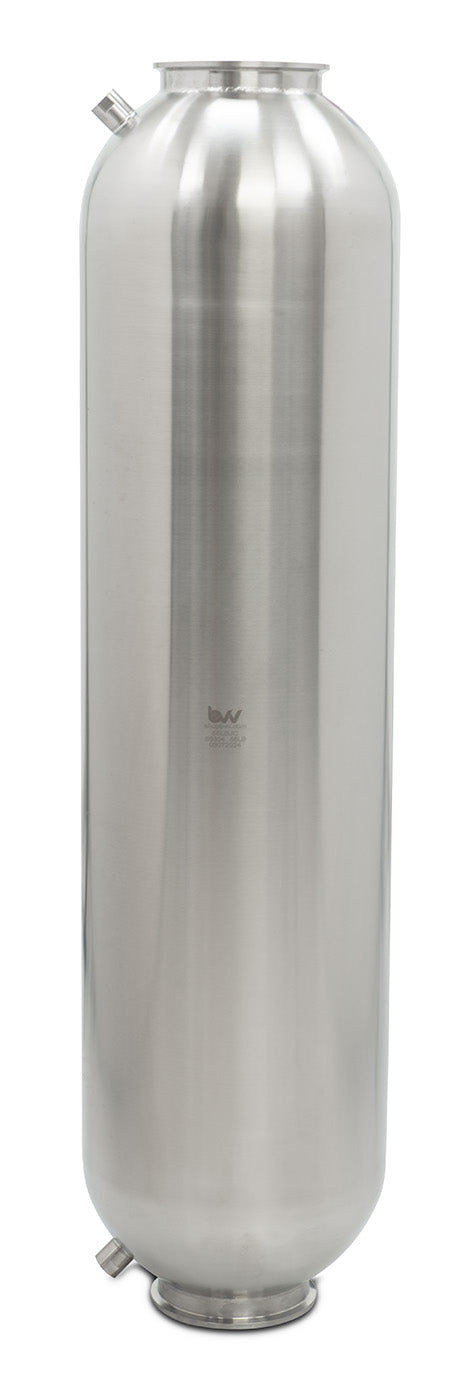

Jacketed Collection Column (6in Tri clamps)
This column can be used as a collection or solvent vessel for a larger rack mounted extractor. The top and bottom tri clamp size are 6" to allow for a higher pressure rating on the entire vessel. The jacket of the vessel is baffled and has 1/2" NPT ports to run fluid through for good temperature control. This column is intended to hold 55lbs of hydrocarbon solvent, it can be rack mounted with 12" pipe hangers. Max Pressure: 300psi @70°F (dependent on clamp used) Material: 304 Stainless Steel Capacity: 55 Liters Height: 48"
$2,538.47 $1,762.83


You have seen 672 out of 1075 products