


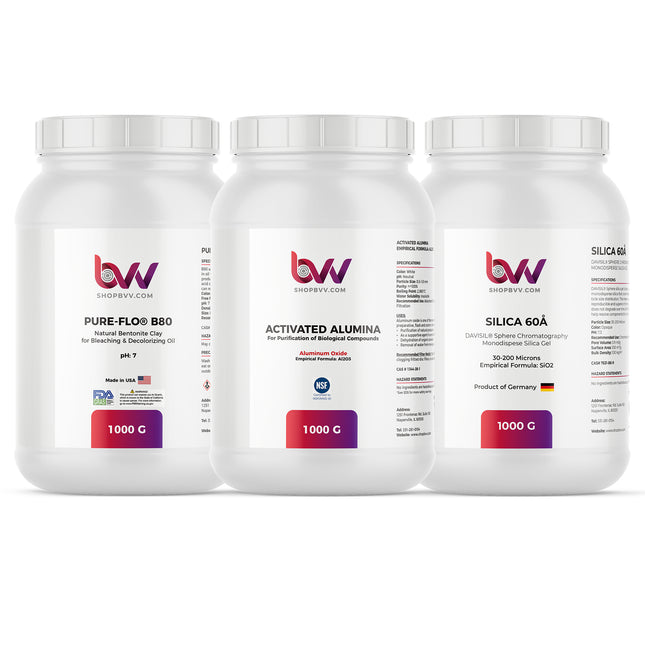
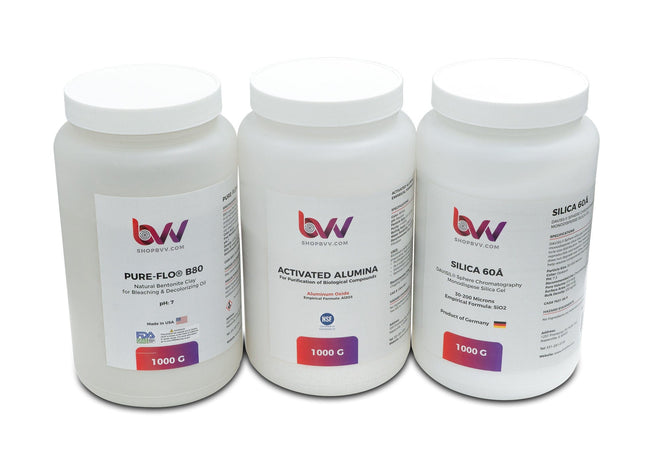


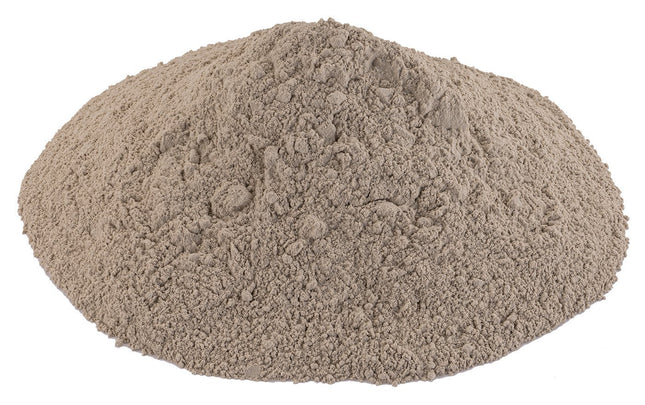


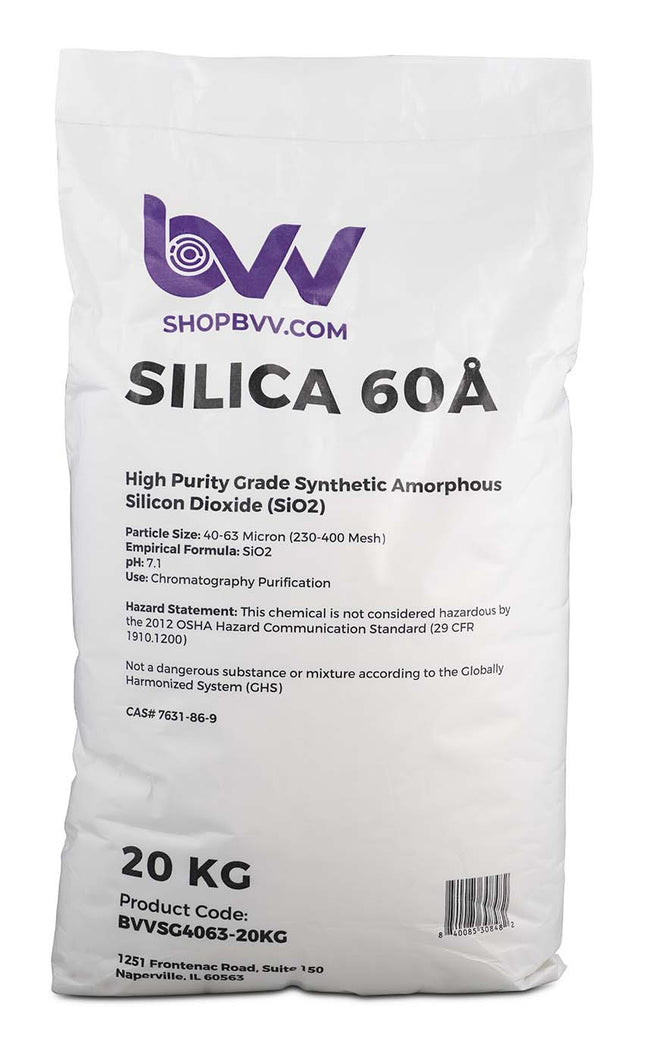
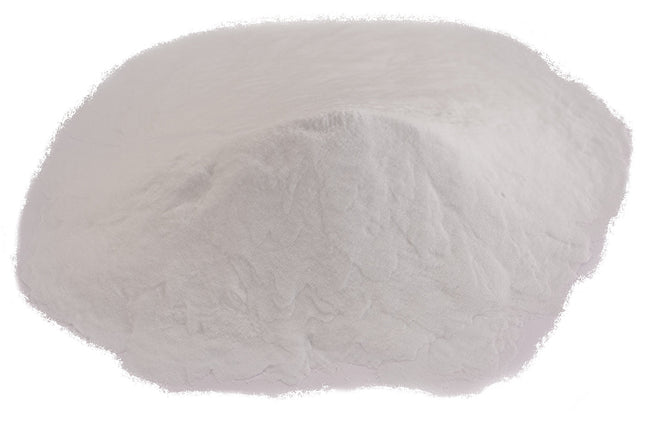

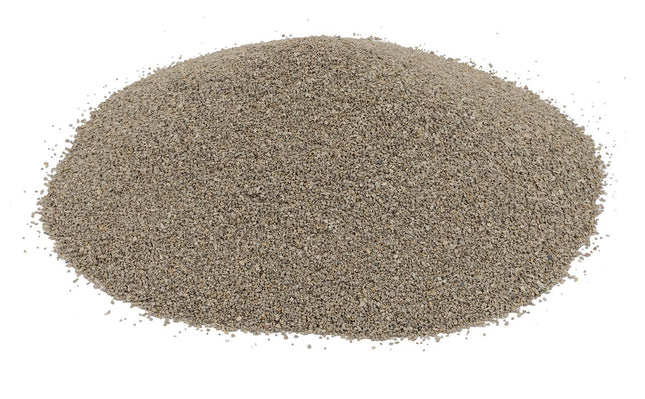

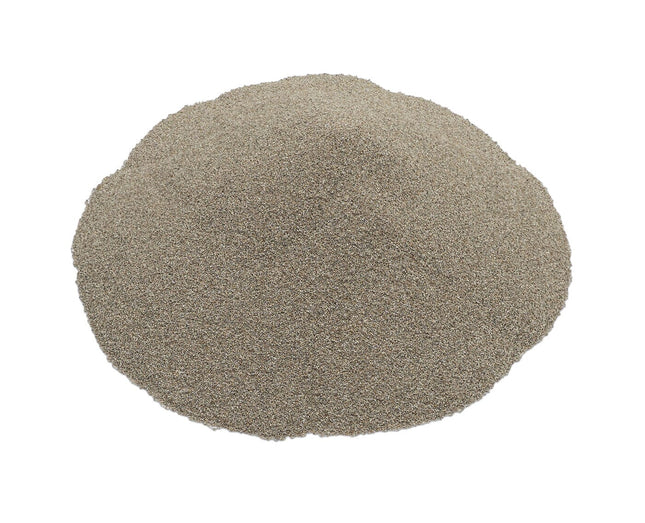


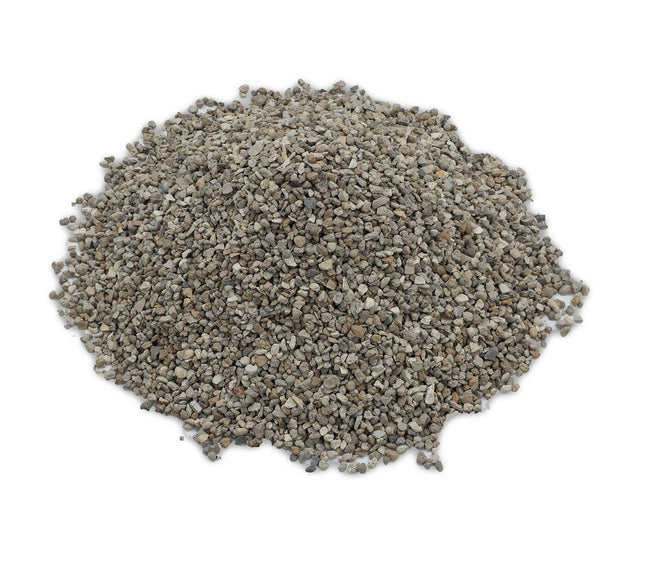


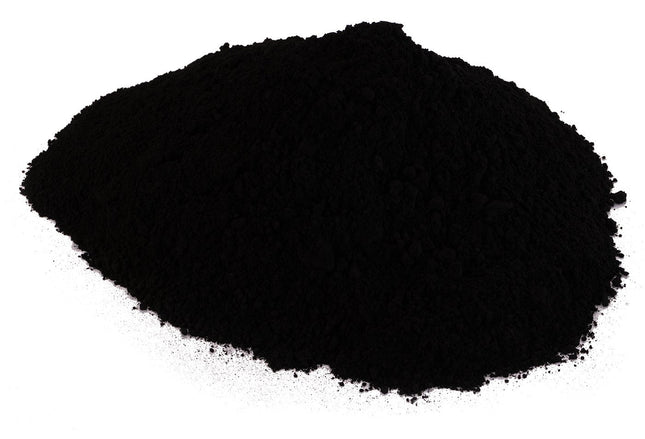
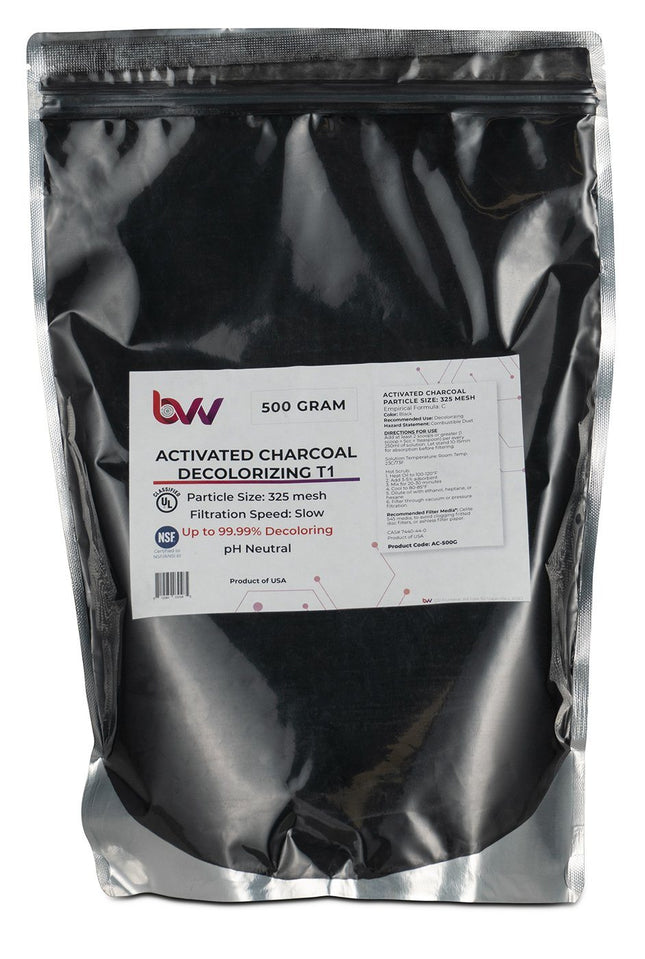




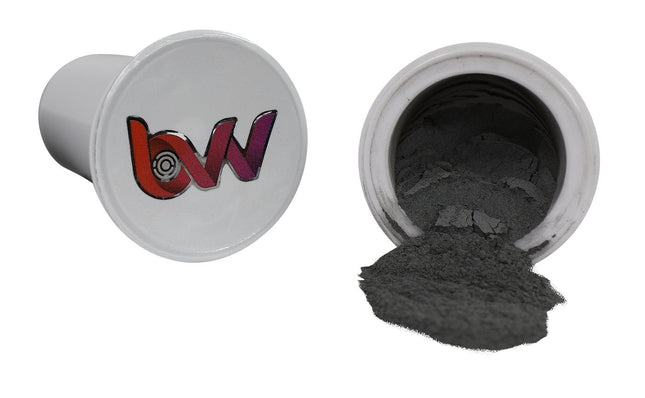



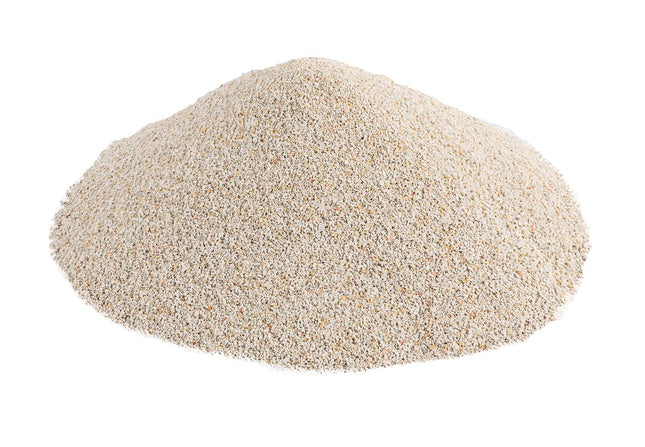





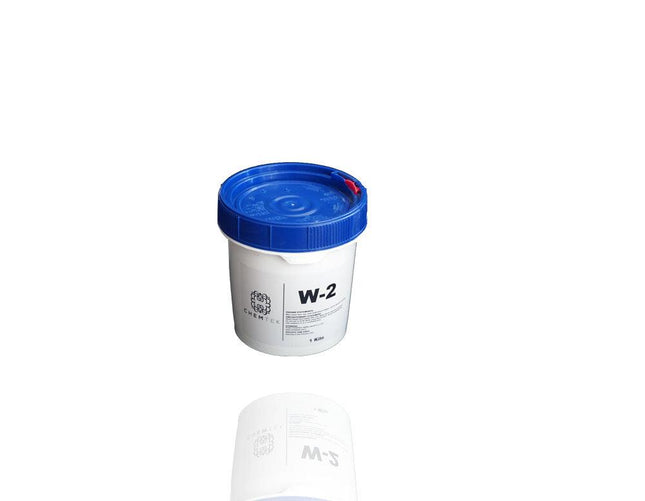

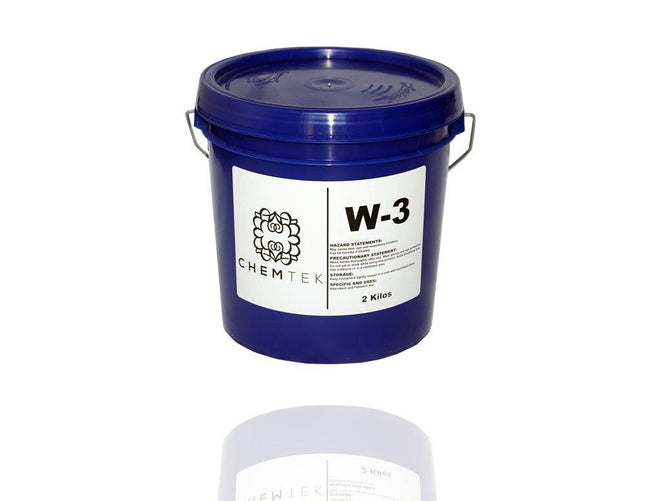

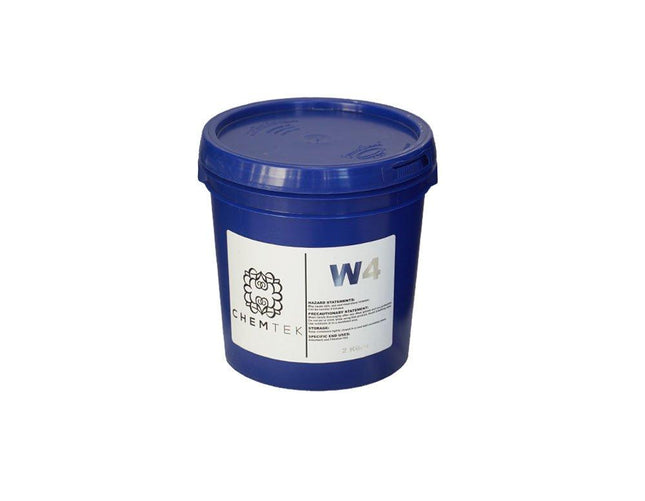

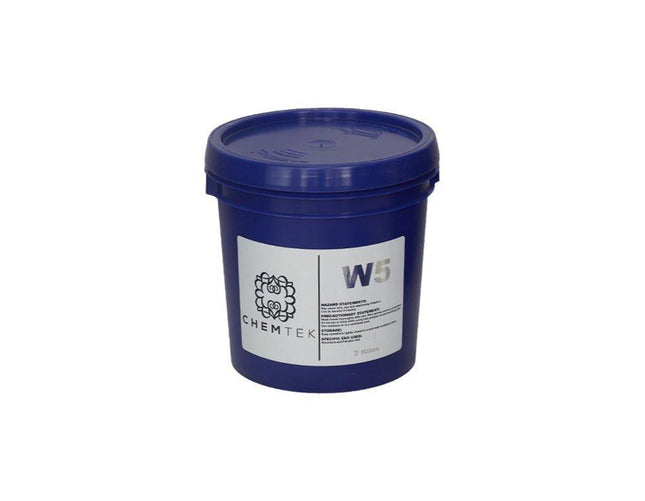





BVV’s Adsorbents collection features high-performance filtration and purification media used in extraction, laboratory, and industrial processing. These materials are designed to selectively adsorb impurities, pigments, moisture, and undesired compounds, helping improve clarity, purity, and consistency across critical workflows. Common applications include extract remediation, color remediation, moisture control, and downstream purification.
Each adsorbent offered by BVV is carefully sourced to deliver predictable surface activity, consistent particle size, and reliable performance under demanding conditions. With in-stock inventory, detailed documentation, and expert technical support, BVV provides trusted adsorbent solutions that help professionals achieve cleaner processes and repeatable results.
What is the difference between adsorption and absorption?
Adsorption is a surface-based process where impurities stick to the outer surface of the media (like Activated Carbon or Silica). Absorption involves a substance being taken into the body of a material (like a sponge). Most filtration media used in botanical extraction are adsorbents.
Why is Bentonite Clay used in CRC?
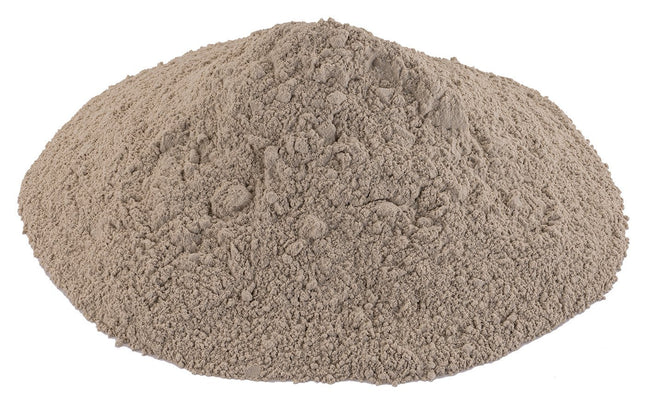
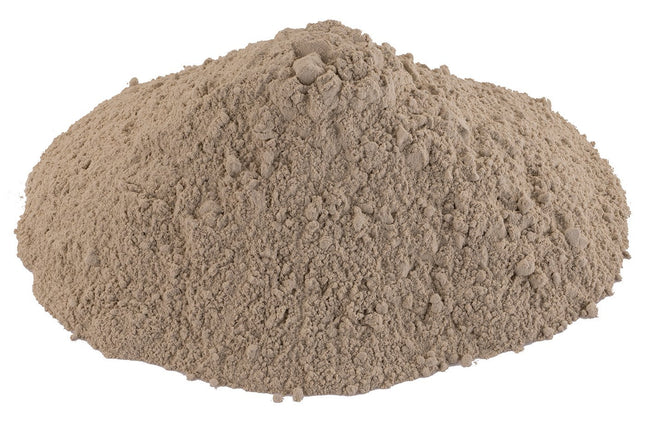
Bentonite (Bleaching Clay) is highly effective at removing chlorophyll, carotenes, and other pigments from botanical extracts. It is a cornerstone of Color Remediation Column (CRC) processing to improve extract clarity and color.
What is the role of Diatomaceous Earth (Celite 545)?
Diatomaceous Earth acts as a filter aid. It creates a "pre-coat" or cake on your filter paper, preventing fine adsorbents like Silica or Carbon from clogging the filter or passing through into your final product.
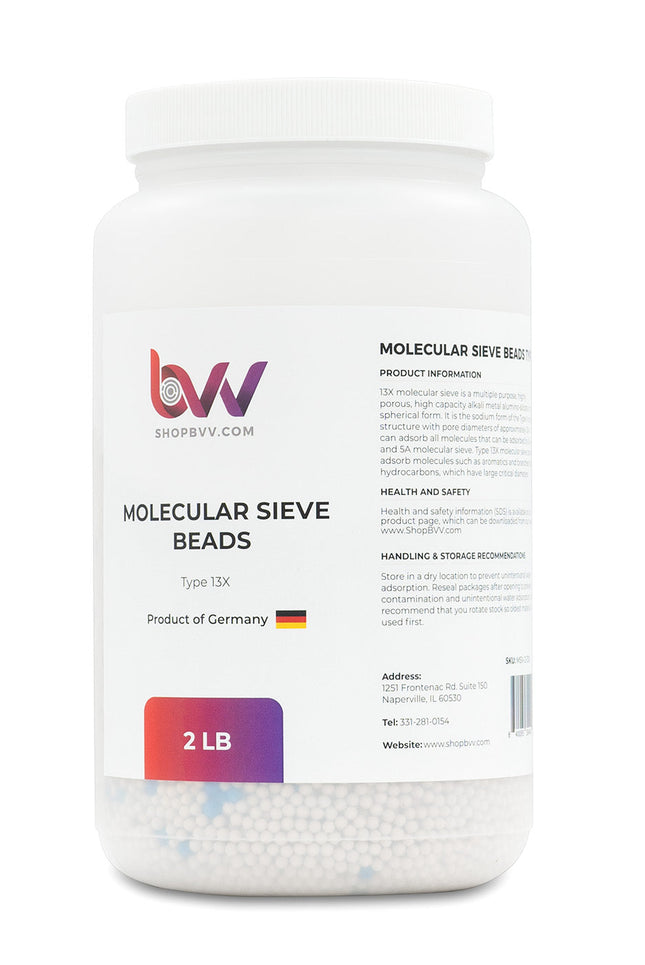
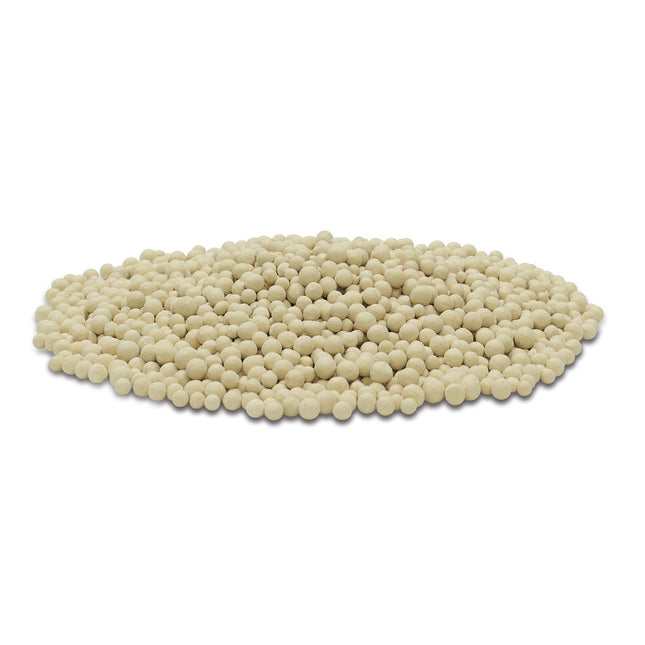
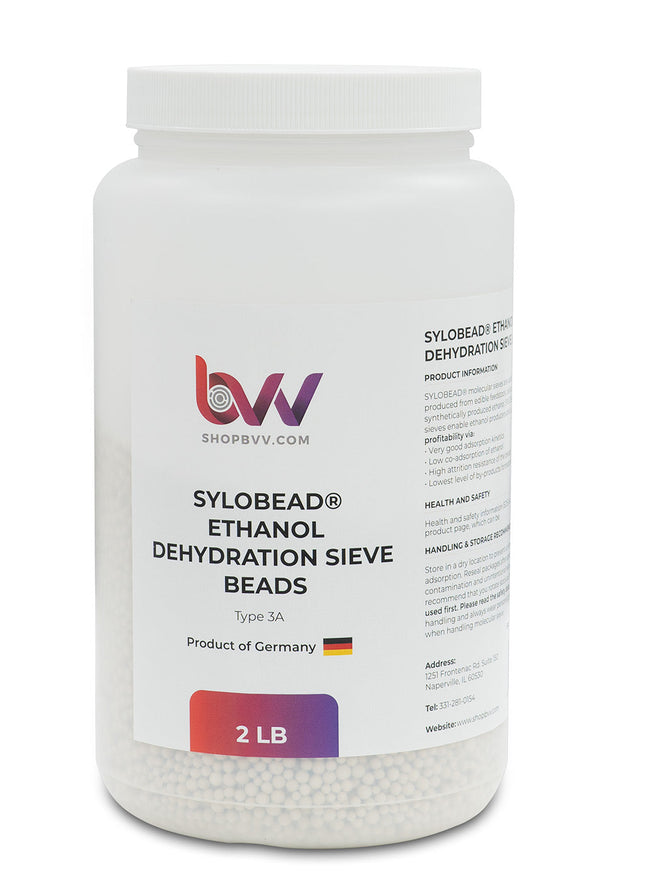
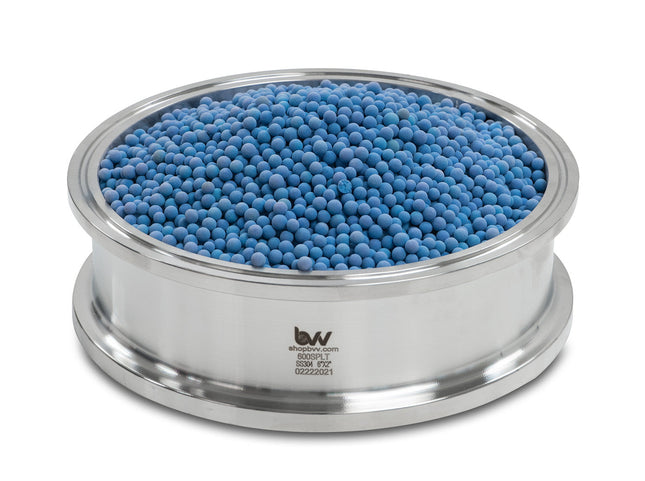
When should I use Molecular Sieve?
Molecular Sieves are used for the dehydration of solvents and gases. The 3A or 4A pore sizes are specifically designed to trap water molecules while allowing the solvent to pass through, ensuring anhydrous conditions for your process.
Can I buy prepackaged media for my CRC?
Yes. We offer prepackaged media blends for those who want consistent results without the hassle of manual mixing. These are optimized for common remediation goals like pigment or pesticide removal.
What is Magnesium Silicate used for?
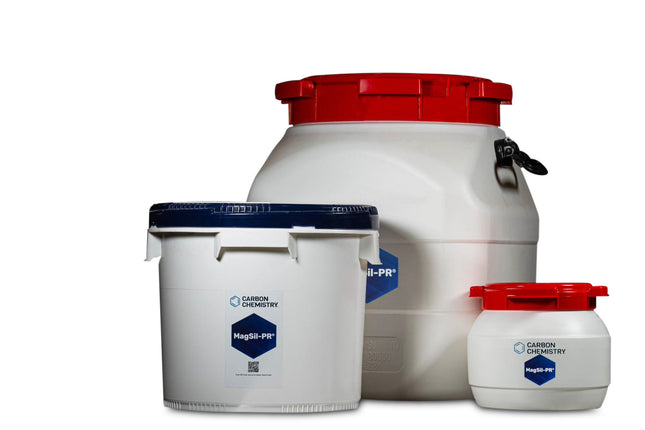
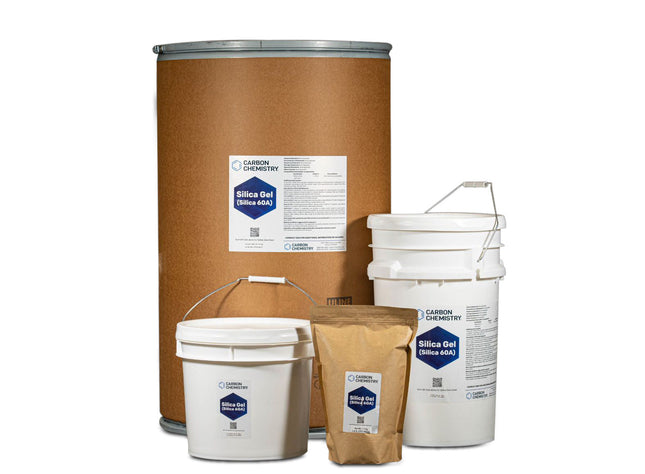
Commonly known as MagSil, Magnesium Silicate is an adsorbent used to remove polar impurities, pesticides, and colors. It is often used in combination with Silica Gel to achieve a high-purity finish.
Do you offer bulk pallet pricing on filtration media?
Absolutely. For industrial-scale labs, we offer wholesale pricing on full pallets of Bentonite, Carbon, and Silica. Contact our Glendale Heights office for a custom freight quote.
How should filtration media be stored?
Adsorbents should be kept in a cool, dry place in airtight containers. Because they are designed to attract moisture and impurities from the air, leaving them exposed will reduce their effectiveness over time.
Is Activated Alumina better than Silica Gel?
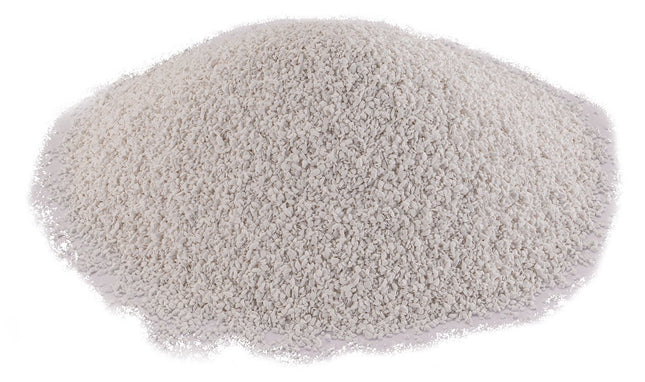
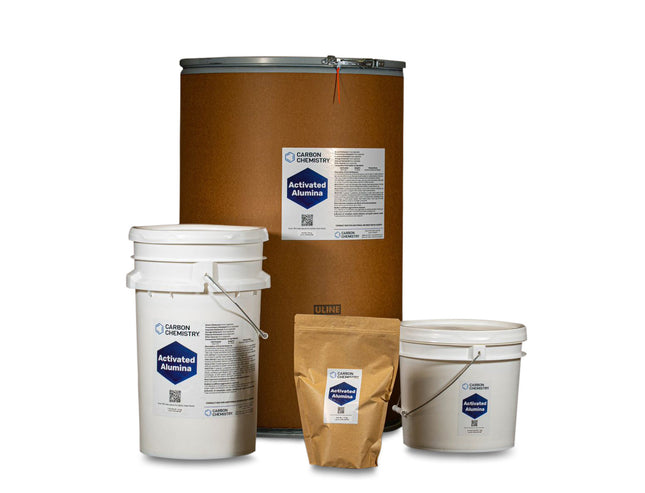
They serve different purposes. Activated Alumina is excellent for removing water and certain heavy metals, while Silica Gel is the gold standard for broad-spectrum color remediation. Many labs use them together in a staged filtration stack.
How fast does BVV ship media to the Midwest?
Since we ship directly from Illinois, customers in the Midwest and East Coast enjoy significantly faster transit times compared to West Coast suppliers, often receiving their media in 1-3 business days.