
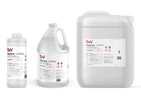
Heptane: Uses in Botanical Extraction and Beyond
, by BVV Team, 6 min reading time
, by BVV Team, 6 min reading time
Heptane is a straight-chain alkane hydrocarbon (C₇H₁₆) belonging to the family of saturated hydrocarbons. Its chemical simplicity, high purity potential, and relatively low reactivity make it one of the most valuable non-polar solvents used across scientific, industrial, and extraction laboratories.
Known for its stability, ease of separation, and hydrophobic characteristics, heptane plays a crucial role in botanical extraction, chromatography, recrystallization, and other analytical processes. This guide explores heptane’s structure, properties, benefits, safety considerations, and best applications across multiple lab environments.
Heptane consists of seven carbon atoms and sixteen hydrogen atoms arranged in a linear structure, forming a colorless, volatile liquid with a characteristic gasoline-like odor. Its primary features include:
Molecular formula: C₇H₁₆
Molecular weight: 100.20 g/mol
Boiling point: ~98°C (208°F)
Flash point: −4°C (25°F)
Solubility: Insoluble in water; miscible with most organic solvents
Polarity: Non-polar
Due to its low dielectric constant and minimal hydrogen bonding capability, heptane is an ideal medium for dissolving non-polar compounds such as fats, lipids, terpenes, and waxes, which are components often encountered in botanical extraction and organic chemistry applications.
Heptane’s non-polar nature makes it particularly suitable for the extraction of hydrophobic compounds from plant material. In botanical extraction, heptane is commonly used to isolate cannabinoids, essential oils, and natural flavor compounds.
Its ability to selectively dissolve non-polar constituents means that polar impurities like chlorophylls, sugars, and plant alkaloids are less likely to be co-extracted, resulting in a cleaner crude extract.
Heptane is often used alongside polar solvents like ethanol or methanol in two-phase extraction systems. This biphasic process allows the separation of different compound classes based on their polarity—non-polar substances migrate to the heptane layer, while polar molecules partition into the alcohol or aqueous layer. Such systems are fundamental in refining botanical oils, purifying CBD or THC distillates, and removing unwanted waxes and pigments.
Heptane is commonly employed during crystallization of botanical extracts:
When producing cannabinoid isolates (like CBD isolate), heptane serves as an effective non-polar medium for recrystallization. Its volatility allows controlled evaporation, promoting crystal formation and yielding highly pure isolates.
Heptane serves as a highly effective solvent for chemical synthesis and reflux operations. Its moderate boiling point and consistent vapor pressure make it ideal for maintaining stable reaction temperatures during extended reflux cycles. The solvent’s chemical inertness ensures compatibility with a wide range of reagents and catalysts, while its volatility allows for easy recovery and reuse after reactions—minimizing waste and improving process efficiency.
Heptane is widely utilized as a mobile phase solvent in column chromatography, particularly in normal-phase silica gel systems. It provides excellent resolution for non-polar compounds and can be mixed with ethyl acetate or other solvents to fine-tune polarity gradients. Heptane’s low viscosity also allows it to flow efficiently through chromatographic media, improving separation performance.
In organic synthesis, heptane is a preferred solvent for recrystallization of hydrophobic compounds. Its slow evaporation rate and moderate boiling point allow crystals to form gradually, leading to higher purity and larger crystal structures.
Researchers often pair heptane with more polar solvents (such as acetone or isopropanol) to induce selective crystallization based on solubility differentials.
Heptane’s ability to dissolve oils, greases, and resins makes it valuable for lab cleaning and degreasing. It’s frequently used to rinse glassware, remove adhesives, or clean apparatuses contaminated with hydrophobic residues. Because it leaves minimal residue upon evaporation, it’s ideal for sensitive analytical equipment.
For chemical reactions involving organometallic reagents, alkylations, or hydrophobic substrates, heptane can act as an inert reaction medium. Its non-reactivity with most reagents allows precise control of reaction kinetics, particularly where water or polar solvents would cause unwanted side reactions.
Botanical extraction and refinement — Efficient isolation of non-polar compounds such as cannabinoids, essential oils, and terpenes.
Chromatography — Serves as a mobile phase solvent for separating hydrophobic organic compounds.
Recrystallization — Provides a stable, controllable environment for forming pure crystals.
Degreasing and cleaning — Removes oils, waxes, and residues from labware and instruments.
Reaction medium — Functions as a stable solvent for non-polar chemical reactions.
Fuel and calibration reference — Heptane is a benchmark for octane rating in fuels, representing a “zero” on the octane scale.
Low toxicity and odor: Compared to hexane, heptane is less volatile and slightly less toxic.
Easy recovery: Its boiling point allows efficient distillation and solvent recycling.
Reduced residue: Evaporates cleanly without leaving behind significant contaminants.
Lower polarity: Offers superior selectivity for non-polar compound extraction and purification.
Stable under heat and pressure: Ideal for precision distillation and crystallization environments.
Despite its advantages, heptane is highly flammable and should be handled in a well-ventilated area with appropriate fire precautions. Use fume hoods to minimize inhalation exposure, and store away from heat or ignition sources. Always use nitrile gloves, lab coats, and safety goggles when working with heptane. Although less toxic than hexane, chronic exposure can still lead to central nervous system effects or dermatitis.
Heptane is favored in laboratories because it can be recovered and recycled efficiently through condensation and distillation. This reduces environmental waste and cost over time. When managed correctly, heptane provides a sustainable balance between performance and environmental safety. Waste disposal should follow local hazardous waste guidelines to prevent environmental contamination.
Heptane is one of the most versatile and indispensable non-polar solvents available to laboratories today. Its unique combination of stability, low polarity, and controlled volatility makes it ideal for botanical extraction, chromatography, recrystallization, and precision cleaning.
Whether used to extract high-value plant compounds, separate chemical mixtures, or purify delicate molecules, heptane is an essential consumable to have on hand. For those interested in sourcing high-quality solvents, we have a comprehensive selection right here in our store. Browse our selection and find the solution that works best for your needs.